Transcript
[Music] Welcome to the Navit Gaming Podcast, where it is our mission to explore the business and future of video games. We bring together the industry's brightest builders, investors, and thinkers to keep a pulse on current events, dissect emerging trends and games, share lessons learned, and have a great time. This podcast is also part of Navik's growing ecosystem which ranges from free and premium research to consulting and advisory services. For more information, visit www.navic.co. [Music] This episode is brought to you by Leveler, the Discord community intelligence platform helping game studios cut through the noise. With powerful social listening and sentiment analysis, Leveler tracks millions of Discord messages to tell you exactly what your players care about. No more guesswork, just realtime insights into what's working, what's not, and what
your community wants next. To learn more about how Leveler can help your team unlock immense value from Discord, simply visit leveler.com or check out the link in the show notes. And with that, let's jump into the episode. What's up everyone and welcome to the Novik Gaming podcast. I'm your host Alex and this is the interview and insight segment. In some ways, gaming has always been on the cutting edge of technology, graphics, networking, hardware, and devices with the goal to create something imaginative. Gaming has usually always been ahead of the curve. But there are some places in games where we're woefully behind tech, e-commerce, retail, and some other industries. and that is in building valuable tools that help a company own, federate, and analyze the relationship with their players, their customers. As most know, the gaming market has become challenging and saturated as of late. Um, you know, one of the ways that studios are trying to break through is building an early grassroots community, which can be done in a variety of ways. Um, a team is
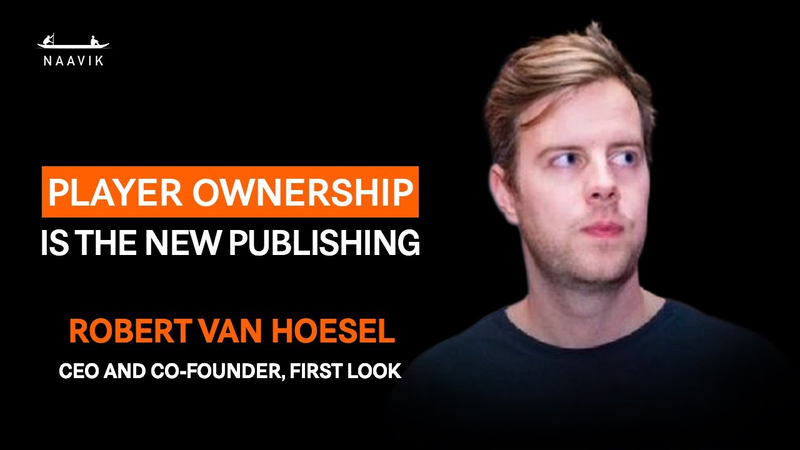
usually fighting for every wish list, every play tester amongst a sea of highly competitive content across PC, console, and Roblox ecosystems. And so today on air I brought the CEO of a company who is currently helping studios with this problem. My guest today is Robert Van Hol, co-founder and CEO of First Look. First Look is now a part of Pragma. Um the founder of whom joined me on air many years ago. But it's my absolute pleasure to welcome Robert to the show and I'm super excited to talk about this topic. Welcome Robert.
Thank you. Thanks for having me.
Yeah. Um, and before we get started, I do want to disclose that Ruckus, my studio, um, which not not under Navic, but my other my other real job is a customer of First Look. I also run play testing for our title, the holdouts, and thus not only are our company's partners, but I'm actually an individual power user of First Look. And so audience, you can kind of take this maybe as a first witness testimony as to how important this sort of tooling is for the future of the games business and
a small studio and an assessment of the fact that there are true happy paying customers. Um, Ruckus is a very small business marketing and community team and First Look definitely helps us punch well above our capacity. So, but before we start, I want to get some background on you, Robert. Um, I actually think this is going to be awesome because you aren't someone who traditionally classifies yourself as a gaming veteran. Um, so I'm going to ask you a few questions to help the audience get to know you. There are about five of them. And so the first is you founded and ran a company for 11 years called Crowded. What was that? And tell me a little bit about it.
Sure. Um, I think Crowded is pretty interesting because it follows a similar founding story as as First Loop does. like I was building a community of uh I was pretty young back then, below 20 if I remember correctly. Building a community of fellow like teenagers and young people building companies and trying to make a living for themselves
and uh there was some pain because we wanted to have our own like online hub or community place and um there was no software for that at that moment. So we built something ourselves and that turned into a standalone product called crowded which eventually transformed more into enterpriseoriented community platform for them to have white label destinations for their stakeholders, their employees, their uh top customers to share
resources and all have discussions amongst each other.
Interesting. And so you ran this company for 11 years um and and I guess I guess walk me through a little bit of that journey um of starting something when you were really quite young you said below 20 to running this company for 11 years.
Um yeah well uh many things happened. I think uh important to highlight is that we decided to run it as a bootstrap company. Um, so really focused on the
bottom line profit building based on the fact that you know your customers want your product, there's demand for it and you're building it for your current customers and not for the future valuation of your company. Um and we went from a very local business startup trying to like make bespoke community platforms into a real white label uh high-skilled enterprise compliance ready improved platform which is very dry and boring stuff to do but we ended up working for like the biggest banks and governments uh across the world and made a huge impact. It was super interesting. Um, and I learned a lot there about building software, about running companies, about sales, basically everything that you want to do if you have a product that you want to build and get into the hands of people. Um, super inspiring. At some point I did get a little bit burnt out because one thing that I noticed and that's maybe also a bit like step to what I did afterwards is that um our customers
the the job that they were doing through our software isn't something they were super passionate about right it's just part of their job description is to communicate with their uh customers but they have a lot of other responsibilities and no one really wanted to be a power user no one would like respond
proactively with feature requests or ways that really drove the quality of the product. And I myself, I'm a real product builder. I get excited when I notice that people like what we're building and they're happy about it and we're making their lives better. So that the lack of that kind of feedback loop made me uh start thinking about the next adventure looking elsewhere. Took a bit of a break from crowded that still exists. It's still running. It's a profitable company. Um it's still out there having customers. But I expanded my horizons and started to think about what do I want to work for? what kind of audience, what kind of market? And one thing I knew for sure, I wanted to build for a kind of niche, small market with very concrete problems that are
passionate about their job and their work and the products that we make. Um, well, spoiler alert that was that's the gaming industry. Uh, you folks, people building games, developers are awesome people to have as a customer. Uh, there's so much impact that you can make as a software builder actually. Um, so yeah, that's a that has been a really interesting shift for me.
Yeah. And I mean, you kind of already kind of jumped forward to my second question, which is what took you from the typical SAS world to to founding First Look, and it sounds like a lot of that was driven by actually having passionate users for your software. Um, and uh, as someone who has made many feature requests, absolutely. Um, we are there ready to suggest how to make things better. Or maybe that's also something that we're always very used to. Uh, a lot of people that obviously work in the gaming industry are typically players. Um, which I think is a very different maybe than from the SAS world where you may not be actually be a user or a fan of the business or the product that you actually are using. And so in the gaming space, we're very used
to being very vocal about strong opinionated feedback. Um,
Exactly. Yeah.
But um, yeah. So maybe I kind of want to shift to Yeah. that journey of, you know, you you you finished at Crowded. um how did you meet your co-founder? Um and you know given that you weren't a big gaming expert um how did you discover games and then finally tie that all together with how you fully managed to bootstrap this company and then we'll get started on what problem First Look is trying to solve.
Right. Yeah. So, one of the things I did when taking a break from uh from Crowded was a game actually and around that time Age of Empires 4 was released um famous RTS and uh I really loved that game. I struggled with understanding the intricacies like all the details, unit stats, buildings, technologies, how they work together. And at the same time, I wanted to improve my skills as a front end that developer because running a business you don't always get to be that close to the code anymore. So, I started
to build um a little hobby project that allowed you to like explore all the different buildings and and civilizations and how they interact together. And while I was doing that, I met my co-founder Rene um who was building a leaderboard for Age of Empires 4. So, we decided to bundle our forces, created a website called a4world.com, um which still today and now it's like the biggest community website for people that play Age of Empires. Um so that was all fully a hobby fun passion project um where we sunk a lot of time in but it also became our road into the game industry because uh other studios took note especially RDS studios and we built some relationships with them um and uh one of them Frost Giant Studios who's also a customer um they uh were at the beginning of their game called Stormgate and they were looking for help building their community, but especially on
boarding all their play testers, Kickstarter beggars, creators, anyone that should get an early access and preview of the game. Um, get them their their Steam keys and get them into Discord.
Um, and at that moment, we were like, well, heck yeah, we want to do more for games or around games. So, let's just build a small tool for that. Um, and that bespoke tool became the beginning of first look because actually what we were building was already kind of a product and other studios reached out and told us hey we would like something like this and actually we we started telling other studios we're building this this product this play testing tool sign up whenever you want and it's going to help you. Um and after like five or 6 months actually people started reaching out and they were like oh okay let's start building it. Um and this is like January February last year started building first look as a play testing on boarding tool. Um also more
as a side project we were like if we create something of value for studios it allows us to network with them and learn more about what they're doing and the problems they're facing. Um, but very quickly became clear that play testing is a really interesting way to start building your community early on as a game developer. And if we already have that list of play testers, we know who they are on Discord and we know their Steam account, that creates a very interesting foundation for a product which is now First Look, and that's how we started that. Uh, um, I've been building that for one and a half years now.
That's amazing. Yeah. And I love that the journey to first look was actually built alongside, you know, a studio, you know, when I did the intro, a studio that was struggling with exactly that problem, right, which is like cultivating a really early community. And so, you know, I think very much so a lot of times in the startup world, like you're it's, you know, the number one thing is like know your customer, right? And one of the great things about having a customer is that you can just ask them what they need. Um, which is, you know,
and they give you feedback and you can help them. And I think it's a very like cool way um especially on the product side to just always constantly be informed by what's valuable and revisit your hypothesis um and see how someone is using your tool and then pivot based on that information. Um but now that the audience has got a grip on your background um I want to dive into the core of our subject. Um and I loosely alluded this to this in our intro but I want to hear in your words what problem specifically is first look trying to address in the gaming market? Um, that's a great question. We, you are asking that ourselves over and over again because I think essentially studios face a thousand little problems when it comes down to publishing and distributing their game and getting it into the hands of players. Uh, what we want to do is help studios build successful games. That's our vision. That's what drives us. And the way we do that is through helping studios build community, build direct relationships with their players to better understand from them, learn
from them. Um, activate them in promoting and sharing uh your game and getting their friends to play. Um, basically everything that revolves around the relationship that we that you have with your players as a studio, we want to improve on that, extend on that and make it work for you and help you build those stronger relationships. And
yeah,
essentially we are like a player relationship management tool, like a CRM for games.
Um, yeah. So exactly like I think for me like uh the way that I see it is there there's play testing, there's owning the relationship with your player which is actually I think even more tied to something bigger for games which is controlling your financial future. And we'll talk a little bit about this in in in the next question. Um but also building tools that help small teams scale big processes. Um as well as obviously some of the sentiment work that you guys have been doing uh for help games cut cut through the noise. Um, and I think all of those, like you said, like all every studio is dealing
with a bunch of little problems and those are potentially some of those little problems and first look is kind of addressing those um, as you guys build and go along. But now that you've talked a little bit about the problem that we're trying to address, um, I want to ask, you know, why is it important more than ever now to specifically address this problem? And I have a few hypotheses as well that I'd love to jam with you on.
Right. Yeah. I think so. Let me take one step back on the problem because the other problem that game studios face is that there's just not a lot of good software being built for studios. Um like the focus and emphasis of development and investment is going to the gaming content which is great and we want you to keep on doing that. Um, but there's all these thousand little problems. you get a thousand little solutions and you end up with spreadsheets and Google forms and like oh and do science and oh just with play testing alone um there's a lot of waste and a lot of value being lost because
you don't have that data in one place and you're not like building a good view about who your core players are and understanding where they're coming from and why they're playing your game and what are the friends they're bringing in and what is the feedback they are giving and how are they responding to updates that you give. And um my uh my idea or my like basically big vision for game developers is that if you don't build a community from your from very day zero before you start releasing the game or get it into the hands of people, you really miss out on building that like muscle and um skill sets needed to know how to get your game to become better, how to promote it. Understand exactly who your player is and know who your core players are, what they like, and that they don't like. And traditionally, games are being built in isolation. Iteration is very slow. Um, you create
one build, do research, which is great. Then you digest that research for a couple of weeks, then you think what you can improve, and 3 months later there's a new build. And what we're hoping to do, what I hope that we can do through first look is make it much uh easier to test early and often and get small bits of feedback in. And if you have a community, you don't need to work just around builds. You can get feedback on art. You can get feedback on ideas that you're considering. And all of that helps in the development phase. But then if you take it to after release, there's so much more that as a studio when you own that relationship with your players, it's just a gold mine. And um helps you prevent taking unnecessary risk. It makes if you have a great play test and if you have built a strong community, you've tested everything from distribution, adoption, uh engagement around it, retention potentially. And that will mean that once you launch and go into early access, it's less of a
gamble. there are still all the market forces around it,
but you have much more confidence because you have essentially already released your game uh before you announce it and release it to everyone in the world.
Mhm. And why I guess so you described again more of the emphasis of the problem and what it allows studios to do, but why do you think that there's demand for this now versus maybe five 10 years ago? I think primarily there everyone knows that there are a lot of games being released but there is an interesting market shift where both capital uh development and as well as customer player demand is there for more games for indie games for smaller titles. Uh people care about the AAA polished experiences with hundreds of millions of budget behind it, but they also care about just having new content to play and new concepts and um getting games out is difficult as it is.
Like development isn't easy. It's it's interesting trajectory. I don't have a lot of experience myself, but I get to hear all your beautiful stories. Um but then distribution and uh get yeah just selling your game it's it's actually becoming more of a science. You can't just build something and and this is actually something that in in startups in technology startups and software is something that's just common knowledge like you never build something and wait for the customers to come. like you start early on with validation and understanding if your game makes sense and um
only if you've provided that value and people like what you build it makes sense to scale it up and invest into it. With games you have a much less opportunity to like put a prototype out there and then extend on it and grow it and into a large business over time. Um but you still need the data. you still need to really really know and believe that what you're building makes sense
and that people want it. And um
the whole distribution model around publishing is shifting a lot like many studios. I think the majority of our our customers at first look and we have over 100 studios actively using the product. The majority of them is looking to self-publish and um if you're going to self-publish your game, you're missing a lot of like business support that you used to have. Suddenly you're running your marketing operations, your research and intelligence, uh your fundraising, uh your community management, all of that comes on you as a studio. And it's impossible as a smaller studio to like hire five, six hats for that. So you need to optimize and be smart about how you run your community in communication and marketing as a studio. And uh well with first look we're hoping to make that process a little easier by giving you one platform that does like tens of thousands of things uh through having all your players in one system. Um, and hopefully eliminate the need for you to
have all those different hats in your company. And you as a studio founder, you probably I hope this resonates because you are like wearing so many hats and responsibilities and anything that makes it easier for you to perform all those jobs where a traditional publisher model your publisher would do that or you would have like the backing of a bigger company behind you with business support. it's on you now. And um the need to uh get numbers out to show like there's so many things playing into this. Like a lot of studios use the data that we gather like playtime and retention and feedback and sentiment on Discord as a as a fundraising uh model. So the reports that we generate, the data that's in first look can be useful for you to get funding too. So, in all kinds of ways, it just helps if you are smart and intelligent about how you approach building your customer database, your players, your
community, and how you can use it to show and validate that your game has a reason to exist.
Yeah. Yeah. Yeah. And I think that's like really to me like it boils down to like the first thing is obviously there's um higher volume of independent studios as publishers have pulled back from titles and has how it's and as it's gotten easier to make and develop games with new tools um engines engines get locked etc. Um and now more than ever it's super competitive. So it's like just pushing more and more and more grassroots. So studios must now prioritize this for survival. Whereas before they kind of had the luxury of being player agnostic, right? If I build it, they will come. That is no longer the reality today because the market is so competitive. And like you said, building an analytics pipeline that allows you to measure audience and playtime habits earlier earlier in dev means that your team is going to be smaller when you start doing that because simply that's just the beginning. And you also have no publisher to do this for you because publishers are retreating from the games
market is they're becoming increasingly ever riskaverse. Um and before like and that's was also one of my questions which was why do you think this has not existed in the past and that's because the publishers owned majority of this responsibility. Um and now even on the publisher side right which is a business that hasn't scaled that well. It's been mostly like a people scaling business rather than like a enterprise tooling scaling business as what's your building um which is just publisher if they need to support more board games bigger fixed sales and marketing headcount etc. um whereas you guys are tackling it more from the enterprise level. Um but I want to ask you some questions specifically because you have a background in in SAS and B2B. Um, you know, you said it yourself, um, First Look is a CRM built specifically for gaming. And it's crazy because in the SAS business, this has existed for a very long time, like Salesforce, Zenesk, Monday, whatever else. There's a million tools you could possibly use to do this. And now you've
arrived in this space and you're building like the miracle tool and you've been at it for a bit. And I'm curious what surprises you about building a CRM for gamers and studios um that might be very different from the CRM SAS products and for you. So like what are the differences and what are the parallels? So I would say that my biggest surprise was that um while in gaming there's I think a lot more data about about your users than there would be in traditional SAS businesses, none of these systems are really integrated or working together. So,
um there's great software in the game industry, um also for helping you run play tests or getting sentiment or working with creators, but none of these tools really talk to each other. And there's no um or actually even even at larger publishers and like big gaming enterprises, this is a struggle for them
too. like they have to set up their whole player data platform or something to like link all the data together and make it work for them. So, um one thing that we're focusing on with First Loop is being really gaming native. So, your Steam library and wish listing data, your Playtime, um all the other uh platforms console that you can be playing on, your Discord account is linked to your Steam account is linked to your email address that you signed up with to play test. um is linked to your Reddit account potentially or whatever where we go into the future. And if you're a content creator, that's linked to be you being a player in that system again. And if you want to uh respond to a survey, we can all the data is linked together in a way that we can really really make it work for you. So if you're looking at survey responses, you can filter it by onboarding questions asked when they signed up for the play test or demographic data. Or when you're looking at sentiment, you can narrow it down to filter out specific cohorts. Like I don't want to I don't want to
learn about the sentiment of the noisy players that are shouting a lot on social media. I want to know from the players that are no longer player but actively talking because those are the voices that I care about.
So that was my biggest surprise and something that it's not trivial to tackle, but it seemed pretty obvious that investing in creating that data layer, creating uh a good view on your players is really really important. Um, and in that way it's very similar to traditional SAS. It's just not interconnected. Um,
and then another big difference which has a lot to do with the distribution model is that it's just noticeable that there's a legacy amongst game developers that they don't want to own or know or have any relationship with the player. They want to build their like box model game, put it in a store and maybe respond to reviews and read to that. But the the value in like driving your own marketing or running ads out there, seeing why
people click and what interests them about your game and if they're interested to sign up for a play test is really valuable. So there's a there's a real like um I would almost say like cultural lack of interest in uh having a deep understanding about marketing building relationship with your customers and um being smart and intelligent about that and the parallels I mean it's all technology it's all development um it's uh in many ways very sim it's more similar to um B2C which I I I I have done B2C companies but my my previous style startup obviously is more focused on enterprises although our customers their problems were B2C so there are some parallels there but I think the the primary difference is really that that studios and uh studio founders they just lack a curiosity about really understanding who their player is and
and building relationship with them and the inverse the founders that do and our customers that do we see that they make so much progress and get so much value about uh out of their like community and out of building those relationships and their their updates are so on point and get very good reception and when they had to release they are so confident and excited because finally they get to celebrate with their community that they build an awesome game together and um
yeah I think that's that's a beautiful like thing in the inverse because ultimately all game developers are super passionate about what they're traditional like SAS businesses generally aren't. Um, so getting to to share that and and co-create with your community and audience is uh is super valuable even though it might be daunting or even scary because you have your own creative ideas there, right?
Yeah. Yeah. I really like that because I think that there's um you know there are things that gaming does very well that it's far superior to SAS, right? And I
think maybe the joy of building the product is there in games but perhaps absent in SAS. But then there's the flip side of that which is just the curiosity to like learn from the players to do to to to enhance the building of your product which I think is absent in a lot of video games and that's changing today and I mean it already has changed for multitude of studios um and um platforms like mobile um and that's been that's always a very present in SAS like you start from day one with a customer putting in their hands um and so I love that you kind of back those parallels together And I guess what we're trying to obviously probably do is you're trying to take the best of both worlds and put them together in in first look.
I think in
I'd love to now one thing to add to that there. Uh so a growing part of our customers are uh mobile studios
and mobile game developers are actually much more like SAS than PC console games.
Yeah, definitely. and they are very like uh oriented on optimizing the funnel and
understanding where people drop off and how to get them to convert and we get to implement a lot of their best practices in a way that they make sense for PC and console games and vice versa. And I I I do think I we get to learn more from mobile game devs on behalf of our console and desktop game devs than that we do from traditional businesses. Well, I'd love to actually shift from now that we've understand the kind of macro problem that First Look is trying to address, you know, owning the relationship with the player, cutting through the noise, you know, putting team putting together tools that enable a small team to do quite a bit. Um, tell me about like what a studio is actually buying in terms of feature set when they sign up for a first look. Um, so you know, you already mentioned how many studios are working with you guys. It's about a hundred. Um, and we'll talk a little bit about the first look pipeline and how that's been growing for you, but just you know when you sign up today for first look like what's available like feature set,
right? Yeah. Typically, um, our
customers will sign up for play testing. And what that means is we give you a really smooth, um, frictionless experience for your players to sign up, show interest using a weight list, get invited by you, and then they can sign an NDA, provide additional questions, and then we give them uh, a product key so they can can start playing the game instantly. They get into your Discord, get on boarded, and throughout all of that, we're building up a profile on the player. Um, you get to learn about their uh wish listing status, about how they signed up, where they learned about your game. There are some uh friend invites, referral links, all of that to like try and build growth and get more people to sign up. actually people that use that functionality about 25% of their play testers are coming through referral links and friend invites as a mechanism to like grow interest for your game. So that's another part of uh of tooling that we're building is help you run
campaigns uh distribute your game drive wish list. Um, but lately we've been shifting a lot more into um, uh, feedback and sentiment and data around your game because it's also relevant when you are done building your game. You're never done. Like for live services game games, getting uh, insights on what people are saying on Discord, what they're saying in surveys um, and on other social channels is really important. I think we're one of the few companies that really helps you do in-game surveys and native and real UI really, really well. Um, so that's another thing. Um, we do analytics on not just the game and play time, but also engagement on Discord. Um, web traffic to your properties, um, why people are signing up. We have newsletter functionality. Um, and we're now extending into uh running your creator program to first look because the way I see it, first look is really
built for your core community like the top 5% of your gaming audience that's interested in building that relationship with you as well and uh wants to give feedback and grow your game. Creators are an essential part of that. So we want to facilitate that process, make it easier for them to get on boarded, be a part of your community and get the right incentives and rewards for doing so. And that also brings us to our latest newest addition that we'll release this year, which is rewards specifically for community activity and good behavior.
Um, that helps you build retention not just in the game, but also in your communities. And if people are posting feedback, they're being active in Discord weekly or daily, you get to reward that. and help them shift to higher tiers, become like more of a VIP member of your community, maybe get some advanced access or be in more private channels, uh get swag or whatever you want to do to uh be grateful and thankful for the players that help you build a better game.
All right, obviously a lot in there, but
the bulk of it comes from play testing, analytics, and surveys. Um, and then obviously some of this creator work that you're doing which is building relationship with maybe your early like you know vocal creator vanguards. Um, and so I just wanted to make sure that it's accurate that you know the average place in the game development life cycle that the studios are approaching you um is very is early and when they are struggling with play testing. Is that accurate?
Um, that used to be accurate. I think nowadays we're talking a lot more with bigger franchises as well. Um, We're talking with titles that are released but struggling. We're talking with titles that did great and just want to strengthen their relationship. I think ultimately um play testing is one of the best moments to start building your community. People are eager to maybe give up more of their information. um they are interested and excited for
what you're building and their drive to give feedback and get their hands on games that aren't released that is a really big reason for people to join your community. So it's really powerful but uh first look is super relevant once you launched and the same thing still count like people that want to be part of your community that want to improve your game that want to share it with their friends want to play together meet other people doing so that's who we're for and more and more that's where our customers are coming from but play testing is our core I think it's something we do really really well
um and we help you save a lot of time with it so it makes a lot of sense for studios to sign up for that specifically and Uh they're absolutely welcome to we love to ask them.
Yeah. Yeah. And I mean I really like that because I think I I'm I guess I'm just genuinely passionate about like how people enter the product. Um and there's this really there's an interview that I was listening to um by by Dar and I'm going to butcher the last name. He's the CEO of Uber so I'm just not even going to say his last name. But um Dar was
really interesting. You know obviously Uber is running a two-sided marketplace and so um there's obviously the the driver side, right? I am an Uber driver and then there is the supply side which is I am an Uber traveler. Um and it's really interesting because both both of their core flagship products Uber Uber Uber drive right so um like the taxi Uber Uber taxi and then Uber Eats really reinforce them one another mutually where they basically onboard the the the driver side from Uber Eats because the requirements to drive food, goods, etc. are significantly lower than the requirements that it drives drives people. You can onboard into Uber Eats really quickly as a driver and then on the supply side from the from the from the PE passengers, right? Everybody needs to get somewhere and then because the passengers are already in Uber taxi then they migrate to Uber Eats and then the people the drivers are in Uber Eats driving and then they migrate to Uber taxi. Um, and both of these are like very self-reinforcing loops. And so for
me, it was curious because I think that when your players on board with you for play testing, right, they're coming to you for this very specific entrance, right? And then you're able to supply to them this whole portfolio of other things which helps them stay just like Uber taxi. Um, help them stay in the first look ecosystem. And so I find that to be just like really interesting that many of the customers and your early customers were coming to you for
it's a good remindering needs
because basically we did start this product. We're experimenting a lot. We're just trying to identify ways we can be useful to studios and one question that we got over and over again is can you help us get play testers? Traditionally there are play testing agencies that have their own like database of players that they will source and invite to like physical locations to test the game. and we didn't have any of that. So, um we started our first first look player uh network, which is a community of play testers that are interested in playing more games. And the way we grow that is
by people on our free plan or that are starting out on first look. We display a banner where they can sign up for other games instantly because we can prefill all their like email that we verified their social data and make it easier to join other play tests. And in that way, all the studios are helping each other too. Like I give some of my hard-earned traffic and players that I fought for and try to get eyeballs for. And uh I get to promote my game uh to other players as well that I came came in from other studios. We're not really sure like what the business model is behind that or how we want to grow or accelerate that. All we know is that it works. And just today we got a message from a customer was like, "Oh, I opened the dashboard." And I was completely shocked by the fact that we have like 30 new players sign up for our play test and they just came via first loop. They didn't have to do any outreach and that kind of uh movement is really something that we're after and hoping hoping to build. It's just one of the ways that we we can add value. We have all the
tooling. We can make this easier. We can provide a platform now and hopefully we can scale this into something that helps maybe not every player in the world but absolutely the players that are interested in making games better um to to get them into your games and learn about your games as well
even before you have a Steam store page.
Yeah, absolutely. And that's exactly like similar to the Uber taxi um Uber Eats relationship, right? the demand side is coming from the studios and the supply side is also coming is coming from the players and they're kind of meeting in the middle. Um, and the more studios you have, you're bringing the fans and you're transferring them into basically being in the first look network and then they can potentially be useful for other studios because maybe I'm I'm building a game that's similar to your game and maybe I have a player that's passionate about both of those games and wants to play both of them. Um, which is, you know, extremely exciting. So that's how that network effect is kind of stacking for you guys. Um I want to talk a little bit about the
future of First Look. We've talked a little bit about the um the feature set, what you guys provide, etc. Um and because I'm a customer, I also know that you guys are moving insanely fast. All of these things that you've described have basically been built in the past year or coming online as we speak. Um you guys are shipping new features. Some of them are small, some of them are big, um left and right. And so I have a couple questions kind of about how you're doing this um in a you know in in a scalable way on the internal side, right? So the first is um how are you striking the balance between white glove support and scale? So you have a 100 studios and they may have a thousand questions um and how are you basically helping onboard studios into the tool and answering all their questions in a way that's sustainable for the staff that first look has. And the second is is that you're probably at the point now because the studios are very passionate and give you a lot of feedback like someone like myself who was like where is this button? Um you're probably at the point where you have to prioritize
with a razor's edge. Um and so how is the team and you determining what gets worked on next and is there a way that you measure the value of a feature before you move forward with building it?
Right. Um, you're very accurately describing like my current job description or like what's occupying most of my mind. I think we only have like scratched the surface of what we can do for studios. And it feels like there are a lot of opportunities for us to uh unlock more value and and make the data that we have for you uh do more stuff and and be really cool. So sometimes we can approach it from what do we have and how can we make the data useful and rewards is a really good example. Um when we will release the rewards functionality it will work for all our studios without any configuration because everything that you may want to reward that you may want to drive by default we already have that
data. there's no need for people to go in, sign up for a platform and connect out all their accounts. No, they're already onboarded to your play test or your community. Um, so then giving them XP or points for that that gets them to do more exciting stuff with your game, it it kind of comes naturally. So that's an example where the the ID or the value is really clear. We just need to build it. And um it also has been asked over and over again and we did some prototypes with customers around this to to try it out. So um that's I think those come pretty easy just like you yourself if you have a feature request you raise it you're usually not the first like there are two or three other people who have complained about it or asked about it and then it makes sense for us to just add that and bring that value. Um actually recently we created this a separate uh role. Every engineer at first look one uh we rotate that every
week but they have the firefighter role and um basically what that means is they only get to work on feature requests and issues that come up during that week. So in that way we can guarantee that if you have a bug or if you have something that's easy for us to make but usually it would fall outside like our road map and planning and because we have a lot of stuff that we want to build we are prioritizing a lot of stuff but it means that sometimes we don't have the opportunity to improve the easy wins that people will share with us. So we have someone dedicated for that at any time to just build out those small features and improvements. And then on our like new newer stuff, it's really a combination of finding new business opportunities. I think our software is relatively cheap, but it's really hard to like turn that into a viable long-term uh business that really really works and has a right to exist. So, we also need to explore things that uh drive like our bottom line. And then we're just looking at other things in
the market like creators is an example where I think the existing tools and companies are pretty good. Um but I think we can do it better or make it easier to transition into that. So if you are another example is um your marketing website for your game the hold outs. I don't believe you have a website like it doesn't make a lot of sense to invest in that early on. You maybe have a steam store page. you already have your play testing going on. And um for us it if you're already a customer, you already signed up, you have all your data in there, we own your sign up form, we already have a news thing going on with your newsletter. Um it would make sense for us to also help you with your marketing website. So those things are really bigger bets and then we just try to have conversations with our customers and also leads and learn about their needs. Um but ultimately every decision we make and everything we build is uh either super validated or um
no it's always validated. We never build something without knowing that the market wants it.
And
yeah. Well, I mean it sounds like it's driven by two things, three or three things rather. Like one, there's like someone just simply asked, right? You had a client that was like, "Hey, I really need this." And you were like, "You know what? They want it. The client is always right." Well, that's what we say in the finance world, but the client is always right. Um, and this will take us 2 seconds. So, I have this firefighter staff that's building these quick things. The second is basically hey like we think that this is um a feature that is going to meaningfully alter the bottom line of first look in our opportunity. Um and the second and the third thing it sounds like is hey like there's these really interesting things that maybe other products are doing but we have a there's going to be some synergies here if we were able to vertically integrate this entire pipeline. So, and then and if it's one of those three, basically it adds business value. It adds ease of ease of
use value to the client, which is basically going to add also business value. And then expansion of the tool set, which is going to add business value. Um, and it's validated. That sounds like it's that's generally the way
that's generally the way. But I think the the first one like someone asking you um it's not the norm sadly that if you have a feature request as a customer or if you want something improved that the company listens. Um you may share it. But as a company, we really need to build a culture and we need to make customers not just know but feel and experience that if they have a problem that can be improved by us that we actually take that opportunity to do so. So we're really um extremely on point like if we have a lead or someone that's signing up for a free free account. You asked about our approach to white glove support. We we treat them similarly to like aa AAA publisher signing up and if they have a feature request and we realize that we can very early on let
them experience that we care about what they want from our product and we can solve that within the same day. Then for life we will know if they figure out a bug or something is wrong that they will tell us and we know about it and we can keep on improving it. For a company it's not a given that you will get customer feedback. for a game too. Like if you don't um let your players feel and experience and know that if they raised an issue or if they raised feedback and you're implementing that on like an adequate speed and you're thanking them for that and closing the loop, we help you do that with first look. Then down the line they will stop giving that important feedback. So I think that's really one of the key things that we aim for and why the firefighter uh role exists in the first place.
Yeah. Yeah. It's very cool. Um, okay. And before we kind of go on to our our last topic, I have two more questions. The first is how many people are actually supporting first look now. So, if you had to like lay out the org, right? Um, engineers like the firefighters, right? And then customer
success, etc. How many people would you say like are in the first look nexus? Um,
right. So we got acquired by Pragma uh at the beginning of this year and we were just two people then and uh obviously for a lot of the roles that you mentioned we benefit from sharing that with uh Pragma the back end engine so sales and customer support um in total heads I think we're around 20 people working on first look now across engineering and business services um but some of that is obviously shared with with Pragma and uh it's actually really amazing to get that much resources to work with and like build all these things that we want. It's the only reason we can do it. Um but yeah, it's it's around I think 15 engineers in total working on the product.
Okay, I see. Um and then and we're going to talk a little bit about Pragma. That's how we're going to close out. Um but I'm curious. We've talked about so many of the different things that
studios need today. um play test support, relationships with creators, analytics, um reward systems, um things that basically help you grow audience really early. What do you think are now that we've kind of exhaustively talked about the problem and the first look platform? What are the risks to this to to first look in the platform? Like what goes wrong in the game industry and the gaming market that kind of cracks the thesis of what you're doing? I don't think as a of it as a realistic risk because everywhere the the regulations are moving in a different way but it's if the more platforms own the relationship with your player the more it hurts not just uh our ability but also studios abilities to build those direct relationship with players and know about them. So, um, if you look at mobile game development, they suffer a lot from the fact that there are only two stores and you can only drive people to that
specific store and that removes all potential for you to build that relationship. And I think that's really key and one of the the main reasons why we exist and why we want to do it. Luckily, I think we're shifting towards a completely different direction where within a year or two years time, maybe the majority of games being released have their own outofgame e-commerce places where they can drive revenue and build their business and aren't dependent on just a one-time purchase with a 30% like fee on one of the platforms. Um, but that would be like a that that would really hurt the gaming industry and has hurt the gaming industry. And if that trend doesn't change, then that would also hurt our potential as a business.
Okay. So for you, it's mostly consolidation around platforms and storefronts. So like Steam, like EGS, um obviously consoles are, you know, there's only three, we only got three options. Um so okay, interesting. Um I guess what do you I think one of the things that I was thinking about is a
lot of these studios are basically like using this for play testing. Um, and you there's a obviously an extremely large generation that's growing up mostly just playing on the Roblox platform where all of this stuff like doesn't necessarily maybe and this is need to exist, right? So play testing for example in Roblox is very simple. You just hit release and you start. Um, I've done it, right? It's very simple. Um, how are you thinking about potentially Roblox as a platform? um and potenti and how maybe that would relate to first look or not relate to first look.
I think eventually we will make a natural transition to supporting that because what we're
like like I said our our value is actually rapidly shifting away from play testing. Play testing is one of the best hooks you have to build community around your your game. Um but the the true fact is that building on Roblox is very low risk. So
as a studio, you raise some capital, you build a team, you're spending two, three years of your lives trying to get a game uh published. So you want to hedge that risk. And the importance of a product like first look in uh in your game development is really really high. And platforms like Roblox do something really well. What mobile platforms do too. The speed of iteration at which you can like build something, release it, and know it didn't work and learn from that. and then try again with something that does work is just much higher and the market marketplace dynamics there are completely different from traditional games. Um but ultimately they all want to build community. Um they all have real users and they all uh benefit from things like rewards and creators. Um, but I would say that platforms like Roblox have done a much better job at building those things right inside the environment where
people play and hang out.
Got it. Okay.
Yeah. Probably more to unpack there, but we we've got a lot.
For sure. Yeah.
Um,
all right. So, in the last 10 minutes, um, I want to talk about, um, some lessons in entrepreneurship. Uh, and so like you said, you have this huge potential to build the the dream stack for studios when it comes to from the very first play test sign up to purchase to becoming a creator to player behavior and Discord or across consoles or across maybe social media at some point. Um, and that brings me to my question. You know, you mentioned there's a team of you um, and Renee, two people. Um, and recently in the beginning of this year, you were acquired by Pragma. And so I want to know from your guys's perspective of you know why do this inside Pragma um and what what lessons can we learn from entrepreneurship in a very early sale like this?
Right. Yeah, you're absolutely right that it's a very early sale. Uh we were it was basically for us the option
between spending a lot of time fundraising or continuing the momentum that we already had and um bringing value to studios. And the reality is that the product we had already was great but our distribution wasn't. So like we didn't have the sales support, customer support. Um, so that was very appealing and then the resources and like Pragma is a really wellunded company with a solid business. Um, and it would allow us to build out our ambition in a much more exciting and and compelling way. And it really was like that. We built it as a side product. We realized there was value. People came very early to us with all basically our entire road map up until this point has been completely driven by feature requests. Um so at some point you you want to do right by your customers like if we if we wouldn't put first look in like the resources that Pragma offers but take
the traditional VC funded route or even bootstrap route we just wouldn't be able to unlock the value that we currently doing and um I'm not sure what the lesson learned there is but I particularly know myself that if what's making you passionate is getting your product to really show it's true value and get it into the into the hands of as many people as possible and really solve their problems. You got to make sure that you prioritize how you're going to do that. And this model is really appealing. It has worked super well for us. We scaled very rapidly and now we have an amazing team to build super cool stuff with. So that's the story.
Yeah. No, I mean I think that is the lesson. I think you well there was a lot for you to benefit from from Pragma's scale engine and because you're prioritizing building the best dream stack for studios, right? It's you had a higher chance of doing that and building your goal of being the ultimate CRM for games inside Pragma than outside of
Pragma. Um and so I think that that's the I think to me like at least that's what I hear from you when when you tell that story. um which means that your north star is very much the product and I think that that is a great lesson and for entrepreneurship um I guess my question other to you is you know what do you think pragma sees in the acquisition that's you talked a little bit about what you saw from the first look side how do you think pragma thought about it
um I think it's very simple like pragma runs the back end of your game that ultimately the vision of pragma first are very similar or they're the same now actually which is ensuring ing that games that get built are successful. And um you can do that by just doing the back end part of a game. Like you can build the best uh back end API for a game, but if the content isn't great because the game or the studio was unable to get feedback early and often and uh and build a game that does perform really well and stays alive after launch, then what is your backend
business worth? So ultimately there's just this very strong drive to help studios across the whole stack and everything that we can do. And that type of thinking really translates within first look too. Like we're not just doing play testing. We're trying to do everything that we can do to help you build a successful game. And that's what Pragmat is in first look and why we're building it in the way that we are.
Yeah. I mean I agree. I think that there's a lot of there's it's very symbiotic. um not no pun intended but they are the backend and you guys might be the front end uh to start people um in their journey right and again there is no backend business if the game doesn't ship or launch on time and you have a higher chance of having a successful game with you know a strong and healthy CCU or DAU if you have a strong audience on the front end um and so I very much agree that that is the way I guess the way that I guess one would think about it when it comes to this kind of this kind of M&A
it's also like a very practical level.
I'll keep that that one short. If you want to do rewards like in-game cosmetics or if you want to get better data on what are people doing inside your game, having a back end that has all the data and there's no like overhead for developers to unlock that because we can just integrate that. You put in API key and it's done. That's really cool. That's super amazing. Like I wish we could do that for all games.
Yeah. No, it's is absolutely super cool. was definitely one of the things that at least from our my side I've thought about because um we are also program customers and it would be fantastic to know that somebody on their discord or somebody on their Twitter did something and then we were able to reward them for some sort of player engagement at the account level. Um it was actually something that um I spent a lot of time on doing PM work on titles like Hearthstone and Overwatch and you know even for us across the battle in the battleet ecosystem we understood things but you know if we wanted to run a program that was like hey if you did X in Call of Duty Mobile and we and then we would do something for you in in World of Warcraft that was so difficult
for us and it was just a way to give value to the consumer like if we wanted to do a bundle program or a rewards program or some sort of like you know cool tiein hey if you get this Rexar skin here, you'll get this over there. Um, and because none of those ecosystems were connected, even inside three BUs of A, B, and K, um, in Activision Blizzard King, you weren't able to basically make any of those calls and or even even if you could do it, it was the governance of tracking it was so arduous that it was like, wow, well, we we can't even go there. But, um, yeah, so I think I agree there's a lot of there's a lot of things going on there. Um I have a question though regarding maybe the fact that you know more going to less less about um the product synergies and the business value but about the people. Um is there anything that you and your co-founder had to change about the way that you were leading first look or the way that you worked when you were acquired? Um I'd love to hear a little bit about the
integration between two teams and how you now feel as a founder working inside another company.
Absolutely. Yeah, of course it's wildly different like we build our company on very uh indie business style principles. So uh no calls everything I think. Um you work whenever you want. Um we're both two extremely high performers. So if something sucks you can just tell that and it'll get improved. Well, in a bigger bigger company, um, culture matters a lot and planning matters a lot. We can't just on a whim change something or get something done. So, the transition has been extremely uh challenging and interesting. Um, but I think we know we knew exactly what we signed up for and why we did it. So, it's a transition and a change that we
absolutely welcomed and means that we're now able to sign AAA publishers get like all the favorite games that the biggest releases of these years are being uh built on our software and the games that excite me as a as a player are now able to use the the stuff that we built. So all of that like all the struggle and challenges in that are absolutely worth it. And like I think inside Pragma and the people we work with, we just see like excitement and motivation increase every day just because we get to see all the impact that we're making and the the customer praise and feedback that we're getting is really really high. Um so that that absolutely makes makes that struggle worth it because I myself I'm I don't like being a manager. I'm not not really a people manager. I like to build and I like to think about the product. I absolutely don't mind working with other people. Actually, it's really exciting to get to build a lot of stuff, but I
will forget or not notice that I'm being rude or that morale is important or you know like all these nuances to building out a great theme. Um, luckily we have people in Pragma that are great at that too. Uh but ultimately uh all of that does come into play but it we're seeing that it's working and whenever every change and every compromise that you that you do if you see that it's worth it and it's easy no matter how difficult or challenging it actually might feel in the moment.
Awesome. Yeah. And I think also like there's something that you call into, but there's like to me I like describe that there's this difference between you sometimes you have to slow down to speed up. Um, and there's a difference between like speed and and velocity. Uh, and you know maybe just moving fast maybe you're you're getting a lot of output but now with Pragma you're getting a lot of output in like a direction that is big and impactful. like you said like some of the world's best games you know that are launching this year are being built on first look software and at the end of
the day that will be more velocity than even though it takes speedwise longer to get there perhaps. Um
okay so um we're we're unfortunately basically up on our time and I want to ask you just one concluding question to close us out today. Um you are seeing a ton of studios play test build communities and use first look in in probably pretty interesting ways. um from your vantage point um what are three pieces of advice you'd give to a studio starting to build a community from scratch um and beside the point you can't be like just get first look but um three kind of topical points that uh you would give guidance on for people that are basically at the beginning of their journey
right I think it's really essential to start building like the advice would be to start building community early I think that that one isn't um shared across everyone or not everyone understands what that means, but that basically your friends and family that you're inviting to your play test or
your investors, those are that's your community too. Like they are players, their feedback matters and if you can get them together in a discord or maybe get them together in a Zoom call or like any place where you can have conversations and learn and listen in um helps you create a foundation on which you can build like your your game. So that's that'd be number one. Really start building that community early on and we help you do that too. And the communities or the games that do onboard people to Discord when they sign up for a weight list are doing much they outperform the other games in terms of engagement and feedback. Um so that's number one. Uh number two is actually actually do listen to your players. I mentioned it earlier, but if you want the best feedback in the world, you got to show that you care and that you listen to it. And um implementing that closing the loop is really really important. So make sure that you know what's happening and make sure that you let players know that you care about it
or why you don't care about it and that you build it and and respond to it. If you don't do that as a studio, you you have no reason to hit that launch button. like if you can't listen to the feedback of your community, if you deliberately ignore it or you didn't build that community in the first place, there's a super big chance that you won't make it as a game. And then the third one is actually rewarding and encouraging um that type of behavior and positive behavior in community and make sure that people want to come back and you build that relationship. And it can be really practical like sharing a newsletter or an update like your devlog or any other thing that you can put out there to show what you're building and let people know that your game is still in progress and that you're heads down. When your heads down, also talking to them. Um, if people are making a positive impact or they're bringing in friends, give them more keys to give away. like build those build that flywheel reward players recognize them and um yeah in the end and the engage
community is just so much more signal than a high wish list account and that would be like my biggest like point of advice like really really focus on that community. If you do that well and that works and you have the engagement and the feedback, you would have so much more confidence going forward and you can test more often, get more feedback, and really get that flywheel going.
That's awesome. Thank you, Robert. Um, amazing pieces of advice. Um, if you're a studio and you're listening, um, take heed. Um, but Robert, thank you so much for coming on. This was such a pleasure. There's clearly so much opportunity with First Look and the value they're providing to the gaming industry. Um, so thank you so much for coming on and uh, yeah,
thanks for having me. I really enjoyed this.
Oh, fantastic. Yay. Um, me as well, of course. Um, so as always, friends, um, this is the end of our show. If you have feedback or ideas, please hit me up at alexanderavit.co. I am always open to
Robert's last point, feedback. I listen. Um, and with that, um, we're out. I will see you guys next time. [Music] If you enjoyed today's episode, whether on YouTube or your favorite podcast app, make sure to like, subscribe, comment, or give a fivestar review. And if you want to reach out, or provide feedback, shoot us a note at [email protected] or find us on Twitter and LinkedIn. Plus, if you want to learn more about what Navic has to offer, make sure to check out our website, www.navic.co. There you can sign up for the number one games industry newsletter, Navic Digest, or contact us to learn about our wide-ranging consulting and advisory services. Again, that is www.navic.co. [Music] Thanks for listening and we'll catch you in the next episode.
Auto-generated captions from YouTube — names and numbers may be misheard.















Comments