Live Ops reports and market data
Documents
two & a half gamers honest interviews #3 - Sophie Vo (How to motivate your team?)
Effective studio leadership in the gaming industry hinges on prioritizing team culture, clear vision, and defined behavioral values over a narrow focus on game-centric metrics.
- Sustainable studio success relies on treating leadership development as an iterative product that prioritizes team culture and clear behavioral values over narrow game-centric metrics.
- Recruitment strategies should prioritize alignment with shared values and individual growth drivers over purely technical assessments to reduce turnover and management overhead.
- Leaders must foster financial literacy among staff and involve teams in project evaluation processes to ensure transparency when making difficult decisions, such as project termination.
two & a half gamers session #19 - The King info Leak, 5 Game design tips to level up your game
Large-scale mobile game developers often face significant operational inefficiencies when attempting to build proprietary infrastructure, particularly in ad mediation.
- King's global average eCPM for ad monetization is approximately $16, aligning closely with industry estimates of $17.
- Building proprietary ad mediation platforms is generally inefficient for game studios, as specialized providers like IronSource and AppLovin maintain superior infrastructure and scale.
- Effective game session design requires balancing resource demand with player acquisition to create necessary 'deficiencies' that incentivize spending.
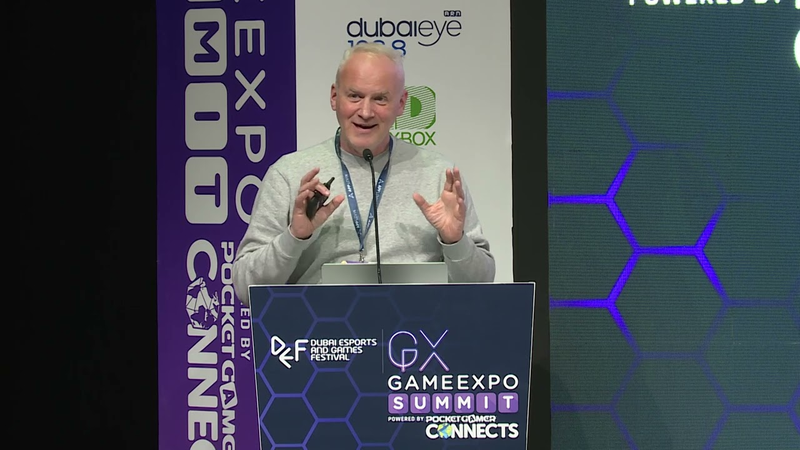
Session: Live Events & The Multiplatform Future - Brendan Fraher, GameRefinery, a Liftoff company
Live events serve as the primary battlefield for player engagement in the modern gaming industry, where developers across mobile, PC, and console platforms compete for the same finite audience time.
- Developers must prioritize the creation of a flexible, robust live event framework early in the production cycle to effectively compete for finite player time across mobile, PC, and console platforms.
- Casual games, particularly match-three titles, are increasingly adopting competitive and social mechanics like guild-based PvP and collaborative partner events to drive retention and revenue.
- Midcore titles, such as shooters, maintain player engagement by utilizing complex, interconnected event ecosystems that balance progression systems, customization options, and limited-time offers.

Secrets to Sustainable Success on Roblox with Andrew Rose, CPO at Voldex
The Roblox ecosystem represents a unique paradigm for game development, characterized by high organic discovery and a creator-led culture that prioritizes community engagement over traditional marketing.
- Roblox enables sustainable profitability by leveraging organic discovery and social graphs, which effectively eliminates the need for traditional paid user acquisition.
- Firms like Voldex achieve scale by acquiring successful user-generated content titles and applying professional live-operations strategies rather than developing new, high-risk games.
- Operational success requires a hybrid model that balances nimble, community-driven development with structured, data-informed processes like A/B testing and roadmap planning.
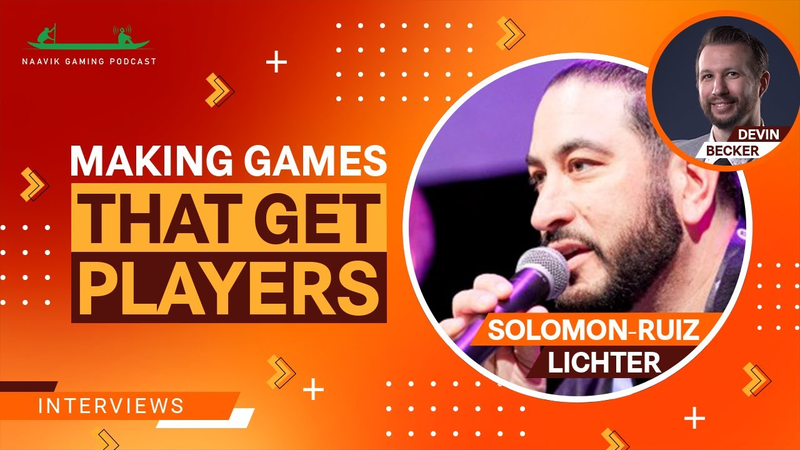
Tactical Advice for Building Healthy Player Relationships
Modern game development is shifting away from broad user acquisition toward a retention-first strategy that prioritizes personalized, ritualized engagement.
- Studios are shifting from broad user acquisition to a retention-first model that uses AI and machine learning to automate player segmentation and personalize in-game offers.
- Rising user acquisition costs due to privacy shifts are forcing developers to prioritize first-party data to deepen engagement and sustain long-term player relationships.
- AI-driven moderation tools and automated guardrails are now essential for managing user-generated content and maintaining game integrity at scale.
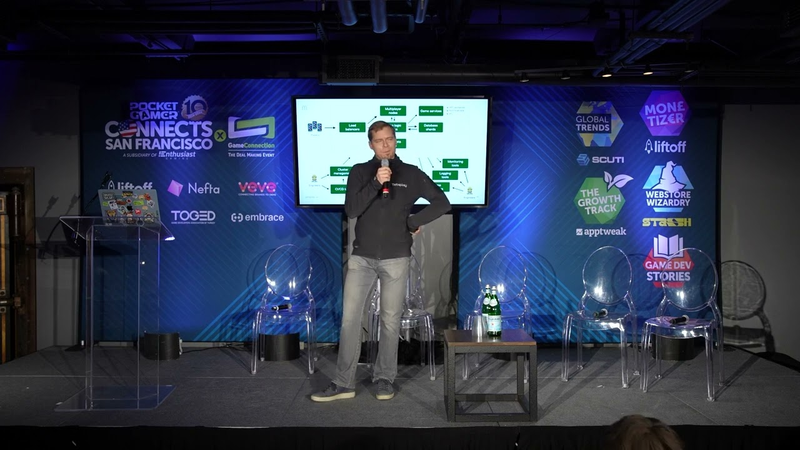
Building for Scale: How not to get Caught out at Global Launch, Teemu Haila, Metaplay.
Scaling mobile free-to-play games requires a strategic shift from rapid prototyping to robust, scalable infrastructure.
- Retrofitting backend infrastructure after a global launch is significantly more expensive and time-consuming than integrating it during the initial development phase.
- Teams must transition from rapid prototyping to robust, modular architecture early to avoid a 'productivity cliff' caused by technical debt and architectural limitations when player counts surge.
- Prioritize the development of an over-the-air update pipeline early in the project to allow for real-time tuning of game economies and content without requiring new user builds.
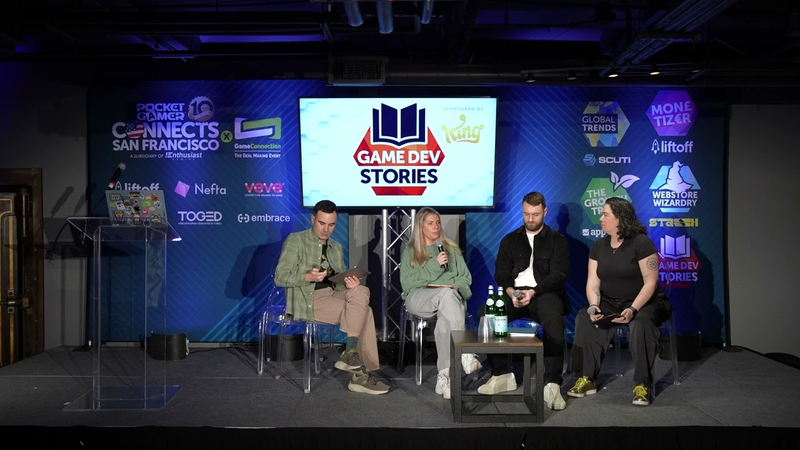
Panel: A Decade of Farm Heroes Saga: Reflecting on the Evolution, Impact, & Future...
Farm Heroes Saga maintains its position as a cornerstone of the mobile gaming industry by prioritizing a player-centric development philosophy that balances rigorous quantitative analysis with direct community engagement.
- Farm Heroes Saga became the first UK-developed mobile game to reach $1 billion in lifetime revenue in 2017.
- The development team prioritizes 'outcomes' over 'output,' focusing on player motivations and desired emotional experiences rather than simply increasing feature volume.
- Data-driven decision-making serves as the backbone of the design process, utilizing hypotheses based on metrics like daily active users, game rounds, and event funnels to guide pre-production and post-production.
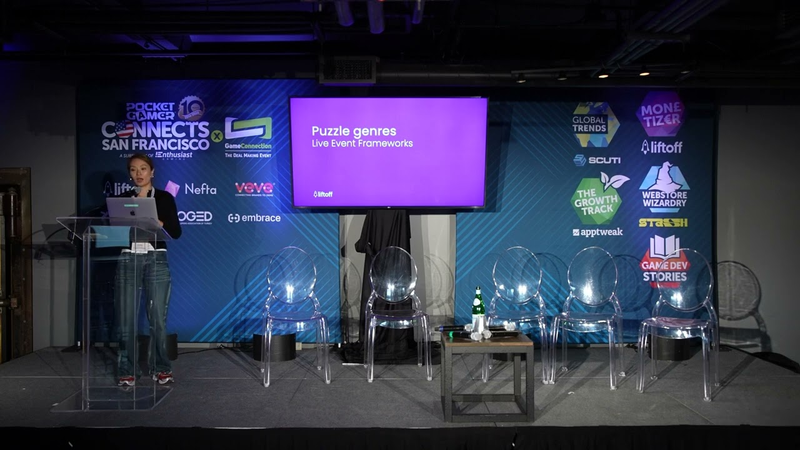
Insights on Live Event Frameworks, Ivy Zhou, GameRefinery (A Liftoff Company).
The live event landscape in the mobile and HD gaming industry has evolved into a highly competitive environment where player engagement is driven by sophisticated, data-informed frameworks rather than sheer development volume.
- Live operations success now depends on data-informed, recurring event frameworks rather than high-volume content production, as players increasingly abandon games that lack active engagement schedules.
- Puzzle games optimize retention by aligning with gender-based preferences, specifically utilizing a weekly cadence that alternates weekday one-on-one competition with weekend guild-based cooperative tasks.
- Mid-core titles, such as Call of Duty: Mobile, drive monetization by leveraging intense competition and character progression, effectively positioning the game as a high-fashion platform through interconnected cosmetic reward cycles.
Kress's Corner with Second Dinner's Matt Wyble, the creators of Marvel Snap
The success of Marvel Snap stems from an inside-out development philosophy that prioritizes polished, moment-to-moment gameplay before integrating meta-progression and monetization.
- Second Dinner is scaling operations following a $100 million funding round to support the long-term growth of Marvel Snap, including expansion into the Chinese market and enhanced PC support.
- The studio is shifting its development strategy from a core-gameplay-first approach to a more robust, proactive live-service model to avoid post-release operational strain.
- Artificial intelligence is being deployed as a productivity multiplier for tasks like code review, balance testing, and data analysis rather than as a cost-cutting tool.
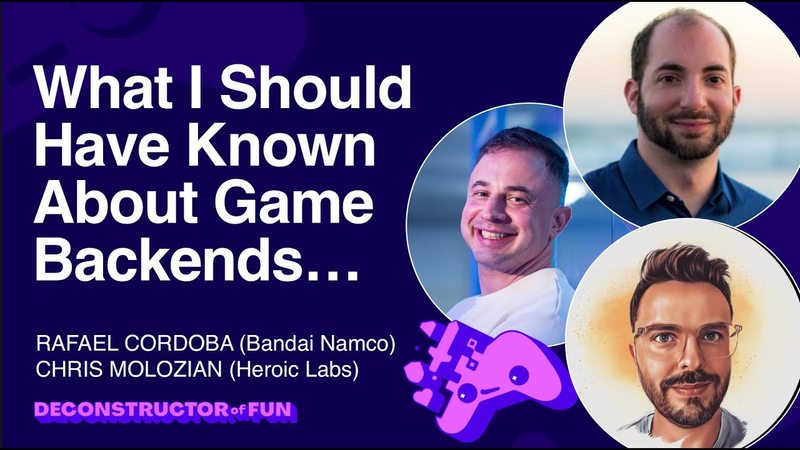
An Executive Guide for The Backend Jungle
Modern game development has transitioned from simple data persistence to complex, social-driven ecosystems that require robust backend infrastructure.
- Studios are increasingly shifting from proprietary in-house backend infrastructure to Backend-as-a-Service (BaaS) providers to reduce total cost of ownership and accelerate time-to-market.
- The decision to outsource backend infrastructure requires balancing the agility and speed of BaaS against the risks of vendor lock-in and service dependency.
- Many studios are adopting a hybrid model, utilizing third-party services for standardized features like inventory and social systems while keeping core gameplay simulations on proprietary infrastructure.
2024 Casual Gaming Apps Report
The global casual gaming market entered a period of recovery between April 2023 and April 2024, characterized by rebounding consumer spend despite a slowdown in total downloads.
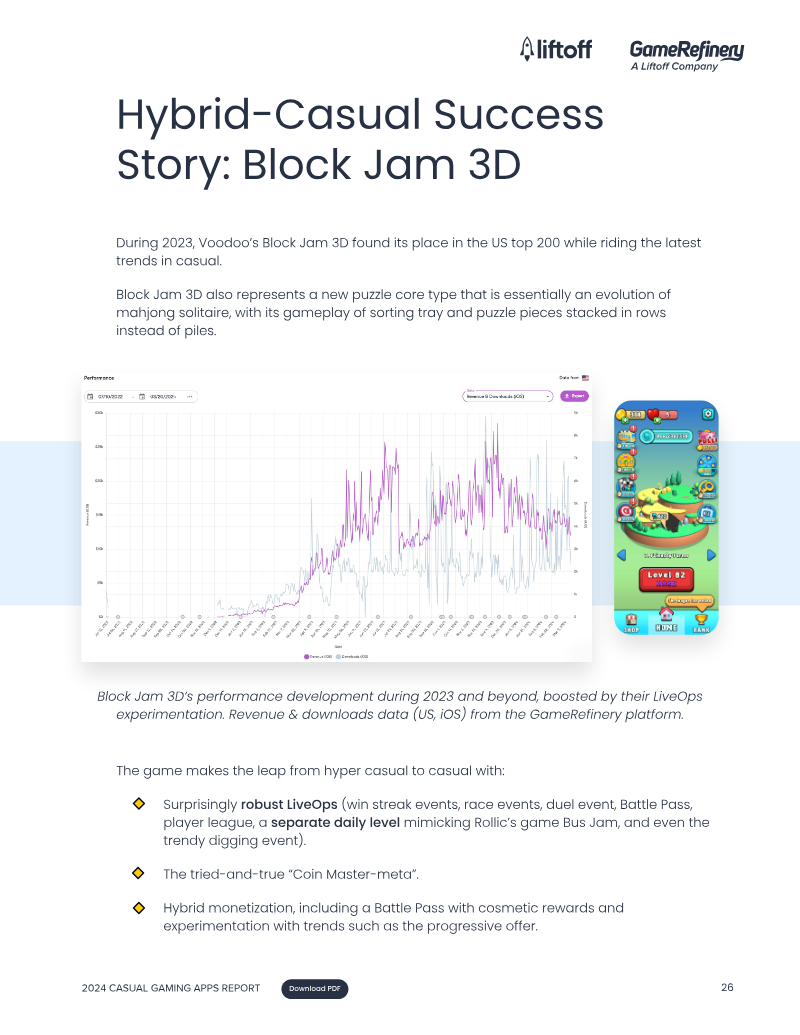
- The casual gaming market is shifting from hyper-casual titles toward hybrid-casual and 3D match models, with 3D Match category market share on US iOS increasing fivefold between April 2023 and April 2024.
- Developers are increasingly bypassing app store fees by adopting proprietary web stores and engagement-linked offers, a strategy now utilized by 70% of top-performing US casual games.
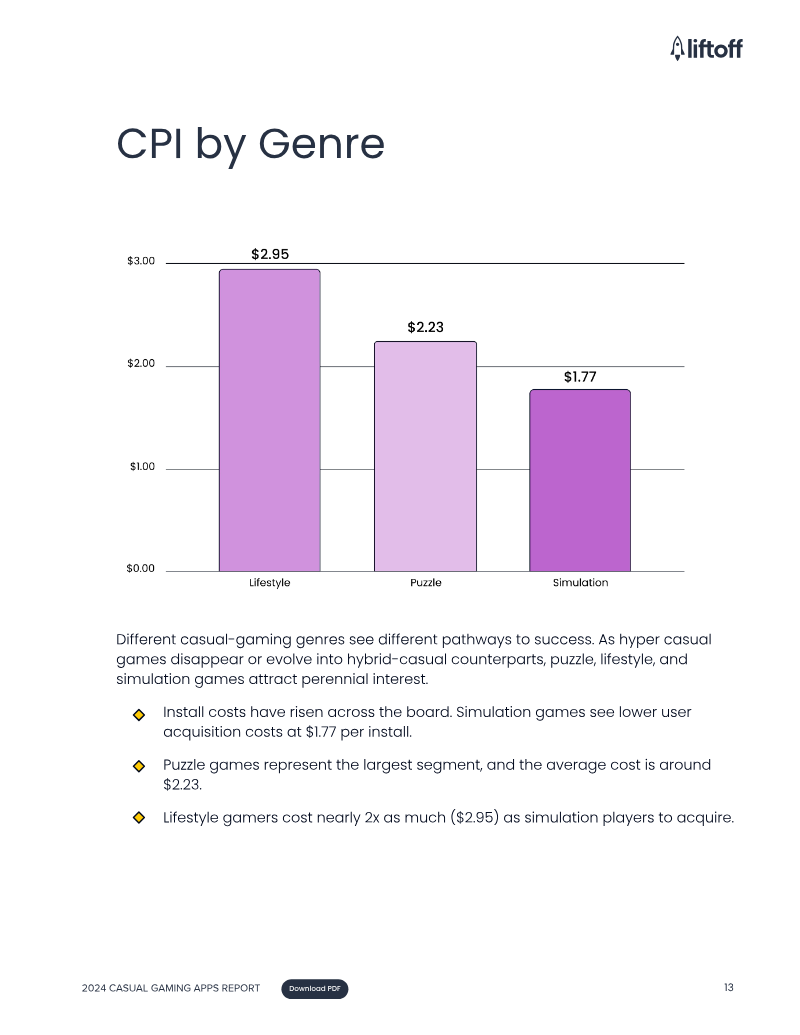
- User acquisition costs are highly bifurcated, with iOS installs averaging $4.83 compared to $0.65 on Android, though iOS maintains a superior Day 7 return on ad spend.
Building Great Liveops with Javier Barnes
LiveOps serves as a critical engine for long-term game success, shifting the focus from simple monetization to a holistic strategy encompassing player engagement, retention, and user acquisition.
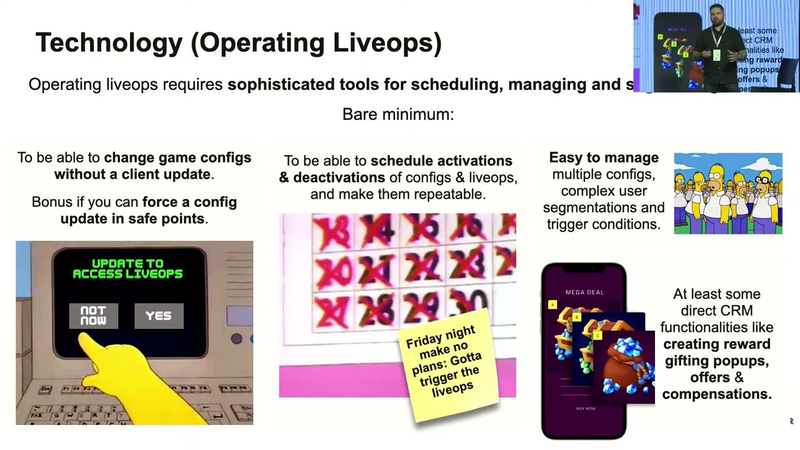
- Prioritize the development of remote configuration tools that enable real-time updates and player segmentation without requiring client-side patches to minimize technical debt and increase agility.
- Transition from manual, error-prone processes to robust, automated infrastructure to ensure system resilience and the ability to scale operations effectively.
- Adopt modular, reusable feature templates to maintain a consistent content cadence, prevent team burnout, and avoid player saturation.