Transcript
[Music] welcome to the novic gaming podcast where it is our mission to explore the business and future of video games we bring together the industry's brightest Builders investors and thinkers to keep a pulse on current events dissect emerging Trends and games share Lessons Learned and have a great time this podcast is also part of novic growing ecosystem which ranges from free and premium research to Consulting and AD advisory services for more information visit [Music] www.nic.edu CL Creator programs driving
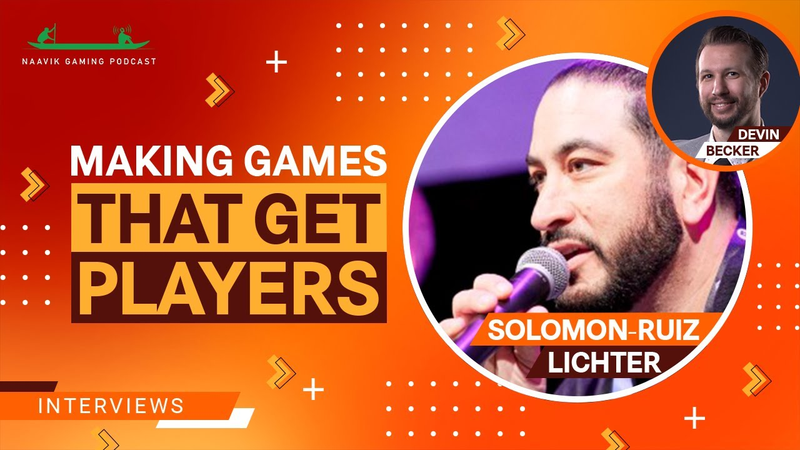
significant growth in conversion arpo retention and LTV Nexus has partnered with Incredible live service Publishers like Capcom grinding gear games highres ninjak kiwi and more and would love to help you our novic gaming podcast listeners do the same if interested in learning more simply head to nexus. g/ novic there you can learn more about the efficacy of support of Creator programs and discover how to easily build your own again that's nexus. g/ novic or check out the link in the show notes and with that let's jump into the episode hello everyone I'm your host Devin Becker and today I'm delighted to be joined by Solomon Ruiz lter the senior director of global gaming at clevertap a platform for player engagement and in-game monetization today we're going to explore what live service means specifically from a player engagement standpoint so Solomon could you start by going over your background the origin of clevert and what clevert does today yeah
of course Deon happy to U so I've been in the enterprise software go to market and go go to market leadership roles for about 16 years now uh I'm a bit long in the tooth uh even predate SAS a little but I've mostly worked in mtech software and SAS I've spent some time in Professional Services as well and I've been in the mobile space for the bulk of my career so to tell the story a clever tap uh in my role here you actually have to tell the story of a couple companies one lean Clum uh where I joined back in 2019 and I basically built the gaming book of business in North America lean Plum focused pretty heavily and intensely on supporting live Ops and game management for a number of game Publishers and studios in North America and Europe and in May of 2022 we required with clevertap clevertap is a big mtech SAS company in the CRM data and analytic space they had a very large footprint in Asia and a lot of the other mobile first kind of growth markets so today I lead the clevertap gaming business unit which is the Consolidated solution of lean Plum and clevertap it's
clevert gaming so to put it in kind of context you have all this purpose built liveops and game management functionality from lean Plum re-engineered on top of this hypers scalable data segmentation analytics platform and that's really clever tap gaming okay cool it definitely sounds like it's had a a little bit of history there uh could you give us some successful use case examples uh for clever tap in gaming specifically sure we add value across quite a few live Ops and live services use case uh for example tilting Point used us to effectively remove their engineering bottle neck and double their liveops event production rate EA us this to cut their limited time events production time and execution time down from a couple of weeks to just about a couple hours Mobility wear for example use us to move from a mostly mostly ad monetized set of casual games um to a more balanced inapp purchase driven model and basically enable an intern to run all their in-game offers and this is a non-technical business user so in this market we enable Studios to execute faster and make more money less
resources which is a huge efficiency play and as we all know we're in an efficiency driven market so in terms of efficiency one thing that clevertap helps with that I find interesting and would like to know a little bit more about is uh why it's actually important to do a lot things uh in terms of segmentation of players and offers and things like that to actually better address specific players or specific player demographics that's a good question so I'm an old again mtech veteran and this concept of personalization has been around for a very long time uh it really started with like adtech and AD creative and then basically matriculated into e-commerce on the web where it really went mainstream but in gaming it's really no different it's just more Dynamic and more complex games are much more complex obviously on order of magnitude than other mobile apps and the flip side of that is that it's a massive opportunity to drive deeper relationships with your players um so that all starts with the relevance of offers in my opinion and experiences that you give them using uh their in-game behavioral events historical attributes kind of cross creating like a cross section of those uh as a guide for
how you segment and group them so I mean with all that being said what do you see as kind of the future you know the the the near-term and the the longer term future of live Ops uh in terms of like establishing that relationship with players or just driving further engagement with them well I kind of alluded to it already but the future is a place where game studios and Publishers get to know their players on a much deeper level than ever before you didn't have to do that before um but with privacy now really at the Forefront gone of the days where you can simply go out and just purchase whales via user acquisition it's the classic kind of Cheaper to keeper analogy um so that's going to require a lot of studios in my opinion of all sizes to be more mindful of how they mind and manage their first-party data their FA their player first-party data uh in this market that's gold right so how you optimize and Evolve game experiences for players over time live Ops is more of a journey than a destination you never stop testing it's about understanding how your players are adapting and changing over time uh so you can help them find
their fun regardless of what's going on in their lives a really smart friend of mine a guy named Chong an who was the product leader at EA at mythical games and a bunch of other spots use this term ritualized players that's always really stuck with me right so better and better live Ops and game management executions put the ritualized player which is the Holy Grail segment I think if you will Within Reach so you become a a part of that player's daily routin routine in life cool I mean I mean like obviously if you could nail down that engagement it becomes a lot easier to do things around monetization but like how should games lean into actually customizing offers for different types of players whether that be like you know the the low spender the dolphin the whale those kinds of things um this is a tough thing right but there's there's a huge opportunity here I think if you look closely at Battle passes they've been really effective in targeting and converting these kind of these types of players who are maybe fairly active but are reticent to spend so by making the battle pass Super Value and and quality driven around packaged offers of Cosmetics powerups special access maybe
like Prestige based rewards then time boxing at all folks are really learning how to crack that code with the more frugal players who are who are hesitant to spend and then you can obviously do the same and invert it with whales by making the package more premium for longer periods of time U you know more value more access I mean you mentioned using the battle pass to help convert non-s Spenders and Spenders outside of the battle pass which I think is kind of become everyone's easygo too what are some other ways especially with you know the kinds of tools you guys provide to be able to help customize offers or like tweak things to potentially convert non-s Spenders into Spenders because we're kind of in a period where that's starting to seem a little more important I think it's how you configure the battle pass right um so maybe initially a lot of game studios and game makers had maybe one specific battle Pass based on a hypothesis about one particular player that was reticent to spend but you don't need to have that right you could be powering this battle Pass based on behavioral events to configure in real time depending on a whole multitude
of player events and and segments that you know a player could potentially fall into so I am going back to the battle pass again the battle pass is basically a packaged up offering that can be personalized in a whole multitude of ways and so I think it's it's pushing Beyond maybe your first couple configurations of that battle pass and making the battle pass something that's evolving in and growing over time depending on who the player is and how they're engaging at that particular moment uh in the game so you suggesting actually tailoring the battle pass potentially on a at least per player segment basis where they're actually getting different offers I am yeah I think battle passes live Services powering battle passes is the future there's there's a few folks already doing this quite well takes a lot of data it Tak some effort to set up obviously um but it's a huge opportunity well I mean you're talking about working with a lot of data especially for the games that have a much bigger scale uh and having to sift through like a lot of even just within the free players uh different types of behaviors where do you see Ai and ml
stuff uh fitting into this in terms of like both understanding but also help improving either monetization or engagement with these players um so obviously this is everyone's talking about this right now generative Ai and and different types of ml it promises major Improvement specifically in live Ops we just had an event during GDC and we had a panel it was all focused on how live Ops is going to is going to or AI rather is going to re shape the future of liveops um so continued investments in ml are going to be huge in creating say trained models that can learn and improve over time and how Studios and Publishers interact with players whether it's like a curate specific curated packs or battle passes or offers or access to personalized content um humans are by Nature fallible right so I think ml models can ensure that game makers can provide you know more of an increasingly contextual relevant experience uh and offer that to players over time which is I think it's just going to help build deeper and deeper relationships with players as opposed to you know doing this stuff on the fly or doing it with you know increased manual autom automation where you may do
something that could actually turn off your player base here's an opportunity to you know put an ml model that's going to that's going to self-learn and self-heal over time that drives more and more relevance so I think it's going to be a huge uh opportunity for folks so outside of like actually tailoring things like tailoring offers stuff like that uh what potential do you see and obviously this is the big topic you kind of alluded to in terms of uh actually tailoring content itself meaning like customized content or generative content from uh AI or ml stuff in terms of like live Ops content creation like you done with this battle pass customized per player could some of that content at that battle pass then also be customized on a per player basis or created on a per segment basis so from a productivity perspective generative Ai and and large language models I think have the potential to drive big efficiencies uh really on an order of magnitude or the sort of kind of production busy work that has slowed Studios down for many many years I think a lot of the big Publishers almost moved in advance of this with some of their recent optimizations and riffs uh we all saw
that there's been a lot of stories about that I see gener generative uh large language models really as a as a productivity booster for internal automation too everyone thinks about how it can help you you know serve up very relevant or kind of like dynamically generated content uh and offers but at the same time think about how that could benefit and make a product manager or a liveops manager more productive right more efficient which is really what we're talking about so imagine if an onboarding live ops manager at a new company could have inputs like game genre player segment maybe retention rates and receive back generative on the type of events and offers to run that's the promise I think of te of this technology and it's all being developed right now people are all conceptualizing this it's just a major major efficiency uh booster and again we're in a market of efficiency um so I think a lot of folks are going to exploit this I guess my only concern with some of this stuff is like the potential for with players
you know talking to each other through Discord or Reddit or whatever sharing that I got this offer and you didn't get that offer and things like that where maybe you know Wales are getting better offers or some of the free players that haven't converted are getting better offers to get them to spend for the first time uh I mean have you seen or foresee any problems with this sort of like maybe over customization in terms of players like comparing with each other or seeing things as unfair due to that sort of like artificial Equity I mean that's already been happening for years so I don't see how that's any different from stuff that happened with Star Wars Galaxy of Heroes when they were AB testing something maybe years ago and and then you know someone who'd sunk in thousands of dollars in hours didn't get an offer that someone who didn't syn as much time in did you know because they were trying to be predictive about the specific segment so they go to Reddit and they Flame the company and all the sorts of things that stuff's been happening forever so yeah could it happen more um given the fact that we got these these generative models and and ml kind of automating all this stuff and getting smarter and smarter over time yes but at the same time in theory um these things are less
fallible right right will say than humans so as long as the as the model is good in theory it should cut down on those types of things those types of those man those types of manual or qualitative errors that happen uh that have dogged a lot of you know um makers of more core games awesome yeah definitely going to be interesting to see how that if that backfires or if people are like that's cool yeah people gaming the system playing a certain way to get certain results and stuff then the ml becomes itself another metag game to play We we'll see if it gets to that point right where we're all we're all gaming Skynet at that see what we can do exactly I mean again like it this stuff has been going on for a long time anyway so I don't really see it as like a as a new risk it's just you know it creates it's it creates you know more of these kind of uh challenges at scale well changing direction slightly just but still related to this topic in the sense of uh how do you see all this fitting in with uh ugc which is the other big topic right now right in terms of both players as either content creators or players is in full-on developers within platforms
you know I we don't do a lot of stuff with ugc but I look at companies like overwolf who are at the Forefront of the movement it I think it opens up a ton of opportunities there's also a lot of risks and challenges too right you were alluding to a bunch of the ones on the AI side but you know as folks fully open up their games to ugc and even switch to models that are dependent on the community for Content asset and content pipelines uh I think it introduces really tough challenges like moderation of content and Community Administration we were talking about this at our event as well uh this kind of explosion of productivity I think it brings a lot of possibilities but there's also new risks and challenges um that shouldn't be underestimated right because I think ugc's been here for quite a while um but as it becomes more automated and it becomes layered in with with AI it becomes like a serious um you know mo moderation challenge well hopefully uh hopefully some of the AI and ml stuff can actually help solve that instead of just create new problems with it but I guess we'll see how good that is in terms of again people kind of gaming it
we've seen how people try and get around things like chat sensors and stuff with just creative use of asteris or misspellings we've seen people do all kinds of weird stuff with ugc uh to get around like the the good old TTP problem uh with clever angles and things like that so yeah hopefully it'll help some folks on our panel actually brought up the same thing they they they brought this up first and foremost as an AI use case because of ugc right so basically using AI to moderate and police ugc but again um it's it's not an easy thing to do well in terms of uh hard problems to solve I you know we got another one here which is uh the trying to find that balance between uh serving like the long-term players that have been around for a while the sort of veterans uh versus spending time and specifically focusing on on onboarding and user acquisition of new players especially as you know that that becomes more of a difficult thing on this Market just any general thoughts or approaches that you've see maybe work well or ideas yeah I don't think there's a silver bullet right I'm not a game maker but I've talked to a lot of you know product you
know very seasoned product managers about this problem this is my what my friend Hunter bulley over at 1047 games likes to call the PMS dilemma uh I keep pressing the smartest PMS I know for answers to this question but the most senior folks kind of shut it down by like saying hey there's no answer sorry like it's just not that simple it's a game design problem right it's a Content treadmill problem it's a growth retention and UA problem uh it's fundamentally the problem I think and so one of the cooler things I've seen some of our customers do just anecdotally is to for example use our pipeline to effectively hack the content treadmill so you pipe in Dynamic content into the game itself so imagine a mini game that you can configure on the Fly uh where you can kind of engage newer less committed more casual players while at the same time servicing the bigger kind of narrative meta content uh that the Elder players are probably looking for so that's one example I've seen before um ultimately there's no easy answers it's really situational uh and you need smart people who are who can break things experiment quickly optimize and
and iterate and refine experiences and that's where you know Shameless plug that's where platforms like clevert come into the picture we're a piece to the puzzle a small piece to the puzzle um but it's a big one that's uh dynamically and kind of constantly changing with all the the effort that people are T tending to put into like really trying to tweak onboarding and improve the first- time easier experience and things like that have you seen some good value in terms of even segmenting that player base or looking at ways to dynamically adjust so that you don't lose a player like you know ways to identify maybe potential a churn in that early phase and then adjust something to be able to try and retain them things like that yeah I mean again it all comes down to to the events that you're capturing with the player um so that's what makes kind of you know what we do kind of interesting because generally what we do is like two or three disperate solutions right there's a CRM solution which is a very U mature you know Market very kind of red Ocean Market it's it's been there for quite some time typically somebody you know a game studio is running an intern an internal offer system of some kind some
kind of game backend to manage uh more game configuration type stuff um with a unified solution like us you can actually in real time uh meaningfully intervene with those players when they're sh when they're starting to show those signs uh of disengaging right and then you can manipulate both the in-game experience and the offers that you give the player um in in context with where that player is sitting in the overall you know life cycle right because it's not a linear life cycle it's kind of a a feed back Loop right it's a virtuous feedback loop it's like did the player make it through the fouille successfully did they did they make it through the fouille successfully and then play a bunch but never spend anything did they fall out of the fouille did they play a bunch uh and spend a bunch but then started to show signs of disengaging I think of disengagement I think being able to kind of intervene and kind of read those those signals um at those at those crucial moments is is critical and and again we're we're a piece to the puzzle there but it comes down to understanding your players understanding what what their events mean in the
context of your game and your game design and then having the tools automation uh in order to to kind of gracefully intervene have have you seen any situations in where uh you know there's there's potential for multiple events running at the same time and then it's selected for hey this is a new player so he's going to be exposed to this event and then this other player might be exposed to this event because they're more veteran player and actually and I realize that's a much bigger load on liveops right but you're talking about the potential for productivity enhancements that unlocks the potential for maybe more generative or customized events is there like is there have you seen that actually as a thing where they're offering that at the same time then like showing it to the different demographics yes I mean there's a feature that we have in our platform designed just to to deal with this and it was actually brought To Us by Engineers so so you know we have customers the way they typically work or or you know product managers and studio and Studios typically want to conf fure a whole bunch of Behavioral triggers
right so basically any permutation of different behavioral events will trigger a relevant offer of some kind right in game depending on where the player is and the and the overall Loop and the and the progression state that they're that they're experiencing so it's maybe it's like on the fifth race with a specific type of car they get a specific type of power up or booster uh or if the player's grinding and and you know getting to a certain point but not able to get over the hump you kind of give them a pack to to get them over that now that's all the kind of configured triggered stuff that I think where a l of the money is made but we had a situation where these kind of limited time events that are tied to very specific maybe IP Partnerships or or whatever they may be or something going on out in the world like the World Cup or whatever it is these they were getting because there so many events firing at one time these triggered events were firing they were actually interrupting these very curated limited time events that uh that the studio was trying to was trying to push right and so actually the developers came to us and said hey we need like a set of guard rails basically a toggle like an at a
SDK level that can prioritize um what offer what you know what off what offer gets actually shown depending on who that player is and so basically prioritizing the the limited time event which you know a ton of effort and time and money and thought goes into as opposed to the kind of like bread and butter triggered events that are that are you know firing at all times during the game based on you know pre uh preconceived uh Behavioral patterns perfect I I I definitely would love to see like it's one of those things where you can't see as a player very easily right unless they're sharing it uh you almost have to see that a bit behind the scenes but I mean on that topic and you alluded to this a little bit and I realize this might be a little bit of a controversial question uh but but have you seen situations where this sort of segment segmentation and targeting has been used to tweak uh loot box results for example uh because obviously it's not traditional gambling not subject to traditional gambling laws but like manipulating loot box results maybe at different phases or different things to either retain engagement or increase
monetization especially with stuff like you know gotcha style loot boxes and other ones where it does probably favor doing certain things like that I haven't seen players that have you know through regular player Behavior kind of gained the system we've have seen we have some customers who have just some straight up you know players that have tried to hack the client right and so that's a thing that happens in some of these games where the virtual economy is worth a lot of money and it could crash your economy and and really cost you you know meaningful amount of money and so uh there's different things that you can do there's different features that we've implemented to basic you know for example do like a like a a client to server encryption key that that provides like a a handshake to ensure that whoever that player is on the client really does indeed qualify for that specific gotcha uh box or or Loot Crate or whatever it may be um because I think you know in these games that are incredibly competitive and and and more core you're always going to have folks trying to you know game the system somehow so um as as as liveops become more and more
uh sophisticated and I think that's going to happen over the next few years because of what's going on in the overall kind of UA Market um you're probably going to see more features like this from providers like us because you know we're we're ultimately helping our customers protect their revenues I'm also wondering about this from the developer perspective meaning like you know you're talking about players kind of gaming system but I'm also wondering about developers gaming the system where they're altering the results of loot boxes or gotas specifically to try and keep a player around or to get them demonetize whether that be giving them worse results or better results because like it's a pretty common thing to at least manipulate some of the early things that you get and pity timers like also are a well-known way to more transparently manipulate the results but I mean are you seeing like some of the backend tooling being used to maybe get a little trickier with it and keep people around hopefully in a way that's maybe light touch I haven't seen much of that um I know that there are things that that certain you know game makers
and and Studios and Publishers do um that are kind of you know maybe on the line in terms of in terms of coming up with ways to motivate players and and players have you know issues with that in terms of you know player fairness and and um and I think ethics right at the studio level ultimately you have to be very careful right and and again um with the caveat that I'm not a game maker I think there's a fine line right players you know studios are looking to to monetize any way they can um right now the UA environment is is Pretty Tough so you may be you may see you may see things like this more and more uh we obviously know that there's countries that have outlawed you know loot boxes altogether right so um you know enough players came together to complain to to force you know a a big legal change in their respective country I think that's the Netherlands um you know in the US market I feel like it's it's a little bit more it's a little bit more open and and you know these types of monetization tactics while not loved by everyone or kind of accepted as just
you know U ways that these Studios and Publishers and game makers need to to make a living yeah I've noticed uh the like on poker games specifically because there's so much push back on the the randomness supposedly not being fair that they many of them have like an RG certified logo on the on loading screens where they've like been certified by an outside thing even though they're not under a gambling law they still end up having to do that to kind of prove uh or establish player trust really but you mentioned uh user acquisition be kind of a problem lately and I think everyone pretty much knows at this point that Apple's uh ATT policy has has had a bit of long-term effects and hasn't seemed to been completely uh figured out just yet in terms of how to address this and obviously iOS is still generally the better mon monetizing platform and needs to kind of be figured out so I mean with all that being said what do you kind of see uh as the future of getting new players or like scaling successful games whether that be on you know after you've gotten them into the foule OR even prior to that where you doing targeting or
segmentation learning that that affects your ability to like Market to players listen I think UA is going to stay what it is right um that that ship has sailed and the days of whale hunting and buying cheap Spinners is kind of over right um you know Apple kind of they they they they ushered that kind of new era in and now we see you know Google following with with sandbox you know years later so I think it's safe to say that that that that era is over and Publishers in Indie Studios need to think about UA and the player funnel as a holistic Journey right so in many ways this is going to be good I think for more balanced and better thought out game design uh because in order to grow your business you can't focus on just the top 3% of your player base right that's spending all the money um so I think for UA organic influencer based partnership driven uh player acquisition will need to be a core Focus Tik tok's obviously been a Mainstay for a lot of Publishers if they could find the right influencer and audience but again we need to watch
the Tik Tok situation uh pretty closely you can't you can't put too many eggs in that basket um but ultimately I think it's it's you know folks are going to have to Branch out and and think of more creative ways that are more expensive uh to acquire players so I mean in terms of the user acquisition right like it's obviously not really changing or or being less problematic to get players in but have the Privacy changes had any implications or caused any hiccups in actually doing things with the players with segmenting and things like that after they're already in the game not that I've seen you know and the reason for that I think is that when you're dealing with players that have been acquired that are actually actively playing the game you're dealing with first-party data and so um I think that there's an implicit kind of agreement there that the player understands as long as they're in the game and if you're segmenting them you know based on that behavior that they're exhibiting and how they're performing in the game uh I think that's that's acceptable right obviously you know there's a limit to everything you kind of you kind of
alluded to some of the some of the shenanigans that some you know game designers and game makers use to to keep players for longer or keep them grinding longer so you got to you got to watch it there ethically But ultimately um I think that the beauty of retention is that these are again it goes it's back to the cheaper to keeper metaphor right the that is an owned player as long as you can keep that player engaged and as long as you as the game maker fulfill your end of the bargain by delivering you know good content that's engaging and new offers that are that are relevant and personalized and you keep the game fun uh I think there's a lot you can do there and that's why I think ultimately these next couple years are going to be all about retention it's it's all about um Shoring up UA Investments because it's getting more and more expensive well cool definitely definitely is something that's problematic uh on that side of thing and and also it sounds like monetization of those users that you retain as well like obvious you know if you're retaining them but they're not spending anything that doesn't help you a t um and actually like a quick question on that
have you seen people doing things where they're more dynamically switching between which type of monetization they're doing the players based off their spend meaning like if they're not spending any money on iip it's dynamically switching over to okay we're going to show them more ads yeah big time I think that's probably the go-to when you have a player that you know based on your behavioral analytics whatever that whatever that threshold is in terms of when when a player is very uh likely to not spend when spending is is very probable you know at that point you want to find a way to to monetize the player and so maybe you give them an ad or something like that or or a specific rewarded video that's that's targeted uh in some way um where you could kind of capitalize that and make sure at least that you're not in the negative with that particular player so we see that a whole lot I think that's a a very relevant approach um because ultimately you know there you have to find a way to monetize you know every player and you know ads is still you know a great tool if you can find a way to do it that's you know not overly you know intrusive or uh jarring to the the
overall player experience cool I mean definitely a lot of good thoughts on kind of where we're going in this uh just broader realm of retention and monetization where do you see in just in general the the most untapped opportunity in the space for game developers and any related Services you know if we could figure out the unit economics I'd say don't sleep on the tier 2 and in quote unquote tier three markets um remember these are mobile first markets right and they're going to be an explosion mode as smartphones get cheaper and cheaper and so I'd look at markets like the Philippines and Southeast Asia as time progresses and of course India where the largest concentration of people on Earth uh Africa is a major growth Market that's hyper mobile for so I think we need to look at these markets take them very seriously and just because you know the arpo numbers don't look great today we can't get discouraged by that uh we need to extrapolate and have the vision for where games are headed and realize that everyone loves to play games right and so we just have to kind of crack that code so I'm most excited about
those types of markets that are just really coming online uh with mobile games and I know there's there's a lot of naysayers out there about the unit economics of of investing and targeting those markets but I think all this is going to sort itself out uh in the next few years so I would stay tuned have you seen some progress in that area meaning like whether that be with clever tap or whatever solution people actually finding ways to hey we can actually increase the monetization here so it wasn't just really expensive to require these users for very little payback yeah I think it's um on the all the Innovation that I've seen have been on the game maker side in experimenting with um with IAP values that are sub $1 right if you can do that and and do it at scale um and figure out ways to to Target those particular players in a way that's like you know does not break the bank for for their respective region and and um and the kind of Economics of that region and the cost of living of that region and all those sorts of things um I've you know I've seen some interesting stuff there's been a lot of talk at at
recent conferences about folks who have had success doing that and I think you know more folks need to be more adventurous and look to these markets um it's also a really great place to run experiments and learn about player behaviors right it's not just monetization through like what you can you know how much RPO you can drive or LTV you can drive through specific players it's learning about your game at scale right there's a reason that a lot of these you know large Publishers do soft launch in a lot of these markets and so um I Look to these markets as as a great opportunity and as soon as we kind of like get the unit economics figured out and and more folks come online with with smart devices I think you're going to see a big Focus here I mean outside of monetization have you seen there be like a lot of differences in Behavior engagement whatever across countries so that it's relevant you know when you're talking about this testing or is it like everyone plays the same regardless oh no I think you know localization and and that like contextual localization is a huge pie piece and that's a big you know piece that I think people Overlook when
it comes to live services and live Ops you know at our event um during GDC we're talking to Travis um who is the CEO over at carbonated and Travis basically used AI to automate localization in different markets no one thought of doing that uh that I know of outside of Travis and I think it he did it because it's it's a it's a it's a hairry beast right it's it's a challenging problem to solve and so if you can automate that process um with localized content that's relevant to the player base in that region relevant to their General kind of behavioral patterns and the things you understand about them and the holiday schedule in that country uh I think you can make good things happen cool that I mean that sounds like that's already helping Crack the Code a little bit right is that that localization and both from a currency standpoint and from a uh demographic an appeal standpoint right because I I know localization was a big deal when we were talking about China originally but I feel like outside of trying to push into those specific markets it wasn't a hugee topic so that definitely seems pretty
useful it's so easy to you know because I'm not a game maker it's so easy to overlook how hard localization is right we get a lot of questions about this from from different um PMs and different Publishers and they're like how do you handle this and and the reality is we can we can automate um the way that the content is served we can automate the the journeys and the triggers and and the the way the experience is is modified on the fly but the actual local ation that's that's a manual thing right uh that requires human intervention that requires you know I'd say nuanced context for what's going on in that particular region so um think about AI right and and how AI can get smarter over time think about how how AI could kind of drive and enable that process I think it's it's a huge opportunity and that's why Travis is exploring it because um it's just not something that humans should have to do right ultimately or at least if we could take maybe 70% of the lift out of that um I think a huge opportunity for for a lot of game makers particularly ones who
want to break into these other markets definitely seems like the language translation could probably use a big lift there right but it's it's it could be a lot of work if there's a lot of text in the game to translate that over make sure that's accurate maybe the process can shift from someone doing it manually to just someone proofreading what the AI does to make sure that it's good at the end and maybe speed up like spreading out to more GEOS at a faster basis when you're trying to scale totally I this is the whole reason that you know these large trans ation or localization companies exist right this is a really you know tricky problem that requires a lot of services so I think you know that's one space that's going to get heavily disrupted and the folks who Embrace AI in that in that world are I think going to going to do some good things cool well I definitely wanted to thank you for the conversation today a lot of good insights a lot of I think potential uh still being kind of in the middle of being tapped uh on this stuff definitely a lot of ways to go especially with the uh the the rise of AI and ml stuff in terms of actual productivity so definitely look forward to a lot of that hopefully coming true because it sounds like we kind of need it to from a uh Financial standpoint at
this point so very excited about that but thanks again for for joining me with this conversation thanks everyone for listening and uh if anyone wants to to reach out to you or uh or clevert uh where where would you suggest they go to uh contact you yeah just drop me a note it's I kind of a long name but it's solomon. lior clevertap docomond name in there it's too much but uh yeah s o l m o nli i c h t r at clever.com or hit me up on LinkedIn I'm easy to find um I'm getting you know more and more active there uh as time goes by and and thank you Devin and to the whole navic team uh for hosting me really appreciate it awesome well thanks again and hope you guys enjoyed the interview and we'll catch you guys next time if you enjoyed today's episode whether on YouTube or your favorite podcast app make sure to like subscribe comment or give a five-star review and if you want to reach out or provide feedback shoot us a note atod podcast nov. or find us on Twitter and Linkedin
plus if you want to learn more about what novic has to offer make sure to check out our website www.nic.edu and advisory Services again that is www.nic.edu [Music]
Auto-generated captions from YouTube — names and numbers may be misheard.



















Comments