In-Game Advertising reports and market data
Documents
Rewarded Returns: The Player Perspective
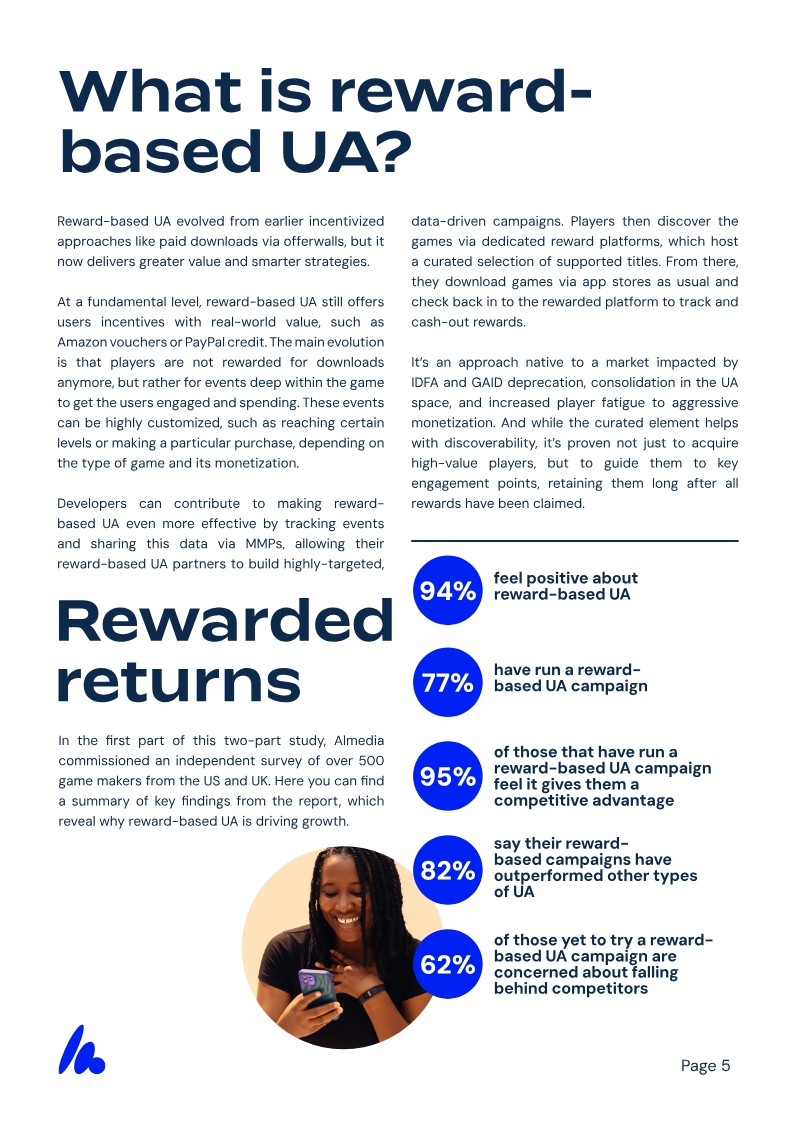
Reward-based user acquisition has emerged as a transformative strategy for mobile game developers, shifting from traditional incentivized downloads to a model focused on deep-funnel engagement and real-world value.
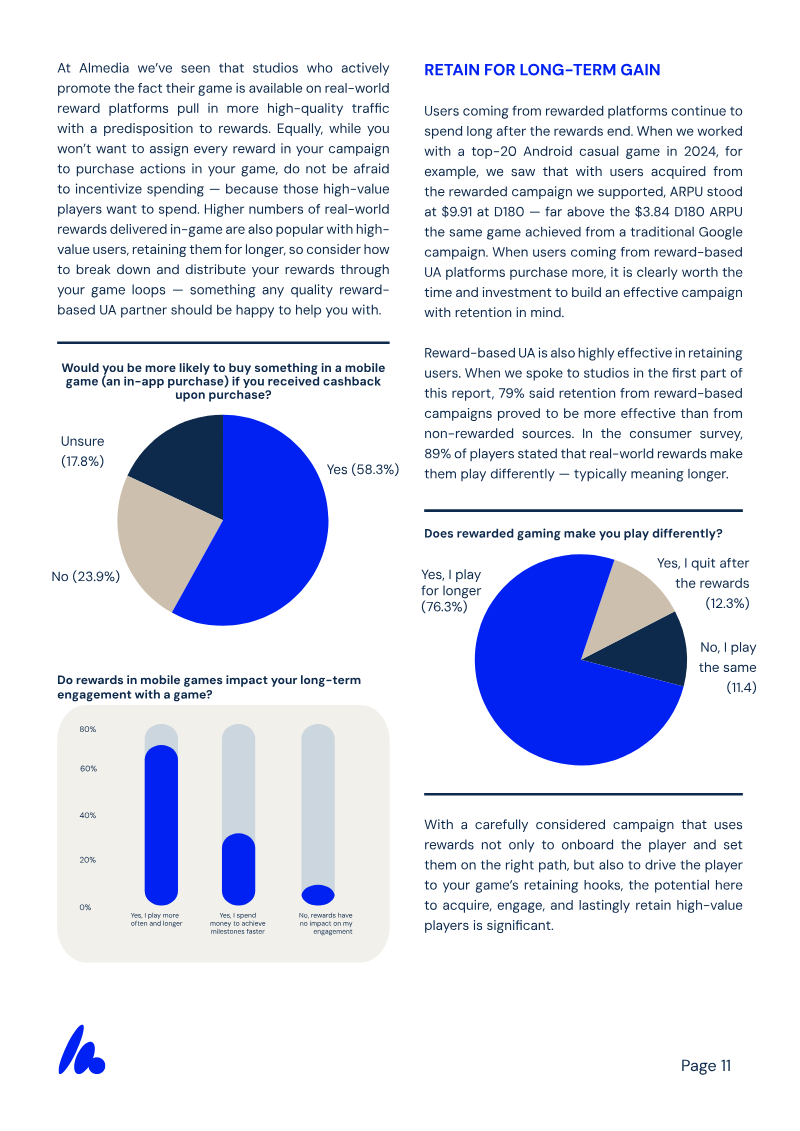
- 75% of mobile gamers hold a positive view of titles offering real-world rewards, and 72% of experienced users actively seek out games that provide these incentives.
- 85% of players who engage with reward-based platforms continue playing even after the initial incentives have been exhausted, indicating strong long-term retention.
- 95% of surveyed game developers express confidence in reward-based acquisition, with 77% having already implemented such campaigns to gain a competitive advantage.
Gaming Deep Dive: Ad Monetization 2026
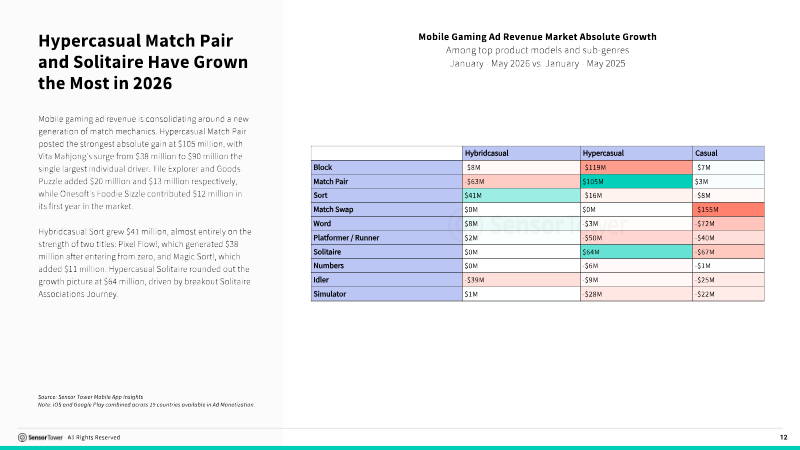
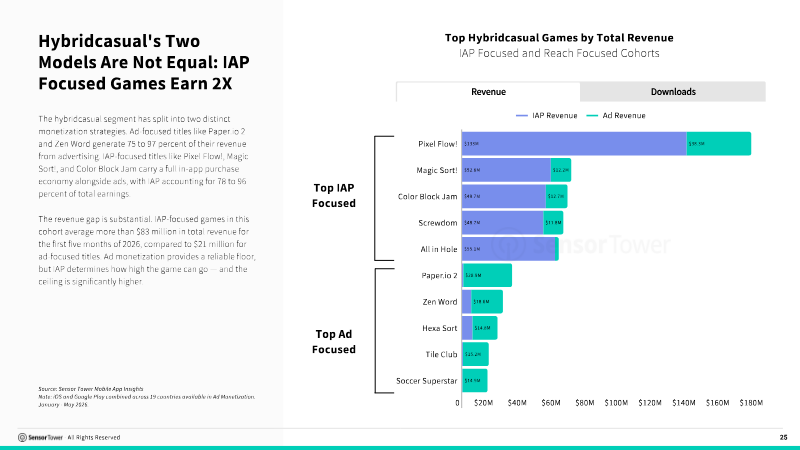
Mobile gaming has structurally reorganized to treat advertising as a foundational revenue model, generating $12 billion annually across 19 global markets.
- Ad-supported titles now represent 84% of all mobile game downloads, establishing advertising as a foundational revenue model generating $12 billion annually across 19 global markets.
- The ad monetization market is highly consolidated, with AppLovin and AdMob controlling 65% of total industry ad revenue.
- Pure ad-only monetization models are increasingly insufficient, forcing top-tier publishers to shift toward hybrid strategies that integrate in-app purchases to maximize profitability.
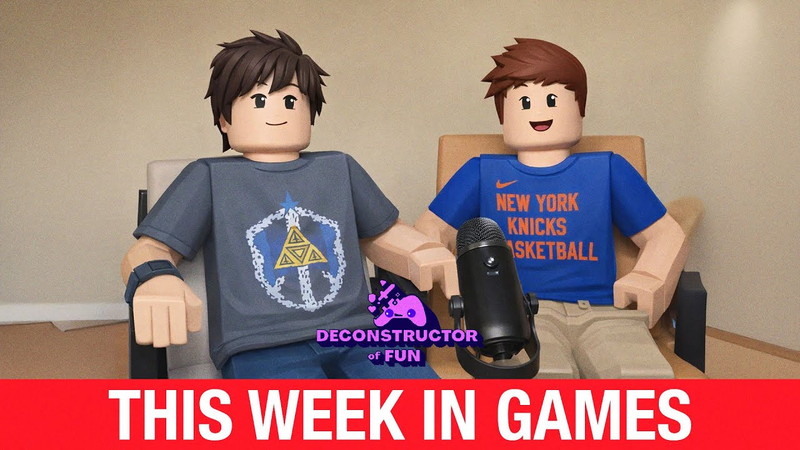
TWIG Jr: Awards, Predictions, and Gen Alpha's Take on Gaming
Generation Alpha’s gaming preferences reveal a sophisticated shift away from hypercasual mobile titles toward experiences that offer depth, narrative, and social utility.
- Generation Alpha is shifting away from hypercasual mobile games toward indie titles like Hollow Knight and Undertale, citing a preference for mechanical depth and a dislike for intrusive advertising.
- Platforms like Roblox and Fortnite are functioning as essential digital third spaces, though players are showing signs of fatigue regarding the aggressive pop-culture collaborations currently driving Fortnite’s model.
- Children are developing high brand awareness for sports betting platforms like FanDuel and PrizePicks due to the pervasive integration of wagering advertisements into televised sports and gaming environments.
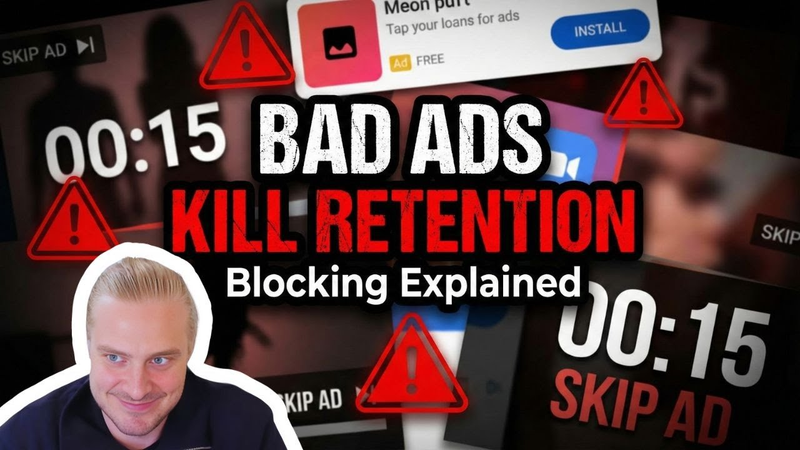
🎙️ Creative & Category Blocking: Save your retention by Felix Braberg
Active management of ad creative and category blocking is a critical, often overlooked component of mobile game monetization that directly impacts user retention.
- Proactive management of ad creative and category blocking is essential for user retention, as mediation platforms act as marketplaces rather than global kill switches.
- Publishers must maintain a centralized, comprehensive block list across every individual ad network to counter the daily influx of new, potentially irrelevant or explicit app content.
- Blocking methodologies vary by network; while AdMob and Unity offer direct dashboard controls, AppLovin and IronSource require using SDK-integrated review tools and manual reporting to account managers.
🚨📢 BREAKING NEWS: Unity Fee Drama, Netflix vs WB, Casino Games Everywhere 🤯
The mobile gaming and entertainment landscape is currently defined by significant shifts in corporate monetization strategies and evolving genre dominance.
- Unity has implemented an Enterprise Minimum Commitment Program that mandates annual fees between $250,000 and $2 million for large-scale developers based on gross revenue, sparking significant industry backlash regarding developer trust.
- Warner Bros. Discovery has shifted its corporate strategy by rejecting a $108 billion takeover bid from Paramount in favor of a $72 billion deal with Netflix, highlighting the growing market dominance of streaming platforms over traditional media.
- In the U.S. mobile market, Monopoly Go and Royal Match currently lead in absolute in-app purchase (IAP) revenue, while 4X strategy titles like Last War and Whiteout Survival dominate global performance.
Why is mobile mediation broken? Jim Payne: Here is whats next!
Mobile ad mediation currently functions as an outdated, inefficient legacy system that prioritizes the interests of ad networks over those of publishers.
- Traditional mobile ad mediation functions as a legacy system that prioritizes ad network interests over publisher revenue through opaque, network-owned ecosystems.
- Current mediation platforms often operate as 'black boxes' that utilize biased auction logic and hidden arbitrage, preventing publishers from maximizing lifetime value.
- The industry is shifting toward a supply-side infrastructure that replaces manual, biased processes with transparent, code-based automation.
JigSolitaire Review: The Jigsaw “Solitaire” ad-monetization monster
JigSolitaire, a mobile puzzle game developed by the Tokyo-based studio Gaming Cat, serves as a prominent example of a successful bait-and-switch user acquisition strategy in the 2025 mobile gaming market.
- JigSolitaire generates $100,000 to $150,000 in daily revenue exclusively through high-frequency banner and interstitial ads, despite having no in-app purchase monetization.
- The game has achieved 11 million downloads and 2.3 million daily active users by utilizing a bait-and-switch strategy that markets a jigsaw puzzle game under the high-traffic 'solitaire' genre.
- Approximately 95% of the game's traffic is sourced through AppLovin, demonstrating a heavy reliance on a single paid user acquisition channel.
The Q1 2025 Gaming Ad Snapshot: North America and Europe
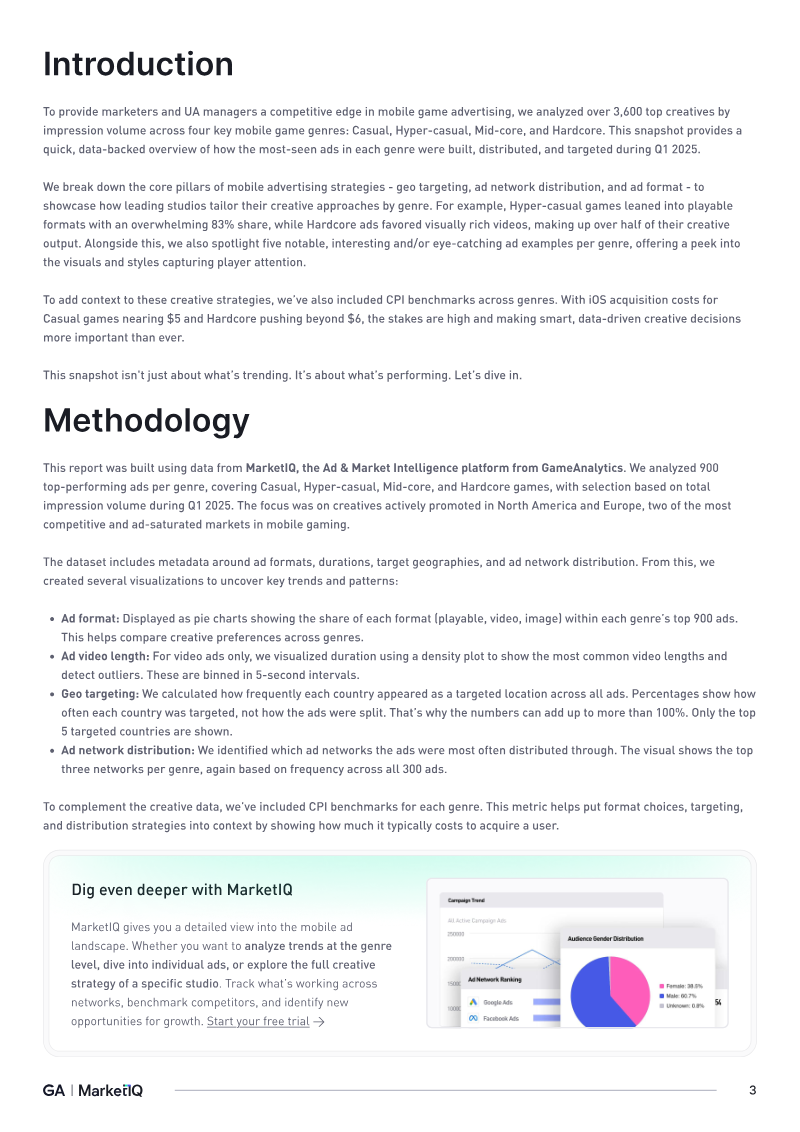
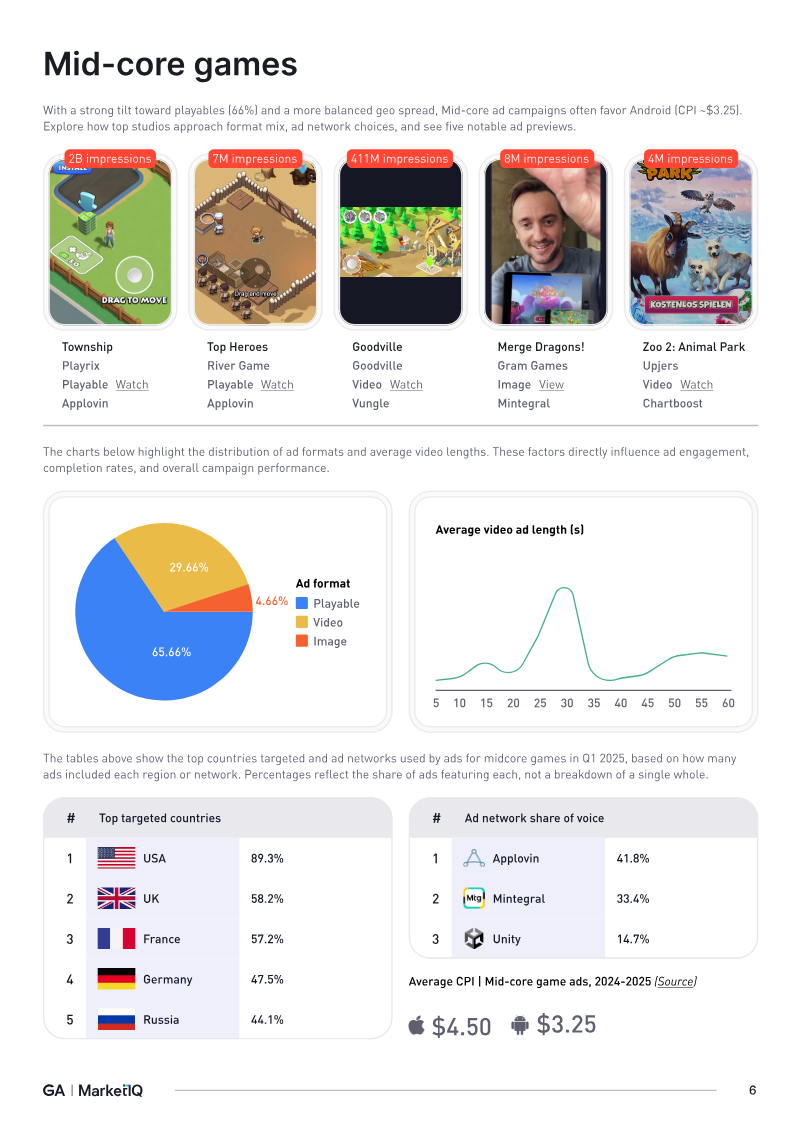
The Q1 2025 Gaming Ad Snapshot provides a data-driven analysis of mobile advertising strategies across North America and Europe, focusing on how top-performing studios tailor creative approaches by genre.
- User acquisition costs are rising, with iOS benchmarks hitting approximately $5 for Casual titles and exceeding $6 for Hardcore games in Q1 2025.
- Hyper-casual games rely heavily on playable ad formats, which constitute 83% of their total creative output.
- Hardcore games prioritize high-fidelity video content, which accounts for 56% of their advertising creative.
🚨📢 BREAKING NEWS: JamCity in trouble, Unity Vector fun & Playable Ads = $124B Market?!
The mobile gaming industry is currently defined by a mix of high-profile global launches, evolving ad-tech strategies, and increasing regulatory scrutiny regarding data privacy.
- Global in-game advertising revenue is projected to reach $124.5 billion by 2025 as advertisers shift budgets toward interactive playable ads.
- JamCity settled for $1.4 million with the California Attorney General for violating the California Consumer Privacy Act regarding unauthorized data handling of teenage users and lack of opt-out mechanisms.
- Unity launched the 'Vector' platform to centralize development and monetization workflows, aiming to compete with ad-tech incumbents like Meta and AppLovin by improving player engagement targeting.
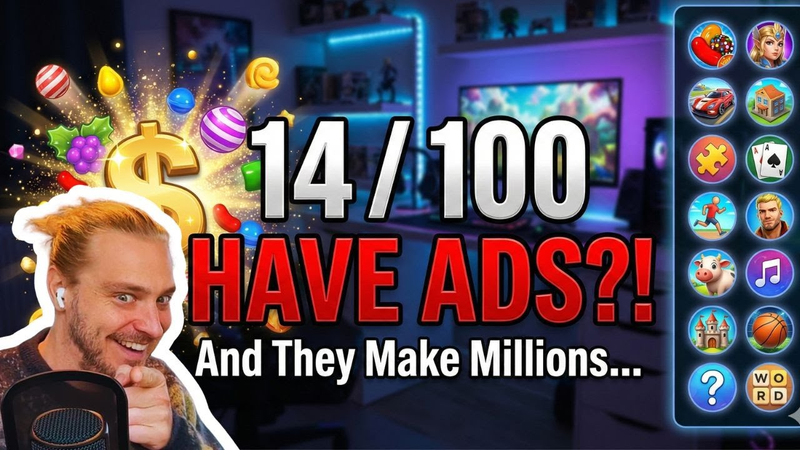
😱 Only 14 of the TOP Grossing 100 Games use Ads by Felix Braberg
The mobile gaming industry is undergoing a significant shift as top-grossing titles move away from a strictly premium monetization model toward hybrid strategies that integrate in-game advertising.
- Only 14 of the top 100 highest-grossing mobile games currently incorporate advertising, signaling a significant but early-stage shift toward hybrid monetization models.
- Hybrid strategies target the approximately 95 percent of players who do not make traditional in-app purchases, allowing studios to capture incremental revenue and increase total user lifetime value.
- Major titles such as Candy Crush and Gossip Harbor are successfully integrating rewarded ads into core gameplay loops like energy systems, timers, and level-fail states.

Panel: Press Continue: How To Hit The Mark With Ads In Your Games.
The mobile gaming industry is undergoing a strategic shift toward hybrid monetization models that integrate advertising as a core component of the user experience rather than an intrusive afterthought.
- Rewarded video ads are the preferred monetization strategy for new game designs because they integrate seamlessly into user flow and allow for higher engagement without negatively impacting retention.
- In-game advertising should be treated as a distinct format rather than repurposed social media content; developers must account for longer user focus times and higher ad frequency capabilities unique to the gaming environment.
- Hybrid monetization models—combining in-app purchases, rewarded ads, and interstitials—consistently provide incremental revenue growth without harming core product health metrics when implemented correctly.
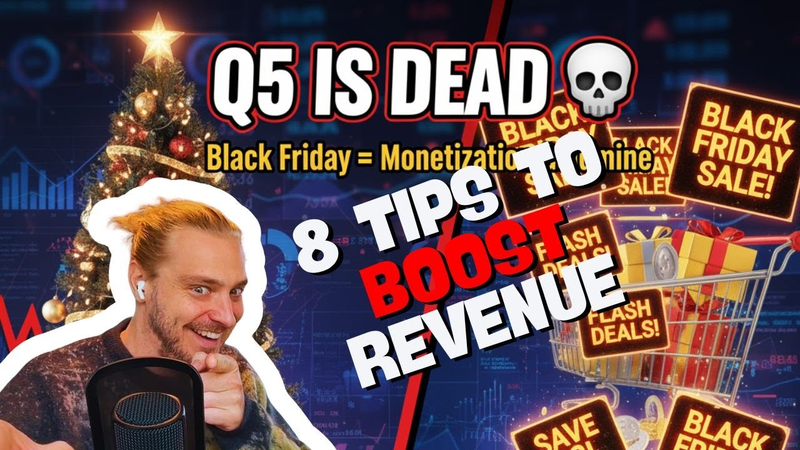
💰 8 Tips to Boost Your Q4 Ad Revenue by Felix Braberg
Mobile game developers can optimize Q4 ad revenue by shifting focus from the traditional late-December "Q5" period to the high-traffic Black Friday and Cyber Monday weekend.
- Prioritize the Black Friday and Cyber Monday window over the late-December 'Q5' period, as eCPM rates typically surge by 15% to 55% during this time.
- Increase ad supply by reducing interstitial cooldown periods by 15% to 20% and shortening banner refresh rates to five or ten seconds.
- Optimize ad demand by setting bid floors at 4% to 5% of average eCPM for banners and 7% to 10% for interstitials to drive higher auction prices.