In-Game Advertising reports and market data
Documents
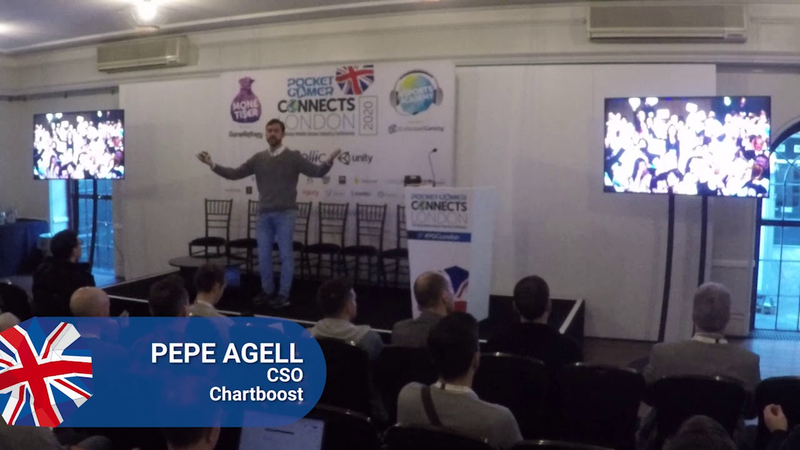
It’s 2020, Time to Change Your Ad Monetisation Strategies!
The mobile game advertising industry is undergoing a significant shift in 2020, moving away from traditional, inefficient waterfall monetization models toward real-time bidding (RTB) and unified auctions.
- The mobile game industry is shifting from inefficient, legacy waterfall monetization models to real-time bidding (RTB) and unified auctions to better capture the true market value of individual impressions.
- Unified auctions utilize first-price auction mechanics to provide developers with increased pricing transparency and more dynamic competition among ad networks, DSPs, and brands.
- Approximately 35% of surveyed companies have already tested in-app bidding, with an additional 35% planning to implement the technology within the next year.
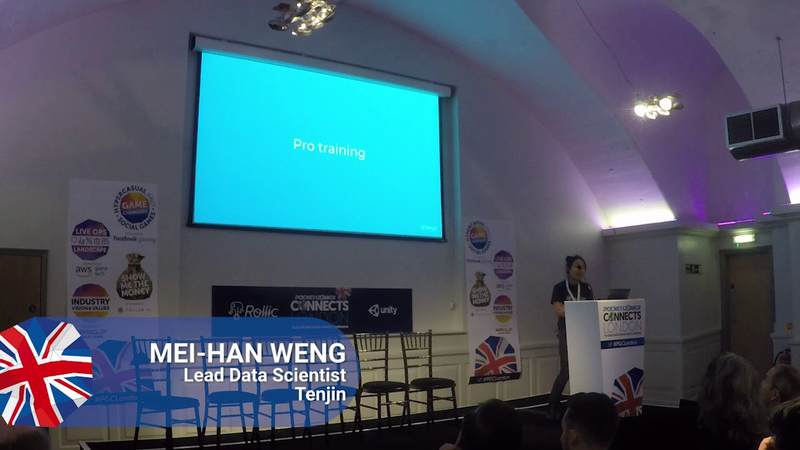
Can Showing Fewer Ads in Your App Lead to More Money?
Maximizing revenue in the hypercasual gaming sector requires shifting focus from short-term ad frequency to long-term user lifetime value.
- Aggressive ad frequency in hypercasual games frequently triggers user attrition, which undermines total lifetime value (LTV) and long-term financial health.
- Developers should shift focus from maximizing short-term per-user ad income to finding an equilibrium between user experience and monetization.
- Data-driven monitoring of eCPM decay curves allows developers to identify the specific impression threshold where additional ads yield diminishing returns.
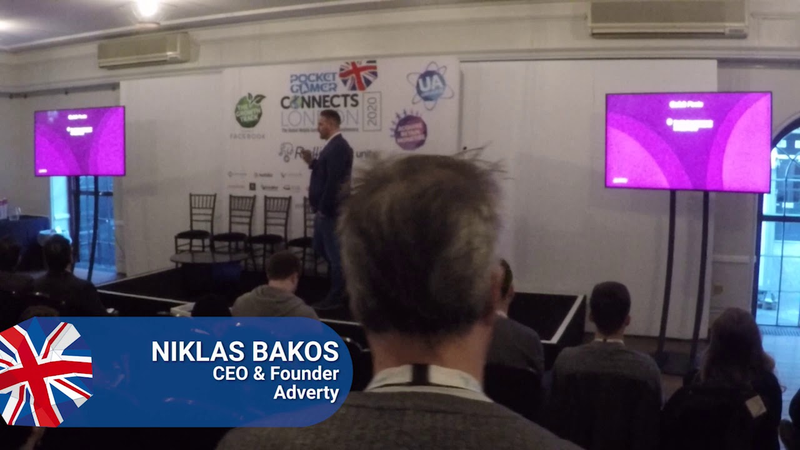
There's a New Ad Format in Town
The emergence of seamless in-game advertising represents a strategic shift in mobile and digital game monetization, moving away from intrusive, disruptive formats toward contextual, non-obstructive brand integration.
- Seamless in-game advertising allows for monetization of 100% of gameplay time by embedding non-intrusive ads directly into virtual environments like billboards.
- Testing across 40 million ad impressions in a AAA mobile title confirmed that this integration has no negative impact on user retention, daily active users, or app store ratings.
- There is a significant market disconnect where 70% of major brands' target audiences are reachable via gaming, yet only 5% of total ad spend is currently allocated to the channel.
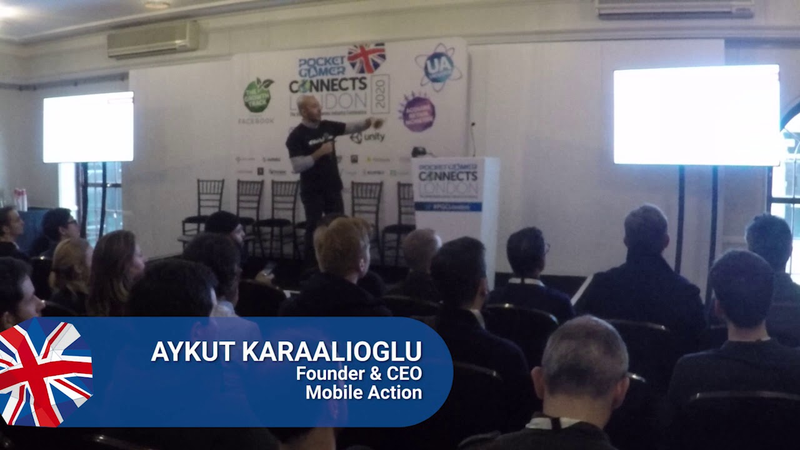
Hypercasual Games - A Complete Ad Strategy Analysis
The hypercasual gaming sector relies heavily on aggressive user acquisition and ad-based monetization to maintain visibility and achieve top-chart rankings.
- Hypercasual publishers must adopt a data-centric methodology, utilizing insights from over 5 million analyzed creatives to minimize trial-and-error in user acquisition.
- Top-tier publishers like Voodoo, Say Games, and Good Job maintain market dominance through rigorous A/B testing and competitive intelligence to optimize ad distribution.
- While video ads remain the primary format, playable ads are increasingly essential for driving conversions and differentiating titles in a crowded market.

The Right Publishing Model for Ad Monetisation Games; Light Publishing
The publishing firm Avid.ly introduces a Light Publishing model designed to assist mobile game developers in navigating the complexities of global user acquisition and ad monetization.
- Avid.ly’s 'Light Publishing' model allows developers to retain full ownership of their brand and accounts while outsourcing technical infrastructure for user acquisition and ad monetization.
- By integrating user-level ad value data back into acquisition campaigns, partners can improve return on investment (ROI) by 10% to 40%.
- The model is built on the observation that a small percentage of users typically generate the majority of total ad revenue, necessitating granular optimization of ad logic and placement.
Growth in Hypercasual and Ad Monetisation
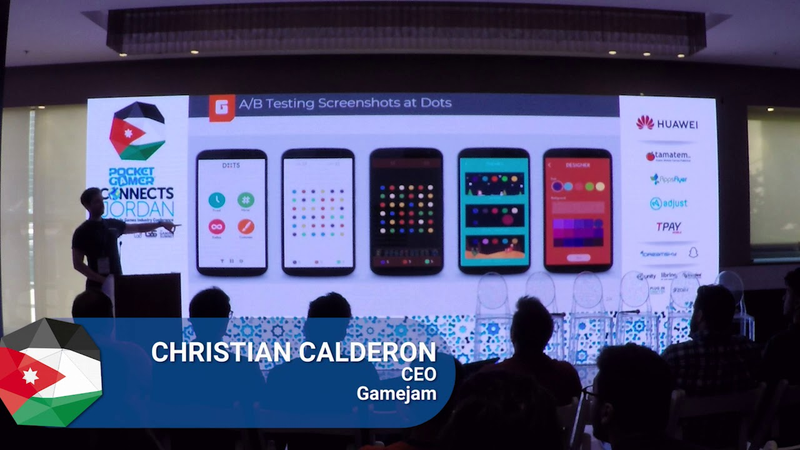
The hypercasual gaming sector has undergone a significant evolution, transitioning from premium pricing models (2007–2010) and freemium in-app purchase strategies (2012–2017) to an ad-driven monetization model.
- Manual waterfall setups for ad mediation consistently outperform automated or header-bidding configurations by fostering greater competition among ad networks.
- Maximizing ARPDAU requires setting specific price floors for ad impressions, as header bidding often results in lower CPMs when left to automated algorithms.
- Hypercasual growth is driven by balancing CPI and LTV, where CPI is optimized by improving CTR through creative testing and CVR through storefront asset refinement.
Uplifting Ad Monetisation via Brand and Programmatic Campaigns in MENA
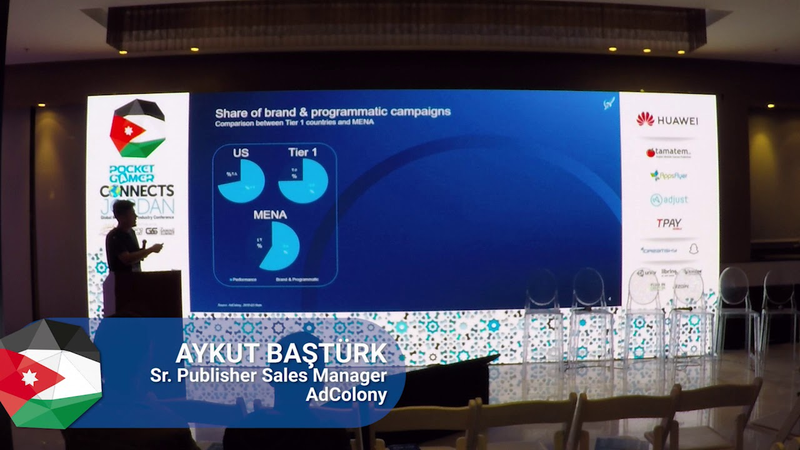
The Middle East and North Africa (MENA) region represents a significant growth opportunity for mobile game developers looking to optimize ad monetization.
- Brand-focused programmatic advertising in the MENA region yields eCPM rates of $10 to $15, significantly outperforming the $5 to $10 range typical of performance-based campaigns.
- Brand campaigns prioritize user engagement and video completion rates over immediate install metrics, making them a more lucrative revenue source despite lower total impression volumes.
- Developers should implement advanced monetization tools such as header bidding and dynamic floor pricing to facilitate real-time, automated competition for ad inventory.
Monetisation Beyond Ads - Tips and Tricks on How to use Unity Monetisation Products
Mobile user acquisition serves as a critical engine for growth, functioning best when treated as a strategic complement to organic discovery rather than a standalone tactic.
- Utilizing machine learning for dynamic bidding and audience targeting has demonstrated a 40 percent increase in both gross revenue and user quality.
- Mobile user acquisition should be treated as a strategic complement to organic discovery, shifting focus from cost-per-install metrics to lifetime value and return on ad spend.
- Monetization strategies must prioritize the integrity of the core gameplay loop by integrating advertising as a seamless, non-intrusive element rather than relying on aggressive placements.
Mobile Ad Creative Index 2020
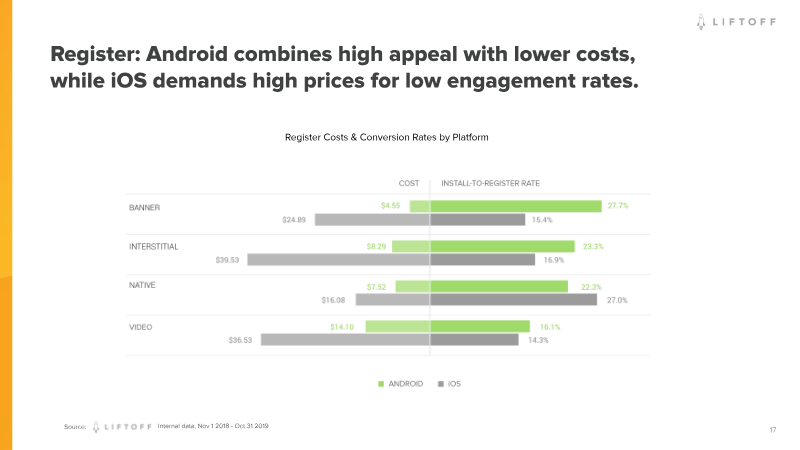
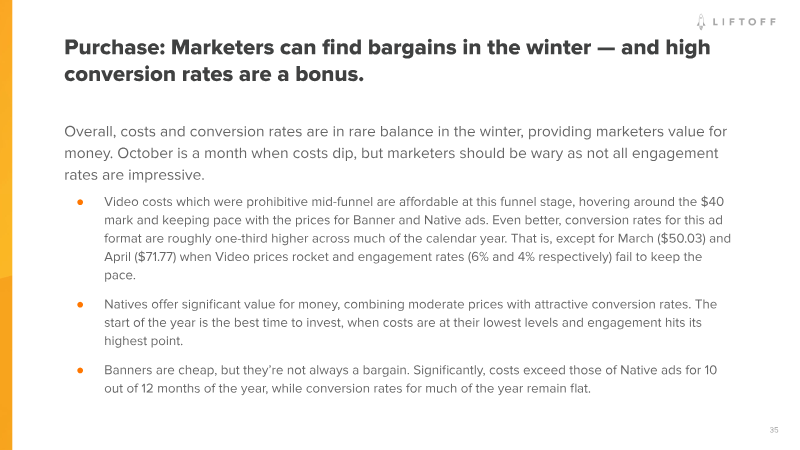
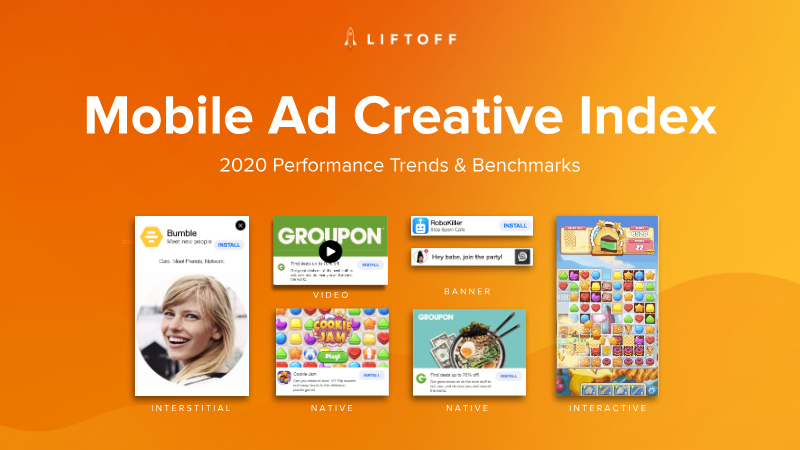
Mobile advertising experienced a significant shift in 2020, characterized by a broad decline in costs across all formats by as much as 22.6%.
- Native ads achieve conversion rates as high as 52.8%, making them the most effective format for driving long-term user retention and high-value in-app purchases.
- Acquiring an in-app purchase via native ads on iOS costs $218.09, which is nearly triple the $73.62 cost required on Android.
- Disciplined A/B testing and dynamic creative strategies, as utilized by brands like Credit Karma and Groupon, can increase click-to-install rates by more than 120%.
Mobile Ad Monetization with Fyber ft. Nishant Ghaiy | Mobile Advertising and Ad Mediation
Fyber operates as a comprehensive publisher platform designed to assist mobile app developers and game studios in managing ad monetization and user acquisition.
- Fyber’s FairBid technology replaces traditional sequential waterfall mediation with programmatic, real-time auctions that allow all demand sources to compete simultaneously for ad inventory.
- The platform functions as an outsourced sales team and marketplace, connecting mobile app publishers with advertisers to maximize revenue through real-time bidding.
- Industry performance is currently driven by high-engagement ad formats, specifically rewarded video, interstitial ads, and playable ads, which outperform traditional banner advertising.

AskGM #5: How to Make Mobile Apps Safe for Kids | With Super Awesome
The digital landscape for children is undergoing a significant transformation as developers shift from traditional, data-heavy monetization models toward privacy-first infrastructure.
- Developers are shifting from data-heavy monetization to privacy-first infrastructure to comply with global regulations like COPPA and GDPR.
- The industry is replacing unreliable age gates and behavioral tracking with zero-data tools and AI-driven identification to maintain compliance.
- Specialized B2B technology platforms are being used to abstract the technical and legal complexities of developing for child-directed audiences.
Ad Monetization, IAP, Subscription Model – What is the Future of Monetization?
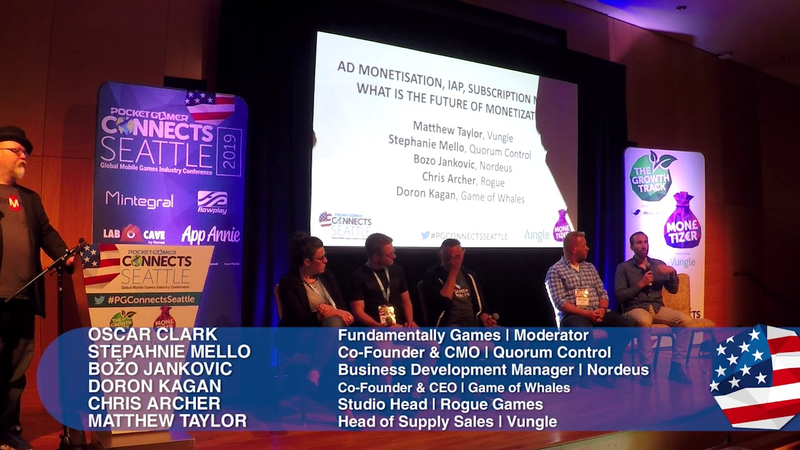
Modern game monetization has evolved into a sophisticated, data-driven discipline that necessitates the integration of in-app purchases, subscriptions, and advertising into a unified lifetime value strategy.
- Successful monetization requires a unified strategy that integrates in-app purchases, subscriptions, and advertising based on behavioral segmentation rather than a monolithic approach.
- Data indicates that removing advertisements for high-value users often leads to a net decrease in total revenue, suggesting that these players remain valuable targets for both ads and purchases.
- Hybrid monetization models are increasingly standard in mid-core games, where ads supplement in-app purchase revenue without negatively impacting long-term retention.