In-Game Advertising reports and market data
Documents
Monetise not Bastardise | PocketGamer.biz RoundTable
The mobile gaming industry is currently undergoing a critical transition in its approach to monetization, moving away from disruptive, full-screen video ads that often degrade user experience and retention.
- Mobile gaming has evolved into the largest digital medium, shifting from a niche market in 2014-2015 to a global audience that requires more sophisticated, non-intrusive monetization strategies.
- Programmatic audio advertising has expanded from a U.S.-centric model to over 50 countries, driven by the massive growth in music and podcast consumption on platforms like Spotify, SoundCloud, and YouTube.
- Player retention is heavily impacted by ad frequency and placement; developers must align ad triggers with natural game flow transitions—specifically the shift from frustration to relief—to maintain immersion.
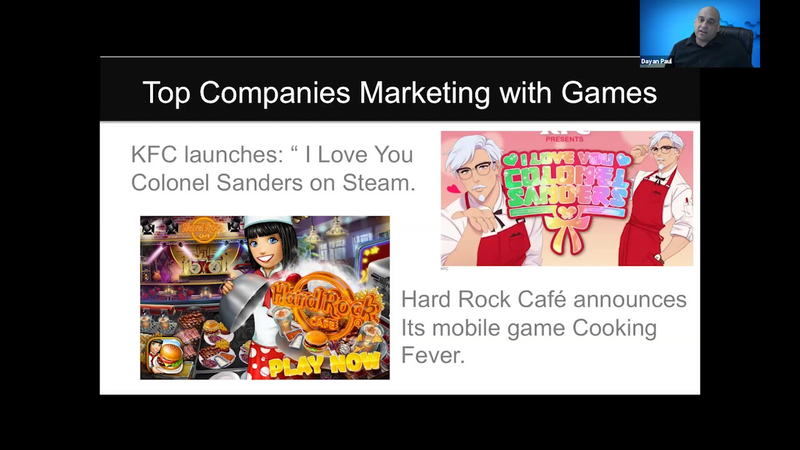
Opportunities in Games as Marketing Channels PG Connects Digital #2
The integration of advertising into indie games serves as a critical revenue stream for developers, provided the implementation balances commercial viability with user experience.
- Games are the most viewed media globally, providing a significant opportunity for brands to reach audiences through non-intrusive, integrated marketing channels.
- Developers should prioritize creative partnerships like branded reskins, product placement, and gamified loyalty programs over disruptive ad networks to maintain user experience.
- Strategic brand matching is essential for revenue, as high-paying ads—such as insurance—often fail to align with the demographics of younger gaming audiences.
The Death of the IDFA | PocketGamer.biz RoundTables
The deprecation of the Identifier for Advertisers (IDFA) on iOS marks a fundamental transition in the mobile gaming industry, moving away from deterministic, granular user tracking toward a privacy-centric, probabilistic measurement landscape.
- The deprecation of IDFA has forced a permanent shift from deterministic, granular user tracking to a probabilistic measurement landscape, significantly reducing the precision of campaign attribution.
- Publishers must now rely on machine learning and predictive analytics to identify high-value users within the first 48 hours of gameplay to compensate for the loss of individual-level tracking data.
- The industry is pivoting toward the development of robust first-party data sets, such as email addresses and phone numbers, to maintain control over audience targeting without relying on third-party identifiers.
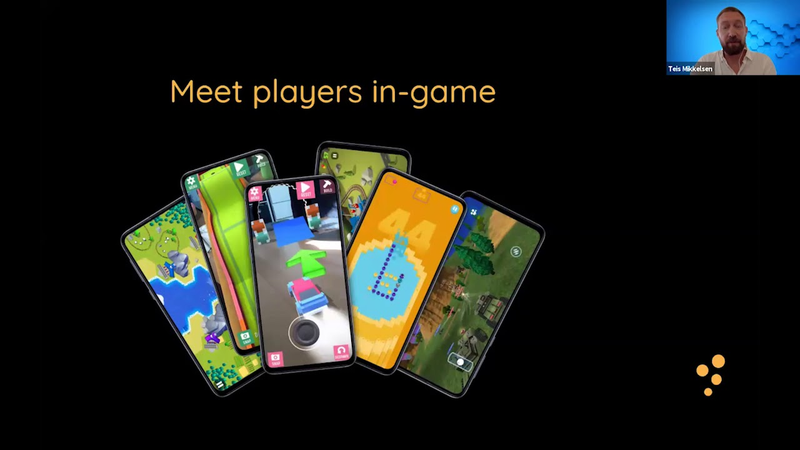
Subscriptions, IAP & Ads - The Trinity of Hybrid F2P Monetisation PG Connects Digital #2
The mobile gaming industry is undergoing a fundamental shift toward a hybrid monetization model that integrates in-app purchases, advertisements, and subscriptions into a unified ecosystem.
- Mobile game monetization is shifting toward a hybrid model that integrates in-app purchases (IAP), advertisements, and subscriptions to capture value from diverse player spending habits.
- Hybrid monetization creates a more resilient economic framework by allowing developers to monetize both high-spending users and non-paying players who prefer ad-based engagement.
- Subscriptions should be used to foster long-term loyalty and trust, acting as a recurring revenue layer that complements the immediate transactional nature of IAP and rewarded video ads.
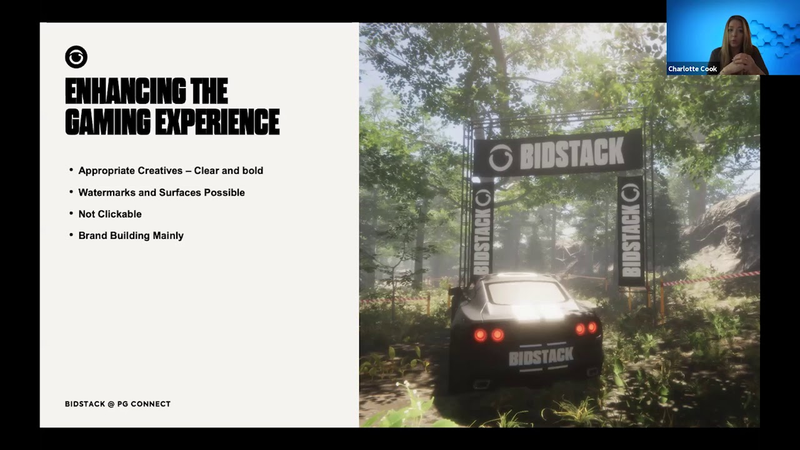
Superstar Session: Bidstack: A New Era of Advertising for Your Game PGCD#2
Programmatic, native in-game advertising represents a transformative shift in how developers monetize 3D environments while preserving the integrity of the user experience.
- Programmatic, native in-game advertising allows developers to monetize 3D environments across PC, console, and mobile platforms by integrating non-clickable, brand-building placements via specialized SDKs.
- In-game advertising prioritizes user immersion by treating ads as natural elements of the virtual world, which empirical data shows results in superior viewability and higher user attention compared to traditional digital display formats.
- Gaming is becoming a primary destination for advertisers as legacy media channels like television and social platforms face declining viewership and high rates of ad-blocking.
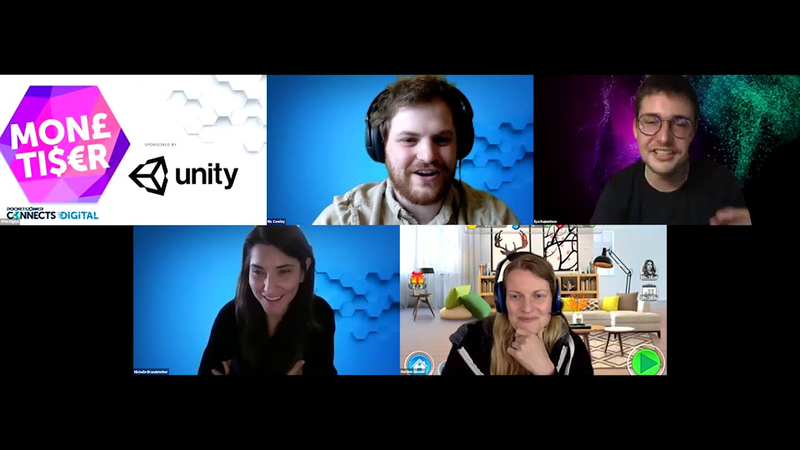
Panel: What Do You Do in the Inevitable Decline of Ad Revenue? PG Connects Digital #2
The gaming industry remains fundamentally resilient, often maintaining stability during broader economic downturns due to the accessible nature of digital entertainment.
- Diversify revenue streams by combining ad-based models with in-app purchases to capture value from the majority of non-paying users.
- Avoid reactive increases in ad frequency during performance dips, as this degrades user experience and triggers algorithmic penalties.
- Prioritize long-term retention and high-quality content over short-term revenue extraction to capitalize on the expanded player base created by recent global consumption shifts.

Keynote: Hybrid Monetisation Deserves a Hybrid Investment Strategy / Supercharge Your Instant Games
Facebook’s Instant Games platform currently serves a global audience of over 700 million players, leveraging HTML5 technology to facilitate seamless social gaming experiences within the Facebook and Messenger ecosystems.
- Adopting a hybrid monetization model that combines in-app purchases with in-app advertising is now standard, with over 50% of developers utilizing this approach and 89% of top-performing titles integrating ad SDKs.
- Transitioning to a hybrid investment strategy—balancing mobile app installs, app event optimization, and value optimization—can drive a 50% increase in installs and a 60% boost in day-two retention.
- Facebook’s Instant Games platform currently reaches over 700 million players globally using HTML5 technology within the Facebook and Messenger ecosystems.

Hyper Casual Gaming in 2020: Charting the Rise of a Blockbuster Genre
Hyper-casual gaming emerged as a dominant force in the global mobile market during 2020, fueled by a massive surge in consumer demand during early-year pandemic lockdowns.
- Between December 2019 and March 2020, global hyper-casual game installations more than doubled, with session counts increasing by 72%.
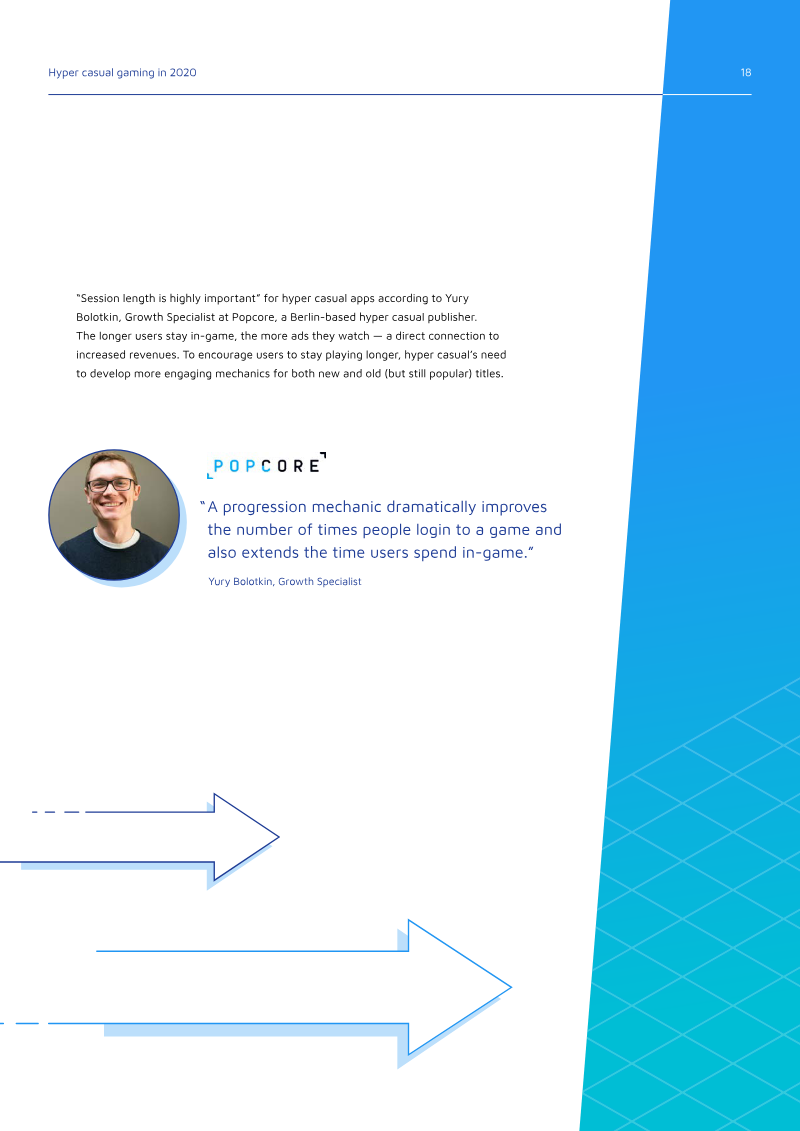
- The optimal monetization strategy for hyper-casual titles is two to three ads per minute, as exceeding four ads per minute causes a sharp decline in user retention.
- Hyper-casual games maintain the lowest cost-per-install metrics in the industry, enabling rapid scaling despite lower long-term retention compared to complex genres.

Connect MORE Demand, Make LESS Money | PGC Digital #1
The programmatic advertising landscape within the mobile app industry is characterized by significant inefficiencies that often result in publishers undervaluing their inventory.
- Static price floors in traditional mediation waterfalls frequently cause publishers to undervalue inventory, with data showing potential revenue increases of 50% to 120% when market-driven pricing is applied.
- The global in-app advertising market is projected to reach $120 billion by 2022, with programmatic spend currently accounting for $47 billion of that total.
- Inefficient supply chains and redundant, overlapping auction paths obscure true market value, preventing developers from capturing the maximum price bidders are willing to pay.
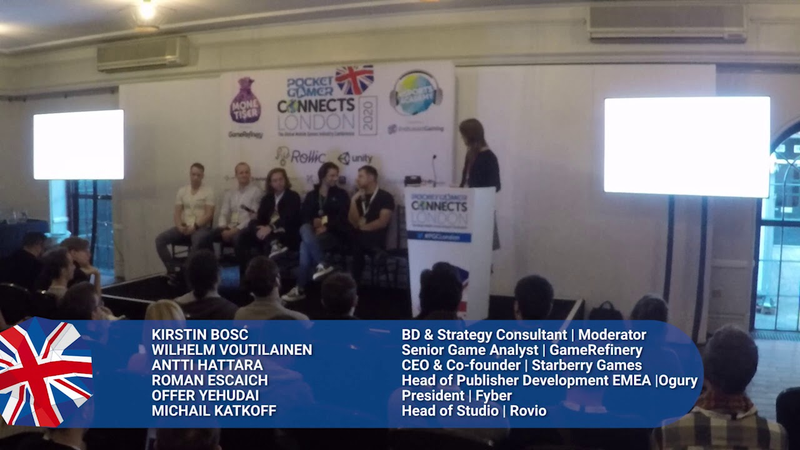
Panel: Choosing the Monetisation Mix for Your Game
The mobile gaming landscape has shifted toward hybrid monetization models as a necessary response to rising user acquisition costs and the dominance of established titles.
- Hybrid monetization—combining in-app purchases, subscriptions, and advertising—is now a necessary strategy to combat rising user acquisition costs and competition from established titles.
- Successful hybrid models treat revenue streams as a cohesive ecosystem where mechanics reinforce each other rather than operating as isolated silos.
- Rewarded video ads should be implemented as non-intrusive, value-added gateways to premium content to enhance player retention rather than detract from the user experience.
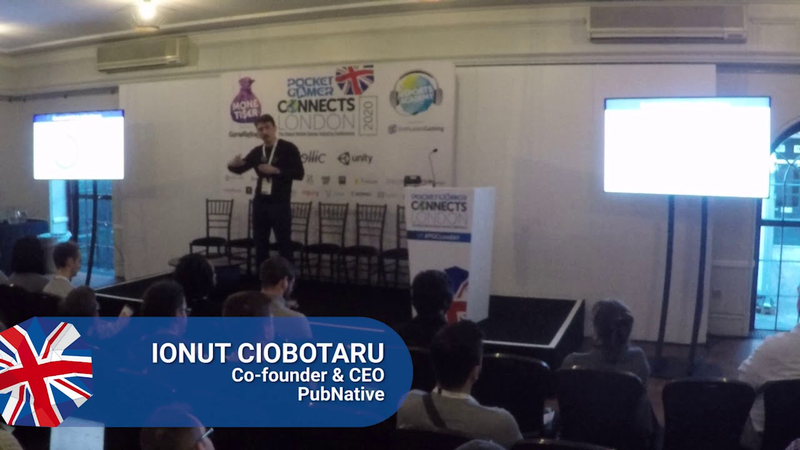
Building a Successful Ad Monetisation Strategy: What can Mobile Gaming Learn from Other Verticals?
The mobile gaming industry is undergoing a significant shift in its monetization strategy, moving away from a reliance on in-app purchases toward a more robust, ad-supported model.
- Mobile gaming should shift from a reliance on in-app purchases and performance-based game ads toward brand-centric advertising models used by non-gaming applications.
- Developers can attract premium brand budgets from retail and consumer goods sectors by treating their games as 'shop windows' that offer high-quality, non-intrusive ad placements.
- To appeal to premium advertisers, developers must prioritize brand safety and leverage recognizable intellectual property rather than relying solely on hyper-casual ad models.
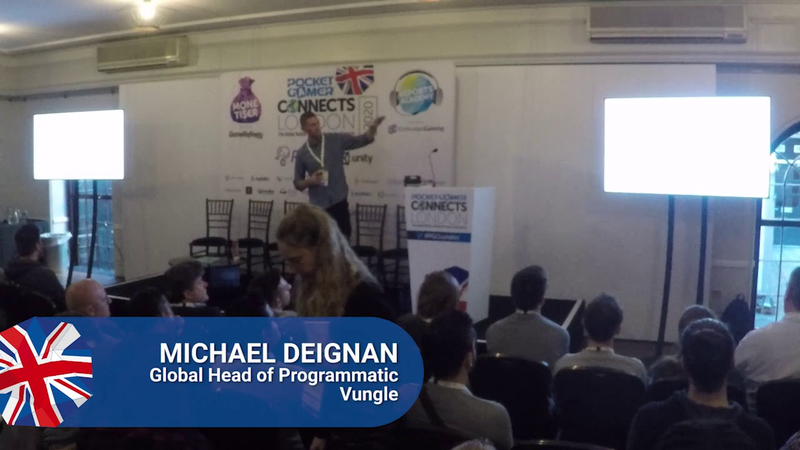
How Does Brand Advertising Fit into Your Monetisation Strategy?
Mobile game publishers can significantly enhance their monetization strategies by integrating brand advertising into their existing revenue models.
- Compliance with supply chain transparency standards—specifically app-ads.txt, sellers.json, and the OpenRTB supply chain object—is now a mandatory prerequisite for accessing brand budgets from major buyers like The Trade Desk and Google.
- Only approximately 30% of top-tier mobile apps are currently compliant with industry transparency standards, leaving a significant portion of the market excluded from brand advertising revenue.
- Publishers should move away from global price floors and instead implement regional pricing tiers to effectively capture demand across diverse international markets.