In-Game Advertising reports and market data
Documents
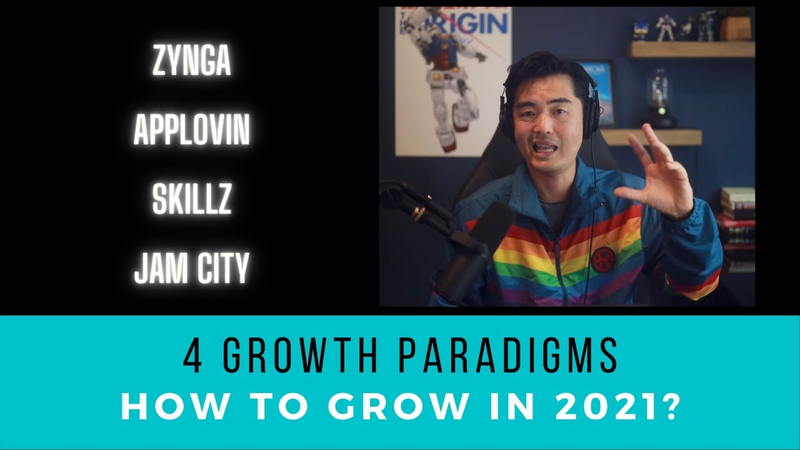
Game Company Growth Strategies in 2021 | Zynga, Applovin, Skillz, and Jam City
The mobile gaming industry is undergoing a fundamental transformation as traditional content-based mergers and acquisitions yield diminishing returns.
- The mobile gaming industry is shifting away from traditional content-based M&A toward vertical integration and cross-platform models to counter the impact of IDFA deprecation on user acquisition.
- AppLovin is attempting to transition from an ad-tech provider to a content-focused powerhouse, risking the alienation of its external client base by creating a potential walled garden.
- Zynga is pursuing ad-tech integration and cross-platform expansion, though its strategy faces significant industry skepticism regarding data privacy and trust.

Understanding the New Opportunities in Mobile Game Audio | PocketGamer.biz RoundTable
Audio has evolved from a secondary production element into a primary driver of player engagement and monetization within the mobile gaming industry.
- Mobile game audio has transitioned from a secondary production element into a primary driver of player engagement, monetization, and emotional connection.
- In-game audio advertising is emerging as a critical non-intrusive revenue stream to offset the impact of privacy-related data restrictions such as iOS 14’s IDFA changes.
- Developers are leveraging AI-driven voice synthesis and social audio to create immersive environments that align with modern multitasking and social interaction habits.
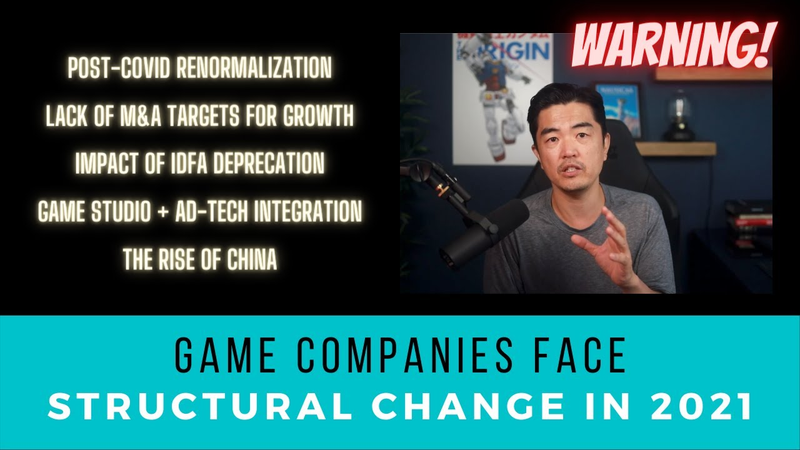
Game Companies Face Structural Change in 2021 | The Warning!
The gaming industry faces a period of significant structural transformation in 2021, driven by five converging factors that threaten to disrupt established business models.
- The gaming industry is transitioning from the 2020 pandemic-driven hyper-growth phase to a more complex, data-constrained environment characterized by normalized user behavior.
- The deprecation of Apple’s Identifier for Advertisers (IDFA) is eroding the efficacy of user acquisition, specifically threatening the monetization models of hyper-casual game developers.
- A scarcity of viable mid-tier M&A targets is forcing major firms to pivot toward riskier, larger public transactions or smaller, pre-revenue acquisitions to maintain growth.

IDFA / iOS14: How Contextual Advertising Can Save Game Studios Millions
The mobile gaming industry faces significant revenue challenges following the implementation of Apple’s iOS 14 and the subsequent restriction of the Identifier for Advertisers (IDFA).
- The implementation of Apple’s iOS 14 and the restriction of the Identifier for Advertisers (IDFA) has reduced attribution accuracy and eCPMs, particularly for mid-core games reliant on granular user-level data.
- Contextual advertising serves as a privacy-compliant alternative to personalized tracking by utilizing environmental signals like game genre, app ID, and audio intent rather than individual user identifiers.
- Brand advertisers are willing to pay higher eCPMs for contextually relevant ad placements compared to traditional banner ads, providing a viable path to recover lost revenue.
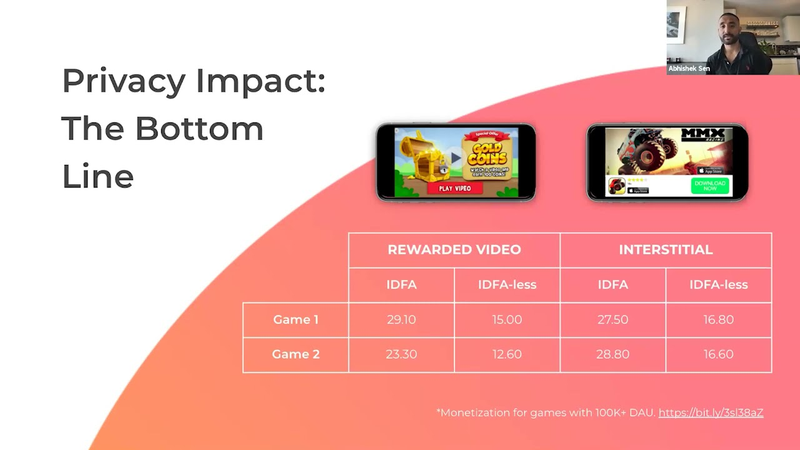
The Crossroads Between Edge Computing, Privacy, & Ad Monetisation
The mobile gaming industry is currently navigating a significant shift in ad monetization driven by heightened consumer privacy concerns and restrictive platform policies, such as Apple’s Identifier for Advertisers (IDFA) changes.
- The mobile gaming industry faces a projected 40% to 50% decline in in-app advertising revenue due to the loss of addressability caused by privacy shifts like Apple’s IDFA changes.
- Edge computing serves as a critical solution by shifting data processing from the cloud to the device, allowing for actionable insights without the need for persistent identifiers or raw data transmission.
- On-device intelligence enables real-time, contextual targeting of user habits and behavioral patterns, which maintains ad effectiveness while ensuring compliance with privacy regulations.

Fireside Chat: Exploring the Potential of InGamePlay Brand Ads
In-game native advertising represents a strategic shift toward non-intrusive monetization, prioritizing player immersion over the disruptive nature of traditional interstitial ads.
- Approximately 68% of players prefer seamless, non-clickable in-game ads over traditional interstitial formats because they maintain immersion.
- Native in-game advertising is a resilient alternative to tracking-based models, as it relies on contextual relevance rather than invasive user data like the deprecated Apple IDFA.
- Integrating branded content into 3D environments, such as digital billboards, enhances atmospheric realism and supports higher player retention rates.

Panel: Choosing the Best Ad Format for Your Game
Mobile game monetization strategies currently center on balancing cost-effective ad formats with sophisticated user segmentation to navigate a shifting landscape of privacy regulations and user tracking limitations.
- Monetization strategy must shift from blanket approaches to granular A/B testing and data-driven user segmentation to compensate for the decline of traditional tracking and privacy-focused regulations.
- Video ads remain the industry standard for cost-efficiency and accessibility, while playable ads are largely reserved for established titles due to their high production costs.
- Developers are increasingly adopting contextual targeting and non-intrusive formats like offer walls to maintain revenue from non-paying users in a privacy-restricted environment.
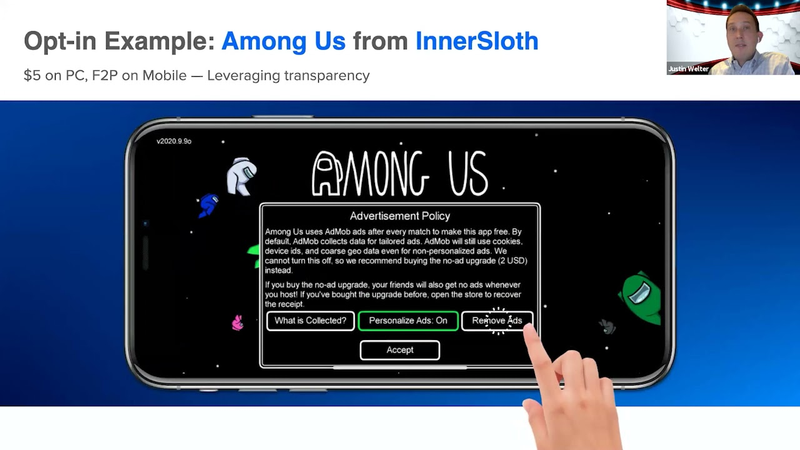
Monetisation Optimisation in Apple's New Normal
The mobile gaming industry faces a significant shift in monetization and user acquisition strategies due to Apple’s implementation of iOS 14 privacy changes, specifically the transition to an opt-in model for the Identifier for Advertisers (IDFA).
- The transition to an opt-in model for the Identifier for Advertisers (IDFA) under iOS 14 requires publishers to shift from traditional tracking to privacy-compliant frameworks like Apple’s SKAdNetwork.
- Publishers should implement header bidding or advanced bidding to allow real-time competition among ad networks, which stabilizes eCPM rates and offsets the loss of granular targeting.
- Rewarded video ads are the most effective format for maintaining engagement, as they consistently demonstrate higher completion rates and user preference compared to non-skippable formats.

How to Optimise Game Success & Monetisation With the Right Brand Partners
The gaming industry is undergoing a fundamental transition toward G-commerce, a model that integrates brand partnerships, e-commerce, and digital assets directly into the gaming experience.
- The G-commerce model integrates e-commerce and brand partnerships directly into game lobbies to monetize the entire player base, including non-paying users, without relying on disruptive advertisements.
- By rewarding players with in-game currency or exclusive items for completing external retail purchases, developers can increase player lifetime value and retention.
- Plug-and-play software development kits now enable developers to integrate complex e-commerce and marketplace features into their games in as little as one hour.
Ad Strategy in the Age of Consolidation #ELEVATEYOURGAME - PG.Biz Fireside Chat
Modern mobile gaming success relies on a sophisticated, data-driven approach to ad monetization that treats internal studios as collaborative partners rather than mere subordinates.
- Maximize ARPDAU by aligning ad supply and demand through a structured funnel focusing on eligibility, surfacing, and engagement.
- Utilize a diversified portfolio of titles to leverage cross-promotion and first-party data, treating internal studios as collaborative partners rather than subordinates.
- Implement a phased ad integration strategy starting with low-friction rewarded video before introducing interstitial formats to non-converting users.

Game Biz #1: Game Industry M&A [EA, Zynga, Glu, and More]
The gaming industry is currently undergoing a period of aggressive consolidation, characterized by a strategic shift toward vertical integration and the pursuit of mobile market dominance.
- Major publishers like Electronic Arts are acquiring mobile-focused entities such as Glu Mobile to address dormant mobile portfolios and satisfy investor growth demands.
- The deprecation of IDFA (Identifier for Advertisers) is forcing companies to internalize ad tech and user acquisition data to maintain control in a constrained privacy landscape.
- Industry M&A strategy is split between Zynga’s centralized, synergistic model and Embracer Group’s decentralized approach, with analysts questioning the long-term viability of the latter without centralized support.

Ad Tech + Game Studios | The BIG Dangers from AppLovin, Zynga, and More Coming!
The mobile gaming industry is undergoing a profound structural shift driven by the vertical integration of ad networks, game studios, and measurement platforms.
- Vertically integrated firms like AppLovin and Zynga are consolidating ad mediation, network infrastructure, and attribution data, creating a conflict of interest where they act as both service providers and direct competitors to the studios they serve.
- These integrated entities leverage granular performance data from their partners to gain proprietary insights into user behavior and revenue margins, potentially disadvantaging independent developers who rely on their platforms.
- Despite the risks of platform bias and data exposure, studios remain locked into these ecosystems because the immediate necessity for high-performance user acquisition outweighs the difficulty of scaling through alternative channels.