1 free read left. Create a free account for unlimited reading + AI research.
Create free account
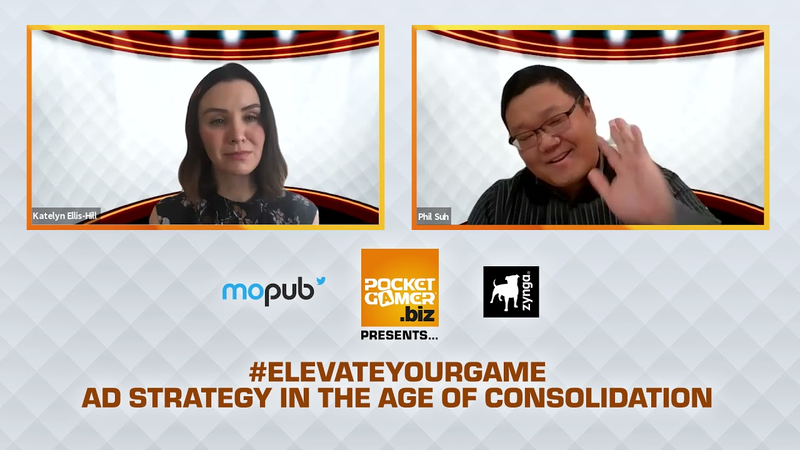
Ad Strategy in the Age of Consolidation #ELEVATEYOURGAME - PG.Biz Fireside Chat
Key insights
6 takeaways- 01Utilize a diversified portfolio of titles to leverage cross-promotion and first-party data, treating internal studios as collaborative partners rather than subordinates.
- 02Calibrate ad placements based on specific game objectives, balancing high-fill-rate rewarded formats for engagement against high-yield, low-frequency placements for revenue.
- 03Maintain a cohesive network of apps to manage ad supply strategically, ensuring that impression volume growth does not compromise the overall user experience.
- 04Maximize ARPDAU by aligning ad supply and demand through a structured funnel focusing on eligibility, surfacing, and engagement.
- 05Implement a phased ad integration strategy starting with low-friction rewarded video before introducing interstitial formats to non-converting users.
- 06Use data-driven projections to demonstrate that ad monetization does not cannibalize in-app purchases, fostering trust between centralized ad teams and development units.
Ask AI about this video
Transcript
reality check the ecosystem has never been more unbalanced and unpredictable it's become harder than ever for businesses to deliver sustainable durable growth it's even tougher when many of the partners you once relied on have become hard to trust stuck in survival mode taking forced shortcuts hindering an enduring business we're tired of empty promises and unstable agreements we're skeptical of short-term incentives and biased practices there has to be a better way for the seller the buyer and the user we believe for deep-rooted growth you need a reliable foundation we believe for a thriving future you need support and rebalancing efforts today
we believe to charter a sustainable course through today's hyper competitive fast changing world you need to build for the short term and the long term we believe improving our worth and making a difference to your business working hard and caring more by putting your success first being provocative partners acting with radical candor not vendors with cookie-cutter products and services we believe in creating a relevant alternative in a space dominated by a duopoly we believe in shared values respectfully challenging one another to be better in earning not buying our and other success [Music] we believe in resilient visionaries who think bigger with their heads up and eyes open and we believe it's time to elevate
your game hi everyone my name is kate ellis hill um today's conversation will dig in on ad strategy and the age of acquisitions and consolidation um this is a great session for those of you considering incorporating consolidation into your long-term monetization strategy or if you're curious about how large companies think about this path to sustainable growth i'm on the mo pub client services team and i hope the privilege to work with some of the largest and most influential publishers in gaming my guest is phil sue the senior director of ad monetization and product at zynga phil has 10 years of experience in app monetization and product and his led zing has had strategy through some
of its most exciting initiatives and on to exponential growth i can't think of a better industry leader to talk to about how ad strategy is transformed and what's coming next thank you so much for spending the time today phil thanks great kate great to be here um so to kick things off zynga has a really well publicized strategy of acquiring studios to help power its growth some acquired studios already have ads and run on a variety of platforms and some don't have ads at all what do these studios with very different setups have in common and what makes them attractive yeah i think you know when we're looking at acquisitions in general there's definitely a lot of different considerations and ad monetization is but one component uh focusing specifically on that we look at several things kind of the of course the ad revenue what is the opportunity existing opportunity and
and what is the opportunity for growth you know how big do we think it can grow and then it's also looking at you know the platform and the people you know is the are the the the titles complementary to zynga are they bringing something unique uh so when we kind of start to do that when we look at the titles and can deconstruct all of their existing placements and see you know what what are the genres what are the ad units that they have in is it optimized already or is there a future opportunity um if we can partner with them to help uh grow their ad revenue and uh you know we will talk about we can talk further about that a little bit later and uh you know when we build kind of revenue models uh to to predict to kind of forecast what that would be or what it could be and that gets refined over time during our conversations we can be looking at you know what platform they have uh and what technology is it you know mediation who they use do
they have any of their own first party technology uh you know what what are the networks and partners and that they that they have integrated you know kind of what is their geomics and penetration right how does how is that uh different from zynga potentially and their experience around that do they have a sales team uh so are they do they also have direct sales or is it mostly um just network operations and then you know really a big important aspect of it is the team is it is uh do they have a lot of experience with ads or not do they uh is it more of an afterthought in the game and they're really focused more on iep and they have some part-timers kind of handling it or is it a dedicated team so what are their experience and capabilities and you know during the diligence process uh we we learn too you know it's kind of a it's a conversation a relationship a partnership between us and these other publishers and um and
and we learn and it's always interesting a lot of a lot of interesting learnings especially over the last years as this is all ramped up for you guys um building on this a little bit um are there other benefits that people might not naturally think of for expanding your portfolio yeah our you know it's something pretty exciting and i think our our ceo frank has talked about it a number of times already now and it's kind of the opportunity for cross promotion and building out our own network within our portfolio of games and you know that when we look at acquisitions or even our own games now we look at ad inventory in a different way uh because it's now the availability of ad supply takes on this new dimension because it's a way to drive uh cross-promotion across games and you know through the advertising now
your other publisher other buyers and advertisers are you know buying installs from our games um you know we should be able to do it as well and do it better and you know how how can it be better uh leveraging our own first party data to improve you know targeting and retargeting within our portfolio especially when idfa goes away on ios 14 you know we're going to have that internally within the network and that's a competitive advantage you know another thing is you will be able to acquire users for a lower cpi potentially in one app and then cross promote to games with higher cpis which is also a benefit and uh you know once you acquire a user into the portfolio it can be anywhere uh you can retain them within the network and increase that ltv of the user and potentially the row as of you know user acquisition uh so it becomes a little bit of a multiplier and
you know as we think about the the scale the bigger the scale uh of the portfolio so it enriches it but also the breadth so you know the the more genres and kind of the breadth of the portfolio that we have also makes it um more valuable yeah the the cross-promotion piece is a really great point um so we've discussed zynga's large and diverse portfolio of games which means working with a variety of studios um what has been the most effective way of engaging those studios to grow ad revenue this is a interesting one i think you know as our business has grown and the number of studios that we have has grown we really look at measuring ourselves as a b to b business right when you have dozens of studios you know that it takes on a kind of different uh different perspective
and it's more like a bdm sales process around building relationship and trust and over time i've kind of thought about it as an account management model you know similar to uh our you know our partner demand partners like yourself and you know where we have kind of support staff specifically for studios to kind of help them navigate and provide information and communication as well as kind of technical and product support and so to help kind of over time work with the same people everybody knows who to talk to and where to go for things and that we're responsive and um and that you know they get over time you build a sense that they you know that we know what we're doing so that that building that trust allows for uh us to kind of build on that for you know initiatives and opportunities in the future uh when i look at it there's kind of
like two different ways it's it's more the games that are live in maintenance where we um you know build that trust over time and then can leverage it to uh grow opportunities so you know we've been successful let's say even with declining daus you're able to increase average revenue per user and grow revenue even in a situation where say dau would decline uh and that's you know a testament to kind of how well we've been working with our internal studios and you know for kind of the newer opportunities um it is very much kind of a new business kind of process right we'll have multiple conversations there'll be pitch decks uh we we come in with um data and different comps to genres so you know are you a casual game or a mid hardcore game you know what are the kinds of ad units and ad placements that games like this have had within zynga and outside of zynga and we bring in kind of our design
recommendations and best practices and uh and then go through a process to kind of uh develop what that ad strategy is and you know data is important uh especially for analytical types uh you know who are in product and tech typically data you know drives decisions and and also you know at the end of that data funnel you get to revenue and and money talks usually um but you know in some cases it's it's not like that right like i could throw as much data and money at you and and you'll be kind of still hesitant and resistant uh and you know in some cases a little bit extra in terms of you know creative assets and uh within the deck and kind of being able to visualize the experience instead of just conceptualizing it right okay i'm gonna i'm gonna tell you what this is gonna be like and you have to conceptualize it in your game you can do
that but it's a lot more powerful to actually see it on the screen so uh when we are able we can kind of do that and you know invoke a little bit of an emotional response and say okay yeah like that doesn't look that bad or that's like pretty nice um yeah i wouldn't mind that in my game so that's you know that you have to just get them to yes get them over like all right fine we'll put ads in um or yeah like some people are excited about hey that's awesome like let's let's put that in there and so then we can you know once you get over that hurdle initial hurdle then we come together to set the ad strategy and the goals the studio is looking to achieve that that's a great mindset for your teams to have um clearly it's paying off um when it comes to ad strategy with new studios you talked about you know some of the the tools you use to engage them but what are the top two or three areas of evaluation once um they are
migrated over how do you measure their success so you know when we're kind of defining the ad strategy and setting the goals i mean the first benchmark is arp down so average revenue uh per user per day and it's really the north star metric uh and you know under and it's the easiest to kind of compare across genres they're relatively consistent um and you know under arp dao kind of what drives revenue is both supply and demand and that's going to be and kind of how we do that is is going to be different um based on the genre again and what ad units you put in you know so so casual games can have more like display and you know mid to hardcore games or ip heavy games are really more focused on rewarded video and so we looking at specifically starting with supply we look at just benchmark cpms so that
we can focus on supply because supply is driven by the ad placements uh in the game and you know where those ads are showing up and the goal of that is to generate volume of impressions because supply is really based on how many ads you're showing to the users and in what ways and you know and uh you know volume versus kind of the level of comfort on the user experience that the team is comfortable with and we'll see kind of how that comes into play in a bit the now there's kind of like two types of placements that we kind of group things into uh one has to do with generating reach and the other is more generating engagement so and it's great to actually have a mix of both but it's also you know kind of what the studio is is looking for uh the placements that generate a lot of reach
are things like the daily reward bonus things like that where or it's in the lobby or a hud that pretty much everyone sees but engagement might be lower on that like the click-through rates and view-through rates on that might be a little bit lower as opposed to something like a desperate buy which you know is going to be surface to less people but they're going to click like the the rate at which you click on that and and watch that video is gonna be a lot higher and you can achieve the same goals but obviously if you have a mix of both you're gonna hit um the highest overall we call use rate which is the number of users that engage with ads you're going to be able to maximize that because some people um do both some you know some users players do both some really come in every day to re you know get some bonuses on their rewards and some people you're never gonna yeah yeah and then some people are never
gonna convert on iap and they kind of want that opportunity like a desperate buy and you know especially in those cases it probably helps with retention a bit uh so you know those two kinds of of ad type of kind of placement types and then when we think about that we also look at the the ad funnel right because this is probably a really the most important thing when we're talking about supply is there's there's multiple it's not just hey there's a user and hey we watch the ad um there's a lot of decisions along the way that people get tripped up on and you know you start with dau and then uh you know the next step is like eligibility right and and i think in the in previously in prior years you have a lot of the studios kind of say oh never show ads to payers like we don't want to show ads to people unless they've been playing for 60 days and so you really cut off a lot of users
just right off the bat and i think that mindset has changed a lot over the years um in a positive way and so eligibility has kind of like shifted but that's still you know there that you cut off people right at the top with eligibility um then the next thing is surfacing which really the you know the reach and engagement kind of starts ticking in and you know if you show an opportunity to everyone versus burying it somewhere deep um sure that might have a lot of engagement but if it's buried too deep and only 10 percent of your users see it then you know the opportunity is gonna be really small so you then you know studios will say why why is the revenue so small well you're only showing it to 10 of your youth uh and then you know after that after you show it to you know surface the opportunity to the user then it's a measure of engagement and kind of what you know how enticing is that for the user even
if it's a daily bonus you know is it like a 10 increase is it a 50 increase and this is where some of the ad strategy kicks in is it something that you want users to engage with a lot or do you want a high percentage of your users to engage with it so you even with a daily bonus you can generate eighty percent uh you know um engagement right if it's a super valuable bonus right um and maybe you lit you really limited uh as opposed to uh something that it's very liquid and and so you know oh well you expect them to do it eight times so the value of each time is not that much but if somebody's willing to grind through it you're you're gonna give them a decent amount so i guess that's where engagement and repeatability come in so after you know oh hey a certain percent of your users who see it are going to engage with it and then how how much are you going to allow them to do it how or
are your how much you're going to drive them to do it um is the repeatability aspect so then you know when we look at yeah go ahead oh no okay okay please continue and yeah and then the kind of when how we measure all that is how we measure the health and success of you know your ad funnel is really around um volume and your reach so kind of saying hey like is your are your ad implementation healthy is volume in reach volume being kind of impressions and impressions per user and then your reach being uh viewers so as viewers and viewers as a percent of dau and then how many ads per view being watched so you know with all this in mind we kind of come in with our own uh design recommendations to the studio and and then have a conversation with them over time and and then the studio is going to come up
assuming you know they're already on board they're going to have their own design concepts and specs that they bring to the table afterwards and then it's a conversation because as i said they you know oh okay we want it like this and then we'll say well i'll either confirm or have feedback that okay you you know you you want to put this in your game but your goals are here there you know you're not going to achieve you know that through the funnel you're not we don't think you're going to achieve you know your art doubt goal with the the implementation that you have in mind so then we kind of have to go in and tweak uh you know what what that's going to look like back and forth there um so the other side of arp dough is you alluded to this earlier but um is demand so how do you think about what demand sources you integrate into a game or or as you're having these uh conversations with studios
uh who to pitch to them yeah and that's uh yeah the other side of you know the of arp dao as we said was demand and you know demand drives the yield that we get so you know the revenue per impression and that's also kind of informed by the ad strategy and when we look at the drivers of demand it's uh several different things actually it's um the demand partners themselves uh operations regarding that so like pricing and block lists and then are the initial configuration for the infrastructure that we put in and so let's starting with the you know configuration what that means so for zynga we have three different possibilities all right and one is we have our own you know first party um sdk and ad server that wraps all the networks uh it comes with a lot of out of box features that help to make it easier for games to
integrate and and manage kind of the ads business uh it has a lot of tie-ins to other central services like experimentation and reporting things like that so um you know a good portion of our portfolio has that integrated but for you know one reason or another they don't especially um if you're you're not using of all of our central services say for instance or we want to use it as a test bed to to be able to kind of switch out networks faster we might do a direct mediation implementation so some studios uh are directly in with you know the mediation service and uh the the uh some other underlying networks and then kind of the third configuration is just a direct to one partner integration and you know and when we think about that configuration like what people use it really has to do with the pers a lot
really mostly uh what percent of adrev like that game is uh expecting to to drive so if you are a game that's you know nev adrev is only going to be two percent ever you know or two to five percent really low and they don't really want to deal with it and it's on autopilot you know and um they don't want to maintain it but they but they still want like a rewarded video feature in the game uh that that's when you might go you know direct to one partner and and make it eat and really kind of make it easy to uh to have like low maintenance costs and really have the adjust for a feature for for the users uh and as opposed to kind of the other two uh so we are assuming now that we're we have mediation right like what are the networks what are the partners and demand sources that we put in uh and that is also kind of dictated by
you know the ad strategy for the studios in terms of you know do they want features that generate a lot of fill or higher yield and i alluded to it a little bit before uh when we're talking about supply but is it like a feature that you know you're expecting uh some you know people to engage with a lot right so hey uh i'm gonna give them a daily bonus and they can click on that like six times in a row and so therefore you know fill is actually really important and i don't want my users to get frustrated that like there's no ads available or they have to keep like coming out and going back in and as opposed to something say that's really high value and they only expect users to watch like one to two ads a day and but each time they watch it it's really high value and they have whatever 70 80 percent you know view through rate on that or something so uh so that is gonna kind of dictate
potentially what partners that we put in you know the some networks are better at kind of really driving performance and it's uh you know they'll always have an ad available for you uh and and they uh and they'll really fill but the average yield will be lower uh and some networks are kind of oh we only have like a couple ads for you but they're gonna be good or we only care about these specific users we want to target but we're going to pay a lot so you know they um so we have to we think about that mix uh geo also matters a lot kind of where the the player base is for this game uh kind of also dictates what networks that we have and we typically start with you know hey these minimum three we have like our core three partners that we're basically going to put into every game and then outside of that you know these other considerations start to um take effect and then you know once
we you decided what partners that you put in right then it's how we run it and that's kind of the operations of it so the pricing and how we optimize that is is going to impact demand but also the kind of how much we we block so that's also kind of dictated by the ad strategy in terms of you know we want to really preserve the user experience i don't want you know uh you know i want a really tight block list on competitors right or competitors or whole genres right those like the more you block right the the lower your yield is going to be so you know some some studios really want to protect that and and are probably some of our demand partners know we probably have some of the most ex pretty high block list in certain cases and uh you know also for user experience like you know some games are okay with a
double close with a timer or add after ad and some games are not so those kinds of things also determine you know what we're going to block and what we're going to allow which uh also impacts some of the the demand side i i think that especially the network piece um is really interesting because intuitively some publishers may think that the best approach for all studios is the one that they use for the apps that made them successful in the first place but a successful consolidation strategy sounds like it's a lot more nimble and customizable than that um you talked about this a little bit before um but some of your acquisitions have been for apps that don't have any ad presence whatsoever like nothing all iap um so what what would be the first thing that
that you would do with an acquired studio that has no ads and maybe resistant to putting that in the mix yeah the you know it's when we engage with a new studio it's it is about building that opportunity and trust so or just kind of defining the opportunity and building the trust and you know when we define the opportunity you know again it's it's we're bringing data we're bringing our our comps to their genre and revenue projections and scenarios it's like options like hey you kind of take this low touch approach and like then it's going to get this exactly it's like these kind these slates of implementation how deep the implementation is and then the costs associated and saying all right like this is kind of you know the opportunity from a revenue perspective and a cost perspective um and you know that and that's more defining the opportunity but you know the other side of that coin is uh the trust
aspect and you know we we talk about we provide an overview of of zynga's you know ad monetization business uh our management and our resources and the teams and support that we have for the studios uh go over the integration process um it's quite long actually but you know to give a sense of what's all involved and then you know we also want to understand their concerns uh and and their perspective on how they think about ads uh because even before you're working on the ad strategy you know maybe they had experience with ads in the past in their game or and they took it out or they um you know they play off usually you know game makers play a lot of other games and they've had bad bad experiences in other games and they don't want it for their uh maybe it's you know super ip heavy game with very high uh arp dow for you know iep and they're worried about cannibalization or retention
um or the user experience so you know with ads and so kind of like just understanding where they're coming from and and what their concerns are and then trying to address those and have a conversation and and sometimes you know you will won't get over that hurdle per se but that's you know maybe where the trust kicks in and over time you can can build that where like okay maybe you know i'm all my misgivings are not answered but but all right like we'll like give it a shot and you know you start small right you know rewarded video is the easiest thing to get in i think it's more of a gateway yeah it's a gateway ad it's uh you know more proven uh format it's user opt-in it's and you know a very kind of high value per view and so you almost look at it like a micro transaction uh per se and you know that it's easier for studios to to put in
rewarded videos so you can start off small see how that goes and you know over time uh increase the the surfacing and the optimization and experimentation around you know existing or new placements in reward video and then you know probably the easiest one to go to after rewarded video is interstitials maybe for users that have kind of been in the game a long time and never converted and you can start introducing interstitials so you can yeah over time you can optimize and add new placements in different ways uh but you know it's always hardest to get over the hurdle to one uh you know that from there yeah so can you share with everyone tuning in today your top three takeaways uh yeah kind of in summary i would say you know three things are a portfolio strategy in gaming does more than give you a large catalog it
also allows you to derive additional value across your entire network of apps second you know for centralized ad teams working with studios is a really long term relationship building process and and that trust will kind of bring success in the long term and you know a third a successful studio ad strategy is centered around arp dog goals and that drive decisions across both supply and demand well thank you so much phil um provided a lot of great takeaways for publishers looking to build out a portfolio strategy and i think for managing studio relationships to choosing the right network mix there's a lot that can be learned from the strategies that you employ uh really appreciate your time today and i can't wait to see what zynga gets up to next thank you all right thanks for having me
Summary
Modern mobile gaming success relies on a sophisticated, data-driven approach to ad monetization that treats internal studios as collaborative partners rather than mere subordinates. By leveraging a diversified portfolio of titles, companies can utilize cross-promotion and first-party data to drive growth. This strategy centers on an account management model that balances the technical demands of revenue optimization with the creative requirements of game design, ensuring that ad integration does not compromise the overall user experience.
Maximizing Average Revenue Per Daily Active User (ARPDAU) serves as the primary metric for aligning supply and demand. Effective implementation requires a nuanced approach to the ad funnel, focusing on eligibility, surfacing, and engagement. Studios must carefully calibrate their ad placements based on specific game objectives, choosing between high-fill-rate rewarded formats for frequent engagement or high-yield, low-frequency placements for maximum revenue. Success in this environment depends on using data-driven projections to alleviate developer concerns regarding potential cannibalization of in-app purchases, thereby fostering a culture of trust between centralized ad teams and individual development units.
A phased integration strategy is essential for long-term retention and monetization. Rewarded video serves as an ideal entry point, acting as a low-friction gateway that introduces players to ad ecosystems without disrupting gameplay. Once this foundation is established, studios can gradually introduce interstitial formats for non-converting users to capture additional value. By managing ad supply strategically and maintaining a cohesive network of apps, developers can create a sustainable ecosystem that balances impression volume with user satisfaction, ultimately ensuring that ad monetization remains a powerful, non-intrusive lever for growth across the entire portfolio.














Comments