1 free read left. Create a free account for unlimited reading + AI research.
Create free account
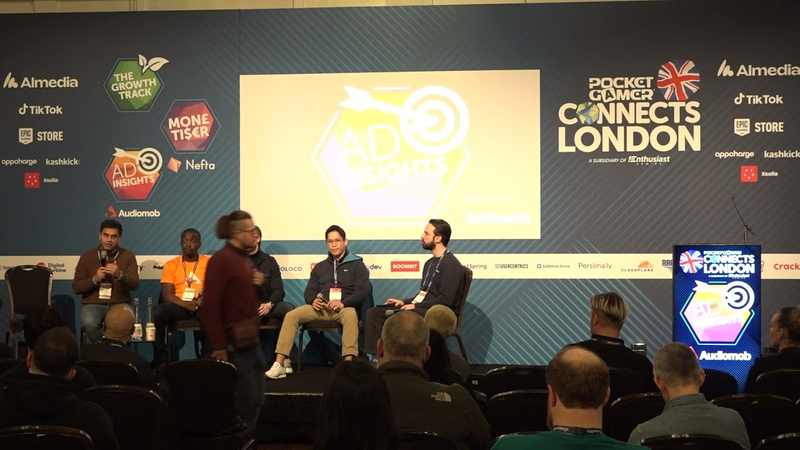
Fireside Chat: Exploring the Potential of InGamePlay Brand Ads
Key insights
5 takeaways- 01Native in-game advertising is a resilient alternative to tracking-based models, as it relies on contextual relevance rather than invasive user data like the deprecated Apple IDFA.
- 02In-game native advertising provides a sustainable monetization model that avoids compromising the aesthetic or functional quality of the game.
- 03Approximately 68% of players prefer seamless, non-clickable in-game ads over traditional interstitial formats because they maintain immersion.
- 04Integrating branded content into 3D environments, such as digital billboards, enhances atmospheric realism and supports higher player retention rates.
- 05Developers retain significant control over brand integration through content filtering tools, ensuring advertisements remain contextually appropriate for the game's genre.
Ask AI about this video
Transcript
i get to stay because i'm going to take you through to our last panel of the day and that is also something i wanted to bring up is you can continue i see some questions there but we have to move on we have a great fireside chat exploring the potential of in-game brand ads so we let right up to it without even wanting to do that we've been talking about branding this is going to be a fireside that will give us a data-driven view into what to think about when monetizing with native ads how to keep the experience amazing a lot to chew on and i'm sorry i just can't resist the pun as uh chris right one of our uh speakers has used the reset to cook makes a mean beef bouillon and uh good to go uh good on that as well hannes has used the time to push his
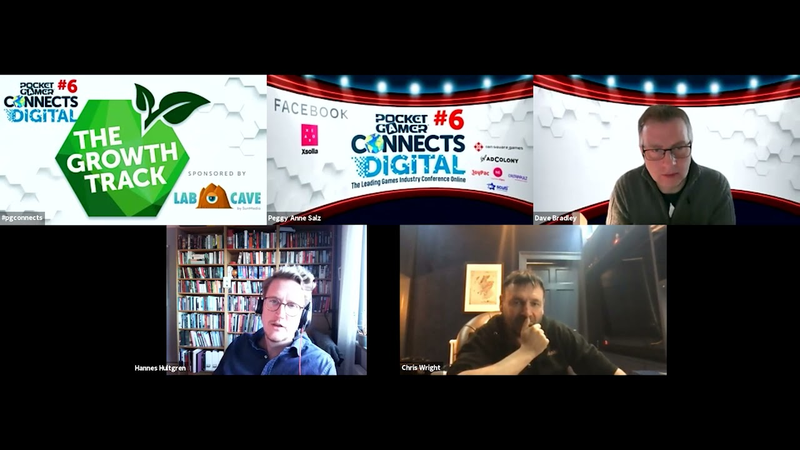
startup to the next level and uh here's this fireside that's gonna bring it to the next level dave i will hand it over to you thank you very much peggy you've got a great afternoon it's been here i appreciate you uh moderating all afternoon on this track it's been great um i uh i'm very pleased to be uh hosting this final fireside chat of the day we've got a really interesting talk coming up first i've just got to say chris i think your zoom avatar is manic miner one perhaps more accurately jet set willy is that right i uh you're you're muted there chris actually i'm going to bring you in in a sec if i if i may so we're here um uh looking exploring the potential of in-game play brand ads now the the new types of ad formats has been something that's come up a few times uh during the course of the day um and this fireside chat's going to explore some real hands-on uh examples here with some real case studies of uh adding mo's technology and sort of look at that in the wider context of native in-game advertising generally um
we can talk about ad formats but we're going to really narrow down on what we've learned about native in-game advertising got a couple of great speakers here including hannes holgren who's the chief scientific officer of impact unified who are using uh adding mo's sdk in their in their game and and then chris wright as i've said chief technology officer adam itself so guys welcome thank you very much here uh for joining us at uh pocket gamer connect digital number six um really appreciate your time tell you what let's start um if you could just introduce yourself chris i'll come to you first if you could both introduce yourself and your companies and then we'll dive into some of the questions i've got about uh about the technology here so yeah chris uh introduce yourself please and adding more sure thanks yeah so so i'm chris wright i've been in the games industry for 25 at least 25 years um so previous to this i was i co-founded the analytics company delta dna which got bought by unity a couple of years ago um and then i joined um adam i'm cto at adamo and we are an in-game native ad technology
company so we provide ads directly into the game experience so like billboards around racetracks as a really obvious example of the sort of thing we do that's great thank you and we'll come back to that because i think there's some great examples of stuff that's uh that's going on there so hannes yes please if you could introduce yourself thanks uh yep so i'm from impact unified and we're a swedish startup i was founded by me my two brothers an uncle and a friend so a small small business and we actually started off doing board games and some vr stuff and now we're switched over to mobile games so often with like a social or educational impact so we're trying to make smaller niche games that fits our budget so to speak or what we can achieve that's great thank you so this is this is a really interesting fireside chat here because we've got somebody from the the ad side of things and the tech side
of things there and a developer here to to kind of talk across the issue so first chris i'm going to come to you with this this the big question to start us off what is then the in-game advertising we're talking about inca in-game play brand ads we've said in the title of the talk we're talking about native advertising can we define what that is and how it differs from other types of ads yeah sure so dave um so this has been around for a while let's be let's be clear it was first i suppose the first time it really hit the hit the industry was probably well over 10 years ago now with with massive who kind of famously did it in um among other things burnout paradise i remember there was um obama ads in burnout paradise so that that concept i suppose is kind of well defined that you actually have an ad directly in a game experience so as i said like a billboard is one really simple example in a racetrack um that is evolved to be honest at that point it was probably too early that um advertising wasn't really part of the
games industry um brands didn't really understand why they would advertise to the market and the market in reality was too small for when you're talking console but now we're talking mobile and mobile has evolved to the point where you've got powerful enough devices to be able to do this full 3d environments and you can put these ads directly into the game so so they are they're they're branded ads um they are billboards so just like i suppose out of home as you walk down the street you see it on the side of bus shelters that sort of thing um but beyond that you can start to think about it not just as static ads but as videos or even as objects and i think we'll probably kind of talk more about that but these are ads that are directly part of the experience the key thing is that they're branded um so um they are not clickable um so they are all about impressions and and encouraging i suppose the the players to um learn about a product and to buy the product without having to um to get them to click on something and go
off and install and take them away from the game experience so it keeps it within the experience it keeps it within the world that you're playing but it allows advertisers to to advertise to players within a within the context of the game um and that's kind of key to it right right so we're talking about sort of non-interruptive form of advertising that's kind of the whole point of this is it should feel um should feel a part of the experience it doesn't take the player out it doesn't force them to go and watch something um it doesn't um encourage them or get them to have to click on it or go and leave the game experience it is non-interruptive um experiential branding um and it should add hopefully add to the experience rather than take the user away which is what advertising generally does you know it forces the user to do something else whilst they're actually trying to play the game this is all part within the game experience not outside of the experience yeah absolutely um actually so harness um maybe you could give us an example i don't know whether you want to add to
the definition there but certainly what does it mean to you then how are you using it yeah so like to me it's it is an ad format that can be truly non-invasive like you said chris and doesn't piss people off and in some sense it's a it's a dream for a game designer or developer uh to put this in your game compared to an interstitial uh that requires a click and then your player is lost uh so it and maybe we'll get to that later but our game is a sports game and here it's it's actually really nice to have these ads changing on billboards it adds to the atmosphere it increases the immersion which will increase the play time and therefore the revenue for us so it's uh yeah that's interesting because uh well again yeah we will come back to this but it's interesting how the placement of ads then sort of adds to the authenticity of your game rather than detracting from it um what's a real world comparison here are we talking like
is it product placement in tv shows is it that kind of thing is it you know if people in the units are unfamiliar with this kind of advertising is is that the kind of similar similar sort of experience it i mean it's closer the closest thing in the real world is uh is out of game out of hope yeah though it is those it is those billboards i mean that is the closest it will evolve to that uh kind of product placement um but um it's definitely in some respects it is like that those billboards and actually you know sports uh and the sports game that's very obvious you know the idea of having goal balls around your um your um soccer match makes so much sense and actually people expect that so you know you get football games have had that you know i remember looking back to even the 80s when they would put them on anyway and they would have just the gate the game names or the you know the company name because you expect to have your expenses so actually without that it feels strange you know um same with racing games you expect the brands to be there so
that is probably the closest of course the big advantage we have is we're digital so therefore we can vary that ad we can personalize it to the user we can make it directly attributable uh we understand who's seen it so we can do attribution against it so we have a lot of the same capabilities that other digital formats do that you just don't get in out of home but um we are you know we have that ability to do it without without interrupting without interrupting the users and we know we talked to we've done surveys we did we did an interesting survey fairly recently um and actually one of the the feedback from that was that it was 68 something 68 of them of users prefer this kind of advertising to do to other kinds of two more invasive your standard interstitials or your rewarded ads right when you compare the two actually um the majority of users prefer this type of advertising which makes sense because it doesn't interrupt them but it's absolutely and let me let me take that back to hanneston actually hannah so
your the sports game you spoke about is umpire's call is that right that's the the game that's right yeah so it's a it's a cricket game it's a it's a very realistic 3d environment that you've got there it's a good place to start so just to go back to what you were saying why is it particularly important for you with this kind of game to have then a non non-invasive form of advertising in it so maybe one thing is that it actually adds to the atmosphere like we said before and it's very much easier to make the game look come to life when you see that you have input from outside world in it so everything doesn't have to be animated or programmed by us but it's actually new ads every time we play and the other thing back to that again that you can actually expose people to this kind of ads for quite long without pissing them off so like the best example is actually when you walk down the street and you see billboards or posters on the wall you're exposed you
see it you register it uh but it doesn't annoy you yeah it's really the same in this game and uh our cricket game is a bit of a niche game so we focused on only one certain aspect of cricket so the umpires call so actually playing as an umpire not as a cricket player and we have realized that this the fans or the players we have they are really careful about the details and it's really easy to annoy them so this way of adding advertising is great in that sense also because we know that they hate interstitials maybe even more than other players so as a developer then how easy was it to implement this i'm talking specifically about an add-in mode's solution here but is it you know you what was your experience as a developer of setting this up uh it's super smooth i mean the actual integration of the sdk the time sdk uh the time that takes is
insignificant so what takes time later is to find these nice spots in your game right and choosing uh where to put that but this is this is a creative job it's actually fun it's not a burden in that sense and next step where we are now actually is to move them around change them and experiment and see where they bring the most revenue so to understand it this is new to us so to understand how to optimize it and so far your experience of it has it aided retention for instance um i mean the experience we've spoken about but are you actually seeing results in terms of the the player retention yeah we think so but we haven't tested enough so i don't have actual data to prove it or back that up but uh we think so before i talk a little bit about the player's perspective here can
i just um take a side step and ask you both and maybe chris will come to you first i i completely understand how this kind of advertising could be used in a in a realistic 3d environment obviously a cricket ground for instance or a racetrack or something like this but are there other examples of other sorts of games where it could fit in i mean not not all games are set in a in a you know in a realistic 3d environment that many games are very quite abstract in fact you know does this kind of advertising suit every developer yeah no let just before i get to that um just to kind of phone from what hannah said we've actually had a couple of developers who've done a b testing on some of our ads and we do see a an increase in retention um from it compared to putting other ads actually not even ads um not any ads in the game so we have seen that effect as you start to get you you're right the the type of game it's there's some very obvious games you know uh sports games are very obvious um we've got an interesting um fashion game and that again is very obvious real world games work
work really well we have um we have a game design team at adamo who actually works with our uh our developers i mean it's really good to hear hannah saying that um our isdk is nice and easy to integrate that stuff really good especially being cto um but we kind of recognize that one of the hardest parts of this is actually because it's a new format how do you integrate this into the game experience and make it work with your game um we've been looking at a lot of different kinds of games so we find that um puzzle games actually work quite well um especially because they're quite static and so you know the ad can be on the screen for for a long um so a longer time um than you'd normally expect first person shooters obviously work the more realistic they the the game the better but actually even with quite kind of cartoony if um cartoony uh environments then then it works and that can relate to the types of ads that you put in and and our ability to control those ads so that they fit in with the experiences
is really key to this because the two things kind of linked together it's having a good experience so that the ad should feel like it's it doesn't jar with the experience even if it's not necessarily completely natural it shouldn't jar with the with the experience i mean some of that is how you place them and where you place them within the within the game and some of it is the actual ads that appear so that they they don't kind of jump out as being uh out of context within within the game experience right right so thinking you mentioned puzzle games it's like a kind of branded background perhaps or something or some kind of tabletop with a logo on it or something that sort of that sort of thing exactly or we've done you know we've seen things where they've got a like a static board but they have kind of actually characters we've seen one where they've got a kind of um uh a plane that flies behind it um past at the background almost like a bit of visual experience and then they run the ad at the back of the plane kind of hanging off like a flag so you can have things that kind of add to the experience or things that are in the background you can even do it with
specific objects we've seen ones where the puzzle game actually it brands the um the objects another one is card games where you know you have a cards and the back of the cards are ads again that kind of works really well with the um with the ads and it fits into the experience as well it doesn't feel that it it doesn't jar even though the ads wouldn't specifically always be on the back of our cards you can you can understand why that would be in so it fits yeah yeah absolutely in fact talking about the experience then hannah i'm going to come back to you from a player's perspective then from your games players do these kind of ads impact on the game's performance at all does the sdk have any kind of impact on the game's performance uh we haven't seen anything like that with this uh static ads or yeah but i can imagine if down the road when the videos are or might be introduced uh then we need at least we need to be a bit more careful because uh in our audience we have a lot of low-end phones players in india pakistan
and so on so there we might have to be a bit careful but otherwise no that makes sense i guess we can come back to that later on i think maybe the the idea of video billboards for instance that that has a technic a technical uh impact there right there but but before we get to there the current answers that you're playing at the moment we've spoken about uh chris and adding most technologies talking about you as the developer let me talk about the players what about the ad buyers can either of you speak to how ad buyers are valuing these ads are they you know do they understand it are admirers kind of getting the idea and are they willing to pay more or less for for this compared to other formats what are you finding from so so obviously we sit on both sides so we we're very much two sided marketplaces we're talking to a lot of the agencies it's interesting and it was interesting that the previous talk was all starting to talk about branded ads and coming um and that's what we're saying as well that um brands historically games have been basically
game one game you know advertising a competitor's game within a game and that's kind of very obvious brands are starting to get a lot more interested in games because the audience is there they're following the audience and they want to be able to do it in a way that they understand so we're certainly starting to see some real interest we work with a lot of the exchanges um and they see this as a premium type of format to sell not just an interstitial we're actually working with a number of agencies now as well so it's early days i mean i think the clear thing is we're still at the very start of this process but we're definitely getting a lot of interest from brand um wanting to put um wanting to run trials wanting to put ads in games wanting to understand where the effect that is um initially just as i suppose as billboards they can take it from other examples and place it there and then you know uh getting more creative so could we actually do slightly more kind of product placement type ads as well so there's definitely there's definitely an interest there and we're starting to see
that from from the amount of money we can start to charge so you know with with initial campaigns it's probably fairly similar to branded interstitials we're starting to get up for maybe five dollars up to maybe 20 cpms at that that kind of at the top end as you start to get into some of the bigger burns um but we certainly think that this will as as brands start to understand this it'll actually start to move up the the cpm level kind of more like uh influencer campaigns or uh or product platform campaigns which actually if you look at influencer campaigns you can be over the 200 cpm so the opportunity is really high when you start to really push this up but at the moment yeah it it's still very early days and so they're still just trying to understand it but there's a there's a lot of interest from from the from the agency specifically and to explore new formats because a lot of these formats are fairly tired now yeah yeah in fact actually you mentioned that when we were speaking earlier on and i i said about you know what was a real world example influencer campaigns or
something else that that popped into my head um before i've got a few questions here but i've just clocked the time so i just want to remind everyone here that if you have questions for chris and hannah's please drop them into the q a box on your zoom window and i'll curate those when we get to the end wheel but we'll make some time at the end to take questions from the audience so please do do that um uh let's talk a little bit about the brand experience then just carrying on from what you were saying chris about the um uh the the the ad buyers but also i'll come to you with this first hannah's because as a game maker um how do you find that the type of ads that are being played because obviously you created a 3d world here a very realistic world you're obviously very protective of your game and the ad buyers are protective of their their brands how can you be sure that the how can the advertisers be sure that their ad will appear in a complementary environment and how can you be sure as a developer that what's going to be on display inside your qriket ground is appropriate for the the type of game yeah i mean that's there are two sides to that one is that we we don't want to show ads that doesn't fit the gameplay
atmosphere that's one thing and the other part it might or in our case it's the ethical aspect we don't want to have ads in the arena for tobacco casinos firearms porn and so on right i mean this is something that has to be handled uh by the sdk and the mediation there so because that is a really important thing how much choice do you get in that you just forgive me because i'm not a developer does the sdk allow you to make those kind of choices or is it about your relationship with with adam or develop the sdk at what point do you get to influence those choices uh i think we'll pass that question to chris because we haven't really uh digged into that yet uh configuring the ads in that sense so the moment we uh we limit it um so we're working with that with the developers like to make sure and we obviously remove any um any tobacco or any um uh any ones that
you wouldn't want to be in in the um in the game so we act like pretty much any other ad sdk that we we control the ads that go through what we're wanting to do we have a whole tree r system that allows us to look into the ads and work out which ones are actually allowed through we have a plan that we'll roll out this year where we'll actually allow access to that by our developers so developers will actually get so we'll do the first triage and we'll control and make sure that bad ads don't get thrown but our objective is to then open this up um basically a self-service so that if developers want to they can go in and actually control which ads can see and we have a really interesting fingerprinting technology that allows them to see the ad and actually default it on or off and say okay i want to accept an ad and only once that i've accepted it will that ad be displayed or vice versa i'll actually default i want to remove stuff so we see this as really important to developers to allow them to control what goes on in their game because these ads are part of the game experience so we're building a whole interface to allow
developers to actually control the ads themselves and really manage the ad the ad experience yeah that's interesting okay that's great thank you and again just a reminder to anyone if they have questions to ask you but i've got a question here we touched on this earlier on and you mentioned video billboards um so what does the future hold for for non-intrusive advertising what are the other formats for instance interactive versions of these ads what what's coming down the road towards us um you know video audio or whatever um wild speculation welcome but also from your experience hannes what do you think what do you think the future holds for this type of ad well for us uh it would be great the next step would be to like introduce this uh uh assets into the gameplay so that you can interact with them and they maybe even become a part of the story and the game mechanics of the game so in our case one can think of like branded tournaments like join this knockout tournament now
sponsored by and then a big brand there or you can change the clothes of the players or maybe even the stadium like take you to a different stadium somewhere else so there's uh yeah there's tons of things to uh think of there and to develop that's interesting chris what about yourself from adam's perspective what are you what what do you think is coming down the road towards us so we're we're working on we're working on video just as a kind of example um so we're going to be putting video in really short form video um not 30 seconds but very similar to what you get on the sides of um bus stations not surprisingly billboards um so four second type videos those type of non-audio videos uh we our latest sdk um actually now allows us to put objects so it moves us from straight billboards into actual objects so the ability to have more like product placement you know cans of something um bottles or
something so i actually start to make make it more interactive but yeah i i as hannah says the more you can start to brand whole environments one of the nice things about our system is that you can you can actually set placements up so you can turn a whole um say a whole race track over to a certain brand um you have that capability right now and that would you know you could actually you could even choose okay as you go in i think i want this um my track branded by uh nike um and then the whole racetrack would be sponsored by nike so you can start to do some of this already and you can kind of see how that's going to going to evolve but definitely making it more more towards product placement and actual objects is going to be the the big kind of step ups from these kind of kind of static billboards to more interactive without pressing i think the key to this is that it should be a part of the experience but it shouldn't get in the way it shouldn't force users to have to click on things or interact with something they they don't want to it doesn't interrupt the gaming
absolutely in fact you know we're kind of we we haven't got any questions here but it's possible because we're sort of running out of time i'll just remind everyone but if you want to catch up with either of these guys to to dive further into this head over to meet to match or discord and and send the messages there but i've got another question for you because it's it's very timely and i don't know whether this impacts on anything you're working on at the moment either of you but of course the retirement of apple's idfa is a big topic at the moment and um uh and we might we might be seeing the latest version of the of ios you know imminently maybe even this week while we're here at the conference that would be fun right um so can you guys speak to that does that have an impact on uh what what impact do you think that's going to have on on um on these kind of hours compared to the rest of the ad market um i don't know hannes as a developer are you watching the idfa situation with uh with a lot of interest uh yeah sure we spent lots and lots of hours preparing for this sorting things out so and i don't really know what's going to happen with the
revenue but i expect it to go down and go down at least in the beginning right but then in some in the long run i think that the ad buyers they will also adapt i mean uh the whole industry will exchange there so yeah it's a tricky one so yeah exactly and i guess oh sorry sorry i was just gonna say and chris you're you're uh they're obviously in in your role in adam watching it all what's your take on the idfa situation yeah i mean it obviously impacts us to some extent um when because we're not on performance it's not quite so vital because of the the attribution we still work with the attribution partners and we you know we integrated into the new apple um uh attribution system the uh sk network uh technology so we can still do that attribution if required uh it does mean that we're sending at the moment at least less data down to exchanges when this comes through which means that as hannah said it's um it potentially might impact some of the cpms
though because we're branded it probably has less effect on us than on other ads because we're not quite so absolutely targeted it's we're doing much more um right we're doing a lot more work on getting coca-cola or things that you can't buy with a click i mean this this is the thing you can you can't you can't buy you can't sell a kind of code with a click you can't sell mustang with a click you know you're these are things about trying to encourage people to buy stuff and so i think in the branded space it's more about the type so you know we still know the kind of user from you know the type of game they're playing you have some information about the user so we can still provide some of that data back and that is generally what um uh what advertisers want especially where you know the game is specific so sports games that encourages a very specific nike would be very interested in being a sports game um you know bmw be interested in being in a racing game so these are much more related to the actual game experience rather than that very very targeted specific user which is where the traditional ads goes
and that's why you know the idfa going is probably going to hit them a lot worse than to to be honest it's going to hit us because we're slightly at a higher level but target providing a much more kind of interesting experience so those are advertisers within the game yeah yeah absolutely much more contextual look i'll tell you what we're kind of at the um at the end of our time here so i'm going to have to invite peggy back in since she's there um i want to thank you both just remind everyone uh of course if you want to find out more about uh adimo or about uh umpire's call and hannah's game there look up these guys will meet to match or on the discord um and uh i want to say look thank you very much a round of applause you you can't hear from everyone else you'll have to imagine it we are actually going to be doing uh i hope a return to live events uh later this year so hopefully we'll see you guys in person thank you very much for that fascinating and when people do ask me what i think the big trends are one of the things i i i say to them is that we're looking at new ad formats this year i think that's a fascinating place to be so thank you very much for your time to help explain some of the stuff to us great thanks dave thank you thanks see you bye
thank you thank you dave that was amazing panel i really enjoyed it i'm very fascinated by the advance of audio as well so um and think about those those those moving talking billboards a little bit of blade runner going on here but i will leave you with so an awesome panel and to an excellent day thank you so much
Summary
In-game native advertising represents a strategic shift toward non-intrusive monetization, prioritizing player immersion over the disruptive nature of traditional interstitial ads. By integrating branded content directly into 3D environments—such as digital billboards in sports, racing, or puzzle games—developers can enhance atmospheric realism while maintaining higher levels of user satisfaction. Data indicates that approximately 68% of players prefer these seamless, non-clickable formats, which contribute positively to player retention by keeping users engaged within the game world rather than forcing them into external experiences.
The industry is increasingly adopting these formats as a premium alternative to invasive tracking-based advertising. Implementation is technically accessible for developers, who retain significant control over brand integration through content filtering tools. This approach ensures that advertisements remain contextually relevant to the specific game genre, which is essential for maintaining the integrity of the player experience. As developers seek sustainable revenue models, these native placements offer a way to monetize without compromising the aesthetic or functional quality of the game.
The broader digital advertising landscape is currently undergoing a significant transformation due to the deprecation of Apple’s Identifier for Advertisers (IDFA). While this shift poses challenges for traditional tracking-reliant models, contextual in-game advertising remains resilient because it does not depend on invasive user data. By focusing on the synergy between brand and environment rather than individual user profiles, this format is positioned as a primary trend in the future of digital marketing. This evolution reflects a growing industry consensus that immersive, context-aware advertising is the most effective way to reach audiences in a privacy-conscious digital ecosystem.