1 free read left. Create a free account for unlimited reading + AI research.
Create free account
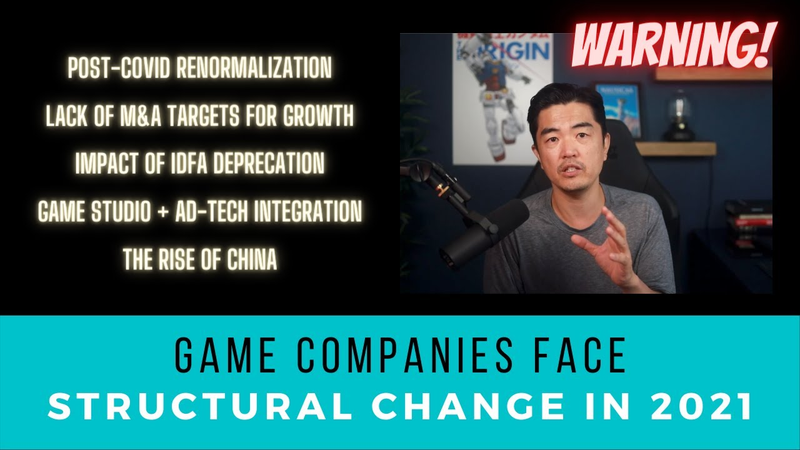
Game Companies Face Structural Change in 2021 | The Warning!
Key insights
6 takeaways- 01The gaming industry is transitioning from the 2020 pandemic-driven hyper-growth phase to a more complex, data-constrained environment characterized by normalized user behavior.
- 02Many gaming companies face potential over-investment risks due to the linear extrapolation of 2020’s historic revenue peaks, which are now failing to hold as user behavior renormalizes.
- 03A scarcity of viable mid-tier M&A targets is forcing major firms to pivot toward riskier, larger public transactions or smaller, pre-revenue acquisitions to maintain growth.
- 04The deprecation of Apple’s Identifier for Advertisers (IDFA) is eroding the efficacy of user acquisition, specifically threatening the monetization models of hyper-casual game developers.
- 05Vertical integration is accelerating as companies like AppLovin and Zynga internalize ad-tech to secure data advantages, creating potential conflicts of interest with their own clients.
- 06Chinese developers like miHoYo and Lilith are gaining dominance in high-end free-to-play gaming through superior investment in live operations and technical expertise, challenging Western incumbents.
Ask AI about this video
Transcript
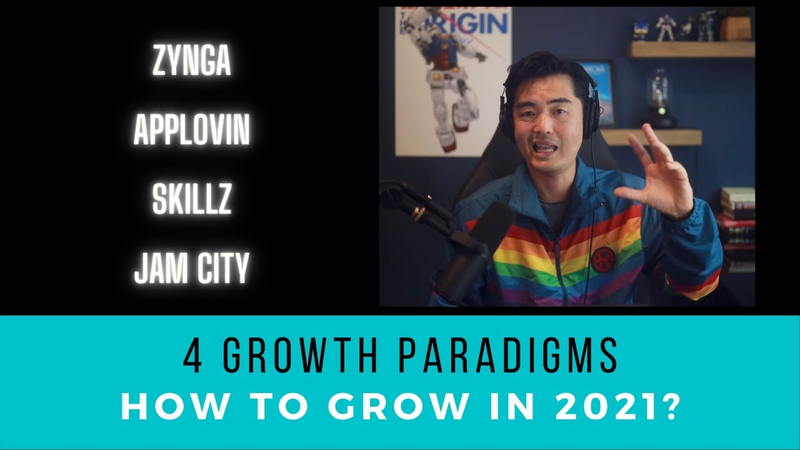
hello everybody and welcome 2021 will be a year of potentially big disruptions in the gaming industry what are these changes and are you ready that's what we're going to be talking about today but make sure you heed my warning don't say you have not been warned so let's talk about some of the changes that i'm seeing that will come to fruition in 2021 the first is postcovid renormalization the second is lack of m a targets for growth the third is the impact of idfa deprecation the fourth is this continuing trend of game studio plus ad tech vertical integration and the fifth is the rise of china now many of these changes have actually been in the works for a number of years but are now just coming to a head this year 2021 which may become one of the most pivotal years of change especially when we look back let's say 10 to 15 years from now and think back on these five changes
that are actually really going to have in my opinion a pretty big impact from this year so first change post coveted renormalization so let's talk about this so 2020 was arguably the best year in the history of the video games industry period okay many game studios saw 30 plus increases in both downloads and revenue based on this massive tailwind from kovid many formerly not profitable or barely profitable game companies were able to finally get well above water now obviously your mileage may vary not all games were impacted the same but games that enabled social interactions and fulfilled key user needs especially those intensified by kovid generally fared better than others a really good case in point a great example of this is among us so we saw a huge spike in downloads
among us people wanted to socialize and one of the key user needs that was manifested through games was this ability to play with other players and so in among us we saw this huge spike of downloads huge increase in engagement and behavior but now that's kind of started to settle down and we've saw the typical kind of shark fin behavior in terms of the downloads in usage and among us the other game that's really gotten a lot of positive lift from from covid is actually roblox huge increase in terms of downloads and revenue for roblox a lot of parents allowed their kids to play with roblox a lot of kids were searching for social interactions and so during the pandemic as people had nothing else to do and parents actually allowed kids to do something sort of educational roblox saw a huge increase in usage and monetization during the pandemic now one of the problems though with this
huge kind of influx and these huge tailwinds behind gaming from kovid is that many of the acquisitions and the future planning that occurred over the past year were predicated on the growth that we saw from 2020 and one thing i know for sure when you think about big companies when you think about big company exec thinking and behavior now you have to imagine that there's been a lot of linear extrapolation even though kovid was a once in a potentially lifetime once every hundred year type of event but kind of the growth stories to justify various initiatives probably were not at every company but many typical game companies predicated upon this linear extrapolation from the big growth we saw in 2020. therefore one big question one should consider is how big of a disappointment are we in for once everything normal re-normalizes right so society
normalizes to a post-covet society will some companies that were planning against covet extrapolated growth get caught with their pants down so i strongly believe that we'll be at a slightly higher base slightly higher normal from pre-covered levels based upon new user habits that were learned through the pandemic and actually because we've introduced a much wider audience to games however the degree to which 2021 will comp back to 2020 remains a question mark and so the big implications to watch for after renormalization one have big company performance targets based on comparison to 2020 led to over investment will this cause big disappointments well some companies flip back to losing money and were some genres or sub-genres of games permanently transformed in terms of attractiveness for example more socially warranted games are those types of games just now
structurally and in kind of a secular way more attractive relative to before covet the second big driver of change is a lack of m a targets for growth and what we've seen over the past five years is if you think about game companies as an ecosystem one way to visualize game companies is in terms of the level of scale kind of small medium and large and so companies that are early smaller scale companies mid kind of mid-tier scale and the bigger public companies for example and so we need to think about ecosystems when the wolves in a forest eat all of the deer some wolves are going to have to die off until more deer populate the forest similarly when we think about this ecosystem where we had the large game companies that were acquiring the medium-sized game companies to achieve growth and a lot of those medium-sized companies are no longer
around because they've all been picked off then what's going to happen in terms of growth for the large tier companies and for all the talk from the big consolidators like still front embracer zynga ea etc about sure there's plenty of targets left actions speak louder than words and so when we see companies like zynga shifting to vertical integration through ad tech expansion or horizontal expansion through going cross-platform we noticed in the their star wars game announcement that they announced that they were going to go to a nintendo switch in addition to mobile but what we're also hearing is that they're planning for other cross-platform opportunities as well and so when we think about zynga over the past let's say five six years all of their growth has come from m a and the guy behind that growth chris petrovic is no longer at zynga let's be real here for a second guys all of the easy mid-tier targets have essentially been hollowed out so the remaining targets left in the mid
tier are companies that have some kind of issue whether there's management issues whether there are problems with accounting whether they're in problematic geographies there's there's something about these companies where there is an additional level of risk and so growth because of these problems because of these issues or because of just the lack of overall ability to acquire revenue it's just going to get much much harder and for very nuanced deep discussion on the current state of m a in 2021 you definitely want to check out the discussion that uh that i had with eric cress and chris petrovic the the guy behind the growth at zynga put a link in the show notes but definitely check it out where we discuss a lot of the companies that are potential targets and just kind of the general state of the m a industry so when we think about 2021 and beyond you have to think all of the public game companies are going to be super hungry for growth
in some way and the key implications you should take away from this as m a market continues to tap out is one m a will move to bigger or smaller targets for some of you follow my content you know that i predicted the acquisition of glue we also predicted some of the these other acquisitions that have taken place recently but that's just a process of elimination right and so when we think about with the mid tier gone you're either going to have to move up to bigger more public kind of transactions or you're going to have to move downstream or up funnel kind of to smaller targets and targets which may actually be pre-revenue and the way that you would then structure those deals is basically through some kind of earn out structure where based on the performance of the games once they actually do launch that would help determine the the final price of the company for acquisition i think secondly game companies will continue to vertically and horizontally integrate
and so we've seen this case in point in zynga we've seen them vertically integrate through ad tech horizontally integrate through cross platform and just once you run out of growth from m a you're going to be looking at other areas to try and grow and third as public game company execs run out of ideas i think it's just inevitable we are going to see some kind of weird things happen we're going to see some kind of dumb ideas but hopefully a few smart ones or what we'll see is execs just kind of throw their hands up and just increase your buybacks right don't have any good ideas well let's just buy back shares the third potentially big driver for change is going going to be the impact of idf deprecation all right too much boring crap has been covered on this topic so let's get straight to the point if properly enforced and it's not clear yet whether apple will strongly enforce idf deprecation they've been enabling bypass through
probabilistic attribution but assuming it is enforced some of the key things you need to be aware of in terms of potential implications are first ad revenue and potentially the impact of game genres that rely on ad revenue right and so still too early to understand the long-term impact however the early indications seem to imply that with idfa deprecation ad revenue will significantly decrease so if hyper casual and idle or other game genres that generate the bulk of their revenue from ads are not able to maintain the same ltv they're not going to be able to bid as much for ads and so the growth of those genres is going to decrease so what we should be watching for is if there is a significant impact to ad revenue then you should believe that these specific genres these classes of games that strongly rely on ads will be
dramatically potentially dramatically impacted i think the other side of the coin here is when we think about hardcore games so in theory if you eliminate the ability to target high ltv high value players these are the type of players that these hardcore games rely on and so the ability to bid 20 25 35 or even higher for a super high spending player a whale if you if you eliminate that potential then what that could potentially then do is eliminate the ability for for incumbent hardcore games to price out new entrants by deploying user acquisition and bidding so high remember when new games launch typically what you're going to see is you're going to see the rp curve increase over time generally rp increasing over time
as games are optimized as you're adding new features new ways to monetize and so by pricing out the ability of these newer games to gain traction the incumbents generally had a bit of an advantage now if you can't target those high value players then that advantage goes away the next implication is really going to have to do with payment behavior so just think about the supply and demand curve for acquiring players now if the supply of high ltv players disappears then the demand volume curve for lower price points to acquire players will naturally expand therefore products that can achieve higher conversion of players even at lower rpoo targets to pay back the more ads those games can buy so if this plays out and this is a big if we're going to see how this plays out over time the game developers that understand this and that can modify
the payment behavior in their games are the games that are going to win from a growth perspective a really great talk to watch in terms of how you can actually achieve this kind of effect in terms of increasing conversion but lowering arpu is a talk from a elite at supercell when they talk about clash of clans and how they use battle pass to actually achieve that exact effect notes i'll put a link to that talk in the show notes the other thing that i think may happen is competition within casual games now the elimination of post install events to players doesn't mean the elimination of all data so with apple's sk ad network it still provides some limited attribution it's just very limited in terms of the first 24 hours into a single conversion type of event now i believe that mmp data a mobile measurement partner so companies like adjust apps fire
companies like that that mmp data could potentially be used to give a competitive advantage to skilled players with a strong data science team for casual games i'll talk a little bit more about that in a bit but if true casual games may become harder for smaller and medium-sized players to compete against the bigger players who have this additional information and data against casual games now there are reasons why i think that what these companies are likely going to try to do doesn't work for midcore hardcore games but i'll touch it upon that in a minute and i think the final impact when we think about idfa deprecation and the potential implications really is in is a renaissance when it comes to ip brands right and so depending how performance for ads works out we may see the increased importance of organic installs in aso don't be surprised if ip becomes more
valuable because of the organic installs that ip brings to games and for an in-depth discussion on the impact of idfa deprecation to ad rev revenue we actually go super deep in a game makers video i'll put a link in the show notes but definitely check that out as well if you are interested in all the specifics and nuance behind the potential impact of idfa deprecation to mobile ad revenue now the fourth big change that could take place in 2021 is this move by some of the bigger game companies like applovin and zynga towards the integration of game studios plus ad tech this vertical integration and we can kind of leave the political and business ethics arguments aside now but just focus on the key implications and so ad tech verticalization will likely result in one of two primary scenarios
first sort of a walled garden netflix model something that applovin's ceo adam fergie has been talking about or secondly ad networks with an attached game studio business that serves external customers but are basically compromised with conflicts of interest this is the current app loving situation today so when we read the public statements from applovin applovin is seemingly transitioning from model 2 kind of this external model to this more netflix wild garden model now zynga it kind of seems like zynga doesn't quite know what it's doing or what it will do but based on public comments when it talks about increasing external ad revenue for example they kind of indicate that they believe they're going to be able to pull off model 2. now i've gotten a lot of very naive pushback about warnings regarding conflicts of interest for the second model but what we've seen in practice and
actually even within the last couple of weeks is that this is definitely a major concern conflict of interest is real and so buyer beware but when you do have this integration between game studios and ad network you can definitely see potential for conflicts of interest so what are some of the things that you need to be watching out for when it comes to this issue of vertical integration of ad tech and studios really three things you should be watching out for first you should watch out for the direction of companies like applovin and zynga are they going to be more of this kind of closed netflix for gaming model or will they go more for this kind of open model now if app 11 is successful with this closed netflix of gaming type of model that would then imply essentially a black hole of an audience that your games will have difficulty accessing now
in the open model on the other hand you'll have access to the audience offered by those companies but you should be cautious of the competitive risk now what is that competitive risk the competitive risk really is that if you have a company that owns both the ad network and the game studio and you basically are a competitive game company running ads through their ad network that company will get access to your data the amount of money you're spending on ads your bids the type of creatives that perform the best data related to those type of things that could actually pose a big competitive risk and does pose a conflict of interest the second thing to watch out for is in potentially a big reason to work with an open model ad network despite that network potentially being compromised would be if they are able to kind of use their vast trove of data
because they've got mmp data because they've got a lot of other data to provide capabilities like what's called auto roast roast meaning return on ad spend and what that means is that you could say for example i want to try and acquire a user and i want to bake in the margin i want to i want to pre-define the margin that i make on the user i want to make a 30 margin on this user and give me as many of these type of users as you can you're that's what the buyer is saying to the ad network and if you say i want a 30 margin and i'll buy as many as as you'll give me then the ad network can then just send you all those players and so long as that performance continues you'll buy as much as you can and that potentially is possible and i've actually speculated quite a lot about this based on conversations with smart guys like josh chanley at wild card studio but
companies like applovin and zynga are you better believe they're furiously attempting this kind of feature they're basically trying to and the way that it works is that if you can tie mmp data and so mmp or mobile measurement partners have been working with a lot of game studios and collecting post install events revenue events purchase events all sorts of different types of events and so for different types of games they now have a lot of data on the type of games whether it's uh rpoo data payment data all that kind of stuff and so if so to kind of like the holy grail grail here is if if you can use sk ad network to say based on these early indicators i can tie this player to this kind of let's say rpoo profile then you could enable this kind of auto
rolaz type of feature now while i think applovin and zynga are working on this i personally don't think that they're going to be able to figure this out for mid-core or hardcore games and so why not mid-core and hardcore but why potentially for casual games and the reason why is because casual games typically have a shorter a shorter lifespan right like the the average retention days are typically shorter for casual games and the arpu windows are typically much tighter for mid core hardcore games you're talking about much longer period of time and so while i'm not even sure if this capability the the companies like applovin or zynga are going to be able to figure out i'm sure they're working on it i just don't think that it's going to be possible for them to do this for games with longer time periods right it's just too hard of a data science problem in my opinion and they may not even be
able to pull it off for some of these casual games but conceivable that some form of that actually works and i would assume that they are able to pull it off and i would say that the third thing to watch out for with respect to this is just in terms of the open model and currently this open model is actually under a fair amount of scrutiny and facing backlash i mean this situation where some of these companies have taken the data from their customers and used it to compete against them it's i'm i mean it's it's some pretty good standing this has been happening and so this model may face problems gaining traction from customers just based on lack of trust i think the ua community is getting wiser and is generally well connected we're in a pretty well connected world where when something happens everybody finds out about it so don't be surprised if this whole
model falls apart due to the conflicts and lack of trust issues and really this is going to be a trade-off when it comes to the customers of these ad networks the trade-off of you know what kind of scale inventory performance am i going to be able to get to make my game profitable versus the trust issue and whether you know the vendor uh the ad network will potentially compete against you and use your data against you now the final change sort of trend to look out for is the rise of china now mihoyo the makers of ganshin impact reported that they spent a hundred million to develop gentian impact and the company expect to spend 200 million dollars per year on live ops development a tremendous amount of investment and huge huge teams that we're talking about being developed out of out of china in rpg and strategy genres
lilith is proving to be one of the biggest and best free-to-play game studios in the world further chinese studios currently dominate shooter games and free to play with tencent studios responsible for both pubg and call of duty mobile and also rumored to be working on the apex legends mobile game and so for these kind of bigger games there currently does not seem to be a viable alternative to working with china if it's a free-to-play game china now has a massive cost structure advantage but also a highly skilled workforce with experience in building these high-end game experiences and so the implications here are likely first continued partnership expect to see especially big ip brands continue to partner with chinese teams to build big free-to-play games secondly i think we are seeing the kind of beginning of the demise of western incumbents if nothing changes and again like i'm just talking about the current trend
and where we're headed if nothing changes i would expect to see the eventual demise of western focused companies like activision blizzard in favor of chinese counterparts that become the next generational game company and the final thing that could happen is more of this hybrid model and now it's rumored that potentially up to or exceeding two-thirds two-thirds of riot's wild rift team was actually based out of china based in shanghai apparently that team was a huge team over 400 450 people so we we may see more of things like this hybrid teams in the future but that could be stymied by political tensions and if the kind of u.s china app wars continues then we may see this splintering in the inability to kind of go with this hybrid model so anyway guys in conclusion my advice in terms of 2021
keep your eyes and ears open think about the things that are happening in the industry this year and think really critically about what the potential implications are to our industry and to your game company now some changes that may seem subtle and nuanced in our day-to-day may actually wind up being huge factors for structural change when as i mentioned in the beginning of this podcast we look back 10 to 15 years from now now one of the most important initiatives for game studios coming into 2021 will be to do your best to understand the implications of the changes occurring in the industry to think strategically but also think with data so this is a good time to have a good taxonomy with lots of current market data to help you understand the trends and the impact of some of the changes that we've now just discussed good luck everybody that's it for this week
bye [Music] you
Summary
The gaming industry faces a period of significant structural transformation in 2021, driven by five converging factors that threaten to disrupt established business models. The primary thesis is that the industry is moving away from the hyper-growth environment of 2020 toward a more complex, data-constrained, and competitive landscape. This shift is characterized by post-pandemic renormalization, a scarcity of viable merger and acquisition (M&A) targets, the deprecation of Apple’s Identifier for Advertisers (IDFA), the vertical integration of ad-tech and game studios, and the increasing dominance of Chinese developers.
The industry is currently grappling with the aftermath of 2020, which served as a historic peak for engagement and revenue due to pandemic-related tailwinds. Many companies extrapolated this growth linearly, leading to potential over-investment and unrealistic performance targets as user behavior normalizes. Simultaneously, the M&A market is reaching a saturation point; the mid-tier companies that previously fueled growth for large consolidators have largely been acquired. Consequently, major firms are forced to pivot toward either smaller, pre-revenue targets or larger, riskier public transactions, while some may resort to share buybacks as a substitute for organic growth.
Technological and geopolitical shifts are further complicating the landscape. The deprecation of IDFA threatens to erode the efficacy of user acquisition, particularly for genres reliant on ad-based monetization, such as hyper-casual games. This has prompted a trend of vertical integration, where companies like AppLovin and Zynga attempt to internalize ad-tech to secure data advantages. However, this creates inherent conflicts of interest, as these firms may leverage proprietary data to compete against their own clients. Finally, Chinese studios, exemplified by firms like miHoYo and Lilith, are establishing a dominant position in high-end free-to-play development. Their massive investment in live operations and technical expertise suggests a potential long-term decline for Western incumbents unless they successfully adapt through partnerships or hybrid development models.