Global reports and market data
Documents


A Survey of Haptics in Serious Gaming
Haptic technology serves as a critical modality for enhancing serious gaming, providing essential sensory feedback that complements traditional audio and visual inputs.
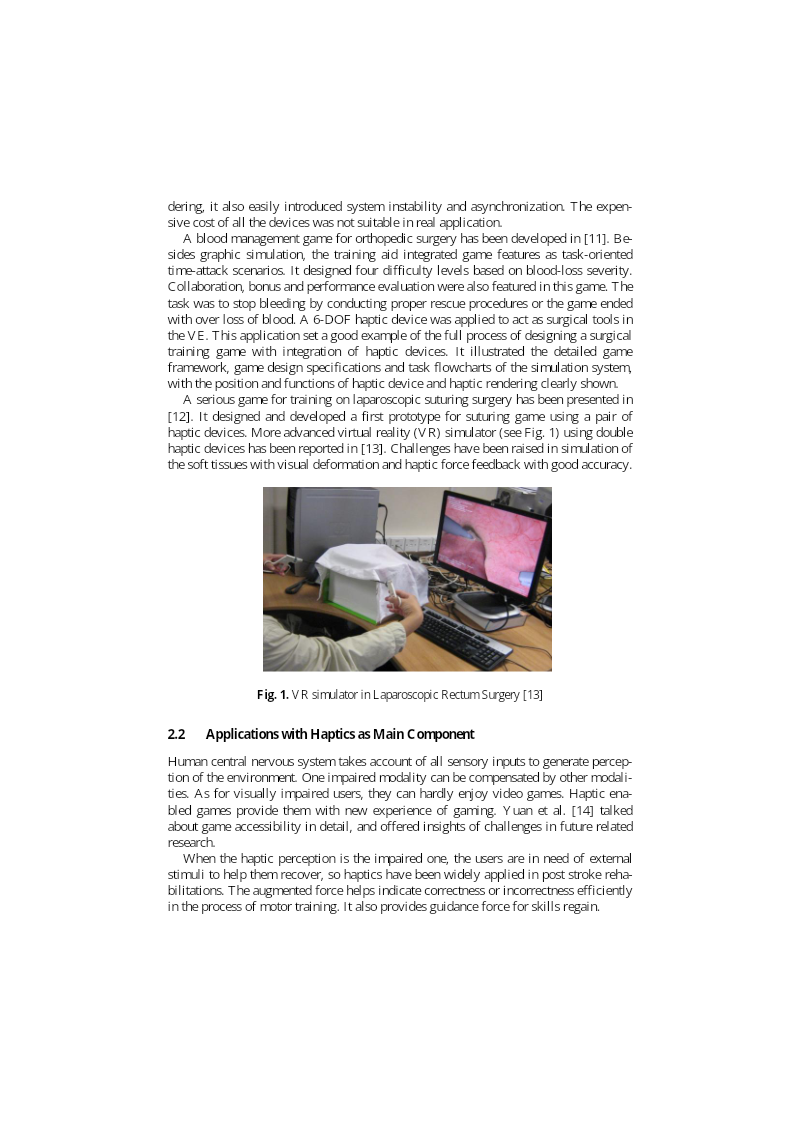
- Haptic feedback is a foundational requirement for high-precision serious gaming applications, particularly in medical surgery simulations and accessibility tools for the visually impaired.
- To achieve realistic tactile interaction, haptic systems must maintain a minimum refresh rate of 1000Hz.
- The industry is currently shifting away from expensive, research-grade hardware toward more scalable, affordable vibration-based peripherals and standardized modeling libraries.
Harmonizing Interoperability: Visions in Embedding Serious Gaming in Playful Stochastic CAD Environments
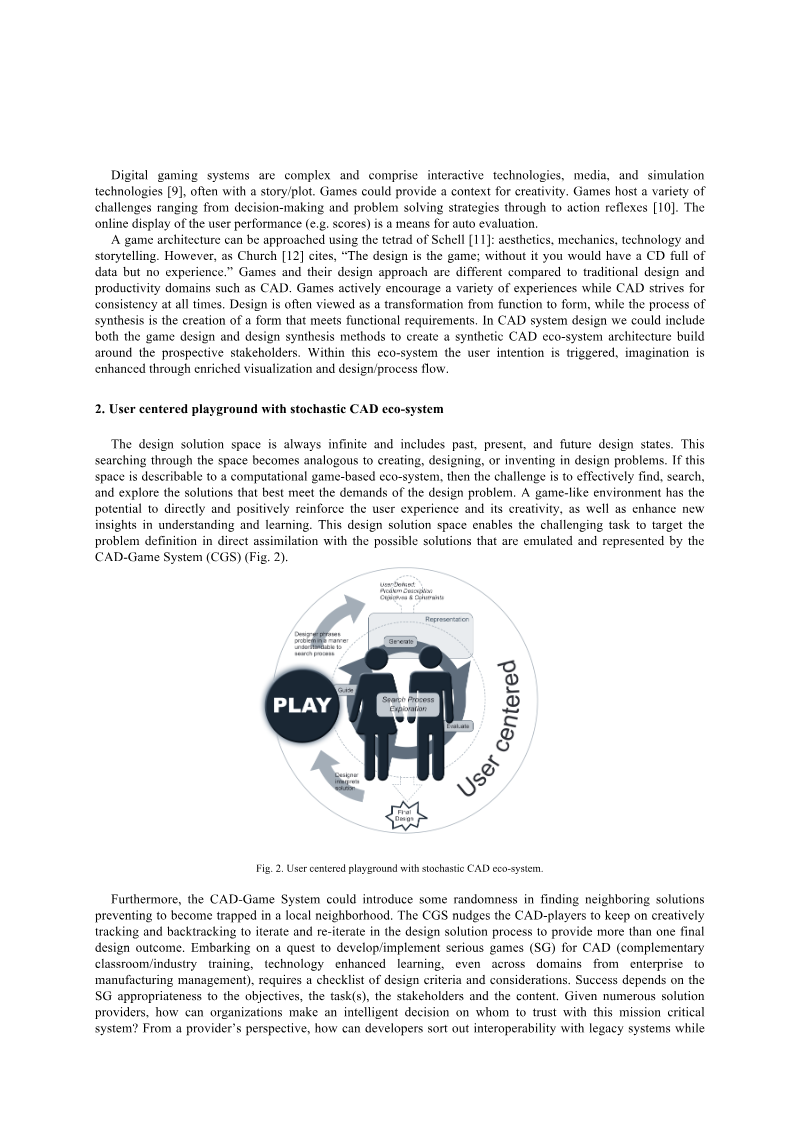
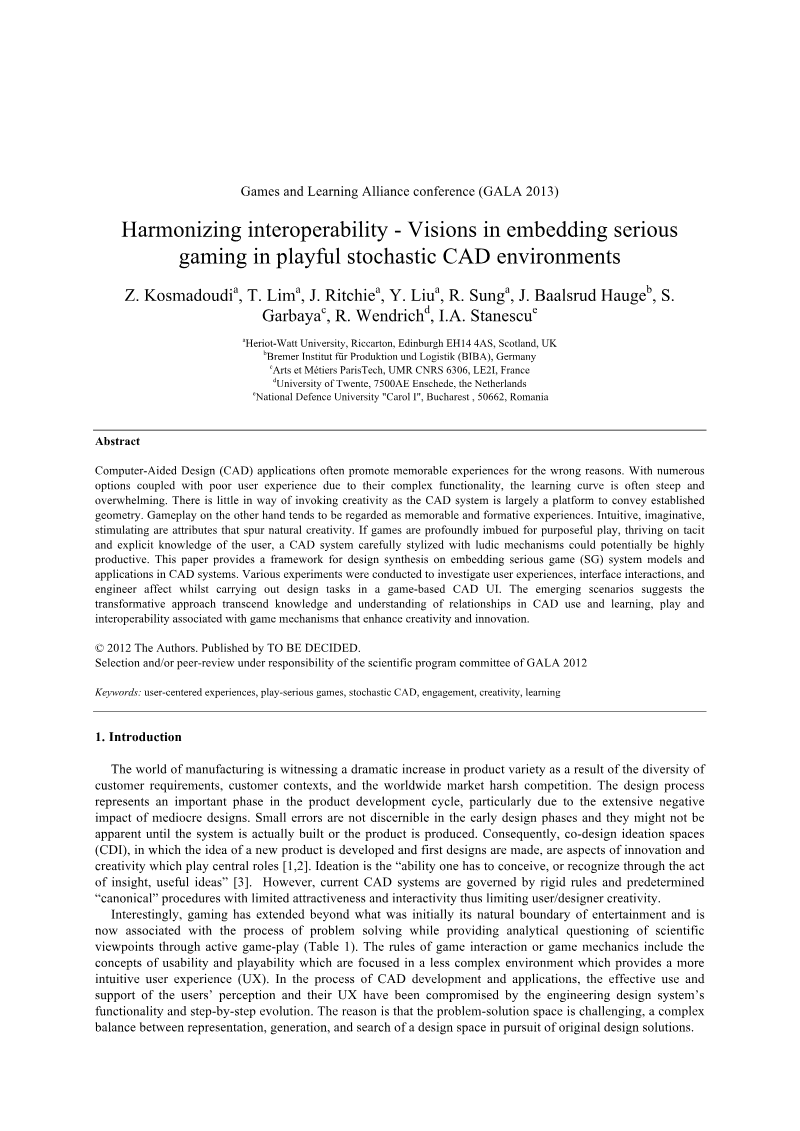
This research explores the integration of serious game (SG) mechanics into Computer-Aided Design (CAD) environments to address the limitations of traditional, rule-bound design software.
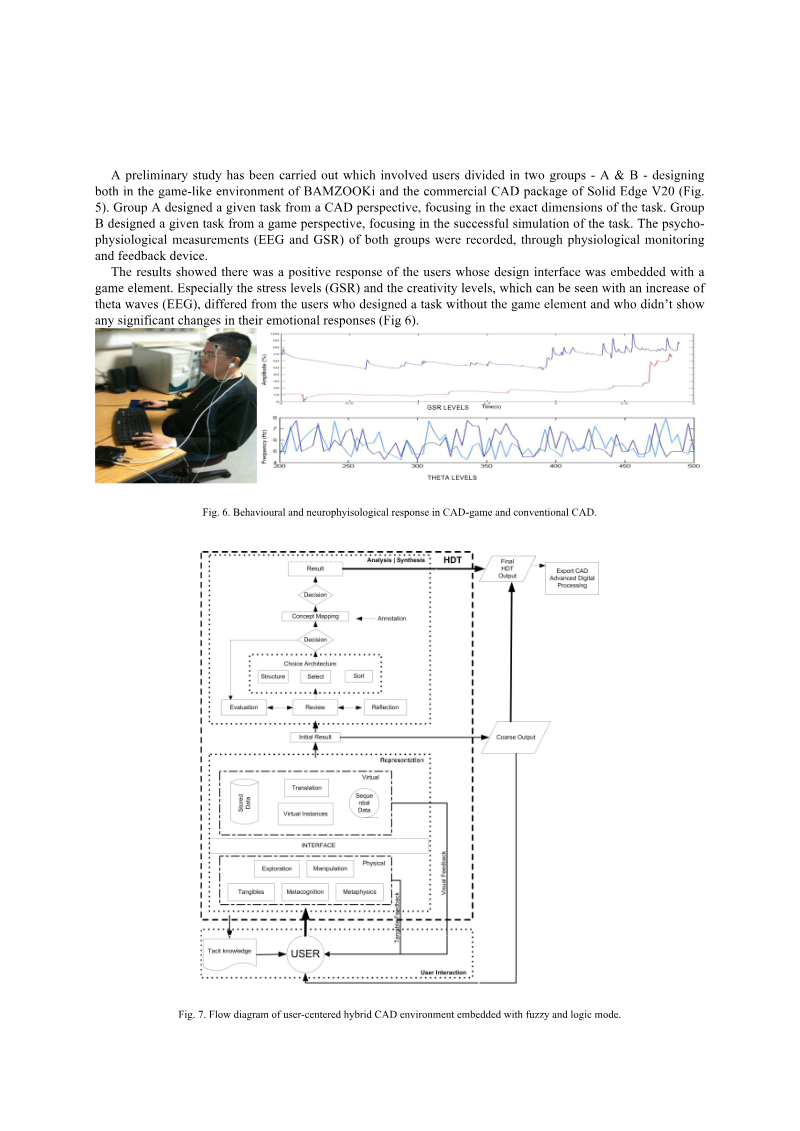
- Integrating serious game mechanics into CAD environments reduces user stress and increases creative output compared to traditional, rule-bound design software.
- EEG and GSR data indicate that game-enhanced interfaces correlate with higher theta wave activity, a physiological marker of increased creativity.
- Ludic elements such as immediate performance feedback, progressive difficulty, and goal setting help users avoid fixation on rigid design routines and encourage iterative problem-solving.

Game Engines and Game History
The history of video games requires a shift from simple chronological accounts toward rigorous, narrative-driven analysis that situates technological development within broader social and intellectual contexts.
- The emergence of the game engine as a distinct technological paradigm in the early 1990s fundamentally transformed the industry by separating core software from creative assets.
- Id Software’s architectural innovations in titles like DOOM and Quake established modularity as a foundational industry standard, enabling professional licensing models and player-driven modding.
- The shift to modular architecture created a new cultural economy that significantly extended the lifespan and influence of software beyond its initial commercial release.


Unrepresented and Under-represented Video Game History
The study of video game history is fundamentally shaped by narrative structures that connect events, innovations, and genealogies.
- The historical record of video games is currently skewed toward North American home console gaming due to the loss of extinct technologies and inaccessible corporate records.
- Video game historiography is shifting from subjective, interview-based journalistic accounts toward comprehensive academic inquiry that incorporates global perspectives beyond the United States.
- Early industry documentation relied heavily on limited secondary sources and subjective databases like the Killer List of Videogames (KLOV).
The Casual Revolution of 1987: Making Adventure Games Accessible to the Masses
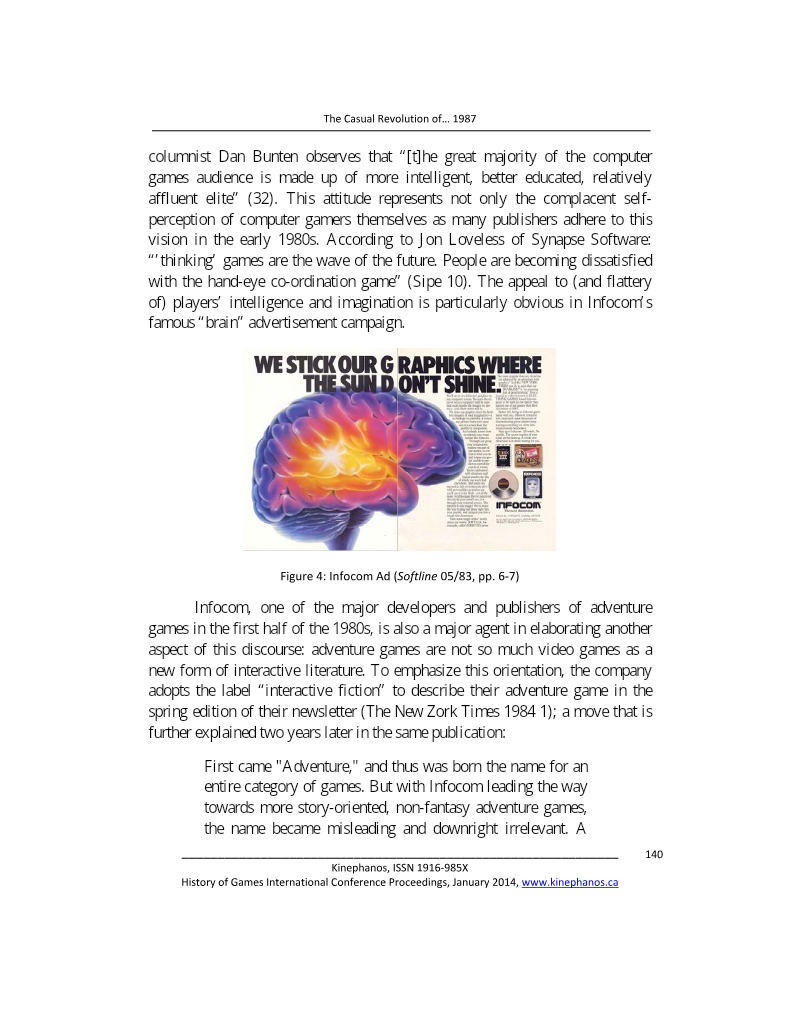
The evolution of computer adventure games during the 1980s represents a pivotal shift toward mass-market accessibility, challenging the misconception that the industry’s move toward casual play was merely a regression to arcade-style simplicity.
- The 1987 shift in adventure games prioritized narrative immersion over exclusionary, high-barrier design to transition the genre from a niche hobbyist pursuit to a mainstream market.
- The adoption of the Macintosh graphical user interface acted as the primary technological catalyst, enabling the replacement of text-based parsers with intuitive point-and-click mechanics.
- Developers like Ron Gilbert successfully dismantled 'hacker' difficulty by refining puzzle logic to be more equitable and accessible to non-technical players.

Looking at the History of Video Games Through the Prism of Ludicisation Processes
The concept of ludicisation provides a transformative framework for analyzing video games, shifting the focus from rigid, static definitions toward an understanding of games as dynamic, socio-cultural assemblages.
- Ludicisation defines games as dynamic socio-cultural assemblages rather than static objects, where play emerges from the interaction between a player's attitude, the environment, and the situation.
- Games function as historical 'ludic strata' that evolve and transform as they migrate across different cultural landscapes and territories.
- The boundaries between traditional gaming and everyday reality are becoming increasingly porous as ludic structures are applied to non-traditional domains.

The Construction of Civilization
The study provides a methodological framework for analyzing the history of the Civilization game series, arguing that popular journalistic accounts often oversimplify the development process by focusing exclusively on lead designer Sid Meier.
- The Civilization series evolved from closed systems into open architectures that intentionally integrated modding capabilities under designers like Brian Reynolds and Soren Johnson.
- A cyclical development pipeline emerged where players who learned to program by modifying early titles eventually transitioned into lead architects for later installments in the series.
- Core gameplay mechanics, such as tile-based resource management, are not isolated inventions but are transmedial developments rooted in board game designs dating back to the 1930s.
Conserving Portal: Defining and Documenting the Object
Video games represent complex cultural artifacts that challenge traditional museum conservation practices due to their ephemeral and interactive nature.
- Video game preservation requires a shift from treating games as static objects to managing their technical, aesthetic, and interactive components to ensure long-term accessibility.
- The Mechanics, Dynamics, and Aesthetics (MDA) model provides a structured framework for curators to systematically document the core elements that define a game's identity.
- Effective preservation must combine technical solutions like migration and emulation with comprehensive documentation to maintain the functional and artistic intent of the work.
A History of Real-Time Strategy Gameplay: From Decryption to Prediction
The evolution of the real-time strategy genre is defined by a fundamental transition from a paradigm of decryption to one of prediction.
- The evolution of the real-time strategy genre is defined by a fundamental shift from 'decryption'—mastering fixed systems and AI patterns—to 'prediction,' which requires anticipating the maneuvers of human opponents.
- Genre development is driven by the institutionalization of player habits and the iterative accumulation of shared tactical knowledge rather than the impact of singular foundational titles like 1992’s Dune II.
- The transition to a prediction-based paradigm was necessitated by the rise of competitive multiplayer environments, which demand active scouting and real-time strategic adaptation.
The Ends of History and the Tyranny of the Algorithm
The evolution of the video game industry is defined by a tension between technological potential and the rigid constraints of commercial strategy.
- The video game industry is transitioning from traditional console-based blockbuster models to mobile platforms that prioritize data-driven advertising and user information monetization.
- Commercial imperatives and corporate business models consistently take precedence over digital innovation, leading to a stagnation where predictable design is favored for profit.
- The industry’s current turmoil stems from a conflict between legacy hardware-centric strategies and the adoption of invasive surveillance practices common in the modern digital economy.
Video Games: Play That Can Do Serious Good
Video games, the document argues, are serious learning tools rather than mere entertainment.
- The report's central thesis is that modern video games embody established learning principles such as time on task, dopamine-linked reward schedules, calibrated difficulty curves, and varied practice that supports transfer.
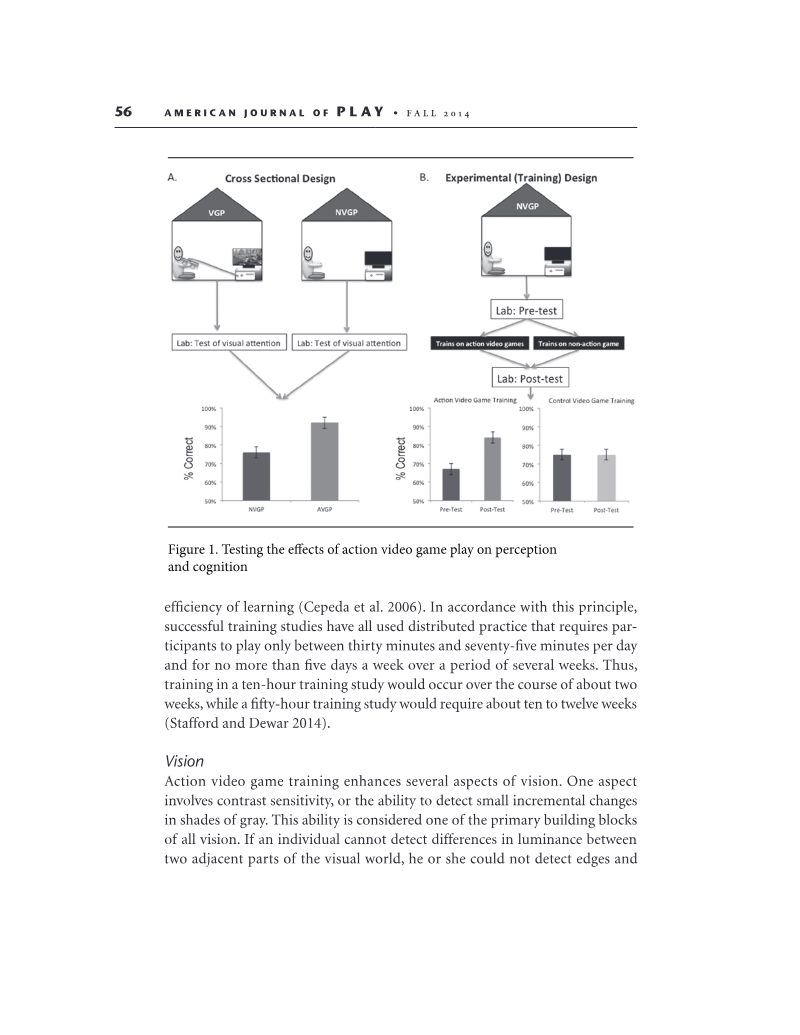
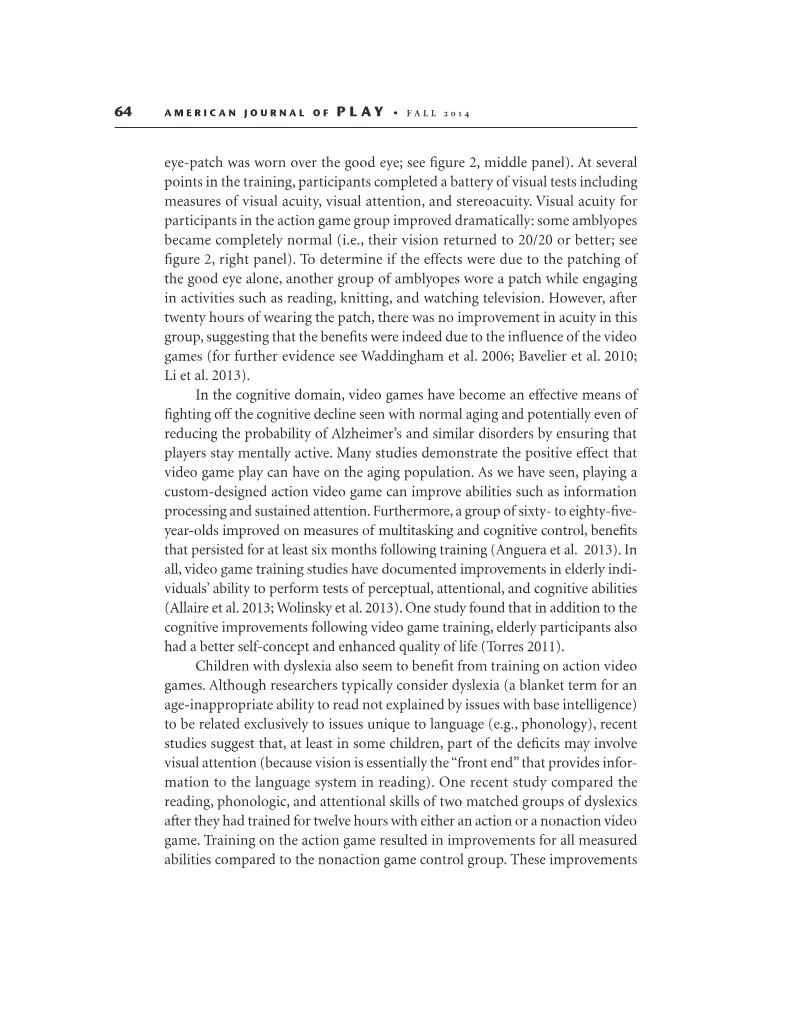
- Causal training studies cited show action video game play improves contrast sensitivity, visual attention, multiple-object tracking, sustained attention, multitasking, and task switching, typically involving roughly 15 to 50 hours of distributed practice.
- Unlike most perceptual-learning research, which finds narrow gains that fail to transfer, the report cites some studies showing broad benefits persisting for at least six months.


Free-to-Play Games: Professionals' Perspectives
"Free-to-Play Games: Professionals' Perspectives" explores the views of Finnish game industry professionals on the free-to-play (F2P) revenue model, focusing on its perceived benefits, challenges, and ethical considerations.
- Finnish game industry professionals (14 interviewed) view free-to-play favorably as a fairer alternative to upfront purchase and a practical necessity in mobile gaming, while criticizing aggressive monetization, pay-to-win design, clone titles, and addictive mechanics.
- They perceive player sentiment toward free-to-play as largely negative and polarized, partly due to the lingering stigma of early exploitative titles such as Zynga's FarmVille.
- Specific ethical concerns raised include children making in-app purchases, heavy spending by a small minority of highly active players, and dark patterns that encourage compulsive play.