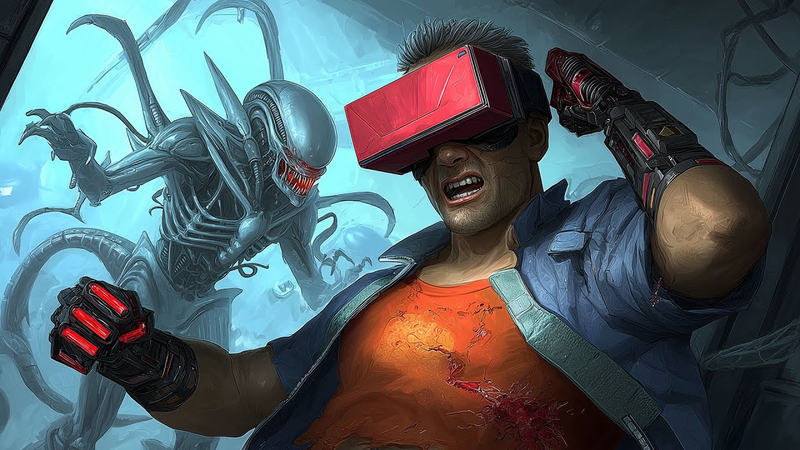
Haptic technology serves as a critical modality for enhancing serious gaming, providing essential sensory feedback that complements traditional audio and visual inputs. By integrating tactile and force-feedback systems, developers can significantly improve user immersion, which is vital for cognitive training, medical simulations, and accessibility initiatives. The primary thesis posits that haptics are not merely supplementary but are foundational to effective virtual training environments, particularly in fields requiring high-precision motor skills, such as surgery, or in navigation tools designed for the visually impaired.
The technical landscape of haptic integration is defined by a constant tension between performance and accessibility. Effective implementation requires high-frequency refresh rates of at least 1000Hz to ensure realistic interaction, yet the industry faces ongoing challenges regarding computational latency and the synchronization of multi-sensory feedback. While specialized research-grade hardware remains prohibitively expensive and cumbersome, the market is shifting toward more affordable, vibration-based peripherals and standardized haptic modeling libraries. This transition is crucial for scaling serious gaming applications beyond laboratory settings and into broader rehabilitation and educational contexts.
Spanning the current state of virtual environment research and hardware development, the field is increasingly focused on balancing device complexity with practical utility. Future advancements depend on overcoming the limitations of current force-feedback and hybrid systems to create more portable, cost-effective solutions. As computational capabilities improve, the seamless integration of haptics will continue to be a primary driver for the efficacy of serious games, transforming how users interact with and learn from complex digital simulations across global professional and therapeutic sectors.