Game Studies reports and market data
Documents
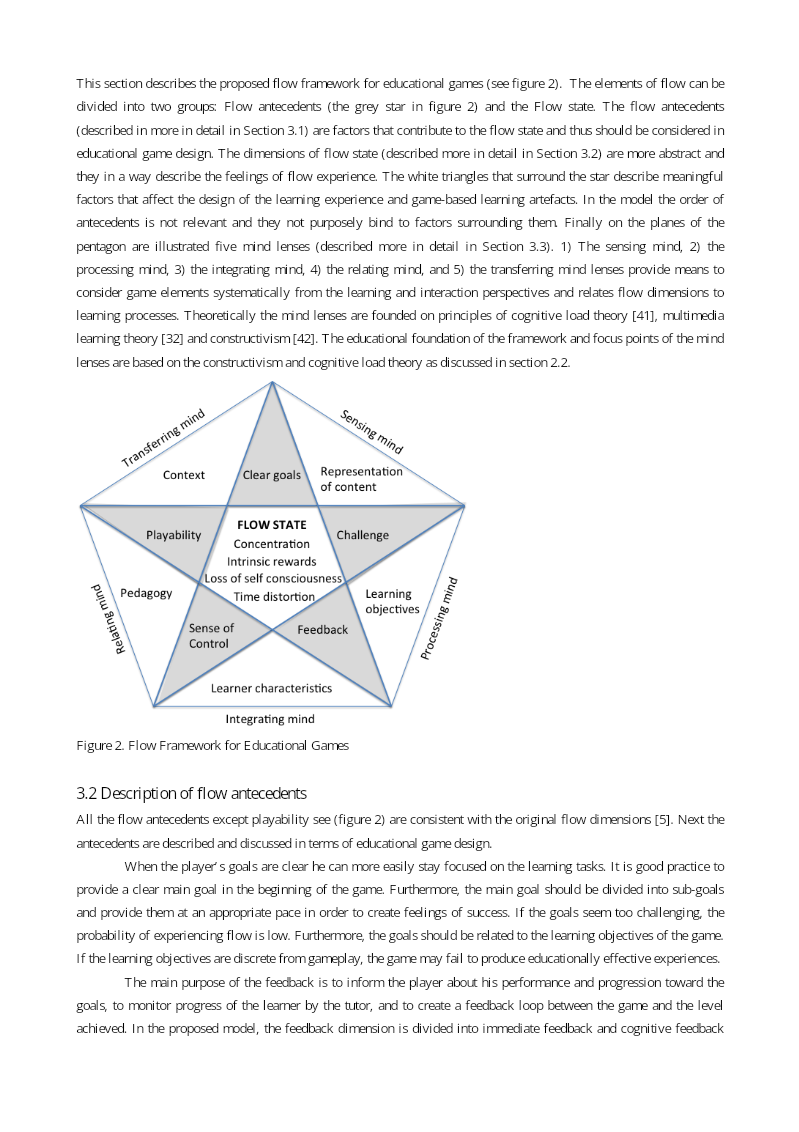
Flow Framework for Analyzing the Quality of Educational Games
The Flow Framework for Analyzing the Quality of Educational Games establishes a structured methodology for reconciling the often-conflicting demands of engagement and pedagogical efficacy.
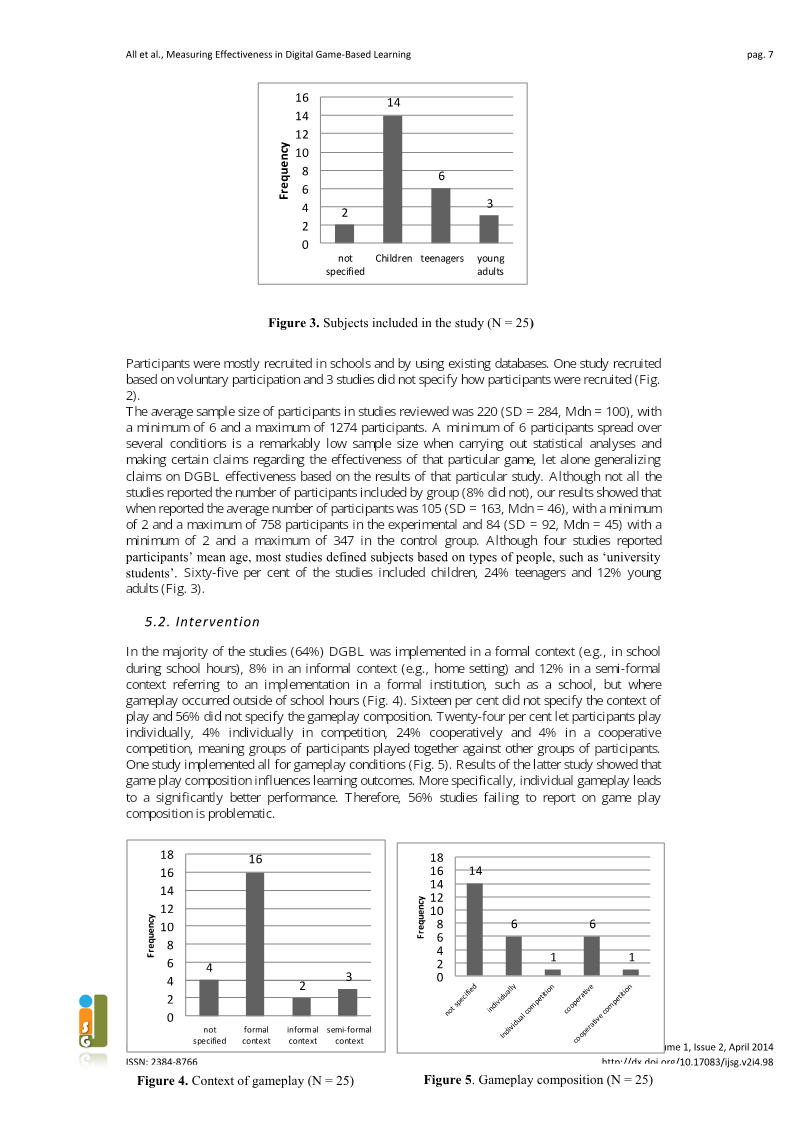
Measuring Effectiveness in Digital Game-Based Learning: A Methodological Review
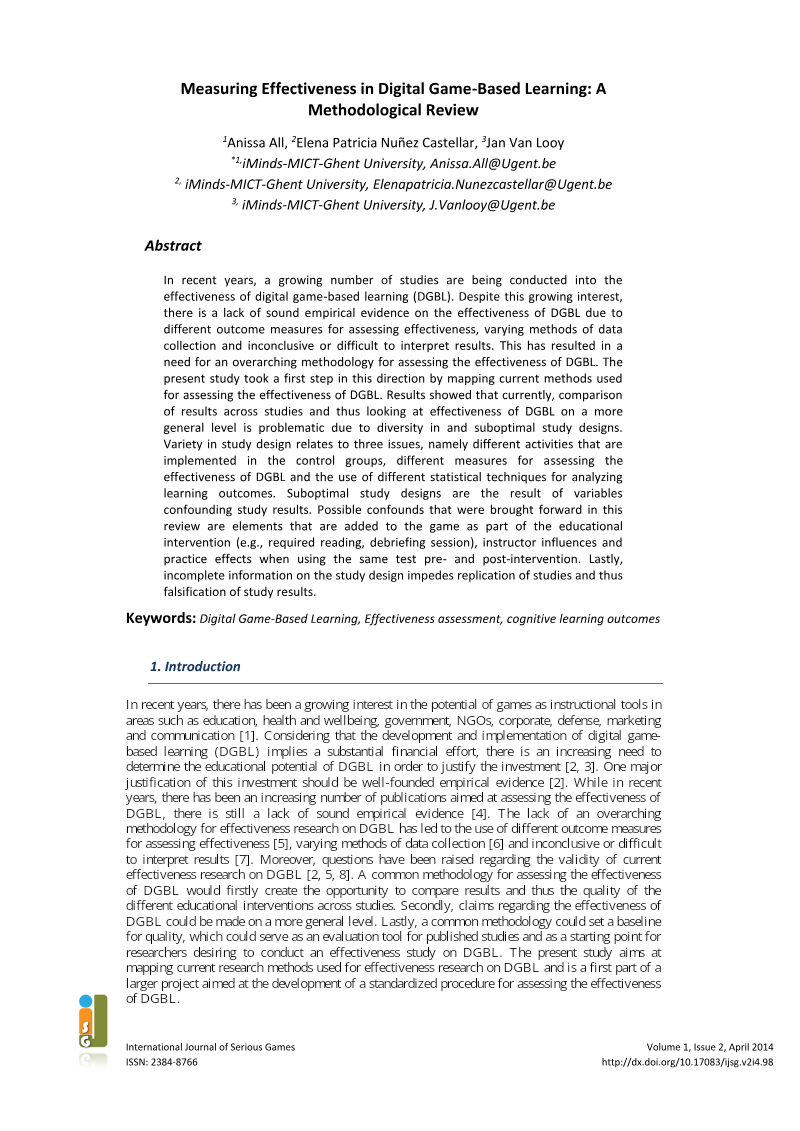
Digital Game-Based Learning (DGBL) currently faces a significant crisis of empirical validation, characterized by a pervasive lack of methodological rigor that undermines its perceived educational value.
- Digital Game-Based Learning (DGBL) currently lacks empirical validation due to widespread methodological rigor issues, preventing the industry from justifying pedagogical and financial investments.
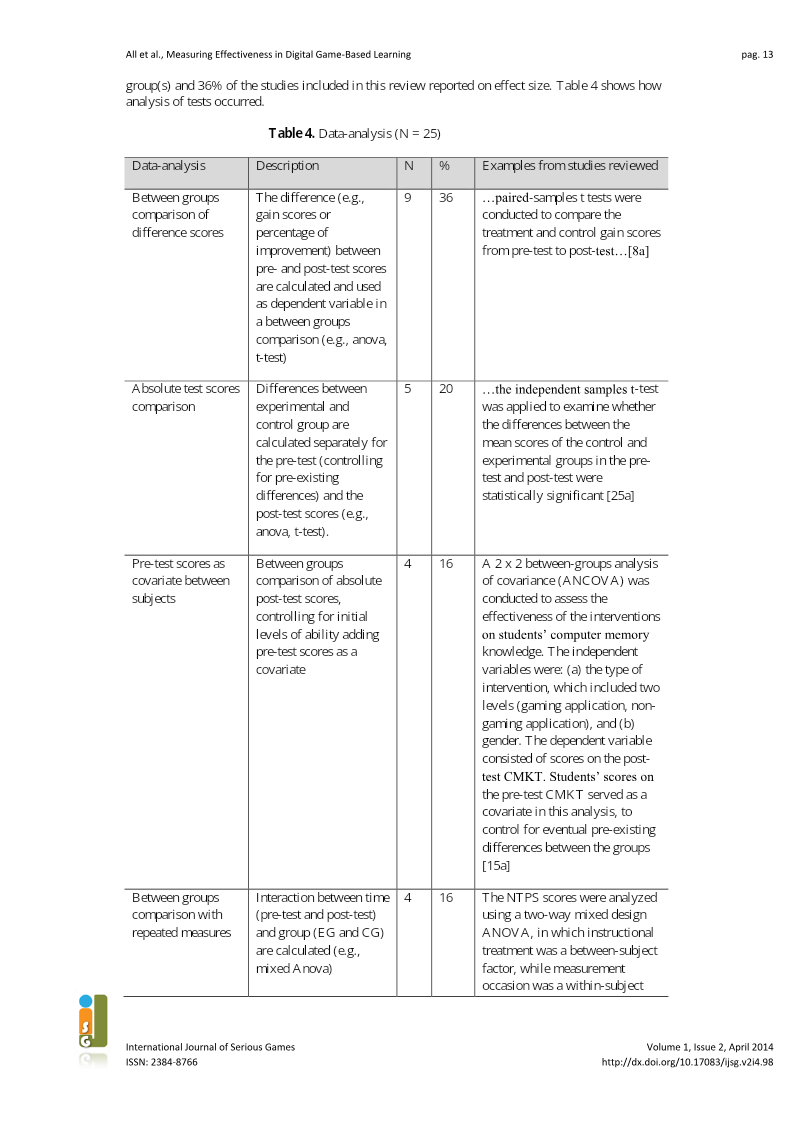
- A systematic review of 25 representative studies identified that small sample sizes and confounding variables, such as instructor influence, frequently obscure the actual impact of game-based interventions.
- The field suffers from a lack of standardized evaluation frameworks, leading to inconsistent study designs and the frequent omission of critical variables like participant assignment methods.
Serious Gaming Analytics: What Students' Log Files Tell Us about Gaming and Learning
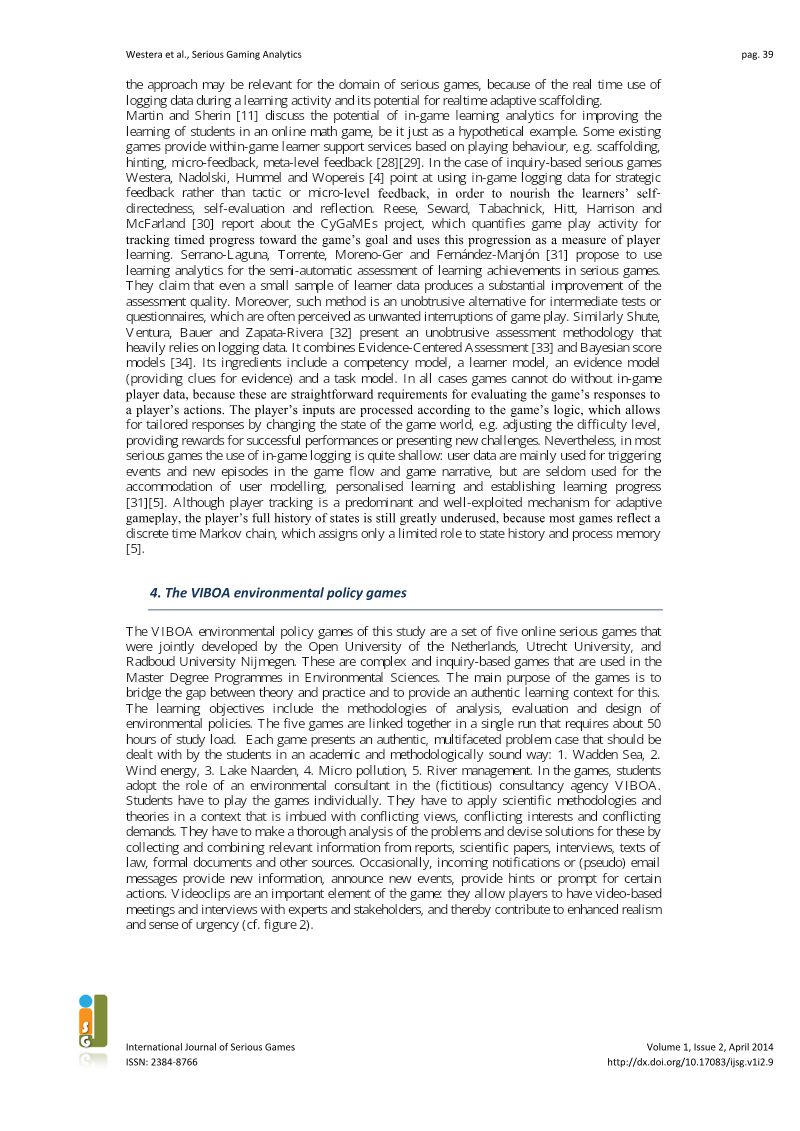
Serious games serve as a critical frontier for educational research, offering a unique environment where student engagement can be quantified through granular log file analysis.
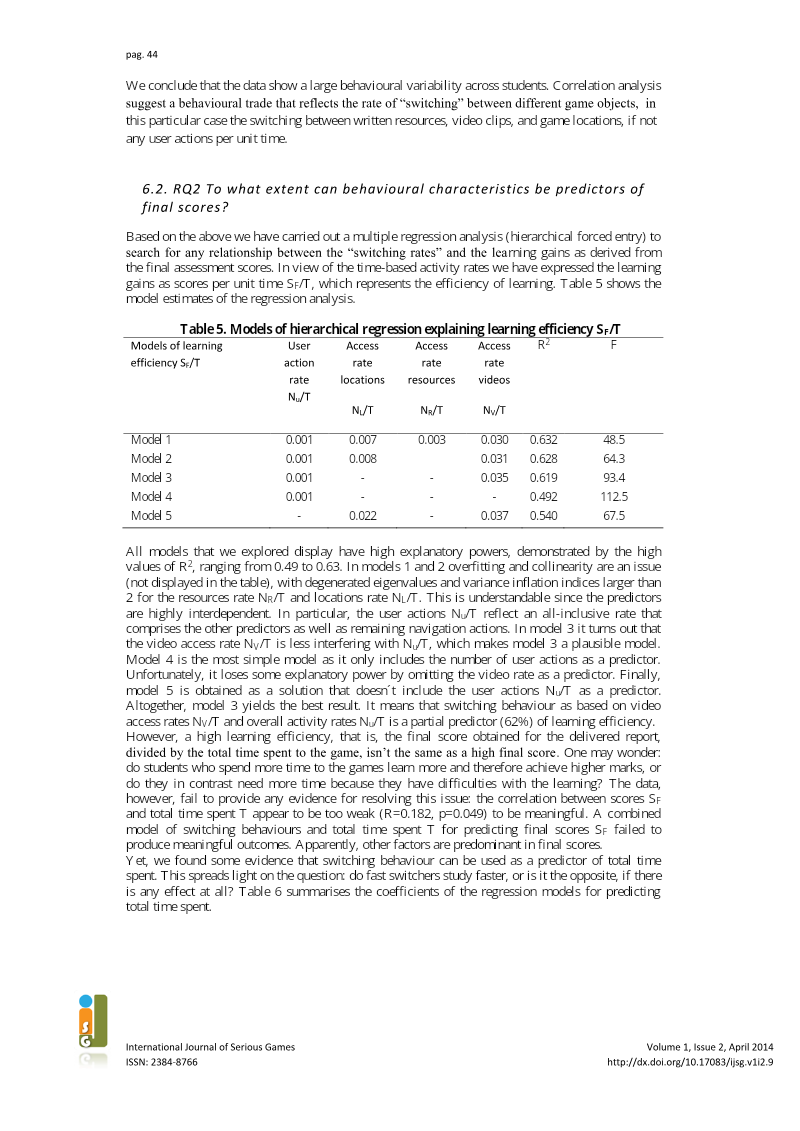
- Switching behavior—the frequency with which students transition between game assets like videos and resources—accounts for 62 percent of the variability in learning efficiency.
- In-game behavioral patterns, including time-on-task and engagement levels, do not reliably predict final assessment scores for students.
- A student’s prior knowledge level does not appear to influence their navigation strategies or behavioral patterns within the VIBOA environmental policy game.
Collaborative Language Learning in Immersive Virtual Worlds: Competence-based Formative Feedback and Open Learner Modeling
The integration of immersive virtual worlds into educational settings presents a significant challenge for instructors attempting to monitor student progress and provide effective formative feedback.
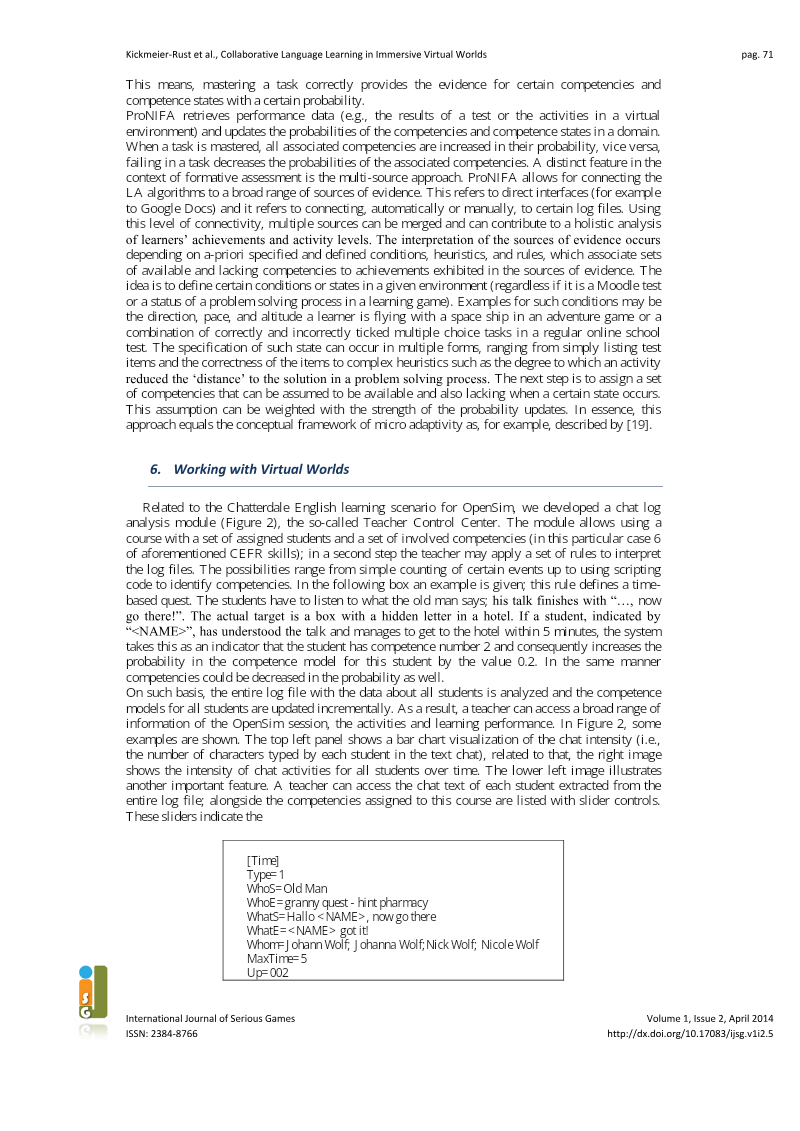
- ProNIFA is a specialized learning analytics tool developed to bridge the gap between raw, unstructured activity data in virtual worlds and actionable pedagogical insights for instructors.
- The tool utilizes Competence-based Knowledge Space Theory to map observable behaviors—such as movement, communication, and task completion—to latent student competencies.
- By employing a rule-based engine, ProNIFA processes log files to incrementally update individual student competence models, enabling real-time progress visualization and intervention notifications.
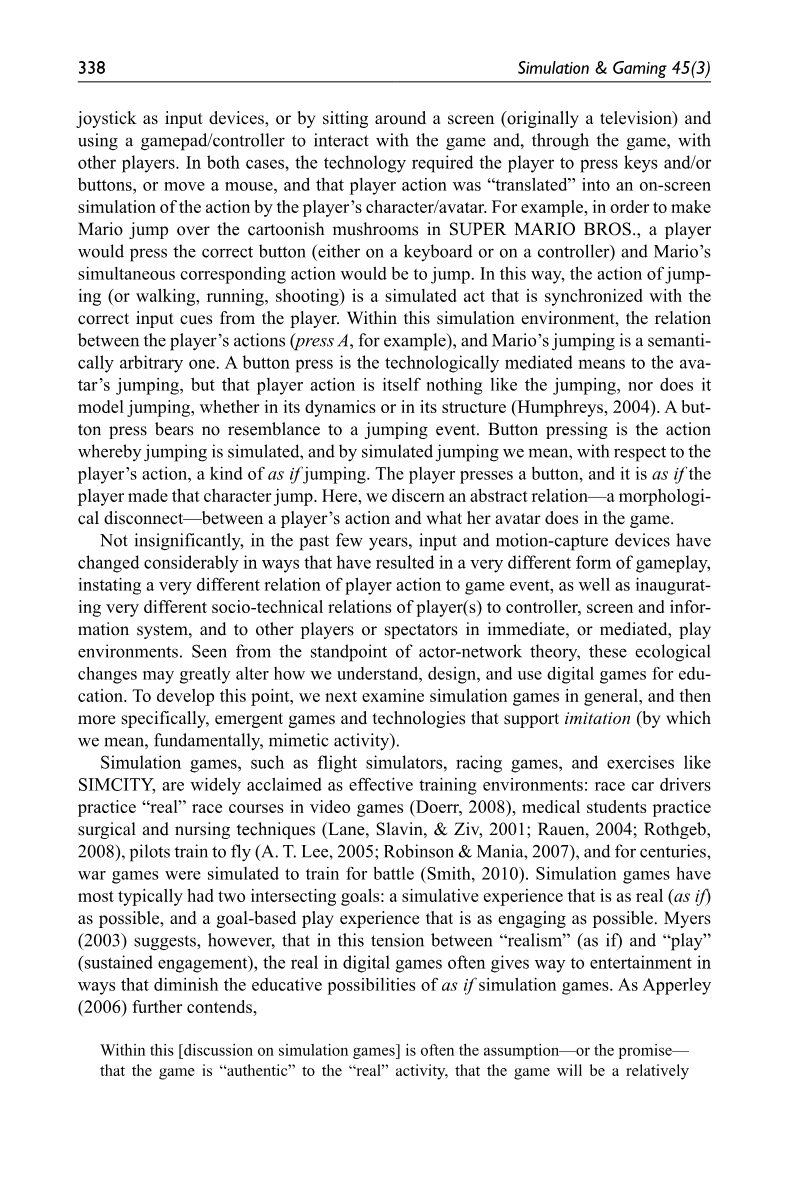
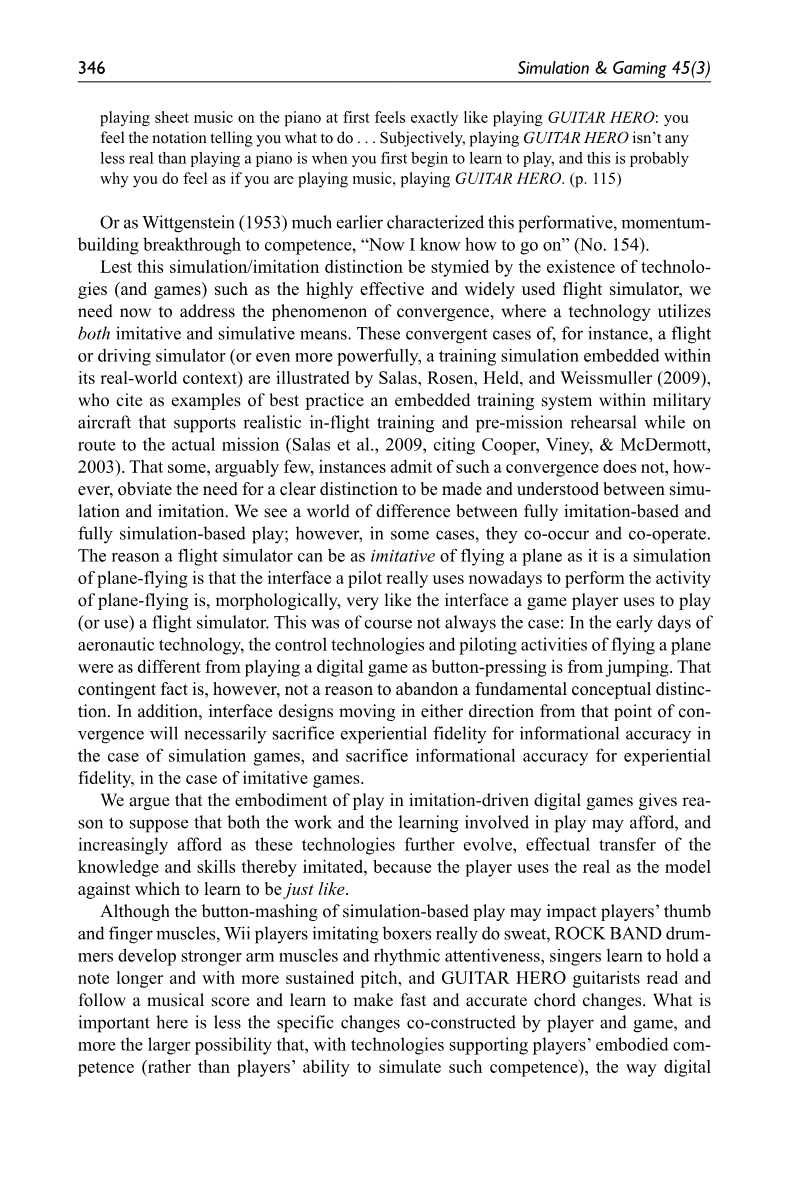
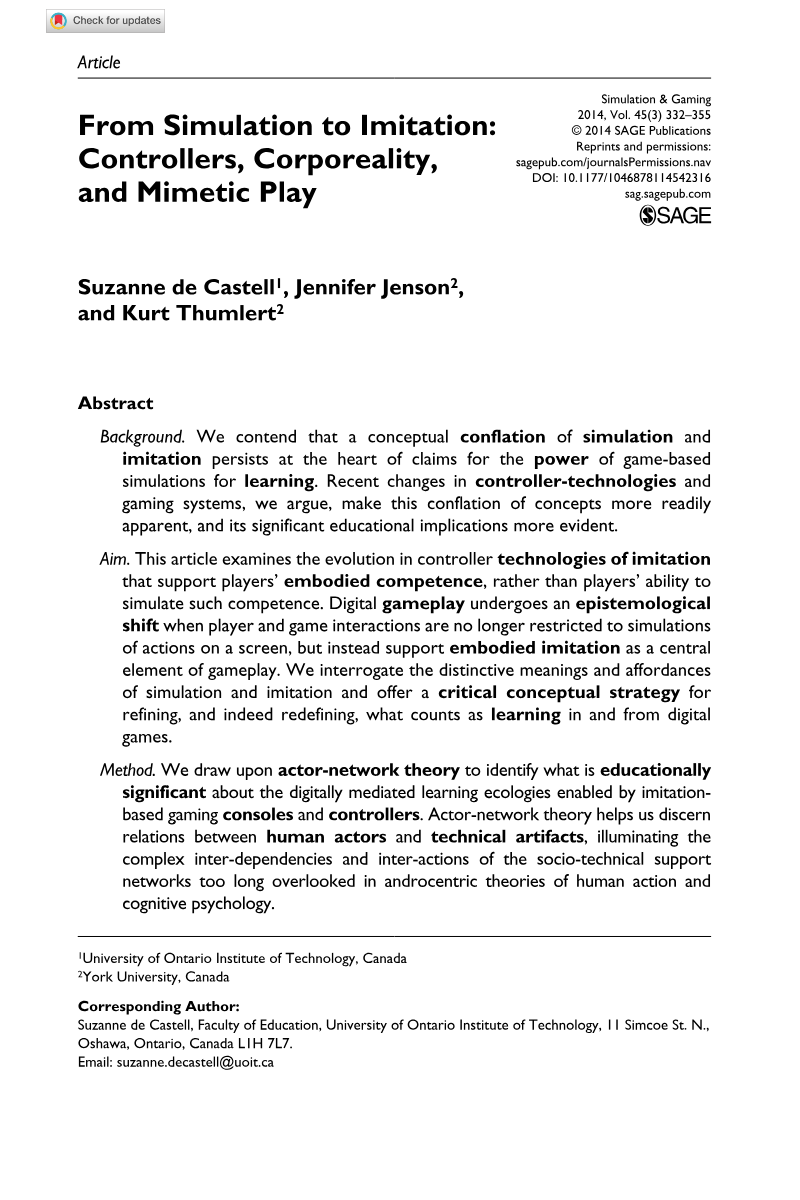
From Simulation to Imitation: Controllers, Corporeality, and Mimetic Play
The conceptual conflation of simulation and imitation has historically obscured the mechanisms through which digital games facilitate learning.
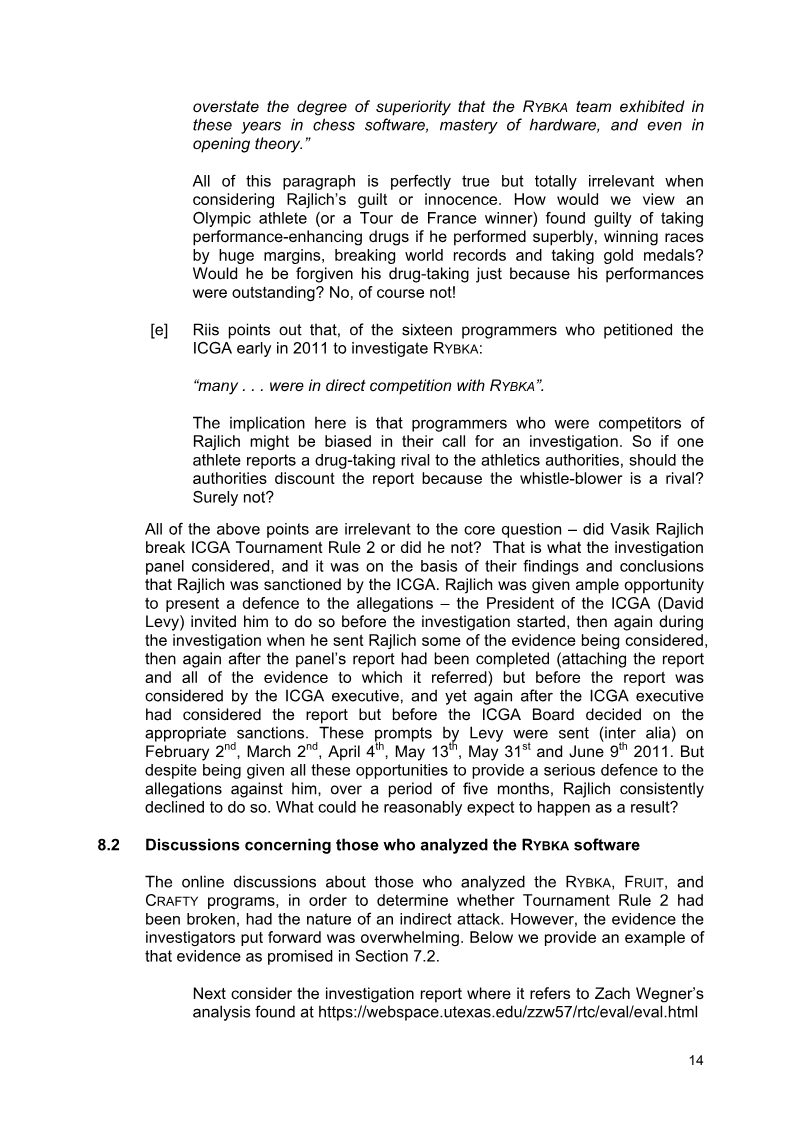
Plagiarism in Game Programming Competitions
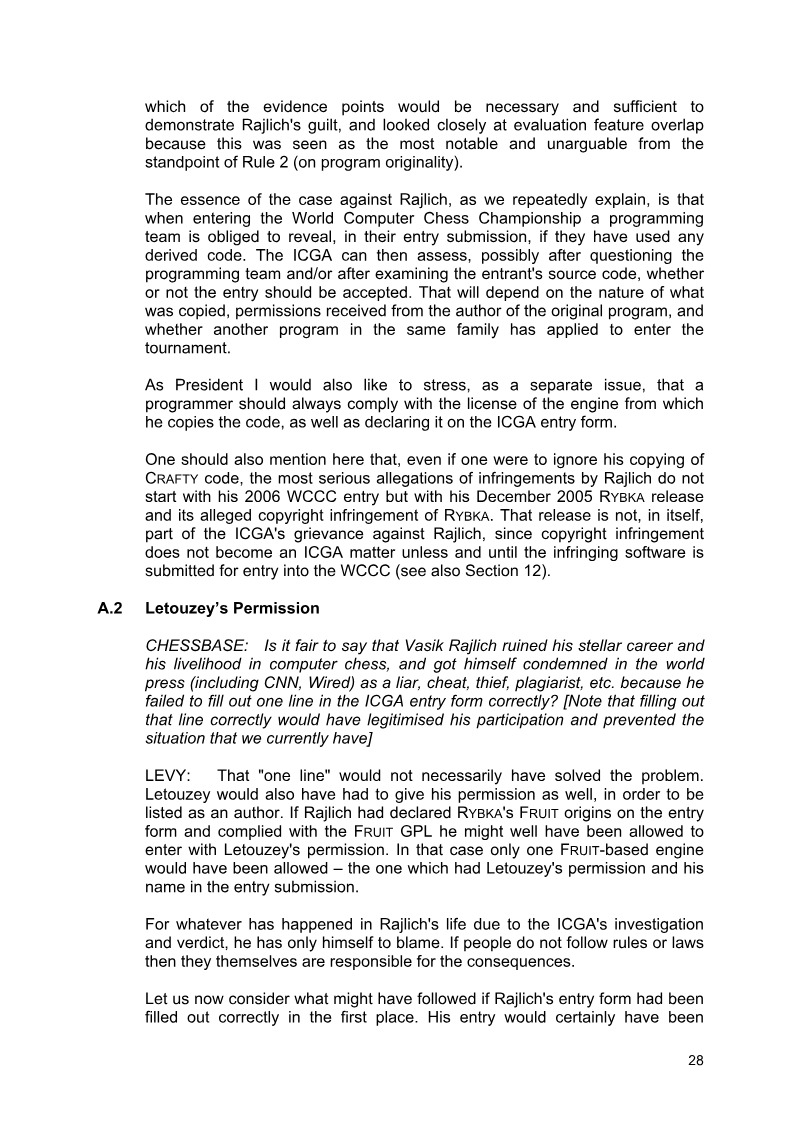
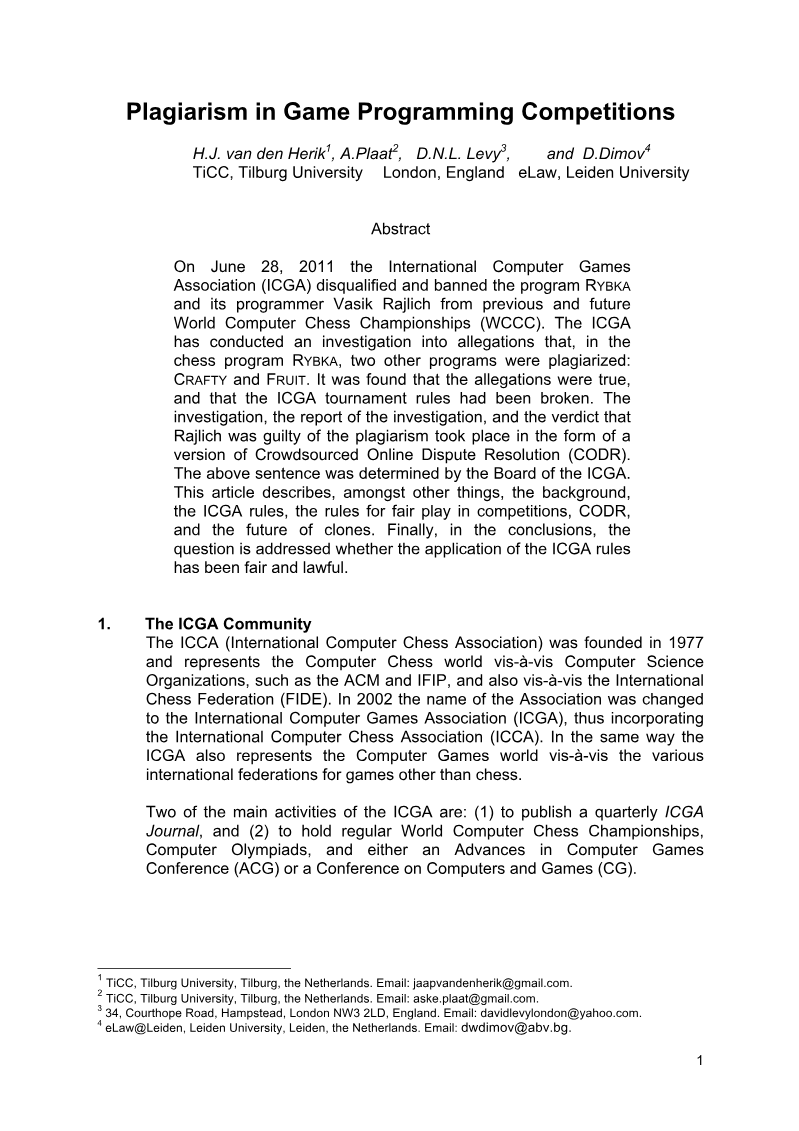
The International Computer Games Association maintains the integrity of competitive computer chess by enforcing strict standards of originality and attribution.
The Programmer as Player: Uncovering Latent Forms of Digital Play Using Structuration and Actor-Network Theory
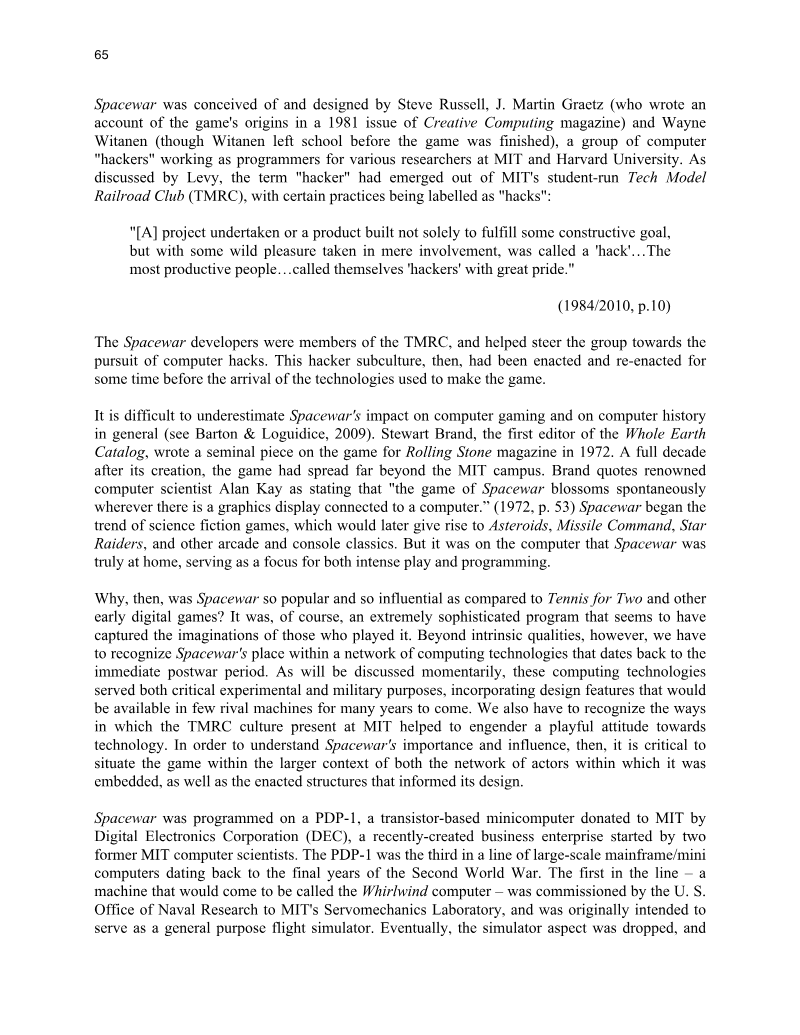
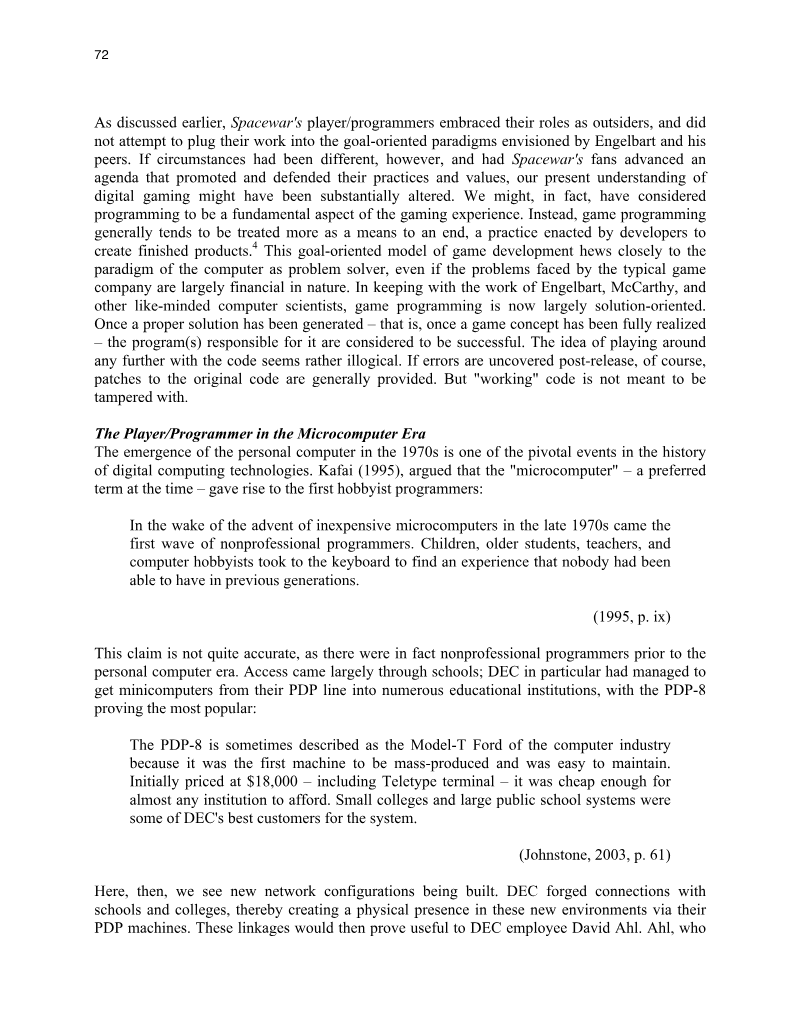
The historical and modern boundaries between game programmers and players are artificial, masking a persistent hybrid identity that has shaped digital culture since the inception of computing.
- The player/programmer hybrid identity is a foundational element of digital culture that emerged as a subversive response to the productivity-focused, utilitarian paradigms of early military and academic computing.
- Early mainframe computers were transformed into sites of creative experimentation through the iterative, collaborative development of foundational titles like Spacewar!.
- The 1970s hobbyist movement was the critical period that legitimized the player/programmer role by providing accessible hardware and fostering educational discourse.
Education from inside the bunker: Examining the effect of Defcon on nuclear attitudes and critical reflection
The simulation game Defcon serves as a potent instrument for fostering critical reflection on the ethical and existential implications of nuclear warfare.
- A study of 141 college students found that the simulation game Defcon effectively shifts attitudes toward nuclear war by fostering a sense of pessimism regarding survival and an unsettling, contemplative mood.
- Participants who played the simulation perceived nuclear war as less likely to occur in the near future compared to those who consumed traditional news media, suggesting the game's abstract design alters the perceived immediacy of the threat.
- Defcon’s minimalist, clinical interface forces players to confront the gravity of global annihilation rather than treating the subject as a standard mechanical challenge, bridging the gap between digital play and civic discourse.
Game Mechanics in the Design of a Collaborative 3D Serious Game
This is a self-archived version of an original article. This version may differ from the original in pagination and typographic details.
Tribute and Resistance: Participation and Affective Engagement in Brazilian Fangame Makers and Modders' Subcultures
Brazilian fangames and game modifications emerge from participatory fan culture, where affectionate homage to original works, or "tribute," operates alongside challenges to dominant media and copyright norms, or "resistance."
- Brazilian fangames and mods are framed as driven by two inseparable motivations: affectionate "tribute" to original works and "resistance" to dominant media and copyright norms.
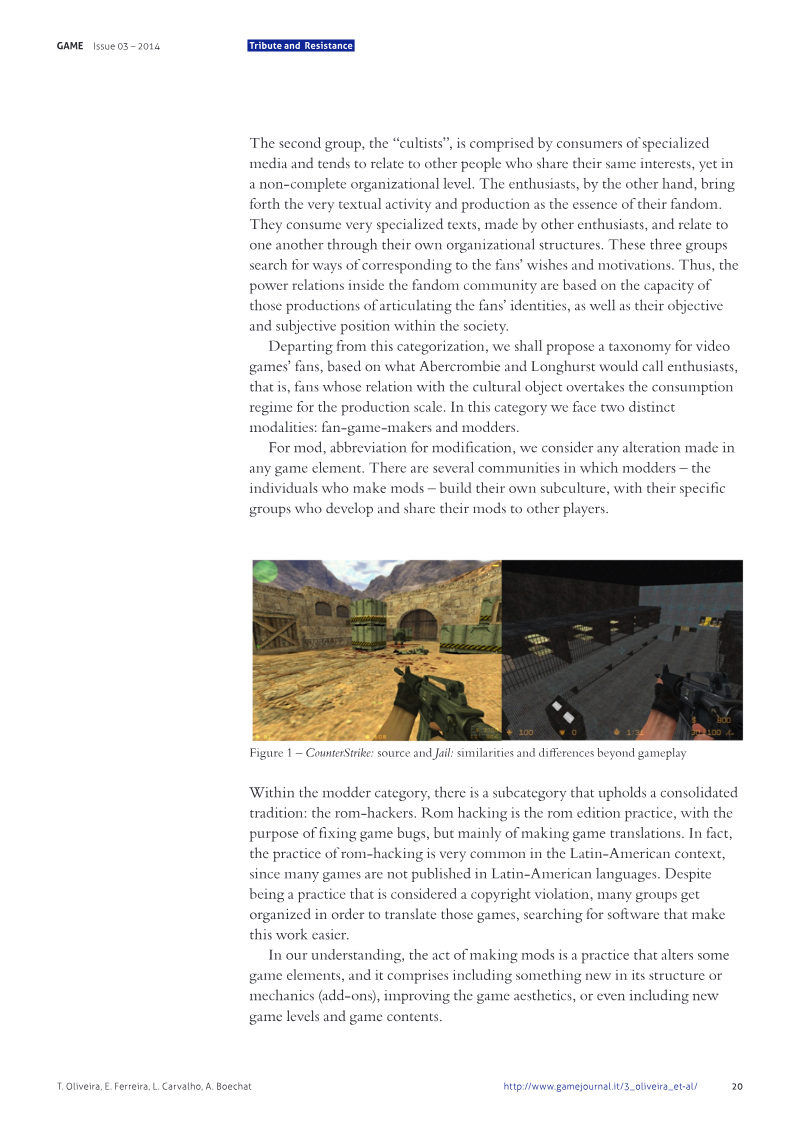
- The report distinguishes fangame makers, who build standalone games inspired by mainstream titles, from modders, who alter existing games.
- Brazil's modding and piracy traditions are traced to the 1980s MSX home computing boom following the MSX standard launched in 1983, with firms such as Gradiente and GranSoft cloning imported cartridges and removing developer logos.
In Defence of a Magic Circle: The Social, Mental and Cultural Boundaries of Play
The magic circle serves as a vital, albeit frequently misunderstood, framework for understanding the intersection of play and reality.
- The 'magic circle' is a useful metaphor for the boundary between play and non-play, but it must be analytically separated into three distinct components: the participant's psychological mindset, the socially negotiated contract of play, and the formal, pre-existing rules of the game arena.
- The 'strong-boundary hypothesis'—the idea that play is a closed, enchanted system—is often inaccurate for digital gaming, where players frequently engage in mundane, non-magical play that is deeply integrated with everyday activities like watching television.
- Play is not inherently separate from the real world; it is a social construct maintained by a 'man-made agreement' where participants collectively decide that objects and actions within the play space hold specific, transformed meanings.
Should I Stay or Should I Go?: A Study of Pickup Groups in Left 4 Dead 2
Pickup groups in Left 4 Dead 2 function as unique, transient social arenas where players must navigate intense interdependence without the benefit of prior history or established social markers.
- Positive social interaction, such as humor or politeness, acts as a stabilizer that makes 'rage quitting' and vote-kicking less likely in Pickup Groups (PUGs).
- Players often intentionally avoid voice communication to maintain anonymity, which facilitates the ease of dropping out or initiating a vote-kick against teammates.
- Negative perceptions of a player's out-of-game identity, such as racism or misogyny, do not typically cause an ongoing game session to collapse, whereas positive social rapport can actively save a session from falling apart.