Game Studies reports and market data
Documents

User Experience and Learning Experience in a 4D Virtual Reality Simulation Game
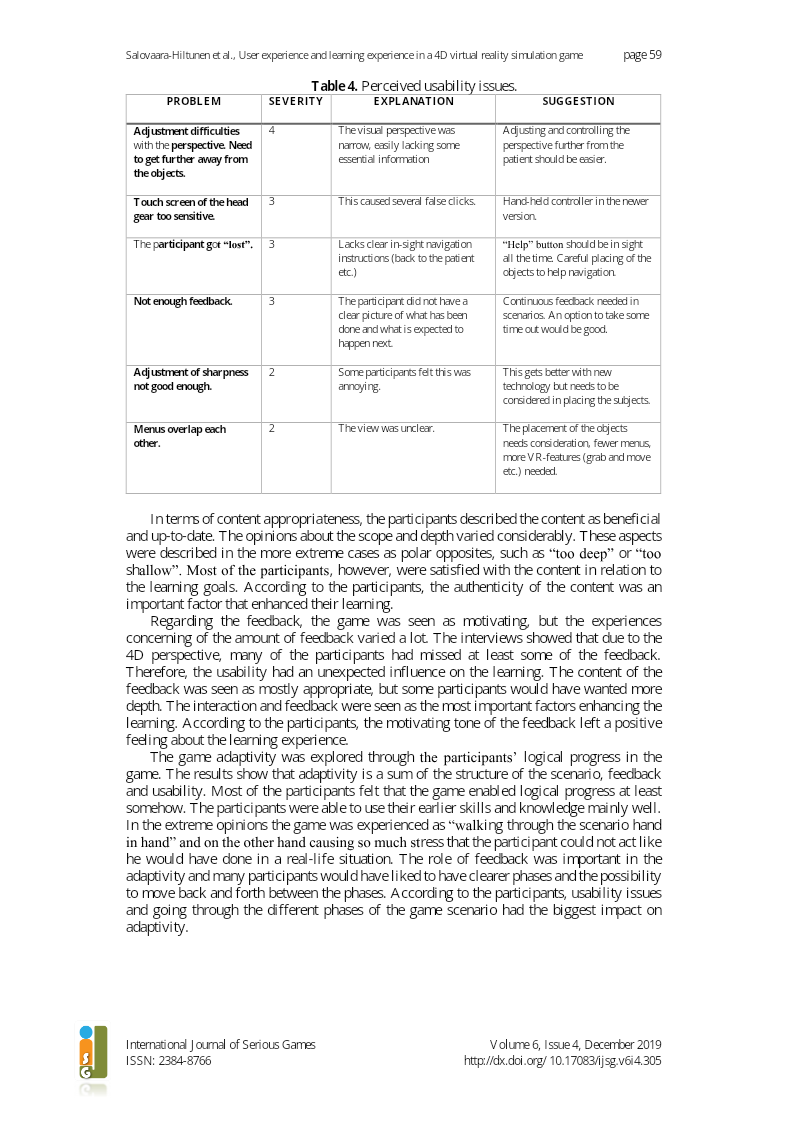
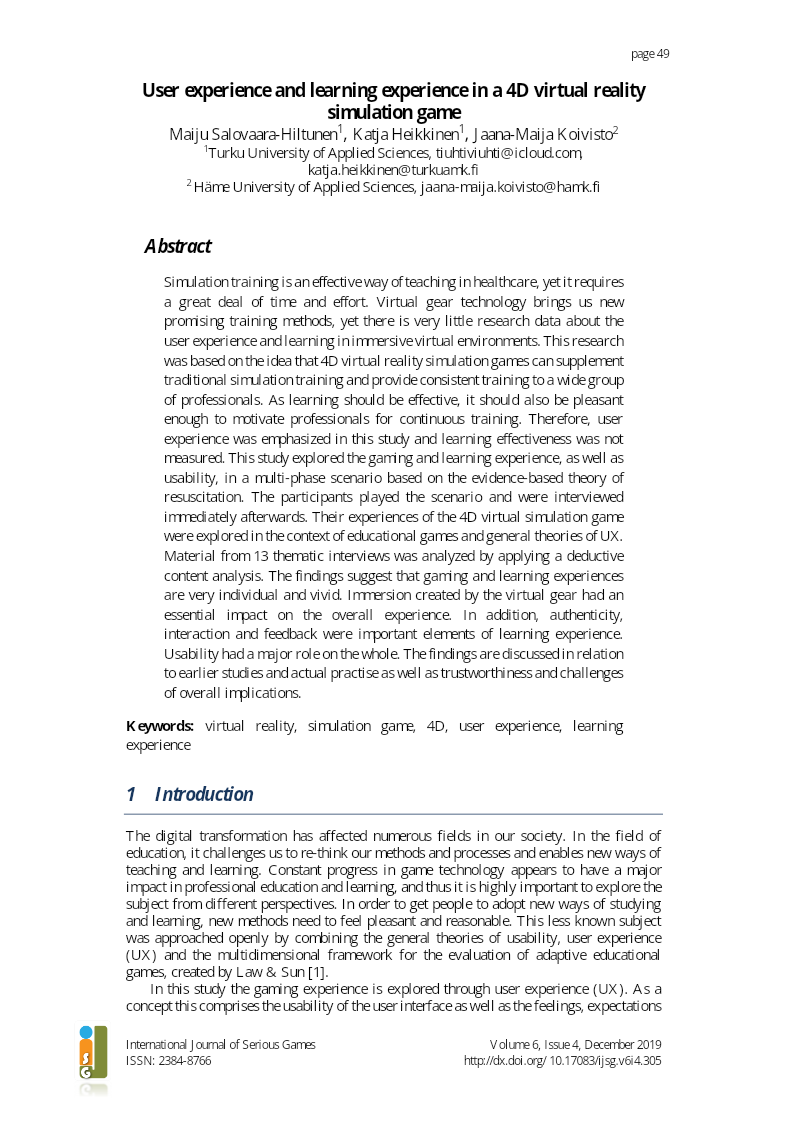
4D virtual reality simulation games represent a transformative approach to healthcare training, specifically regarding the mastery of high-stakes resuscitation protocols.
- The efficacy of 4D VR healthcare training is fundamentally dependent on the seamless integration of clinical realism, interactive game mechanics, and intuitive interface design.
- Immersion and authenticity are the primary drivers of user engagement, enabling the rehearsal of high-stakes acute care scenarios that are difficult to replicate in traditional training environments.
- Complex, menu-heavy interfaces and navigation difficulties act as significant barriers that disrupt simulation flow and hinder the educational process.



Thinking and Doing: Challenge, Agency, and the Eudaimonic Experience in Videogames
Videogames frequently prioritize hedonistic fun, yet a significant opportunity exists to cultivate eudaimonic experiences characterized by reflection, growth, and complex emotional engagement.
- Designers should shift focus from simple mechanical mastery toward fostering eudaimonic experiences, which prioritize reflection, personal growth, and complex emotional engagement.
- The 'Agency Grid' framework categorizes player interaction into four types: actual mechanical, actual fictional, interpretive mechanical, and interpretive fictional.
- Interpretive fictional agency is the most critical component for inducing eudaimonic states, as it encourages players to construct their own meaning within the game's diegesis.


Kotoba Rollers Walkthrough: Board Games, TBLT, and Player Progression in a University EFL Classroom
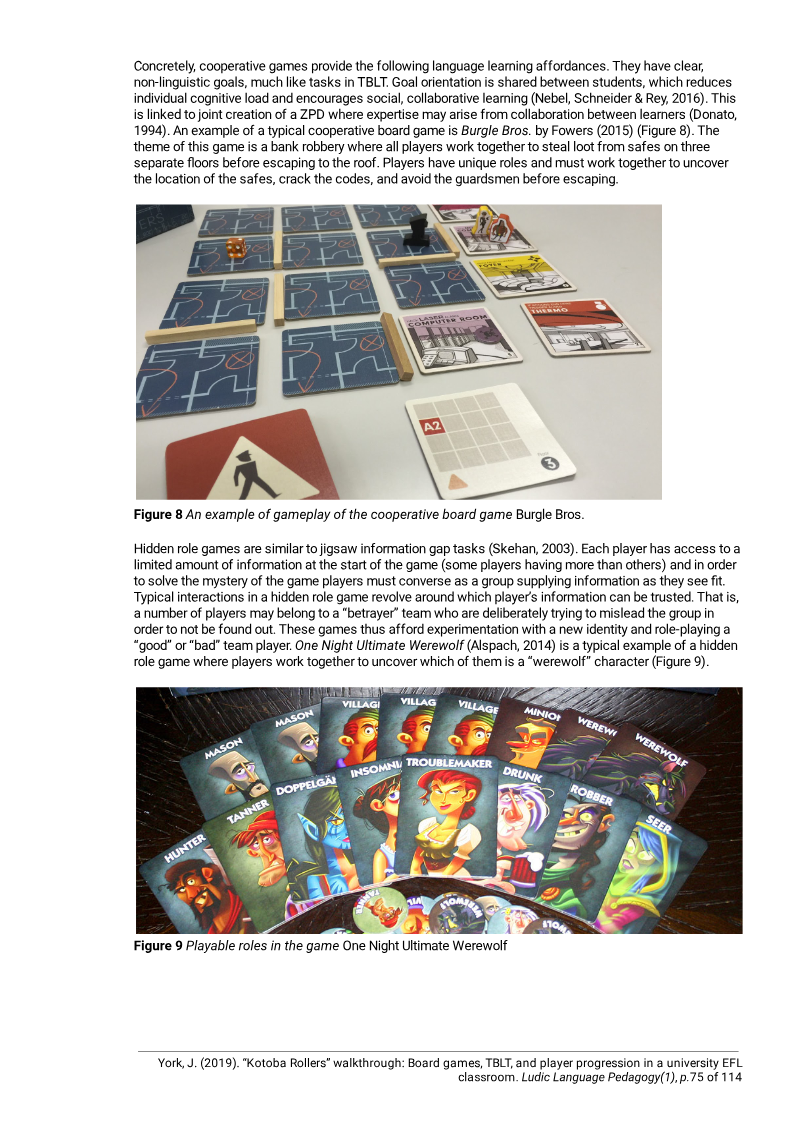
The Kotoba Rollers framework establishes a pedagogical model for university-level English as a Foreign Language (EFL) instruction by integrating tabletop board games into a Task-Based Language Teaching (TBLT) curriculum.
- The Kotoba Rollers framework integrates tabletop board games into university EFL curricula to transition students from novice players to autonomous content creators.
- Effective language acquisition requires structured scaffolding, such as visual flowcharts and smartphone-based research, rather than relying on gameplay alone.
- Instructor intervention and systematic error analysis based on the Pareto Principle are essential to increasing English-language production as students move past initial reliance on their native language.



Horror, Guilt and Shame: Uncomfortable Experiences in Digital Games
Digital games frequently utilize uncomfortable experiences—such as anxiety, guilt, and disgust—as deliberate design elements to deepen player engagement.
- Uncomfortable gameplay experiences—including anxiety, guilt, and disgust—are common and often integral to player engagement, with players frequently reporting that these moments make games more memorable or rewarding.
- Discomfort in digital games is primarily driven by five factors: high-pressure uncertainty, loss of control, feelings of personal responsibility for negative outcomes, the tragedy of character death, and unwanted exposure to disturbing themes.
- Players often require time and physical distance from the game to process intense negative emotions, with some needing to step away from the screen to recover from experiences like character loss or high-stress encounters.

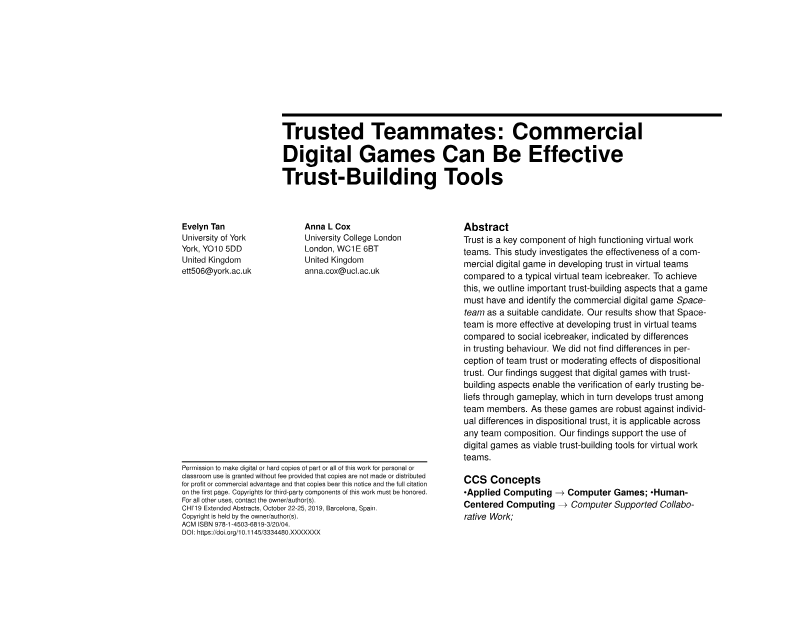
Trusted Teammates: Commercial Digital Games Can Be Effective Trust-Building Tools
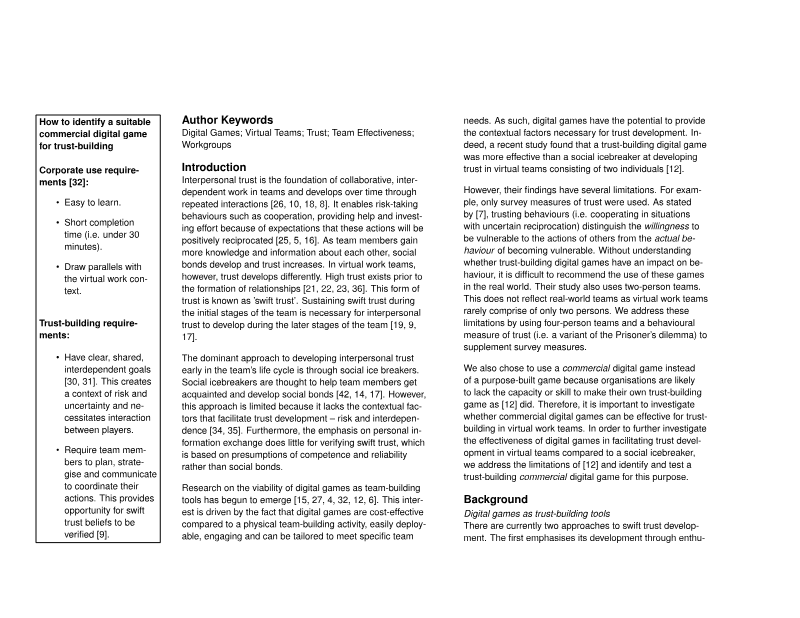
This study evaluates the effectiveness of commercial digital games as tools for building trust within virtual work teams, contrasting them with traditional social icebreakers.
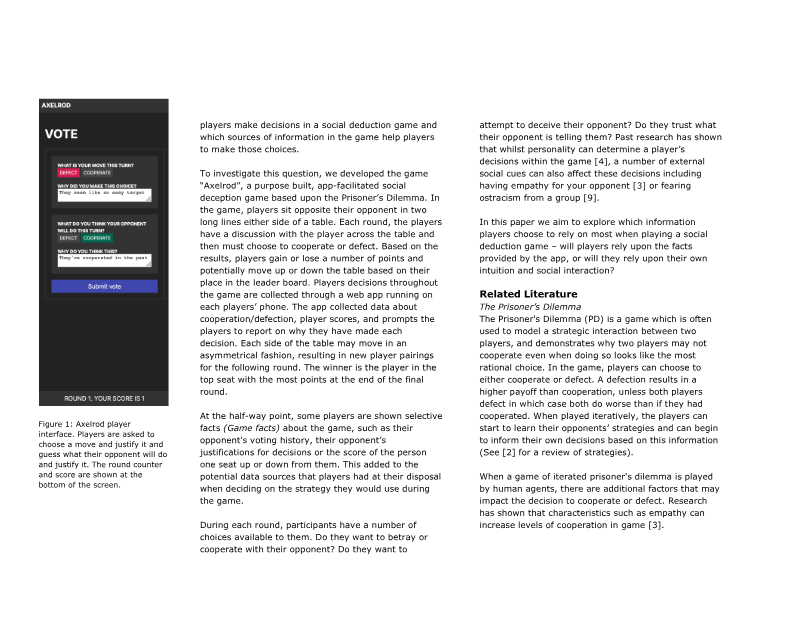

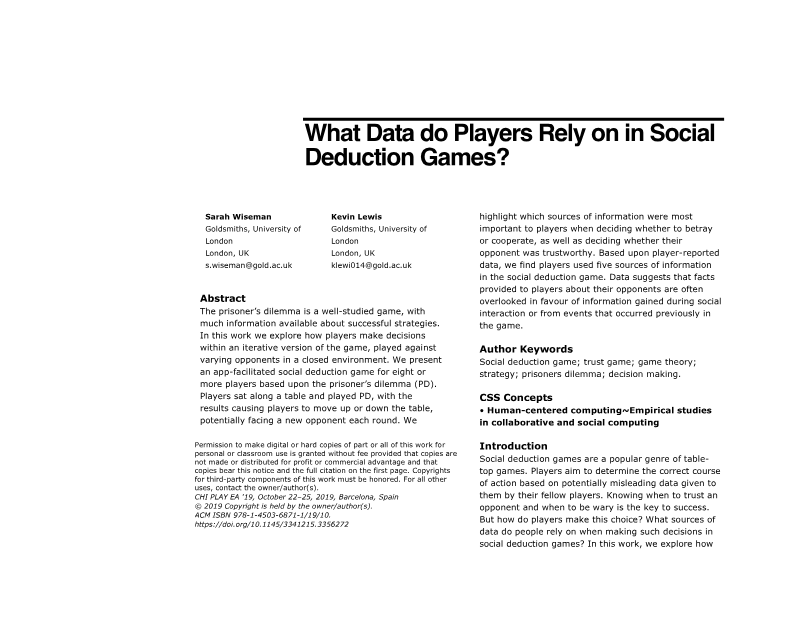
What Data do Players Rely on in Social Deduction Games?
This study investigates the decision-making processes of players in social deduction games, specifically focusing on how individuals determine whether to cooperate or betray opponents in an iterative Prisoner’s Dilemma environment.
- Players in social deduction games overwhelmingly prioritize personal intuition and social interaction over objective, system-provided data when making decisions.
- Objective 'Provided Data'—facts about opponents such as voting history or scores—was the least utilized information source, cited by only 2.3% of players as a factor in their decision-making.
- Players rely on five distinct information sources: Current data, Observed data, Historical data, Meta data (outside relationships), and Provided data.
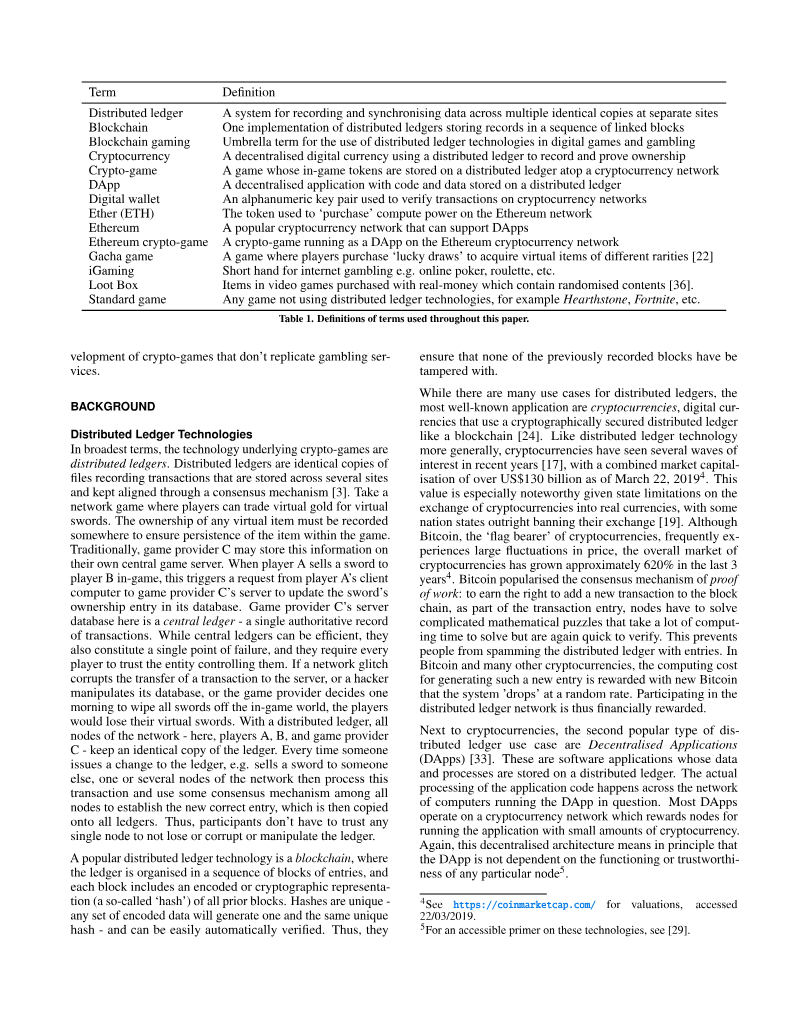


Ethereum Crypto-Games: Mechanics, Prevalence, and Gambling Similarities
Ethereum-based crypto-games represent a significant evolution in digital entertainment, functioning as decentralized applications where virtual assets are recorded on a distributed ledger and possess tangible real-world value.


Towards Age-friendly Exergame Design: The Role of Familiarity
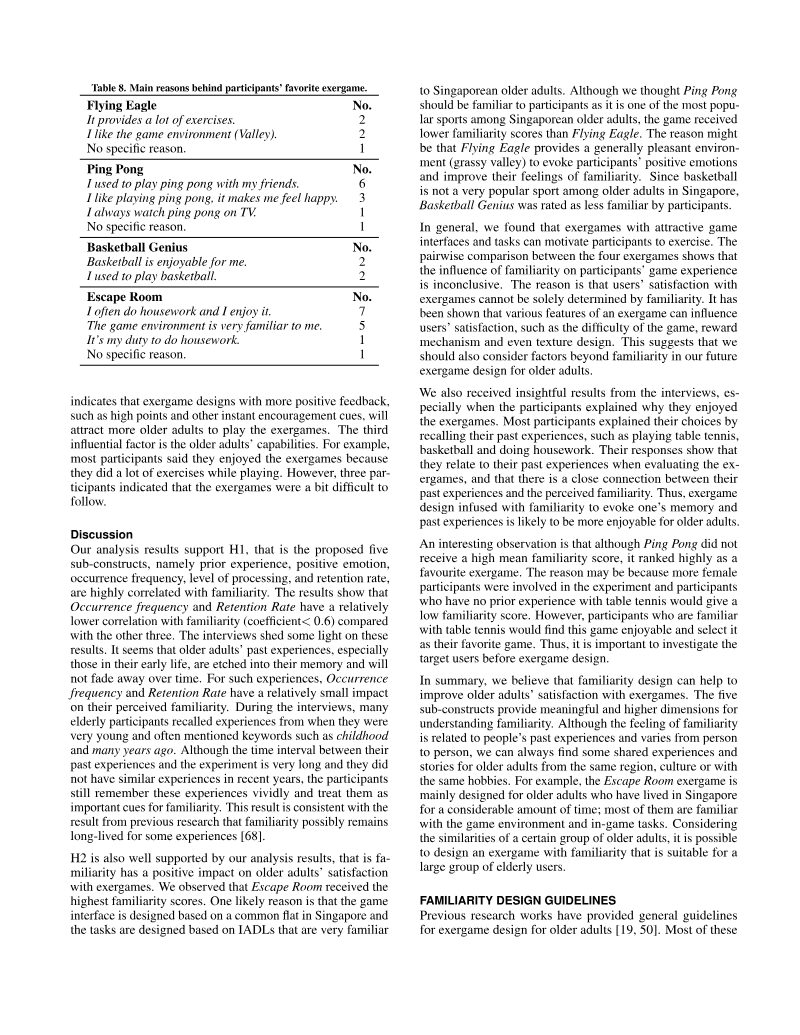
The design of age-friendly exergames relies heavily on the strategic integration of familiarity to bridge the digital divide and improve rehabilitation outcomes for older populations.


Power-Ups in Digital Games: The Rewarding Effect of Phantom Game Elements on Player Experience
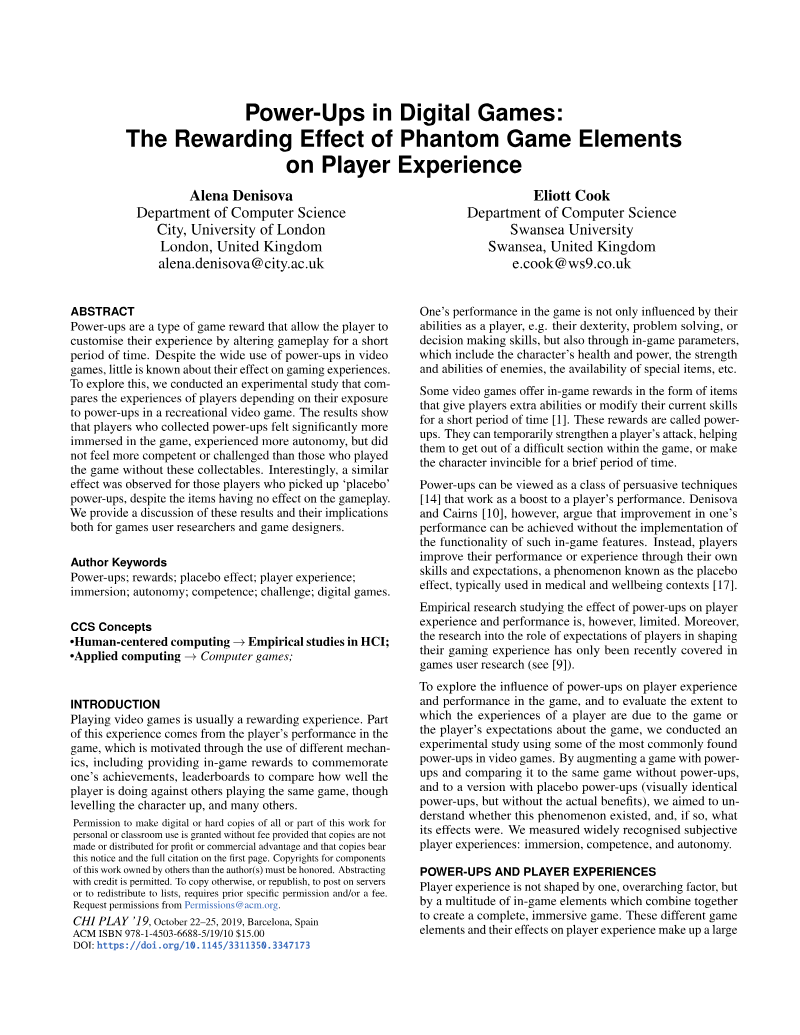
The psychological impact of power-ups in digital games is driven primarily by player expectations rather than the mechanical utility of the items themselves.
- The presence of power-ups significantly increases player immersion and autonomy, regardless of whether the power-up provides actual functional gameplay benefits or is merely a visual placebo.
- Players reported significantly higher levels of immersion when playing with either real or placebo power-ups compared to a control group with no power-ups (p = 0.043 and p = 0.033, respectively).
- There was no statistically significant difference in actual player performance—measured by in-game scores—between the control group, the real power-up group, and the placebo power-up group.


Uncovering Seams in Distributed Play of Tabletop Role-Playing Games
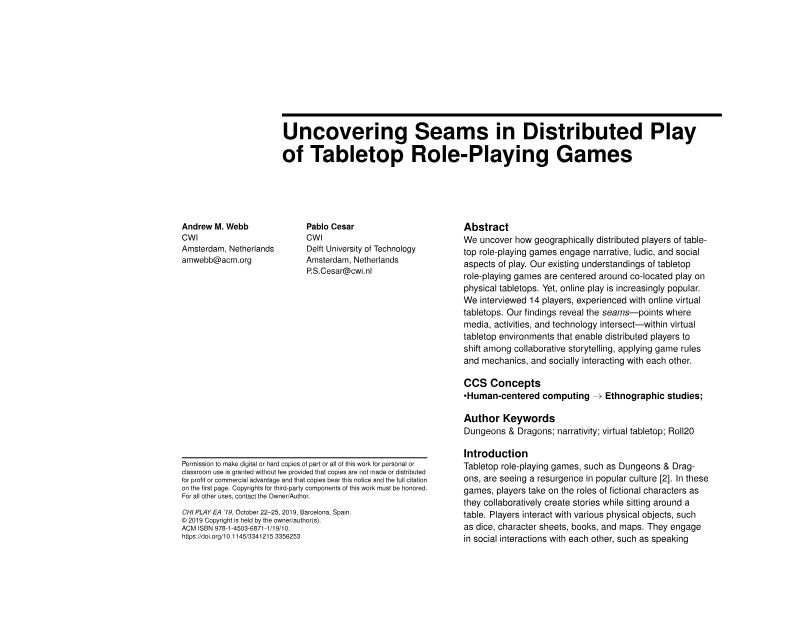
This research investigates how geographically distributed players of tabletop role-playing games (TTRPGs) navigate the intersection of narrative, ludic, and social experiences within virtual tabletop environments.


One of the Baddies All Along: Moments That Challenge a Player's Perspective
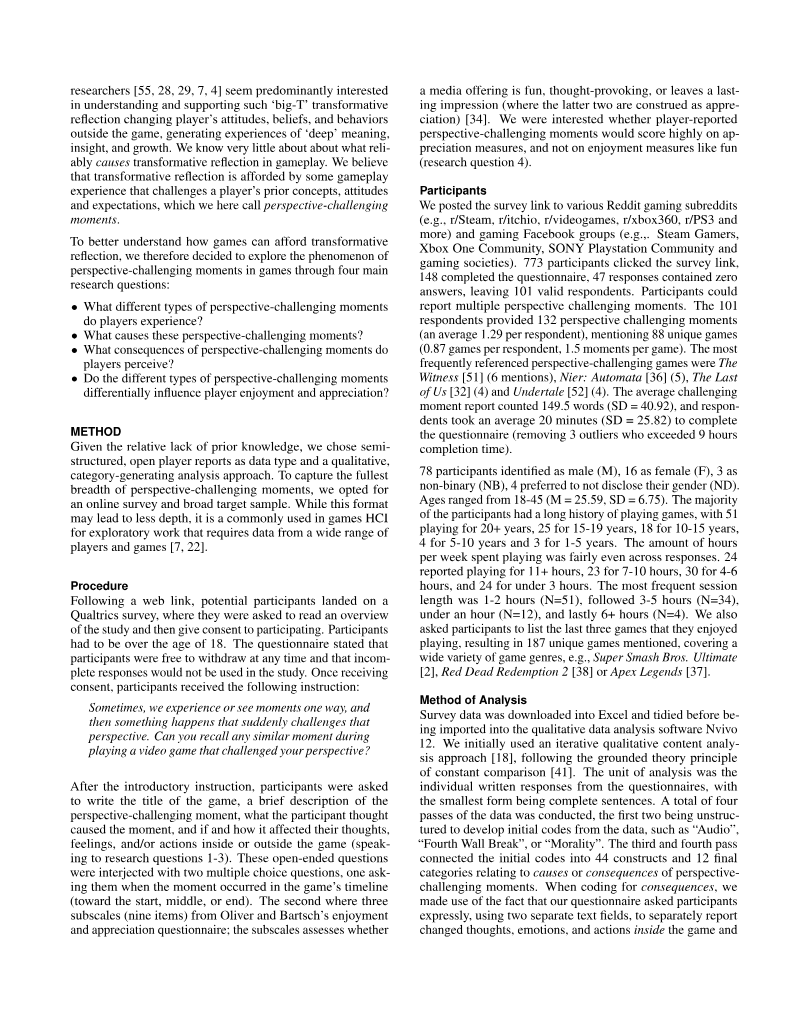
Video games possess a unique capacity to prompt critical reflection by subverting player expectations and challenging established perspectives.
Exploring Apprenticeship Learning for Player Modelling in Interactive Narratives
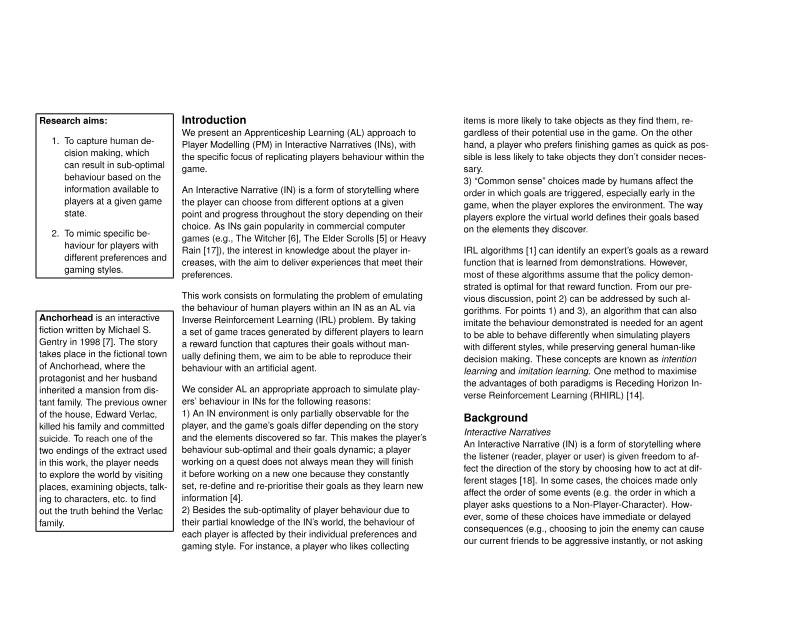
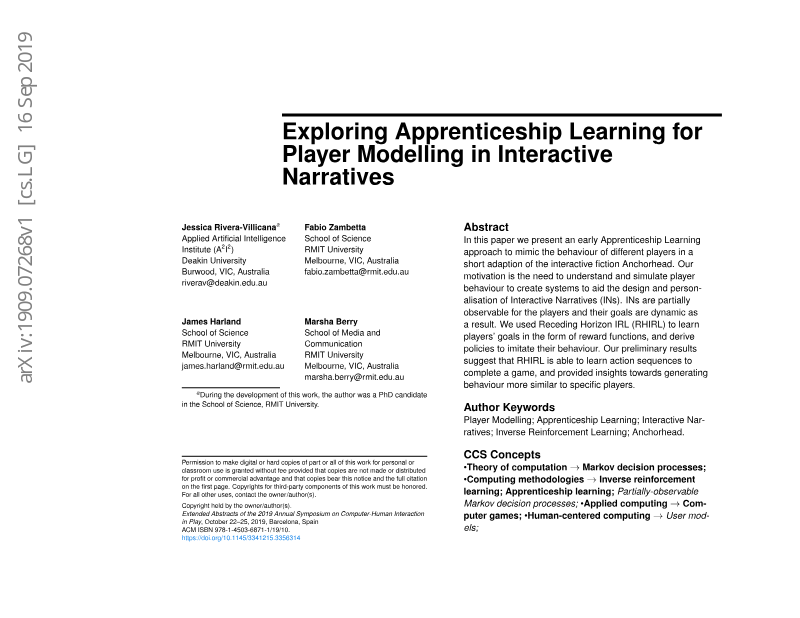
This research explores the application of Apprenticeship Learning (AL) to model player behavior within Interactive Narratives (INs).
- Receding Horizon Inverse Reinforcement Learning (RHIRL) can effectively model player behavior in interactive narratives by learning reward functions from human demonstrations to derive imitation policies.
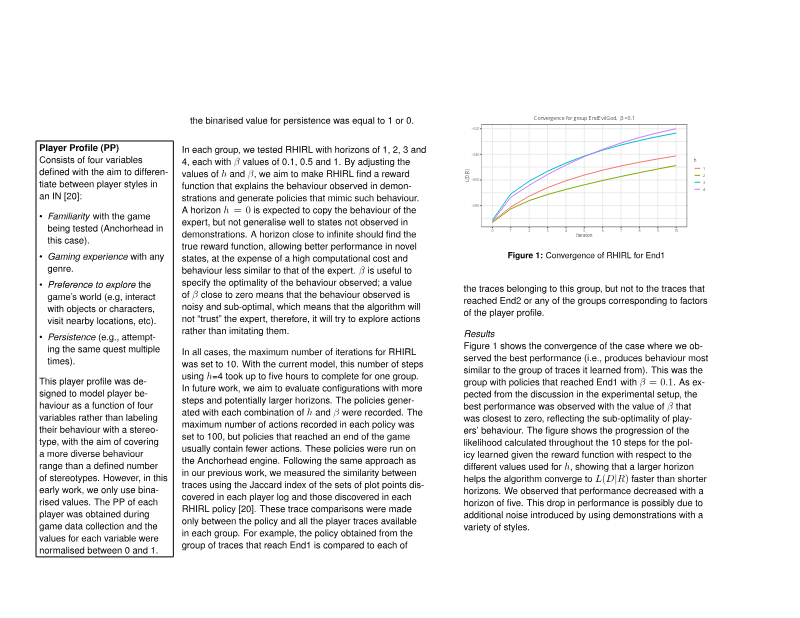
- RHIRL successfully learned action sequences to complete the interactive fiction game Anchorhead, with performance metrics indicating that longer horizons (up to 4 steps) improve convergence to player behavior compared to shorter horizons.
- The study found that configurations prioritizing intention learning—using larger step horizons and assuming sub-optimal player behavior—outperform imitation learning configurations that assume optimal play.