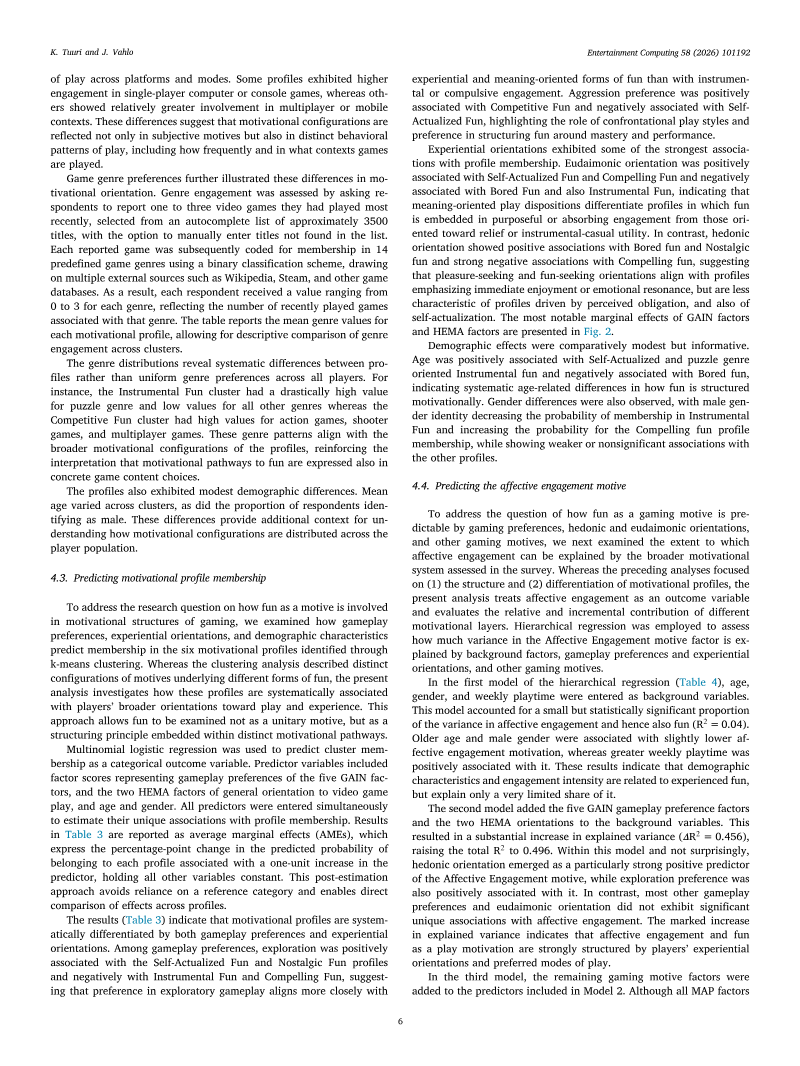
This study investigates the decision-making processes of players in social deduction games, specifically focusing on how individuals determine whether to cooperate or betray opponents in an iterative Prisoner’s Dilemma environment. The research aims to identify which information sources players prioritize when assessing trustworthiness and formulating strategy, contrasting objective, app-provided data against subjective social interaction and personal intuition.
The methodology involved an app-facilitated game called Axelrod, played by 33 participants across four sessions. The game featured a rotating seating arrangement based on performance, with players engaging in brief discussions before making their moves. Throughout the sessions, researchers collected qualitative data by prompting players to justify their decisions, which were subsequently coded into five distinct categories: Current data (conversational), Historical data (past game events), Meta data (external social knowledge), Observed data (in-game behavior), and Provided data (system-generated facts).
The findings indicate that players overwhelmingly favor social and experiential information over objective, system-provided facts. Current data derived from direct interaction was the most influential, accounting for 23.3% of decision justifications, followed by Historical data at 8.1%. In contrast, Provided data—the objective facts supplied by the app—was the least utilized source, cited in only 2.3% of decisions. The study concludes that players are generally skeptical of external, objective information, preferring to rely on their own interpretations of social cues and previous gameplay experiences. These results suggest that in social deduction genres, the human element of communication and perceived reputation significantly outweighs algorithmic or factual inputs in shaping strategic behavior.