1 free read left. Create a free account for unlimited reading + AI research.
Create free accountWhitepaper Université de Lorraine
1 free read left. Create a free account for unlimited reading + AI research.
Create free accountWhitepaperUniversité de Lorraine
A new eight-dimensional Carroll diagram provides a diagnostic framework to classify thirty-seven distinct forms of game-inspired activities.
The blurring lines between recreational gaming and utilitarian productivity necessitate a more rigorous classification system for game-inspired design. Current frameworks often fail to adequately distinguish between gamification, serious games, and serious play, leading to confusion in both academic and professional spheres. By establishing a multi-variable taxonomy, practitioners can better navigate the complex intersection of play and labor, ensuring that design choices align with intended outcomes rather than defaulting to generic, potentially manipulative strategies.
At the core of this analytical framework is an eight-dimensional Carroll diagram that categorizes thirty-seven distinct forms of game-inspired activity. These variables, which include factors such as transparency, user autonomy, and the primary beneficiary, serve as a diagnostic tool to differentiate between educational, persuasive, and utilitarian applications. This classification is vital for ethical design, as it helps developers avoid the pitfalls of exploitationware and provides clarity regarding whether a user is acting as a voluntary player or a productive contributor.
Beyond static categorization, the evolution of these tools is best understood through a design continuum featuring six combinable processes, including playification, workification, and degamification. These processes illustrate how game structures and professional practices continuously influence one another. Ultimately, the effectiveness of any game-inspired tool remains highly dependent on its specific context of application. By utilizing this multi-variable approach, designers can move beyond superficial implementation to create more transparent, purposeful, and ethically sound systems that bridge the gap between the mechanics of play and the demands of productive work.
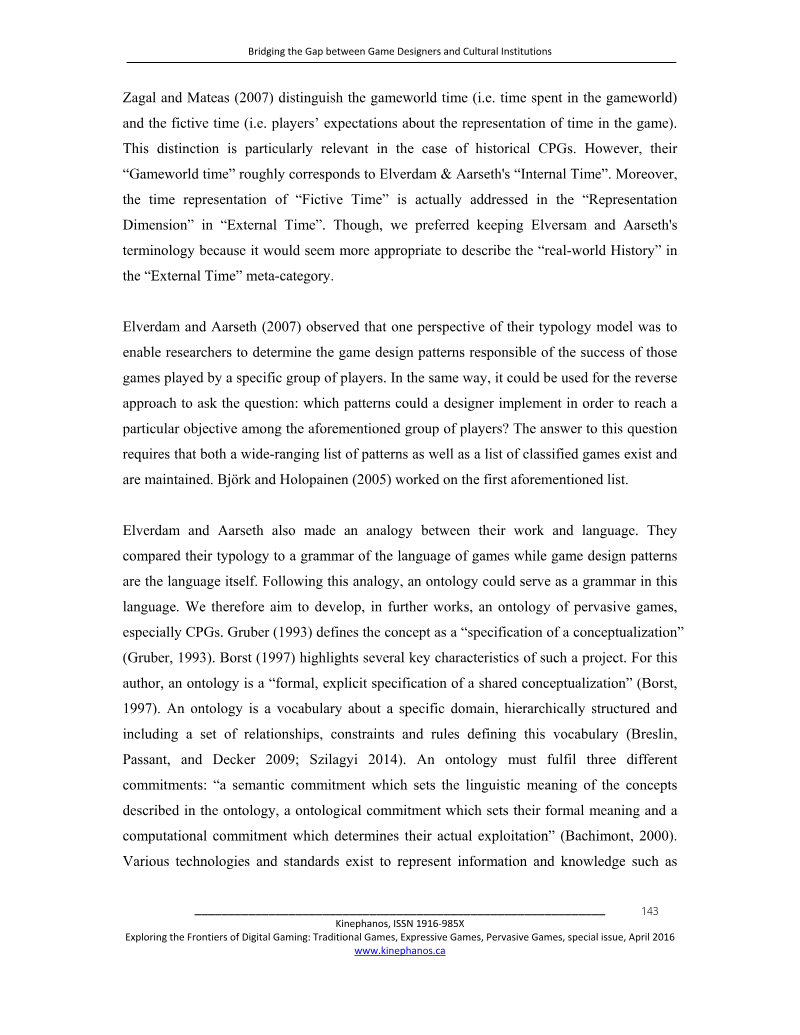
Kinephanos · 2016



Serious Games Society · 2026



European Conference on Games Based Learning (ECGBL) · 2026



European Conference on Games Based Learning (ECGBL) · 2026
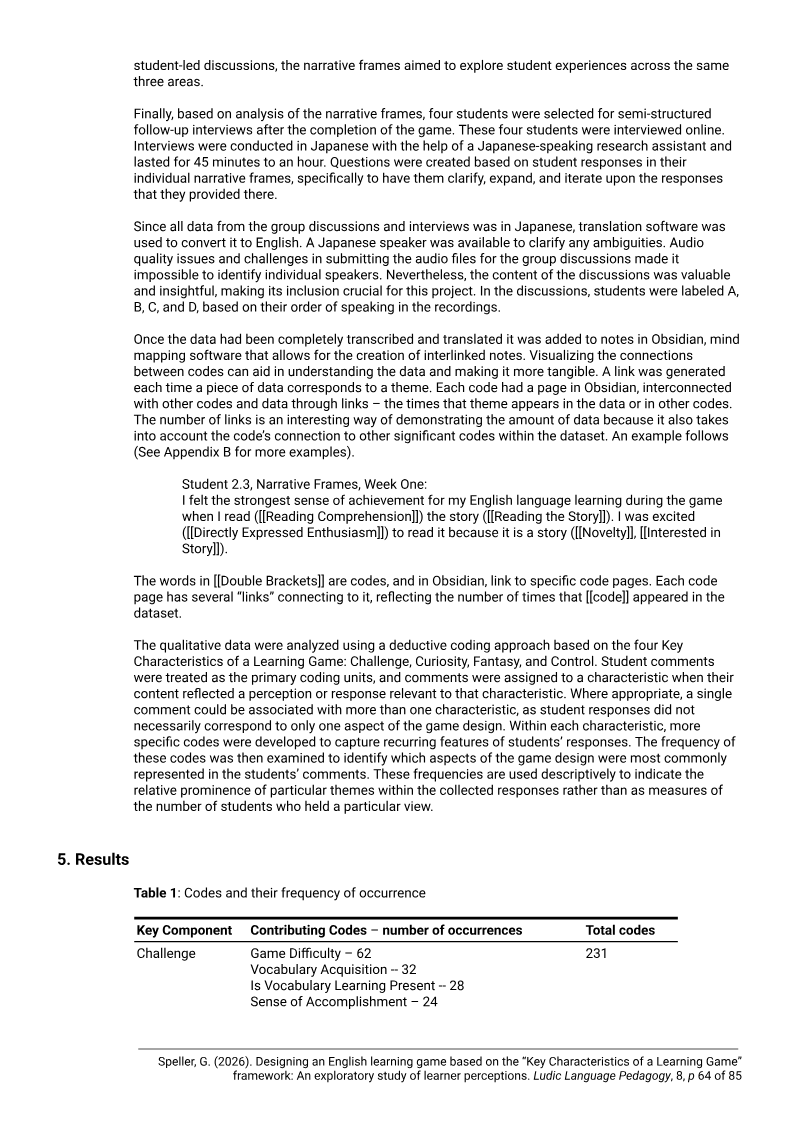
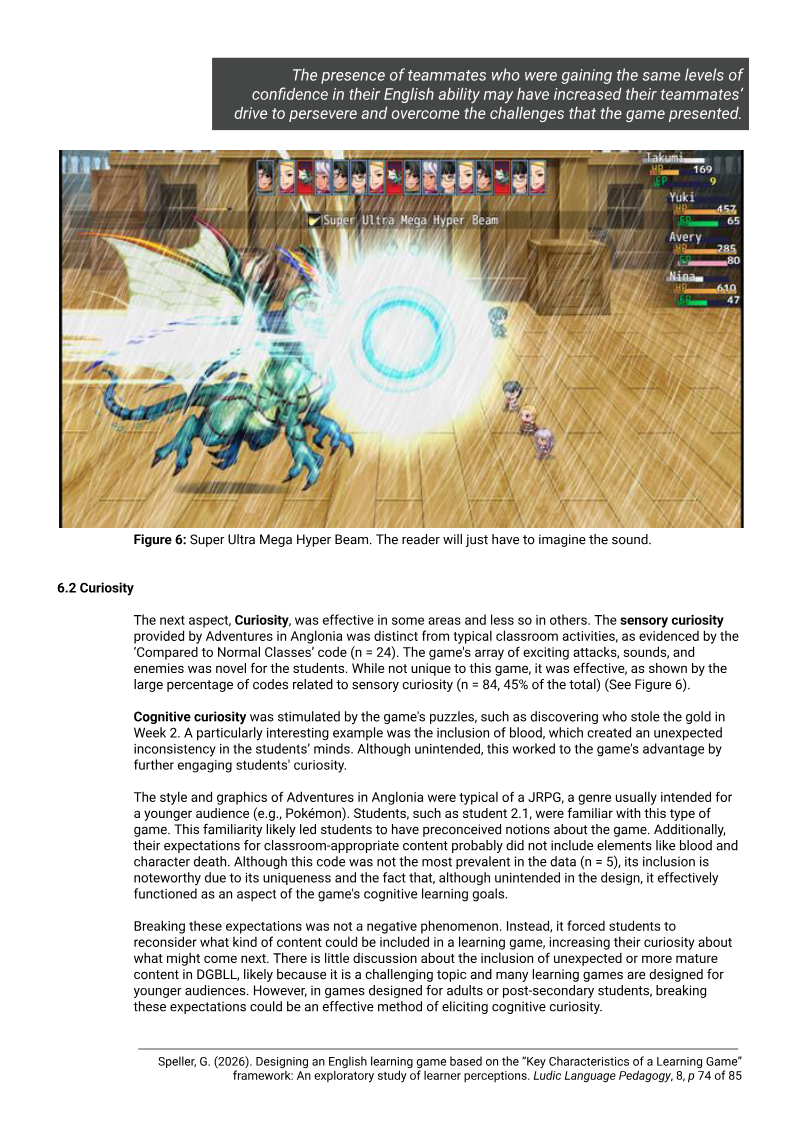
Ludic Language Pedagogy · 2026
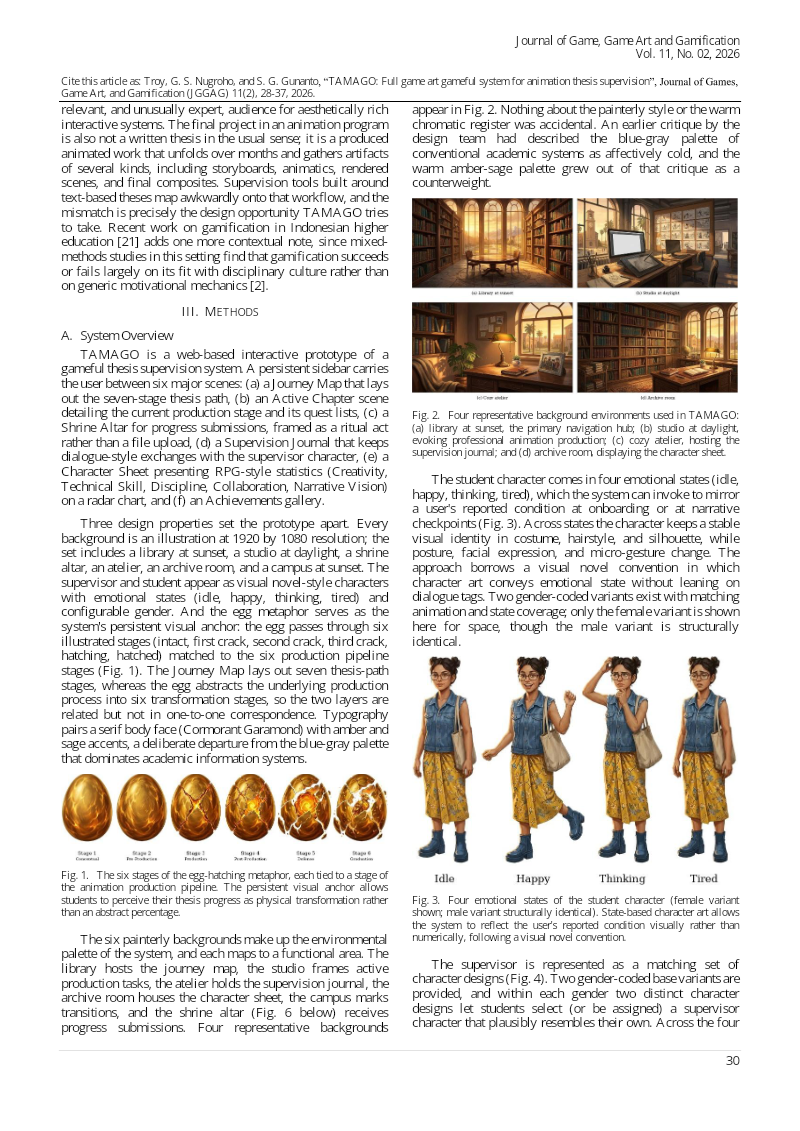
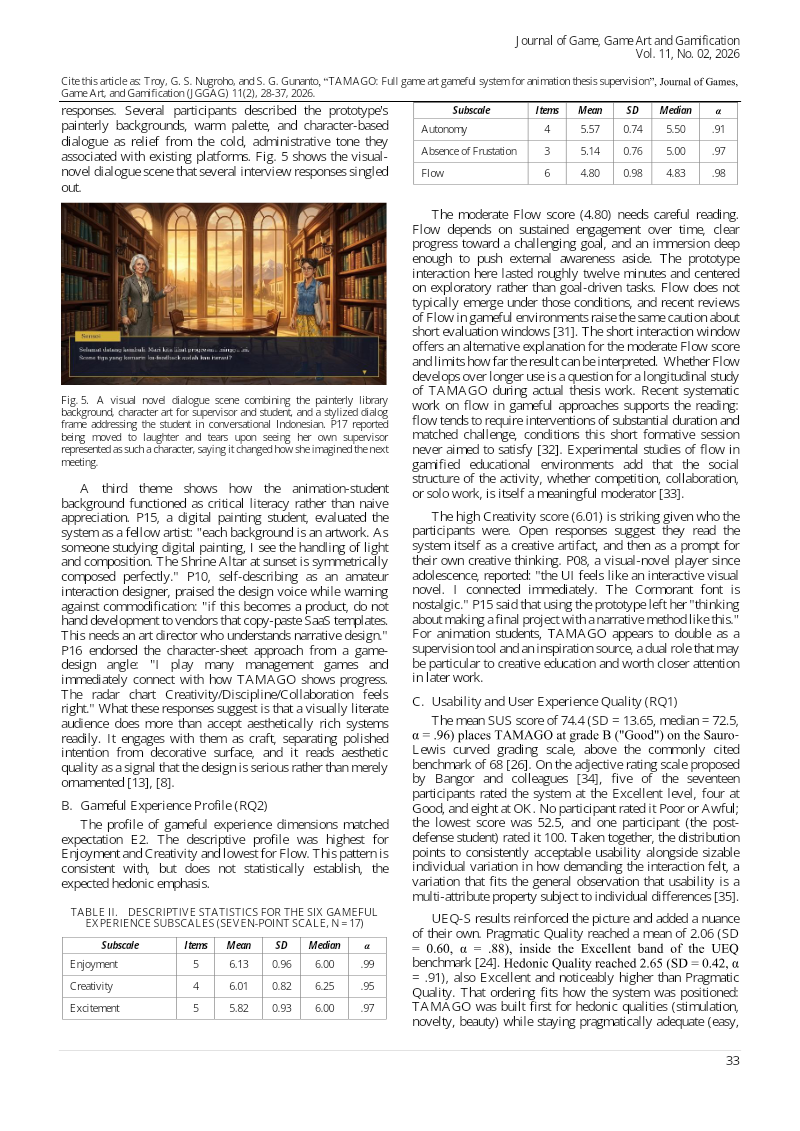
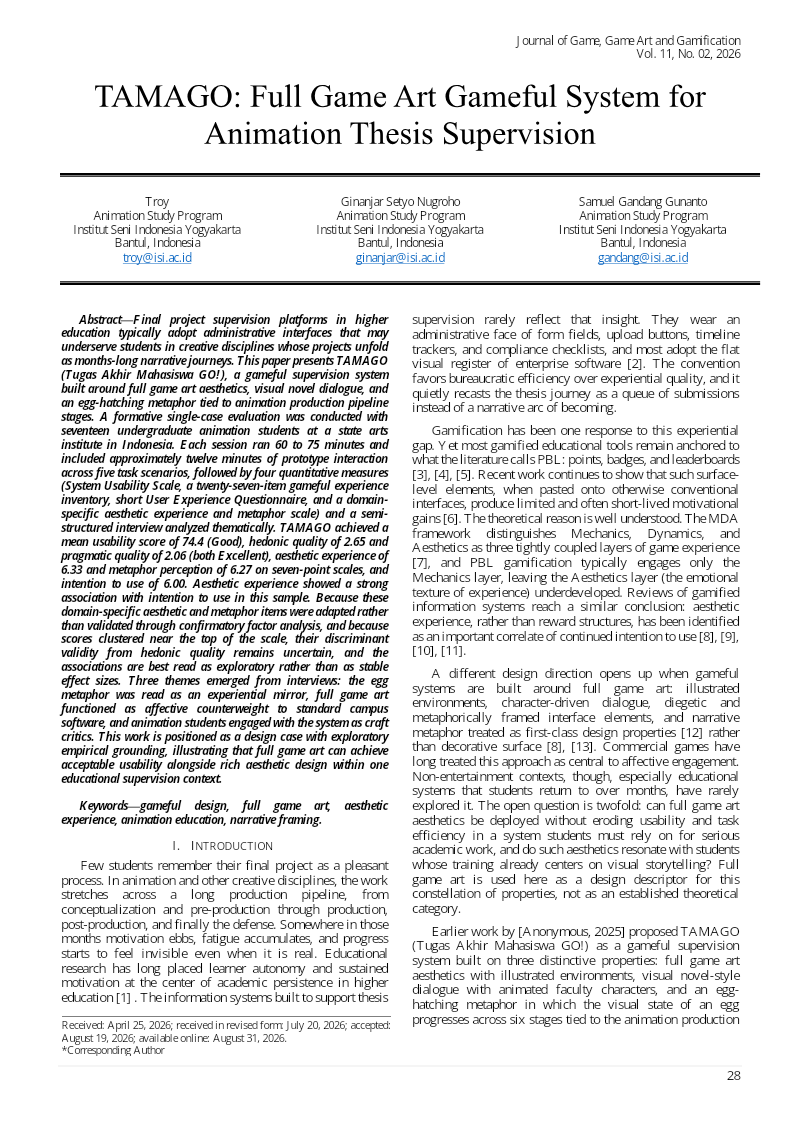
Institut Seni Indonesia Yogyakarta · 2026



Ludic Language Pedagogy · 2026
International Journal of Role-Playing · 2026



International Journal of Role-Playing · 2026
International Journal of Role-Playing · 2026
Serious Games Society · 2026



International Journal of Serious Games · 2026