Game Studies reports and market data
Documents
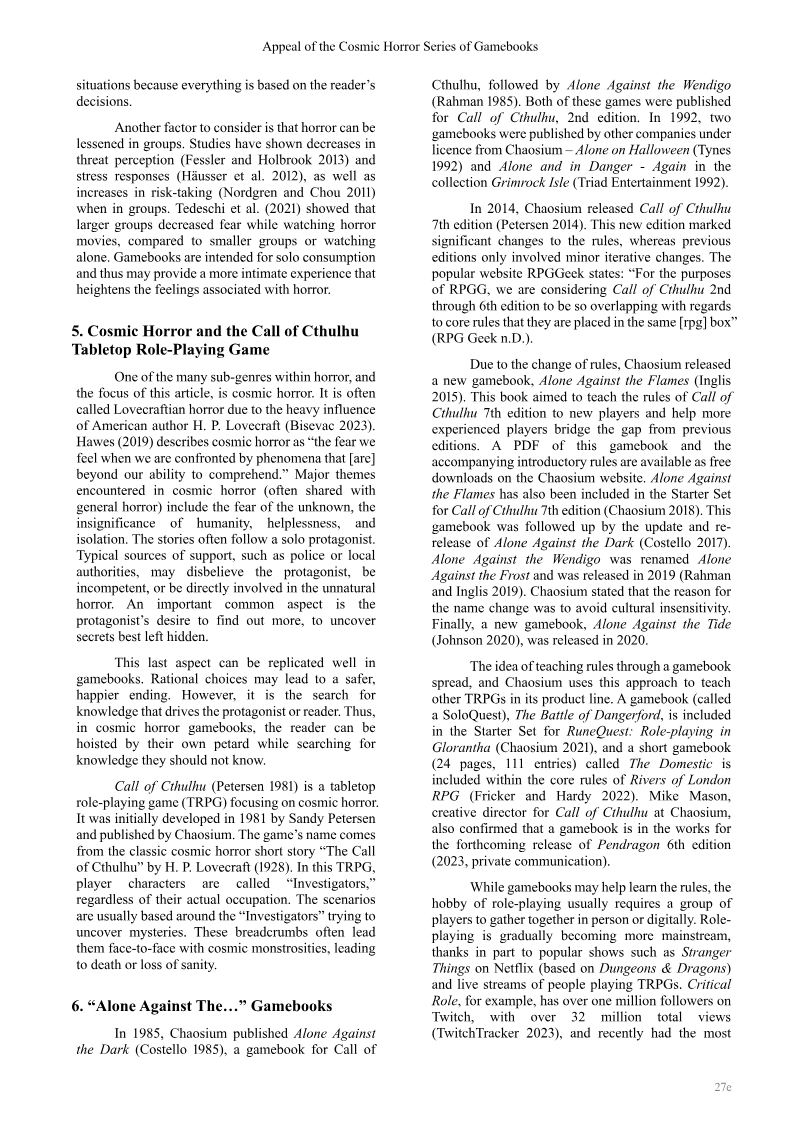
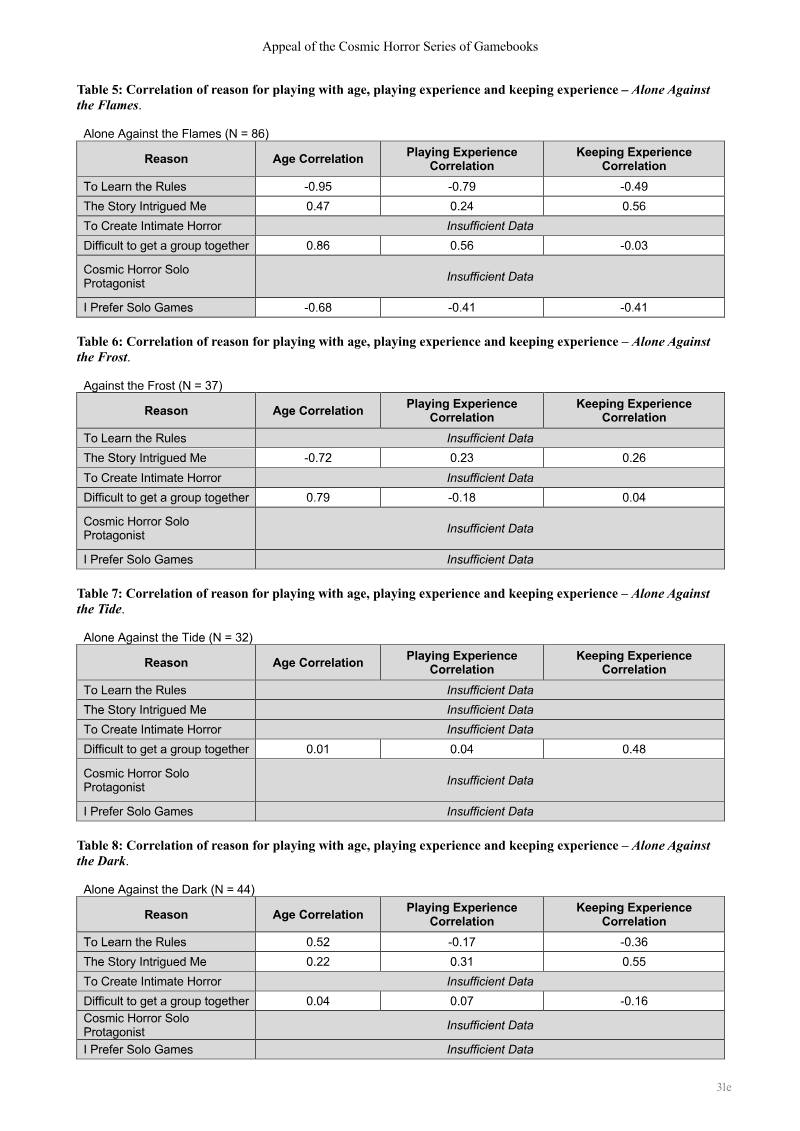
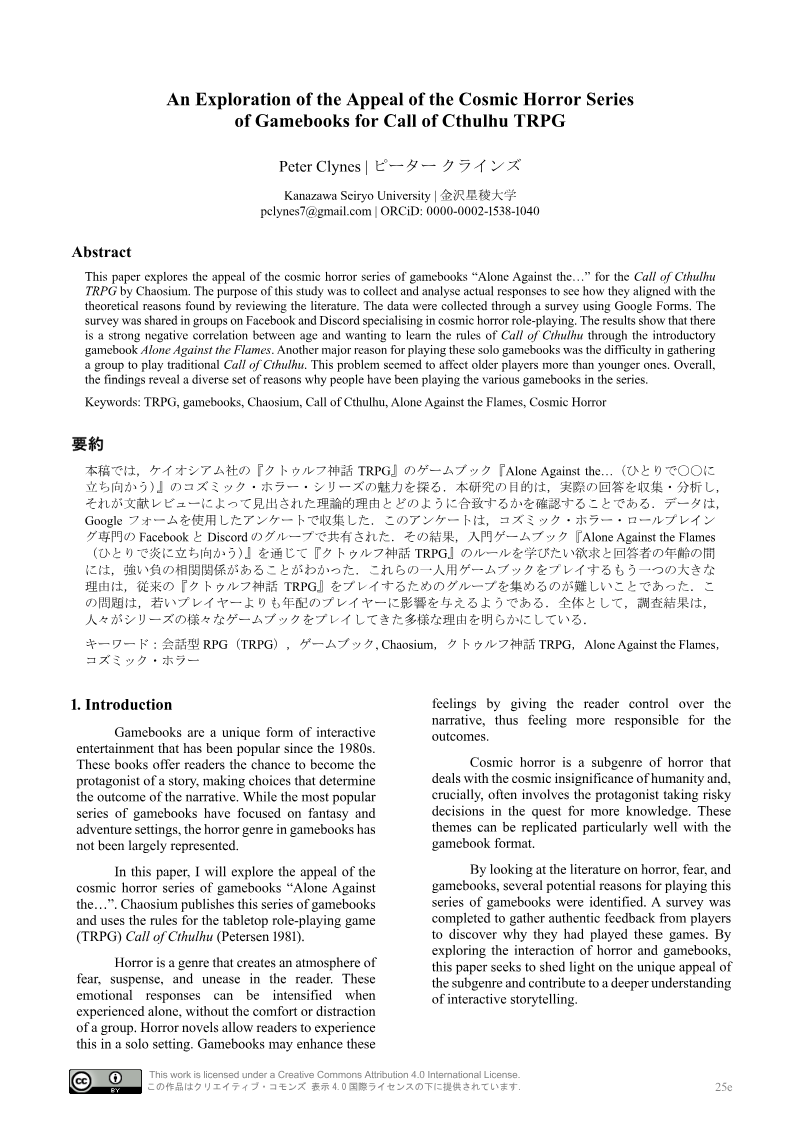
An Exploration of the Appeal of the Cosmic Horror Series of Gamebooks for Call of Cthulhu TRPG
The Alone Against the… gamebook series serves as a critical bridge between traditional tabletop roleplaying and solo engagement within the Call of Cthulhu ecosystem.
- The 'Alone Against the…' gamebook series serves as a primary solution for Call of Cthulhu players who face logistical barriers to organizing traditional group tabletop sessions.
- Data from over 10,000 community members and player surveys identifies 'Alone Against the Flames' as the most prominent series entry, primarily due to its effectiveness in teaching complex rules.
- There is a distinct demographic divide in usage: younger players primarily utilize the series for system mastery and instruction, while older players use it as a functional substitute for the social tabletop experience.
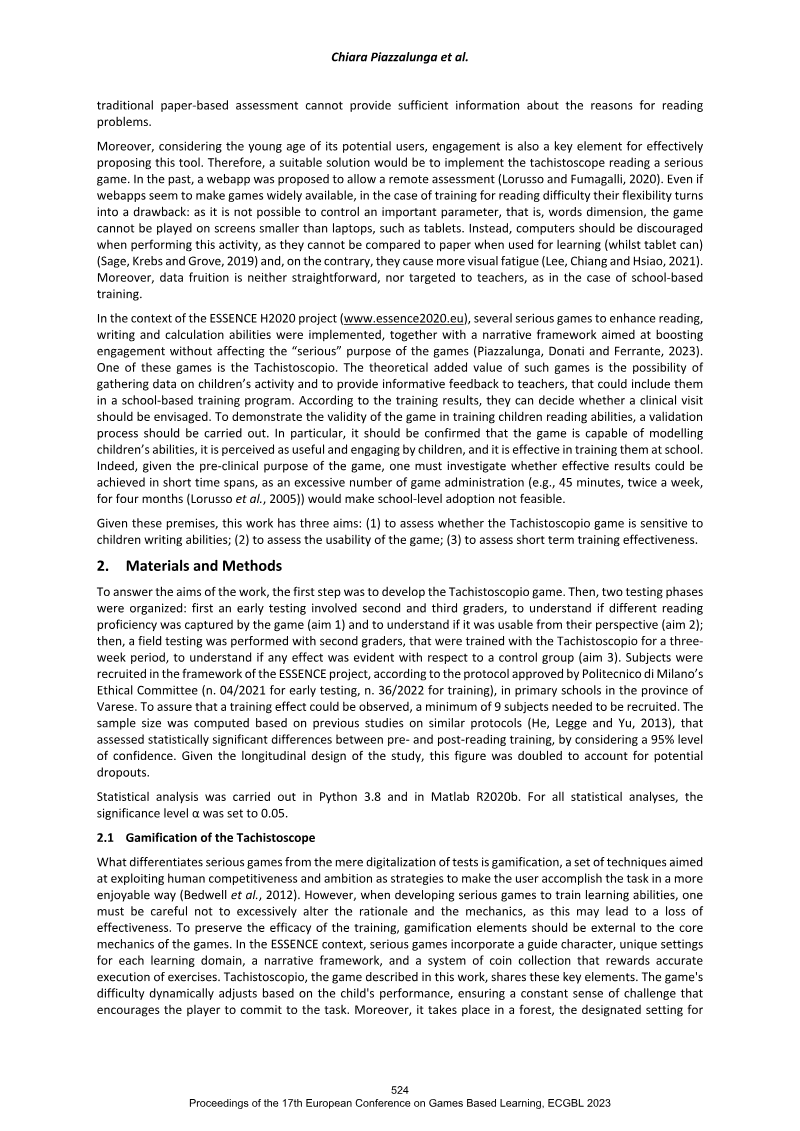
Evaluating the Efficacy of a Serious Game in Enhancing Word Reading Speed
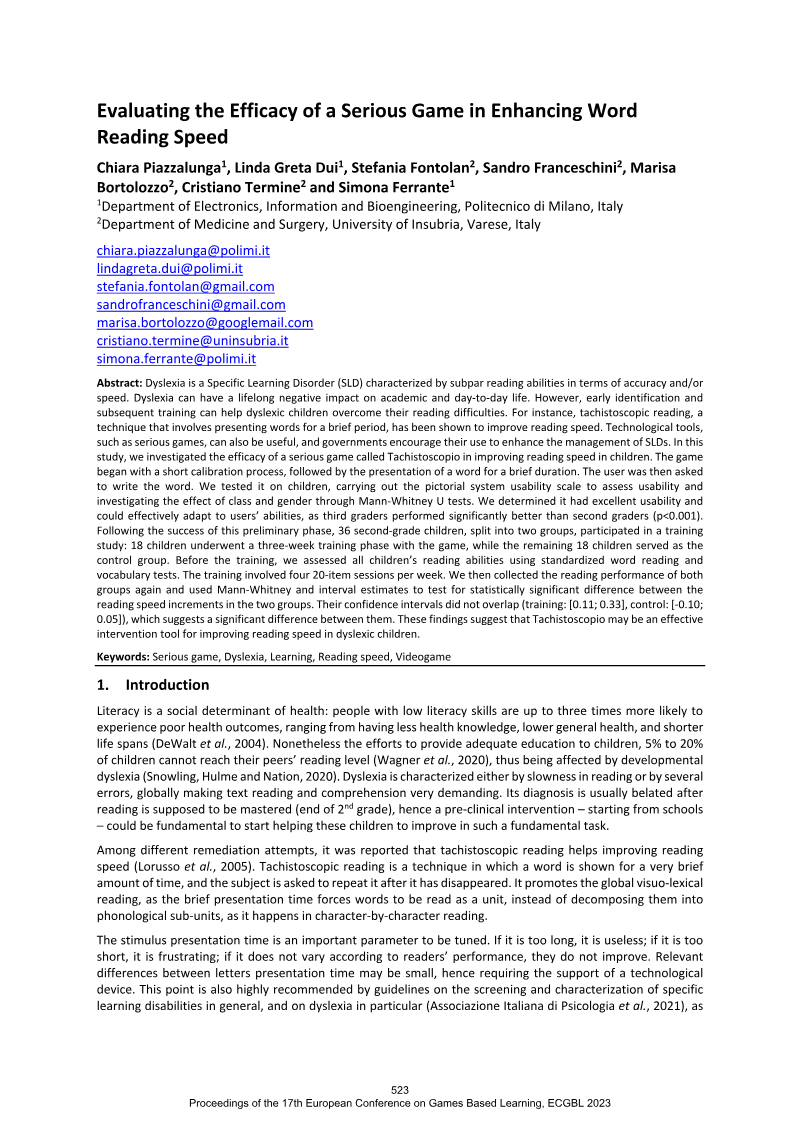
This study evaluates Tachistoscopio, a tablet-based serious game that gamifies tachistoscopic reading, a technique in which words are shown briefly and must be reproduced by the reader, with the goal of improving word reading speed in children.
- Tachistoscopio, a tablet-based serious game built on tachistoscopic word presentation, was tested on the question of whether it can improve word reading speed in children, addressing three aims: discriminating proficiency levels, usability/appeal, and short-term training gains.
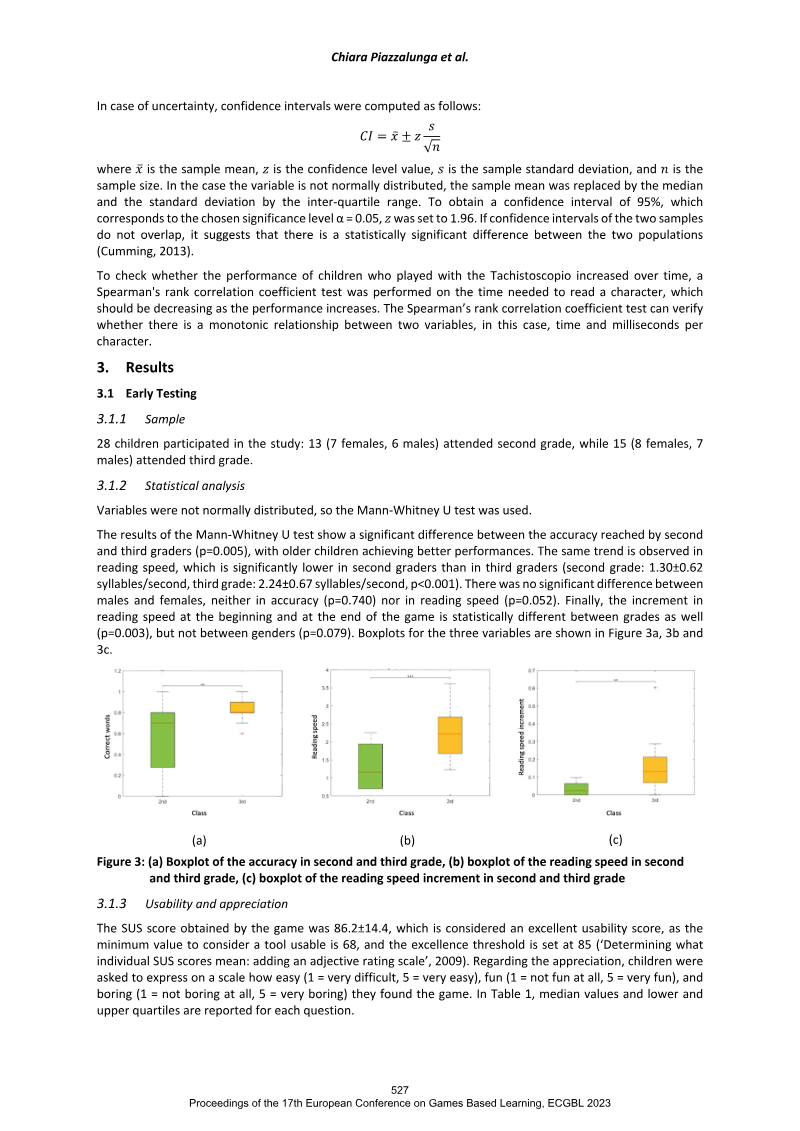
- In an early study of 28 second and third graders, the game distinguished grade levels, with third graders reading at 2.24 syllables/second versus 1.30 for second graders (p<0.001), and showing significantly higher accuracy.
- Usability was rated excellent with a Pictorial System Usability Scale score of 86.2, children found the game highly enjoyable and not boring, and no significant gender differences were observed.
Researching Game-Based Learning: A Brief Synthesis Project
This research synthesis examines digital game-based learning (DGBL) literature, screening roughly 1,500 database results down to about 1,300 papers published from 2010 onward.
- The synthesis screened roughly 1,500 database results down to about 1,300 papers published from 2010 onward on digital game-based learning (DGBL).
- Motivation is the most substantive finding: of 537 papers referencing motivation in titles, keywords, or abstracts, only 120 were reviewed in full, revealing that the construct is often used interchangeably with engagement, persistence, and flow.
- Many studies center motivation without defining it, and self-report and observational measures vary considerably across studies, leaving what the authors call a "black box" conception of motivation in the field.
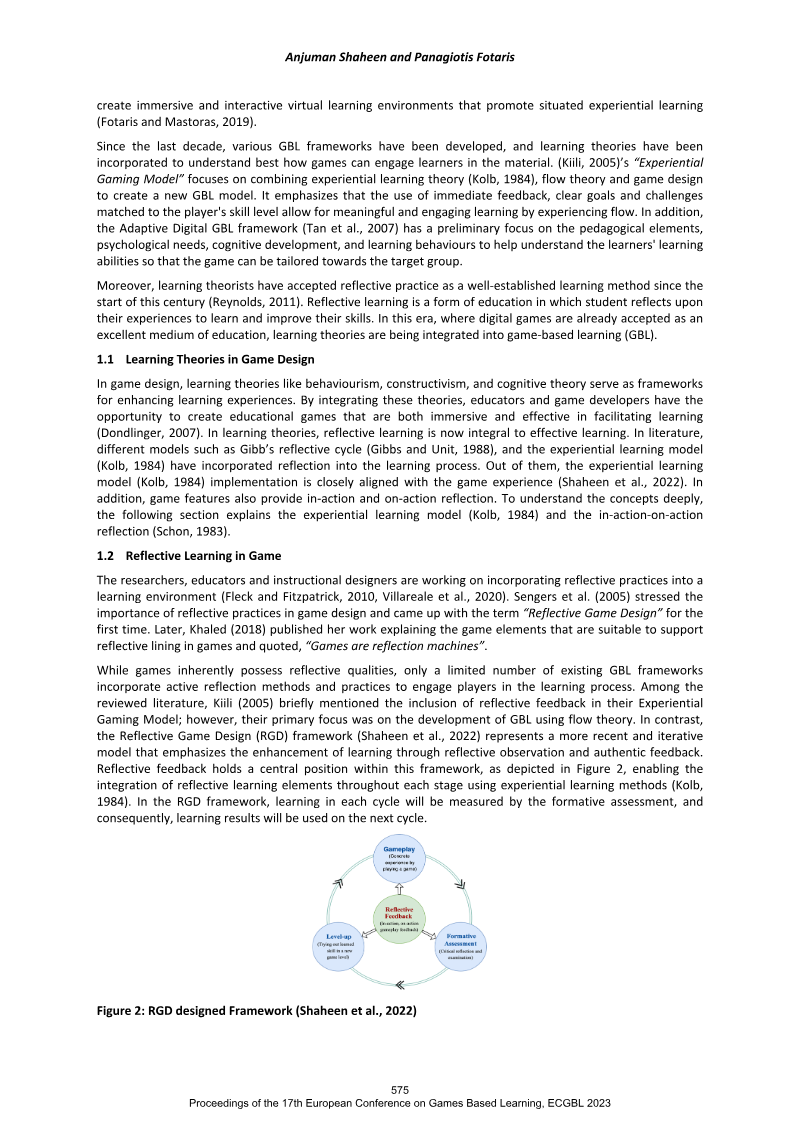
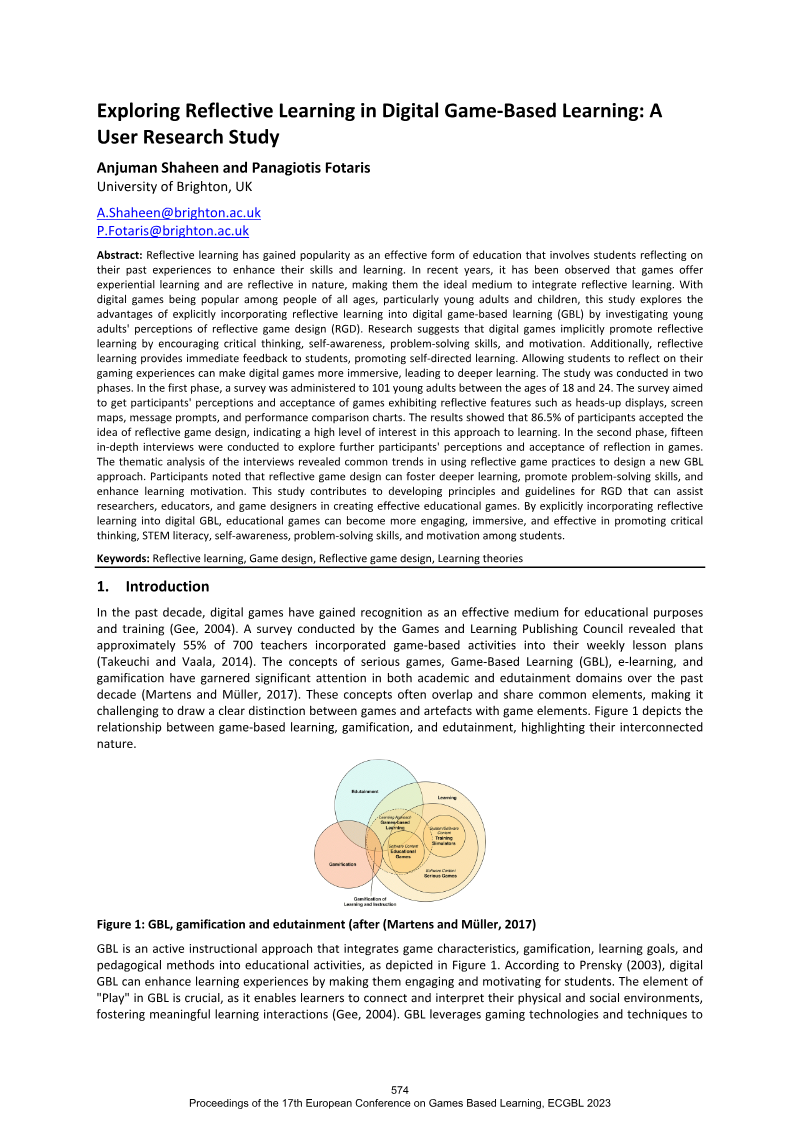
Exploring Reflective Learning in Digital Game-Based Learning: A User Research Study
Shaheen and Fotaris's user research examines reflective game design (RGD) within digital game-based learning, asking whether young adults accept reflective elements in games and what those elements should look like.
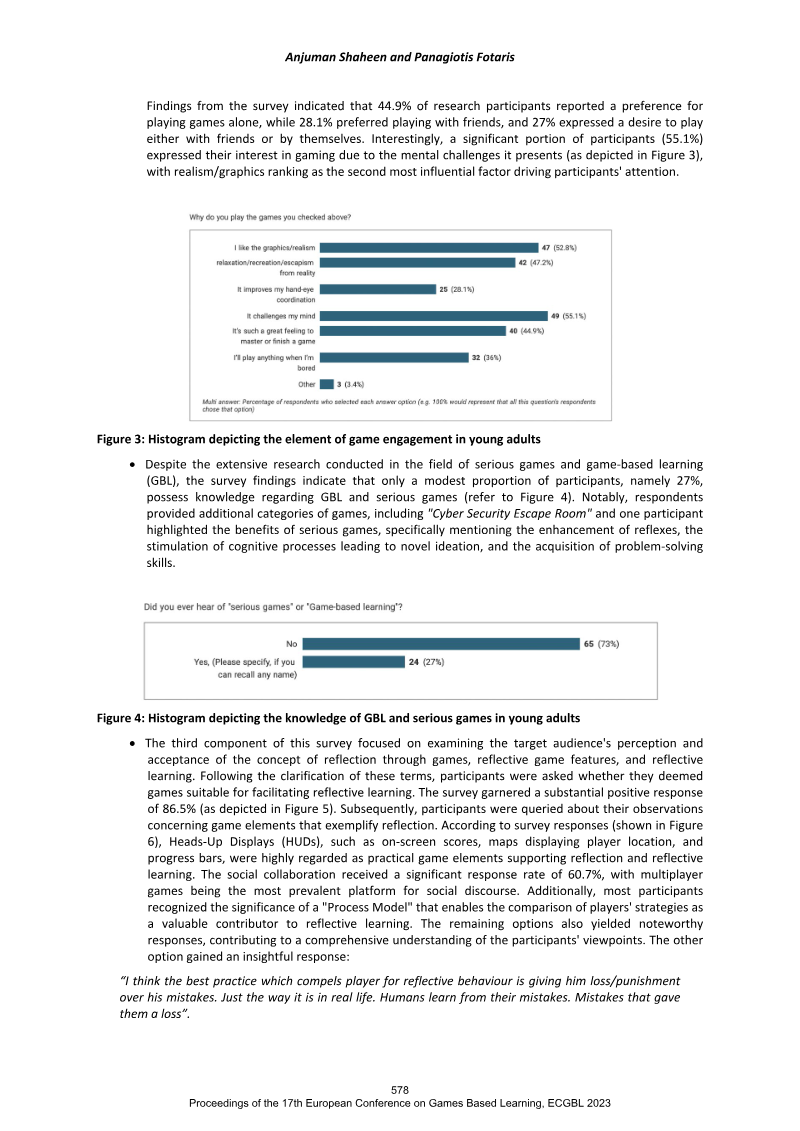
- 86.5% of the 101 survey respondents (aged 18 to 24) considered digital games an appropriate medium for reflective learning, showing strong acceptance of the concept.
- Heads-up displays (61.8%), social discourse (60.7%), and strategy-related feedback (47.2%) were rated the most useful game features for supporting reflection.
- Interviews with 15 participants suggested reflective game design can deepen learning, support problem-solving, and sustain motivation, with games associated with competitiveness, mental challenge, narrative, patience, and planning.
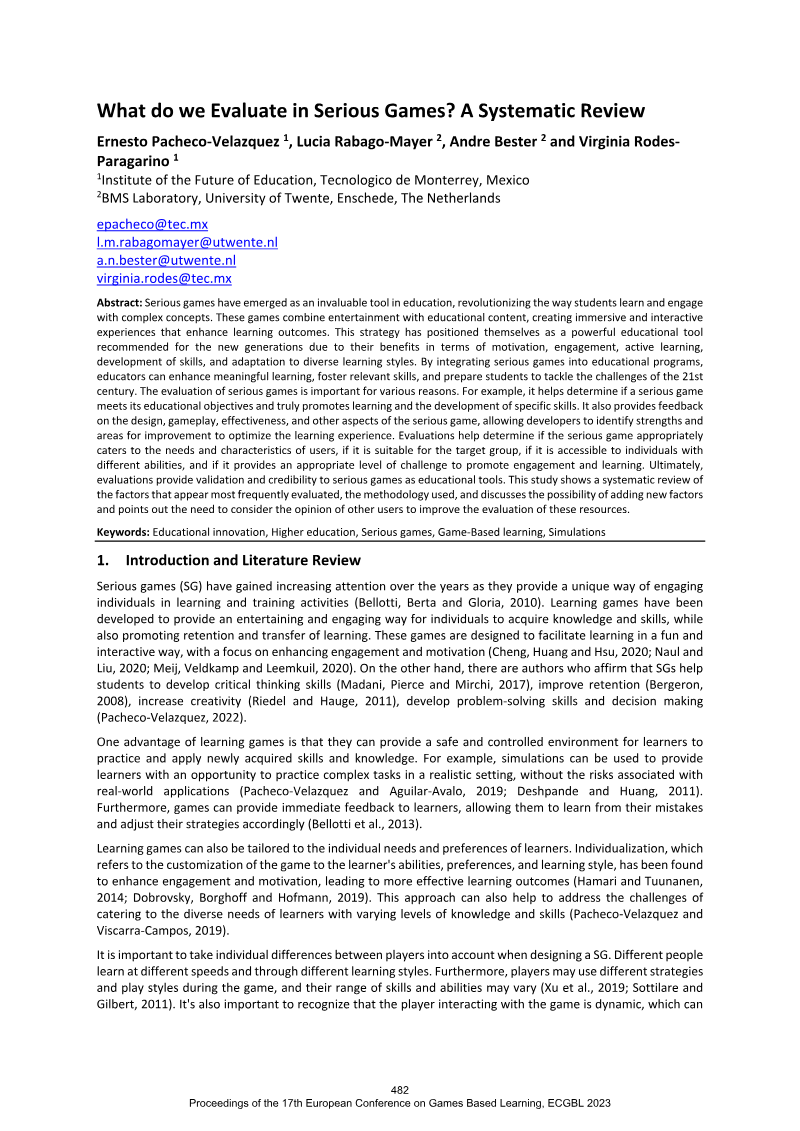
What do we Evaluate in Serious Games? A Systematic Review
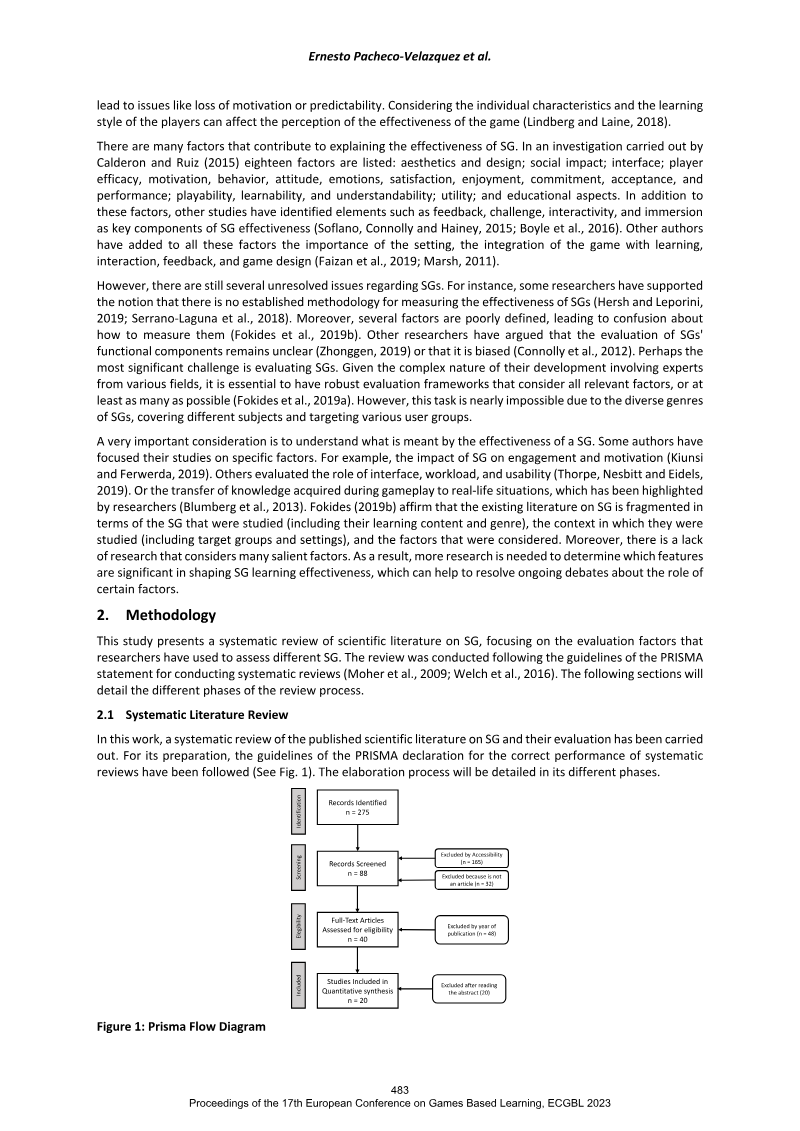
This systematic review examines what researchers actually evaluate when they assess serious games, a question the authors argue has been addressed inconsistently across the literature.
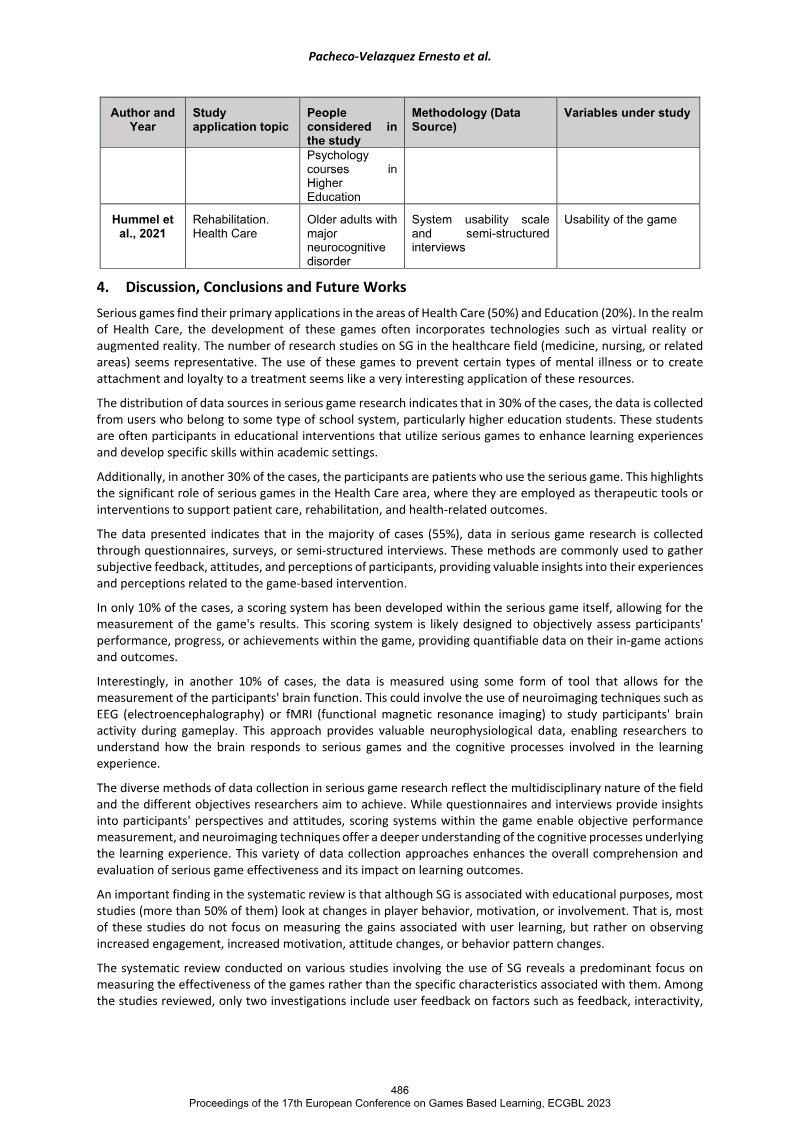
- More than half of the reviewed serious game studies measured changes in player behavior, motivation, or engagement rather than actual learning gains, despite the games being designed for educational purposes.
- Of 275 records initially identified via a 2021–2023 Scopus search, 20 studies were included in the systematic review following PRISMA guidelines.
- Health care accounts for roughly half of the serious game applications studied and education for about 20 percent, with VR and AR frequently used in health-focused designs.
Using In-game Analytics to Explore Learning Dynamics of Information Literacy in a Social Media Simulator
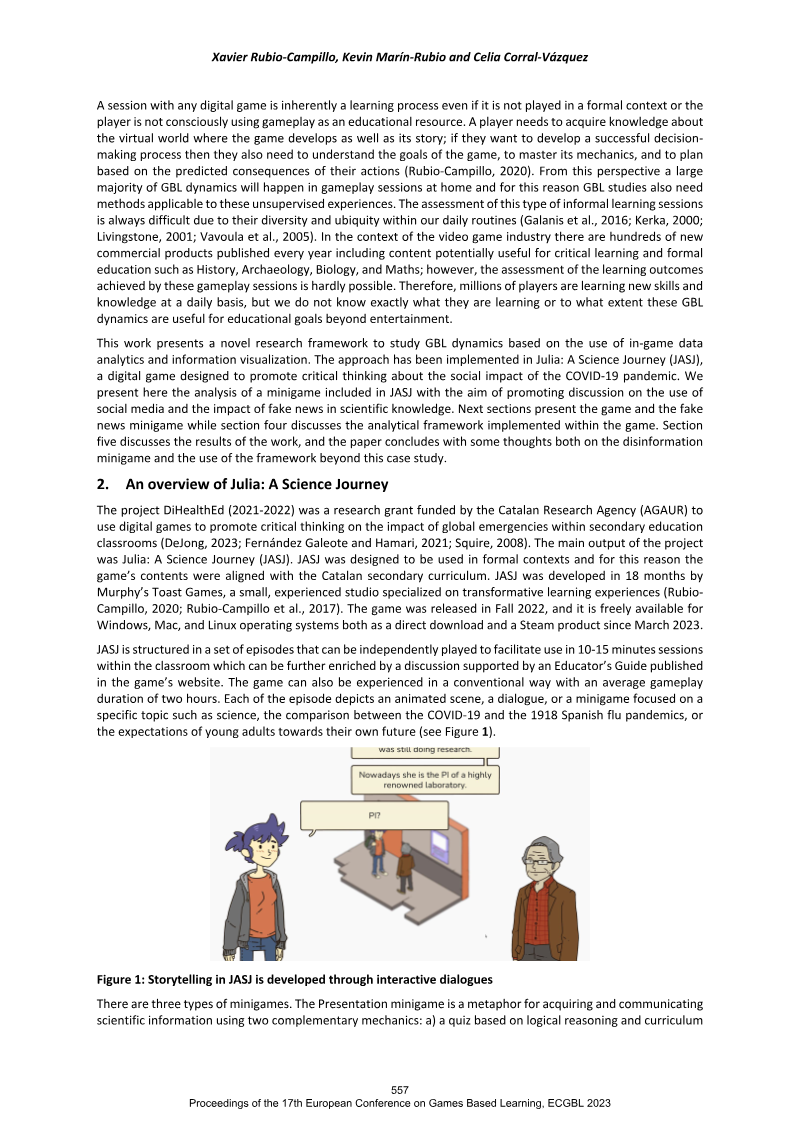
This study presents an in-game analytics framework for evaluating how players learn to identify fake news within Quacker, a social media simulator embedded in the educational video game Julia: A Science Journey.
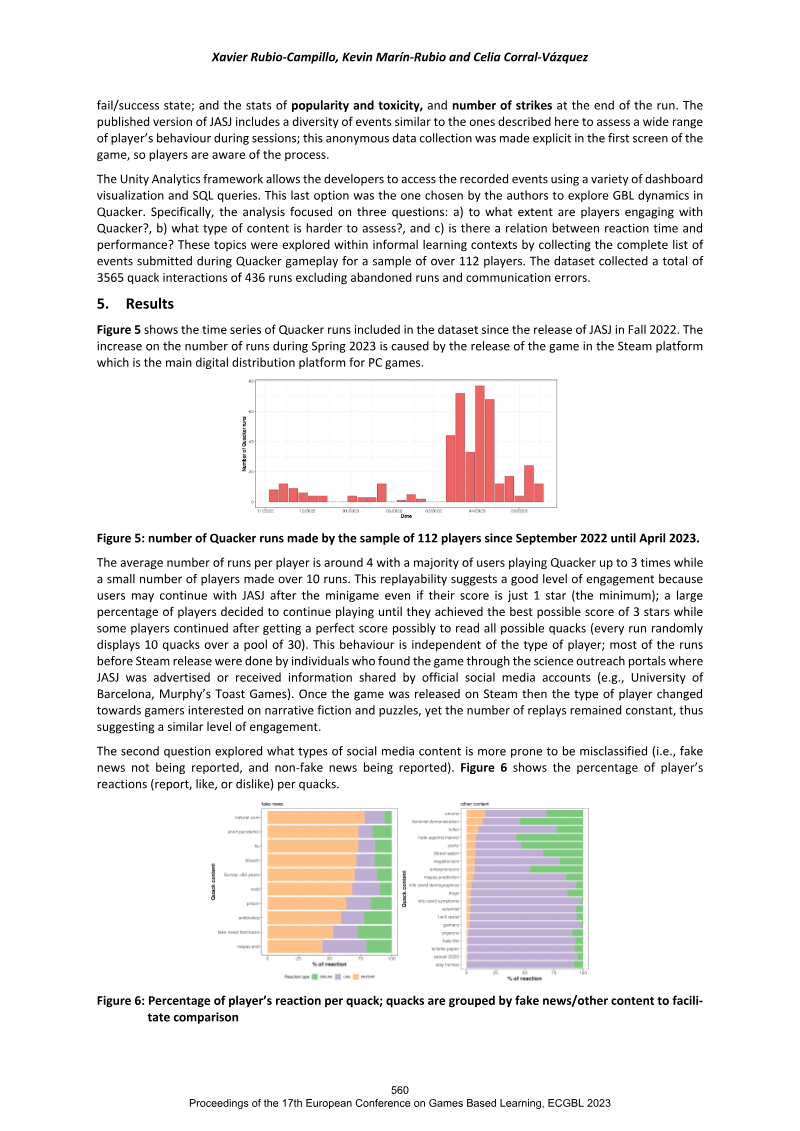
- The study introduces an in-game analytics framework, built on Unity Analytics logging, to track how players reason through fake-news detection inside the Quacker social media simulator in the game Julia: A Science Journey, arguing that surveys and focus groups miss the non-linear learning dynamics of play.
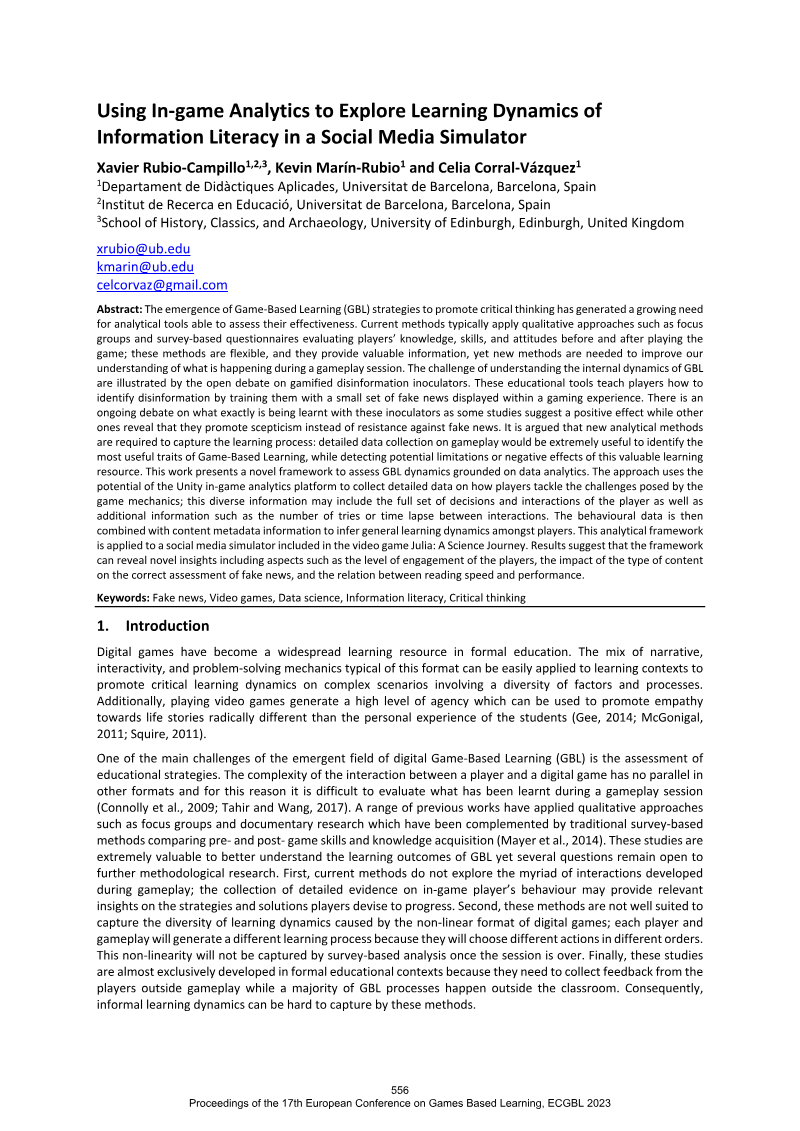
- Analysis of 3,565 quack interactions across 436 runs from over 112 players (September 2022 to April 2023) found sustained engagement, with an average of about four runs per player and many continuing to chase maximum scores after earning three stars.
- Players misclassified politically framed disinformation far more often than pseudoscientific or COVID-19-related falsehoods, with one politically framed quack judged factual by over half of players.
Assessing Creative Awareness and Literary Writing Games in the Norwegian Context
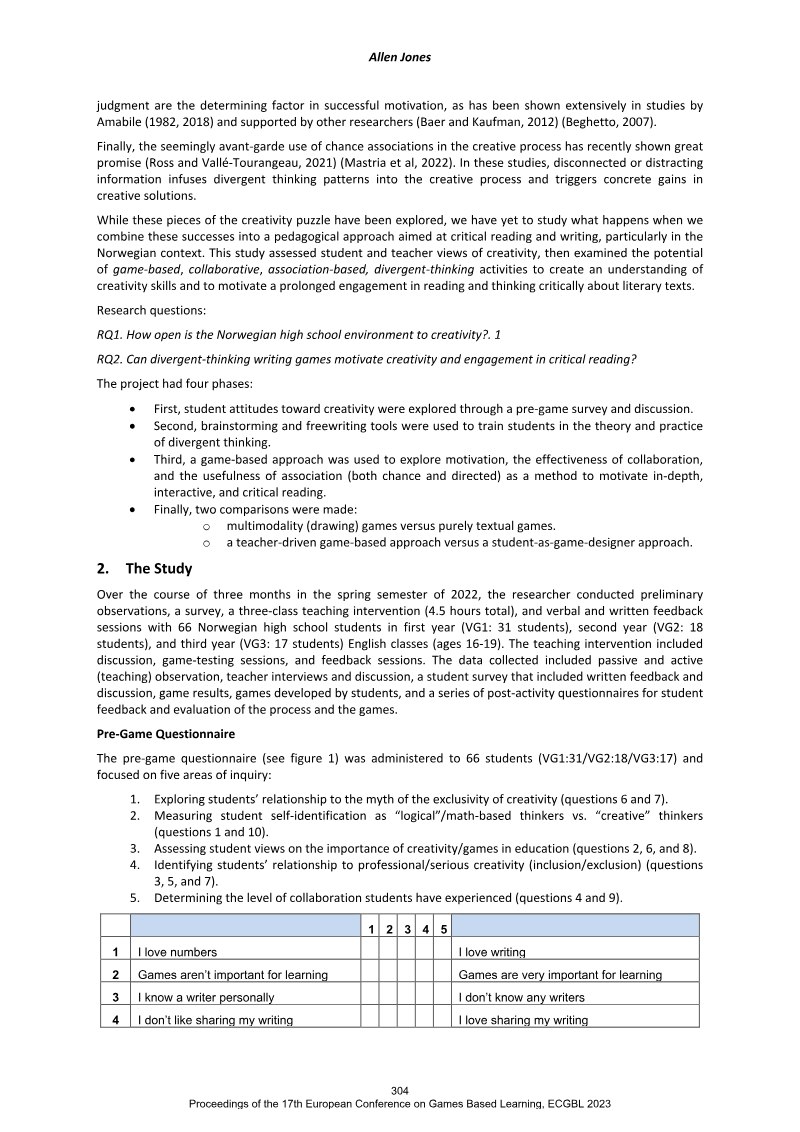
This study examines how Norwegian high school students in their first, second, and third years of English (ages 16 to 19, 66 students in total) view creativity and whether divergent-thinking writing games can motivate engagement with literary texts.
- Students were surprisingly open to creativity and games in education, yet strongly distrusted assessment and increasingly saw writing as a forced obligation as they advanced through their three years of English.
- Most students regarded themselves as outside the community of writers, and only about 1.5 percent knew a writer personally.
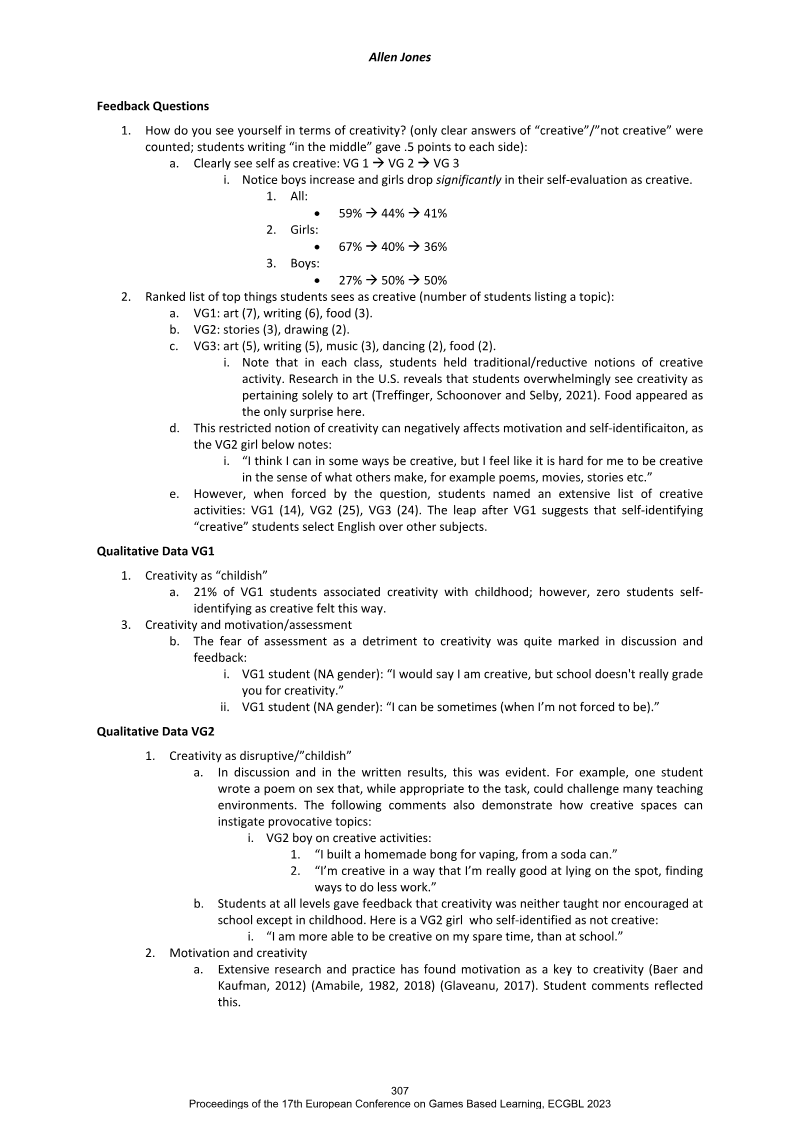
- Self-identification as creative diverged sharply by gender: girls' self-assessment dropped from 67 percent to 36 percent across the three years, while boys' rose from 27 percent to 50 percent.
Evaluating Playful Creative Problem Solving in Kyiv and Ukrainian Refugees in France
This study examines how wartime stress affects divergent thinking (DT) in playful creative problem solving, using a modular robotics task called CreaCube.
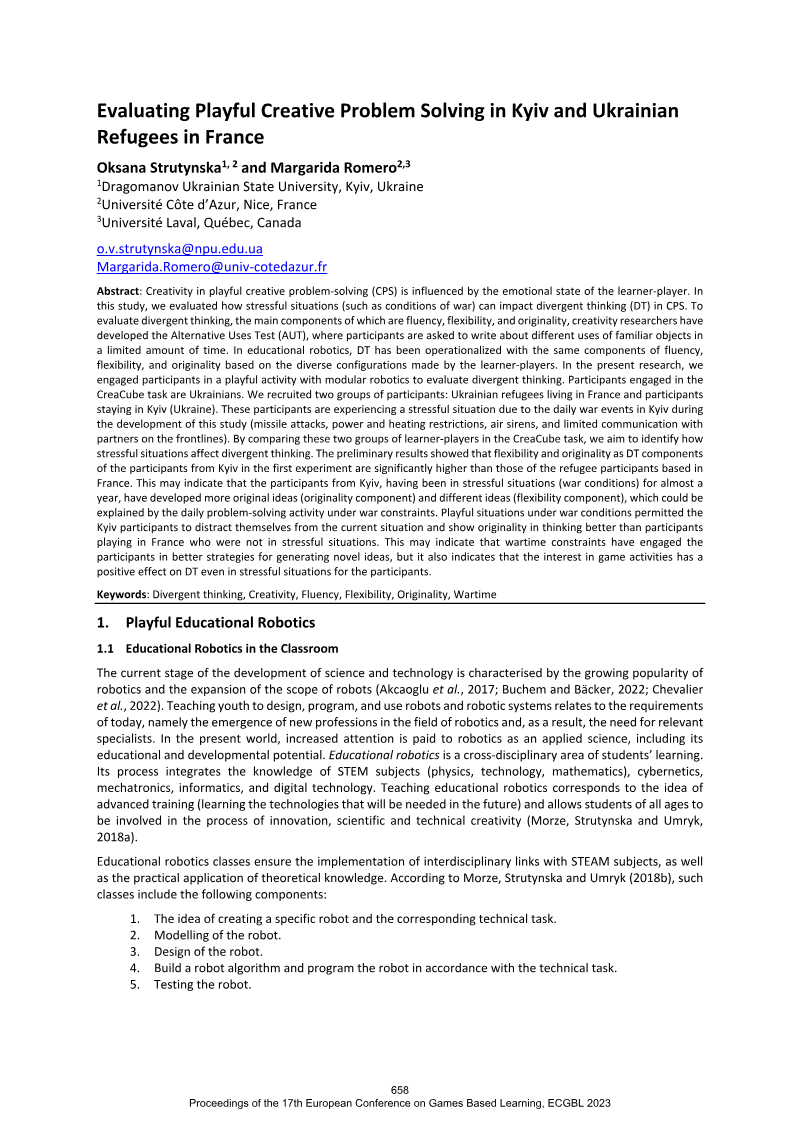
- Kyiv participants, living under daily missile attacks, power and heating restrictions, and air raid alerts, scored significantly higher on originality in their first CreaCube attempt than refugee families in Nice (mean 1.18 vs. 0.13; Welch's t-test, p = 0.013).
- Kyiv participants also scored higher on flexibility overall, while no significant differences emerged for fluency or for flexibility in the second attempt.
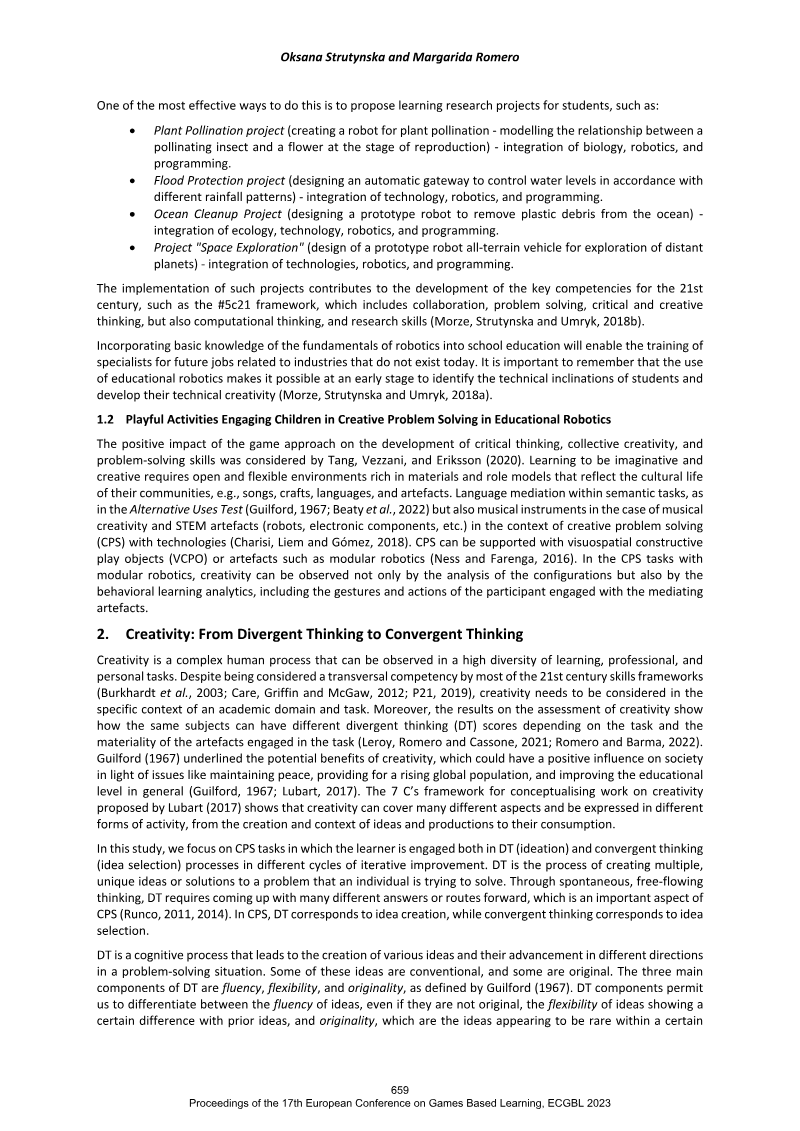
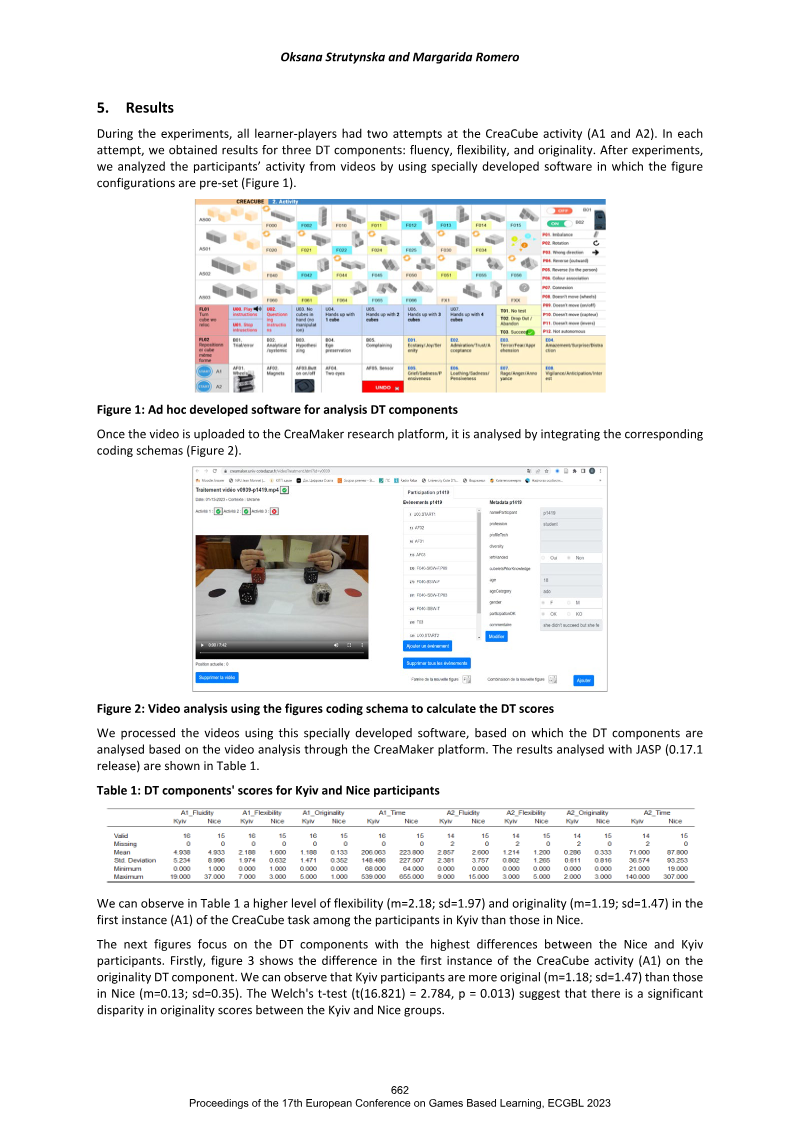
- Divergent thinking was measured through fluency, flexibility, and originality, scored from video analysis of participants' cube configurations, with originality defined as responses given by fewer than 5% of same-age participants.
Videogame Distribution and Steam's Imperialist Practices: Platform Coloniality in Game Distribution
Steam operates as an imperialist infrastructure that exerts near-monopolistic control over the global videogame industry, effectively displacing local distribution networks and reinforcing Western-centric power structures.
- Steam functions as a near-monopolistic digital infrastructure that exerts centralized control over global videogame distribution, effectively displacing local retail and distribution networks.
- The platform’s operational model prioritizes Western-centric interests through standardized global pricing, constant mandatory updates, and a closed-system architecture.
- Steam’s expansion is characterized as a form of digital colonialism that marginalizes non-Western developers and consumers by enforcing a singular, standardized world-system of consumption.
Outside the Racist Nostalgia Box: Rethinking Afrikan tähti’s Cultural Depictions
The board game Afrikan tähti serves as a primary case study for examining how ludic racism and colonial entitlement are embedded within European cultural artifacts.
- The board game Afrikan tähti functions as a case study for how colonial entitlement and Eurocentric ideologies remain embedded in game mechanics and cartographic design, even after the removal of explicit racist imagery.
- Public discourse surrounding the game often prioritizes Finnish national identity and childhood nostalgia, which serves to shield the product from critical engagement with its imperialist structures.
- Defensive reactions to critiques of the game mirror the Kübler-Ross stages of grief, where proponents use denial and bargaining to dismiss colonial underpinnings as irrelevant or anachronistic.

The White Peril: Colonial Expressions in Digital Games
"The White Peril: Colonial Expressions in Digital Games" argues that colonialist values, rooted in orientalism and white supremacy, persist in mainstream action-adventure games through invisible defaults that position white protagonists as universal and non-white settings as exotic backdrops.
- The report's central thesis is that mainstream action-adventure games embed colonialist values, rooted in orientalism and white supremacy, through invisible defaults that treat white protagonists as universal and non-white settings as exotic backdrops.
- The author argues that games teach players to "be white" through embodiment, a mechanism presented as distinctive to the medium compared with other forms of media.
- The qualitative analysis centers on three triple-A titles, Uncharted: Drake's Fortune (2007), Far Cry 3 (2012), and Shadow of the Tomb Raider (2018), all set in South American or Southeast Asian locales.
Gaming the Past: Evaluation of Quest of Persia
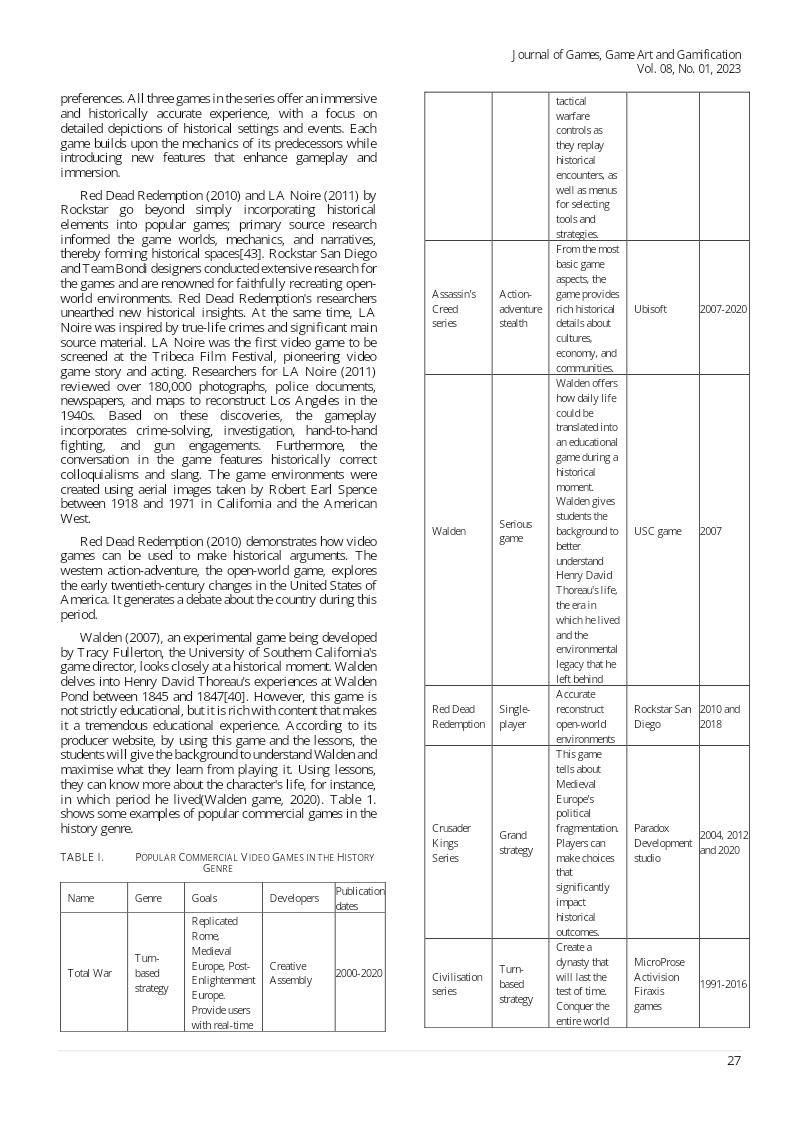
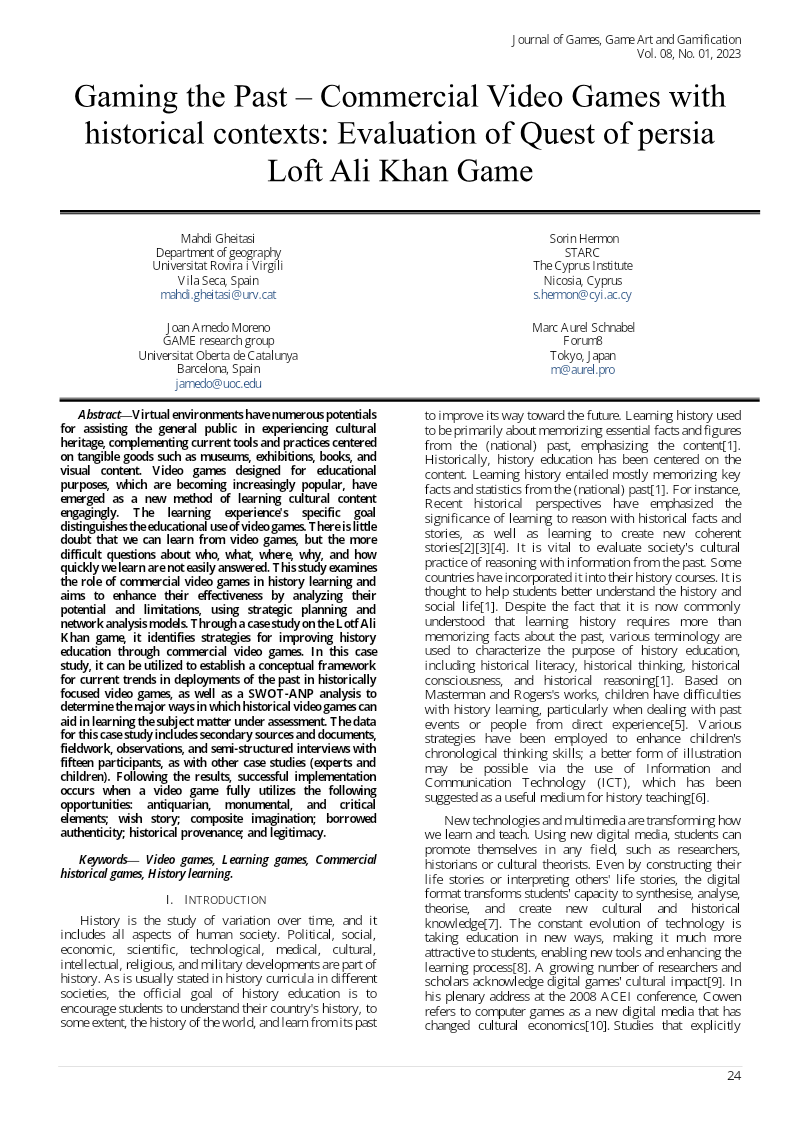
Commercial video games serve as potent instruments for historical education, shifting the pedagogical focus from rote memorization toward the development of historical reasoning and consciousness.
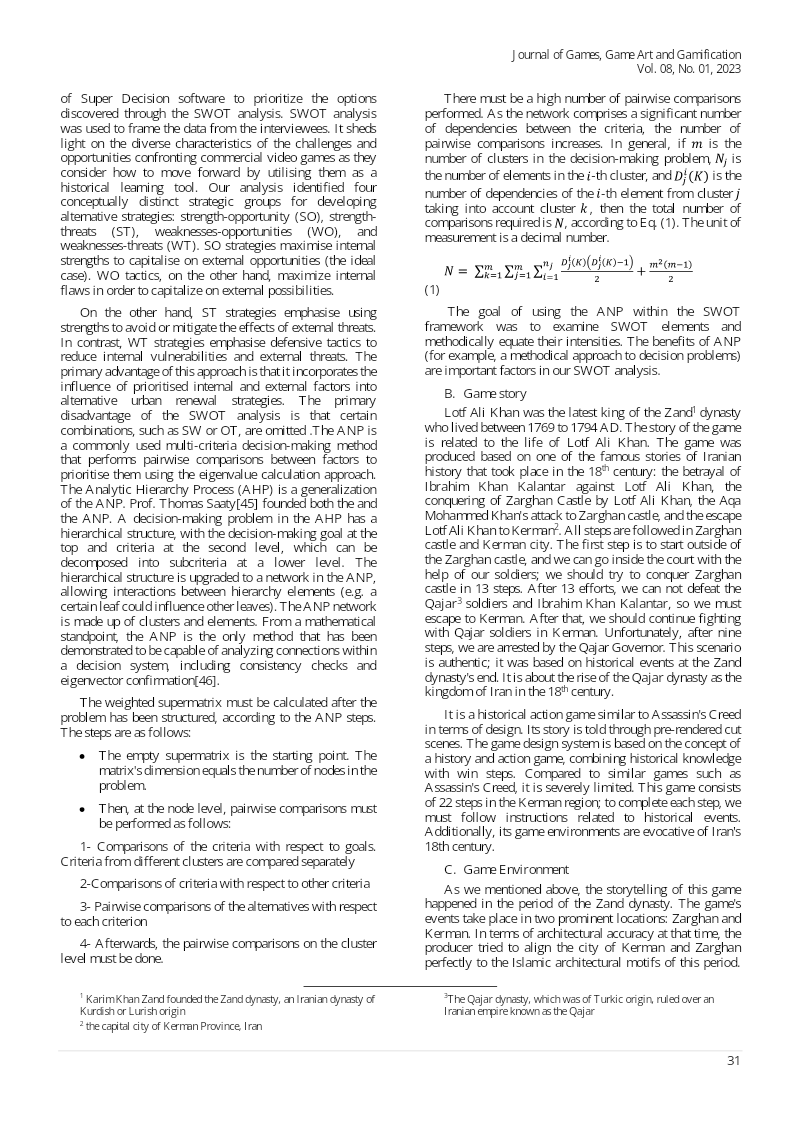
- Commercial video games like 'Quest of Persia' can shift historical education from rote memorization toward the development of active historical reasoning and consciousness.
- Effective educational outcomes in gaming require a strategic balance between historical accuracy and engaging, interactive gameplay mechanics.
- The integration of antiquarian, monumental, and critical narrative elements allows games to function as sophisticated tools for cultural heritage instruction.