Game Studies reports and market data
Documents
Model Endgame Analysis
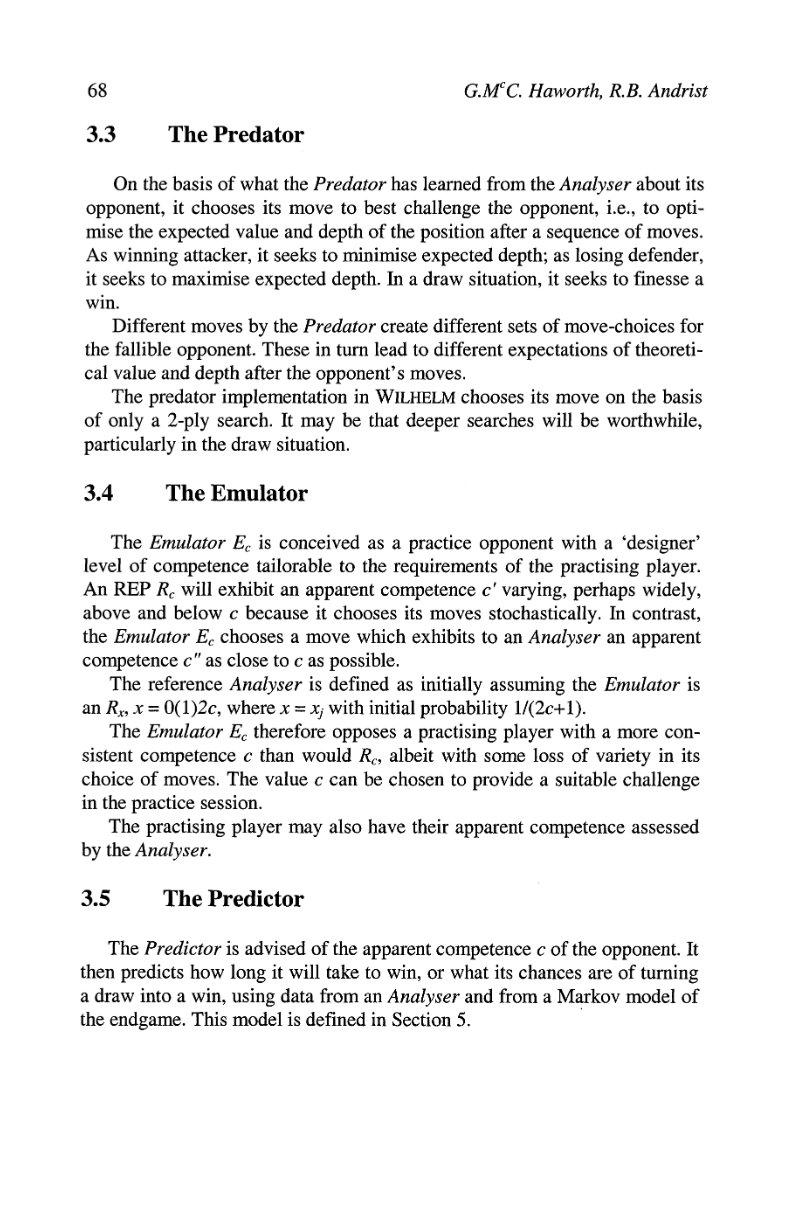
This analysis evaluates a reference model of fallible endgame play in chess, utilizing a spectrum of Reference Endgame Players (REPs) to simulate and analyze human and machine performance.
- The Reference Endgame Player (REP) model uses Bayesian inference and Markov chains to accurately quantify the competence of both human and machine players in chess endgames.
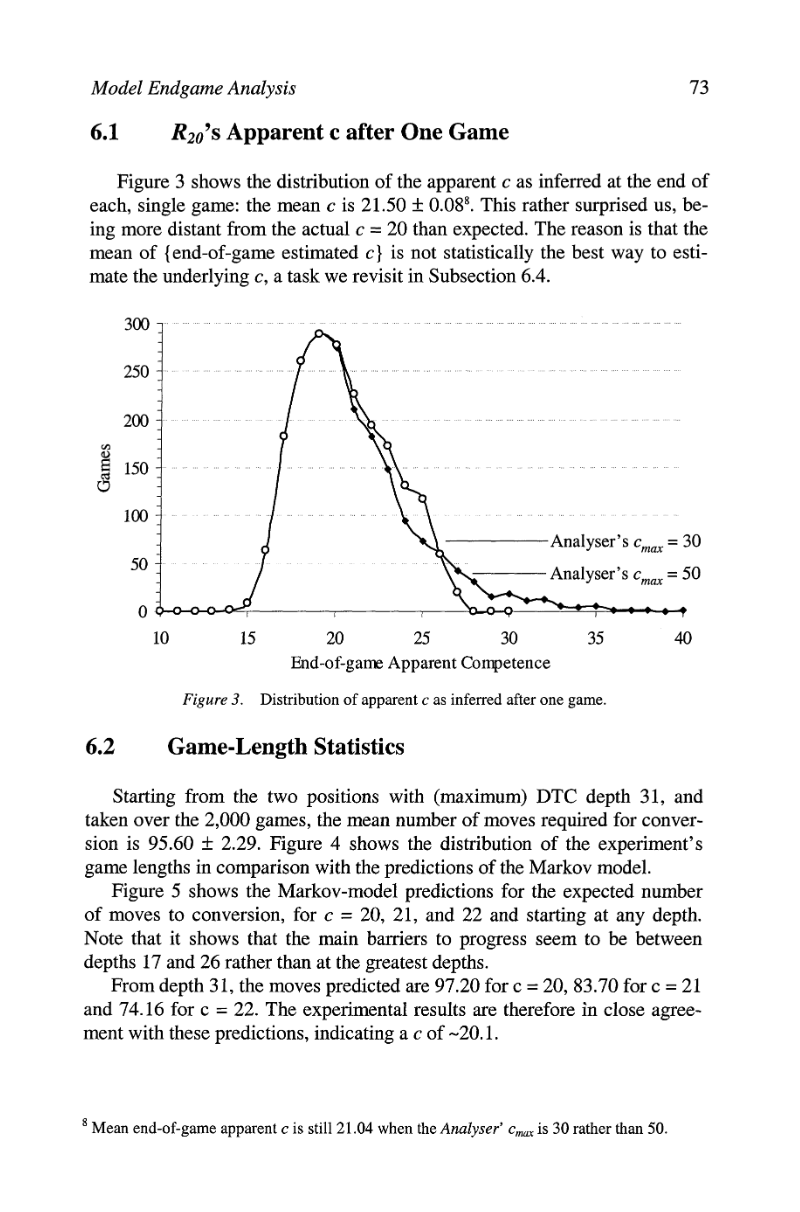
- Experimental simulations of 2,000 King-Queen versus King-Rook (KQKR) games demonstrate that the model’s predicted game lengths align closely with observed performance data.
- In the KQKR endgame, the primary barriers to progress for fallible players occur at depths between 17 and 26, rather than at the maximum theoretical depths.
New Games Related to Old and New Sequences
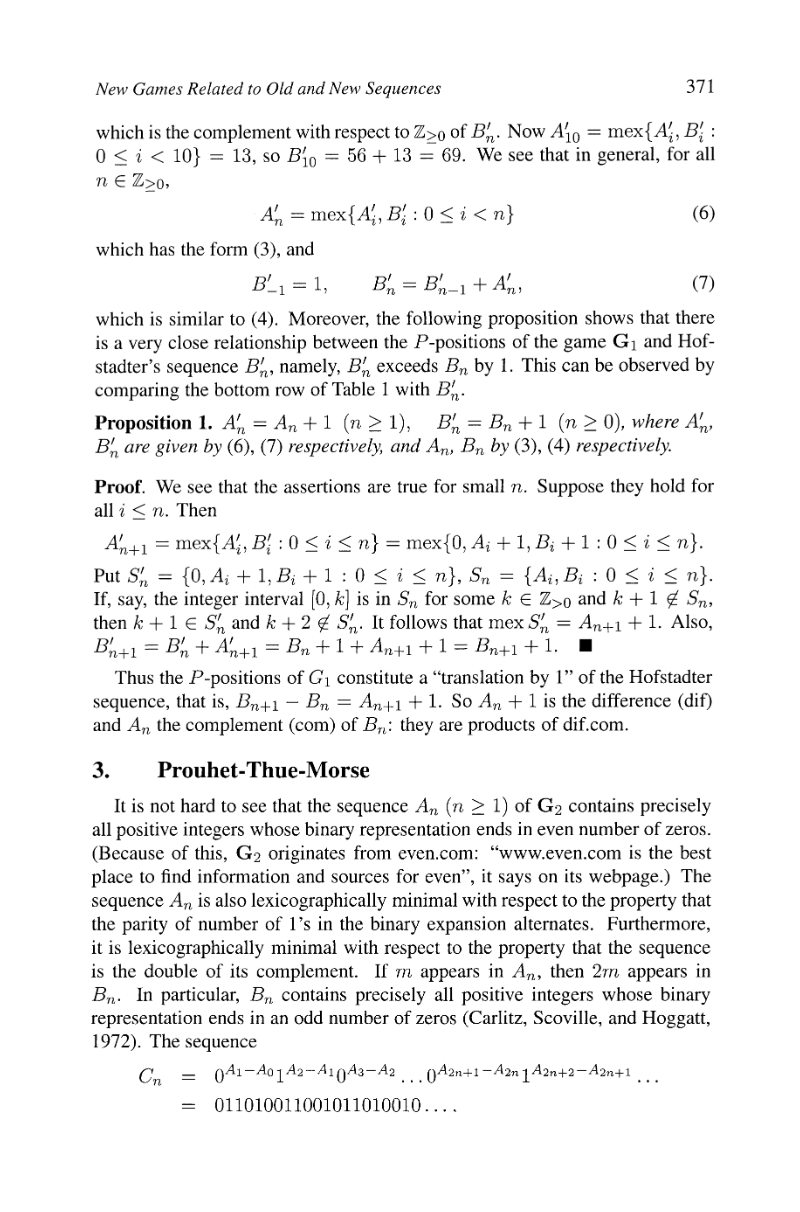
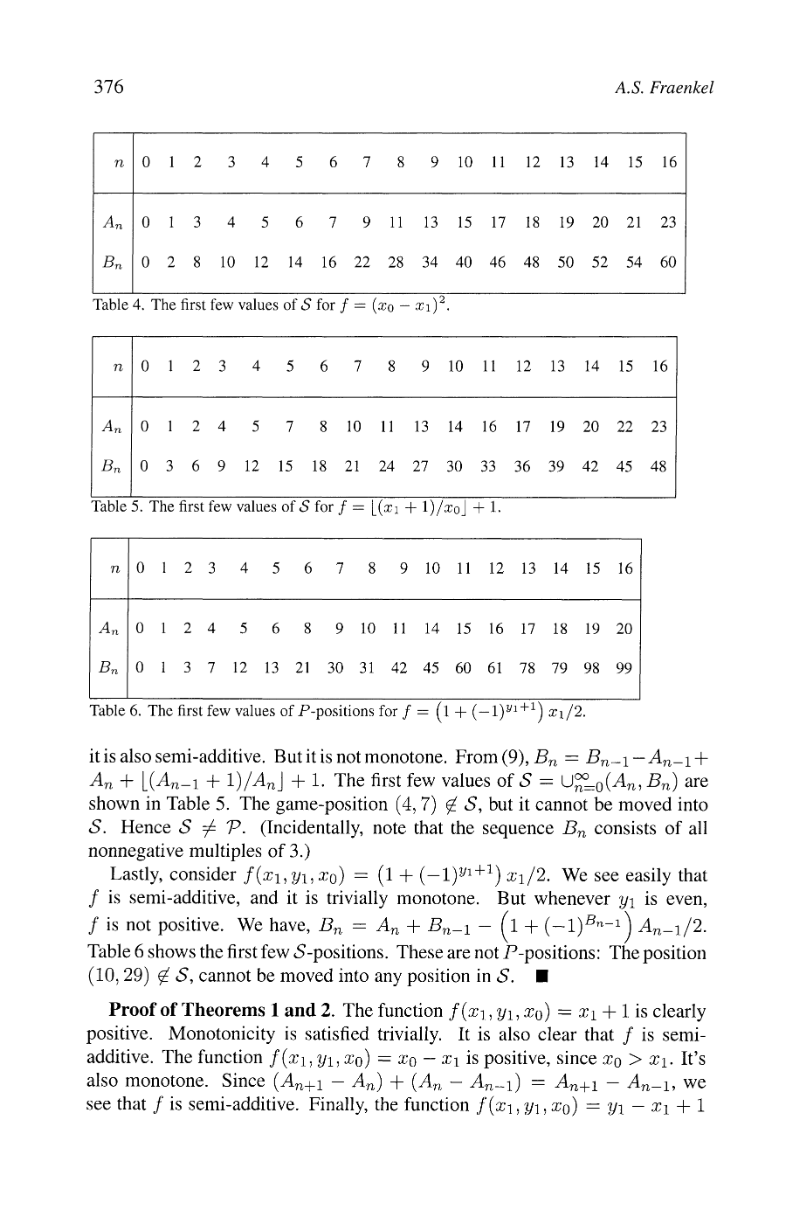
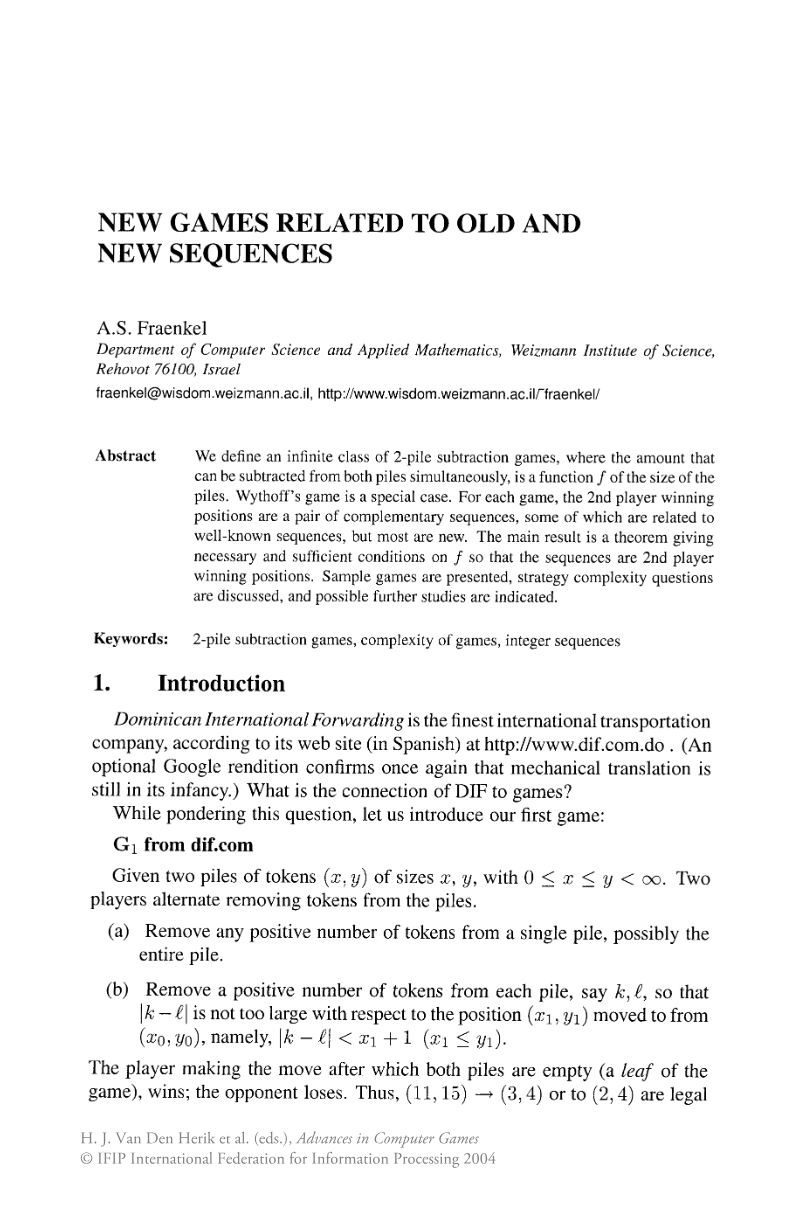
Combinatorial game theory provides a rigorous framework for analyzing two-pile subtraction games, where the governing move constraints are defined by a function of the current pile sizes.
- Combinatorial game theory provides a rigorous framework for identifying second-player winning positions (P-positions) in two-pile subtraction games using complementary sequences.
- Constraint functions must satisfy the three criteria of positivity, monotonicity, and semi-additivity to ensure predictable game states and valid strategic modeling.
- The research establishes a unified model that classifies diverse integer sequences, such as the Hofstadter and Prouhet-Thue-Morse sequences, as determinants of optimal play.
Solving the Oshi-Zumo Game
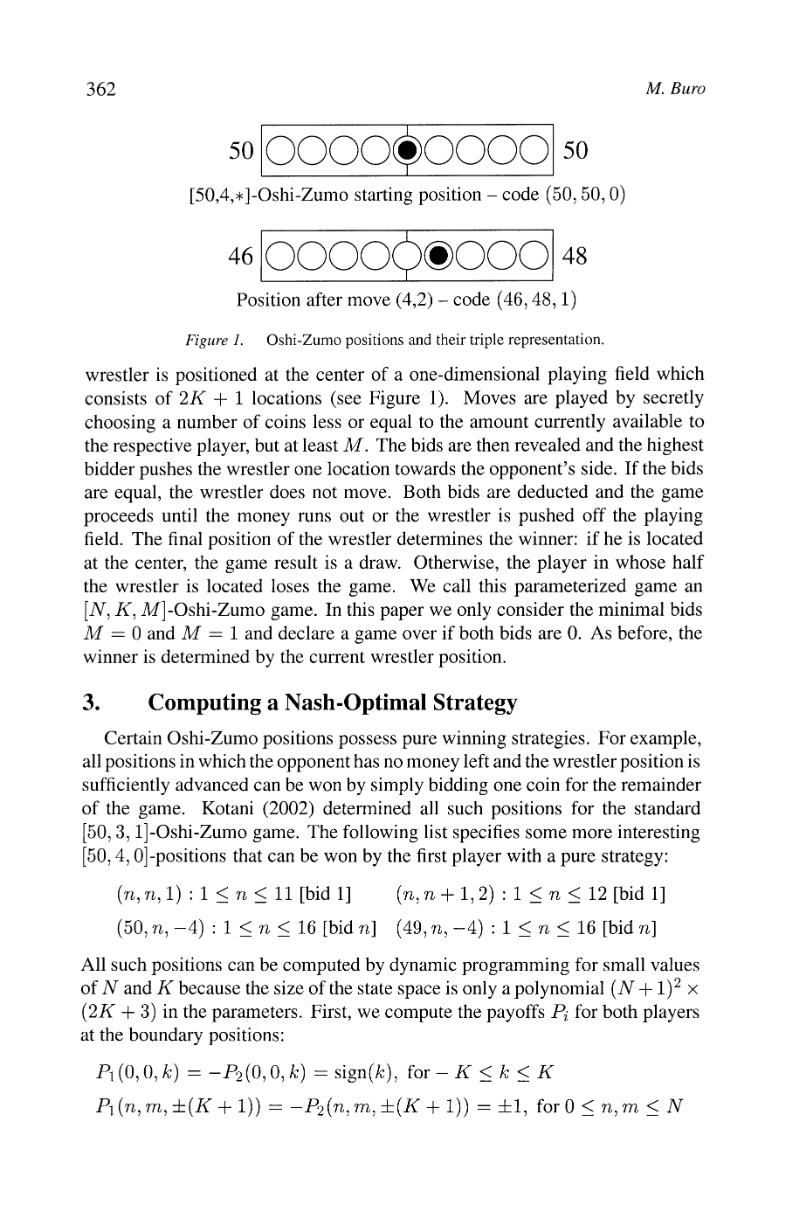
The Japanese game Oshi-Zumo, a two-player, zero-sum game of incomplete information, is analyzed to determine its Nash-optimal mixed strategies.
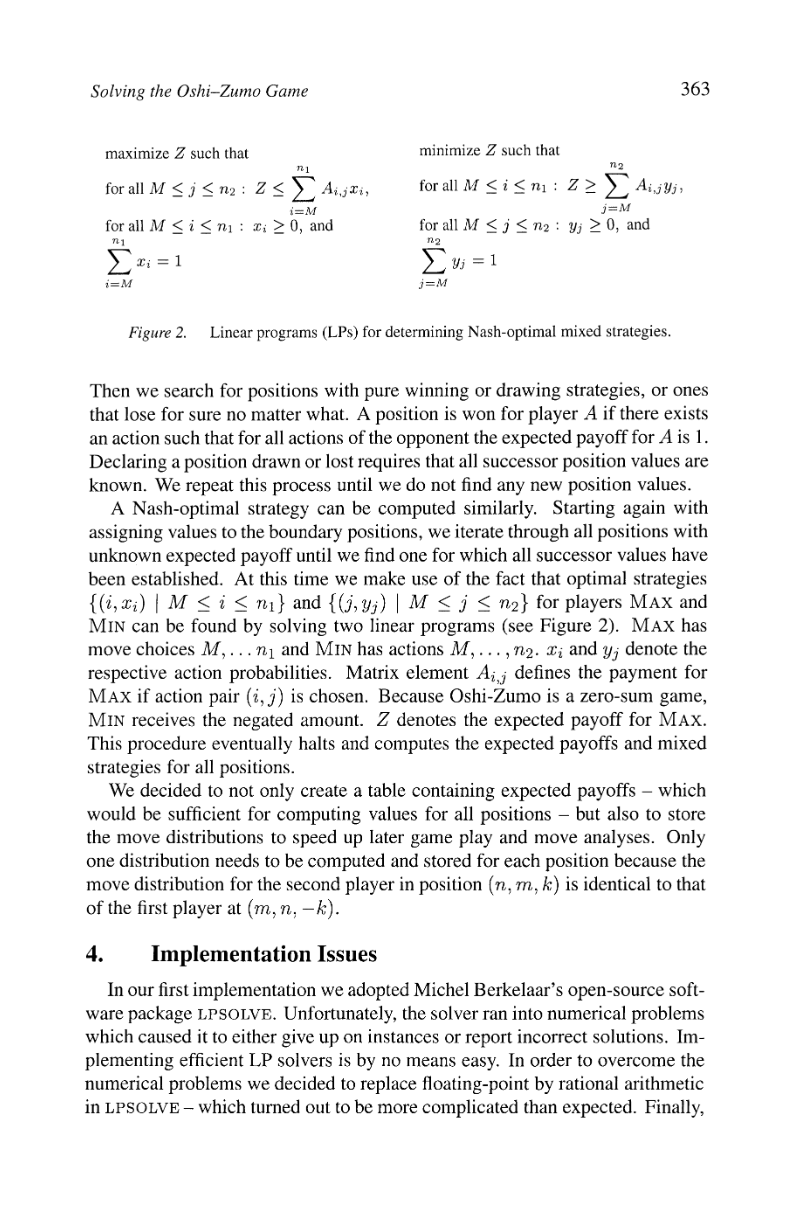
- Researchers have successfully computed Nash-optimal mixed strategies for the two-player, zero-sum game Oshi-Zumo using a combination of dynamic and linear programming.
- The implementation solves the standard 50-coin, 3-location game in approximately 12 seconds on a 1-GHz processor.
- To ensure numerical stability, the methodology employs a two-phase approach that defaults to rational arithmetic via the GNU arbitrary precision library when floating-point calculations fail.
Evaluation Function Tuning via Ordinal Correlation
Static evaluation functions in computer chess are most effectively optimized by prioritizing the relative ordering of positions rather than the absolute numerical values assigned to them.
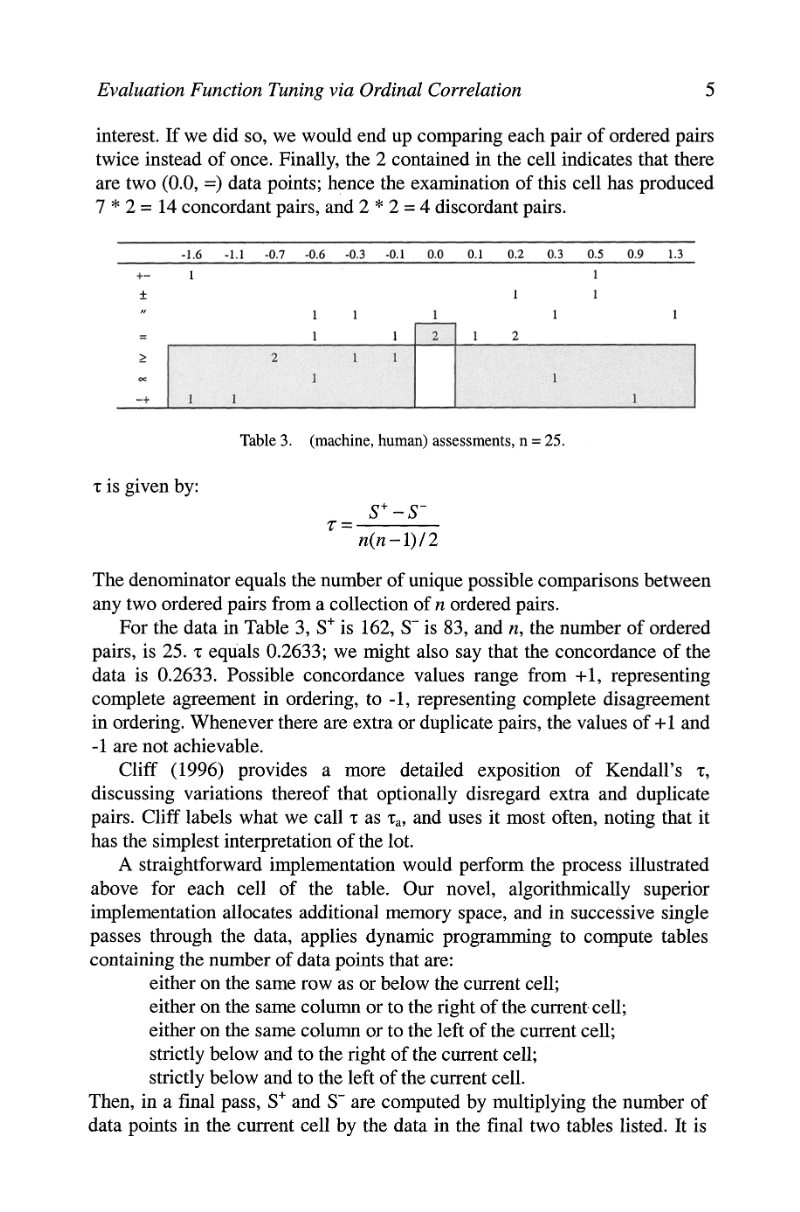
- Optimizing chess engine evaluation functions via ordinal correlation—specifically using Kendall’s tau—is more computationally efficient and statistically aligned with minimax search than traditional numerical methods.
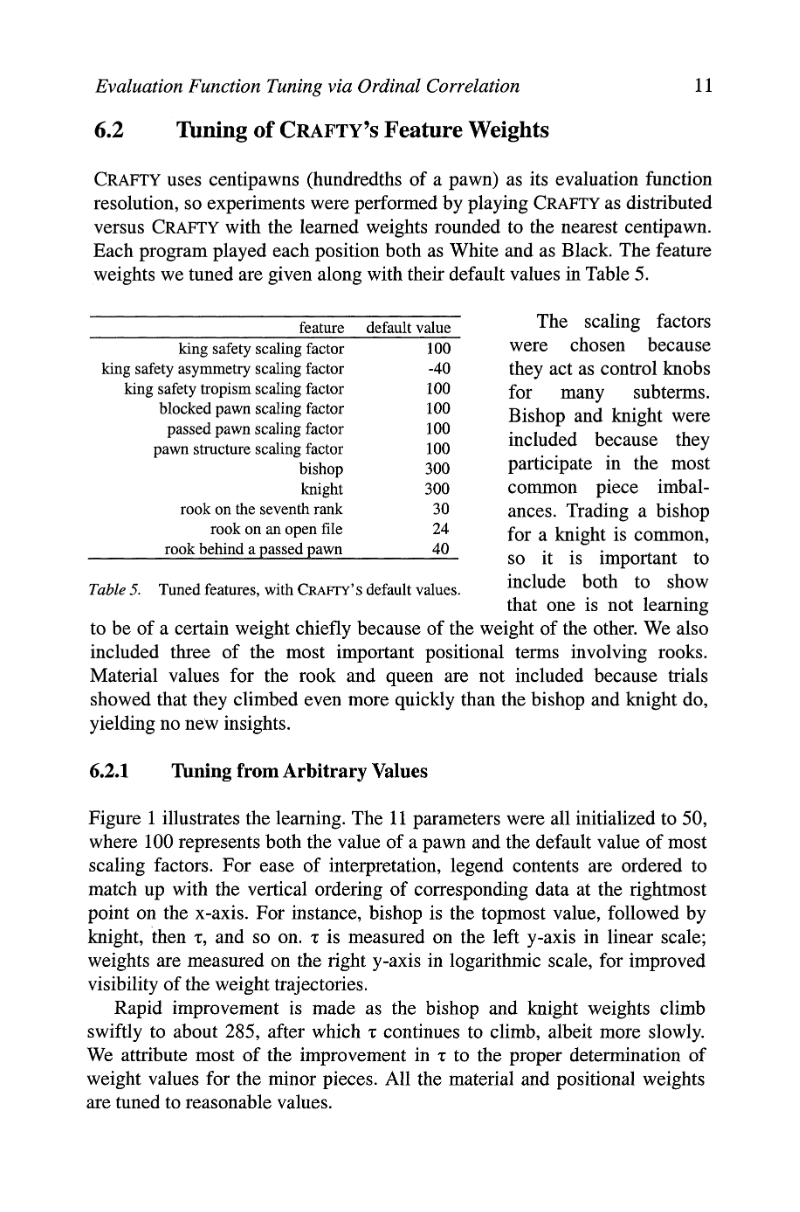
- Empirical testing on the CRAFTY engine demonstrates that maximizing the correlation between machine assessments and grandmaster-level human judgments can successfully restore high-level performance after weight randomization.
- The effectiveness of machine-human evaluation concordance increases as search depth grows, confirming that deeper search cycles benefit more from ordinal-based tuning.

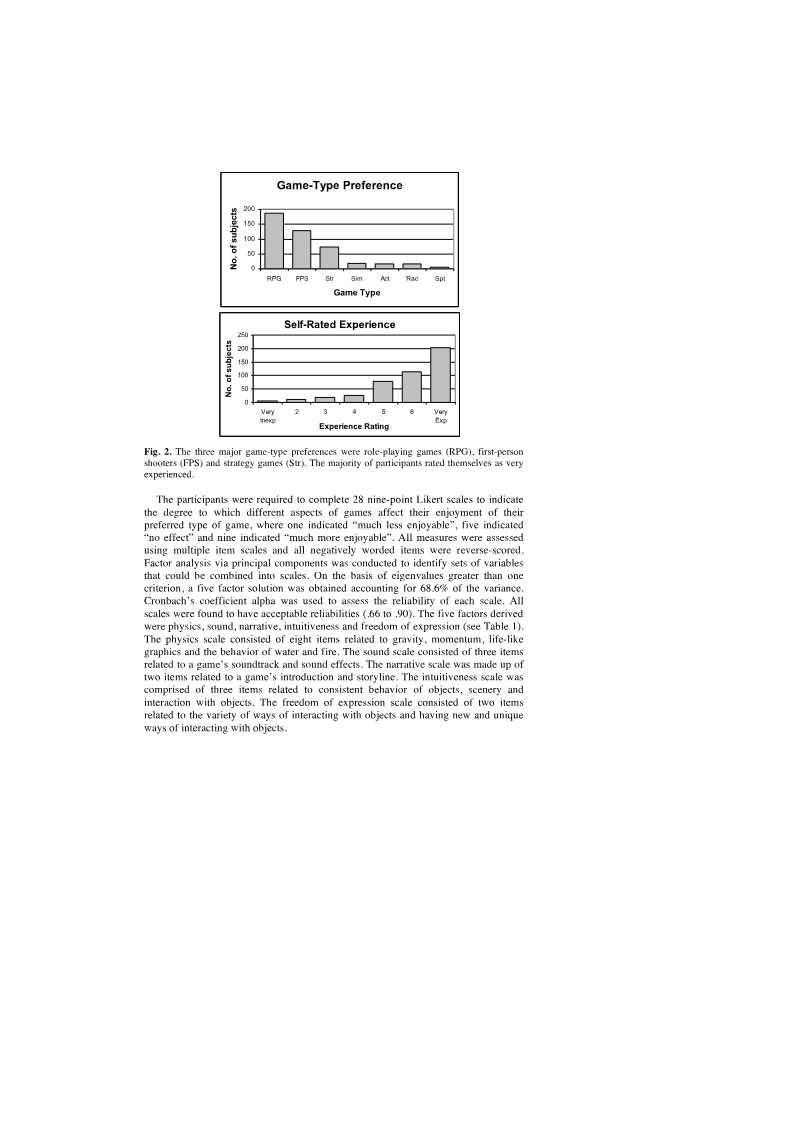

Player-Centered Game Environments: Assessing Player Opinions, Experiences, and Issues
Player-centered game design prioritizes the user experience over traditional developer-centric metrics to foster deeper engagement and minimize frustration.
- Player-centered design relies on five core pillars: physics, sound, narrative, intuitiveness, and freedom of expression to drive engagement and minimize frustration.
- Experienced players are more critical of design flaws than novices, showing heightened sensitivity to issues with intuitiveness, narrative coherence, and freedom of expression.
- The importance of the five design pillars varies by genre, with first-person shooters specifically requiring high-quality physics and sound to maintain immersion.
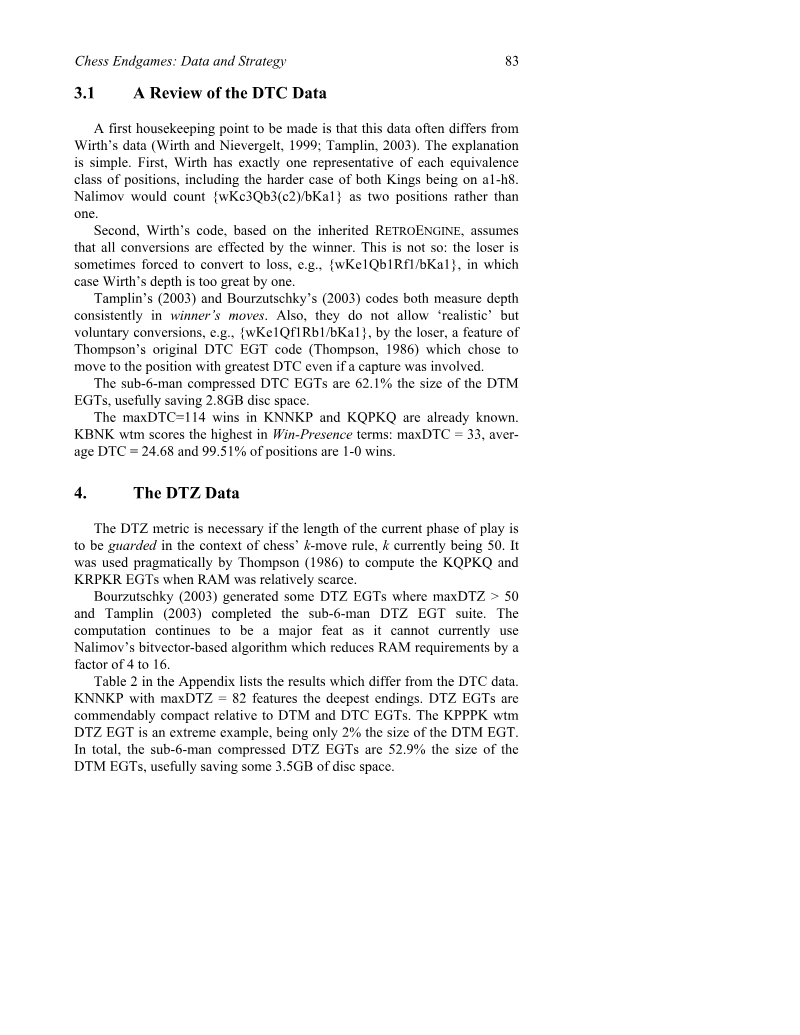


Chess Endgames: Data and Strategy
The development of advanced chess endgame tablebases marks a significant evolution in computational strategy, moving beyond traditional Depth-to-Mate metrics toward more efficient alternatives like Depth to Conversion and Depth to Zeroing.
- Modern chess engines are shifting from traditional Depth-to-Mate metrics toward more efficient alternatives like Depth to Conversion (DTC) and Depth to Zeroing (DTZ) to optimize 3-to-6-man endgame performance.
- Integrating DTZ50 and DTR metrics allows engines to navigate the constraints of the 50-move rule, preventing forced draws in positions that were previously misplayed as winning.
- Traditional endgame strategies frequently result in unnecessary draws because they fail to account for the practical move-limit constraints inherent in high-level play.
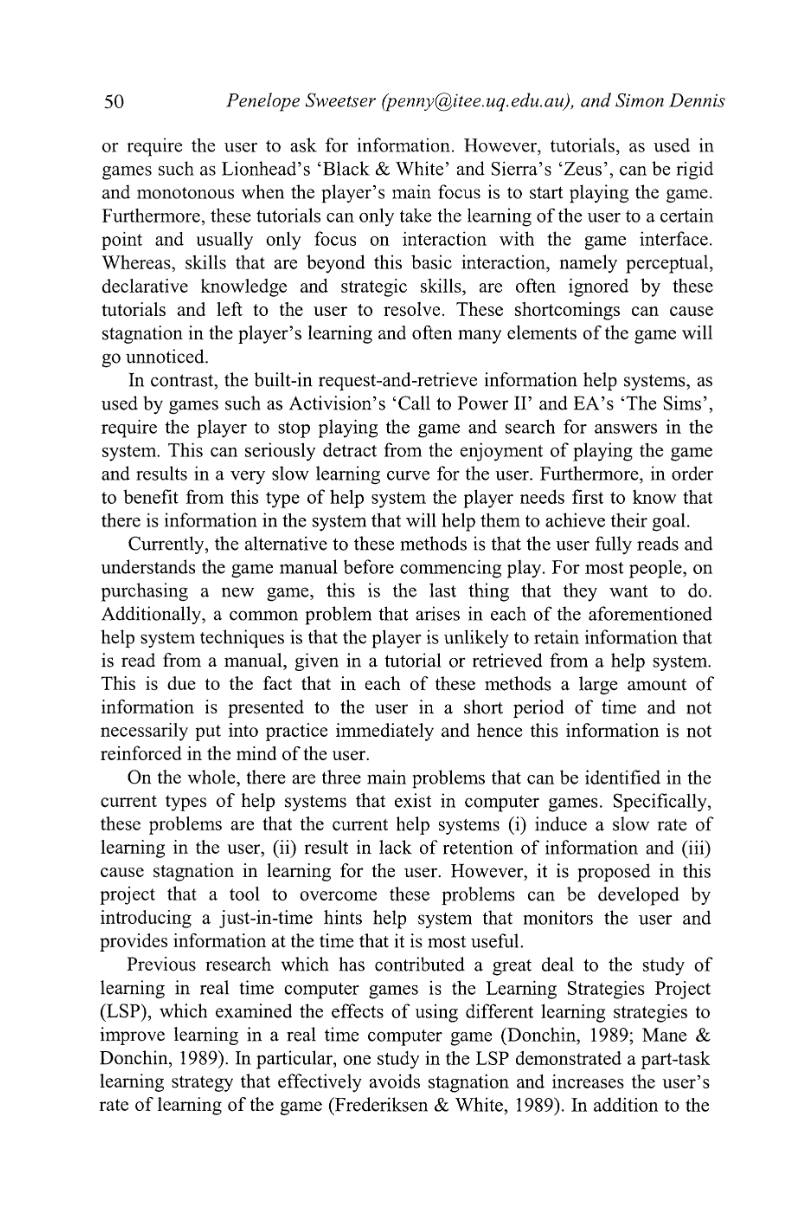
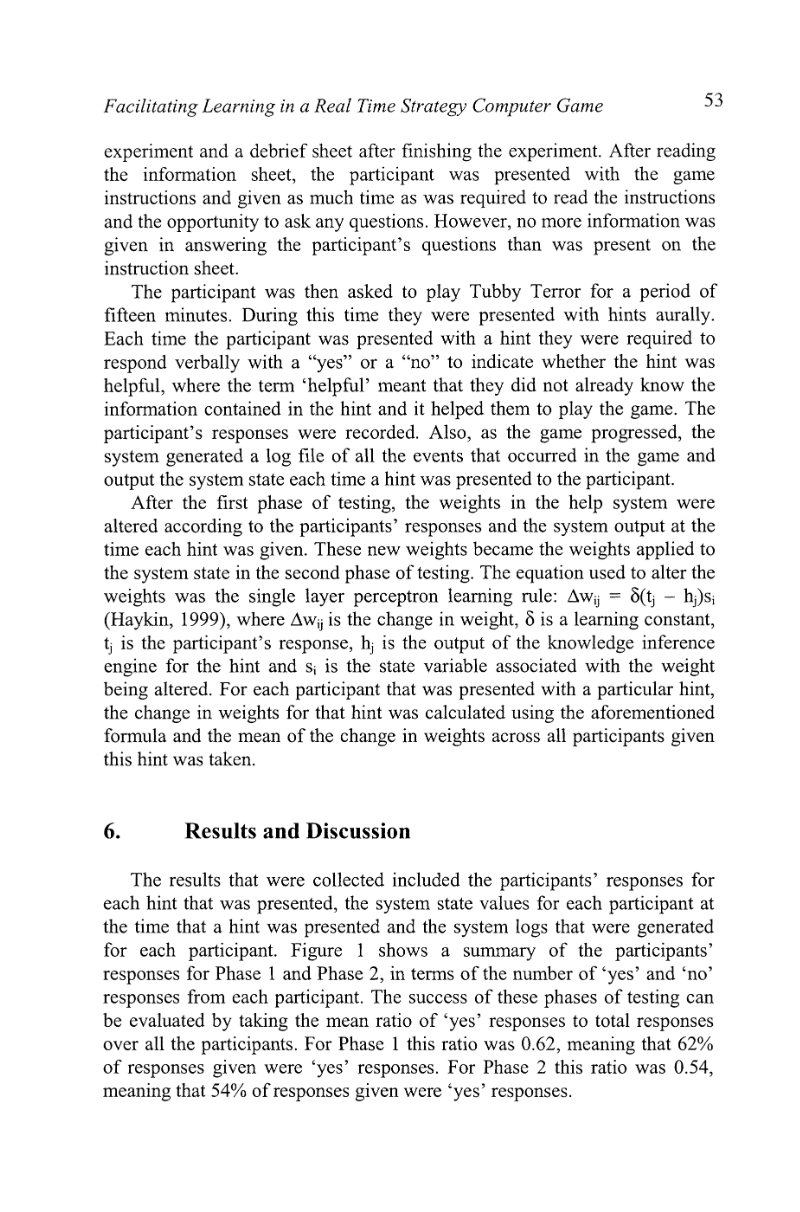
Facilitating Learning in a Real Time Strategy Computer Game
This research explores the development and implementation of a just-in-time (JIT) help system designed to improve user learning in real-time strategy (RTS) computer games.
- Just-in-time (JIT) help systems in RTS games aim to replace rigid tutorials by monitoring player actions to deliver context-sensitive hints that support motor, perceptual, and strategic skill acquisition.
- In testing the 'Tubby Terror' RTS platform, the ratio of player-identified helpful hints declined from 62% in the first phase to 54% in the second phase.
- The study's small sample size of twelve psychology students limited the ability to generalize findings or effectively calibrate the system's hint-weighting parameters.
A Metric for Entertainment of Boardgames: Its Implication for Evolution of Chess Variants
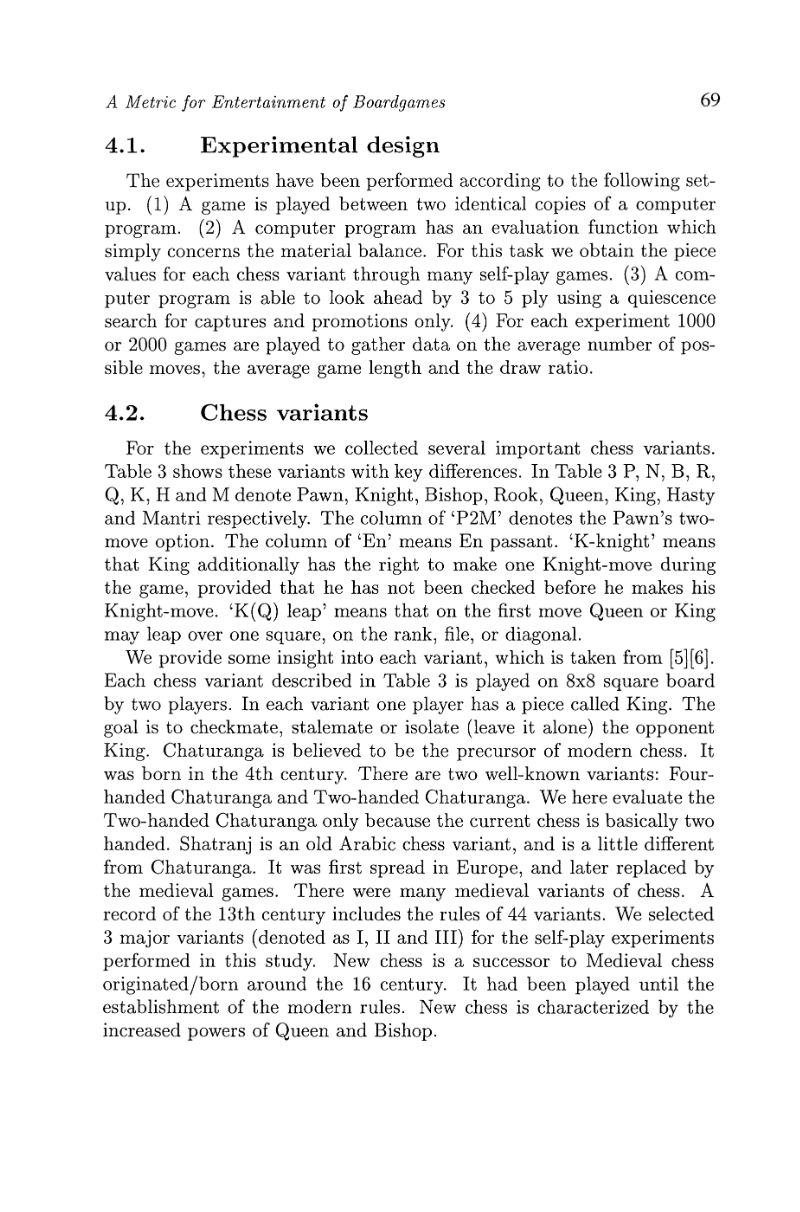
This research introduces a quantitative metric to evaluate the entertainment value of board games, specifically focusing on the evolutionary trajectory of chess variants.
- The entertainment value of a board game, E(G), is quantitatively defined by the ratio between the average number of plausible moves and the average game length, where a lower value indicates higher entertainment.
- Historical evolution of chess variants demonstrates a deliberate optimization process aimed at balancing strategic complexity with player engagement by reducing E(G).
- Modern chess has reached a mature equilibrium by utilizing powerful pieces like the Queen and modern promotion rules to minimize game duration and draw frequencies compared to earlier variants.
The Technoludic Film: Images of Video Games in Movies (1973–2001)
The technoludic film represents a distinct cinematic genre emerging from the convergence of video games and traditional film.
- The 'technoludic film' genre emerged from the convergence of cinema and video games, as evidenced by an analysis of 53 feature-length commercial films released between 1973 and 2001.
- Cinema incorporates electronic gaming through four distinct modes: commentary, quotation, adaptation, and remediation.
- Adaptation and remediation represent a structural shift where traditional cinema adopts gaming conventions, including non-linear narratives, role-playing metaphors, and digital aesthetics.



Use of Computer and Video Games in the Classroom
This paper examines how commercial, entertainment-oriented computer and video games are used within formal classroom instruction, drawing on informal surveys conducted in 2002 and 2003 that were focused primarily on UK schools but extended to the United States, mainland Europe, and Australia to provide comparative context.
- Games were mostly used outside the core curriculum, in research pilots, competitions, computer clubs, literacy and critique activities, and as behavioural rewards, rather than as part of formal lessons.
- Strategy and simulation titles such as Sim City and RollerCoaster Tycoon were the most common classroom games, valued for their relevance across subjects and their ability to engage students.
- Teachers reported high pupil engagement and sometimes markedly increased group discussion and collaboration when games were used.


Tiny Patches of Peace: Signs of Agency in Digital Games
Cindy Poremba's study examines how player-created modifications function as a form of authorship in digital games, with particular attention to peace-themed works produced after September 11, 2001.
- Player-created modifications are framed as an independent form of authorship that both expresses and reinforces the player's legitimacy as an author, with the study focusing on peace-themed mods made after September 11, 2001.
- Cindy Poremba's analysis centers on two cases: the anti-war Counter-Strike modification "Velvet-Strike" and the anti-war posters "Tiny Signs of Hope" created for The Sims.
- Velvet-Strike adopts a "gamer" persona to gain credibility within the combative first-person shooter community while aiming its message at an outside audience of artists and activists.

A Multidimensional Typology of Games
Aarseth, Smedstad, and Sunnanå propose a multidimensional typology for classifying games set in simulated virtual environments, aiming to replace the ad hoc genre labels used by the gaming industry and popular press with a more rigorous analytical framework.
- Aarseth, Smedstad, and Sunnanå propose a multidimensional typology of virtual-environment games to replace ad hoc industry and press genre labels with a more rigorous analytical framework.
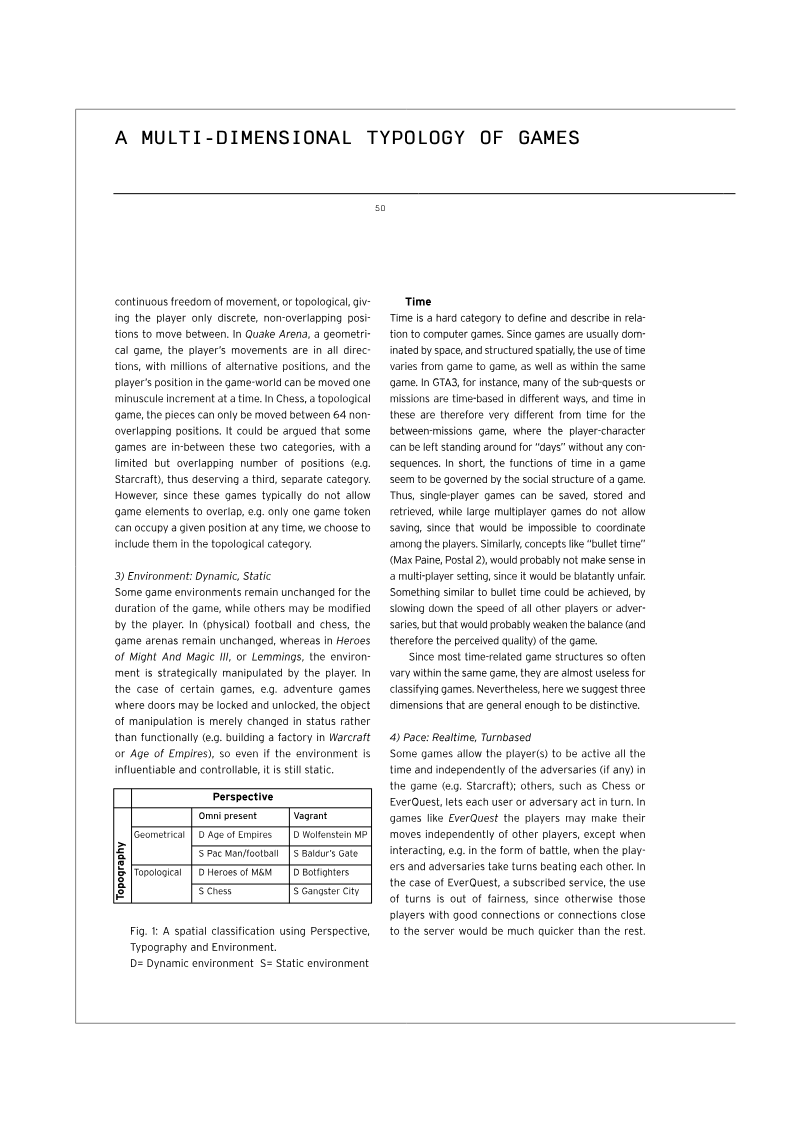
- The typology comprises fifteen dimensions grouped under Space, Time, Player-structure, Control, and Rules, including perspective (omni-present vs. vagrant), pace (realtime vs. turnbased), and teleology (finite vs. infinite).
- The dimensions were derived by comparing pairs of similar games, such as Morrowind and Diablo, and extracting principles intended to apply broadly across games.