More on Game Design
View all
Whitepaper
Beyond Self-Reports: Predicting Electrodermal Arousal from Gameplay and Physiological Features
Springer · 2026
Whitepaper
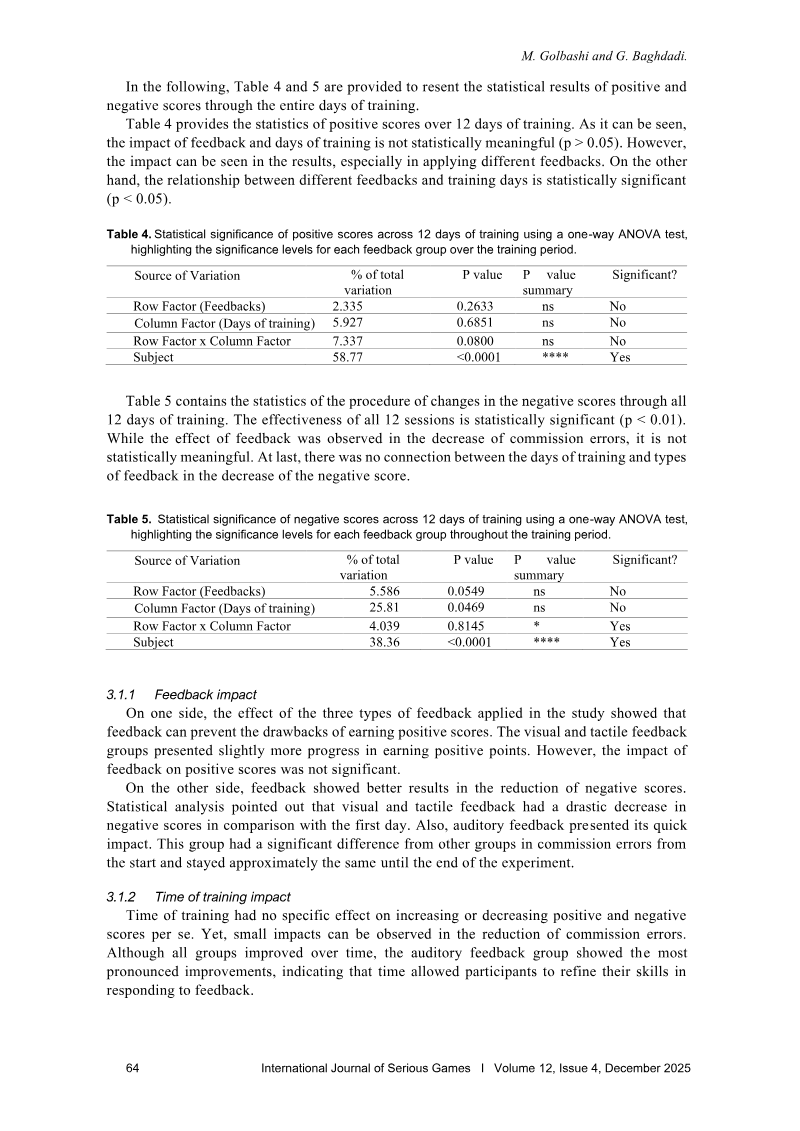
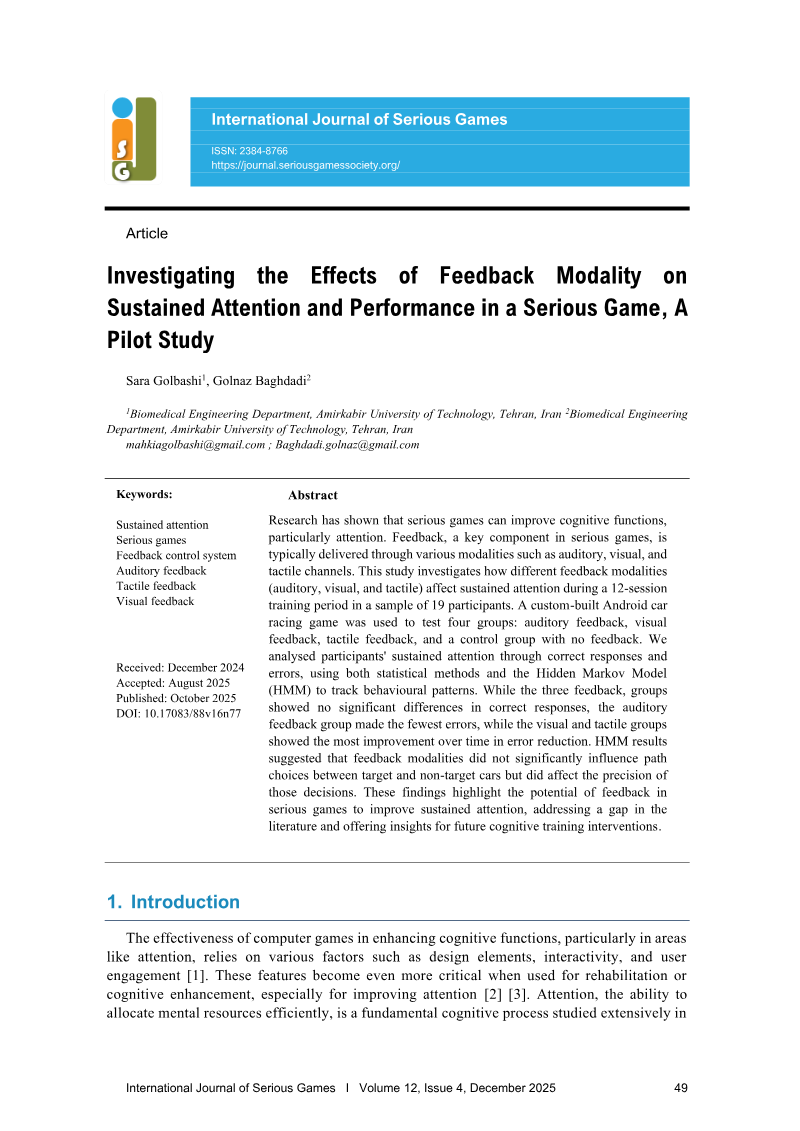
Investigating the Effects of Feedback Modality on Sustained Attention and Performance in a Serious Game: A Pilot Study
Serious Games Society · 2025

Whitepaper
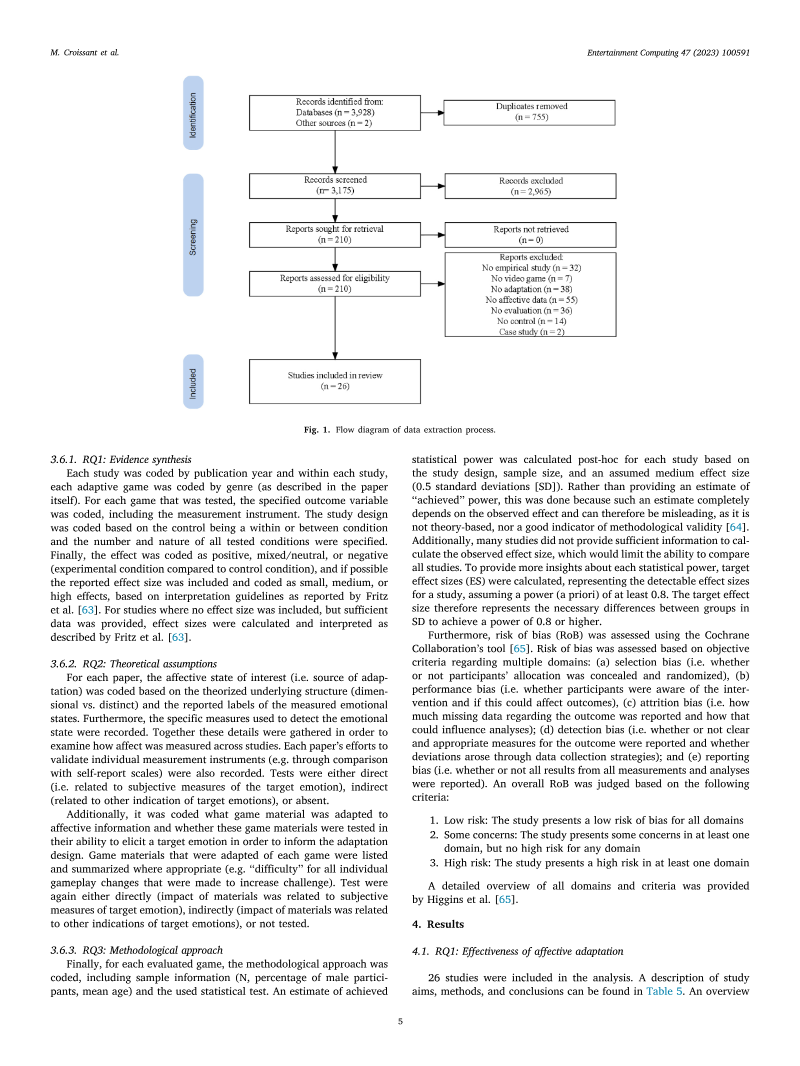
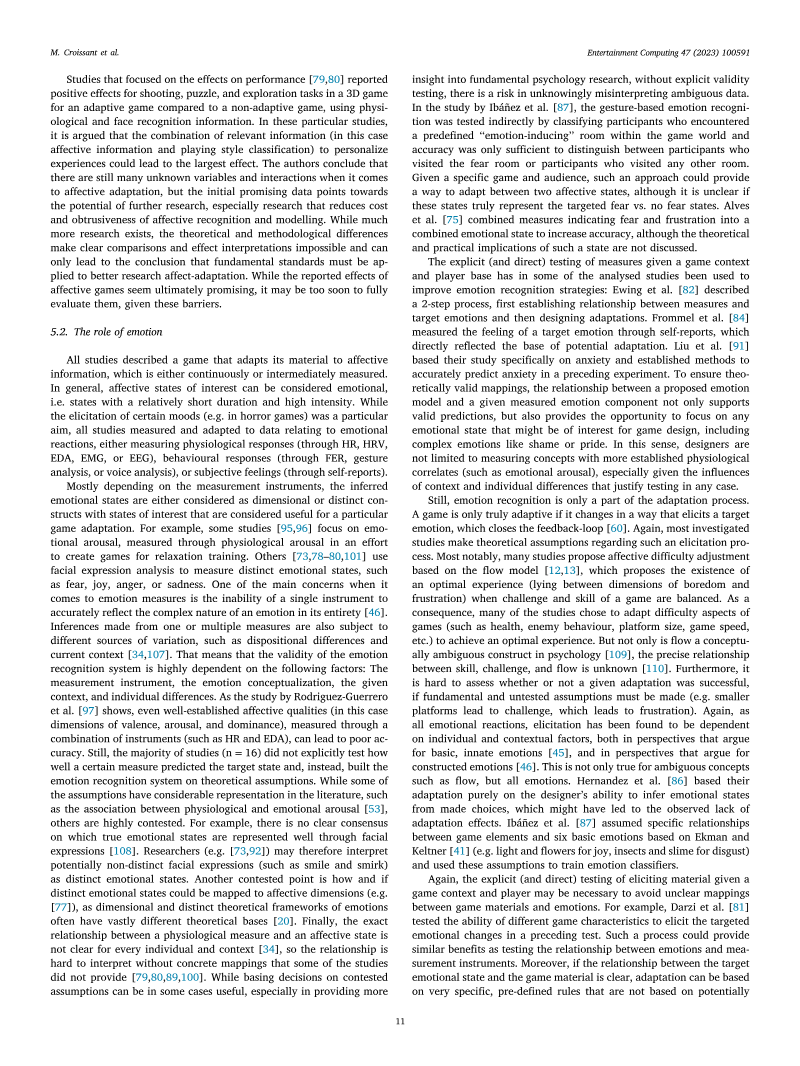
Theories, Methodologies, and Effects of Affect-Adaptive Games: A Systematic Review
Entertainment Computing · 2023
Whitepaper
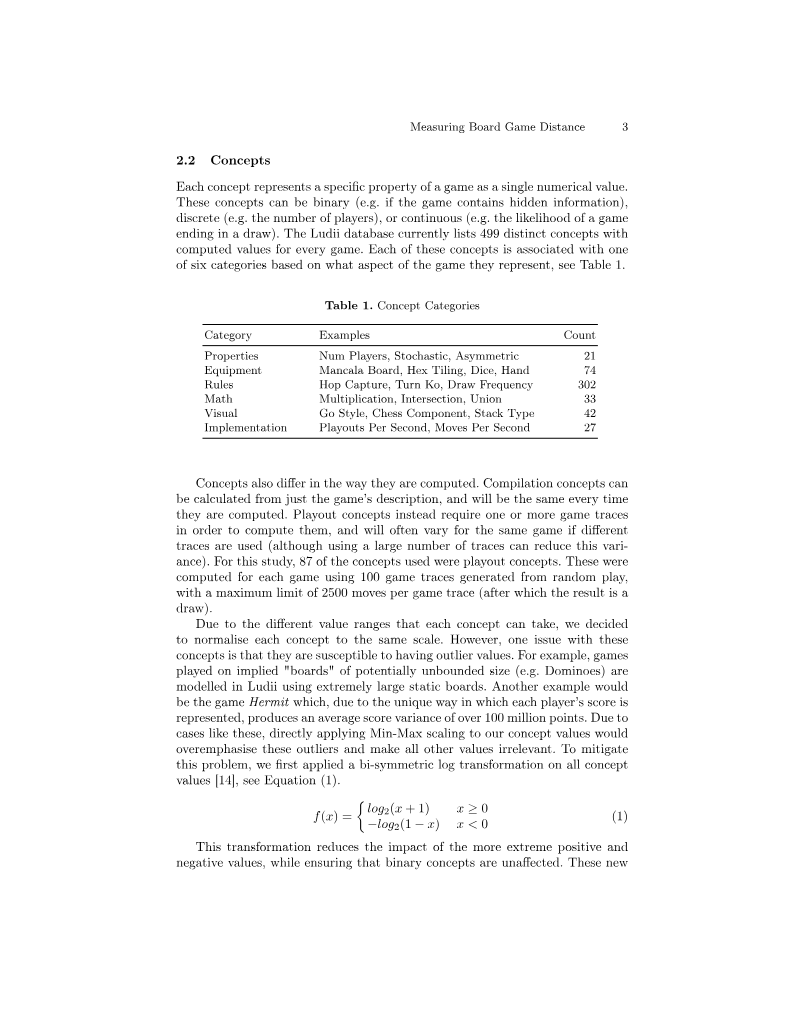
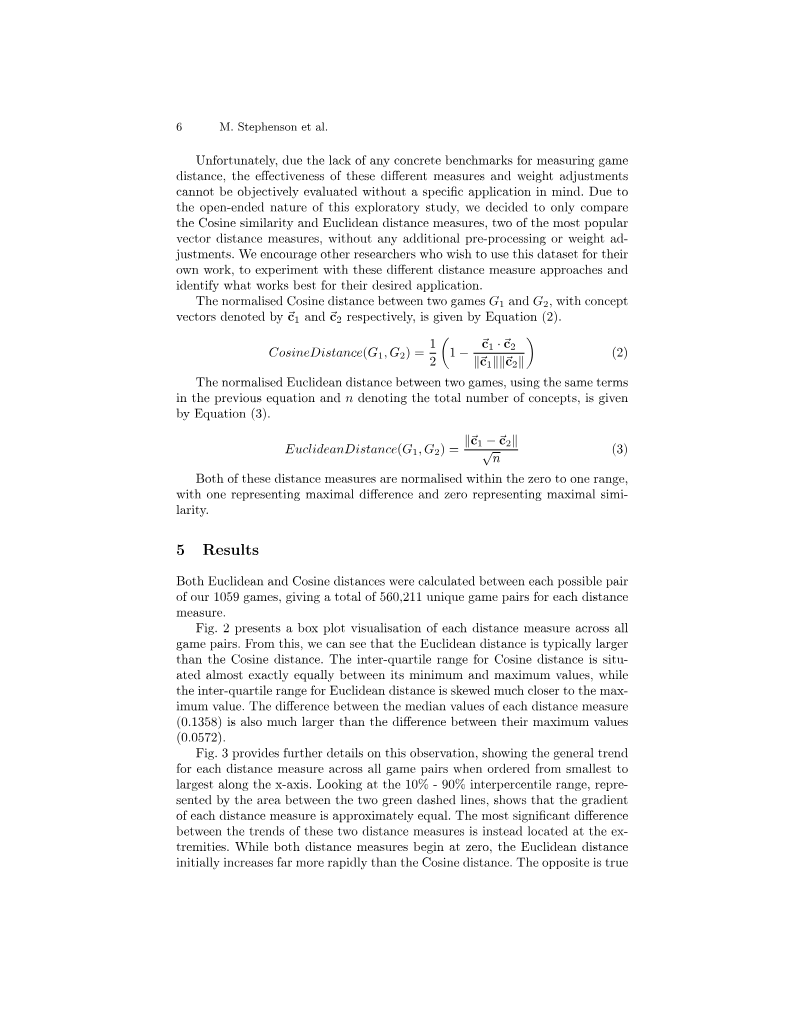
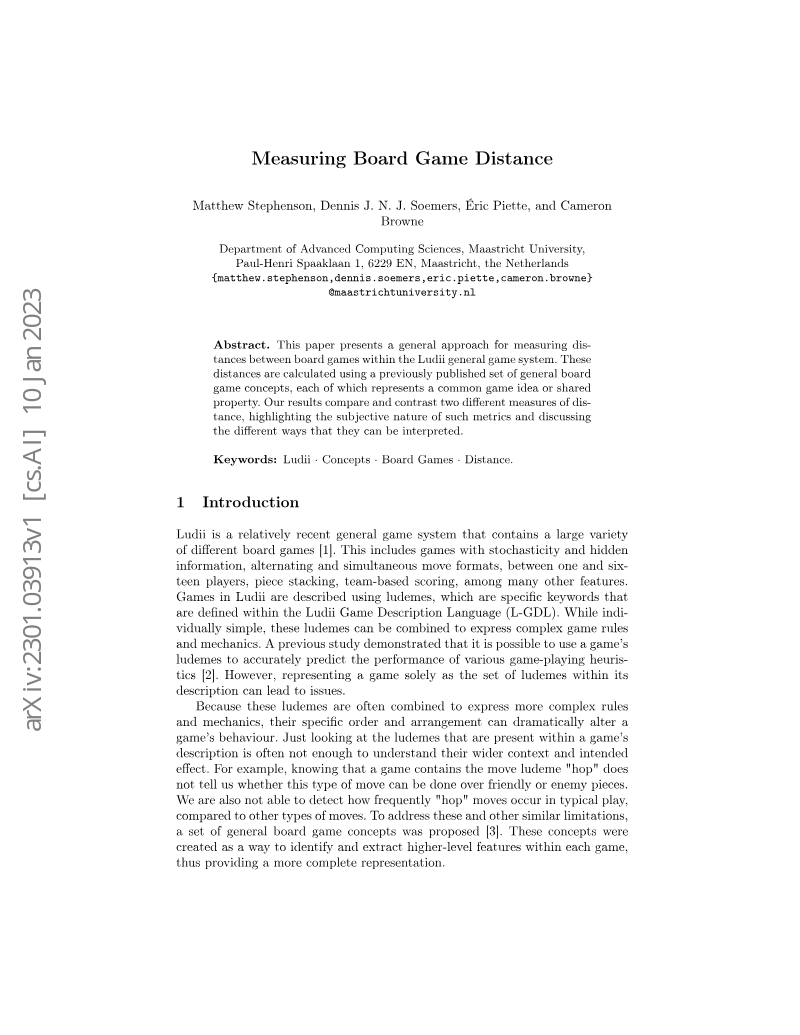
Measuring Board Game Distance
Maastricht University · 2023
Whitepaper
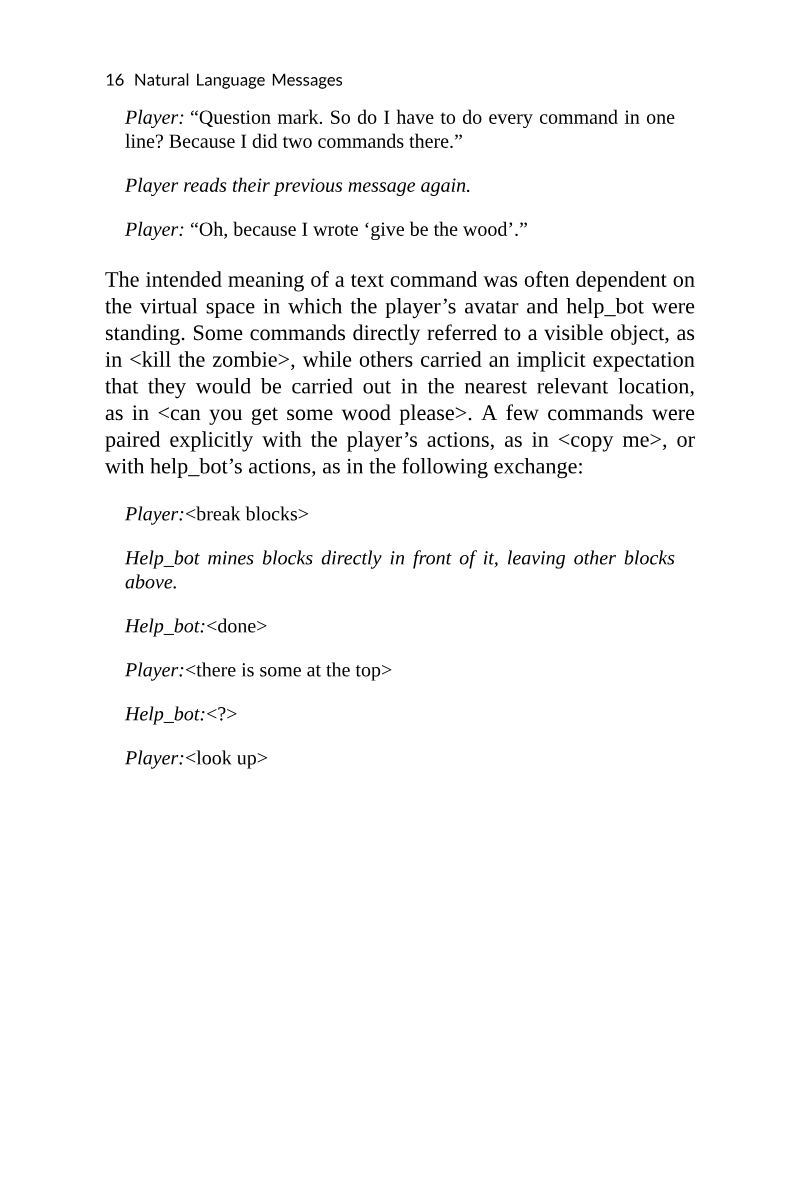
How Players Speak to an Intelligent Game Character Using Natural Language Messages
Digital Games Research Association · 2018

Whitepaper
Survey of How Human Players Divert In-game Actions for Other Purposes: Towards Human-Like Computer Players
IFIP International Federation for Information Processing · 2017
Whitepaper
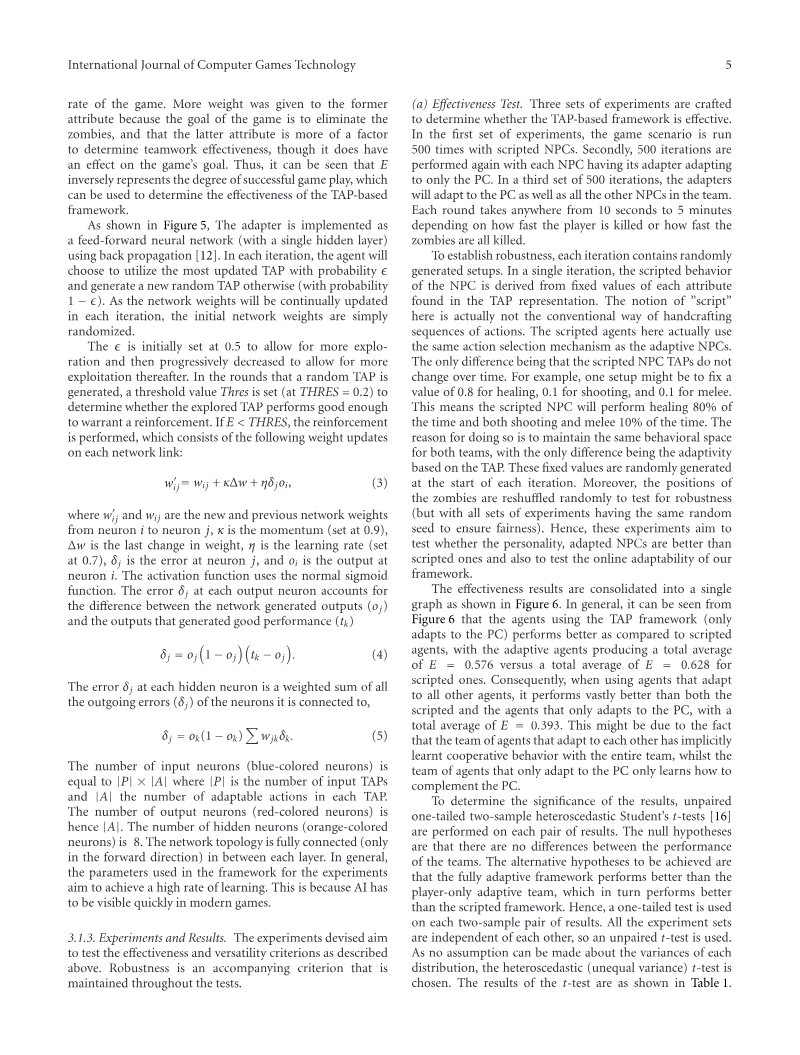
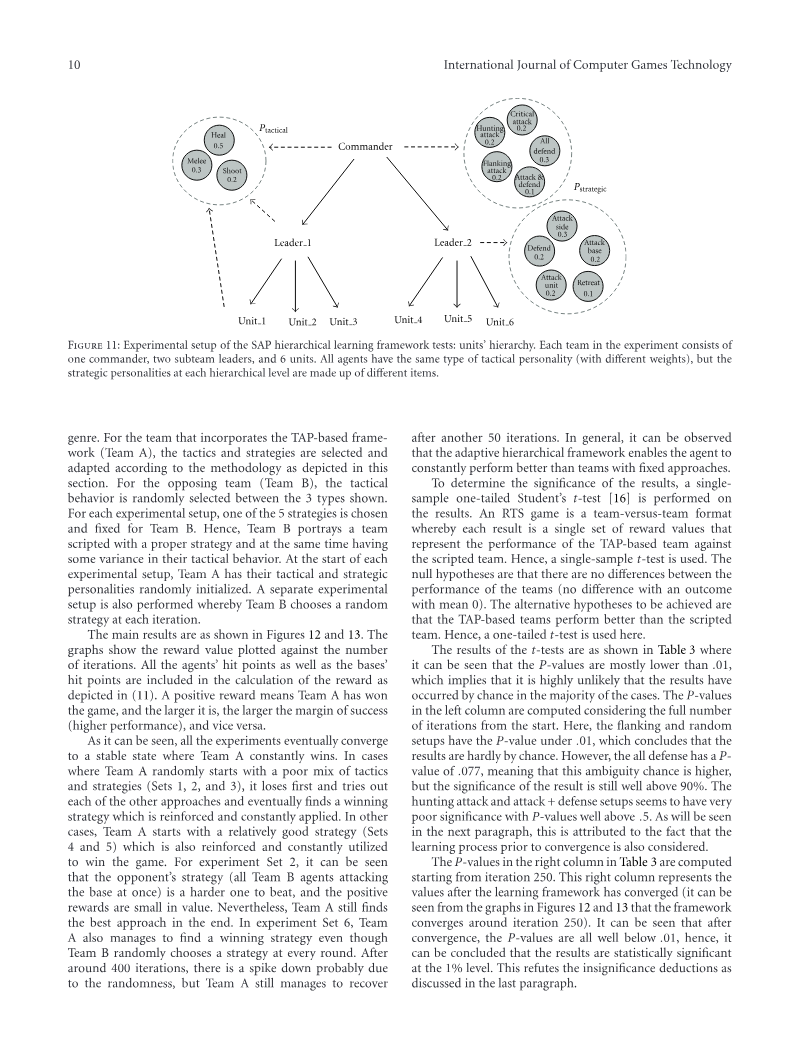
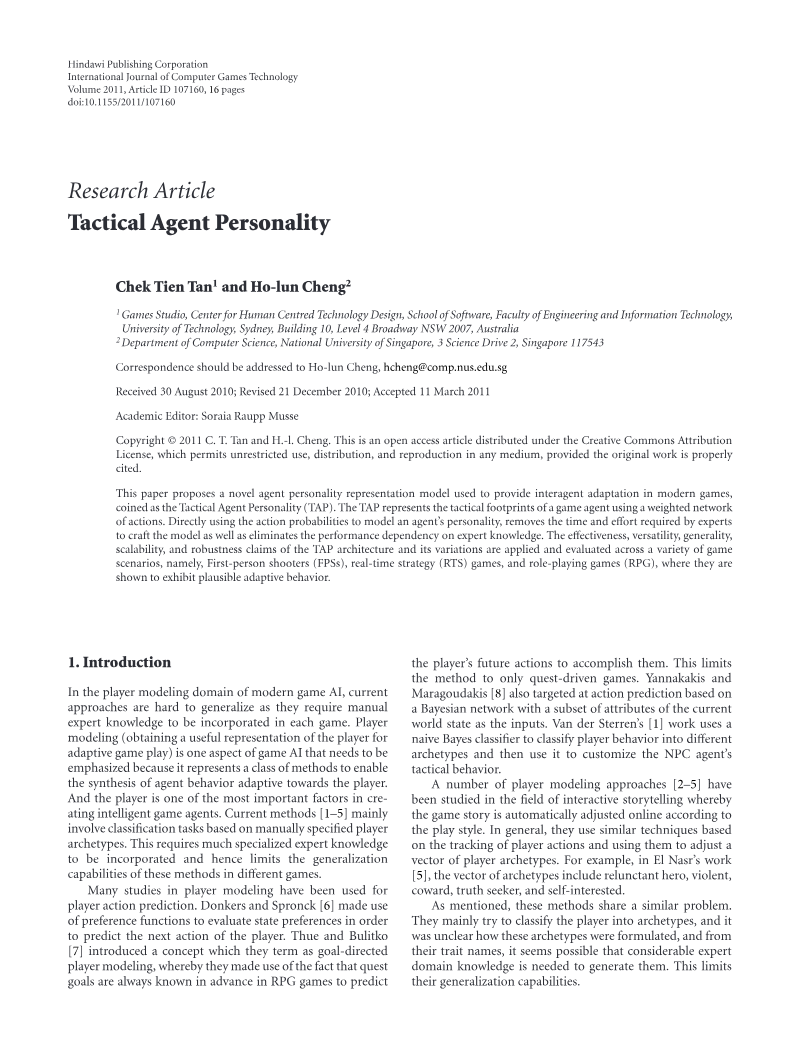
Tactical Agent Personality
Hindawi Publishing Corporation · 2011
Whitepaper
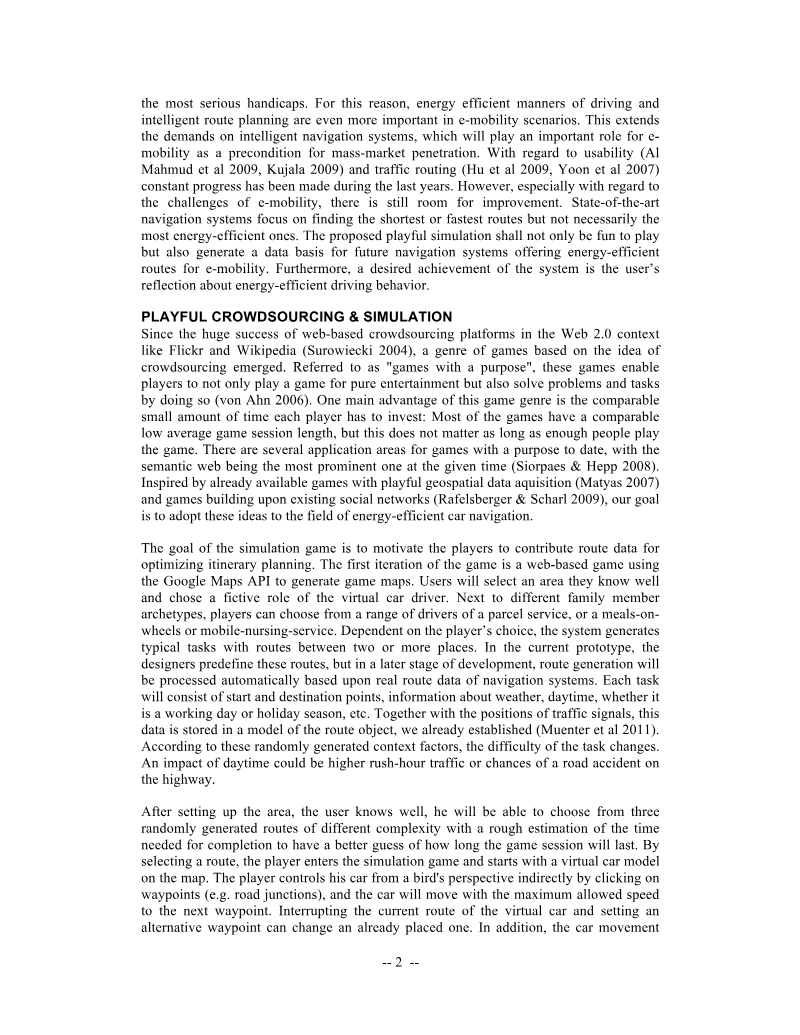
Playful Crowdsourcing for Energy-Efficient Automotive Navigation
DiGRA · 2011
Whitepaper
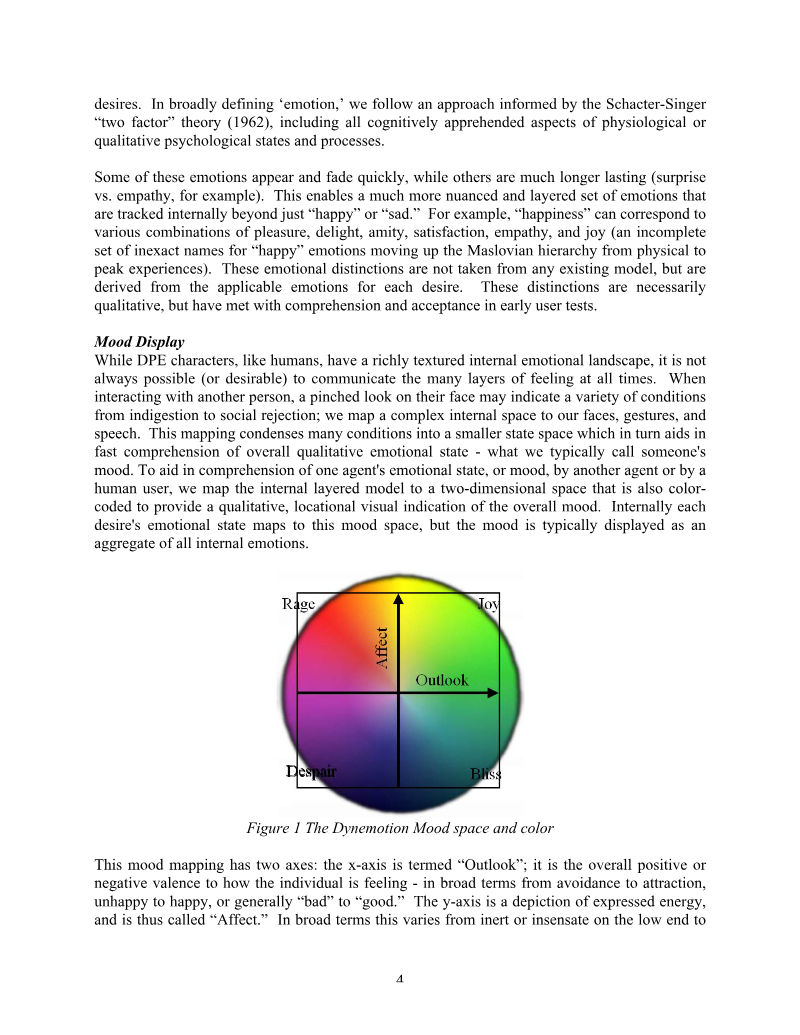
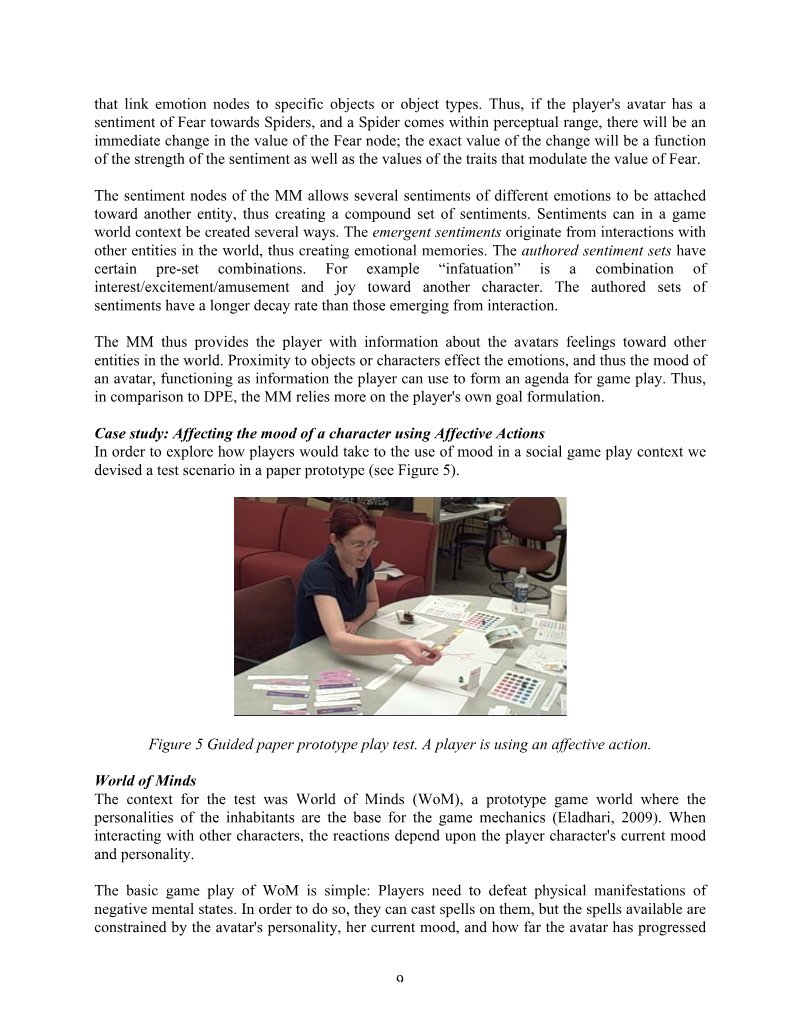
Good Moods: Outlook, Affect and Mood in Dynemotion and the Mind Module
Canadian Game Studies Association · 2009
Whitepaper
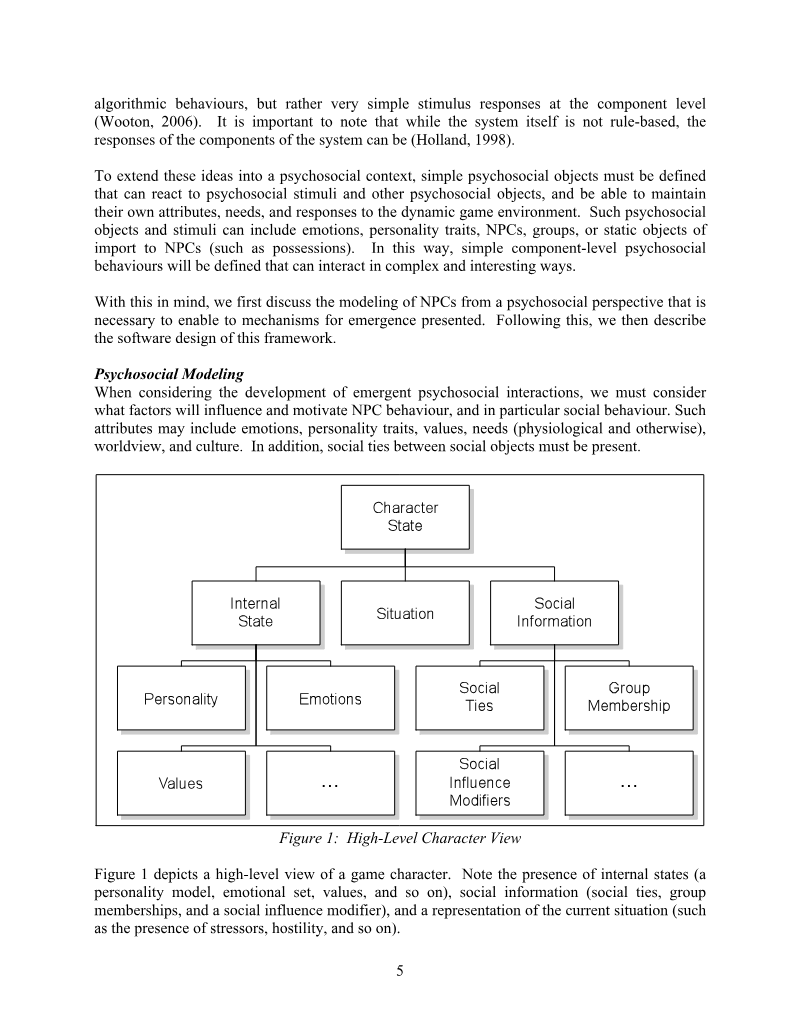
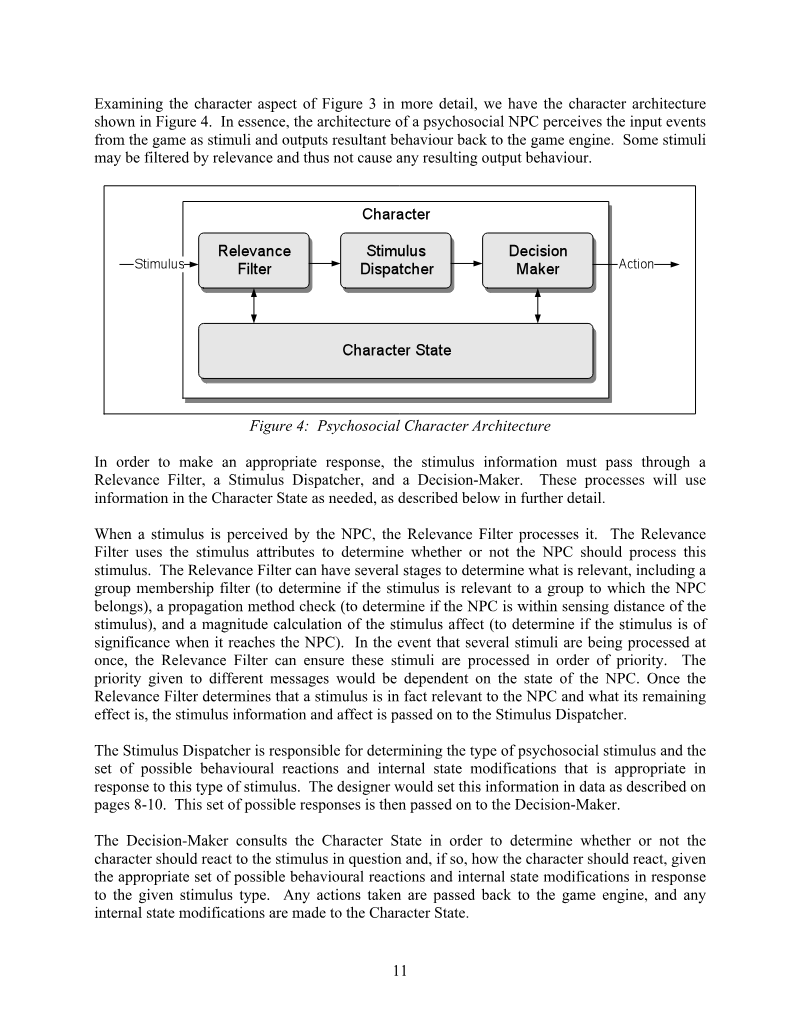
An Emergent Framework for Realistic Psychosocial Behaviour in Non Player Characters
Canadian Game Studies Association · 2009
Whitepaper
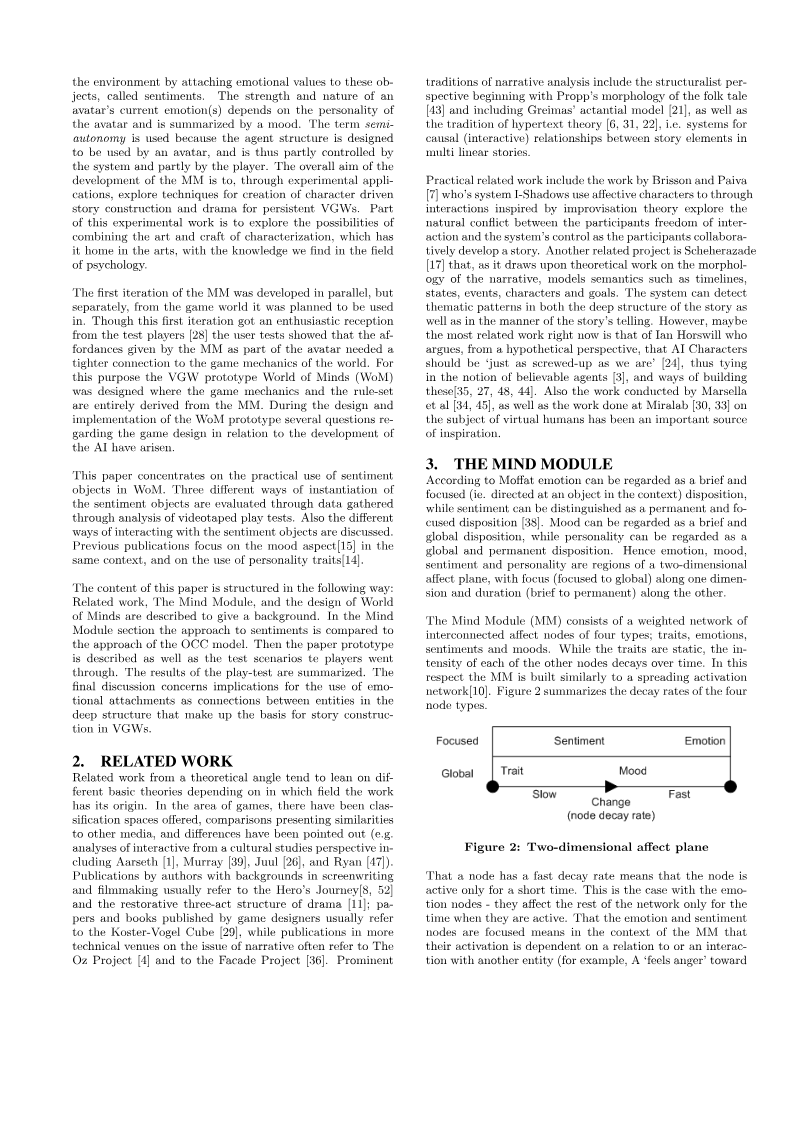
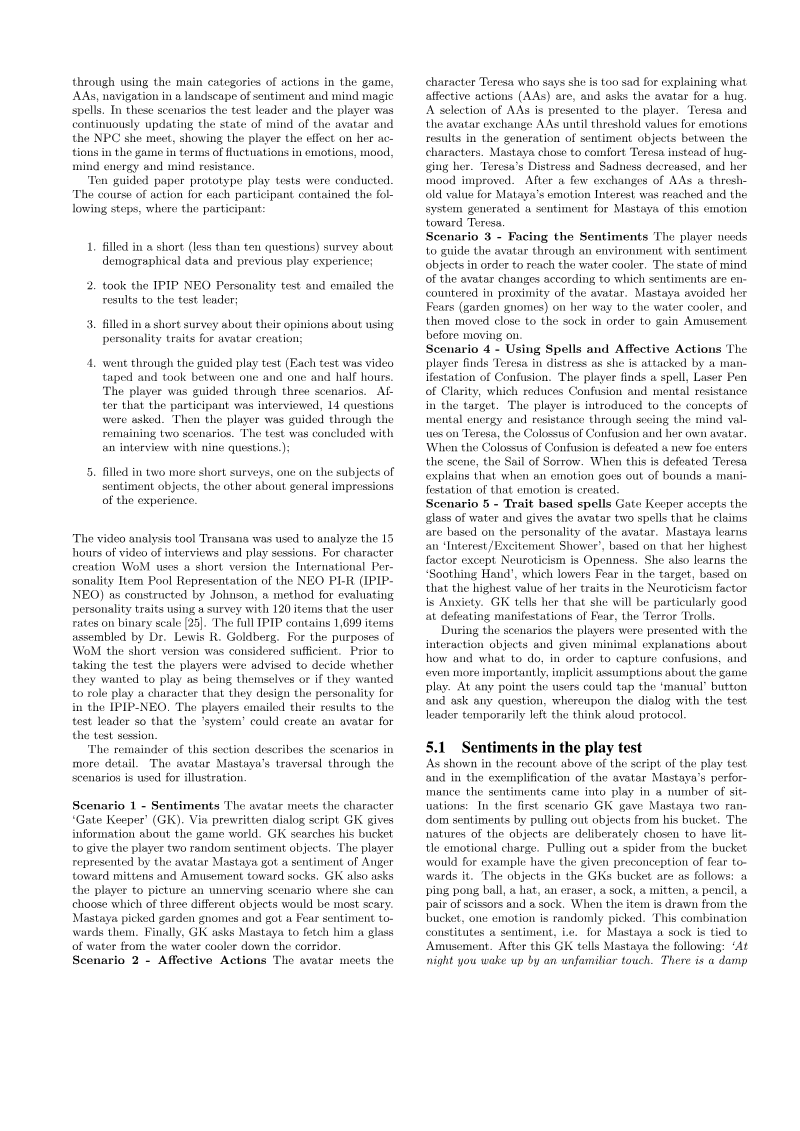
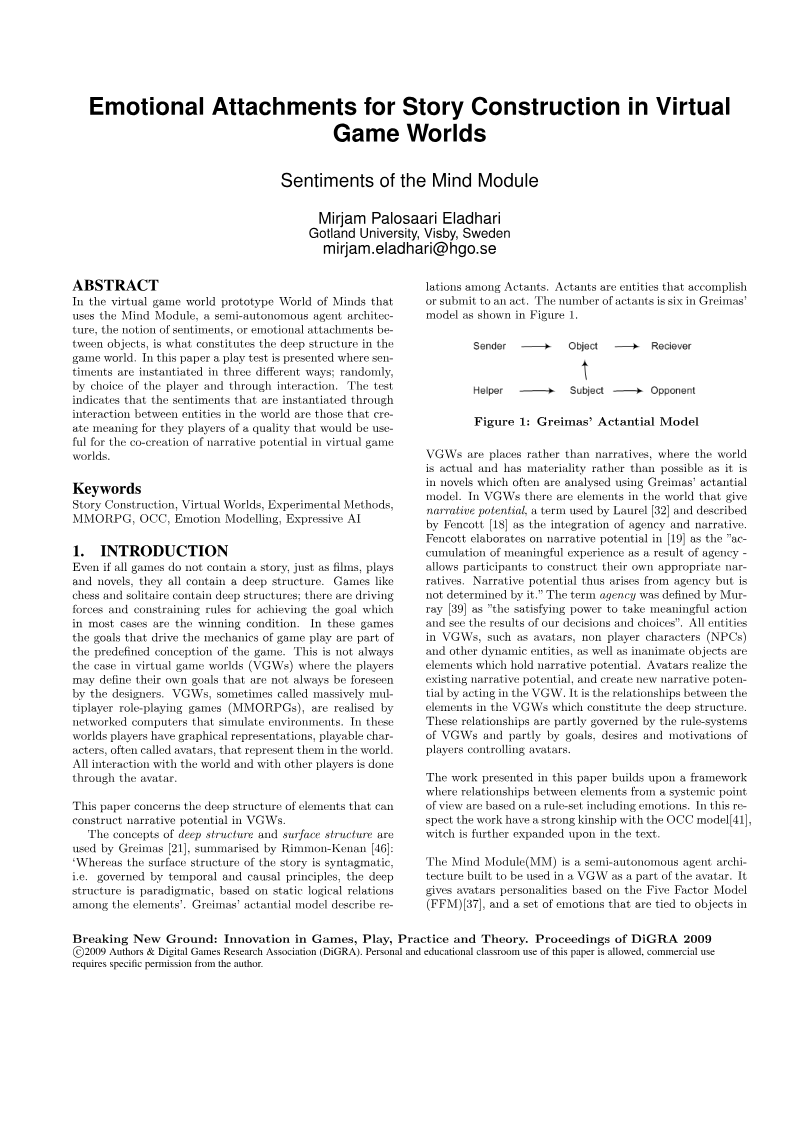
Emotional Attachments for Story Construction in Virtual Game Worlds
DiGRA · 2009
Whitepaper
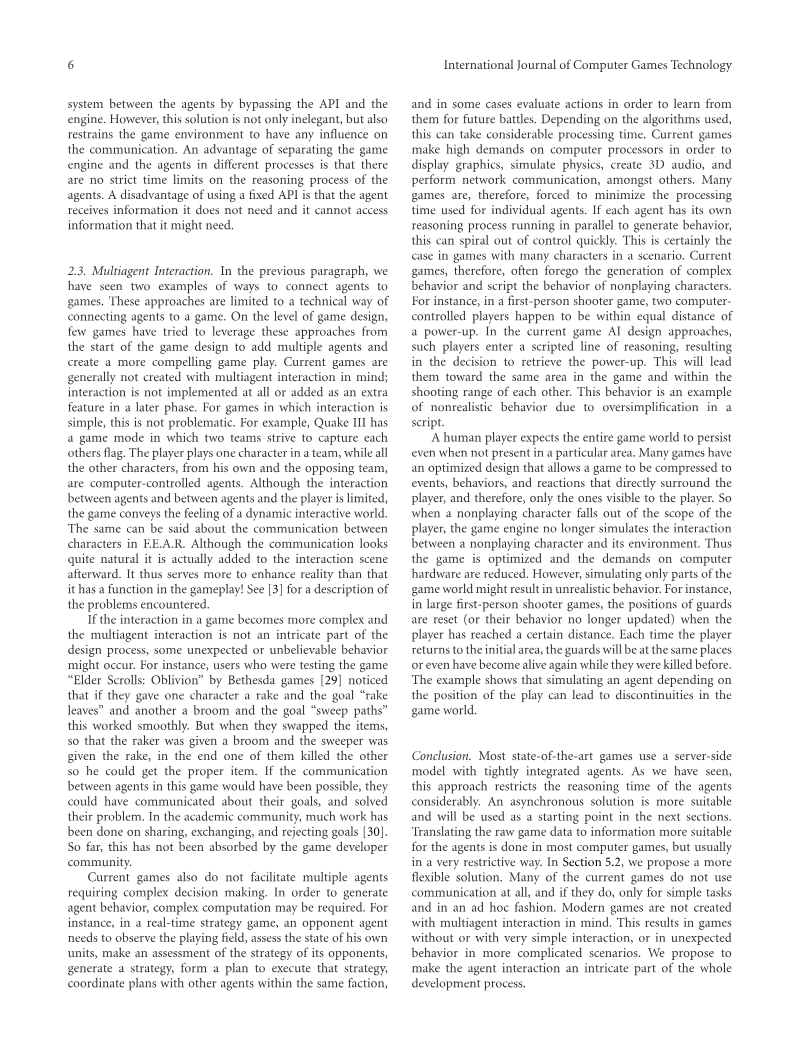
Games and Agents: Designing Intelligent Gameplay
Hindawi Publishing Corporation · 2009