1 free read left. Create a free account for unlimited reading + AI research.
Create free accountWhitepaper DiGRA
1 free read left. Create a free account for unlimited reading + AI research.
Create free accountWhitepaperDiGRA
The study examines player modifications as a way players express and reinforce their legitimacy as authors. It focuses on peace-themed mods made after September 11, 2001.
Cindy Poremba's study examines how player-created modifications function as a form of authorship in digital games, with particular attention to peace-themed works produced after September 11, 2001. The central argument is that these player-made artifacts, which rework and sometimes subvert original designs, constitute an independent mode of authorship that both expresses and reinforces the legitimacy of the player as author. The work centers on two cases: "Velvet-Strike," an anti-war modification for the first-person shooter Counter-Strike, and "Tiny Signs of Hope," a set of anti-war posters created for The Sims. The analysis draws on an estimate that 10 to 20 percent of hardcore gamers create or download modifications, while noting that this figure likely understates participation in lower-level modding.
The comparison between the two cases yields the study's most substantive findings. Velvet-Strike builds a "gamer" persona to earn credibility within the combative FPS community, which meets oppositional content with resistance, while directing its message toward an external audience of artists and activists. Tiny Signs of Hope, by contrast, is framed in a light and non-threatening manner and fits comfortably within the Sims community's supportive, creative modding culture. There, the meta-game of collecting and distributing items serves as the primary validated activity. The contrast suggests that a game community's norms significantly shape whether player-authored political expression is accepted.
Taken together, the cases support the conclusion that players can be recognized as potential co-authors whose artifacts gain legitimacy through community validation. The analysis is limited in scope, focusing on a small number of titles and a specific historical moment in the early 2000s, and its evidence on participation rates is acknowledged as approximate. Its reference base includes a 2003 interview with artist Anne-Marie Schleiner and a contemporaneous news report on games as venues for protest and social activism, situating the study within early debates about gaming as a space for political expression.
Each row is a game or company this document names, each column a document, oldest first. A mark means that document names it. Select a row to see those documents.

DiGRA · 2026

DiGRA · 2026



DiGRA · 2026



DiGRA · 2026



DiGRA · 2026



DiGRA · 2026



DiGRA · 2026



DiGRA · 2026



DiGRA · 2026

DiGRA · 2026



DiGRA · 2026



DiGRA · 2026
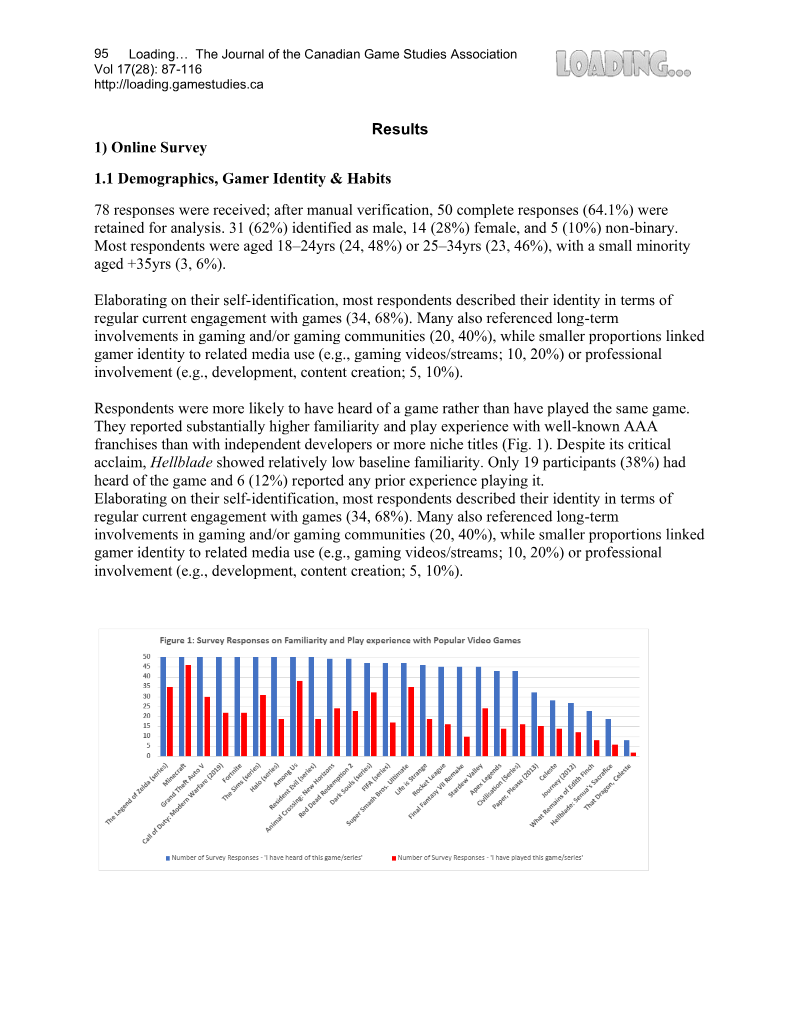
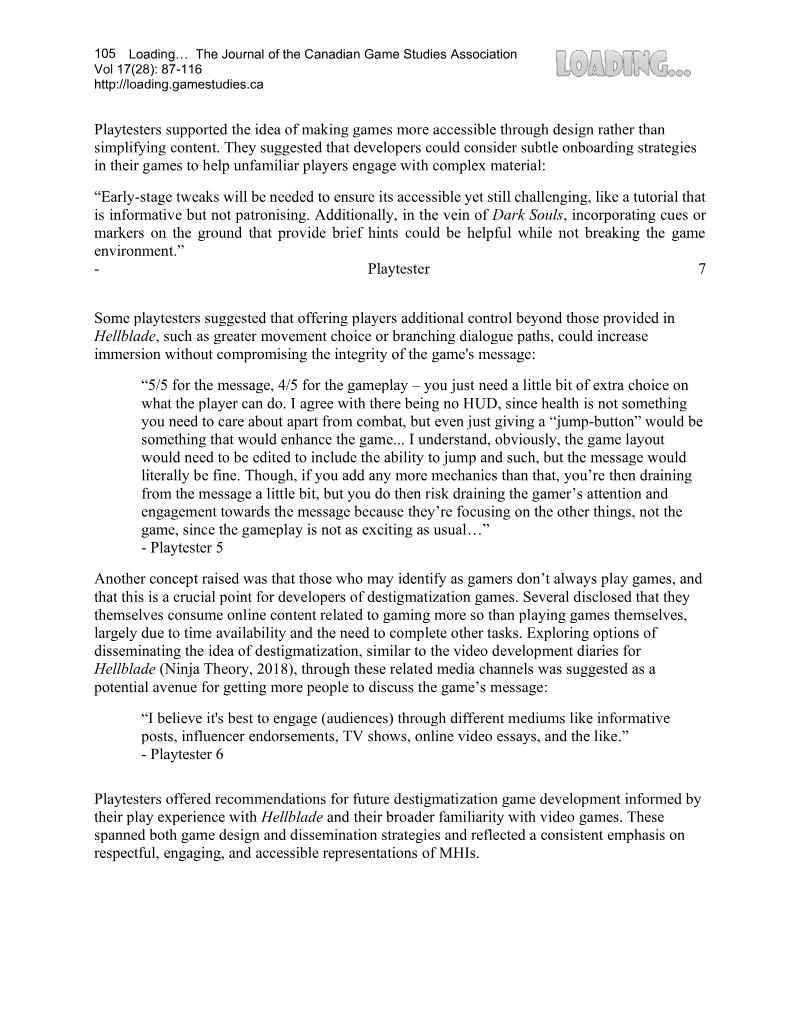
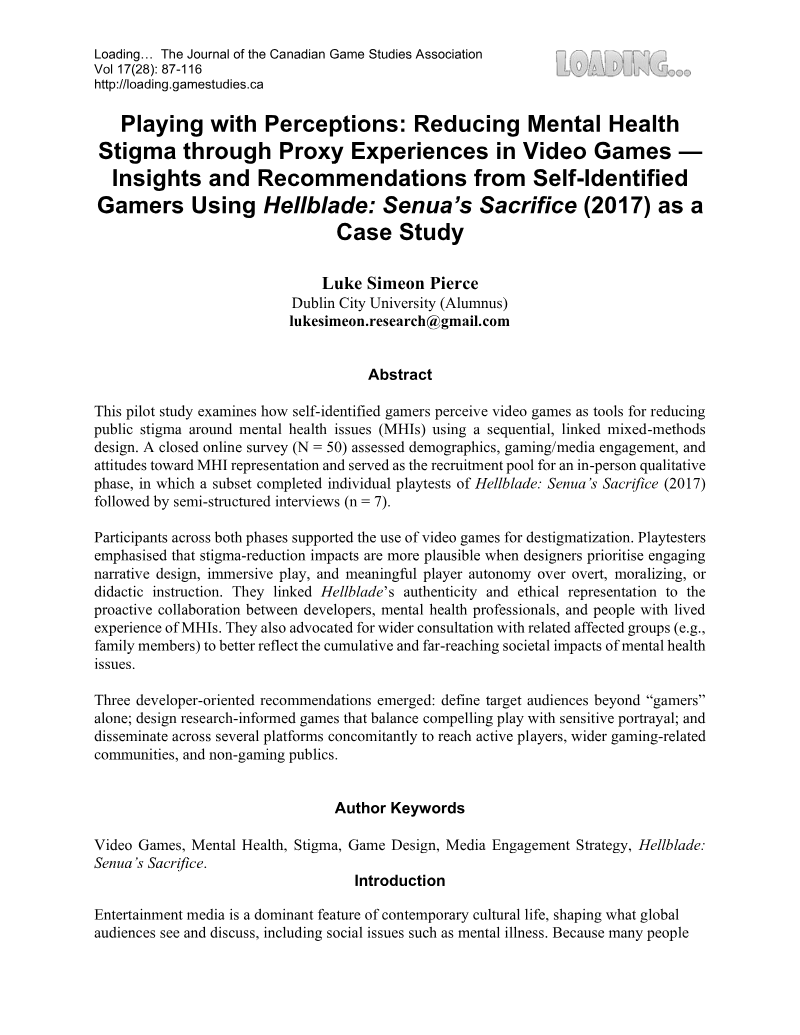
Loading... The Journal of the Canadian Game Studies Association · 2026
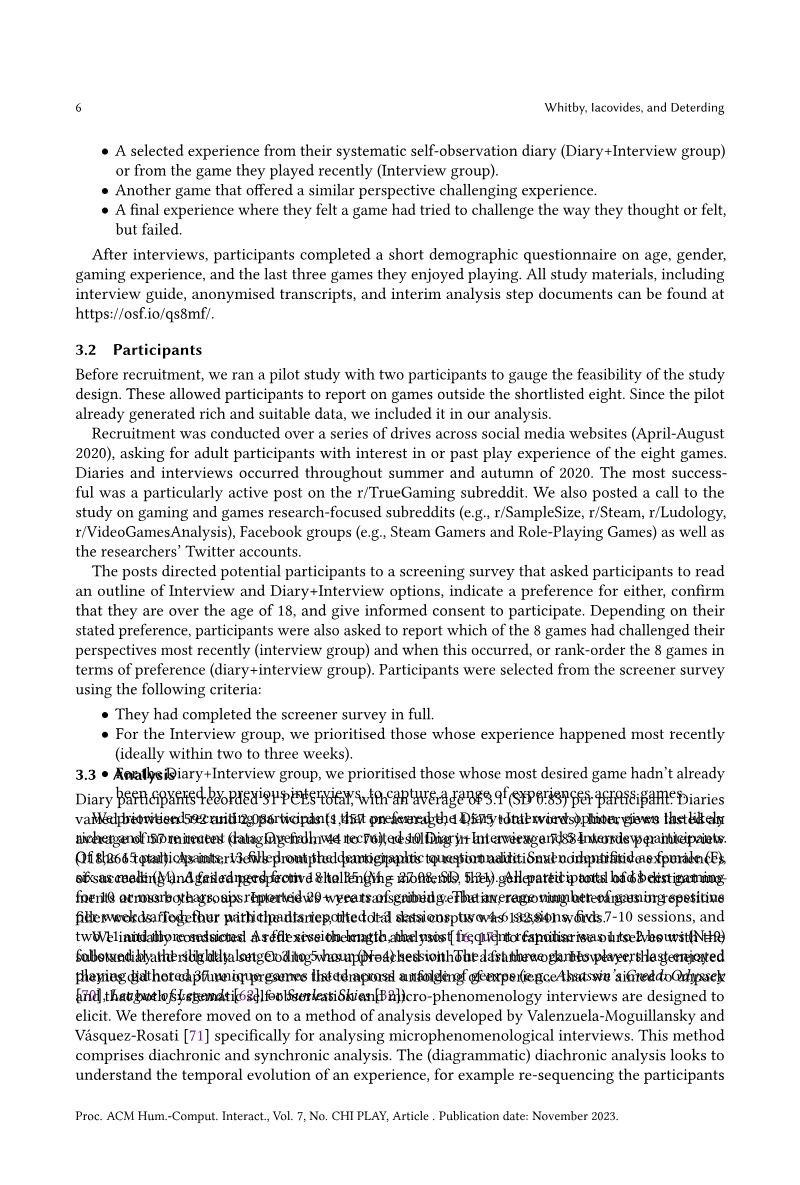
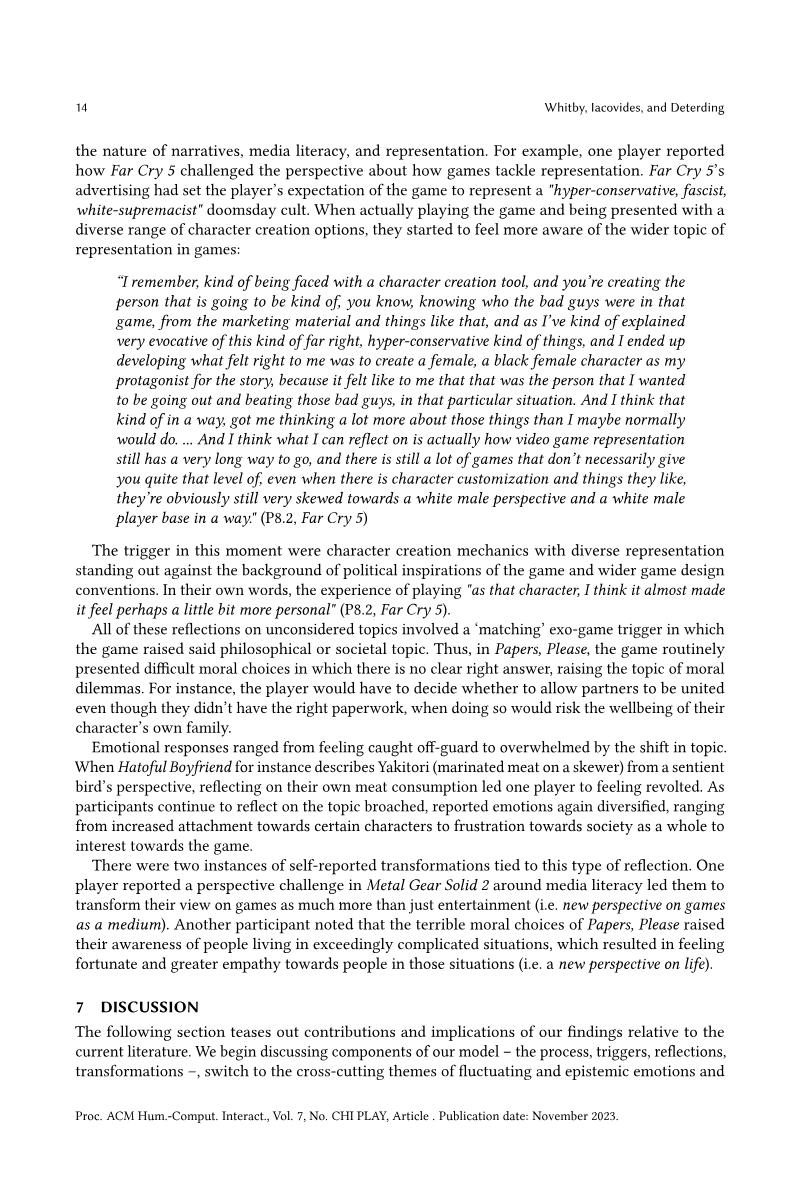
Association for Computing Machinery · 2023
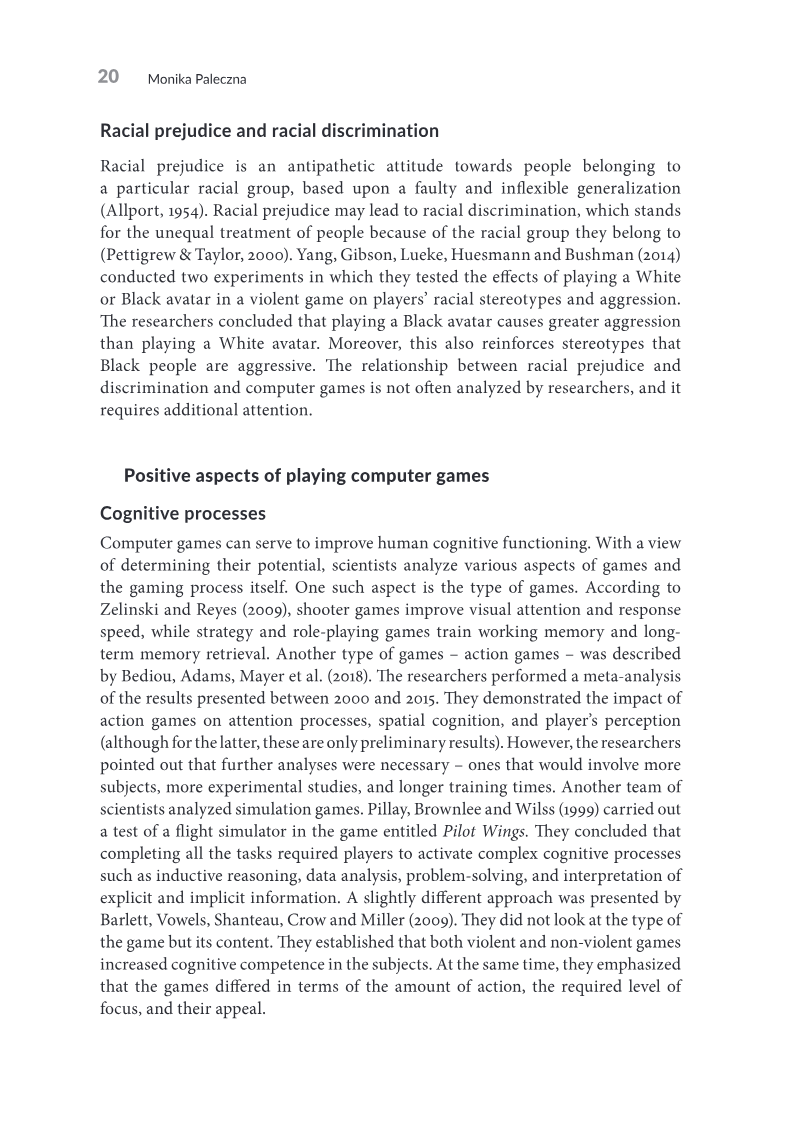
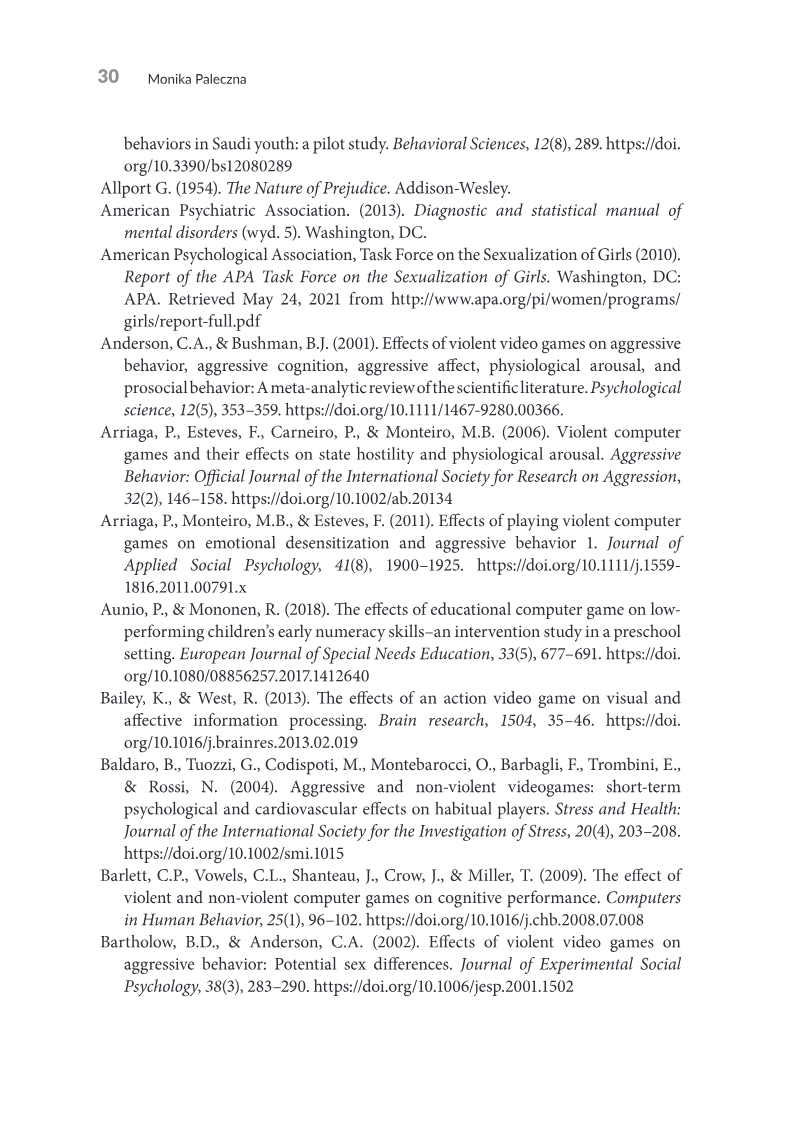
Replay. The Polish Journal of Game Studies · 2022