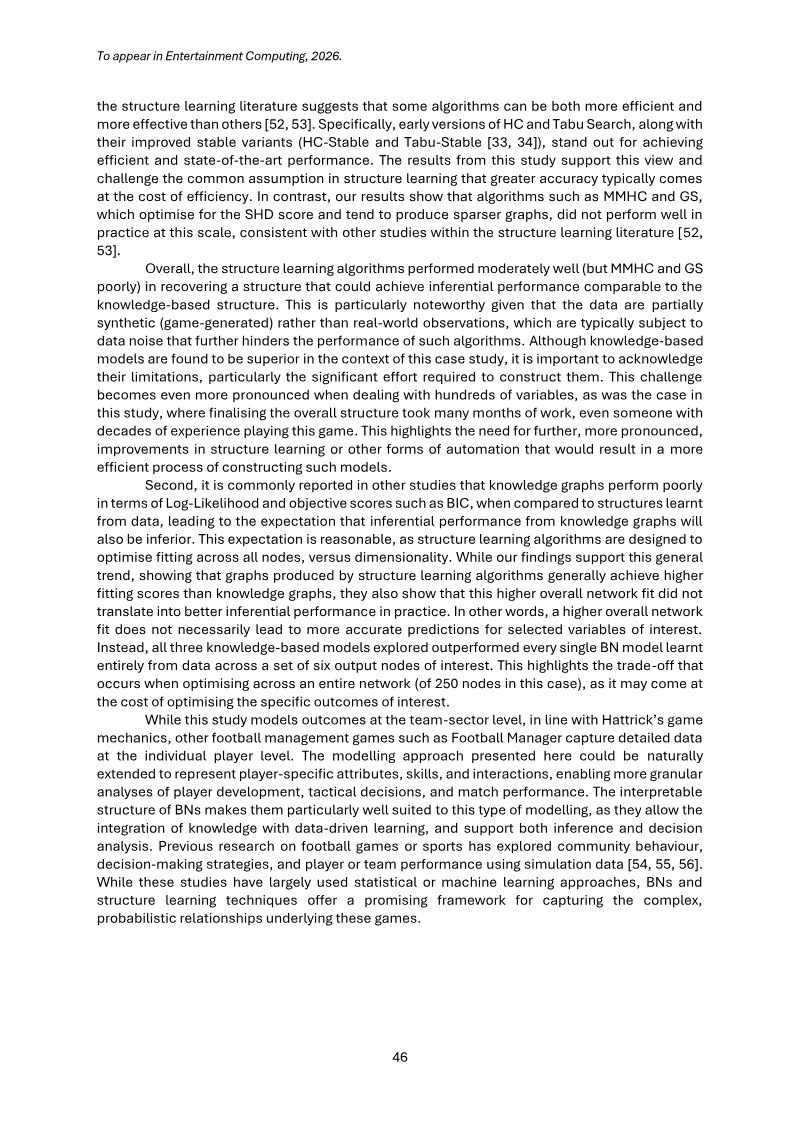
Static evaluation functions in computer chess are most effectively optimized by prioritizing the relative ordering of positions rather than the absolute numerical values assigned to them. By utilizing Kendall’s tau as an ordinal metric, developers can tune feature weights with greater computational efficiency than traditional methods like Spearman’s rho. This approach aligns with the fundamental mechanics of minimax search, which relies on the rank-ordering of potential moves to determine optimal play, thereby providing a more objective and statistically sound foundation for engine development.
Empirical testing conducted on the CRAFTY chess engine confirms that maximizing ordinal correlation between machine assessments and grandmaster-level human judgments successfully restores high-level performance even after initial weight randomization. Experiments indicate that concordance between machine and human evaluation improves as search depth increases. While this hill-climbing optimization process is robust, it is susceptible to overfitting and the emergence of anomalous codependencies among specific parameters, such as those governing king safety. These findings underscore the necessity of utilizing expansive datasets to ensure the stability and generalizability of the tuned weights.
Future advancements in this methodology will likely involve integrating genetic algorithms and data perturbation techniques to navigate complex parameter landscapes and avoid local maxima. Beyond general performance improvements, the ability to tune evaluation functions against specific human playstyles or to model the internal logic of competing engines offers a significant strategic advantage. Refinement of these statistical tuning processes remains a critical path for enhancing the sophistication and tactical accuracy of modern game-playing software.