Game Studies reports and market data
Documents


Games Just Wanna Have Fun…Or Do They? Measuring the Effectiveness of Persuasive Games
The effectiveness of persuasive games—digital titles designed to influence player attitudes, behaviors, or political beliefs—remains a complex and debated subject within the gaming industry.
- Persuasive games—designed to influence attitudes or behaviors—face a significant challenge in proving they cause genuine shifts in opinion rather than merely reinforcing the existing beliefs of sympathetic players.
- Quantitative metrics like download counts and website clicks are insufficient indicators of success, as they do not correlate with long-term behavioral change or meaningful shifts in public perception.
- High-profile titles such as America’s Army and Food Force have achieved millions of downloads and extensive engagement, yet their actual impact on social or political objectives remains difficult to quantify.


Chasing the Fugitive on Campus: Designing a Location-based Game for Collaborative Play
The Fugitive functions as a collaborative, location-based mobile game designed to explore how real-time tracking and spatial awareness influence team dynamics within a university campus environment.
- Location-based games thrive on collaborative strategy, but their success is heavily dependent on the reliability of underlying infrastructure like WiFi and GPS.
- Technical instability, specifically network drops and location inaccuracies, is the primary cause of user frustration in pervasive gaming environments.
- Players are willing to overlook minor technical friction if the game's social and strategic elements are sufficiently engaging.


You Mean It's Only a Game? Rule Structures, the Magic Circle, and Player Participation in Pervasive Mobile Gaming
Pervasive mobile gaming challenges traditional game theory by intentionally blurring the boundaries of the magic circle, the conceptual space that separates play from everyday life.
- Pervasive mobile games intentionally blur the 'magic circle' by integrating urban environments and public spaces into the gameplay experience.
- Designers increasingly treat non-players as game content or secondary performers to heighten dramatic tension and social engagement.
- The current design framework for pervasive games lacks ethical safeguards, as participation is often forced upon bystanders who have not consented to the game's rules.



Industry – Academia: How Can We Collaborate?
The relationship between the video game industry and academia is characterized by a significant divide, fueled by mutual misperceptions, conflicting priorities, and a lack of trust.
- The video game industry faces a critical labor shortage, while academic institutions are experiencing a decline in computer science enrollment, creating a strategic necessity for collaboration.
- Industry demand for specialized training is high, with 83% of respondents in a Texas-based technology survey explicitly calling for game-focused curricula.
- Major industry players including Ubisoft and Electronic Arts have already committed millions of dollars to university partnerships and educational initiatives to secure a talent pipeline.



Alert Hockey: An Endogenous Learning Game
The research evaluates the effectiveness of an implicit learning mechanism in a sports-action video game titled Alert Hockey, which aims to reduce aggressive and negligent behaviors in youth hockey players.
- Integrating educational objectives directly into core gameplay mechanics—rather than treating them as external tasks—significantly improves behavioral outcomes while maintaining player engagement.
- In a study of 62 youth hockey players aged 12 to 14, an implicit learning mechanism successfully shifted player behavior toward safer playstyles through a karma-based reward system.
- The experimental group demonstrated a significant linear improvement in behavior scores over three sessions, with statistical significance confirmed at F(2, 40) = 10.589 and p = 0.0002.

Automating Content Analysis of Video Games
Automated content analysis of video games addresses the inherent limitations of manual observation by embedding software instrumentation directly into game engines.
- Automated content analysis embeds software instrumentation directly into game engines to replace labor-intensive manual observation with scalable, quantitative data collection.
- By utilizing sensors, actuators, and a centralized coordinator, researchers can systematically track gameplay mechanics and generate precise, time-stamped logs in real-time.
- Implementation testing in Unreal Tournament 2004 confirmed that instrumentation can capture granular metrics—such as weapon usage, mortality, and offensive language—without degrading engine performance.

Game-Framed Conversationally-Articulated Modelling and Simulation
The primary purpose of this analysis is to advocate for the integration of multiplayer gaming, dynamic system modeling, and structured learning conversations as a superior framework for educational technology.
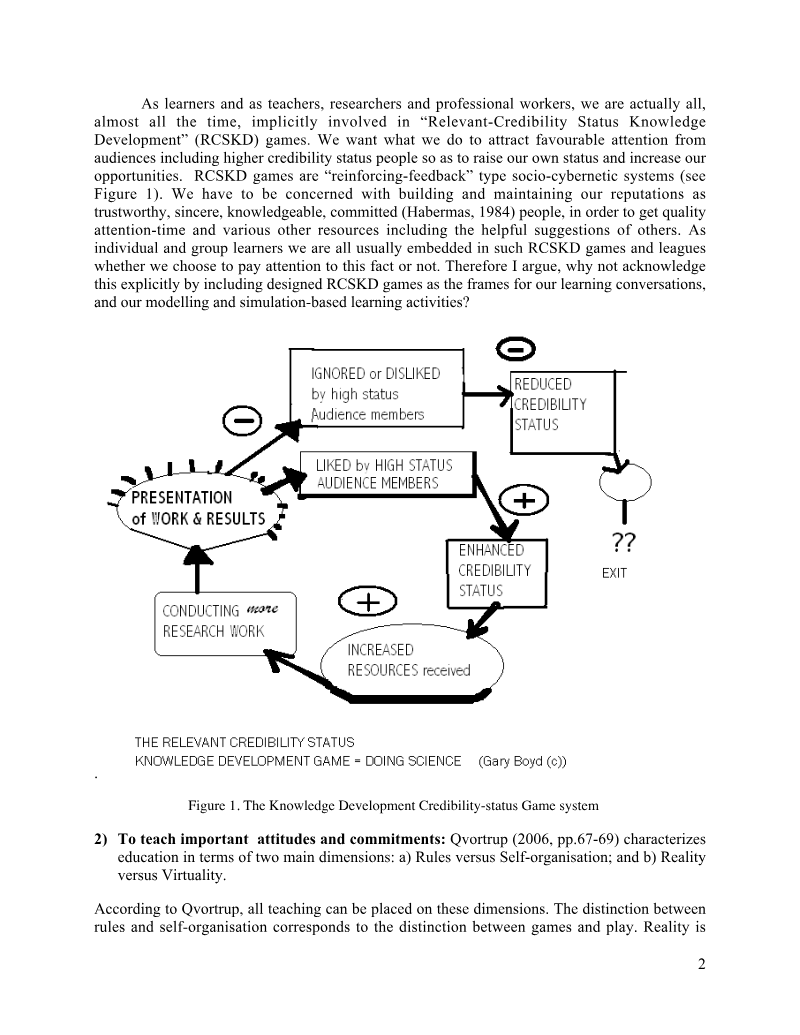
- Educational technology achieves higher engagement by framing complex socio-technical-ecological learning as multiplayer games that leverage human status-seeking and knowledge-development behaviors.
- Effective learning in these systems requires a synthesis of three specific conversational types: discussions on subject necessity, exploration of core content, and metacognitive regulation.
- The optimal development methodology for these environments is design-based research, which prioritizes evolutionary prototyping and formative evaluation over rigid, fully engineered production cycles.


Stacking the Deck for Learning: What Educational Game Designers Can Learn From Card Games
Educational game design achieves its highest potential when learning content is woven directly into the core mechanics of play rather than being treated as an external layer.
- Educational games achieve the highest efficacy when learning content is integrated as a functional component of the game’s core rules and mechanics rather than as an external reward system.
- Endogenous design, which weaves subject matter into the game's internal logic, forces players to interact with educational content to progress, resulting in deeper engagement than exogenous designs.
- Exogenous designs, which rely on superficial mapping of facts onto unrelated mechanics, often fail to provide the meaningful, play-centered experience required for effective learning.
Classifying Learning Objectives in Commercial Games
Commercial video games function as sophisticated learning environments that utilize inherent instructional strategies, often achieving educational efficacy without explicit pedagogical intent.
- Effective learning in games relies on embedding instructional objectives directly into core mechanics rather than treating them as arbitrary additions.
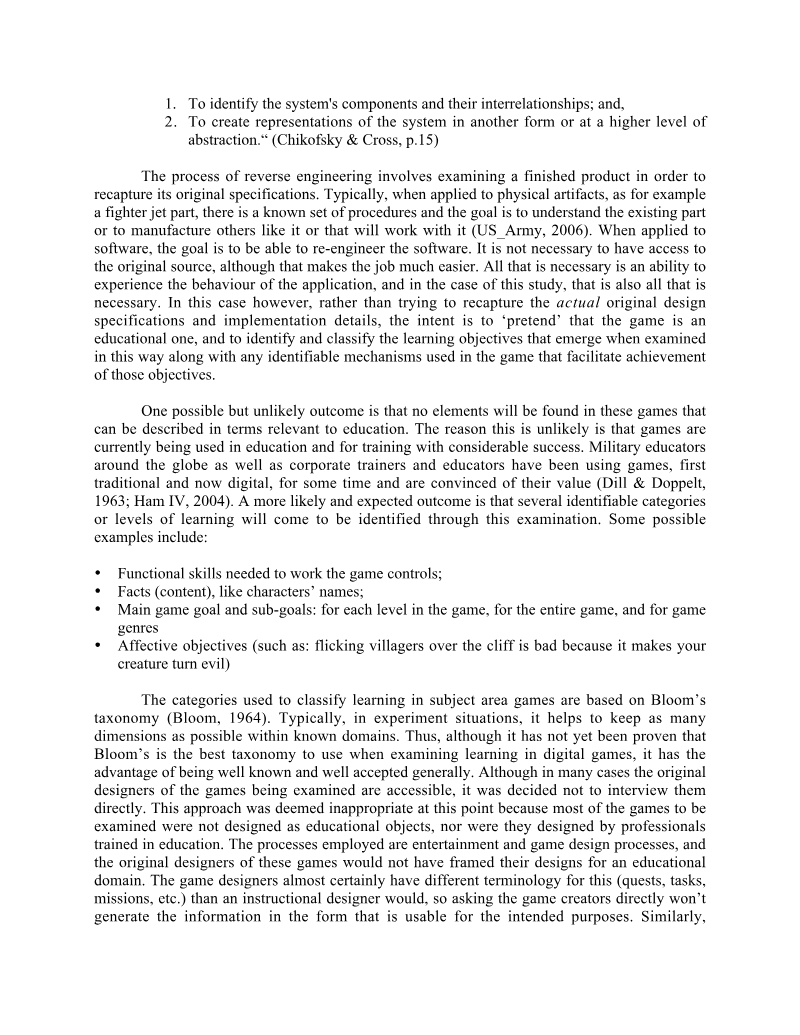
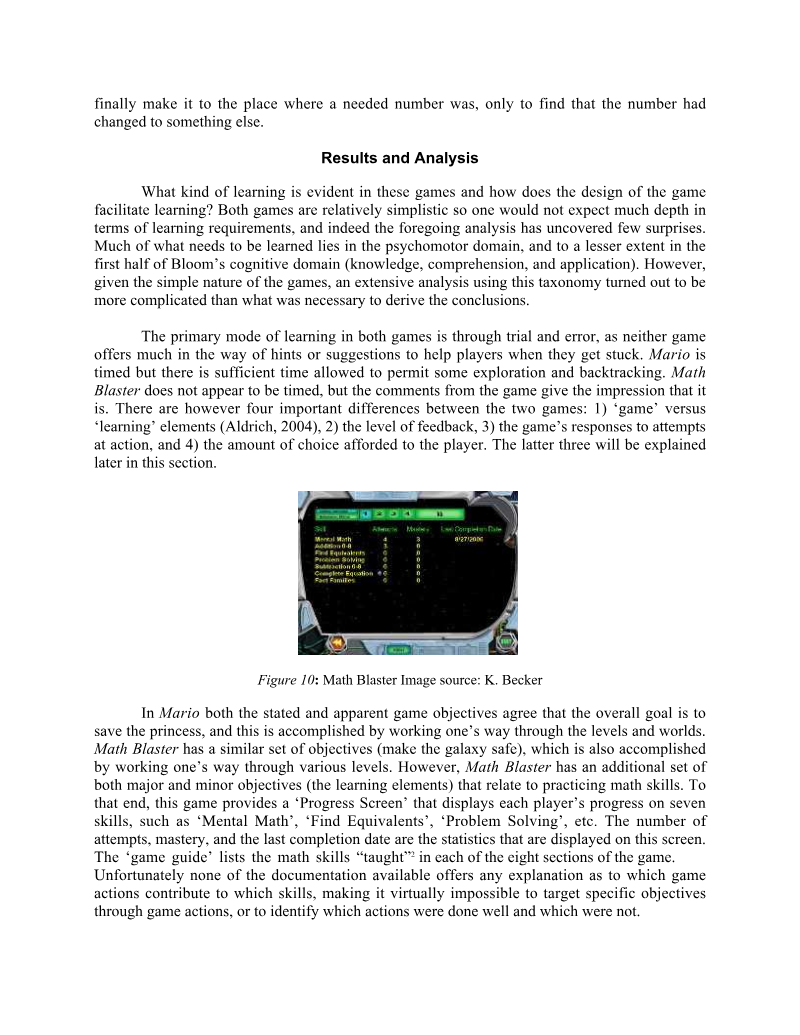
- Commercial titles like New Super Mario Bros. outperform educational games like Math Blaster by integrating challenges, feedback, and player agency into the gameplay loop.
- Successful learning environments utilize iterative trial-and-error processes, allowing players to master complex skills through natural difficulty progression.



Games and Narrative: An Analytical Framework
This analysis addresses the academic tension between ludology and narratology by identifying two primary sources of conceptual confusion: the nature of immersion and the reliance on the traditional narrative arc.
- Traditional narrative arcs are ineffective for interactive media because player agency inherently disrupts the authorial control required for linear storytelling.
- Games should be analyzed through a framework of five granular parameters: storyworld, character, emotion, narrative interface, and micro-narrative.
- Narrative engagement in games is defined by praxis, or the story as enacted, rather than the passive diegetic or mimetic modes found in cinema and literature.

Selfish Search on Playing Shogi
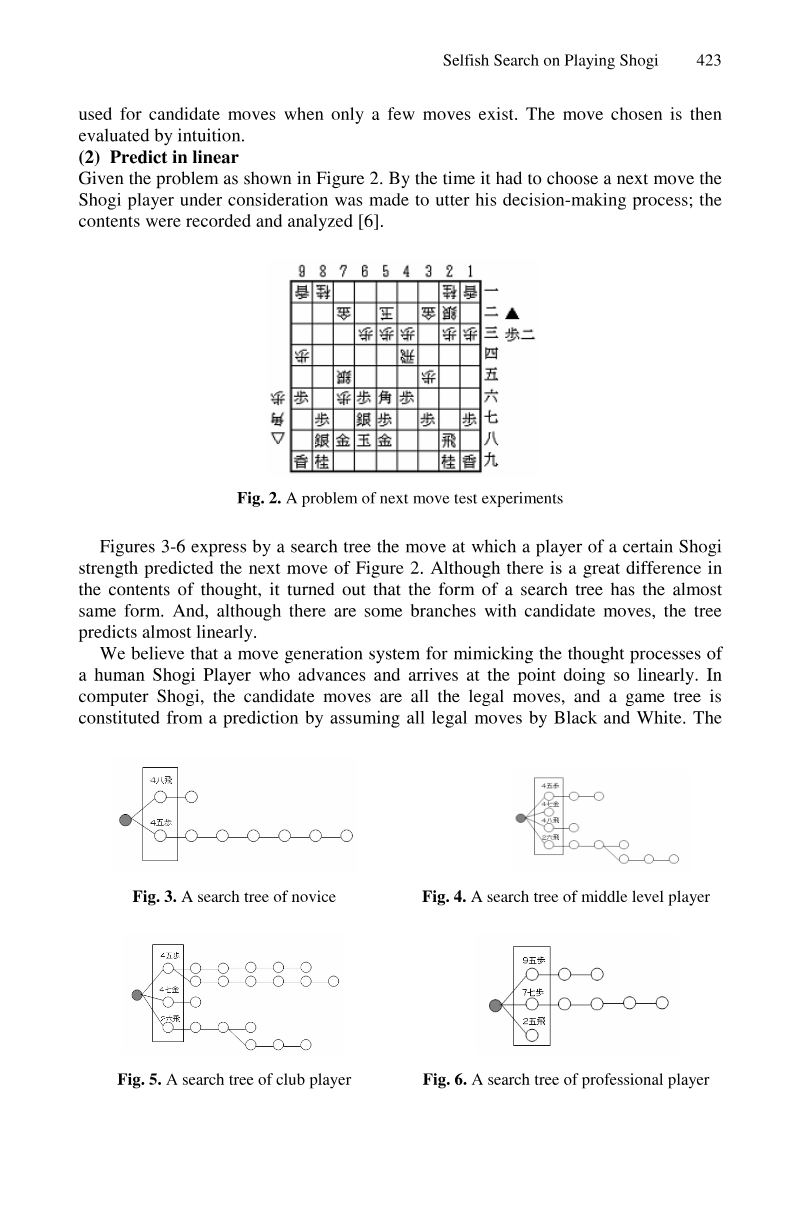
This analysis explores the fundamental differences between human and computer decision-making processes in the game of Shogi.

Game Design Guided by Visual Attention
This research explores the integration of human visual attention models into game design to dynamically adjust difficulty levels.