Key insights
5 slides
Game concept
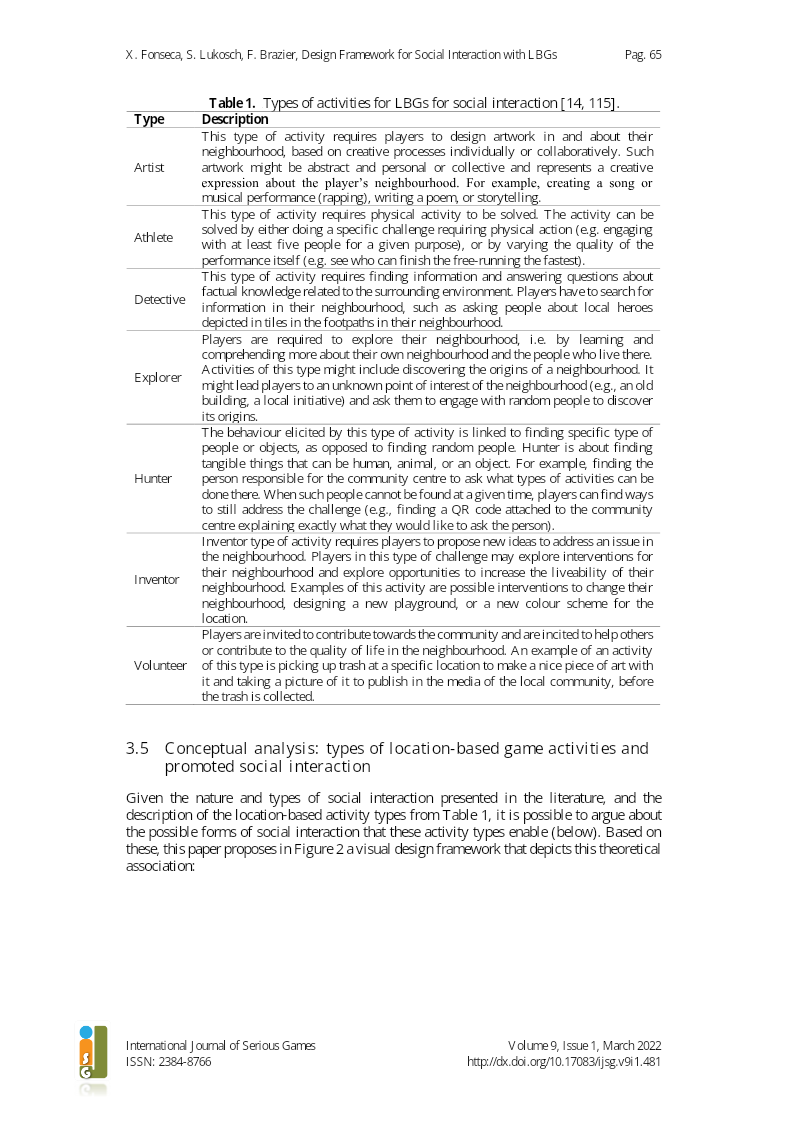
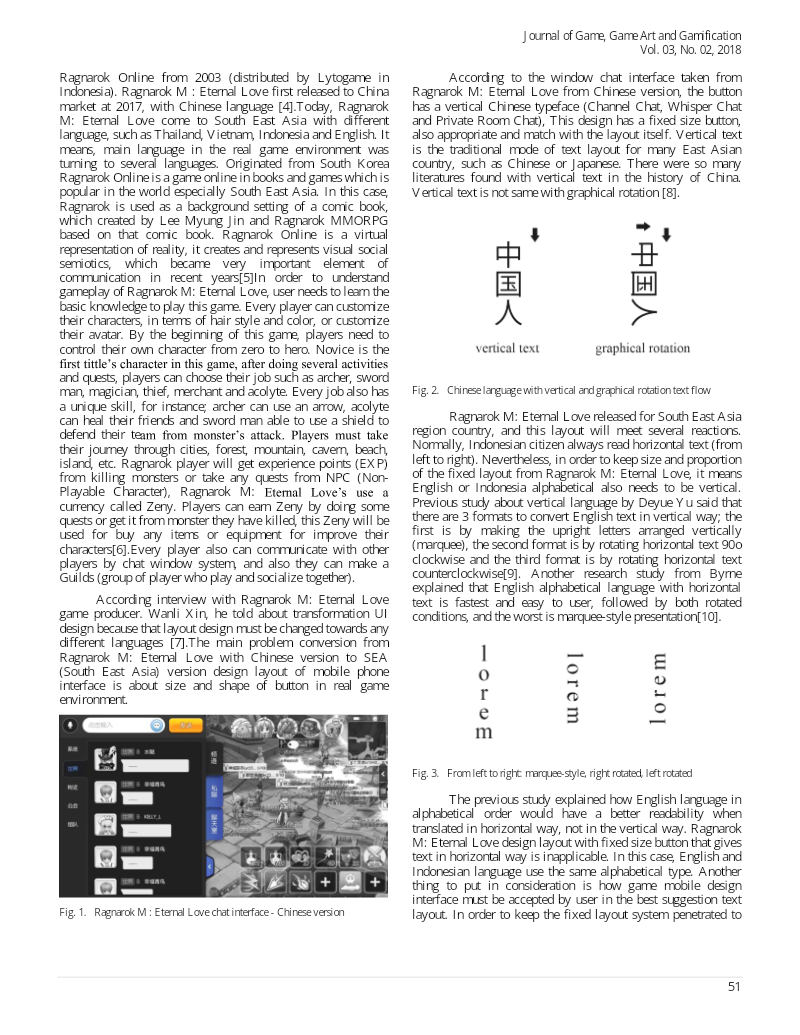
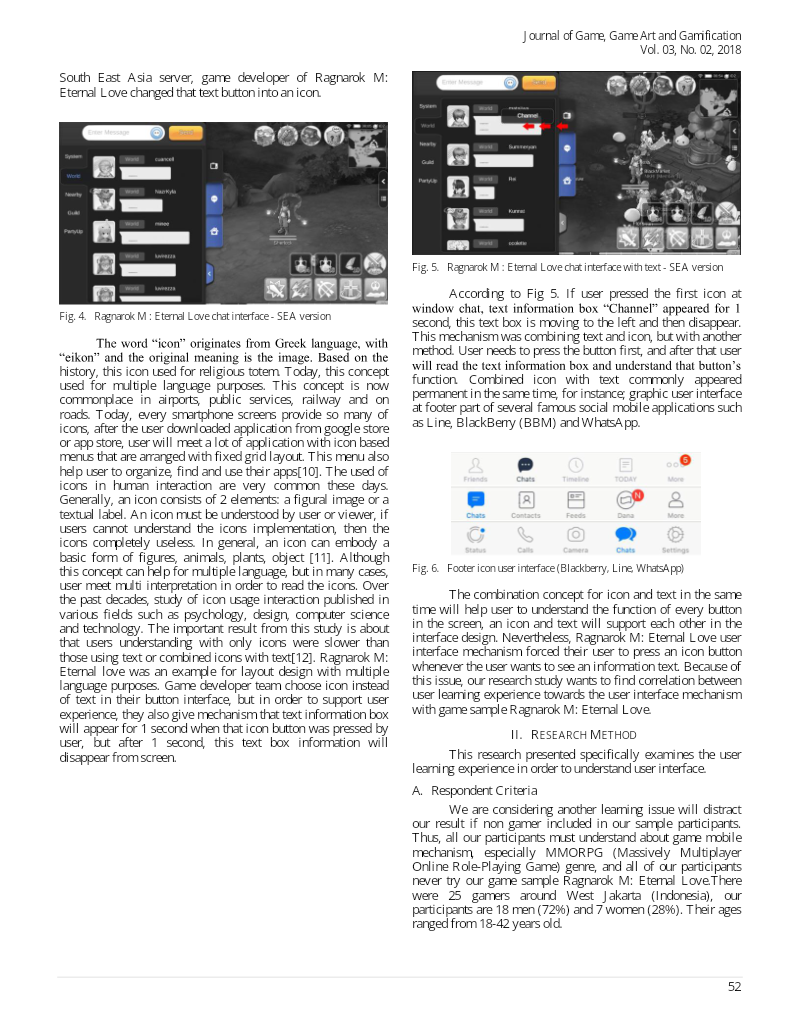
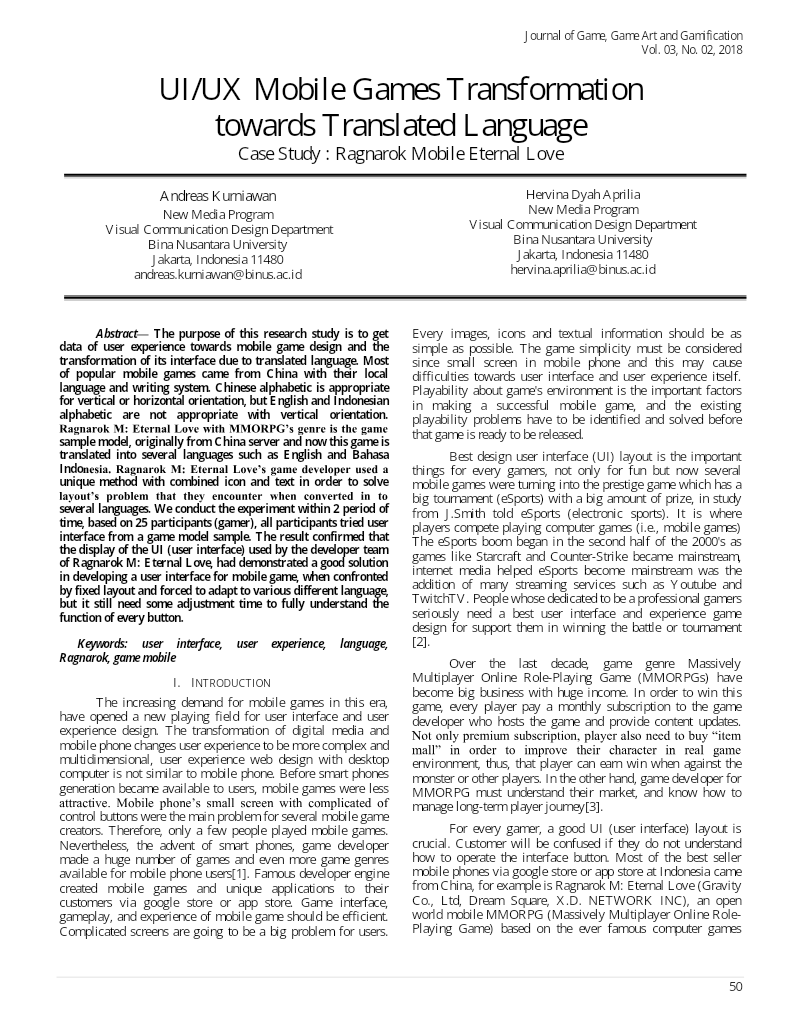
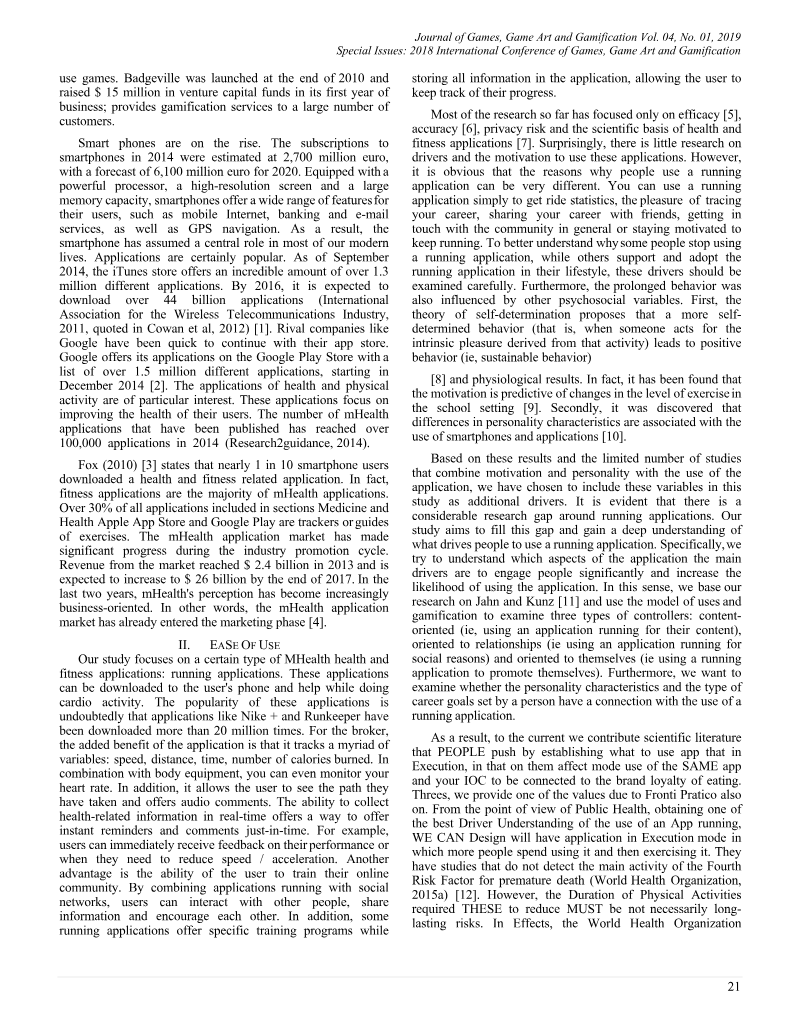
The Fugitive game explores real-time tracking and spatial awareness in team dynamics.
It investigates pervasive computing and social interaction.

1 / 5
- 01Location-based games thrive on collaborative strategy, but their success is heavily dependent on the reliability of underlying infrastructure like WiFi and GPS.See it on page 2
- 02Technical instability, specifically network drops and location inaccuracies, is the primary cause of user frustration in pervasive gaming environments.See it on page 9
- 03Players are willing to overlook minor technical friction if the game's social and strategic elements are sufficiently engaging.See it on page 1
- 04Designers should adopt a 'seamful' approach by intentionally incorporating infrastructure limitations into game mechanics rather than attempting to eliminate all technical shortcomings.See it on page 11
- 05Integrated voice communication is a critical requirement for both tactical coordination and personal safety in active, outdoor location-based games.See it on page 3
- 06Future development must prioritize the creation of robust, interoperable platforms capable of maintaining immersion despite the unpredictability of real-world environments.See it on page 12
Ask AI about this report
Summary
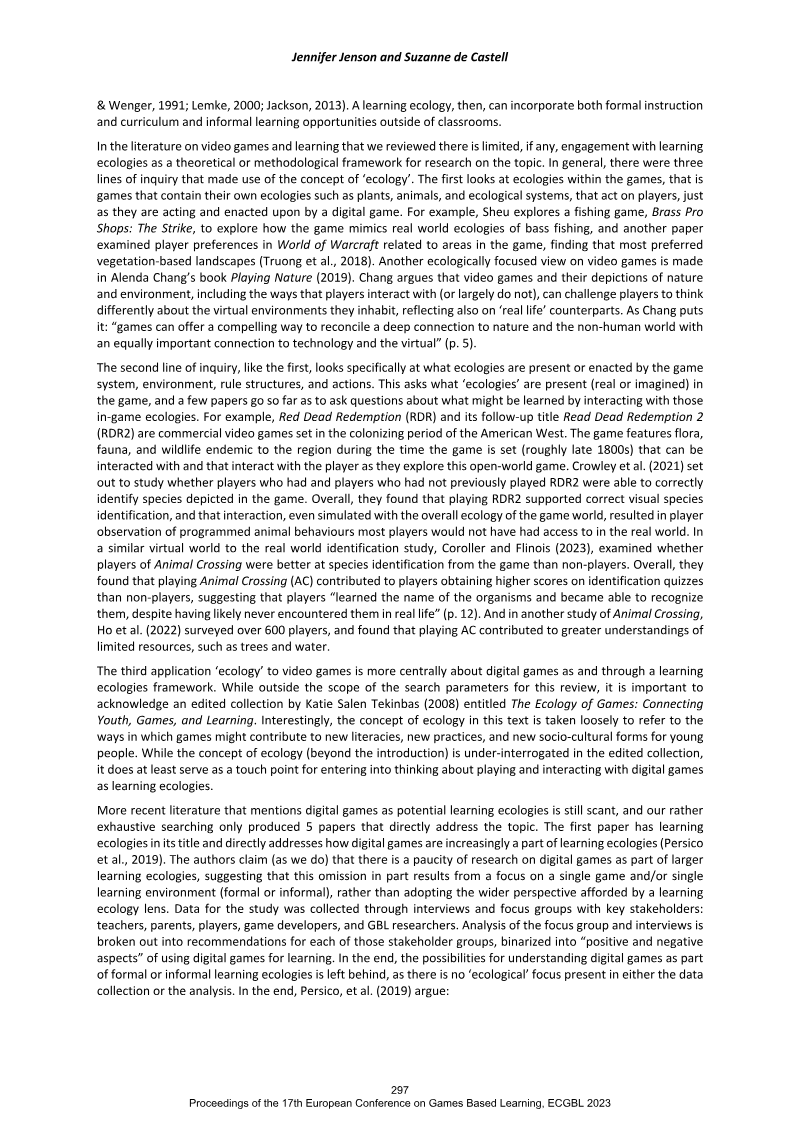
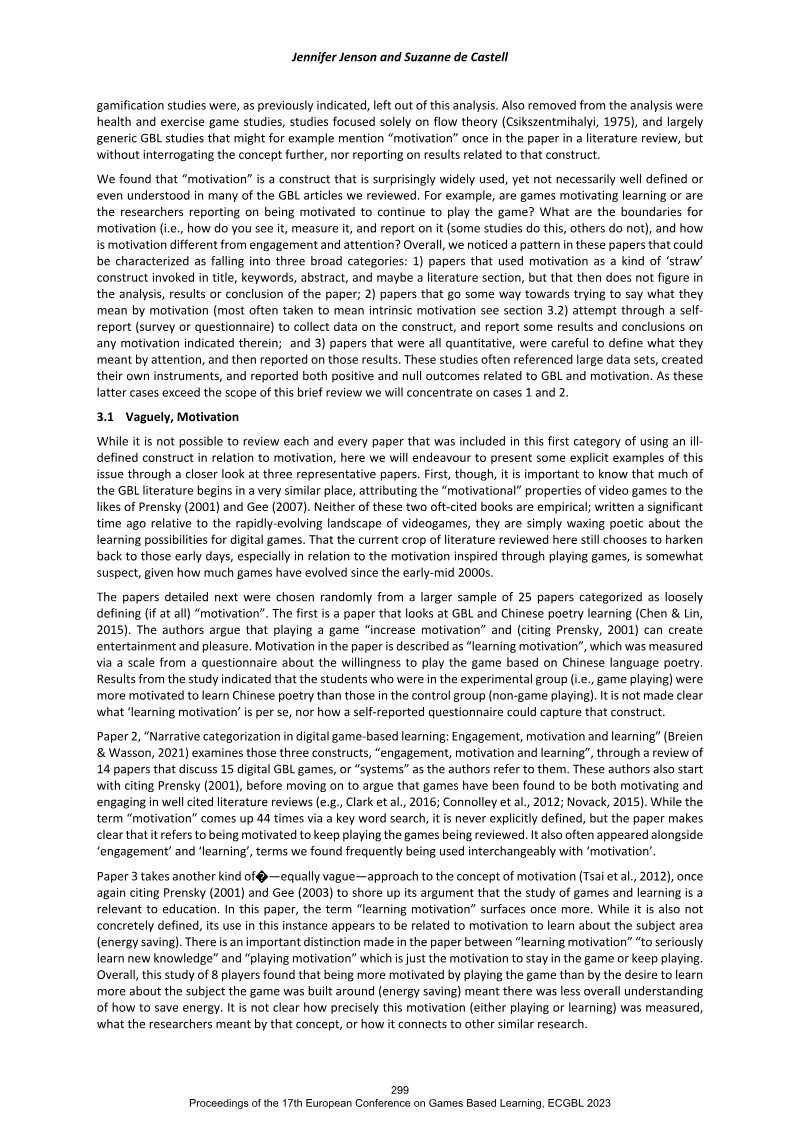
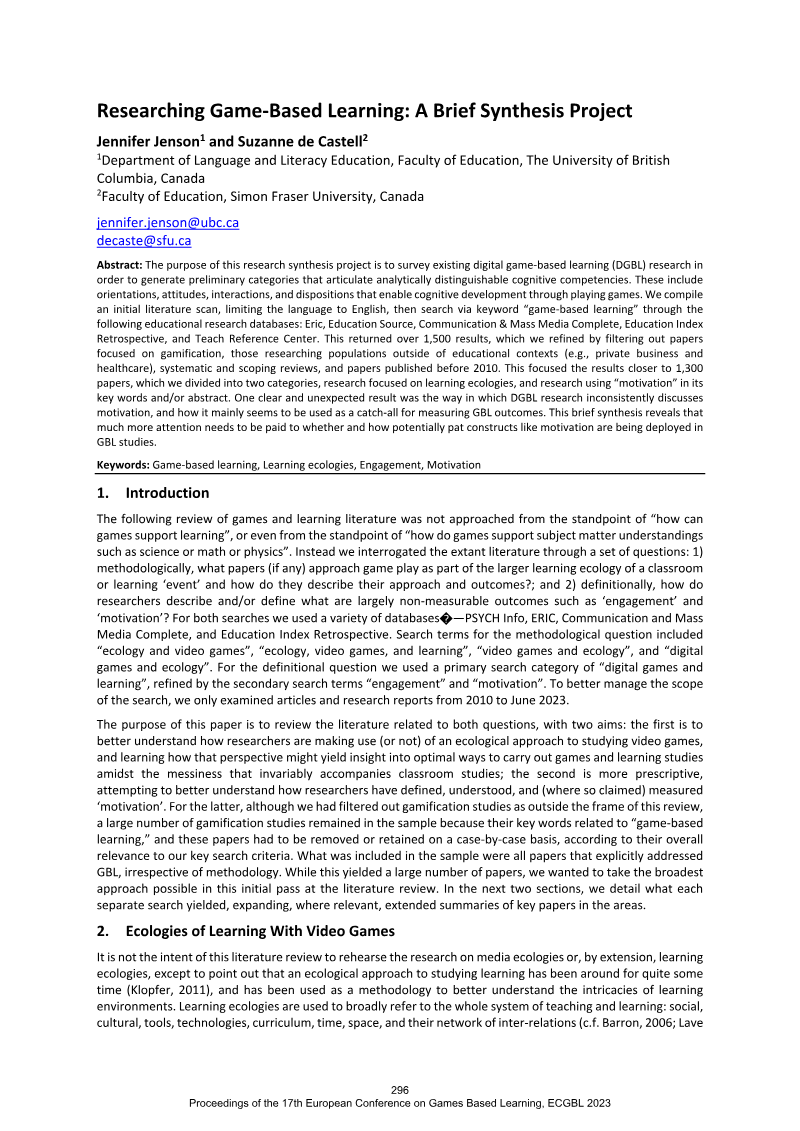
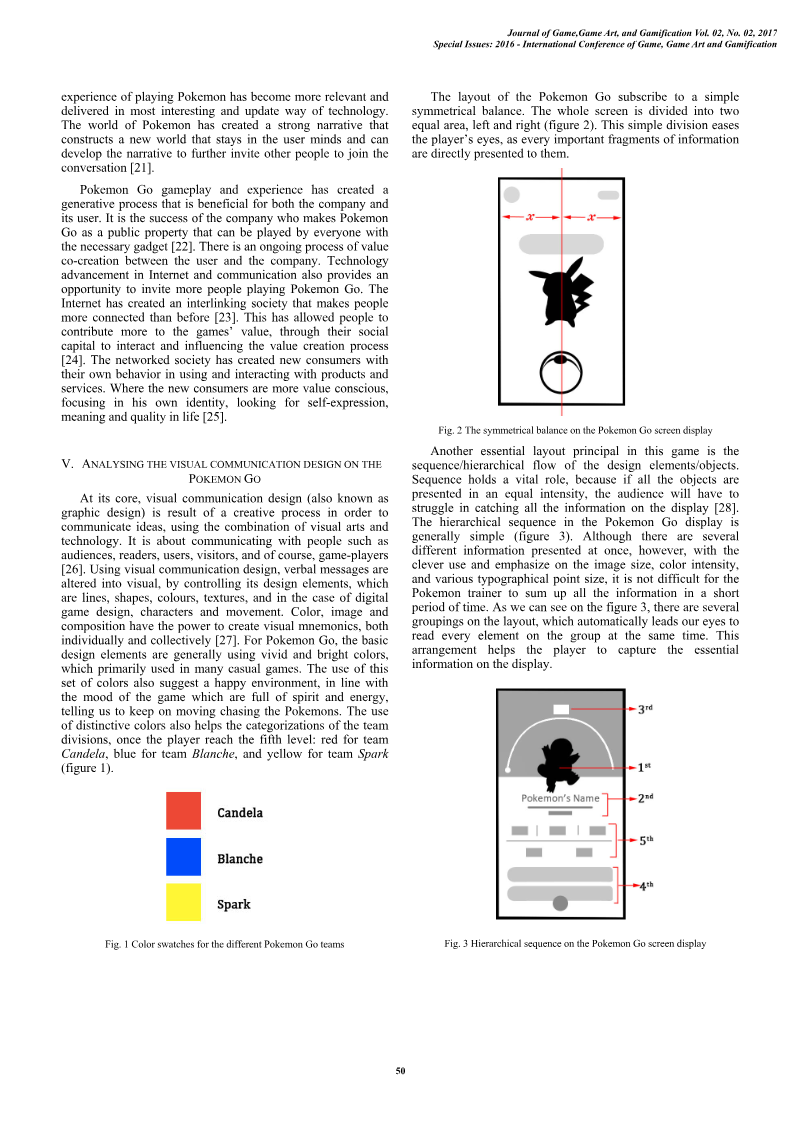
The Fugitive functions as a collaborative, location-based mobile game designed to explore how real-time tracking and spatial awareness influence team dynamics within a university campus environment. By utilizing TabletPCs to facilitate the pursuit of a virtual object, the project investigates the intersection of pervasive computing and social interaction. The primary thesis posits that while location-aware technology significantly enhances engagement and strategic cooperation, the efficacy of such mixed-reality experiences is heavily contingent upon the reliability of the underlying infrastructure.
Field evaluations reveal that participants demonstrate high levels of motivation and successfully adapt their collaborative strategies to the physical constraints of the campus. However, persistent technical challenges—specifically regarding WiFi instability and GPS inaccuracies—frequently disrupt the flow of play and introduce significant user frustration. Despite these hardware and network limitations, players remain deeply engaged, suggesting that the social and strategic elements of the game effectively mitigate minor technical friction. Participants frequently identified the need for integrated voice communication to improve both tactical coordination and personal safety during active gameplay.
Future development in this field must prioritize the creation of more robust, interoperable platforms that can withstand the unpredictability of real-world environments. Rather than attempting to eliminate technical shortcomings entirely, designers should adopt a seamful approach, intentionally incorporating infrastructure limitations into the game mechanics to maintain immersion. By aligning technological design with the social dynamics of pervasive gaming, developers can better support complex, collaborative play in outdoor settings. These findings contribute to a broader understanding of human-computer interaction, emphasizing that the success of location-based experiences relies as much on environmental adaptability as it does on software sophistication.