Key insights
4 slides
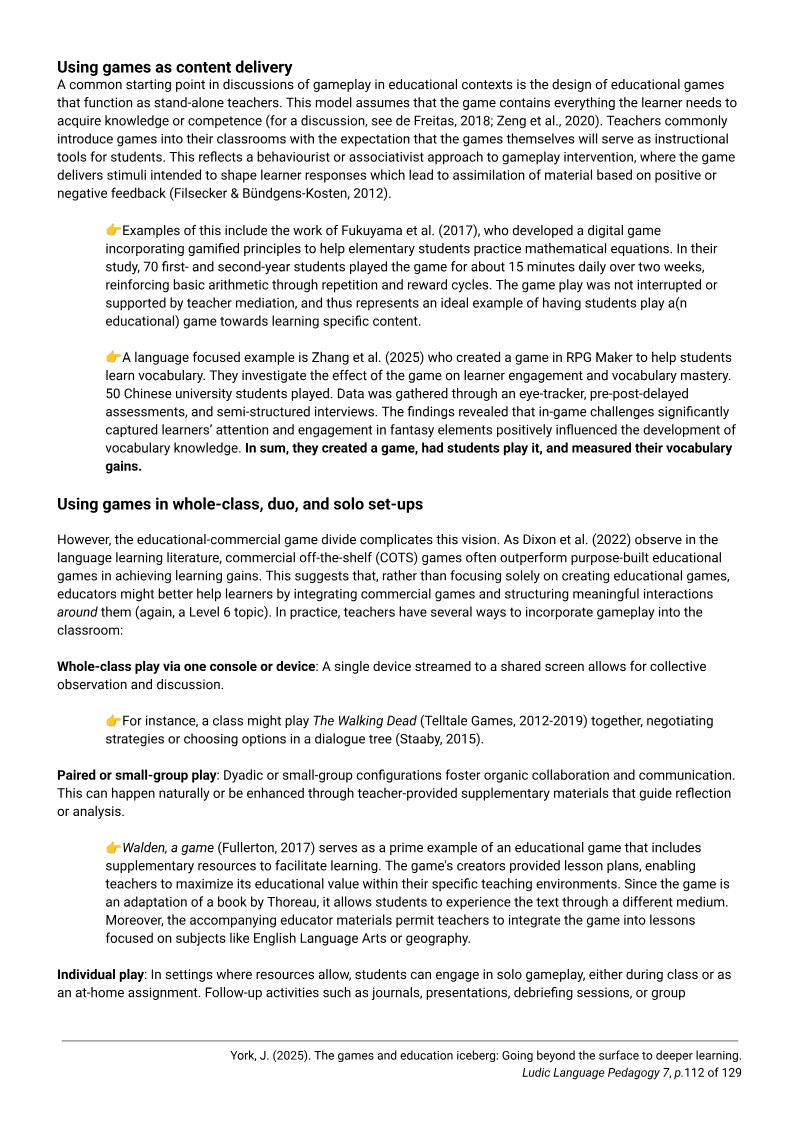
The solution
Alert Hockey integrates educational objectives directly into its core gameplay mechanics.
The game uses a karma-based system that links in-game performance to player behavior. This approach aims to reduce aggressive and negligent behaviors in youth hockey players.
Integrated Learning. Alert Hockey embeds educational goals directly into gameplay to influence player behavior.
1 / 4
- 01Integrating educational objectives directly into core gameplay mechanics—rather than treating them as external tasks—significantly improves behavioral outcomes while maintaining player engagement.See it on page 2
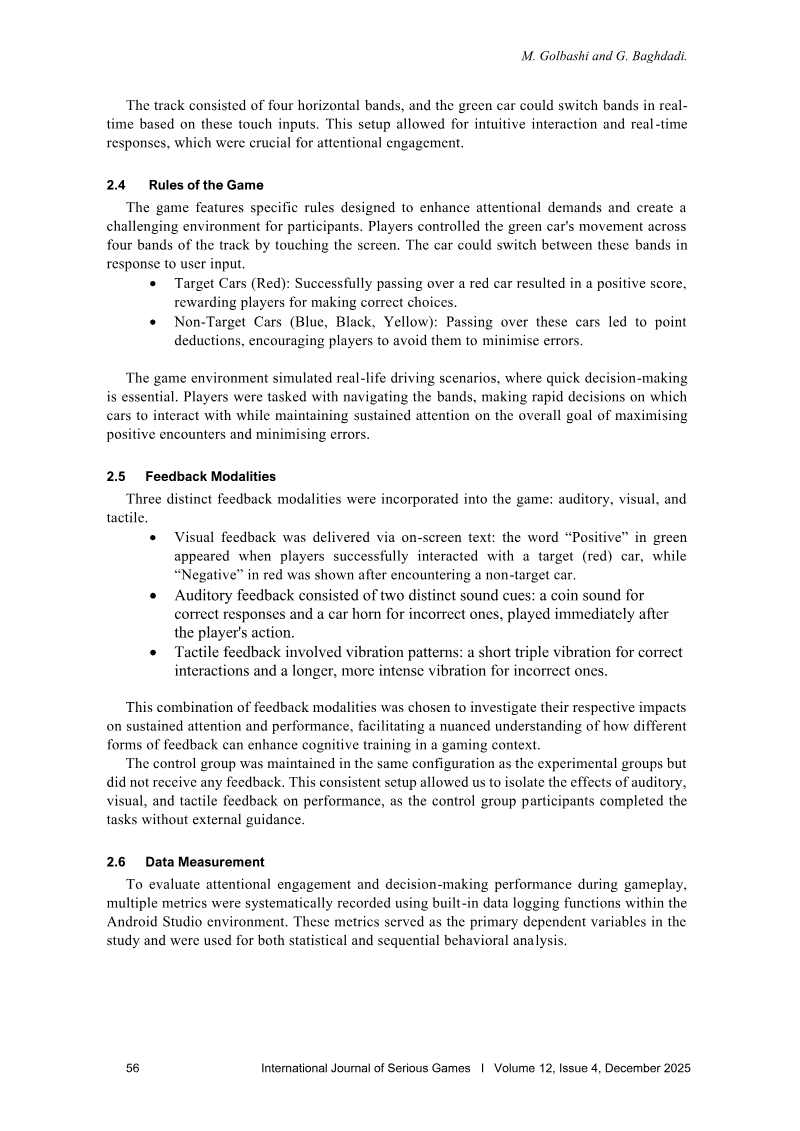
- 02In a study of 62 youth hockey players aged 12 to 14, an implicit learning mechanism successfully shifted player behavior toward safer playstyles through a karma-based reward system.See it on page 11
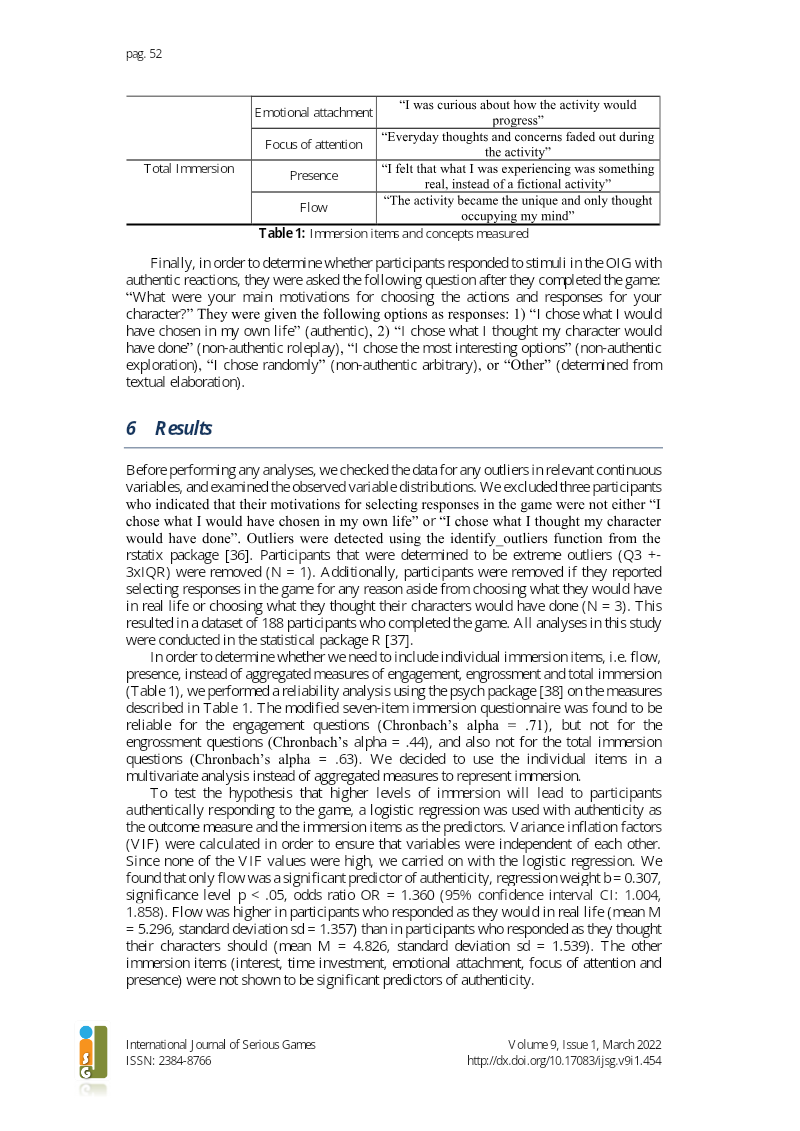
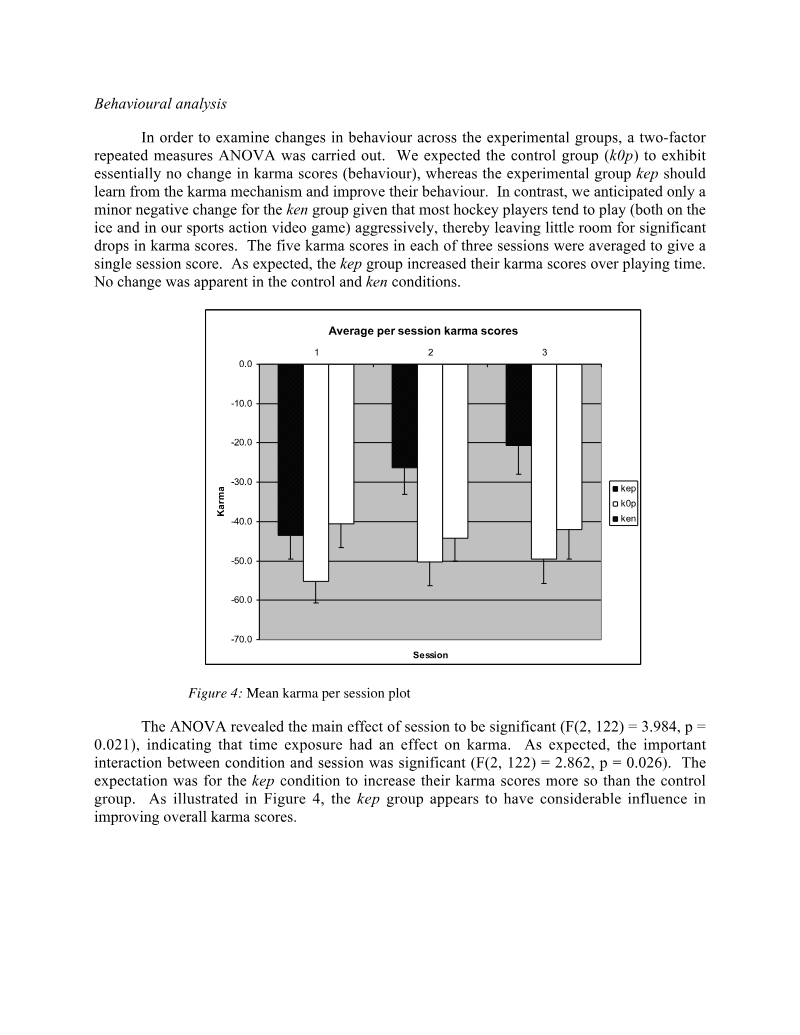
- 03The experimental group demonstrated a significant linear improvement in behavior scores over three sessions, with statistical significance confirmed at F(2, 40) = 10.589 and p = 0.0002.See it on page 9
- 04Players adapted their in-game strategies to maximize success, proving that linking responsible behavior to character attribute enhancements effectively incentivizes safer habits.See it on page 5
- 05Control groups and groups receiving rewards for aggressive behavior showed no significant behavioral changes, highlighting that the specific reinforcement structure is critical to the learning outcome.See it on page 5
- 06The study validates a model for educational gaming that avoids the pitfall of indirection by ensuring that learning content is inseparable from the primary game loop.See it on page 2
Ask AI about this report
Summary
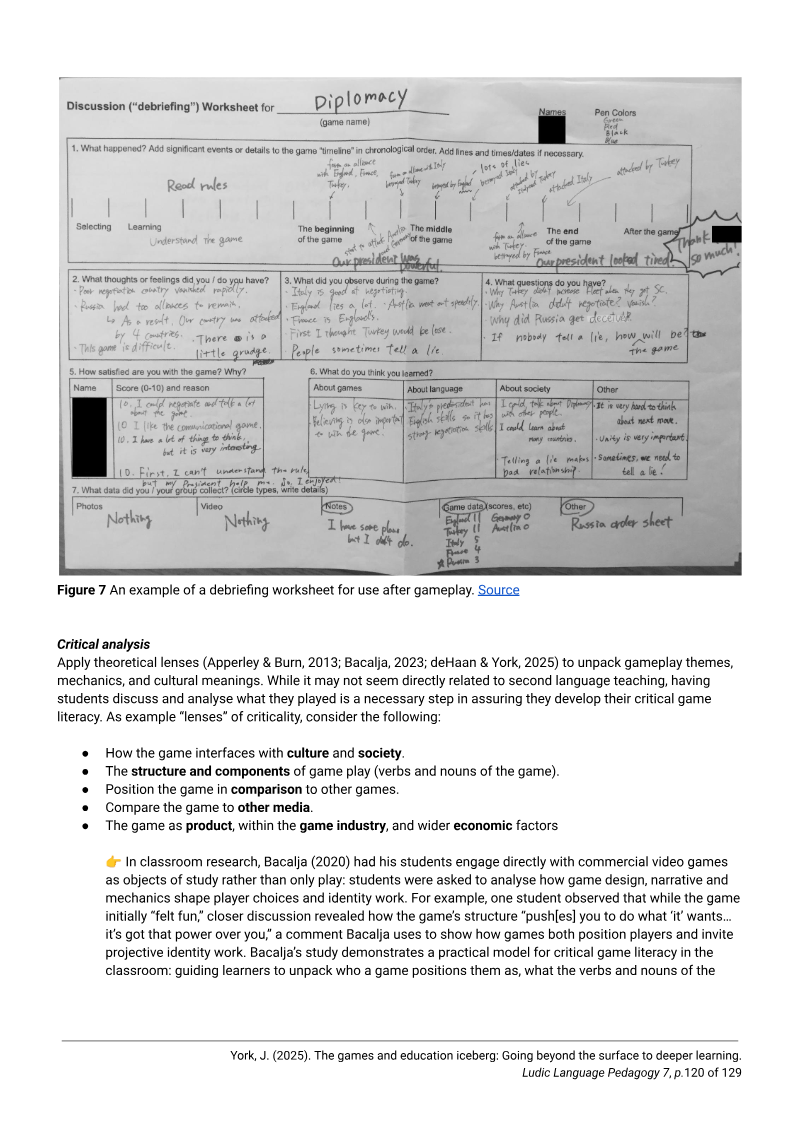
The research evaluates the effectiveness of an implicit learning mechanism in a sports-action video game titled Alert Hockey, which aims to reduce aggressive and negligent behaviors in youth hockey players. The study addresses the common educational gaming pitfall of indirection—where learning content is artificially separated from gameplay—by integrating a karma-based system that directly links in-game performance to player behavior. By rewarding responsible play with enhanced character attributes and penalizing dangerous actions, the game encourages players to adopt safer habits without explicitly teaching them about concussion prevention.
The study involved 62 participants, aged 12 to 14, who played the game across three sessions. The methodology utilized a repeated measures design, comparing an experimental group that received positive reinforcement for safe play against a control group and a group that received rewards for aggressive behavior. Data collection focused on tracking mean karma scores, which served as a composite metric for behavior, alongside game statistics like goal differentials.
Findings indicate that the implicit teaching mechanism successfully influenced player behavior. The experimental group showed a significant linear improvement in karma scores over time (F(2, 40) = 10.589, p = 0.0002), demonstrating that players adapted their playstyle to maximize their chances of winning. Conversely, the control and negative-reinforcement groups showed no significant behavioral changes. The study concludes that embedding educational objectives directly into the core mechanics of a game, rather than treating them as external tasks, effectively promotes learning while maintaining high levels of player engagement. This approach provides a viable model for developing educational titles that prioritize both entertainment and specific, measurable behavioral outcomes.