1 free read left. Create a free account for unlimited reading + AI research.
Create free accountWhitepaper Loading... The Journal of the Canadian Game Studies Association
1 free read left. Create a free account for unlimited reading + AI research.
Create free accountWhitepaperLoading... The Journal of the Canadian Game Studies Association
Industry professionals often view academic research as disconnected from practical needs. Academics fear industry influence could compromise research integrity and reduce higher education to vocational training.
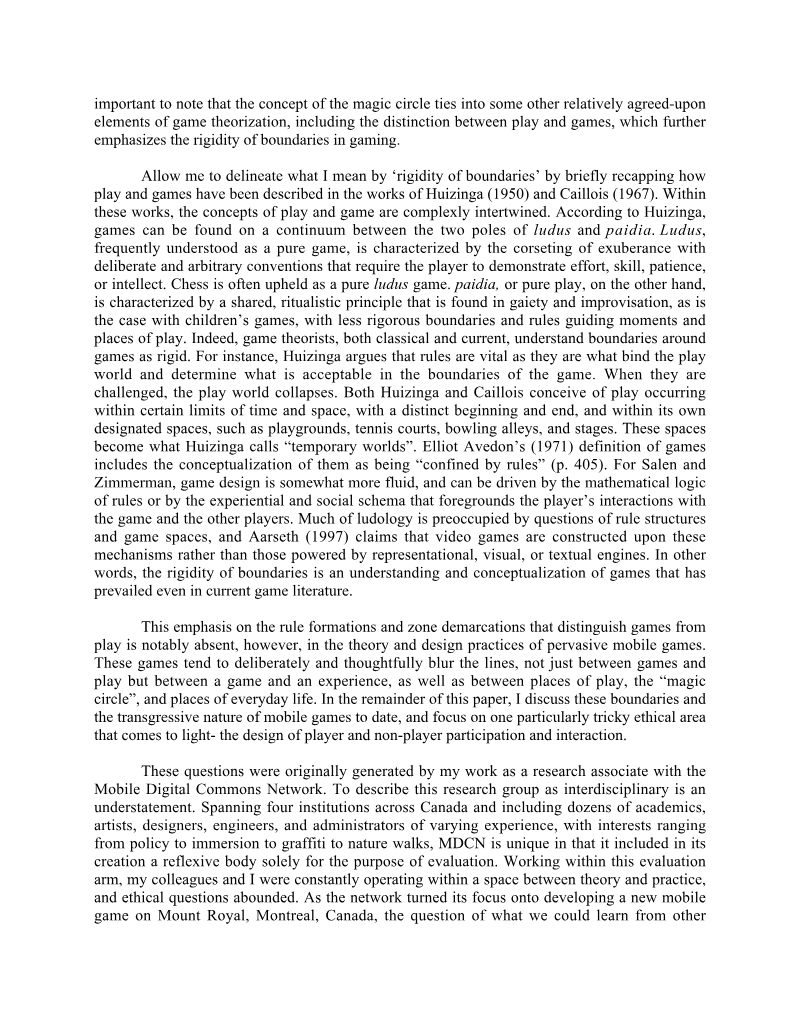
The relationship between the video game industry and academia is characterized by a significant divide, fueled by mutual misperceptions, conflicting priorities, and a lack of trust. While industry professionals often view academic research as disconnected from practical needs and prioritize immediate, market-driven outcomes, academics frequently fear that industry influence will compromise the integrity of research and reduce higher education to mere vocational training. Despite these tensions, the industry faces a growing labor shortage, while academic institutions are grappling with declining enrollment in computer science programs. This convergence of needs creates a strategic window of opportunity for both sectors to move past historical friction and establish collaborative partnerships.
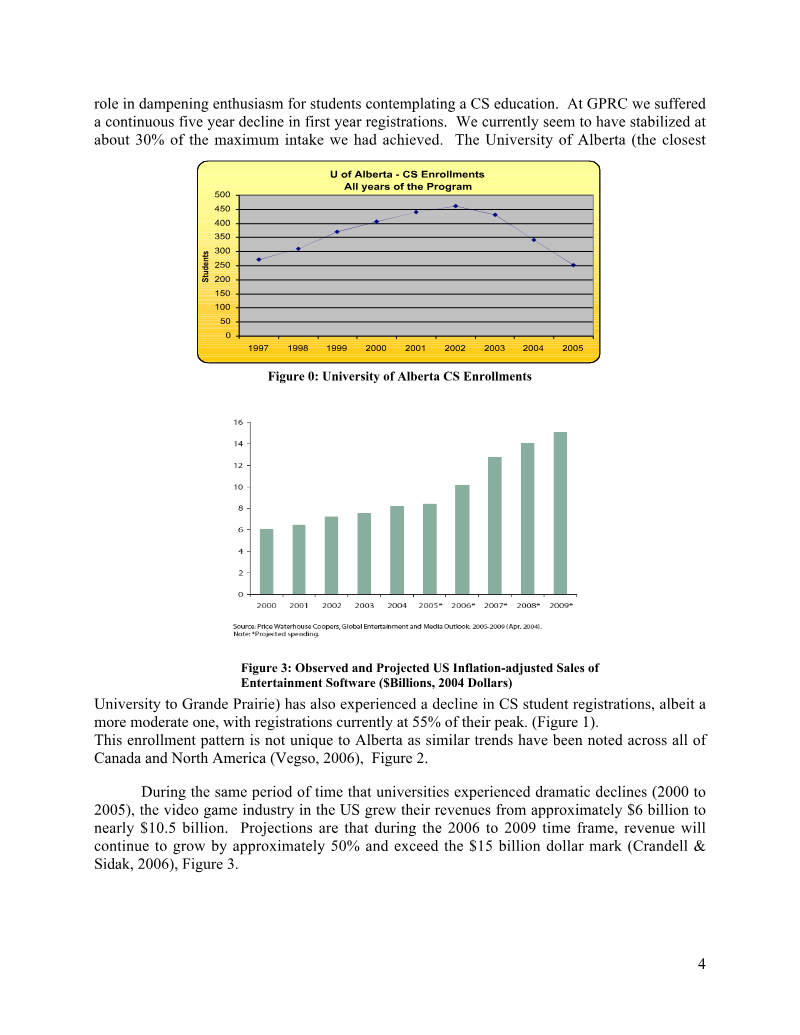
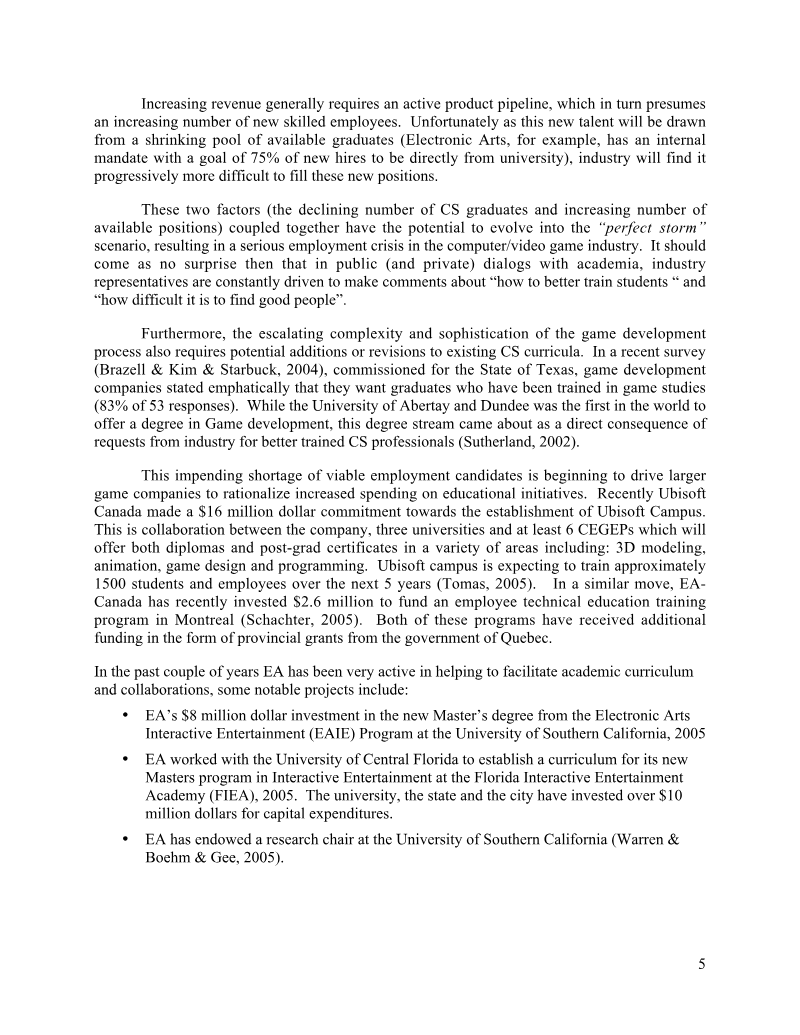
Data indicates that the video game industry experienced substantial revenue growth between 2000 and 2005, rising from $6 billion to $10.5 billion, with projections suggesting it would exceed $15 billion by 2009. Concurrently, North American computer science programs saw a sharp decline in student registrations during the same period. Industry leaders have expressed a clear demand for graduates with specialized game studies training, with 83% of respondents in a Texas-based technology survey emphasizing the need for such curricula. Major companies like Ubisoft and Electronic Arts have already begun investing millions of dollars into educational initiatives and university partnerships to secure a pipeline of skilled talent.
Successful collaboration requires a shift from top-down administrative approaches to bottom-up networking that engages practitioners directly. By focusing on shared goals—such as curriculum development, guest lectures, internships, and student projects—institutions can build the trust necessary for more complex research partnerships. Ultimately, the integration of game-related education serves as a viable strategy for universities to revitalize enrollment while providing the industry with the qualified workforce required to sustain its rapid technological and economic expansion.
Each row is a game or company this document names, each column a document, oldest first. A mark means that document names it. Select a row to see those documents.
Loading... The Journal of the Canadian Game Studies Association · 2007

Loading... The Journal of the Canadian Game Studies Association · 2007
Loading... The Journal of the Canadian Game Studies Association · 2007
Loading... The Journal of the Canadian Game Studies Association · 2007
Loading... The Journal of the Canadian Game Studies Association · 2007
Loading... The Journal of the Canadian Game Studies Association · 2007
DiGRA · 2023