Key insights
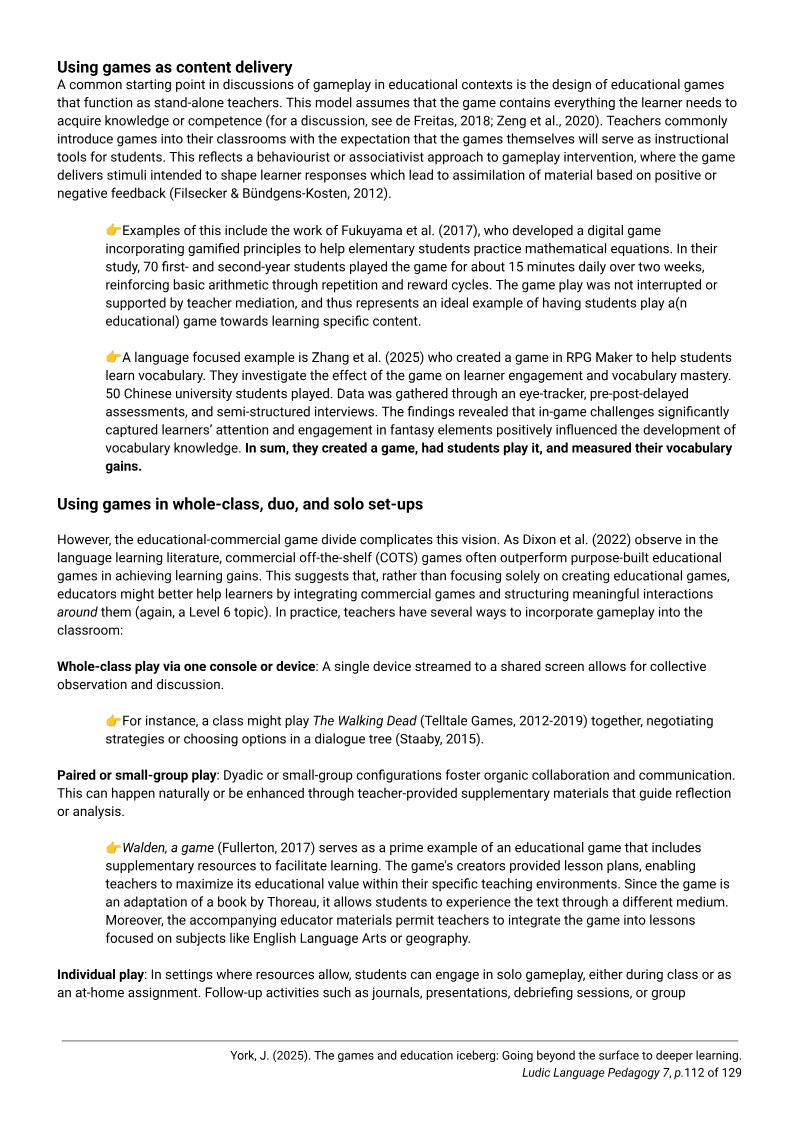
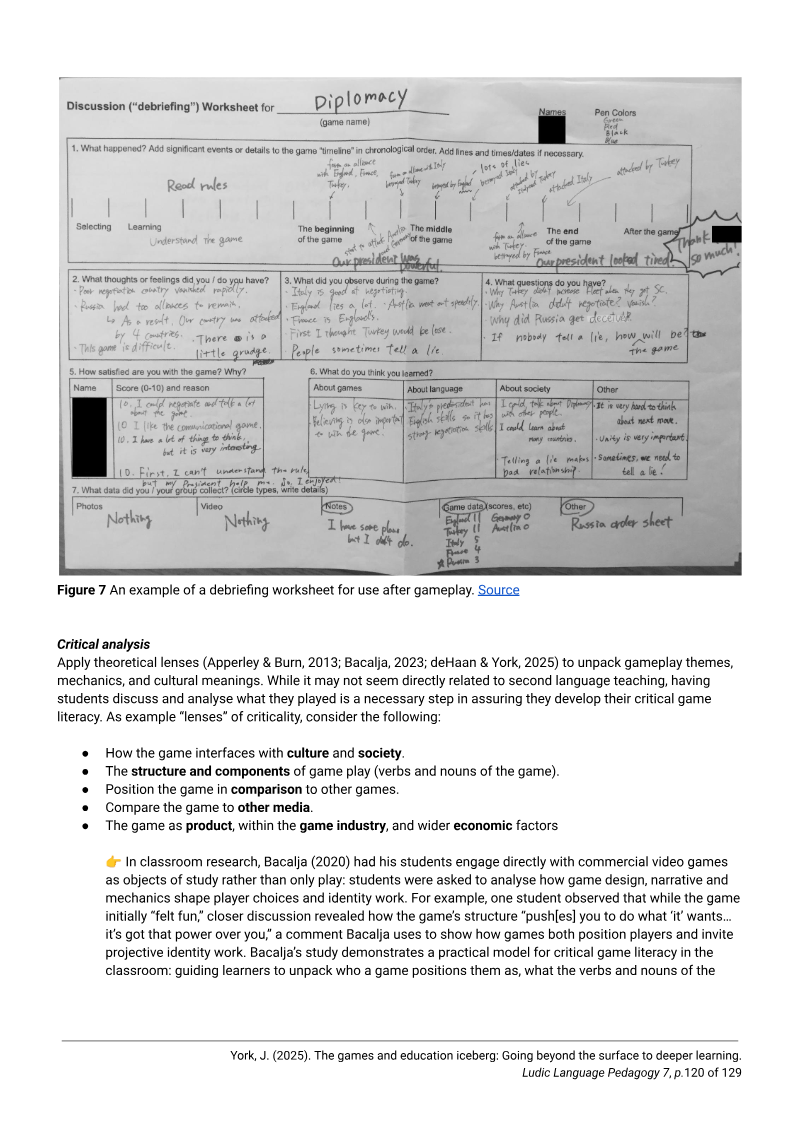
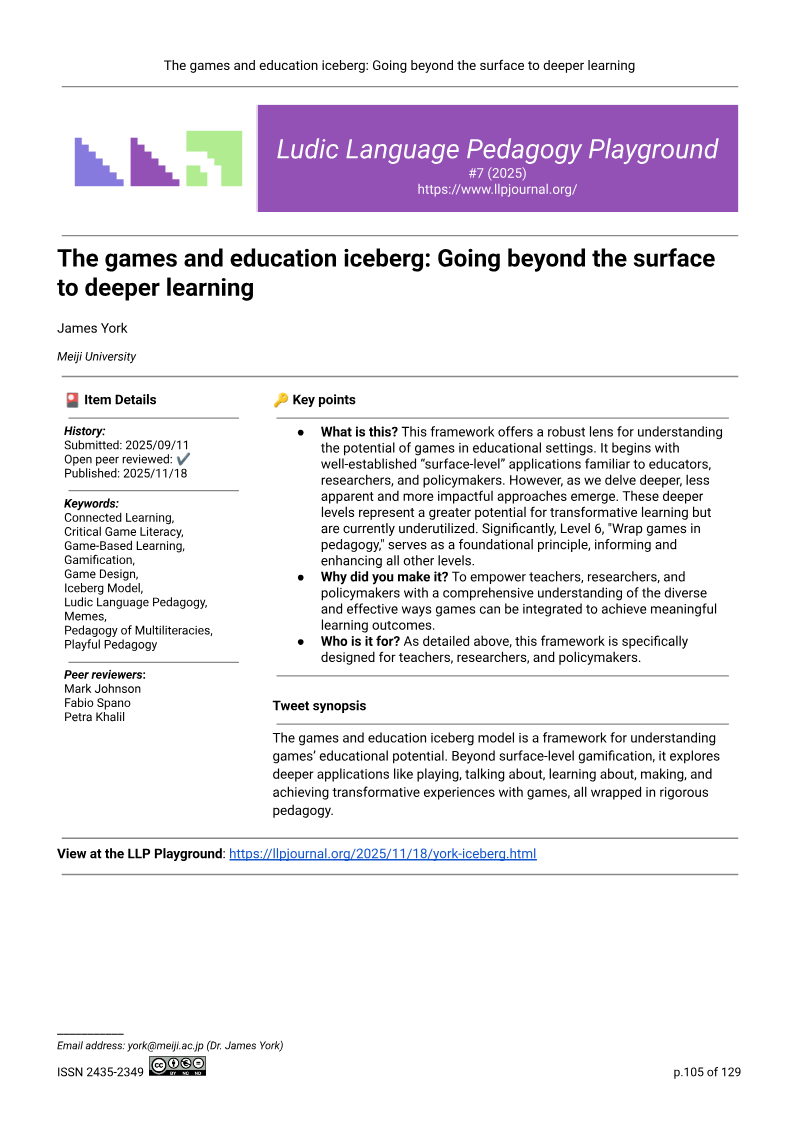
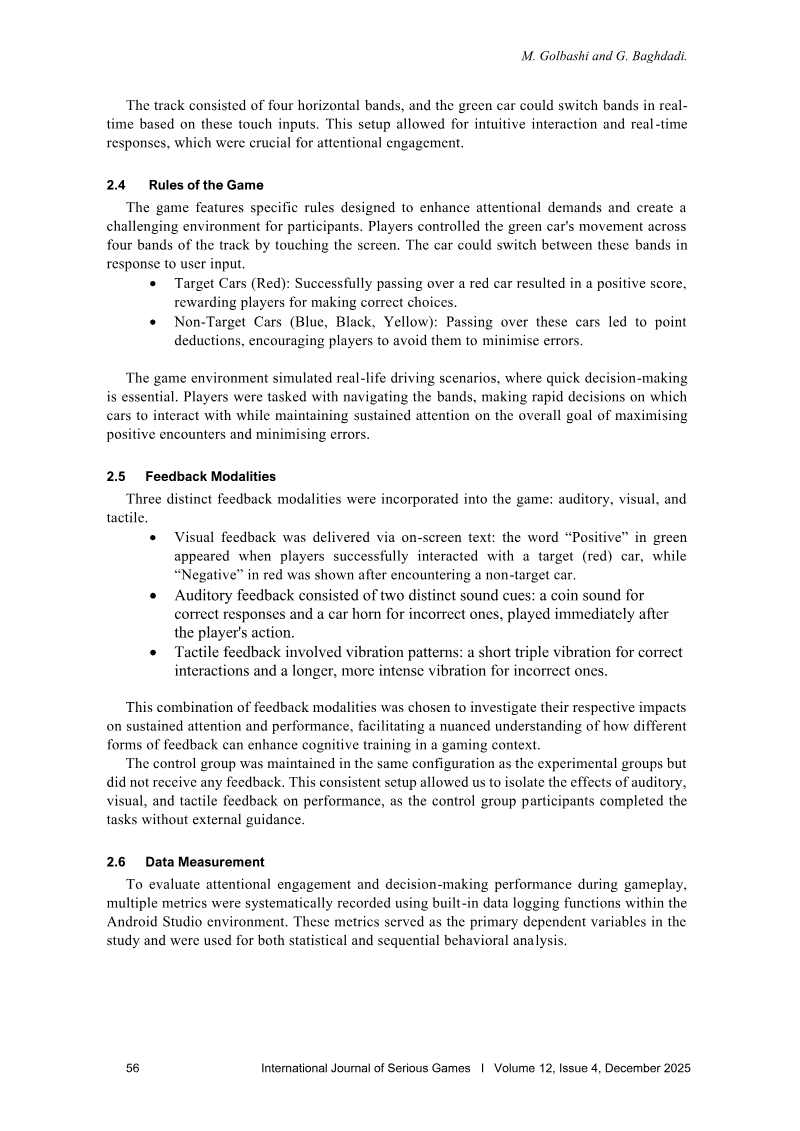
5 slides
A new purpose
Persuasive games aim to influence player attitudes and behaviors.
These digital titles are designed to promote specific agendas, ranging from military recruitment to social advocacy and famine relief.
1 / 5
- 01Persuasive games—designed to influence attitudes or behaviors—face a significant challenge in proving they cause genuine shifts in opinion rather than merely reinforcing the existing beliefs of sympathetic players.See it on page 3
- 02Quantitative metrics like download counts and website clicks are insufficient indicators of success, as they do not correlate with long-term behavioral change or meaningful shifts in public perception.See it on page 5
- 03High-profile titles such as America’s Army and Food Force have achieved millions of downloads and extensive engagement, yet their actual impact on social or political objectives remains difficult to quantify.See it on page 3
- 04Research is shifting toward empirical measurement, such as the 'Homeless: It’s No Game' project, which uses pre- and post-game surveys and qualitative interviews to isolate the specific impact of a 30-minute interactive experience.See it on page 5
- 05The effectiveness of persuasive gaming is frequently undermined by variables including poor game quality, overly simplistic messaging, and the tendency for the medium to distract from the intended persuasive goal.See it on page 3
- 06Major foundations and organizations are increasingly allocating resources to persuasive games, creating an urgent need for more rigorous analytical frameworks to validate their role as agents of social change.See it on page 2
Ask AI about this report
Summary
The effectiveness of persuasive games—digital titles designed to influence player attitudes, behaviors, or political beliefs—remains a complex and debated subject within the gaming industry. While critics often focus on the potential for violent games to incite antisocial behavior, a growing movement of developers utilizes advergames, educational titles, and social advocacy games to promote specific agendas, ranging from military recruitment and famine relief to political campaigning and animal rights. The central challenge lies in determining whether these games actually achieve their intended persuasive goals or if they merely reinforce the existing predispositions of players who are already sympathetic to the game’s message.
The industry has seen significant investment in this sector, with high-profile examples like America’s Army and Food Force generating millions of downloads and hours of engagement. However, quantitative metrics such as download counts or website clicks do not necessarily correlate with meaningful shifts in public opinion or long-term behavioral change. The effectiveness of these tools is often hindered by variables such as game quality, the simplicity of the message, and the potential for the medium to interfere with its own persuasive intent.
To address these uncertainties, research is shifting toward empirical measurement of player attitudes before and after gameplay. A primary example is the development of Homeless: It’s No Game, a project designed to evaluate how a 30-minute interactive experience influences perceptions of homelessness. By utilizing pre- and post-game surveys alongside qualitative interviews, this approach seeks to isolate the impact of the game from external factors. Ultimately, while the influence of persuasive games is difficult to generalize, the increasing allocation of resources by major foundations and organizations necessitates a more rigorous analytical framework to determine if these games function as effective agents of social and political change.