Game Publishing reports and market data
Documents
Marketing Indie Style
Effective indie game marketing relies on a disciplined, long-term strategic framework that treats promotional efforts with the same rigor as core game design.
- Indie developers should treat marketing with the same rigor as game design, prioritizing long-term audience cultivation through email lists and niche community engagement rather than relying on viral moments.
- Marketing budgets should ideally be allocated at 10% to 15% of expected revenue, though smaller studios with limited resources should prioritize cost-effective, targeted outreach over broad advertising.
- Sustainable success requires an iterative post-launch strategy that utilizes updates, seasonal content, and cross-promotional opportunities to maintain long-tail revenue.
Running a Post-Apocalyptic Indie Studio
The contemporary indie game market faces a structural crisis defined by a severe supply-demand imbalance.
- The indie game market is experiencing extreme saturation due to a structural imbalance where the volume of new releases is growing while the player base remains stagnant.
- Traditional storefront curation is no longer effective, as power-law distribution causes the vast majority of sales to favor established hits over new titles.
- Studios must transition from passive storefront participants to proactive entities by integrating marketing into the earliest stages of development to satisfy algorithm requirements.

THQ Nordic Company Presentation: September 2017
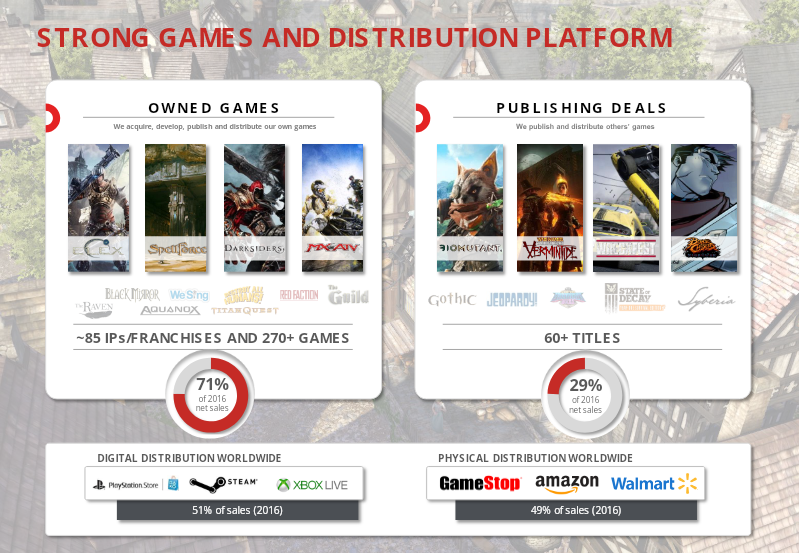
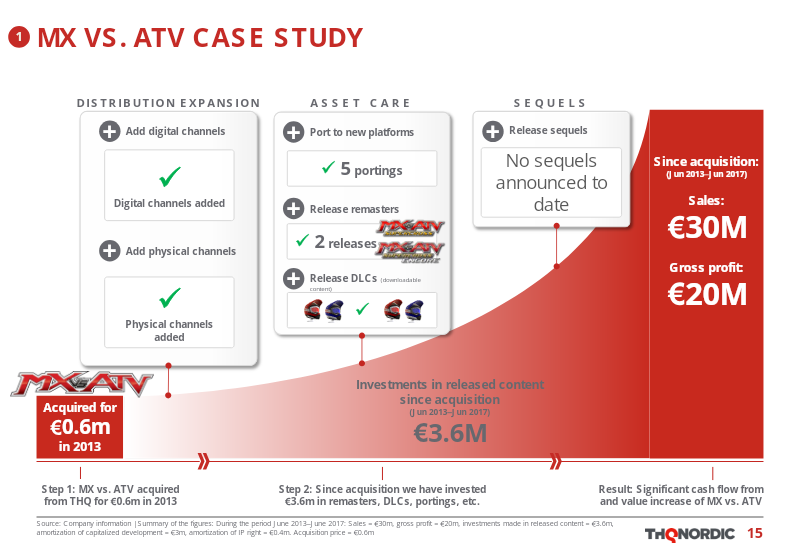
THQ Nordic operates as a global video game publisher and developer with a core business model centered on the acquisition of intellectual property (IP) and the subsequent enhancement of those assets.
- THQ Nordic’s business model centers on acquiring and revitalizing intellectual property, managing a portfolio of approximately 85 franchises and over 270 games as of September 2017.
- The company experienced rapid financial growth in the first half of 2017, with net sales and EBIT more than doubling compared to the same period in 2016.
- Digital distribution has become the primary revenue driver, accounting for 69% of net sales by the second quarter of 2017.
Deciding What to Make: A Greenlight Process for Commercial Indies
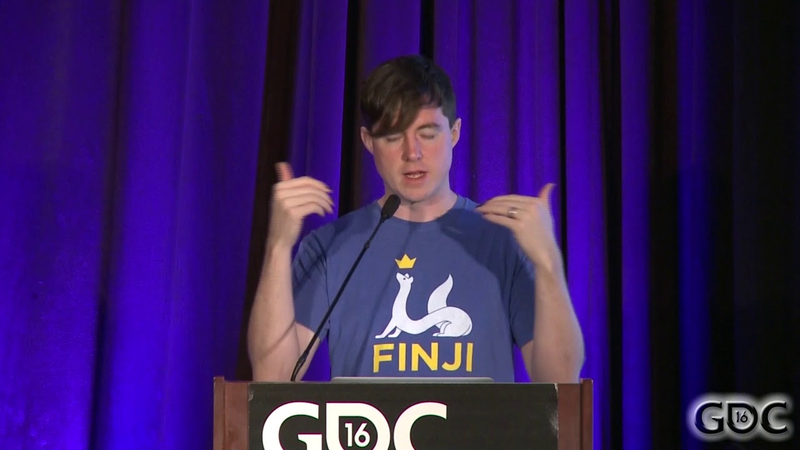
The greenlight process for independent game development requires a strategic approach to risk management, particularly as the industry landscape becomes increasingly crowded and competitive.
- Prioritize 'Platonic scope' by evaluating which project concept can most accurately achieve its ideal, authentic vision within the constraints of your specific time and financial resources.
- Utilize the 'inverse pyramid test' for design, which ensures that projects remain functional and coherent experiences even if they must be scaled back due to budget or schedule limitations.
- Integrate 'exposure design' by treating marketing as a core component of the game design process, focusing on the small percentage of the game visible to the public to clearly communicate its value proposition.
The Flash Games Postmortem
Flash technology served as the primary catalyst for the modern independent game industry, offering a low-barrier, cross-platform environment that enabled rapid prototyping and global distribution.
- Flash served as the primary catalyst for the modern independent game industry between 2006 and 2011 by providing a low-barrier, cross-platform environment for rapid prototyping and global distribution.
- The professionalization of the Flash ecosystem was driven by platforms like Mochi Media and Kongregate, which introduced revenue-sharing models, transparent bidding, and analytics that enabled developers to pursue full-time careers.
- The industry hit a critical turning point in 2010 when Apple rejected Flash on mobile platforms due to performance and security concerns, triggering a shift toward social gaming and mobile-native development.
An overview of India's mobile games industry
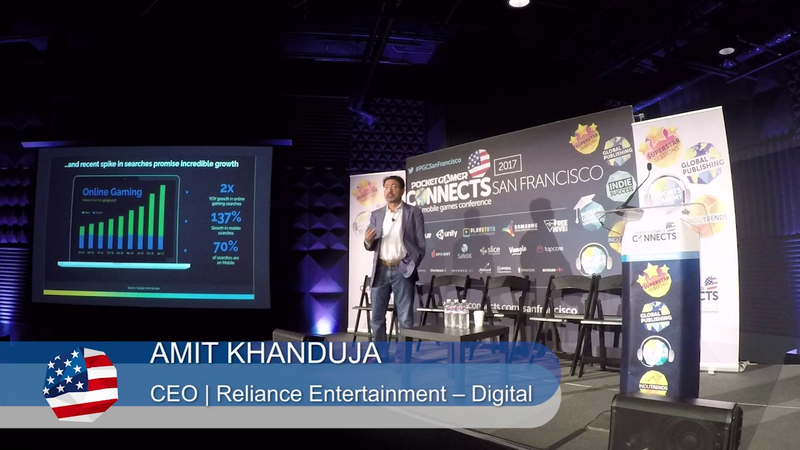
The Indian mobile gaming market is currently experiencing rapid, large-scale expansion, characterized by a shift from a nascent industry to a projected multi-billion-dollar ecosystem.
- The Indian mobile gaming market is scaling rapidly toward a projected 1 billion users, supported by the addition of approximately 30 million new smartphone users per month.
- Engagement levels are exceptionally high, with Indian gamers spending two to five times more time in-game compared to users in the United States.
- Monetization is driven by real-money skill-based games and micro-transactions as low as five to twenty cents, necessitating deep integration with local prepaid carrier billing systems.
Make your game grand in Russia
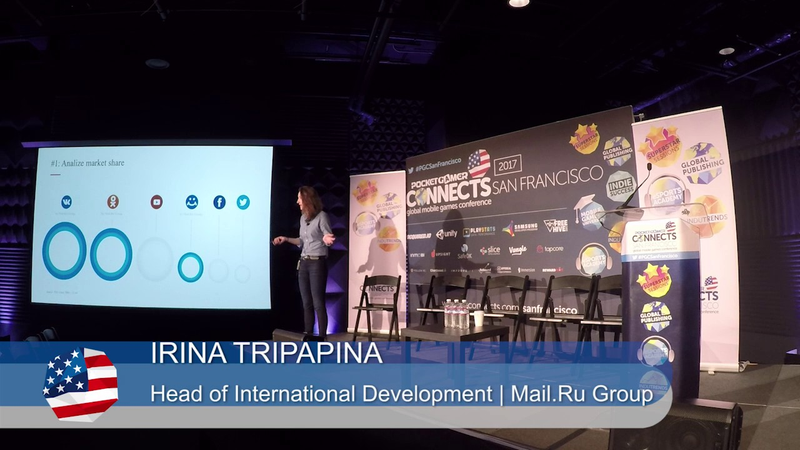
The Russian mobile gaming market presents a significant growth opportunity for global publishers, characterized by a large user base, lower competition, and cost-effective entry barriers.
- Russia is the fifth-largest mobile gaming market globally, boasting over 62 million users and significantly lower acquisition costs, with average Cost Per Install (CPI) rates around $1 compared to $16 in the United States.
- Android is the primary platform for scale, with an audience nearly three times the size of the iOS market.
- Localization is a critical success factor for complex genres like RPGs and strategy games, as only 7% of the Russian population speaks English.
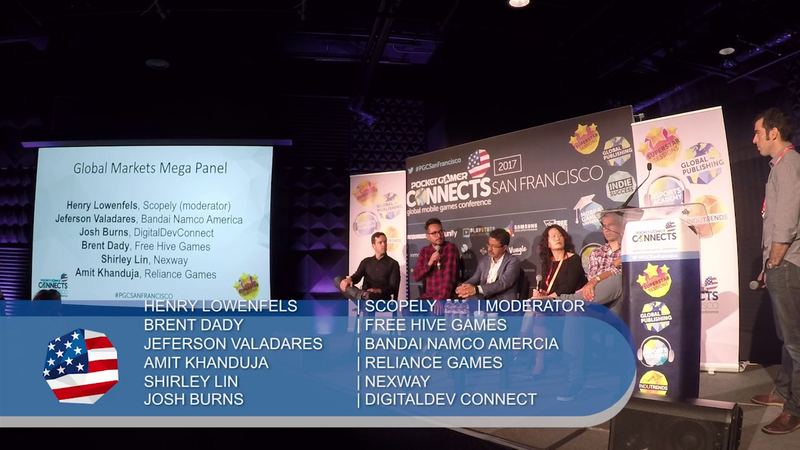
PGC San Francisco: The global markets mega panel
Mobile gaming strategy is undergoing a fundamental shift from standardized global releases toward highly localized operations.
- Mobile gaming strategy is shifting from standardized global releases to highly localized operations, requiring region-specific UI/UX, content cadences, and dedicated live operations.
- The Chinese mobile market has seen intense consolidation and rising user acquisition costs, which have reached approximately $17 per install.
- Developers in China are increasingly integrating e-commerce, livestreaming, and aggressive advertising into their games to remain competitive amidst high acquisition costs.
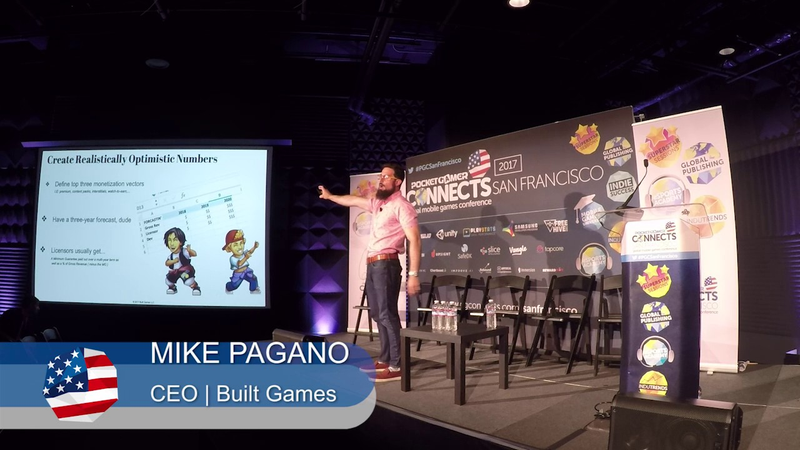
Licensed games masterclass
Securing and managing intellectual property licenses for video games requires a strategic, professional approach that prioritizes relationship-building and clear communication over technical jargon.
- Secure licensing partnerships by identifying business development managers and translating game concepts into non-technical language that aligns with the brand owner's commercial goals.
- Pitch effectively by using a concise, one-page concept document that clearly outlines the game's value proposition and user acquisition potential.
- Develop a playable demo to simplify the decision-making process for stakeholders, as this is highly effective for securing brand approval.
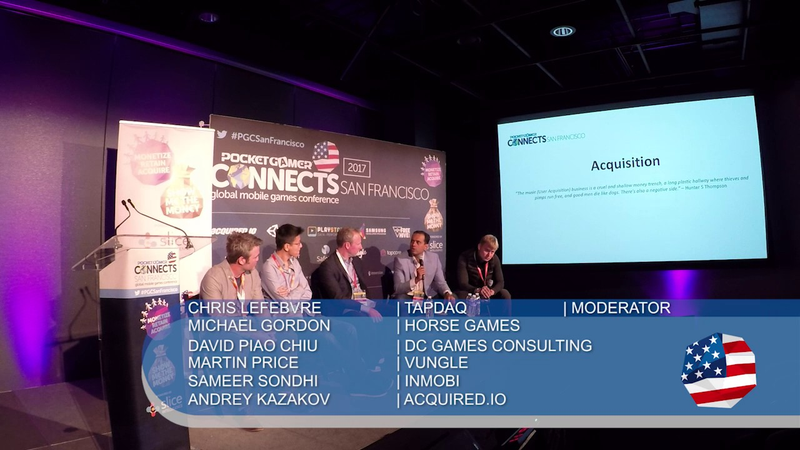
Don't go it alone – How choosing the right partner is key to success
Achieving sustainable growth in the mobile gaming industry requires a strategic alignment between a game’s core design and its user acquisition framework.
- Developers should implement a waterfall bidding strategy for game launches, setting specific deadlines for partners to submit bids to maximize revenue during the high-traffic opening weekend.
- To optimize monetization, developers should use placement segmentation to show ads to specific user groups, such as serving high-CPM ads to non-paying users while limiting ad exposure for those already engaged in in-app purchases.
- When selecting user acquisition partners, developers should define clear goals and budgets based on their game's genre and target geography rather than relying on a generic number of partners.
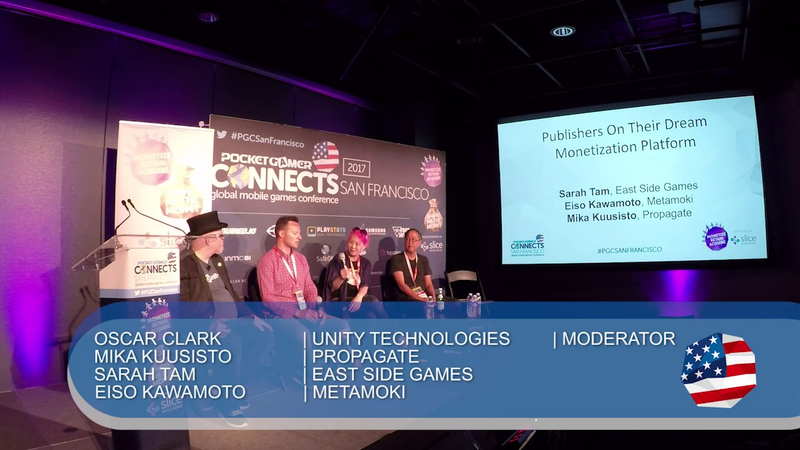
Publishers on their dream monetisation platform
Game developers and publishers currently face a fragmented monetization landscape characterized by high technical overhead and the burdensome management of multiple ad networks.
- Publishers prioritize low-friction, stable monetization SDKs over unproven yield increases to avoid technical debt and administrative overhead.
- Developers frequently encounter performance degradation in ad networks after the initial onboarding phase, necessitating scalable and reliable long-term solutions.
- The industry faces a persistent tension between the need for granular eCPM data and the requirement to maintain a high-quality, seamless player experience.
Monetisation masterminds
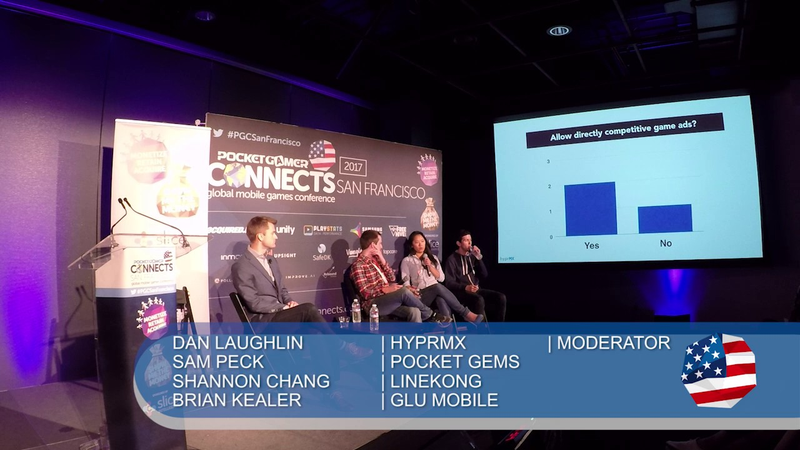
This discussion features monetization experts from Pocket Gems, Linekong, and Glu Mobile, focusing on the strategic integration of in-app purchases (IAP) and advertising within mobile games.
- Successful mobile monetization requires integrating five to nine ad networks to drive competition and maximize fill rates, despite the technical complexity of managing multiple SDKs.
- Rewarded video ads are now essential for all players, including those who already make in-app purchases, as they increase overall engagement and provide incremental value.
- Developers should move beyond basic payer versus non-payer segmentation by incorporating geographic and behavioral data to optimize both pricing and ad delivery.