1 free read left. Create a free account for unlimited reading + AI research.
Create free account
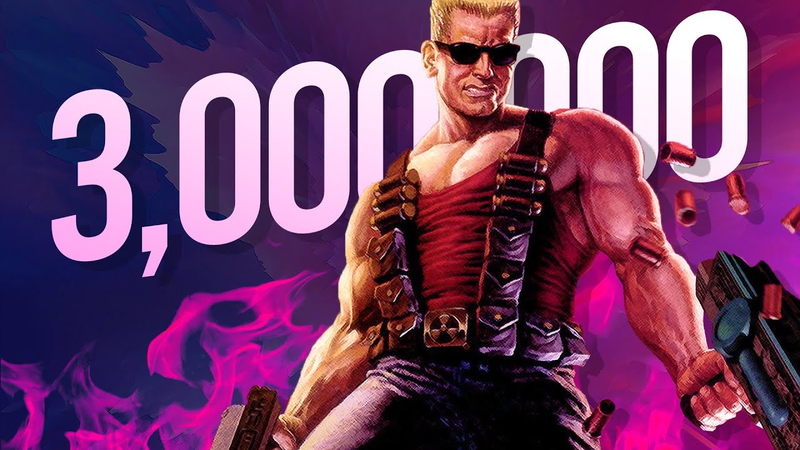
How This Game Dev Sold 3,000,000 Copies of His Game
Key insights
6 takeaways- 01Professional advancement is driven by a strong portfolio and proactive digital engagement rather than formal academic credentials.
- 02Global connectivity and remote collaboration tools have eliminated geographic barriers, allowing developers to build successful careers from any location.
- 03Success in a saturated market requires a defining hook—a unique, high-impact mechanic—to differentiate a title, similar to the bullet time innovation in Max Payne or the design of Duke Nukem 3D.
- 04Commercial viability depends on rigorous marketing strategies, specifically prioritizing the accumulation of wishlists and the release of demos to secure funding and audience reach.
- 05Long-term sustainability requires a growth mindset that treats failure as an iterative process and fosters collaborative environments where the best ideas prevail.
- 06Developers should prioritize polish and streamability over cutting-edge graphics, as the modern market supports diverse experiences ranging from retro to socially-driven titles.
Ask AI about this video
Transcript
If there was one person I'd suggest indie game developers listen to, it would be Scott Miller. GameSpot named Scott as number 14 in their list of the most influential people in computer gaming of all time. Scott is the owner of Apogee Entertainment, which is responsible for producing Wolfenstein 3D, Duke Nukem, Terminal Velocity, Max Payne, and Prey. Apogee now focuses its efforts entirely on publishing independent games. Scott and I are going to discuss why he dropped out of college to start an indie game studio before indie game development was cool, and how he built a multi-million dollar portfolio of games we all cherish. And at the end of the podcast, we'll be doing a shotgun Q&A round with questions from you guys. All right, let's get started. Should I keep going to college or should I build a studio? Um because I just made 20 grand, that's sort of a proof of concept. But I just stuck with it through college and got a degree that I really hated. And I'm
curious about your story cuz it's it's kind of like similar to mine, but you made a different decision. Yeah, um so while I was going to college, um I was making these games and um and and you know, learning my skills and I'd started using Turbo Pascal um by Borland, which was thought one of the hot Borland was making all these uh compilers back there then for the IBM PC, uh you know, all these crazy languages too like Ada and Modula um and uh I was using Pascal, which language I still love. Um and um so I was making these games and I was just kind of selling them to these uh these magazines on the disks that were around back then. Uh one there was a one called Big Blue Disk and one called Softdisk. And um and so they would pay a couple hundred dollars for these things and but they wouldn't take your rights. They would only like want them exclusively
exclusively for 1 year and then you would get the rights back. And so I had these game rights coming back to me including these games that called Cross. Mhm. And uh I was like, you know, I I can make some more money out of these I think but I didn't know how. I didn't you know retailer uh you know retail publishers wouldn't return my my letters uh you know you didn't email people back then. You sent them letters. Um and uh So I decided to um release a couple of my games online on BBSs. I had two text adventures that I released and I released the full game and uh asked for people to send me some money if they liked it and I hardly get any checks at all. And then I had these Cross games. I had these three Cross games um and I decided to try something new and I released just one of them to uh BBS systems and I I asked people uh at the end there was an ending screen when you finished it. If you like this send me um some money. I forgot what it was 20 or
30 dollars and I'll send you the other two episodes which each contain like 20 levels each or something and that that was the secret. That that actually worked. You know, people won't pay for what they already have in their hand but they'll pay for something extra that they will they will get. So that really started to work and for like a year um I I started you know checks to start coming in the mail and think about how hard it is for someone to write a check and send in the mail. And yet you know, I made over $100,000 that first year. In college. I kind of knew I was I kind of knew I was onto something and um I was you know a senior I was a senior in college at this time. You know, in 200 in $100,000 back in 1990s probably 200 250,000 now. So it's a kind of a lot of money. Yeah. And um you know, I was I knew I was onto something so I was like, you know, do I finish my senior year? I I I was I had like a semester and a half to go and I I just said I said, you know, this is too big. I think I'm going to stop down. I need to drop out and see what I can do here. And uh you know, my friends were all like, "Scott, man,
you're crazy." You know, finish finish your degree at least. Now, and I was like, I you know, I I remember talking to them, you know, I I can always come back if this doesn't work out, you know, it's I'm Yeah. not that big of a deal. So, um So, I I I quit and made this my first full-time gig and within a year all my friends were working for me. So, it totally worked out. Totally worked out. So, were you going to school for the day? Huh? Yeah, were you were you going to school for um code or Computer computer science degree. Uh-huh. Okay. So, so do you have any advice for my audience about this? Sort of some Like like a lot of my audience, they're students in high school and they're wondering, "Should I go to college to get a degree in computer science or like game design?" A lot of my my subscribers want to know about game design for school. And you know, I I tell them it depends on what your goals are. Do you want to be in AAA or are you an
entrepreneur? Are you a self-starter or do you like to sort of get led by somebody else and just curious any advice you have about that. I'm always scared to give my advice because I'm afraid to send people down the a bad path that they that they may regret because it really is a very personal decision. But, I will say that in all the time we've ever hired anyone, we've never cared if they've had a degree or not. That's never a question we ask. Never. We just simply look for, you know, their you know, a display of their talent. You know, if they're an artist, let's see some art. If they're a coder, let's see some samples of code. If you're a modeler, let's see your models. It never even occurs to me to ask, do you have a degree or not? Just doesn't even occur to me. Um so so for a lot of studios, that's how it is. Now, like you said for AAA studios and stuff, they be they may be more
concerned, especially if you're going for I don't know. Uh a more like marketing for instance, stuff like that. I think, you know, it's reasonable to expect to have a degree. But if you're a good coder, you're going to get hired. Yeah. You know, just based on you know, demos that you put together that really display your talents. Um Right. Maybe if you're not a good coder, then you need to go to school and and get get that kind of training and and build up your craft and so on. Um So it's it's it's a very, you know, it's it's really my advice is it's uh it's not universal. You you really have to weigh, you know, the pros and cons for for yourself. Um but I'm just saying in our case, a degree doesn't matter at all. You just don't Yeah, you you won't look at the degree. Like it's you haven't even like asked for Never have we asked. Never. Yeah, I mean I I tend to agree. Like I have a small team. I just like anytime I get an email from
somebody saying, "Hey, I want to work with you guys." I just say, "Where's the portfolio?" Like that's really what I'm looking for. I just want to know if you're good or not. That's That's all I really care about. But I do wonder, is there a Like okay, is there a bubble? Is there like a bubble of people like a clique in the game industry and you can only get in that clique if you go to a certain school? Um cuz everybody says like school is good for networking. Um I've talked to people who have gone to college to for game design, like Full Sail for example. And they've told me it's really good cuz you get connections and then you get plugged into the industry. What do you think about that? Yeah, I don't have any experience with that, but but I can see that that's um you know, that's probably true. Uh you know, uh networking is always valuable in this industry, you know, whether you're doing it um you know, in mod groups or whatever or wherever, you know, you got to be noticed by someone or
you need to find people to help you with your dream. Um so, either way, you need to be networked. Um so, you can't underestimate the value of networking. That's That's really big. You can't be an isolated person and expect to get much done. You have to find people to help you put your dream together and make it happen. Um so, networking is super important. And whether that's in school or maybe there's other places to get it done, it needs to be done um either way. Okay. Was there a How did you network considering you you dropped out of college, you started your studio. Sure. How did that networking happen? Were you in a city where there was a lot of developers or No. Uh I just I used online. Uh back in back in my day, there was um things uh there was like a a big service called CompuServe. That was really kind of big at the time. It was like almost like the internet of its day. And um you know, there was game development groups in there. There was artistic groups in there. And so, I would
go fishing in these areas and look for people, you know, oh, this this guy looks like a good artist. I'm going to contact him or this guy looks, you know, or I'd I'd find other game developers who were talking about their projects online or releasing stuff online and um and do it that way. Uh in the case of it's software, we had both well, their company Well, specifically, John Romero had released a game on on um Softdisk and I'd released a game on on Softdisk. You know, so, I think but I think Romero and uh John Romero and John Carmack and Tom Hall, they were actually all working at Softdisk at the time and I was just an outside, you know, person submitting a game that they they paid money to use. And so you know, I was aware of them releasing games on Softdisk and I and I saw that they were very sort of appropriate for the shareware model, you know, releasing one episode and then having people pay for follow-up episodes.
Um so, you know, I had reached out to John Romero and uh and and got that connection going right at the perfect time because they had just created their pixel-perfect perfect scrolling engine that the original Commander Keen was made with. Um And it it was you know, when they sent me a demo of that, it it blew me away because um I didn't think the PC could do something like that. Basically, it turned a PC into a console with that smooth scrolling technique. Um And John Carmack had figured figured out some sort of very genius hack to make that work. And um and I remember even talking to them saying, "Hey, you know, you guys are making the kind of games that uh you know, if we put them in the shareware, they could do really well." They initially, they were in complete disbelief that that would work. And uh they said, "You know, we can make your game, but you need to put some money
into this so that, you know, it's not a total bust for us, basically." Uh so um I forget if I sent them two or $4,000 um but um I sent them a hunk of money and uh and they took two months to make this game. And uh we released it on December 10th, 1990 and like overnight, it just exploded. Uh people were at at that point, I had set up a phone number, too, uh to my house. To and it was just like going off the hook. That's crazy. like like when they got their first check, they were like, "Oh my god, yes, shareware works." And they wanted to quit Softdisk and just completely be a separate company and make games for shareware. Okay, so before we move into the shareware discussion, cuz this isn't in my notes, but I want to talk about it and figure out the business model. In conclusion regarding the whole networking thing, it sounds like to me that I mean, what I what I like teach my students or what I
talk about on my channel is I say like networking is purely digital for me. It's just I I I don't really like trade shows that much or like conferences. I go to them sometimes, but I don't enjoy them. But like the primary contacts are just email. Just emailing people, getting to know people with text digitally or Discord, right? It sounds like it was the same for you. What was it the '90s or early '90s? Exactly the same. I mean, like for instance, you know, like I said, this thing called CompuServe. There was another one called Genie. Uh AOL was getting was getting going back then. They all had areas where game developers would hang out and artists would hang out and stuff. So, just like on Discord now, you know, there's all these different, you know, servers and groups that people have set up. It was it was the same back then, you know. Um but you know, older technology, but uh it was really the same. Yeah. That's crazy. I mean, that's that's I honestly I I was expecting you to say
that you like cuz I I always assumed in the '90s you had to be in the in the cool city to make games, but it doesn't sound like it was the case. That's just really interesting. Not at all. No. I didn't We didn't meet anyone within Dallas. What about now? Is it a gaming city now? Or game development city or anything? Yeah, but once again, we don't look for anyone particularly in Dallas. Uh you know, all the development teams that we've that we've signed up, about a dozen of them, are all outside of Dallas. In fact, I don't think there's even any within Texas. You know, we're signing up with groups that are in Spain, Canada, New Zealand. I mean, just all around the world. We don't care where you're at. If you're making something cool, we'll work with you. And that was the same in the '90s. Same in the '90s. Like, Remedy was based in Finland. Uh, sure. Yeah, yeah. Wasn't Rare Rare Ware was in um Europe, right? Or Yeah. Yeah. They were in They were in UK, I think. Yeah, yeah, yeah. That's just crazy to me. So, in conclusion, like concluding the college question is it
sounds like school doesn't really matter in terms of getting hired. Like, the school doesn't matter and your location doesn't even matter. It's just the portfolio. Portfolio is king. Yeah, location even more now than ever doesn't matter because Yeah. you know, thanks to I mean, I don't want to say thanks to COVID, but because of COVID, um you know, work at home has become way more standardized. Yeah. Way more acceptable. Yeah. Well, let's let's talk about you building your I I wrote empire. I don't know if you would consider it an empire. No. Uh but let's talk about building your empire. And this is more like a conversational question, so it might be a lengthy answer. I just want you to tell me about the journey from going all the way from like dropping out of college all the way to multi-millionaire. I don't know if you're okay with me saying that on the podcast. I don't know. But, very wealthy individual who's responsible for all these IPs, Wolfenstein 3D, Raptor, Call
of Shadows, Max Payne, Duke Nukem, and Prey. What was the journey like to just becoming this successful? I mean, what was happening I'm not much of a retrospective kind of a guy or guy who thinks about the past. What was happening was just a fun ride. It was just like well, you know, and I have to say honestly, there was a lot of luck involved. You know, obviously Mhm. teaming up with id Software, I mean, how lucky can you be? I mean, that's just That was That was it. Um also, I had discovered um a programmer whose name was Todd Replogle who had a couple of, you know, his first game that um well, just so people know, he went on to be the lead guy um uh on Duke 3D and he and he he and him um he and I created the Duke Nukem character together. Uh but before all that, you know, he was doing this little text scrolling game called Caves of Thor and then we worked on some other little um CGA games like Monuments to Mars and
just some very low-end games. Um And uh you know, then we worked on finally, I think his fifth game with us, fourth or fifth game was uh the Duke Nukem platformer game. Um And and that just completely exploded uh as a platformer, that that did about half as well, believe it or not, as Wolfenstein 3D did. Uh it just It was just an an amazing success, way bigger than the Commander Keen games were for us. You said it was half as successful as Wolfenstein? Yeah. It was good That's a good thing? That's a very good thing. I assume so. I just want to double-check cuz I know Wolfenstein just completely exploded. Um So, um you got got super lucky teaming up with id Software in the beginning and Todd Replogle. Todd Replogle was just a machine. I mean, he just was uh super talented, an amazing coder. Um and could just do so many things. I've really actually never seen anyone like him in the industry until very recently
uh meeting with Sam Prebble, who's the lead coder on um Turbo Overkill. That guy is also machine. Uh you know, he's he's doing so much work on that game. He does it so fast, so efficiently. Um So, anyway, it's it's so gratifying. works. Is he a solo developer of Turbo Overkill? Pretty much, yeah. I mean, he does all the modeling, the level design, the coding. Um you know, we help him with things like music and and some other things, but um it's kind of a one-man show with him. Um we you know, we help him with some ideas here and there, but the guy is just a a miracle worker, honestly. Um So, those kind of guys are just extremely rare in this industry, and uh um you know, we were lucky to find Todd, you know, early on. Um and then, you know, the Remedy connection, that actually came our way. We um just by just by crazy coincidence, um Marcus Maeki, who's now the CEO of that company,
uh he was in Austin, I think, going to uh the University of Texas, and he had heard of us and and I think rented a car and drove up to meet with us, and um said that he's got this little team back in Finland, and he showed me a some demos, I think, including the demo uh of a game that at that time was called High Speed, later released as Death Rally, and um we ended up signing a deal with his team. Um they had like four or five, maybe six people at the time, and we funded the completion of of Death Rally and released it, and it was just a great great uh relationship between the two companies, um and um they did really well with that game. Did it did sold really well. And then, um you know, after that, we ended up working together on on Max Payne. So, that was an amazing relationship there, too. Okay. Okay. So, in terms of, you know, we're we're talking about like this this the solo developer that's um working on Turbo Overkill right now with
you guys as an indie publishing company. One man, right? Mhm. How does that compare to the team sizes for games like Wolfenstein 3D or Max Payne? Well, I mean Wolfenstein 3D, that was like a four or five. They had like five or six people I think when it was released. Um I think four or five of them were dedicated just to development. Um and um I mean the indie scene is just has changed so much since the '90s, you know, people you could you could have a two or three-man team nowadays doing the work of 25 to 30 people back in the '90s because, you know, nowadays the engine's already made for you. The tools are there. You can go to the marketplace and and buy, you know, all kinds of code modules that that fit in that that, you know, so you don't have to need that stuff. There's just so much already done for
you. The tools make it so much faster. Back in the '90s, you know, we had to make our own engines. Um the tools were not nearly as mature and advanced as they are now. The computers weren't fast. Yeah. Um you know, it's it's just a completely different world back then. Um you know, for Duke 3D um I think it you know, we had eight to 10 people near the end of the project. Um and that was a good two and a half-year project for us. Yeah. Um Max Payne 3D was a bigger project. I mean, yeah. I I you know, I think it I think it qualifies. Yeah. Um and uh in Max Payne was even a bigger project. I think they had 15 or 20 people on development um by the end of that project. Uh so that was a big project. And I think that project cost in total about $4 million to make. Um I'm honestly surprised by how small both those numbers were, the price and
the team size. Because I remember playing that game and thinking cuz I played that game when I was in middle school. Um and I I would I thought I thought it was like a triple A I mean, I don't know if you would classify it as triple A at the time. I It's hard to define the terms. But, I thought of it as a big budget game, especially cuz of the bullet time. It just was so revolutionary. Um, but it seems like a pretty small project, you know? Well, we thought it was a big project. You know, we considered a triple A project for sure. Okay. And, um So, at the time $4 million was considered like a triple A project? A low end triple A project, yeah. Okay. Okay. Yeah. And and and a triple A project, I don't know if it's just strictly defined by what you spend on it. It's also just the quality of the project, too. Um, okay. Um, so we we thought it was a, you know, among the highest quality games released. Okay. But, uh uh you know, nowadays you can make a game like Max Payne with, you know, a third of that team size. Easy. Easy. Yeah. For sure.
Just you know, the the tools are there. It's it's never been so easy for an indie team to start up nowadays and and and and explore and and try their ideas out and just, you know, get something running on the screen, test out, you know, the gameplay to see if you think it's fun. Um, a lot harder back in back in the '90s, for sure. Right. Um You know, that that makes me wonder about like Duke Nukem, for example. Um, I was Googling Duke Nukem and it looks like it sold over 3.5 million copies. Um, I'm not sure if that number's correct or not. Um Can you guess? sold that many. Yeah. Duke Nukem sold that many. That's awesome. It It sold that many, yeah. Okay. So, did you know it would? Like Had no idea. Okay. No, when when we when we set that thing free into the world, um, you know, uh I I know if I ever even saw like a
spreadsheet or a budget sheet for that game. We never thought that way back in those days and really kind of don't think that way even nowadays. We just, you know, we're just We just want to make the best game possible and we do whatever it takes to to get there. And you know, we're if we if we've got the money, we're just going to spend whatever it takes. Um Can you think that way now though? I mean, not not 100% now because you know, we have investors and we have to be you know, obviously more careful. So So we're actually quite careful with with our spending nowadays. We have to be but um you know, we still think of you know, we we still prioritize the game number one. You know, we're never going to release a game that's that's just flat out run out of money. We can't do something with it, you know, I mean, it's not ready for release. We'll figure out some way to to bring in extra money and and and make it a high quality game for release. Uh cuz Okay.
But um So the question I'm really getting at here is So like I when anytime I start a new project with my team, I do think about the ROI, right? Like okay, are we going to make money off this thing? And you sort of have to like predict is this worth investing my time and money in? So I want to go through the list here like this might be a interesting thought experiment. Wolfenstein 3D How did you know it was worth the time and the money to make that game? Did you just do it cuz you wanted to or or because you knew it was going to pay off? I mean, never even that that kind of thought never even crossed my mind, honestly. It's just like, yeah, let's make this game. It sounds cool. Let's do it. And uh you know, whatever it cost, we just had total faith that it was going to you know, do well. It was never No one ever said, how much is it going to make? Are you sure? Is that too much? Whatever. That never ever came up, that kind of thinking. We just did it because it was
cool and we had total faith it was going to pay off. Yeah, I mean I I thought the same way. Like obviously my projects are a lot smaller, but like the projects that I've made for for console, it's like originally I was much more pure in my thinking. But the older I get and the more the more the budget increases, I start to think about that stuff. I'm like, do I really want to invest half a million to a million dollars in this project? Um Did you think that way with like Max Payne? Was there a question of the marketability of it? You know, our original budget for that game was 2 million. It went to 4 million. We didn't blink twice about putting that extra 2 million in it. Yeah. Didn't blink twice. It's like we knew we were onto something. Let's make it happen. Yeah. Was it the bullet time that really stuck out as being onto something? You know, the bullet time didn't even come until halfway into the development. That was never like Wow. one of the initial pillars of the project. This was something that um you
know, the originally it was just you know, this gritty noir, you know, detective story um and uh it was going to have the John Woo elements in it. In other words, you know, we had it in there to where like if you ran into a room and killed like there was five bad guys there, the last guy you killed would die in a very slow motion cool way and um and and and add to the the atmosphere and the coolness of the whole thing. Um You know, we had the photorealistic uh source textures as a as a key pillar for the game. We had a bunch of key pillars for the game for sure. It had an amazing story. We knew the story was going to be really great. Yeah. Um but the bullet time idea didn't come along until I was watching some of the slow motion some some of the slow motion deaths and I was actually in Finland at the time and they were showing me this. Uh because they had just kind of gotten into the into the game these slow motion deaths. And this was probably 18 months, if not more, into the development. And I was
like, "Guys, guys, guys, we got to make this something that you or Max Payne can control. This is too cool to have it just be this, you know, death for enemies. How can we make it to where Max Payne can control slow motion?" And um And so, they went to work on that and they put together the bullet time, you know, they they got it working. And um the next time I saw them, I said I said, "I think I have a perfect name for it, too. Let's call it bullet time." And I I even I I said I said to the project manager, "Let's call it bullet time. And also, when bullet time mode is activated, let's change the way the screen kind of looks. And also, add a heartbeat." Yeah. And that's that that rounded it out, made it perfect. The key to bullet time was also, it wasn't just dropping into slow motion. I said, "Because if if Max is also in slow motion, then there's really no
advantage. I said, he's got to be able to aim still in real time. That's the secret to bullet time working, is that everything goes in slow motion, including Max when he jumps or or or dives or whatever, but he can aim in real time. Yep. And that's what gives him his advantage. That's what makes it cool and fun. You know, it makes me wonder if like Max Payne would have been as successful as it was had you not had that idea. There's no doubt it would not have been that successful. We got so lucky coming up with that. I I still think the game would have done well, but um you know, obviously bullet time was the key feature in hind you know, looking back on it now. I have a question here and it's basically like how did you pull off the 3 and 1/2 million copies for for Duke Nukem? And it it sort of the the question involves I think the answer involves a hook, right? I'm looking at your list of games here, Wolfenstein, Max Payne, Duke Nukem in particular, and also Prey.
They all had a very unique and distinct hook, right? Wolfenstein's hook, I feel like was it's just the the first first-person shooter, right? Or one of the first. They created a new category. That's the hook. Right. Right. So, it's like it's like man, I've been telling my audience this lately cuz I've been thinking about it myself a lot. It's like it's so important to have a hook in a game. If you can't find it, from an investment perspective, it's a much it's a lot riskier, right? Yeah, no doubt. Um I completely believe that your game has to have something unique and distinctive about it or a hook that that sets it apart from something else. This can be, you know, anything from the stylized graphics that you're using. Um it can be, you know, a a game hook like bullet time or something. Uh just, you know, for Duke Nukem, we we threw in a bunch of of what we considered hooks. You know, let's let's let's have the
character be talking. Let's have um let's have interactive environments. Let's have, you know, instead of being in some remote planet like Doom was, let's set it on Earth and have realistic environments like, you know, the streets of LA and stuff. Um and uh you know, humor was a big factor in Duke. Um So, we we threw in a bunch of things for that game. Yeah. Uh and also we we we invented a bunch of crazy weapons that, you know, it it had its stock weapons. We were like, well, we can have a couple of those like the shotgun, but let's let's invent some crazy new weapons like the shrinker ray, the um you know, the ice gun and and stuff like that. Let's let's let's go crazy with it. Let's do some things that no one else is doing. Um so, you got to be distinctive. That's the key, I think. If you're not distinctive, then what are you? You're you're basically a copy of someone else's game. Okay. Duke Nukem, um, the from what I can remember, even in the '90s, when, you know, every movie that came out was some guy jacked on steroids, right?
I remember Duke Nukem almost feeling like a parody of those movies. Um, it was like a almost a joke. It was so extreme. Um, and I'm curious if that was the intention of Duke Nukem, like to set it apart and to make it almost funny. It's like it's almost like making fun of Rambo or like Arnold Schwarzenegger. Was that the Was that the goal? Totally intended. Okay. to be a to be a little over the top with it. We wanted Duke to be seen as a very serious character who unintentionally has funny things, you know, like, you know, like when he sings Born to Be Wild, you know, he he's got no singing voice and it comes out born I mean, it comes out hard like you know, like you know, right? Uh, you know, we don't want Duke to be a comedian, which um, I think unfortunately happened with Duke Nukem Forever. He became a bit of a comedian, uh, sadly, but um, you know, in Duke 3D, you know, he was very serious. We wanted to treat the world very serious, but
the there was still comedy in there in unin in in ways that weren't weren't driven by Duke necessarily. Um, and uh, it just just through the environment and in and interactions and things he did in the game. Um, and you know, I I I still think one of the funniest scenes in any video game is when Duke, I think in episode two, he he faces off in the bot faces off with the boss and says uh, something like, you know, when I'm done with you, I'm going to rip off your head and [ __ ] down your neck. And and when I wrote that line, we were we would develop that I I told uh, I was telling the people I said we need to actually have Duke do this. And and they were like really? Yes, let's actually have him do this. And I don't know if you've seen the scene but when he defeats the boss you need to look it up on YouTube it's hilarious. He actually he actually you see him walk up to the guy walk up to the boss who's laying down pull down his
pants opens up a newspaper sits down on the guy's neck and he starts he starts whistling his own theme while he's taking a poop. Yep. Yep. He actually does it. So uh I love that. I love how extreme that is and edgy it is. I I do wonder if that would fly now. Like if you could do that. Um because I remember the 90s being pretty edgy. Uh and you know I just wonder to be edgy on purpose. That's another way of standing out. Yes. Yes. Did you get a lot of flack for it? Or was it just accepted? You know not for that. Um But I mean Duke got flack for things flack for things. Um but uh you know it's it's just just as over the top. Yeah. Uh you know Well I think a lot of a lot of parents perhaps. I think my parents in particular probably saw that game and thought they thought it was it was like being serious. And looking back it's like no it's a joke. It's all one big joke you know.
Yeah. I mean the flack we got believe it or not was you know when we tipped uh you know he would go into that area where the you know the strippers were. Right. Right. And and you know we didn't advertise this as a feature but if you hit the space bar Duke would actually tip them and they would you know shake a little bit and uh It's amazing how many people have come up to me over the years and said you know that was that that was like almost like their first ever sexual I don't know. Congratulations. You know. And that that that brings to my next sort of thought here, which is you're now in the indie game publishing sphere. Um which is I guess is a little different because you're just I mean is it the question is first off, is it different what you're doing now than what you were doing then? Probably not. I mean, it's the same thing. We're we're still beating the bushes, you know, trying to find people that we can work with. Although right
now we're kind of at at a point where I'm not sure we can really take on too many more projects until next year. But um you know, we're just we're always looking for indie talent. Mhm. Um that that's doing something very exciting and um really what we were doing in the '90s, too. You know, we were looking for great talent that we could work with. Yeah. Um you know, back back in the '90s we kind of ended up taking on on more than we could chew. For instance, we we were the company that first started working with um uh Parallax Software who went on to make the game Descent. Uh we brought those guys to Dallas, wined and dined them, sold them on the idea of working with us, had them go and meet John Carmack and the id guys and learn from them. Um and so they start working on this, you know, full 6° of freedom flying 3D game and uh their their burn rate was pretty high. I think they were costing us $18,000 a
month and um you know, we funded them for like uh I'm going to say 14 to 16 months and then they came to us and said, "Hey, you know, we really need to expand the team and raise the funding close to I think $30,000 a month." And uh you know, we loved what they were doing with the game. We were helping them with design ideas and stuff, but at that at that point we were also trying to build up our own development and we wanted to spend money internally and it didn't really make sense for us to keep spending money externally uh for them. So, we worked out a deal toward Interplay took over the publishing rights, but you know, a lot of a lot of that that game, you know, originated with with you know, working with Apogee. But, um And we ended up getting our money back from Interplay, um the money we put into it. Um and it and Descent turned out to be a huge success for Interplay. You know, there was many sequels that came after that. Um And uh another game that kind of fell in that same boat was the game Blood. You know, that was also a project that was
under our roof using the same engine that Duke Nukem 3D and Shadow Warrior was using the build engine. Um and we ended up selling the rights to Monolith um during the development of that game after we had been involved with it for about a year. So, it's just these are just examples of you know, we just had too much on on our plate at the time and we had to offload some stuff. But, was this? When did you feel like you had too much on your plate? I mean, this this was like the mid-90s. Okay. Okay. Yeah. Um So, you're working with the very talented developers. Um and by the way, guys, uh Apogee's link is below. You guys should check out the the the projects they're working on. I think you're working with some very talented developers. Um and they're in I guess the minority of developers, meaning that thousands and thousands of games are released every year. Majority of them from indie developers aren't profitable, which uh you know, is is sad to say. And I think, you know, a lot of effort is put into making games
that don't well, back to what we were talking about earlier, which is the doesn't return their investment, their time investment, or their financial investment. So, I've been wanting to ask you, why do you feel like, you know, the majority of indie indie game developers out there fail to create a monetarily profitable indie game? Um and how how how can they make it profitable? How can they stand out? Well, I mean the the cold truth is not every game can be profitable. Um, you know, the market is got a lot of games right now. So, not everyone can can make money. It's It's like in the the movie industry, not every movie makes money. In the TV industry, not every TV shows making money. There's TV shows canceled all the time. So, it's just a tough competitive business and um you you know you There's all sorts of factors that lead to success. You know, there's there's luck is a huge factor. There's persistence. You know, there's talent. There's
networking. You know, there's putting together the right team. There's all these different factors. Um, you know, I think probably it it would most you know, and and then also you know, you got to come with a great idea. You got to be unique with that idea. Um, so you know, it it's I don't know how to really guide people through this and and tell them some sort of secret formula like that will make their game be successful. Yeah. Marketing is another big factor, you know. Um, that's a that's a big focus for us here at AppGeek because you have to really put in the money and effort and work with the the right marketing team to make your game get noticed in this super competitive environment. Yeah. You know, you have to like on Steam, you have to build up your wish list and uh you know, get articles written about your game and get great trailers and demo uh you know, get a demo out there and stuff like that. So, there's just so much to it. Um So, you know
and sometimes you you got to have some some swings and misses before you make your hit also. So, you know uh you know, in my case, you know, I made a lot of games before I made anything that was successful. Um you you got to be willing to to go through that learning curve and growth curve and all that all that kind of stuff. And maybe find new partners if your current partners aren't working out. Uh Yeah, it's just a lot of lot of pieces to the puzzle. There's no magic answer to it, you know, unfortunately. Otherwise, we'd all be swimming in money. Well, I mean I I find it funny how you immediately brought up luck because how how can you juggle all of those things um without being a talented person to begin with? Like born Like I feel like you were it it sounds like you were just born with instincts. I mean, you just have an instinct for selling games. One of One of my One of the things I do really well, I think, is I is I sort of
self-teach myself things, you know, I read about 100 books a year. I'm constantly learning. I'm constantly trying to grow as a person. I never think I know it all. Um and I was this way back in the '90s. I was just constantly reading books. I was reading books on marketing. Um one of the one of the most important influential books I ever read was a book called Positioning: The Battle for Your Mind. Um that really helped shape how I thought throughout the whole '90s with games and and it and it led me to create the 3D Realms label um because you want to I wanted to position that label just for 3D games because I saw 3D games as the emerging, you know, market within the game industry. So, we created Anyway, you just have to always be learning, willing to listen to other people who who may have good advice for you and just always be in a growth mindset. Uh always improving your your talents, you know, never you can never rest in this industry because other people will pass you by if you do. Yeah. But it that was fun for you, right? Like
it's a joy to do all that. Yeah. Yeah, I just I have I guess maybe a workaholic's personality um and uh you know, I I remember I remember many many many nights working on my text adventure games, my very first big games called Beyond the Titanic and another one called Supernova. Many nights on weekends working on these games while my friends are out, you know, doing something fun. Hey Scott, come join us. Well, you know, I I need to do this tonight. So, I gave up You were busy making $200,000. But back then I wasn't making that kind of money. I was, you know, I was working at a local college in their computer department, you know. Oh, okay. So, that was before you made the the $100,000. to school. Yeah, I was working in in the computer lab, you know. Probably making $15,000 a year or something. So. I mean, dude, that was the same for me in college. Um I spent the majority of my time in the library in the I would go I would go to the most antisocial spot of the library, all the way to the basement, and I would open up my laptop and work
on games and build my studio there. Um and it it comes down to like I I from what I can sort of the theme of what you've said here is like humility, but also it's not work, it's play, right? You're just like reading books and learning and and learning how to make games and asking for advice that's just fun for you, right? Yeah. I mean, I wish back then YouTube had existed and I could have watched your your your your videos cuz, you know, I probably would have learned a lot, you know. Um back then that didn't exist. So, I was just, you know, reading my books and, you know, everything I could, business books, marketing books, you name it. Um and uh and also playing a lot of games cuz you can learn a lot by playing other people's games, too, you know. You can learn what's working with these games, what's not working. Um you know, as my kids were my two boys were growing up and I was always thinking maybe they'll get into this to to my industry, you know, at some point. Um you know, when they were like, you know, teenagers, young teenagers, and
they would play some game, I would say now, uh tell Tell tell me three things you liked about that game and three things you didn't like. And then they would you know they would come with some things. Then I would say now tell me three things that that you could improve with that game. Like what would you do to make that game even better? And that would really got them thinking. Yeah. Trying to get them in that mindset. They actually kind of got good at it. Now they never followed uh you know a career path in the game industry. They went on to other things, but um you know I that's just a good exercise for everyone I think you know that wants to be in the game industry. Any game you play think about you know the three things that you didn't like and and come up with some things that you that you can think of that would make that game even better. You know always be thinking like that. Make that your standard mindset. Well, you know it I find it interesting uh that you mentioned playing games because you you didn't really uh well, you decided to not continue to move into bigger and bigger and bigger and bigger
AAA games. You're sort of scaling it it feels like you're scaling back. Is that because you like indie games? Do you do you do you enjoy playing indie games? Smaller games? Um Yes. I mean I like I mean I love games that like like Limbo and and uh Inside and those kind of games. I love RPGs like you know um I God um can't think of the name. Grim Dawn and um Path of Exile and Torchlight. I'm not sure these are necessarily all indie games, but um I'm not actually that big of a game player anymore except for I do play a lot of stuff on the iPhone. I'm always testing things out there. Um but I do play a our our games the games that we're developing you know a lot and um and that kind of is my fix nowadays you know just that kind of stuff. And whenever there is like a major hit game that people are talking about, what I'll do nowadays instead of playing it, I'll
just go watch some videos about it. Um Me too. Yeah. You can learn a lot, believe it or not, from the videos. Uh I find that console games now are actually too complicated for me. Same here. I haven't played a console game in a long time. It it's too much weird button combinations, so um I'll have my son come over and play a game while I watch him, and I'll be asking, "So, you know, this and this and you know, and and kind of be learning as he's playing it and we're talking about it and so on." So, that's kind of how I get my game playing in nowadays. Uh either watching my son play games live or or or or videos and or I'll ask other people who, you know, who have just finished the game that they really love. So, tell me, you know, tell me what what did you really like about it? You know, what what should I be aware of? That kind of thing, you know. Yeah. Um So, yeah. That's how I That's how I kind of how I do it nowadays. I don't I just don't really have time anymore, even though I would love to, to get in and play a game that's going to suck up a lot of my time because I feel like I can use that time for for work. I know. I I
have two toddlers, so I just haven't I can't find the time. And I I do I feel old. I'm 32. I feel old like I'm like really struggling to understand even old games like Roblox and um yeah, that one in particular. I'm I'm like, "What is this game?" Like what I haven't even played it. I haven't touched it. Um But you're it's cool that you're playing all these indie games that um in your current sort of roster of games. Mhm. The last question related to these indie games, um in your you know, you've you've probably been able to hang out with these indie game developers, right? And get to know them. Um if there's one piece of advice you wanted to give to my audience, just one piece of advice, you can only pick one, the most important thing that you feel like an indie game developer needs to have, what would it be? I don't know. I I kind of want to say, you know, your support, you know, as a publisher. coming from a publisher's perspective, you know, we just want to support them
and make sure they get to make their dream game. Um I don't know really I don't know how else to answer that question. What about what about a skill set? Or a mindset? Oh, I see. Um you got to be a team player, I guess. Um got to be willing to uh you know, not try and be the boss of everything. Listen to other people's ideas, you know, um be very cooperative with with your team and um it's it's you can't always try and be the head dog. Um you got to you got to listen to your team and and uh you know, you got to accept, you know, I I always tell people that, you know, I take a very Darwinian approach to ideas. You know, I just always want the best idea to win. I don't care whose idea it is. Yep. If your idea is better than mine, boom, we're going to use your idea cuz I just want the best idea. I'm not I
don't take any ownership of my ideas at all. You know, if um sometimes my ideas are the best, sometimes they're not. So, whoever's got the best idea wins. So, and and that's how it is, you know, um I'll pitch ideas to some of the teams we're working with and they may say, "Oh, well, we're we kind of we're thinking about maybe doing it this way." Oh, okay, that's great. Perfect. Let's do it that way. You know, never never try and own your idea to to death, you know. Um you know you're always going to have the best idea. So, I think that the teams that that we're working with now that are work that are that have, you know, the smoothest running oiled up engine are are the teams that um are really just embracing ideas from your whole team and just and just going forward with it. Um If you're if you're you know, some team leaders though, uh you know, they they just think that all of their ideas are are hung from the moon. And uh um you know, they'll probably make a great game, but will it be the best game? Will
will it will they be missing out on some ideas that might have made it better? Probably, but um Yeah. Anyway, so I I just always try to encourage our teams to really be open-minded about things. Yep. So, there's a there's a humility there. Like just having having the humility to even if you are leading a team, it doesn't mean you're the boss, and it doesn't mean you have to be a jackass about it. Um a good leader's going to take ideas, right? And if you if you're always in your ivory tower handing out, you know, every idea, and the other team doesn't get to contribute, you're actually going to turn your team against you at some point. Hm. Hm. I've seen that happen many times. Okay. That's really good advice. I like that. Now, I'm I'm learning that right now because, you know, I I was a solo developer for a good 5 years, and I'm learning how to how to be a team player. And I wasn't frankly, I wasn't born that way. Um but I've seen the value in it. Um I have a
team member, a 3D artist. His name is Felipe. Just so brilliant, so smart, and I've just found that when I listen and just just wait for the idea to manifest, just listen to the idea. It's like, man, like I'm so you glad so glad you thought of that. And it it's like one idea he recently had that we're implementing what during our live streams. And if you want to come hang out, you can. One of the one of the new ideas is like it's one where I'm like, this is going to be like the the beginning of the trailer, this one little thing that you came up with. And so, I totally agree with you about the team mindset. I think that's awesome. Yeah. That brings me to a really important question, which is a lot of my and and we'll move into the shotgun round, whereas we I'm going to ask some questions that my audience has um has written down on my YouTube community tab. Plus I've got a lot of show and tell coming up later. Oh, nice. Yes, we Oh, that's Is that the N64 copy? Uh yeah, sure is. I love that. Oh, man.
That's nostalgia right there for me. That was That was my childhood was was N64. Um yeah, bring we we have a ton of questions for you here. Um from my the YouTube community tab. And so these these answers can be pretty quick. Um the first one um that I want to bring up is and it relates to being a team player because a lot of people are just solo developers and they really suck at let's say art. And they'll release they'll release a game because they were and it doesn't look good, it's not pretty because they were just unwilling to ask for help. So Leonardo asks can you get funding from a publisher with a good demo but just has ugly art? And the good art can come later with the investment money. That's a very risky path because, you know, people do judge a book by its cover. Uh
that's just the you know, human nature. So, if you got a really interesting gameplay mechanic but it's just buried by horrible programmer art, uh you're definitely going to hurt your chances. It would have to be really be something that's so cool and unique that people can overlook the bad art. Like Minecraft. Yeah. Um exactly. Pretty much. Yeah, that's about the only one. But you would be much better off to have some decent art in there. Mhm. Mhm. Okay. Very, very good. Corey Matthews asks, "What seems to be the most favored genre that a publisher looks at as an easy sell? And which one is almost an automatic pass. You know, um I saw somewhere on Steam where they or someone had released a list of like what genres were selling the best and stuff and it's like
a lot of a lot of genres that have like, you know, farming, crafting, you know, all that kind of survival stuff, exploring. That seems to be really popular. Mhm. Um but I don't really want to pay attention to that kind of thing because um you know, I don't want to chase what what's currently popular necessarily. Um so I don't I try not to pay attention to that. I I just try and focus on you know, working with games that I know that I would want to play and I'm excited about because you know so I I don't know if there's publishers out there who are chasing the top genres. Um maybe some are, but I'm sure that um you know, everything's uh you know, comes around cycles also. So, you know, if you're working on a game that might not be in the top 20 of what the popular genres are, that might actually be a market opportunity for you to really kind of like, you know, put a new twist on it and say, "Look what I'm doing here." Like let's say it's a an RTS game which you don't see, you know,
uh too much of, you know, real-time strategy. You know, let's say you have a new twist on that and uh and and you've and you're building a great little demo that you can show to someone, you're probably going to get some interest. Yeah. I know that I know I know that actually would be interested. We're we're always more interested in fact in areas or games that are tapping something that maybe have has been forgotten in the last 10 years and you know, a new area like that. So, in a way you're a nostalgia brand? No, no. Uh we're just we're just looking for opportunities, you know, um and uh it you know, it's it's still going to be a game that we want to play. Right. That we're totally interested in, that we feel like we can get get passionate about. But, I do think there's I'm just saying that you don't have to necessarily be chasing the top 10 or 20 genres, you know, there's always opportunities even at the at the bottom of that list. So, in general in general, Corey
shouldn't be trying to build something exactly for the current trends because frankly, some publishers like you, you just want to play what you like. You're not going to look at trends. Build what you're passionate about. I mean, look at the new Monkey Island. I mean, point and click adventures. That's probably not in the top 50 genres out there, right on Steam? But, look at look at how well it sold. Yeah. Uh so, there's there's opportunities out there for you. Okay. Um This is an interesting question from Cemetery Gate. Is it more exciting or nerve-racking to take a risk and produce a game outside of your comfort zone? So, for you personally, is it more exciting or nerve-racking to take it on take on more than you can handle? Uh Well, I I never really get nervous. Um I'm I'm not really sure I understand the question. You know, does this mean taking on a game that
um I'm not necessarily excited about playing when it's released or I think what I think what he's saying is I in Well, I know there was one game that you guys eventually sold and you didn't want to handle anymore, right? What was that game called? Yeah, well, that was that was both true of Descent and Blood. It's not because we didn't want to deal with it, it's because we really couldn't afford it being in our budget anymore. I see. I see. So, was it was it Were you constantly stressed about that game or were you still excited about that game? Yeah, definitely still excited. I knew that we were having to let go of something that would go on to be successful in both cases. Yeah. But, you know, we prioritized building our own internal development at that time. And this is before Duke 3D had come out, which would have made us way more cash rich, and we would and then we would have been able to keep these games. But, at that time, Duke 3D hadn't come out yet, so you know, we were you know, living off the the sales of our other games, which were doing
well, but we couldn't support some of these huge $30,000 a month budgets and stuff. Mhm. Okay. Very good. Good answer. Posted Active says, "You've You've been through several evolutions of gaming. Um, I mean, you've been here since the beginning. Uh, what do you think about the new evolu- evolution into metaverse or VR?" Um, I haven't given even 20 minutes worth of thought on the metaverse. I figured you'd say that. Um, and uh, VR, I've never owned a VR um, goggles or whatever, like the Quest or anything. I've I've tried them, um, and I personally don't find them that appealing. Um, you know, obviously there's a market there. Uh, I don't think that we'll be exploring
that market anytime soon unless something amazing comes our way that just really makes us change us change our mind. Um, I mean, it's just not something that I personally have much interest in. I know my partners don't have much interest in, so um, we're I don't see us going in that direction. Yeah. Um, and I I think that the metaverse, you know, I think we're probably years away from that kind of proving itself or not. Yeah. So, I'm not I'm not going to worry about that in the least right now. We're not going to chase these sort of future trends. Okay. if they if they develop and become something, then we'll look into it. I see. I see. Okay, last question here. Um I mean, there was a lot, but this is the last one I've decided to choose. Um so, something that like my audience really struggles with um cuz I can just read the comments and I can see that this is a big struggle. They have They struggle following through with projects. And they'll they'll quit something. So, they'll
start something and then they'll quit it, right? This is more often the norm than any like this is more normal than it is uh unique to be able to just constantly quit projects, right? Was there ever a time where you wanted to quit one of your projects that you were working on? And what were you able to do to continue to move forward with the project? Well, back when I was making just all my solo games using Turbo Pascal, um you know, these games would sometimes only take a week to make. Um my adventure games were were my big games and they took probably 5 or 6 months each to make. Uh my first Cross game only took maybe 2 months to make. So, I never really had projects that dragged on so long I was starting to get bored or anything. Um and then, you know, once we started working with external developers, um like id Software, you know, they were the ones making the project. So, um Yeah. I don't know that that really applies to me, you know? I mean, some of our games that we're working on working with now, you know, they go they're going to go on
for 2-plus years of development before they're released. Um and you know, we we check in on these games pretty pretty much daily. You know, we have a private Discord area and stuff. You know about it cuz you've been there. And um so, but it's it's never boring or anything. Um maybe for the developers themselves, you know, we're always, you know, making sure that they're still, you know, staying passionate about it. And this is like one of the important things that we look to to bring on a team that we want to work with. Uh one of the important things that we look for, not just talent, but, you know, dedication and passion for your project. That's super important because if you don't have that, then you might get bored. You might give up at some point. You might not put your best effort into it. And uh you know, if there's one thing that that we want, if you're making a game, anyone's making a game, you got to put your best effort into it if you want to, you know, have any chance to succeed. So, that's that's a very important thing. You know, if you're if you're giving up on a project, maybe it just wasn't that exciting to you. Um
and maybe that's the best thing to do is give up on it and and and put the put the thinking cap on and come up with a better idea or an idea that interests you more that you will want to complete. And if you're that excited about it to complete it, then it probably has a better chance of being successful in the game world. Definitely links to the previous question because, you know, chasing trends is probably what most of us aren't passionate about, right? Yeah. And if you're just trying to make money, you're probably going to quit the project, you know? So, what I what I say is if it makes your heart beat faster, just a little bit faster when you think about a concept for your game, that's the one you choose, right? If your body has a physical reaction to an idea, then that's your game. Even if it's a dumb idea, if you like it, it probably means that you're willing to invest that time in the project, right? 2 3 years. I was I spent 5 years on a project because I really liked the themes and the stories.
And it Yeah. I don't anymore. I hate that game. But it got me it got me through those 5 years, you know? So. Yeah, I know the project I was working projects I I worked on back in the late '80s and super early '90s when I was still kind of solo, you know, I couldn't wait to get off work or come home from school and fire up my IBM PC and push in my little floppy disk and get that program loaded up and cuz I'd probably been thinking about some ideas while I was at work. I need to get those in the game now and I was always super excited about it. Good. Well, man, I appreciate your time. This was super duper valuable, incredibly valuable. So, I want to let you sort of let us know some links or uh let us know about the projects you're working on. You want to do that? I mean, people can just go to our our website, but I got a couple little show and tell things here I I tell you about. It's not I'll show you real quickly here. These are some rare items. This is a
a Duke Nukem statue that we had. I think there was I think there was 900 of these made. Can you put it closer to the camera? Just a little bit. I want to see how Oh, that's so cool. Oh, man. I love that. actually it's actually really kind of detailed. Yeah. And it has like a This isn't This isn't one of the the low numbers, but um When did that come out? I think it came out in '97 or '98. Yeah. So, I got a couple of game boxes here. This one. Okay, so you guys worked on that one, too. So, you did That was Zero, Duke Nukem Zero. Yeah, Duke Yeah, this is Duke 64 and Duke Nukem uh Zero. Then um Then we have Manhattan Project here, which was on the PC. It's um It was a side-scrolling game. Yeah, that's the one me and my brothers played. I actually love this game. To me, it's my second favorite Duke game after Duke
3D. And here's the Duke 3D box. Yeah. We have a Yeah, the side-scrolling one my parents told me to stop playing. So, I didn't get to play it much, but that's that's super cool. Wow. So, what these boxes here? Yeah, the cover art's outstanding. So cool. So badass. So, that's that. Um also have the Atomic Edition box here, which was very sort of shiny. That is That's very shiny. Yep, pretty cool. Yeah. Uh then got uh our Prey box. Nice. Good. Let's see. I got got Max Payne box. Yep. And um we were working with uh Take-Two Interactive on this. And uh they hated that I wanted this quote
on the front of the box. They said it ruined the whole look. But I said, "It's going to stay." What's it say? I mean, it said something really good. It says, "Uh definitely original." I mean, it just soaked in style. It's like one of the best quotes any game's ever gotten in its life. And I felt like that's that's going to sell the damn game. We need it on the front of the box. Um That's funny. Bunch of more quotes. So, actually we did uh collapse on boxes. Yep. Yep. Oh, I remember it. I remember I miss it. I miss it a lot. And what's weird, I wrote almost I I I actually I I wrote all the text on these boxes and picked all the quotes. Yeah. And I can't believe looking back now that I put the bullet time feature as the bottom feature. Right. Down here. Right. Maybe you did not even know at the time that that was the hook? I mean, I thought all these things were good hooks. Yeah. Yeah. But yeah, it's weird how I put, you know, you know, we we should have been like saying, you know, "Concludes this new
bullet time feature." something, you know, but at the front. Yeah. But yeah. Anyway, that's all my show and tell. That's so cool, man. That's so cool. And it gives me a lot of nostalgia vibes, for sure. I miss I miss that era. And I think you can still get, you know, physical I got physical copies of my games on the wall here. But, it's it's more rare than anything. So, I miss those days. I really do. And that's that's something that I'm doing with my games is like they they have a classic feel to them. And I don't know back to what you were saying earlier, it's like I don't know if I'm going to trace chase trends, either. You know, I just really enjoy old school games. And that's that's what I'm going to focus my energy on, you know. Yeah, the whole retro FPS thing, that's something that I think started with with Dusk. Mhm. And I remember seeing Dusk um like a year and a half before it was released. Um Dave Oshry and and the designer, David, I can't remember his
last name. Yep. They were at QuakeCon here in Dallas. And I remember seeing that on the screen and going wow, that game looks like it was made from, you know, like the '90s. And I said, "Dave, you're doing that on purpose?" Yep. Yep. And uh I think that was New Blood, right? New Blood introduced me to you, I believe. Um Yeah, it was New Blood. And um boy, they they so knocked it out of the park with that game and really created the whole retro shooter genre that were, you know, that so many games now are are entering that that area. Uh It it just really kind of shows that, you know, it's not about graphics. You know, graphics are no longer the thing. Uh you know, it's got to be gameplay and and and and and, you know, just just the fun factor, the pure fun factor of it, you know. Um people people are fine with that. Uh you know, going back to like Minecraft and probably some other games before that. You know, it doesn't have to you know, nowadays you don't have to chase the
best graphics. You know, as long as your gameplay is there, you know? Well, it's for from my perspective, uh if people only cared about profitability, like they shouldn't, but if that's all they cared about, if any game game developers only cared about profitability, if it were me, I would focus on making my game streamable. Um meaning it's highly dynamic, cooking, crafting, exploring, creativity. That's what I would really focus my energy on. And you could see these the the games that are the most popular, those are the games, right? Yep. So, games that are streamable, like basically like video games, this is why I think the metaverse is inevitable, frankly. It's because social so the social aspect of a game is like directly linked to social media, right? So, like a video video games and social media are slowly blending together. Personally, I don't like it cuz I like linear games, I like story games. Yeah.
But it seems like that's just the direction we're moving. But the beauty of it is there there's there's there's there is room for every type of game at this point. Um so that's why I'm being class games, yeah. That's the bottom line is that, you know, retro games aren't going to ever go anywhere. You know, really all the genres are going to survive in in some form or fashion. You know, there's always a way to revive them at some point. You know, give them a new twist in some way. Um first pursue your passion. That's right. I I I'll agree to that and that's a great note to end on. Um dude, Scott, thanks for taking the time, man. And by the way, guys, there is a link below to Apogee's portfolio. Check out the games that their indie developers are working on. Really cool games, so I highly suggest everybody take a look at the link below. And leave a like, subscribe for more content like this if you want to see more interviews with game developers and publishers. And leave a comment below.
I'll talk to you later. Uh Thanks so much, Thomas. This has been fun. Yeah, dude. Really, really fun. Take it easy.
Summary
The modern game development landscape rewards developers who prioritize distinctiveness and innovation over rigid adherence to market trends. Success is rarely the result of a singular formula; instead, it stems from a combination of creative passion, strategic networking, and the inclusion of a defining hook—a unique feature that differentiates a title in a saturated market. Historical examples such as the implementation of bullet time in Max Payne or the over-the-top design of Duke Nukem 3D illustrate that high-impact, innovative mechanics are essential for mitigating risk and capturing player interest.
Professional advancement in this industry is increasingly decoupled from formal education. A strong portfolio, proactive digital engagement, and the ability to demonstrate tangible talent are far more critical than academic credentials. Because global connectivity and remote collaboration tools have rendered geographic location irrelevant, developers can effectively build careers from anywhere. However, while creative vision is the foundation, commercial viability requires a rigorous approach to marketing. Building wishlists, utilizing demos, and avoiding the pitfalls of poor visual presentation are vital steps in securing funding and reaching an audience.
Long-term sustainability in game development relies on a growth mindset and a willingness to iterate through failure. Leaders must foster collaborative environments where the best ideas prevail, regardless of their source. While the industry has shifted away from a singular focus on cutting-edge graphics, developers must still ensure their projects are polished and streamable. Ultimately, the market remains broad enough to support diverse experiences, ranging from retro-inspired titles to modern, socially-driven games, provided that the development process is fueled by genuine passion and a commitment to delivering a compelling, fun gameplay experience.










Comments