1 free read left. Create a free account for unlimited reading + AI research.
Create free account
5 Solo Game Dev Mistakes You MUST Avoid (My Experience!)
Key insights
6 takeaways- 01Developers should leverage existing assets rather than creating every element from scratch to prevent burnout and significantly accelerate development workflows.
- 02Securing a publisher is essential for solo projects to gain access to professional PR, media coverage, and industry expertise that are difficult to cultivate independently.
- 03A compelling narrative can effectively sustain player interest even when core gameplay mechanics are underdeveloped or lack depth.
- 04Solo developers must prioritize rigorous, objective playtesting throughout production to identify design flaws and ensure reward systems remain fair and engaging.
- 05Avoid padding game length with meaningless puzzles, focusing instead on increasing player value through higher difficulty, replayability, and creative agency.
- 06Negative critical reception should be treated as a diagnostic tool for iterative improvement rather than a definitive failure of the project.
Ask AI about this video
Transcript
The hardest week of my life was when I released my first solo commercial game, Pinstripe. After four years of solo development, I released it on Steam and there was a ton of pressure. My wife and I needed the money, but more importantly, I needed proof that this whole solo gamedev thing was legit. But sadly, we were struggling to gain traction on launch day on Steam. I needed a good article from a major press outlet to drive traffic and ultimately sales. It was a cloudy, rainy day and I was glued to my phone, constantly checking Slack to see if my publisher, Armor Games, had any good news for me. And then it hit the article I was waiting for. It was GameStop, and I freaked out. I dashed into my bedroom, closed the door behind me, and began to read it. Everything was hinging on this moment. Was this the article that I needed to have my solo project go viral? I do know one thing. This article taught me five vital lessons about making indie games
solo. Firstly, the article praised the look and feel of the game. The writer Jeremy Winslow, who goes by Levi, wrote, "Pinstripe's haunting aesthetic driven by Gothic and Edwwardian era influence takes center stage. Its melancholy world is paired with a dreamy soundtrack that feeds off of hell's spooky atmosphere. I was pleased because I spent the majority of my time illustrating the art from scratch, completely alone in Photoshop and also writing the music all by myself. However, I had an epiphany over the next few years that I want you to take note of. You don't have to do the artwork or the music yourself to call yourself a solo gamedev. Since Pinstripe, I've learned that a cohesive style can still be achieved with Unity assets from the asset store. Or if you're making a 2D game, something like craftpix.net. net. A cohesive art style is often achieved simply by what's called asset flipping. I highly suggest you consider utilizing assets where you can so you don't spend 4 years like I
did creating artwork that could be purchased for five bucks. For example, backdrops, UI icons from nounpro.com, or even specific models like trees which can be traced over or simply texturized to match your style. My mistake was thinking all of this had to be done from scratch. I continued to read the article. I was honestly baffled GameStop was writing about my game. Honestly, to this day, I'm super thankful to my publisher, Armor Games, because they helped secure reviews like this with help of a PR firm. And that really brings me to my next tip. If you're making a game solo, it doesn't mean you have to self-publish or even self-fund. You can actually make a great demo, a simple pitch on Wix or Squarespace with a trailer and screenshots and send it off to 100 different publishers. Yeah, you heard that right. 100 different publishers because honestly only 10 will probably bite. The more you send, the more offers you can weigh. A publisher will not only help you go full-time when you simply only have a demo, but they're
also going to help you secure reviews from major press outlets like GameSpot. That is if they're carrying their own weight. Some publishers just act like investors, and that's not enough. When talking with publishers, I highly suggest asking them what kind of press relationships they have and what articles they've gotten for their games. If they can't list many, that's a red flag. I continued reading the article and I was grinning from ear to ear. Levi enjoyed the story. It looked like GameSpot loved the game so far. Well, we'll get to that. Levi wrote, "Pinstripe is a game about descending into hell to atone for unjustly taking a life. As you explore an underworld fit for a stop motion Tim Burton film, thoughts of revenge, anguish, and disgust begin to creep in." This brings me to a hack that I've learned. Story can be the greatest asset of a solo developer. When all else fails, if the story is captivating, players will actually trudge through mediocre gameplay to reach a resolution to the
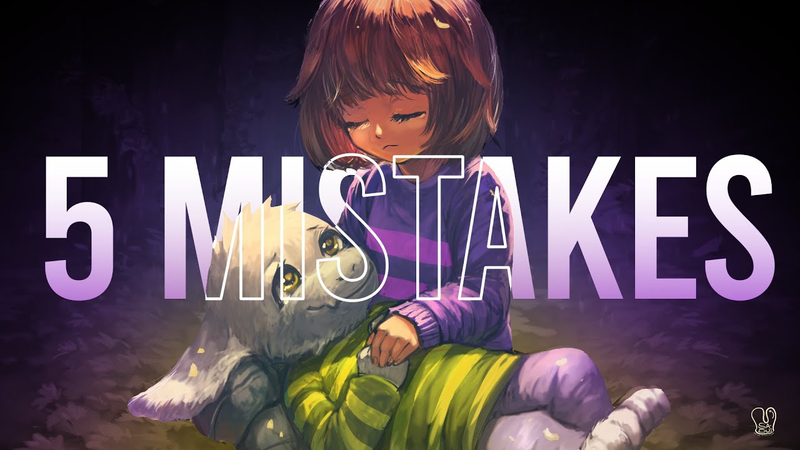
characters they've fallen in love with. Dare I say this is true of Undertale. Personally, I find the gameplay a tad boring, but the story is incredibly intriguing. Leave a comment below if you disagree. You probably do. I would love to hear your thoughts. The same is true with Pinstripe. The following sentence is what I believe brought in hundreds of thousands of dollars in gross revenue over the lifetime of the game. An ex-minister ventures through the frozen depths of hell in search of his kidnapped daughter. That tagline is enough of a story hook to keep players hanging on through boring gameplay. Coming up with a great story can actually be hacked. The greatest stories of all time share similar character arcs. For example, Star Wars, Harry Potter, and Lord of the Rings follow an unfortunate protagonist with a variety of relatable weaknesses. I wish the ring had never come to me. This protagonist eventually saves the world from a truly threatening evil. The key word is truly. It's not an abstract
evil. For example, they're going to blow up the galaxy or enslave the entire world. This is called the hero story arc, and it's cheap but effective. Make your character weak and relatable. Immediately when the player presses start, they're flawed. Stardew Valley did this incredibly well. By the way, here's a really cool chart that shows the arc incorporated into your game. If you're interested in learning more about a variety of different story arcs, read story by Robert McKe. I continued reading the article and suddenly my heart started to sink. Levi was done praising the game. Now he began to rip apart my solo project. Pinstripe is a platformer first and a puzzle game second. And though none of its challenges are difficult by design, Ted's floaty legs complicate even basic platforming tasks in practice. Getting him onto platforms when necessary is often irritating, especially during timed puzzles. My greatest fears were realized. I knew deep down during the entire production of the game, I was not
a game designer. In this case, I didn't understand the basics of a platformer. Even worse, I didn't really understand how to reward and punish the player for his platforming abilities. And being a solo developer is to blame. Here's the thing about being solo. You're in a bubble. Every decision you make is frankly muddy because it's almost impossible to see the game through your players's eyes. For example, a team or even just some beta testers or friends could have helped communicate to me if the platforming was punishing or rewarding enough. And yes, a punishing game with effective rewards is actually fun. And this is different than simply just being annoying like Pinstripe was. According to try evidence, there are four rules about punishment in games. Punishment should be applied less frequently than rewards. The player must understand why he is being punished. Punishments should be fair. The player should have a clear opportunity to avoid punishment by appropriate action. Now,
the solution here is obvious. If you're adamant about not having a team, it's absolutely crucial that you just test frequently your game design and get clear feedback about the punishments and reward systems in your game. Sadly, the article got worse. Levi picked up on a trick that I was playing on my audience. Because I wanted the game to be longer, I littered the game with mini games and puzzles that weren't particularly challenging or even meaningful. Instead, their sole purpose was to slow the game down. The only time-consuming riddles are those that require you to piece together seemingly benign artifacts in the environment. But these moments are easily resolved through trial and error by poking and proddding at anything that looks suspicious until you hear a chime. These puzzles bring diversity to the adventure, but they ultimately feel like unnecessary speed bumps. Here's the thing I've learned since then. Increasing gameplay length should not be your goal. Rather, you should be increasing value. And you do this with three variables: difficulty,
replay-ability, and creativity. Making the game increasingly more difficult while also increasingly becoming more rewarding ensures the player is slowed down while also being challenged. And ultimately getting that good feeling after completing a task. Replayability offers immense value not only to players, but also to streamers. For example, if a streamer knows the game will be different every time they play, they will likely be more inclined to play it again and again on their channel, meaning more eyes on your product. Creativity is similar. It means that the player will be more inclined to purchase the streamed game because they want to see how the game changes based on their inputs. So, what was the final score of the GameSpot review? It was a devastating five out of 10. I was broken. It took me a couple weeks to recover, but looking back, I learned so much from this article, and honestly, I'm thankful to Levi for his honesty. Making a game solo doesn't mean your game should be made in a vacuum.
Ultimately, I received plenty of good reviews, even from Time magazine and Washington Post. And that brings me to my bonus tip. Don't worry too much about bad reviews. Firstly, because not everyone's going to like your game. And secondly, all press is good press. Instead, I think you should just absorb the criticism that the press is offering and maybe make a change. Other than that, it's just an article and it's probably sent people to check out your game on Steam. All right, guys. Thanks for watching. I hope this video was helpful on your solo dev journey.
Summary
The primary objective of this analysis is to outline critical strategies for solo game developers by reflecting on the development and launch of the indie title Pinstripe. The central thesis posits that while solo development offers creative freedom, it often traps creators in a vacuum that leads to design flaws and inefficient workflows. By examining the critical reception of a debut project, the analysis identifies five essential lessons for navigating the industry, emphasizing that solo developers should prioritize efficiency, external validation, and structured design principles over exhaustive, self-contained production.
Key findings highlight the importance of leveraging existing assets rather than creating every element from scratch, as this prevents burnout and accelerates development. Furthermore, the analysis stresses that securing a publisher is a vital step for solo developers, as it provides access to professional PR, facilitates media coverage, and offers necessary industry expertise. A compelling narrative is identified as a powerful tool that can sustain player interest even when gameplay mechanics are underdeveloped. Conversely, the analysis warns against "padding" game length with meaningless puzzles, arguing that developers should instead focus on increasing value through difficulty, replayability, and creative player agency.
The methodology relies on a retrospective case study of a commercial game launch, utilizing professional press reviews as a diagnostic tool to identify common pitfalls in solo game design. The analysis concludes that the most significant risk for a solo developer is the lack of objective feedback. To mitigate this, developers must implement rigorous playtesting to ensure that reward and punishment systems remain fair and engaging. Ultimately, the analysis suggests that while negative criticism is inevitable, it serves as a valuable resource for iterative improvement and should be viewed as an opportunity to refine the final product rather than a definitive failure.

















Comments