Game Development reports and market data
Documents
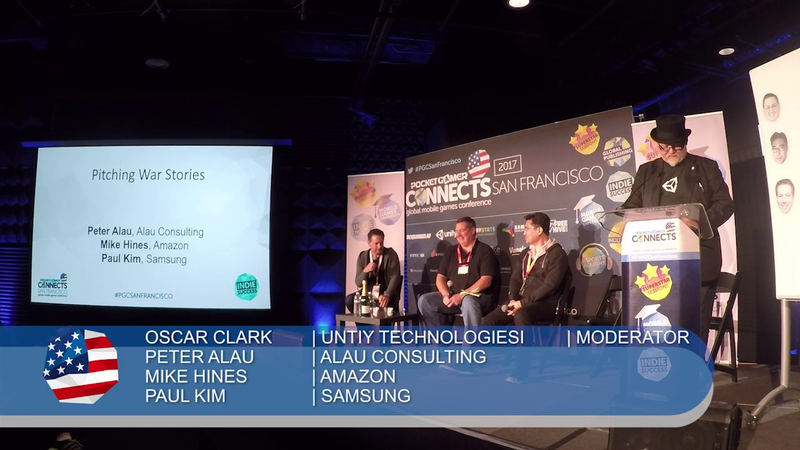
The best, worst and funniest pitch stories in games
Securing investment and publishing support in the gaming industry requires a transition from abstract conceptualization to tangible, playable proof.
- A functional, playable prototype is the most critical asset in a pitch, as it allows stakeholders to experience core mechanics directly rather than relying on speculative presentations.
- Technical competence and stability are non-negotiable, as experienced evaluators can easily identify performance issues or attempts to mask broken mechanics.
- Successful proposals must be grounded in realistic timelines, transparent budgets, and a clear value proposition that distinguishes the title in a crowded market.
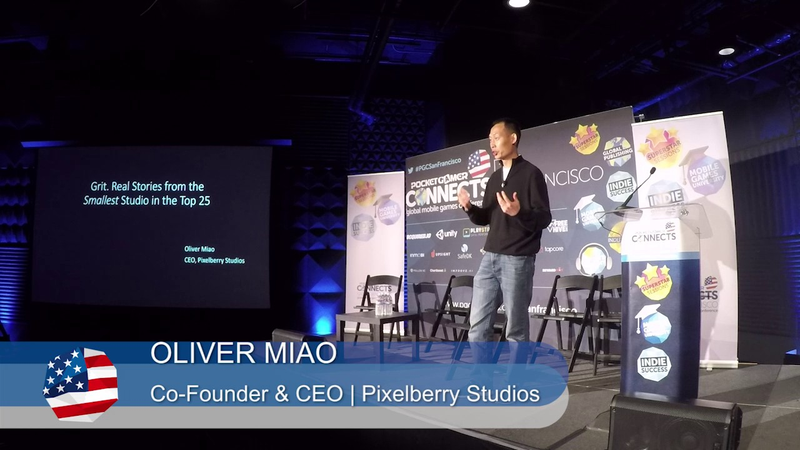
Grit: Real stories from the smallest studio in the top 25 mobile grossing charts
Pixelberry Studios, a mobile game developer known for the title Choices: Stories You Play, serves as a case study in organizational resilience and the importance of long-term team cohesion.
- Pixelberry Studios achieved a top 25 grossing position on the US iPhone charts in 2016 by maintaining a consistent core team through over a decade of industry shifts and corporate pivots.
- The studio’s survival strategy relies on three pillars: business agility, professional networking, and internal trust, which were refined through early failures in the browser-based gaming market.
- During financial crises, the team ensured the launch of new intellectual property by collectively opting for temporary pay cuts to avoid layoffs and maintain cohesion.
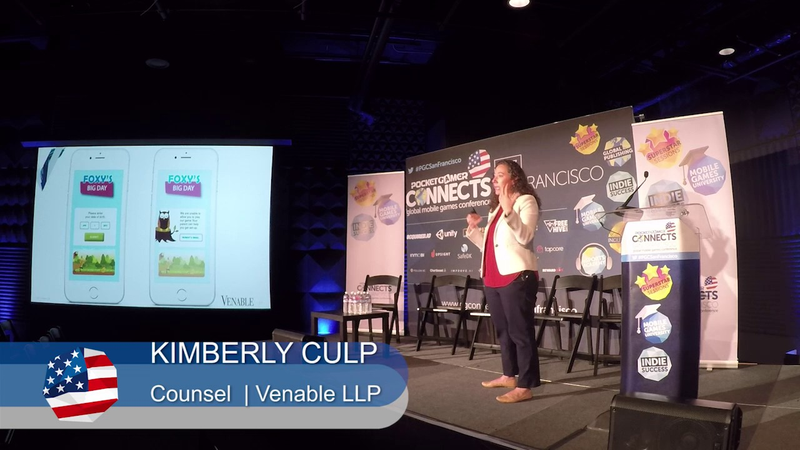
6 legal areas no mobile game developer should ignore
Mobile game developers face significant legal exposure that requires proactive risk management to ensure business viability and successful exit strategies.
- Developers must implement explicit 'click-to-agree' mechanisms for terms of use and privacy policies, as burying agreements behind scroll bars or ambiguous buttons renders them legally unenforceable.
- Intellectual property risk management requires rigorous onboarding protocols to prevent the ingestion of third-party IP, which is a primary driver of litigation in the mobile gaming sector.
- Copyright infringement risks extend beyond direct copying to include 'inspired' assets like tattoos or existing media, necessitating professional clearance before implementation.
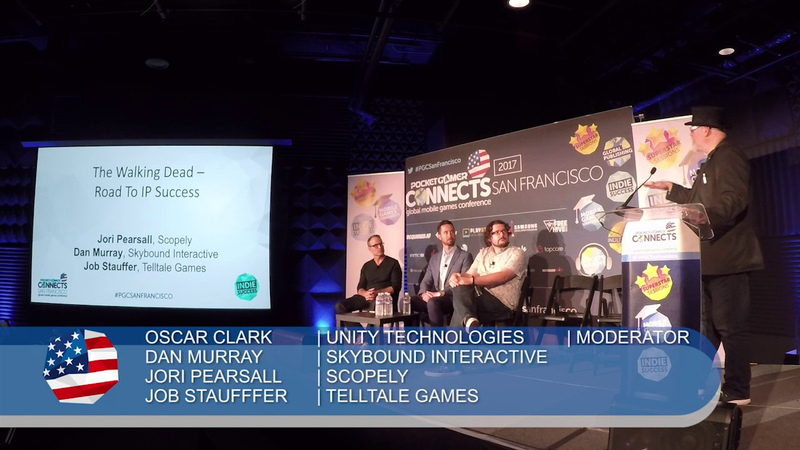
The Walking Dead – Road To IP Success
Effective intellectual property management in the gaming industry requires a shift from traditional, restrictive licensing models toward deep, collaborative partnerships.
- Successful IP management requires shifting from restrictive licensing models to collaborative partnerships that treat developers as strategic allies rather than vendors.
- Maintaining narrative integrity and brand authenticity is best achieved by granting developers creative autonomy while ensuring iterative communication with original creators.
- IP holders should employ a lean, agile editorial team to oversee adaptations, prioritizing creative freedom and player-driven choice over rigid, innovation-stifling constraints.
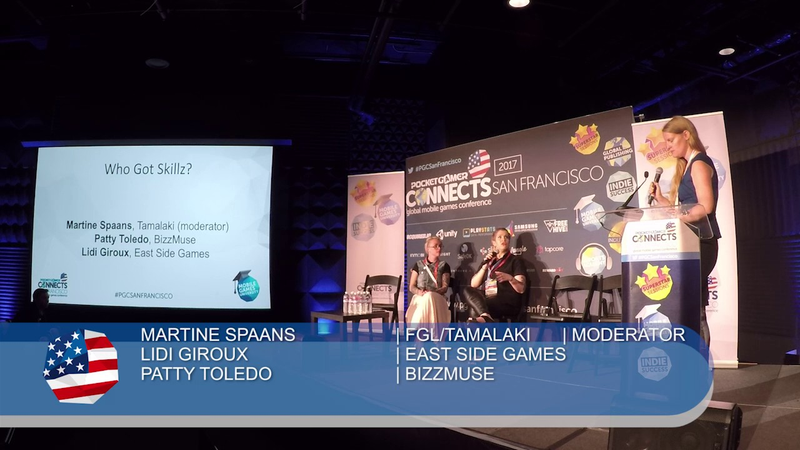
The most important skills in the games industry
The games industry faces a significant skills gap, particularly regarding the intersection of creative development and business acumen.
- Developers frequently lack essential business literacy, specifically in marketing, data analytics, and monetization, creating a disconnect between creative output and commercial sustainability.
- Successful game development requires a holistic understanding of the entire product lifecycle, including user acquisition and performance metrics, rather than a narrow focus on isolated technical disciplines.
- Soft skills such as 'emotional grit,' strong work ethics, and the ability to operate within cross-functional team structures are increasingly prioritized over technical proficiency alone.
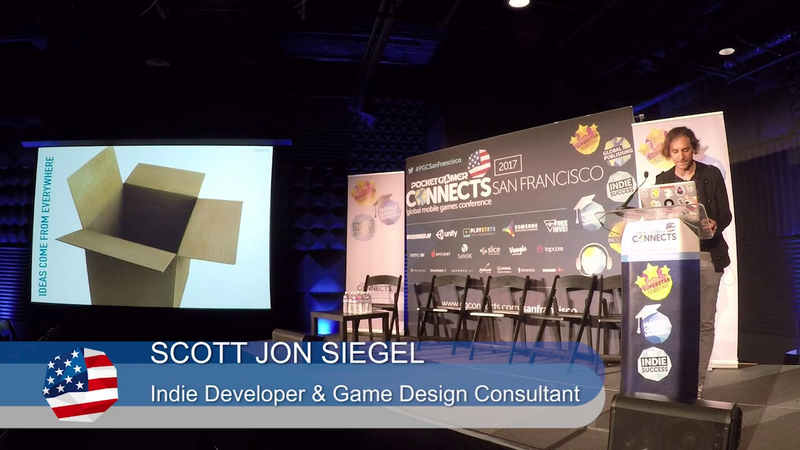
Designing for failure: Rapid, iterative prototyping for casual games
The casual game industry often suffers from a risk-averse culture that prioritizes proven mechanics and fast-follow strategies over innovation.
- Adopt the '4F' method—failing fast to find the fun—by replacing linear development with a cyclical process that treats failure as an essential, anticipated component of innovation.
- Maintain a 'box' repository of diverse, incomplete mechanics and concepts to reduce dependency on single ideas and allow teams to pivot or abandon projects without the pressure of total failure.
- Utilize small, collaborative teams consisting of one designer and one engineer to build playable prototypes in short, intense bursts.
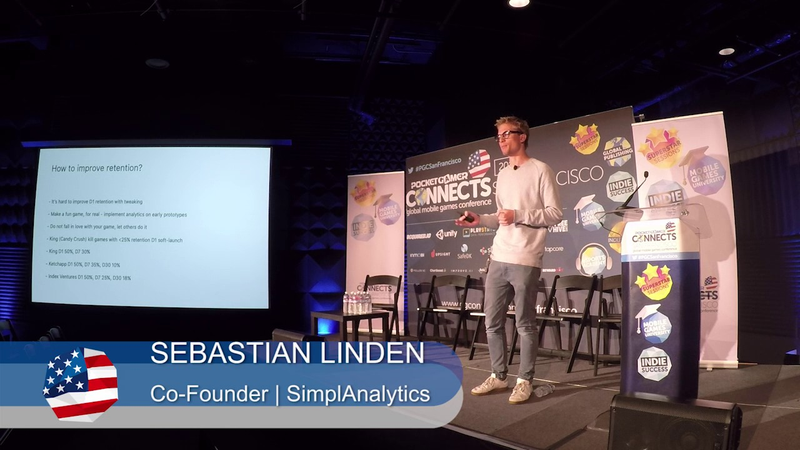
Why indie game developers should look at analytics in different phases
Indie game developers should prioritize data-driven decision-making by integrating analytics early in the development process to validate core gameplay and improve long-term viability.
- Day 1 retention is the most critical metric for indie developers, serving as the essential foundation for all future monetization and scalability.
- Indie developers should validate core gameplay mechanics within a two-week window using a Minimum Viable Product (MVP) to avoid over-investing in projects that lack player stickiness.
- Maintaining engagement through Day 7 and Day 30 remains a significant challenge for indie studios, even when initial Day 1 retention targets are met.
Level Design Workshop: Singleplayer vs. Multiplayer Level Design: A Paradigm Shift
Designing effective game environments requires a fundamental shift in priorities depending on whether the experience is intended for single-player narrative exploration or competitive multiplayer engagement.
- Single-player level design focuses on immersive storytelling and guiding players through narrative beats using visual landmarks known as 'weenies'.
- Multiplayer level design prioritizes competitive integrity and movement fluidity, requiring rigorous management of sightlines to ensure fair outcomes.
- Asymmetrical layouts are preferred over strict symmetry in multiplayer design to improve map readability and player orientation.

The Power of the Abstract
The pursuit of hyper-realistic graphics and standardized polish often limits the expressive potential of digital games, obscuring the medium’s capacity to communicate complex human emotions.
- Prioritizing hyper-realistic graphics often limits a game's ability to communicate complex human emotions and psychological states.
- Abstraction serves as a more effective design tool than representational accuracy for conveying surreal narratives and fostering meditative, intellectually challenging experiences.
- Designers are utilizing glitch aesthetics, subverted spatial logic, and mechanical dissonance to create 'anti-games' that prioritize emotional resonance over technical fidelity.

The Rain World Animation Process
The animation process for the indie game Rain World centers on the use of procedural animation to create a believable, autonomous ecosystem.
- Rain World utilizes a procedural animation system that separates physics simulations from cosmetic visuals, allowing for performance efficiency and easier tuning of creature behaviors.
- The game’s AI and animation are deeply integrated, where locomotion is driven by pathfinding algorithms that treat creatures as physics objects moving toward destinations in a tile-based environment.
- Creature personality is an emergent property of the game's systems; by making AI motivations and environmental interactions visible to the player, users project intent and personality onto non-scripted behaviors.
Halo 4: Content Performance Tips & Techniques
Maintaining a consistent 30 frames per second on the Xbox 360 hardware required a rigorous, performance-driven workflow that balanced high-fidelity visual goals with strict technical constraints.
- Maintaining a consistent 30 FPS on Xbox 360 hardware required establishing strict per-mission frame budgets and using diagnostic tools like heat maps, debug view frustum analysis, and PIX timing captures to identify CPU and render thread bottlenecks.
- GPU load was reduced by minimizing draw calls, addressing excessive small triangles, and replacing expensive shaders with specialized, stripped-down versions.
- Rendering efficiency was improved through aggressive distance culling, the use of proxy geometry and occlusion cards, and breaking down large meshes.
Project Discovery: Lessons From Scientific Research in EVE Online
Project Discovery serves as a pioneering model for integrating citizen science into the AAA gaming landscape, specifically within the massive multiplayer online game EVE Online.
- Project Discovery, a collaboration between CCP Games and MMOS, successfully integrated citizen science into EVE Online, resulting in over 25 million protein location classifications by players.
- The project utilizes a consensus-based validation system where each data sample requires between 15 and 50 independent player submissions to ensure scientific accuracy.
- Scientific outcomes from the initiative include the identification of approximately 100 new protein candidates related to 'rods and rings' structures, which were subsequently published by researchers.