Game Development reports and market data
Documents

The Lives of Others: How NPCs Can Increase Player Empathy
Modern game development is shifting toward a paradigm where non-playable characters function as integral, living components of a virtual ecosystem rather than mere background assets.
- Game development is shifting toward treating NPCs as autonomous agents with individual goals, social networks, and backstories rather than static background assets.
- Humanizing enemies by embedding unique behavioral traits and personal possessions forces players to confront the emotional consequences of violence.
- Moving away from rigid, one-to-one dialogue structures toward flexible, systemic interaction models is essential for creating deeper narrative engagement.
Attack Mode & Upgrades - Ovus Nova
The development of Ovus Nova has shifted from an action-oriented experience to a tactical strategy game through the implementation of a turret-based combat system and a tiered upgrade mechanic.
- Ovus Nova has pivoted from a reflex-based action game to a tactical strategy title by replacing explosive unit mechanics with a persistent, turret-based combat system.
- The new progression system uses research points, accumulated through idling, to force a strategic trade-off between immediate defensive unit detonation and long-term power-up acquisition.
- Combat depth is driven by a tiered upgrade pool featuring specialized options like turret mode for duration, instant attack for burst damage, and attack eggs for defensive utility.

Finding the right partner in a consolidating market
The corporate development strategy at Jam City centers on leveraging mergers and acquisitions to drive long-term growth and diversification within the mobile gaming industry.
- Jam City’s corporate development strategy prioritizes M&A over organic growth to scale its casual and mid-core mobile gaming portfolio.
- The company targets studios with proven track records or high-potential soft-launch projects, providing them with centralized operational support, infrastructure, and machine learning capabilities.
- Acquisition targets are strictly limited to mobile-only titles in North America, Europe, and South America, with an explicit exclusion of PC, VR, and AR gaming sectors.
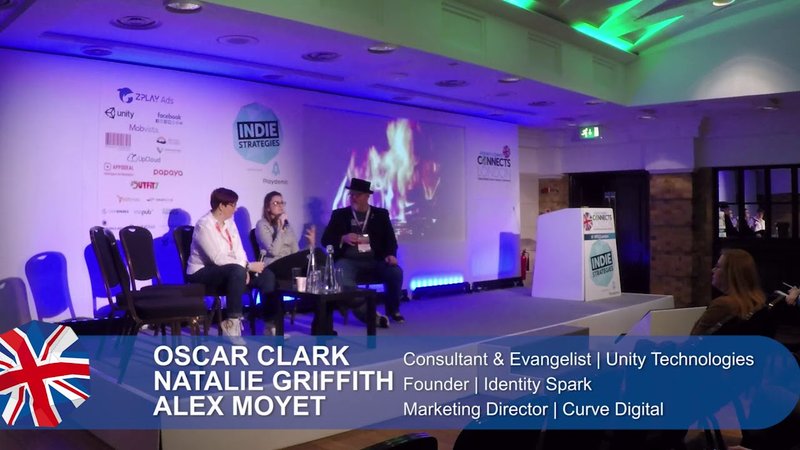
Fireside chat: Brands and indies
This discussion explores the necessity for independent game developers to treat their projects, studios, and personal identities as brands.
- Branding is a strategic necessity for indie developers to build long-term trust and audience loyalty, rather than a purely visual exercise involving logos.
- Developers must integrate marketing and branding functions early in the development cycle to shift from transactional sales to cultivating a dedicated community.
- In a saturated market, consumers perceive every studio through a brand lens, making intentional perception management essential for securing repeat engagement.
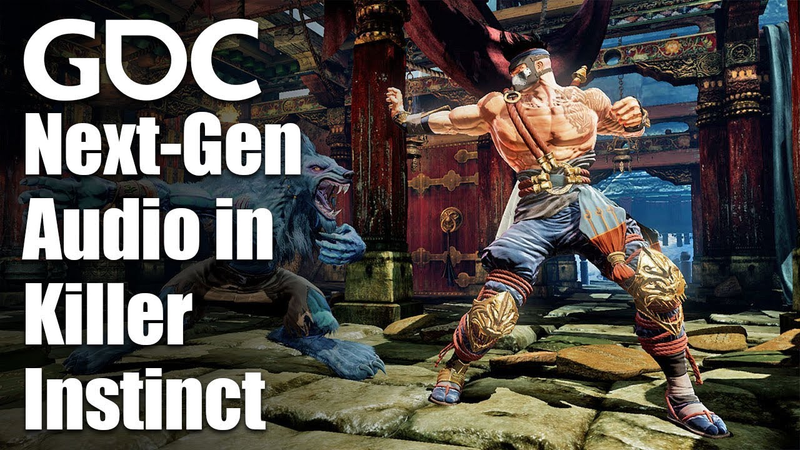
Next-Gen Audio in Killer Instinct
The 2013 reboot of Killer Instinct serves as a case study in balancing nostalgic brand identity with modern technical innovation.
- The Killer Instinct soundtrack utilizes a dynamic music system that adjusts in real-time based on gameplay, transitioning between verse and chorus states depending on whether a player successfully lands a combo of 15 hits or higher within an eight-bar window.
- To maintain audio-visual cohesion, the development team created 400 unique sound assets—50 per level—that function as a rising scale, allowing the game to trigger specific musical hits that correspond to the player's combo progress.
- The audio team implemented a spatialized sound system where stereo sound effects are split into two mono channels that pan dynamically based on character position, using variable silence durations to create real-time slapback echo delays.
How to Make a Successful Game! - 10 Short Tips - (Theory) [2018]
The pursuit of commercial success in game development requires a structured approach to design, centered on ten core factors that influence player engagement and marketability.
- Success factors in game development act as multipliers rather than additive components, meaning a deficiency in any single area can disproportionately undermine a project's overall potential.
- Developers should evaluate projects using a 10-point diagnostic framework covering ease of learning, visual communication, skill ceiling, player fantasy, graphics, shareability, social mechanics, differentiation, fluid gameplay, and motivation.
- The framework utilizes a comparative scoring system where multiplying the scores across all ten dimensions generates a total success index to identify and prioritize design weaknesses.
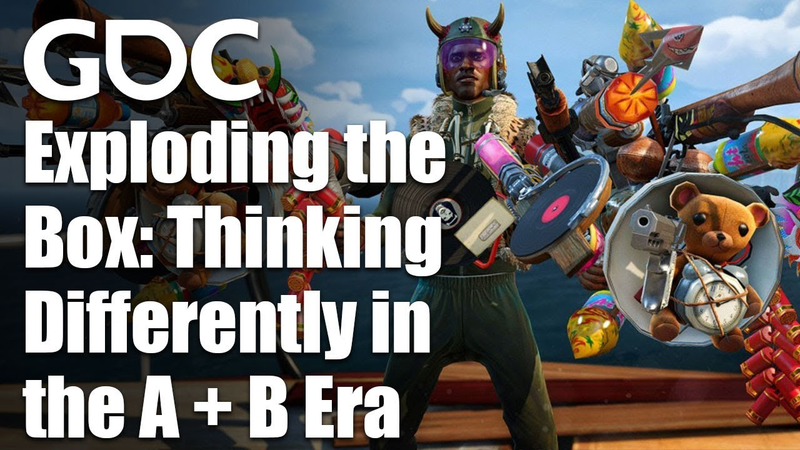
Exploding the Box: Thinking Differently in the A + B Era
The development of Sunset Overdrive serves as a case study in overcoming the limitations of traditional, formulaic game design.
- Success in modern game development relies on replacing rigid design documentation with a culture of rapid, grey-box prototyping and iterative refinement.
- The development of Sunset Overdrive shifted from a standard cover-based shooter to a high-velocity, traversal-focused experience by prioritizing player agency over conventional genre constraints.
- Cross-departmental alignment on abstract creative goals, such as tone and satire, was achieved through shared touchstones like curated movie nights and music-driven brainstorming sessions.

How to Fix Your Game When You Find Out That It Sucks!
This analysis outlines a strategic framework for identifying and rectifying fundamental design flaws in game development, specifically focusing on the strategy title Ovus Nova.
- Prioritize early, iterative feedback loops to identify 'game breakers'—mechanics that hinder engagement, clarity, or marketability—before development progresses too far.
- Address gameplay friction by observing player interactions to pinpoint where confusion occurs, rather than forcing a flawed design.
- Improve player comprehension by replacing abstract visual effects with recognizable animations and establishing clear, distinct faction dichotomies, such as biological versus robotic.
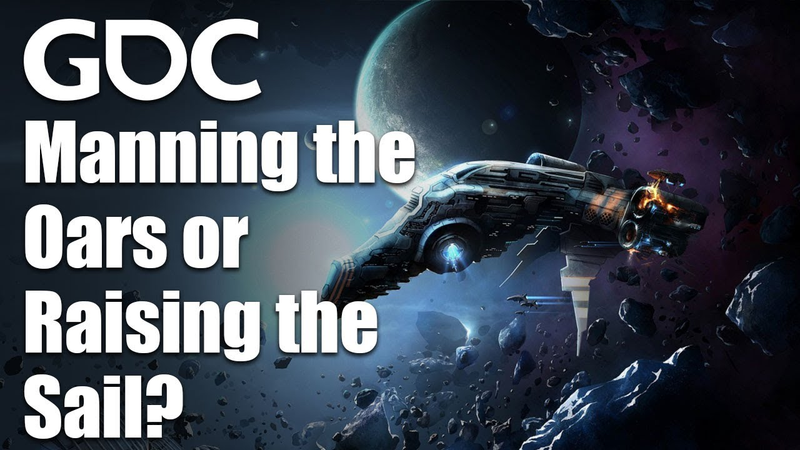
Manning the Oars or Raising the Sail?
The management of EVE Online demonstrates a highly effective model for scaling community operations through the integration of player-driven labor and democratic governance.
- EVE Online maintains a lean internal team of seven developers by leveraging a vetted volunteer workforce of approximately 100 people to handle forum moderation, bug reporting, and onboarding.
- The Council of Stellar Management, a democratically elected body of players, functions as a formal feedback loop and early warning system to align development roadmaps with user interests.
- The studio scales game utility by providing API access and direct developer support to third-party tool creators, offloading resource-intensive community needs to dedicated users.
4 Reasons My Game Sucks!
The development of the strategy game Ovus Nova faces four critical design flaws that threaten its long-term viability.
- The game suffers from a single dominant strategy that eliminates the need for player experimentation and renders gameplay repetitive.
- Frequent pausing mechanics severely degrade pacing, stripping the game of the tension and unpredictability required for engaging content.
- New players face significant barriers to entry due to a lack of visual clarity regarding factions, objectives, and unit logic.
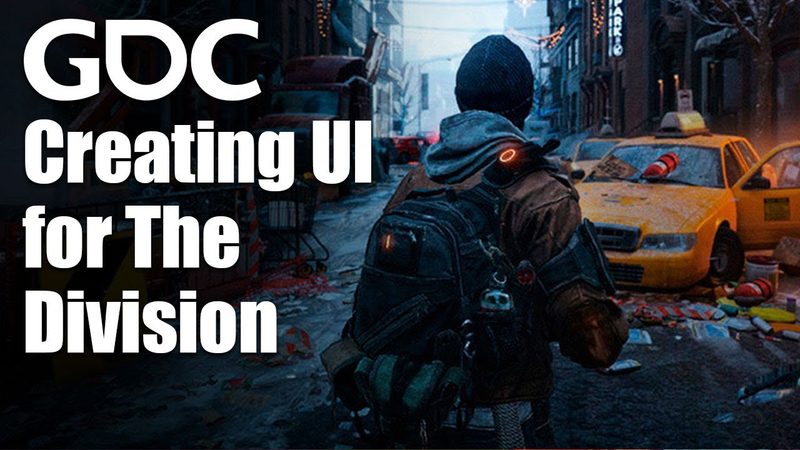
Lessons Learned Creating UI for The Division
The user interface for The Division represents a significant shift in development methodology, moving away from traditional canvas-based systems toward a node-based, immediate-mode architecture within the Snowdrop engine.
- The Snowdrop engine UI system uses a node-based visual scripting architecture instead of a traditional canvas, allowing for 5,500 nodes to be utilized across game systems by the time of the Survival DLC release.
- Prioritizing rapid iteration is a core pillar of the engine, supported by keeping compile times around one minute and ensuring editor startup times remain within a few seconds.
- Moving loop execution from the node-based script system into the underlying C++ code can yield massive performance gains, such as reducing a specific graph's execution time from 20 milliseconds to 0.6 milliseconds.
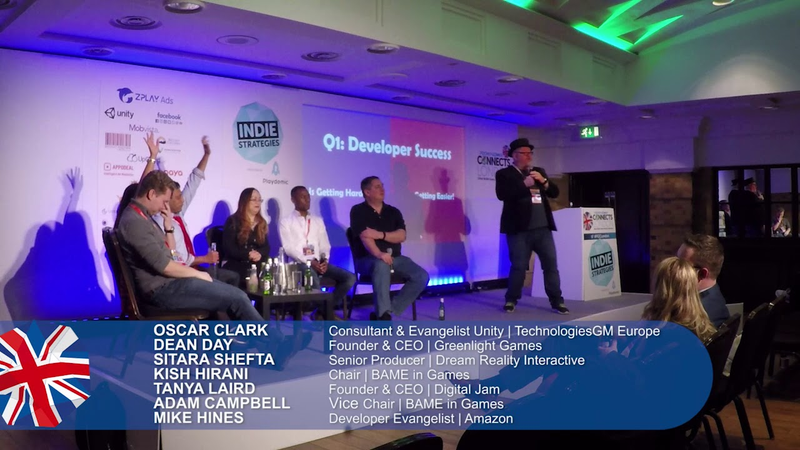
The debating game
The gaming industry currently faces a profound divide regarding the accessibility of development and the long-term viability of emerging technologies and monetization models.
- The gaming industry is currently polarized by the tension between the democratization of development tools and the extreme market saturation caused by intense competition for sustainable audiences.
- Monetization models, specifically loot crates and cryptocurrency integration, remain the most contentious issues, with ongoing disagreement over whether they provide necessary financial sustainability or constitute predatory and speculative practices.
- The World Health Organization’s classification of gaming addiction has created a divide regarding whether such oversight promotes responsible game design or invites harmful and stigmatizing regulation.