Game Design reports and market data
Documents
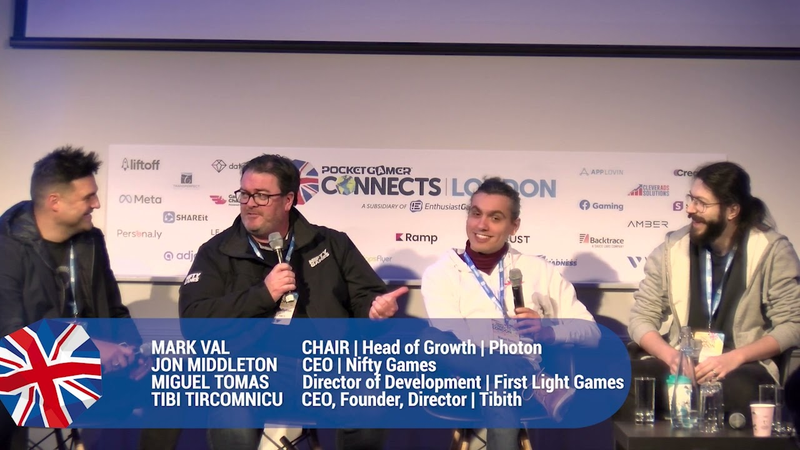
Panel: Playing Together How To Boost Retention by Adding World-class Multiplayer Options
Integrating real-time multiplayer functionality has become a fundamental requirement for modern mobile games, serving as a primary driver for long-term retention and increased lifetime value.
- Real-time multiplayer is a fundamental requirement for modern mobile games, serving as a primary driver for long-term retention and increased lifetime value.
- Multiplayer architecture must be integrated from a project's inception, as retrofitting these systems into existing single-player frameworks is prohibitively expensive and inefficient.
- Developers can leverage third-party infrastructure tools like Photon, PlayFab, and Quantum to manage complex networking and backend requirements without exhaustive custom development.
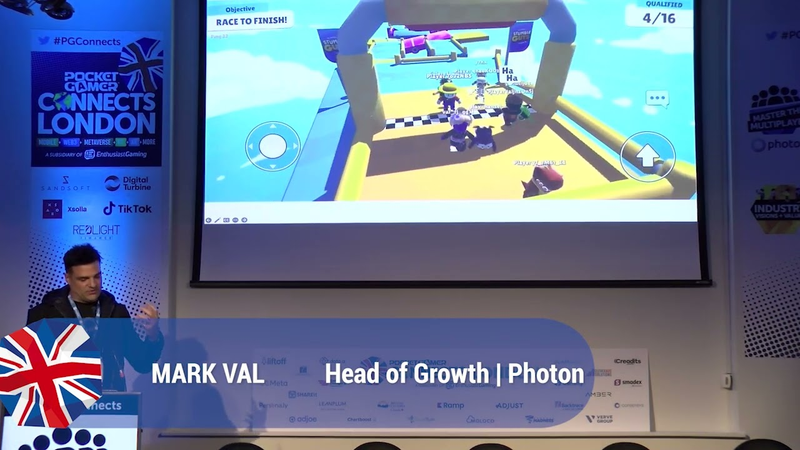
Keynote: The Multiplayer Compass - Mark Val, Head of Growth at Photon
Multiplayer functionality has become a critical driver of success in the mobile gaming industry, with the vast majority of top-grossing titles now incorporating real-time multiplayer elements.
- Real-time multiplayer functionality is now a primary driver of success, with the majority of top-grossing mobile titles incorporating these elements to maximize retention and long-term monetization.
- Casual and Match-3 game sectors represent significant, underserved opportunities for developers to implement multiplayer mechanics like team-based objectives and tournament systems.
- Deterministic engines are essential for maintaining smooth gameplay and mitigating the negative impact of latency on user experience, particularly under poor network conditions.
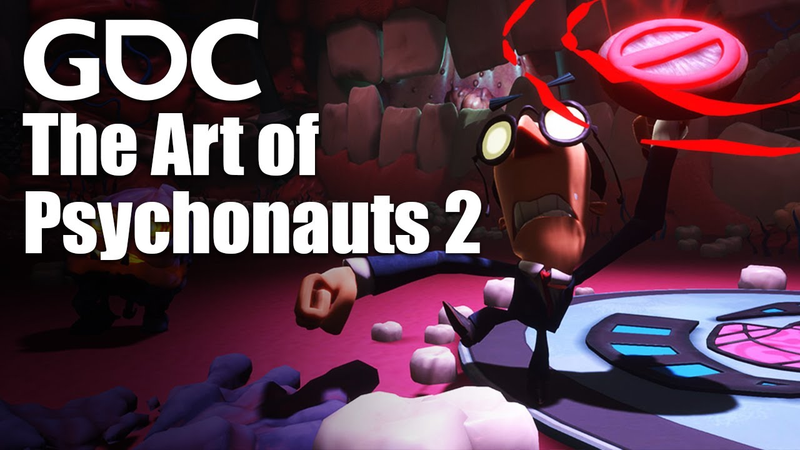
The Art Direction of 'Psychonauts 2'
The development of Psychonauts 2 demonstrates how a shift in organizational structure and collaborative methodology can overcome significant creative and technical hurdles in game production.
- Double Fine Productions developed Psychonauts 2 over seven years, featuring 13 unique brain levels that each required distinct art direction.
- The development process was restructured to prioritize a 'Strike Team' model, where directors and technical experts provided support to the core team of artists rather than the reverse.
- To overcome creative stagnation, the team implemented 'Improv' brainstorming sessions using the 'Yes, and' rule to prevent negative feedback and encourage collaborative expansion of ideas.
Things I Learned on My First Game
The primary purpose of this guidance is to provide junior game developers with a realistic framework for navigating the professional design landscape.
- Prioritize disciplined iteration over constant innovation to avoid overwhelming players and disrupting established conventions.
- Conduct thorough testing of UI layouts and system mechanics early in the development cycle to minimize costly rework by artists and programmers.
- Accept that administrative tasks like managing documentation, spreadsheets, and wiki entries are essential for maintaining project momentum.
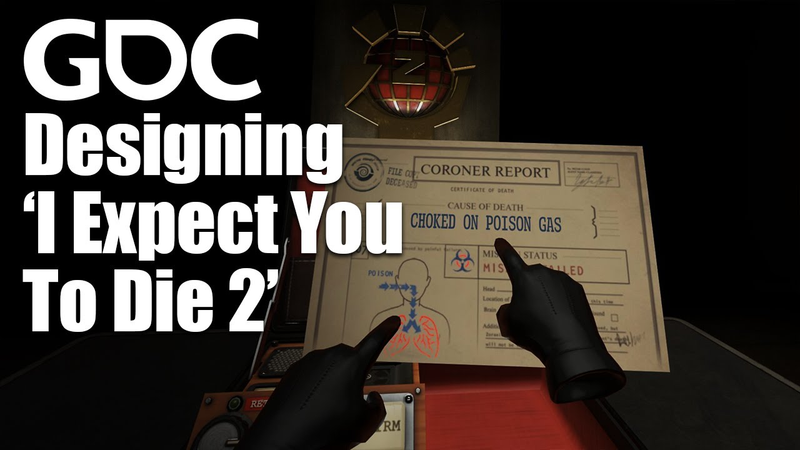
The Design Direction of 'I Expect You To Die 2'
The development of I Expect You To Die 2 demonstrates that maintaining creative consistency in complex virtual reality puzzle design requires a rigorous, process-oriented framework.
- To avoid disjointed development, Schell Games shifted from building individual levels to creating a full-game 'blob' by prioritizing Alpha-stage completion for all levels before moving to Beta.
- Project schedules should incorporate 'buffer' time—not for polish, but as a contingency—by sprinkling one week of buffer into each milestone rather than placing it only at the end.
- To improve stakeholder alignment, the team replaced unpredictable, late-stage executive feedback with a structured review process that categorizes feedback into actionable tasks, design reviews, or department-specific assignments.

Breaking the Meta in The Game of Life! with Moritz Baier-Lentz (Lightspeed Venture Partners)
Achieving peak personal and professional performance requires adopting a gamer’s mindset to identify and dismantle the conventional societal meta.
- Treat life as a system of mechanics rather than a series of rigid milestones to identify and move beyond local optima toward a global optimum.
- Apply first-principles thinking and rigorous project management to personal development by structuring life into a quest-based system with actionable metrics.
- Use play as a form of low-stakes experimentation to discover high-leverage opportunities that are typically overlooked by those adhering to traditional societal norms.

We Carefully Deleted Our Indie Game
The process of deconstructing a completed indie game serves as a conceptual exercise in reverse development, illustrating the complexities involved in dismantling a project from its final state back to its initial inception.
- The project 'Goba Day,' originally developed for the Ludum Dare 52 game jam, served as the subject for a systematic reverse-development exercise.
- The dismantling process involved a methodical, layer-by-layer removal of assets, starting with marketing materials and online presence before progressing to technical architecture.
- Technical deconstruction required the systematic uncoding of core gameplay mechanics, including turn-based logic and drag-and-drop functionality, to ensure the project was emptied without triggering system errors.

5 x Secrets Behind Mr. Autofire's $40M Success
Lightheart Entertainment has established a highly efficient model for mobile game development, exemplified by the success of Mr. Autofire.
- Lightheart Entertainment achieved over $40 million in lifetime revenue and 10 million installs for Mr. Autofire within its first three years using a lean team of approximately 33 employees.
- The studio maintains a balanced monetization model consisting of 70% in-app purchases and 30% rewarded video advertisements.
- Prototypes are evaluated through a rigorous five-question framework and a strict three-month development cycle to ensure rapid pivots based on data rather than subjective attachment.
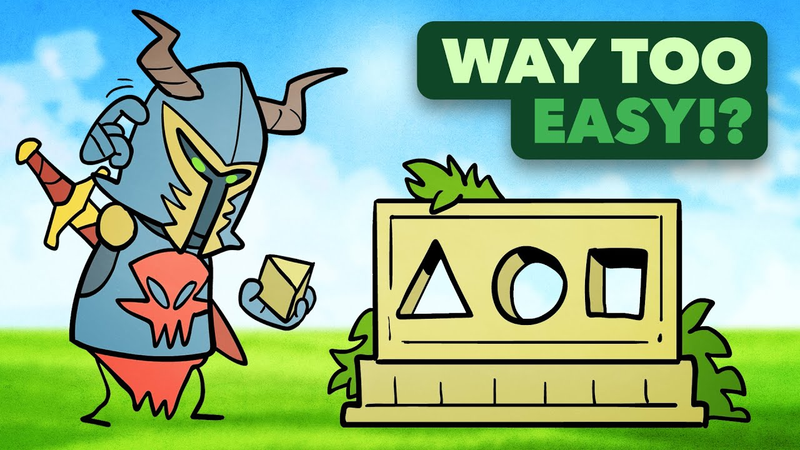
How Hard Should Quests Be?
The design of quest clarity in video games represents a significant spectrum of player engagement, ranging from fully opaque, lore-heavy exploration to highly guided, objective-driven experiences.
- Quest design must align with a game's core goals, as there is no single superior methodology; mismatching guidance levels with desired narrative intensity risks alienating the target audience.
- Maximal-work designs, exemplified by Elden Ring, prioritize deep immersion and discovery by requiring players to engage directly with world-building and lore to identify objectives.
- Standardized, high-clarity models popularized by World of Warcraft and Assassin’s Creed utilize map markers and indicators to streamline gameplay, though this risks reducing narrative immersion by encouraging players to ignore context.
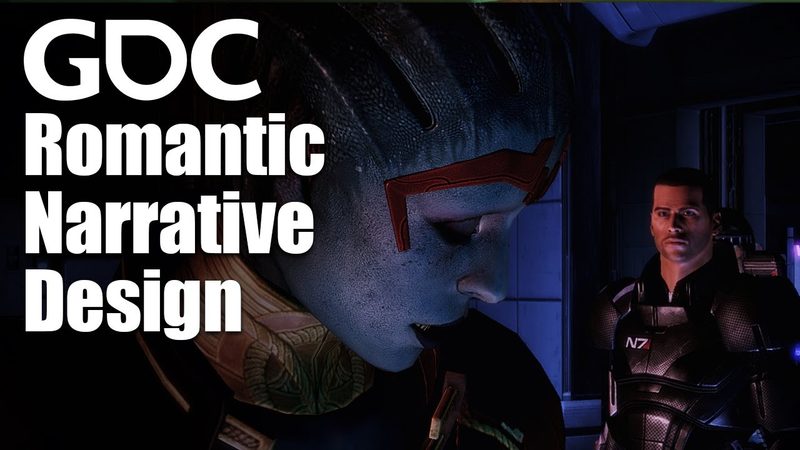
Kindness Coins, or Chemistry Casino: A New Take On Romantic-Sexual Narrative Design
This analysis examines the limitations of the traditional "kindness coin" narrative design model in video games and proposes two alternative frameworks—the Chemistry Card Tower and the Chemistry Casino—to improve the depth and agency of romantic and sexual storytelling.
- The 'kindness coin' design model, where players earn romantic affection by performing generic nice actions, often reduces NPCs to vending machines and conflates platonic kindness with sexual attraction.
- A 'chemistry-based' design framework replaces generic niceness with specific, character-driven traits that align with an NPC's unique desires, allowing for more organic and nuanced romantic progression.
- Game designers can introduce tension and realism by incorporating uncertainty and randomness, such as using dice-roll modifiers to determine if a spark exists rather than guaranteeing success through player actions.
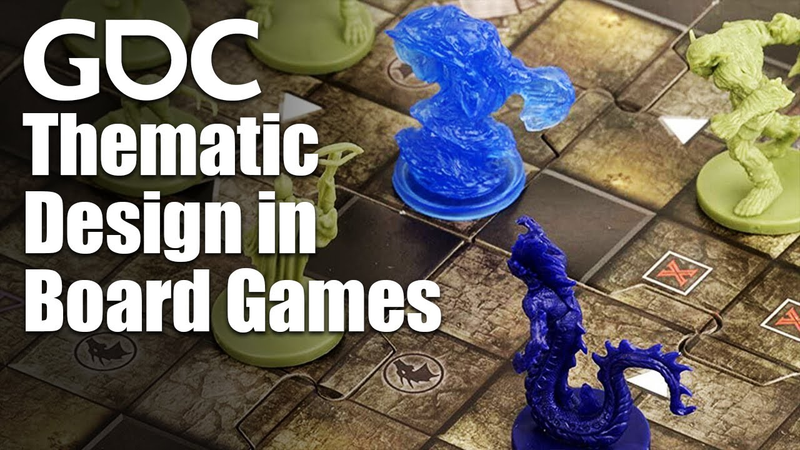
Creating Resonance with Thematic Tabletop Game Design
Board game design functions most effectively as an architectural art form rather than a purely mechanical engineering challenge.
- Resonance in tabletop design is defined by the formula: (Familiarity + Unexpectedness) - Chaff.
- Thematic integration requires that mechanics and win conditions directly mirror the goals and desires of the characters, as seen in the socio-political alignment of factions in the game Root.
- Designers should treat theme as a learnable skill rather than an engineering problem, using it to pull new players into the hobby by focusing on emotional connection rather than just mechanical puzzles.
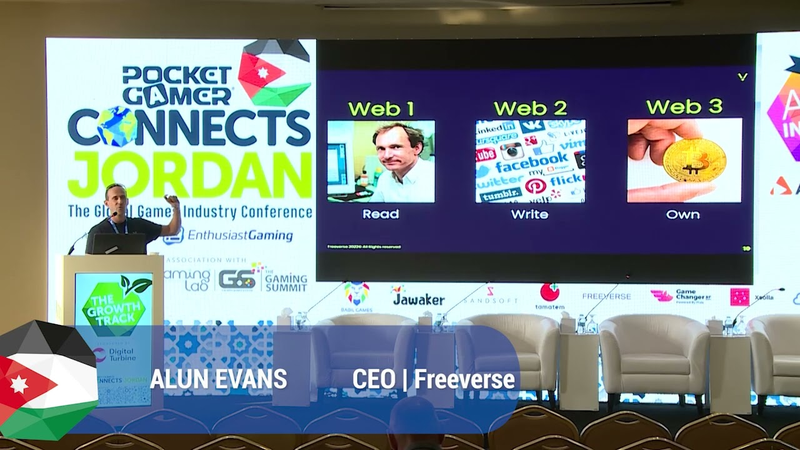
How a Punk Bassist’s Legacy Moves the NFT Conversation to One of Earned Value - Alun Evans
The gaming industry faces a persistent challenge in balancing high development costs with the need for long-term revenue.
- The gaming industry must shift from speculative NFT models toward 'earned value,' where digital asset worth is derived from player engagement and effort rather than artificial scarcity.
- Dynamic NFTs, or 'living assets,' incentivize long-term retention by evolving based on specific in-game actions like training characters or maintaining virtual pets.
- Integrating tokenized user-generated content and social rewards fosters deeper player investment, providing a sustainable alternative to aggressive user acquisition spending.