Game Design reports and market data
Documents
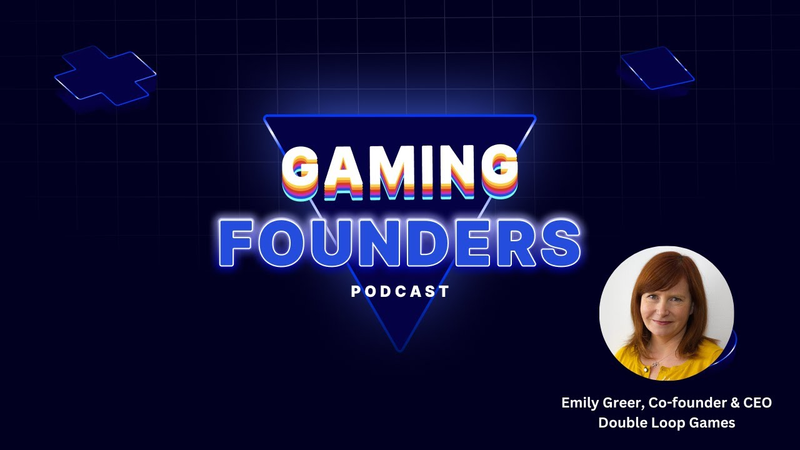
From a Double Exit to Double Loop Games, Serial Gaming Entrepreneur Emily Greer
The evolution of the browser and mobile gaming landscape is defined by a shift toward data-driven distribution and developer-centric business models.
- The shift from browser to mobile gaming requires balancing technical analytical rigor with an intuitive understanding of player psychology to overcome market saturation and privacy regulations like App Tracking Transparency.
- Kongregate democratized the gaming market by implementing a model based on fair revenue sharing and developer intellectual property ownership, which proved resilient during the 2008 financial crisis.
- Strategic pivots, such as Kongregate’s transition to in-app purchase monetization and subsequent acquisition by GameStop, were essential for scaling from a browser-based platform to a mobile game publisher.
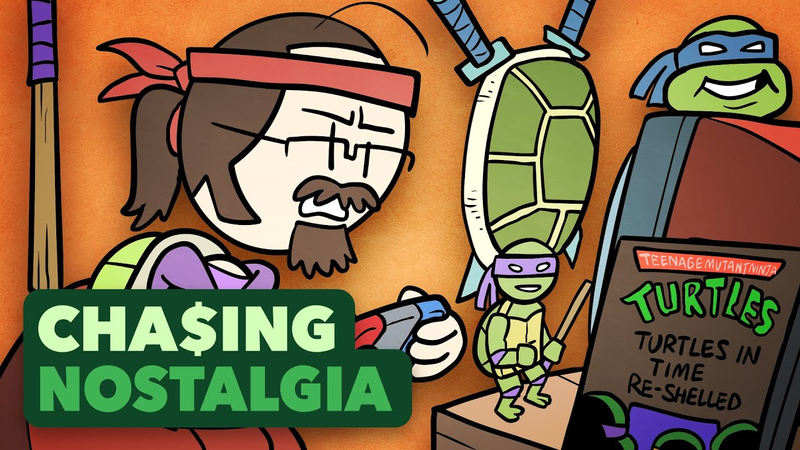
Why Remade Games Can Feel Worse
The perception that game remakes often feel inferior to their original counterparts is a multifaceted phenomenon rooted in psychology, production constraints, and evolving display technology.
- Modern remakes often fail to replicate the emotional resonance of originals because high-fidelity visuals replace the imaginative space players previously used to fill in technical gaps.
- Original titles frequently utilized hardware-driven design tricks, such as the fog in Silent Hill, which created atmospheric effects that are lost when modern hardware removes these visual barriers.
- The transition from CRT monitors to high-definition screens exposes visual flaws and textures that were previously masked by the natural softness and scan lines of older display technology.
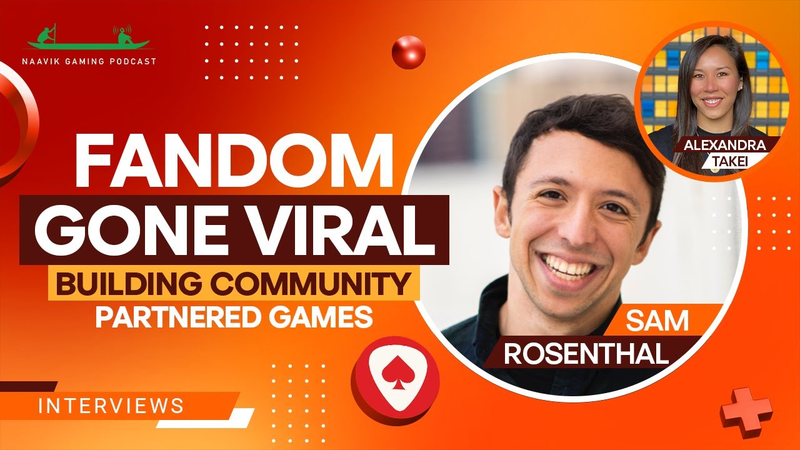
Fandom Gone Viral (Building Community Partnered Games)
The Game Band represents a shift in interactive entertainment by prioritizing community-partnered development over traditional top-down design.
- The Game Band operates with a lean team of 27 employees, utilizing a hybrid talent pool recruited from both the tech industry and the studio's own player community.
- The studio’s flagship title, Blaseball, utilizes a 'Game Master' development model where the studio provides the structural framework while players generate the narrative, art, and strategic content.
- Blaseball functions as a 24/7 real-time simulation where game evolution is driven by collective player voting and betting, mimicking the intensity of real-world sports fandom.
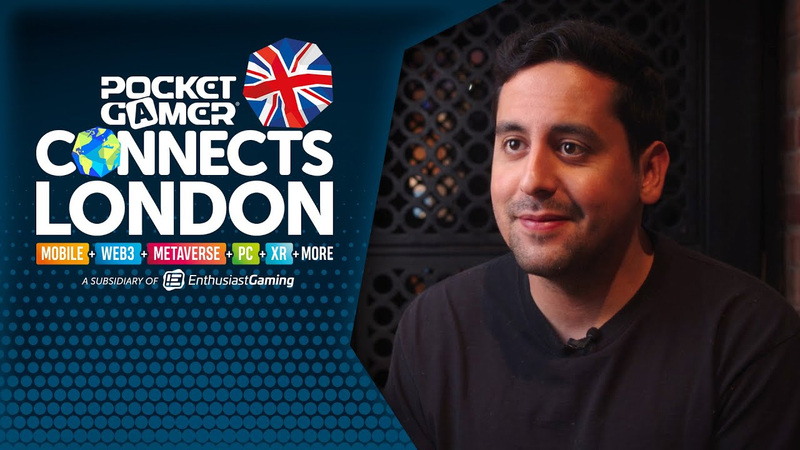
Making sure integrated NFTs deliver utility | Rafael Vivas from Applovin
The integration of non-fungible tokens (NFTs) into mobile gaming succeeds primarily when these assets provide tangible, immediate utility within the game environment rather than serving as speculative financial instruments.
- NFTs in mobile gaming succeed only when they provide immediate, tangible in-game utility rather than serving as speculative financial instruments.
- Data from 15 to 16 active mobile game integrations shows that players prioritize assets that offer functional benefits, such as exclusive content or unique cards, over investment potential.
- Successful NFT price points are modest, typically ranging from 50 cents to a few dollars, which encourages engagement based on gameplay value.
Why Games are Designed to Leave You Wanting
Modern game design frequently employs a psychological strategy known as the paradox of satisfaction, which intentionally denies players a sense of complete fulfillment to ensure long-term engagement.
- Modern game design utilizes the 'paradox of satisfaction' to intentionally deny players complete fulfillment, ensuring long-term engagement through a state of perpetual craving.
- Developers structure games to avoid definitive narrative or mechanical closure, which keeps players within a cycle of consumption for sequels, season passes, and microtransactions.
- Competitive multiplayer games leverage performance metrics and progression treadmills to ensure that even after a victory, players feel compelled to queue for additional matches.
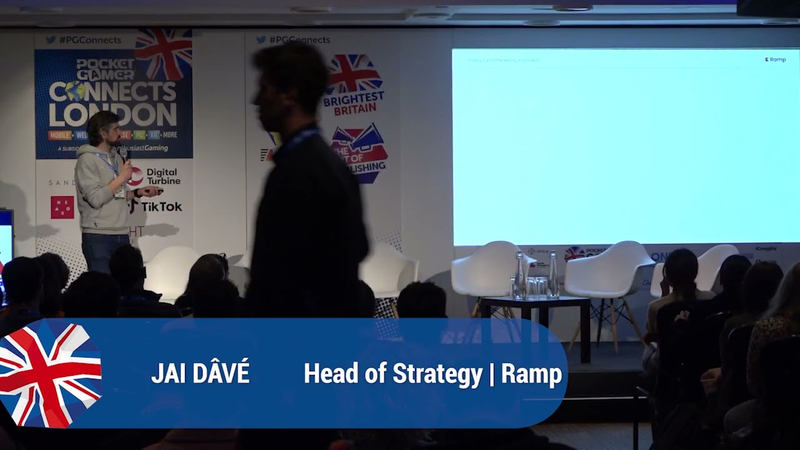
Maximising Your Odds of Success: Tips for Building Confidence in Your Game - Jai Dâvé, Ramp.
In the current, highly competitive mobile gaming market, achieving commercial success requires a shift from intuition-based development to a data-driven, strategic approach.
- Shift from intuition-based development to a data-driven strategy to mitigate high failure rates caused by market saturation and rising user acquisition costs.
- Prioritize product differentiation through unique mechanics, themes, or IP rather than attempting to replicate existing hits, which forces direct competition with established, optimized products.
- Integrate product and marketing teams from the start of development to ensure core features, art style, and branding are aligned for long-term retention and monetization.
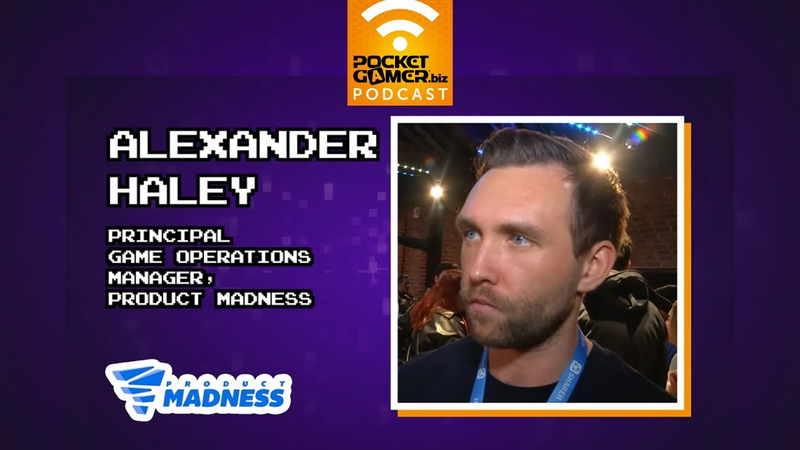
Looking to TikTok For Trends and Product Madness' Alex Haley On Live Ops Made Simple
Successful live operations strategy in the mobile gaming sector centers on the principles of simplicity, agility, and rigorous documentation.
- Successful live operations rely on simplifying technical workflows and documentation to shift team focus from maintenance to rapid experimentation and iteration.
- Building a flexible infrastructure is essential for scaling, as it allows developers to test new concepts quickly and respond dynamically to shifting market demands.
- Effective live ops management requires a dual focus on fostering strong cross-departmental relationships for realistic roadmapping and maintaining analytical, enthusiastic internal teams.
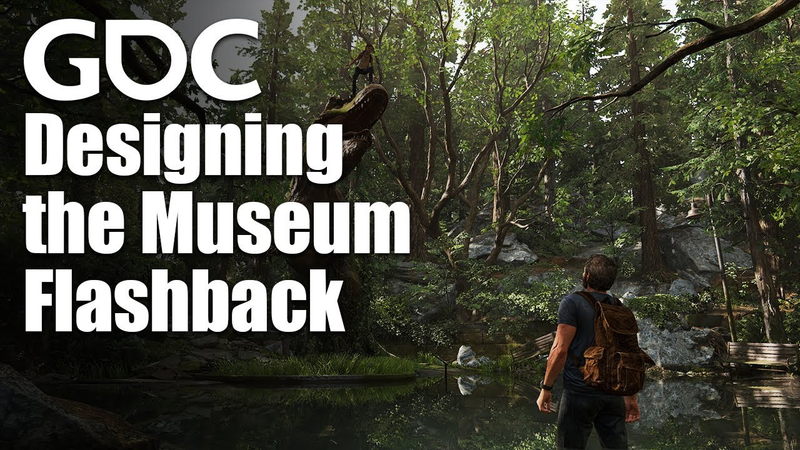
Designing the Museum Flashback: 'The Last of Us Part II'
The design of the Museum Flashback in The Last of Us Part II serves as a masterclass in integrating narrative depth with functional gameplay.
- Level design functions as a non-verbal script, using spatial layout and environmental cues to guide player behavior and emotional response without explicit instructions.
- The development process for the 'Museum Flashback' level utilized a 'playable storyboard' approach, where designers used Maya to create rough 3D block-outs to test narrative beats before committing to full production.
- Naughty Dog employed a 'strike team' of four to six developers to support the lead level designer, facilitating rapid iteration and feature development through a cycle of frequent playtesting.

Driving Emotionally Expressive NPC Animations and Behaviors with a Designer-Friendly Pipeline
The emotional pipeline presented by Square Enix’s Advanced Technology Division provides a designer-friendly framework for creating responsive, emotionally expressive non-player characters (NPCs).
- Square Enix’s Advanced Technology Division developed a three-module pipeline to drive NPC behavior: an emotion module based on the OCC model, a mood module using a 2D Pleasure-Dominance (PD) space, and a personality module for behavioral modification.
- The system maps game events to specific emotional triggers, which subsequently influence an NPC's long-term mood to dictate variations in animation, speech, and decision-making.
- Designers can manage system complexity and balance NPC behavior using heat maps to track mood distribution and influence score tables to analyze the impact of specific emotions.
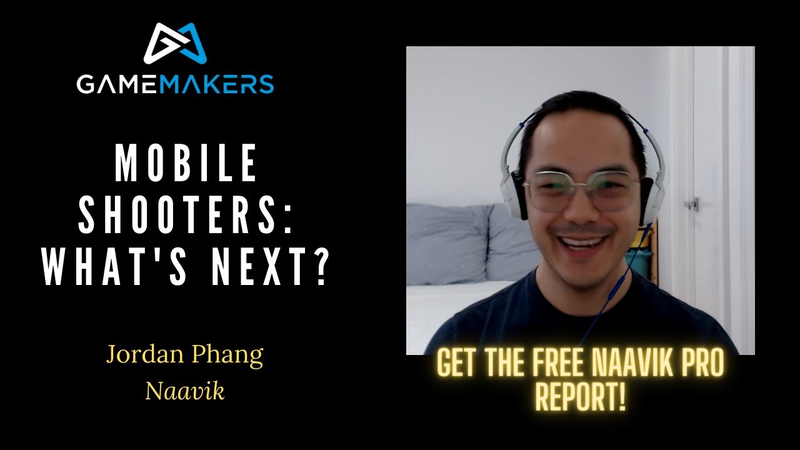
Mobile Shooters: What's Next After Battle Royale? ft. Jordan Phang/Naavik (FREE REPORT!)
The mobile shooter market represents a specialized but significant segment of the global gaming industry, accounting for approximately 5% of total game downloads and 6% of revenue.
- The mobile shooter market is highly concentrated, generating $3.5 billion in revenue and 2.6 billion downloads between October 2020 and November 2021, with a few dominant titles like Game for Peace, Free Fire, and Call of Duty Mobile capturing the majority of spending.
- Extraction shooters are emerging as the primary evolution for the genre, utilizing high-stakes gameplay and loss aversion to create a distinct, tension-filled loop that differentiates them from standard Battle Royale formats.
- New shooter IPs face significant retention challenges because players are reluctant to abandon established ecosystems where they have already invested in social connections and cosmetic assets.
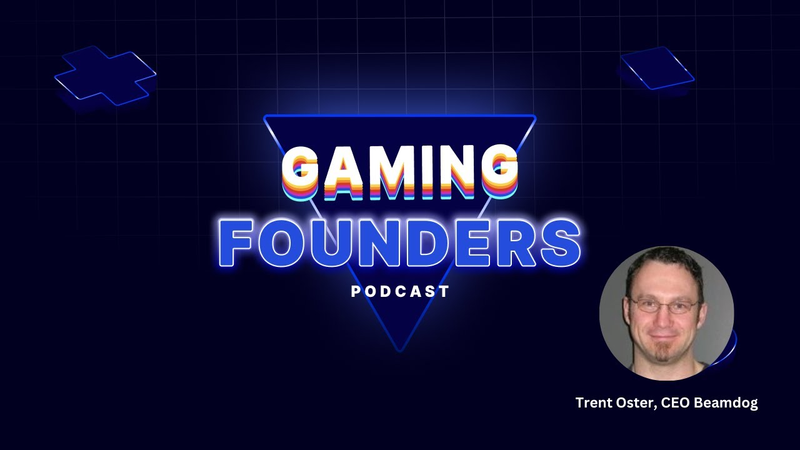
Game Designer to Player Advocate: Trent Oster of Beamdog
The evolution of the gaming industry from the shareware era to the modern live-service landscape is best understood through the career trajectory of Trent Oster, a co-founder of BioWare and current leader of Beamdog.
- Modern game development efficiency is best achieved by adopting standardized engines like Unreal rather than building proprietary technology from scratch.
- Scaling a studio to approximately 70 employees requires a transition from micromanagement to strategic advocacy, specifically focusing on protecting staff from unsustainable labor practices.
- Studios can maintain creative independence from corporate publishers by using the revitalization of legacy titles to generate the cash flow necessary to fund original intellectual property like MythForce.
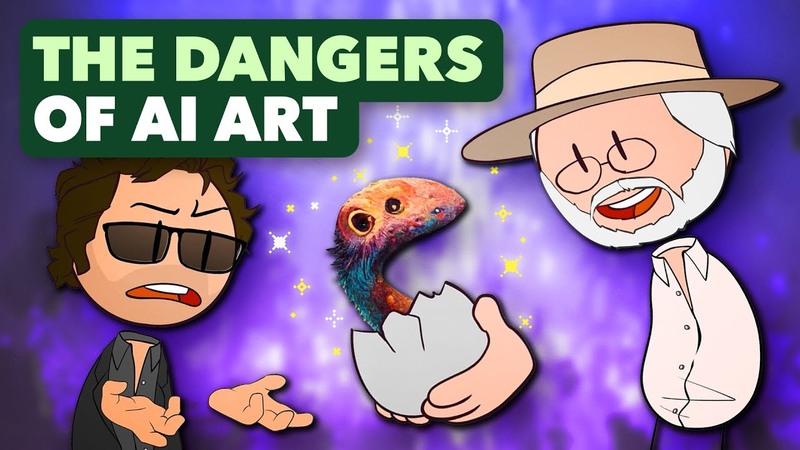
AI Art: Copyright, Ownership and Infringement (oh my!)
The integration of artificial intelligence into game development presents significant legal challenges regarding copyright infringement and intellectual property ownership.
- Content generated entirely by artificial intelligence is currently ineligible for copyright protection under United States Copyright Office standards, leaving studios unable to legally protect purely AI-created assets.
- Studios should maintain significant human authorship in the creation or modification of game assets to ensure clear copyright assignment and strengthen legal ownership claims.
- Developers face direct liability risks if they prompt AI to replicate existing copyrighted characters or if they use AI services that prohibit commercial usage.