1 free read left. Create a free account for unlimited reading + AI research.
Create free account
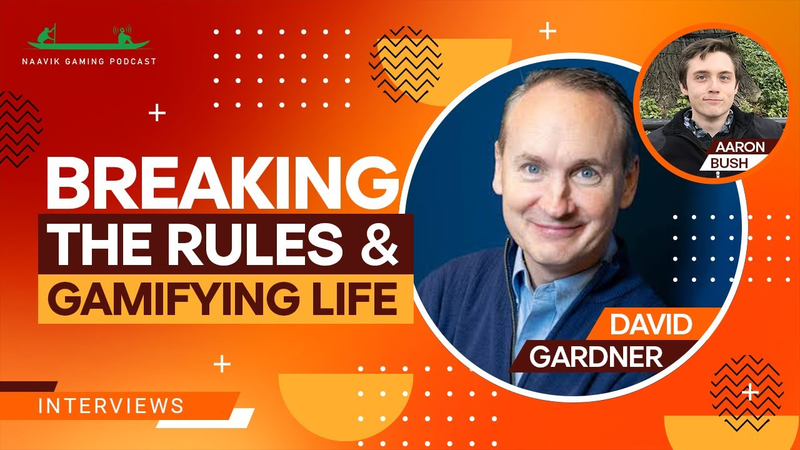
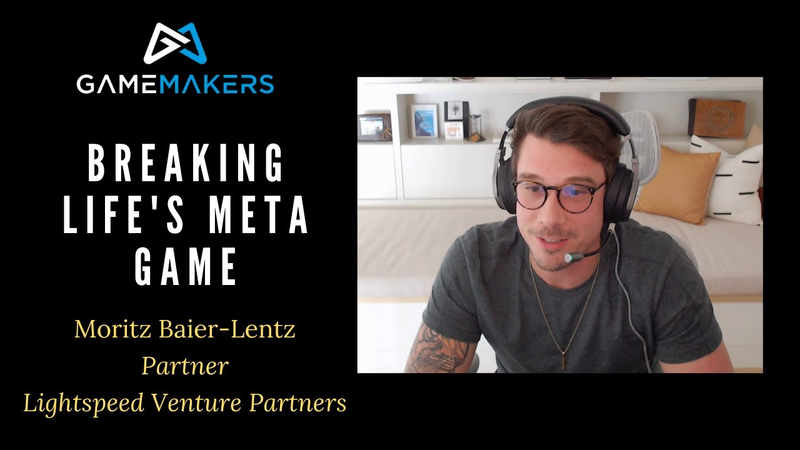
Breaking the Meta in The Game of Life! with Moritz Baier-Lentz (Lightspeed Venture Partners)
Key insights
6 takeaways- 01Treat life as a system of mechanics rather than a series of rigid milestones to identify and move beyond local optima toward a global optimum.
- 02Use play as a form of low-stakes experimentation to discover high-leverage opportunities that are typically overlooked by those adhering to traditional societal norms.
- 03Achieve long-term success through the proactive, analytical, and creative optimization of your own life trajectory rather than following a pre-ordained path.
- 04Apply first-principles thinking and rigorous project management to personal development by structuring life into a quest-based system with actionable metrics.
- 05Differentiate yourself in a competitive global market by committing deeply to unique interests and undertaking extreme challenges rather than settling for incremental improvements.
- 06Innovate within static systems by cross-pollinating diverse fields and maintaining the courage to deviate from established conventions to maximize personal utility.
Ask AI about this video
Transcript
hello everybody today we are discussing a topic I believe all of you should be interested in and have a lot of your own personal perspectives about and that is if we were to think about life as a game how can you approach or strategize optimizing your life towards your goals and more specifically how can you or should you think about kind of societal views on the current meta game for success and what does that even mean and so on today with us we have Moritz buyer Lentz who most recently is a kind of a new role heading up gaming Investments at Lightspeed Venture Partners so congrats on that Moritz and someone who I would say has followed a very non-traditional career path and who's thought pretty deeply about life as a game and that's really the topic that I wanted to talk to you about today Moritz um you've also thought a lot about kind of breaking convention especially with respect to traditional perspectives on
achieving life goals and so that will be the focus of our discussion today I'm really looking forward to it welcome Moritz thank you so much for having me so I thought we could kick things off with just starting with the fundamental question so you know one of the things that you talk to me about is thinking about life as a game and the this notion of a meta so maybe we could start with that in what ways do you consider life to be a game and maybe you can also explain this concept of what a meta is in a game and how that applies to life yeah happy too so I think when I say looking at Life as a game it's it's less um this idea that's often also floating around you know this um philosophical uh armchair experiment of is is live a video game or is life a simulation is there like a a greater species or a
greater mind that you know uh has created effectively a very convincing virtual reality uh that we all call Base reality I think that's interesting in itself but that's a little bit less what I'm after when I say approaching Life as a video game to me um it's really about the question like can life be played similar to how we approach video games especially in competitive multiplayer video games um I say that because I believe we can reduce almost everything we do in life down to work and play and it's very easy to forget the play part um there's a lot of books written about this too some even reaching back a few decades um play effectively is a safe experimentation where failure has limited consequences and you see that not only in humans you see that in animals too and monkeys you know little monkeys that are running around jumping around seeing if they can make a certain
leap or what happens when you throw a stone against this wall and this is all important Life Lessons Learned when it matters which is work which is you know for humans uh escaping the saber-toothed tiger you know you kind of like want to know all the the ins and outs of of your body and and what you can do and how you can react and so I think even a lot of high performers are extremely good at work but they're not often great at play and I'm happy to tease out a little bit what that means um you know go and go into the meta um I guess you know by and large The Meta in the video game or Loosely defined would be you know the the summary of all the gameplay elements systems mechanics core Loops that are associated with making progress in a video game and especially when we say breaking the meta it typically means looking at the meta game
as collect the efficiency Frontier like what's the best possible way to play a certain game that's that's often also you know perceived as the meta and then um if you want to play better than anyone else oftentimes you have to proactively uh find a new meta you you have to push through that efficiency Frontier you have to break the game or break the meta and put everything together in a novel way still within the the same rules and the same Frameworks that everyone obeys to um but I think that's where where things get really interesting and I think you can not only do that in video game games but also in life right and so Moritz maybe I could try to re-articulate what you said just to make sure I fully understand what you're expressing so it kind of to some degree when we talk about meta in a game so you know a popular game like League of Legends there's certain Champions or certain combinations of Champions that you can use or certain items that you can buy that are more optimal and in a
similar way you can think about certain rules or systems in life like you know for example it used to be that you know for a lot of immigrants you know you want to be you want to go to college you want to study math you want to become a doctor you want to become an engineer and that's how you win that's sort of like the meta is that a fair uh interpretation of of how you're describing the The Meta for life or yeah that's right yeah so often and I think what's important to to know is that the what is the perceived meta is oftentimes not the truly optimal way of of approaching something so obviously you know in in the case of Academia for example getting a college degree is certainly a good thing to do but oftentimes it's glorified as the only path or the best path forward and and those are things that I think one should should challenge if one once there's group thinking once there's quote
unquote conventional wisdom about something being um the standard path I think it's very hard to combine the words standard and and optimal because I would argue that that Optimal Solutions are always somewhat extreme just like any utility function seeks uh you know a global Optimum and and sometimes we get lost in the local Optima along the way but there's a lot here we can we can affect over the course of this conversation and maybe this is a good segue to talking about you more in your background because as I kind of alluded to during the intro you haven't had like the traditional career path of you know and I would consider you to be very successful and so so it'd be great to hear more about your background history and and kind of you know how you've interpreted the meta for your own life and and how what you've done to break the meta yeah so I grew up in a rural town in in
Germany um a child to two parents who had not attended High School um whose goal you know parental goal was to finish high school there was the the ultimate goal um and that was possible with a lot of video gaming along the way so my teenage days were filled with daily six to eight hours of playing Diablo 2 at some points uh in 2003 and 2004 better than everyone else in the world made a good amount of money with digital item trading buying and selling digital Goods in Germany that was in its first year on eBay I think around 2002 or so um far away from the web 3 version of truly decentralized digital identity as it's an ownership and you know very custodial way of exchanging goods but the core was still that people you know cared about who they were in game and
what they had in game it was for me as a as a high school student a very lucrative way of trading my time and skill in in game for um for money that later on was helpful to fund my college and also graduate degrees I finished high school and because there were no role models in my immediate family environment I was actually afraid to go to college I had received from high school scholarship full right scholarship to go to college and my parents and I we rejected that because we thought we can't afford a scholarship we weren't even familiar with scholarships and we thought it was something you had to pay for we didn't understand that this was financial support and so I did an extra year of basically just playing video games starting College a year late and what I did also was I didn't attend a proper college so this is actually not an accredited college from a U.S perspective it was a mix of a trade
school and a college in conjunction with IBM where I studied only for one and a half years and then I did internships for one and a half years across different divisions of of IBM was great and IBM was a good playground for me a strong mentors really amazing management culture there and they helped me come to the US I studied with them together for three years and then also worked with IBM full-time for four years attended business school at Stanford in the US and then out of Stanford joined Goldman initially focused on Tech I looked at myself very much as a tech person I'd studied computer science worked with IBM the gaming stuff had moved into the background and I was hired to do Tech M A and IPOs and I did that there was some good early Whoppers with Dell's acquisition of EMC I think that's still the largest tech deal of all times we advised IBM in the acquisition of red hat working with IBM
as a client of course was special for me given all the time spent there but about a year and a half in Ed Goldman I came back to gaming and I looked at gaming which was 150 billion dollar industry at the time and I was surprised that it didn't receive dedicated cover Rich Focus internally at Goldman but also really not at any other Investment Bank no other consulting company at the time Partners or anyone in charge of possibly covering a sector for such an institution didn't grow up with gaming and I think dismissed it as something not commercially viable but looking at the sheer size of it and comparing it to same music which I think was about a 20 billion dollar industry and it had its its dedicated coverage practice just arguing from first principles it was clear that this was a valuable domain to spend time in and so even you know early as a senior associate I raised my hand and and
started that gaming practice for Goldman and it was a lucky moment for me an amazing four years uh with immediately relevant commercial uh contributions um gaming M A and IPOs the same gaming practice uh advised on the unity IPO Roblox IPO and after I left on the acquisition of well probably acquisition of Activision by Microsoft and and take to Zynga deal and I did that for five years left Goldman and then over the last uh two and a half years worked with bitcraft uh gaming specialized VC Forum um was one of the first Specialists uh gaming Specialists really in Venture Capital all um you know with the goal of funding emerging game studios platforms and tech companies like Lila games of course uh honorable mention here and the death of three years it was an amazing platform I'm really thankful for the
time there and then most recently I'm very grateful to lightspeed for that offer to join them and build out a gaming practice for their firm so it I I think that's uh thanks so much for the um kind of overview of your career and I was thinking like maybe a couple things that we could talk about in terms of your own career um and maybe if you were to think about the current meta for Success that a lot of other people think about what do you think that is because it does seem like right now we might be at a point where the world is starting to change right like for example there's so much student debt and like this path towards college and that the traditional conventional thinking around going to college and then you know going to business school or things of that nature like how do you think about the current meta for that people are being advised to be successful in life today and how do you think they should think about
breaking the meta in in in the context that you're thinking about it yeah I mean I think for most people the reality is still that you know there's a heavy parental pressure to go to college to learn by heart and repeat to not take risk uh to not be an entrepreneur but instead rather seek regular quote unquote full-time employment to do something traditional to do something prestigious to do something safe to not waste your time playing video games uh which was I think by the way important for my own um cognitive development of of even even just thinking about a lot of these these Concepts um that we'll get to but I think a lot of them for me really come from my competitive video gaming um time and so I you know at the same time the irony is I did actually a lot of traditional things in my life you know I mean going to business school in
the United States um joining Goldman in Investment Banking but the path there was always extremely non-traditional and trying to to figure things out especially after not having a proper college degree uh really just just trying to weasel your way through uh almost and um yeah I think the the most important the the most important part in my own path was to always look at life from a very Blank Slate there's so many things you can do and there are actually an incredible amount of things that one can do if you really set your focus and mind to it and it's oftentimes so much more and so much more interesting stuff than what you know most people do or what your friends do because my friends certainly didn't just go to the United States by themselves none of the people
I grew up with applied to you know any of those schools or any of those employers it was really an act of similar to actually starting the gaming practice at Goldman to just looking what's out there looking what's interesting trying to argue as much as possible from first principles and then figuring out systems and Pathways to get there yeah so I I actually think like a couple of interesting points on that is that one of the things that it seemed like you did was you were able to take something that you were passionate about which is gaming and at that time you know for a lot of the younger folks who now who today believe that oh yeah obviously video Gaming's is is so big and a lot of people have careers and make money from it but back in those days it it wasn't that clear-cut right it was just like a lot of parents the conventional thinking at that time was that wasting your time playing video games was essentially a waste of time um so I I think that is an interesting
um aspect of of your background where you were able to um take something that you were passionate about and parlay that into part of what you were doing whether it's from you know your work at Goldman Sachs or um or what you're doing today and I I think that you know I guess it'd be um it would be I don't know if it's good advice to to tell people to you know invest in their passions or to invest in something that's not proven today but I do think that this kind of has to do with for example the the Peter Thiel um concept of knowing a secret right that if if you are aware of something before it happens or you're aware of an Insight kind of like you know Mr Beast in the early days of YouTube are you with gaming before it became big that those are often the the times where you know you can have bigger opportunities and you can leverage
um big industries that that have yet to kind of be the conventional wisdom but um I was wondering if you could talk a little bit about that and then also this concept of um which I think is related is your notion of play as a type of experimentation because I I think that that is something in the world right where you may not be sure that the specific passion that you have or the hobby or the thing that you're interested in becomes a big thing or not so maybe you need to experiment with a few different things but maybe you can talk a little bit about that in terms of your philosophy around the work versus the play yeah and and so maybe if we go all the way back to the the teenage days and playing competitively um I was always taking playing pretty serious too um I joke about this with my mother a lot now because to her what I was doing was on the surface pretty pretty dumb
like you know specific example is the the best like late late uh game uh meta for leveling up was uh at least for most of Diablo 2 and the expansion pack was the secret cow level so I would spend like five hours six hours every day harvesting cows in in this cow level with these uh you know pretty ridiculous sounds and that whenever my mother entered the room that was basically what she saw on my screen and she's like oh my God you know are you are you fighting with these cows again and and I was I was just like no you you don't get it like you know this this is this is required to obtain this which allows us to to be more efficient here which then gets us there and um I I I think even then um and it taught me a lot too it it taught me to be extremely analytical and structured about things it taught me English uh Diablo 2 taught me I think the basics of economics and supply and
demand um and so there was there was clearly a lot there that's easy to dismiss when um you just look at it as having fun um and coming back to this idea of play versus work this was for me this was a playground to um you know even just train the mind in constrained optimization in thinking through character layouts and thinking through how to use your skill tree how to use your status points and oftentimes come back to solutions that really were rather unusual but resulted in a setup that was actually better than what was shared in forums online or what other people did and I said this earlier too but a lot of the Optimal Solutions were really
quirky and extreme and were actually very counter-intuitive the most the best way to spend your status points across strength dexterity vitality and energy was usually to put them all in vitality and not a single point in anything else so that's that's probably not how most people played the game um uh unique items were very popular so these were kind of like items in the game that were rather rare but were also you know very very powerful predefined items that you could equip your character with and for most people that was The Meta to find as many unique items as possible equip them and there was also there was a great way of of playing but that got you to like 95 percent uh but to get to to cover the remaining five percent you had to go out of your way through a tedious combination of rare items with random role statistics that needed to
happen exactly in the right way and so this is kind of like where we spend the extra mile and went really deep down the rabbit hole but ultimately resulted in an outcome that was Superior to what anyone else was doing um actually just um I'm kind of just thinking out loud and just kind of reacting to what you're saying but one of the things that I'm kind of thinking about as you were talking is that um I think for the audience and especially for younger folks as they think about their life I do think that there that I I think it's an important concept to think about life in terms of the meta or you know basically the the systems um all of all the things that you're progressing against to achieve whatever your specific life goals are and that might be you know material success or success in uh marriage and family or whatever that is and there
there is a specific path that people are going towards which may be the conventional path but a lot of people may be going for that same path now one of the interesting things that that a couple of interesting points that um that I took away from when you were talking about is one like um being more thoughtful about what that meta is and how you invest your time right so like you could invest it in different ways to go to one meta or a different meta and uh on I think on top of that um it seems like and a concept we haven't talked about but which is very popular in game design is this notion of like DNA uh hybrid cross combination right and so like the Japanese have this very popular DNA strategy where they take the systems of one game and the gameplay of another and they just cross it to try to make new games Riot has a similar approach where they'll take like let's see three game pillars from this
game and they'll take a game pillar from another game and try to cross them and it seems like when I think about you what you have done is you've taken um kind of like some of the traditional components of of you know the The Meta in terms of trying to achieve success but you've crossed in gaming and so I I feel like um the the the the last point there that that I felt was interesting is like by by following your notion of play you're able to like experiment with different things that where you know you don't have to necessarily choose a completely new meta for your life but you could try to experiment with different things that you're interested in and then try to cross combine them into what would then become a newer meta I mean it's a very philosophical episode I guess for you but um uh so I let's let's dive into that a little bit deeper um
I recognized at some point that while the work was going great this was in in the early professional years at IBM so it was about 25 years old um I was very happy with with my work there and it was very exciting to also do the transfer with them from Germany to the United States this was pre-business school pre- Goldman and pre many other things that are on the on the resume today in in terms of prestigious accomplishments IBM obviously a great employer in itself I think um but I I was very aware of the fact that unlike my colleagues I did not have that Proper University degree and that was a chip on my shoulder um and so I I went into my yeah play mode problem solving mode creative mode to figure out um what how can I how can I fix this how can I you know effectively cover that part of the the
skill tree if you want so and I was doing early research on universities that offered online courses and non-degree programs and it was really not common back then um there were a handful and there was one there was one um a project that IBM that went really well and one of the senior Executives there told me a great job can we offer you a training in exchange for what you've done here and very audaciously I I said yes I would love to study at Harvard because I had researched these programs and tomato was the the north star of of proper academic education and they said no problem and I think this was because IBM was a big executive educational client back then and so um you know they placed me directly with professors at Harvard this was technically my first University education and and I loved it I took classes in machine learning and quantitative economics
and that was also the point where I said to myself I would love to you know continue studying at a great university in the United States for me that was the MBA and I basically applied to Stanford Harvard Wharton and MIT without a college degree which at least online was quoted as a necessary requirement to even be eligible to attend school all of these schools use the U.S system that was I think U.S higher education overarching with drop down you know menus where I had to select Germany and then Berlin and I was looking for my school in Berlin and you know it offered me 25 choices for all the Berlin universities mine wasn't even listed which meant that no one ever from my school had ever applied to any U.S higher education institution ever um and I still just then then my mind
goes okay so how can I then prove intellectual vitality and went all in on the standardized tests and wrote an extra letter that explained the special situation with the polishing just literally don't accept know and continue to argue from first principles that really what they're looking for is just are you smart and are there other ways to prove that if you don't have that specific college degree during the MBA most people do one internship I split my summer between two uh Goldman and McKinsey which was an intense summer and this was kind of like my years of credentials hunting par Excellence I I guess you know I'm I'm through that phase but I'm I'm very open about it and and did another third internship with the White House and just crammed in as much as possible the White House again I was ineligible to work for because uh
you can only work for uh the White House when you're a U.S citizen which I was and I I understood that by the time I even put that idea in my head and it didn't didn't stop me from just sitting down with classmates alumni and trying to figure out whether there was a way to make this happen and ultimately there was it took actually only I think 10 20 hours or so of of focus um before before a very interesting project and internship came to fruition so yes a lot of traditional stuff a lot of credentials hunting um um but uh and and probably very chip on the shoulder infused from kind of like the early 20s but you know the key messages just don't care what people think is normal or achievable and um you know oftentimes just look look look look at life as a blank slate and then
also what happens if you do this or that not 20 more or 30 percent more what if you do it 5x or 10x or 20x or what if you do something not at all like what what actually breaks and what can you do with that extra time and extra Focus I love to do that and I kind of like reassess that constantly right and it to some degree it seems like the way that you were approaching your career in life is almost like a game like these are Quest objectives you know get McKinsey get um you know get into Stanford Business School try to do something at Harvard and it it seems like even though you know you're you're kind of like viewing it as um trying to achieve these these specific quests or missions but um is that is that how you were thinking about some of this stuff or so I it must be frankly and because I don't know I don't know where else this would come from I don't know who would otherwise have put
in my head that this is the expectation because it wasn't in my formative childhood teenage days these were not even things that were on the table or ever discussed I really think the first time I met someone who had an MBA I was already 23 24 years old um one other thing you know look looking at Life as a as a quest or or a plan like one thing that baffles me is also how in work environments you know for our companies we build or for um you know if we're employees like work streams or projects we have these sophisticated project plans and we sit down maybe on an annual or quarterly basis and we think about okay what are all the important work streams what are all the goals for this project what are all the resources we need and we do that for work and we do that because it works it does
increase the chances of actually accomplishing it but what's wrong with applying the same stuff to your life and and I mean life as a whole uh if you really think that doing this increases your chances of getting where you want to get why not do the same thing for the relationship with your partner uh with uh what you want to do with your friends with your family so I I actually sit down and and this also comes back to IBM so I'm very thankful for the time at IBM and um for about 10 years now I've been doing initially a 10-year plan now it's a Five-Year Plan but every time between uh around the holidays I sit down it's a one-pager and I I now look at nine Dimensions uh Korea which is you know what job am I doing and and what am I working on uh
Financial um Financial wealth and giving back to society so those three I group into traditional success uh career wealth and giving back and then there's the category of support system which includes um my partner my wife um my friends my family and then just for fun I have this category Transcendence well not not for fun but including for fun there's this category Transcendence which is physical health and fitness mental health and knowledge and then also lastly spiritual experiences which for me are non-religious um and I go through what have I done in the last year across these nine areas and what what I what do I want to do in the next four so The Five-Year Plan is actually one year back four years forward and this is an exercise that takes usually two days three days of being extremely conscious about the
upcoming five years and what are all the experiences things that would really be life enriching the career part is usually the most boring part um and then the the uh yeah the social or the self-development parts can be anything from you know from uh prioritizing a shared vacation with parents and and really being thoughtful about when and how to do that to just silly things like getting a tattoo you know I I mean now it's on the arm but it took a while and most people are like yeah I want to get a tattoo eventually okay when this year next year and if you're really serious about it what's the next step researching artists thinking about the motive so when do you want to do that and I to me that's so obvious that you should approach life like that and I I know that I'm probably one of the few
who do um but I don't know what you think about that if you think that's crazy especially I understand so it's a Five-Year Plan you look one year back you look four years forward and then across those nine categories do you do you rate do you grade yourself in them or do you just come up with different initiatives like in financial you're going to do these things in you know like in your spiritual experiences you're going to do uh certain things at the at certain points in time is that is that how you're doing it and yeah give me some examples of your spiritual experiences yeah I'm not sure if we can discuss all of them on the podcast that's publicly broadcasted so people can fill in with their imagination um I do actually grade myself with a traffic lighting uh red yellow and green on on all of these nines are very very high level um and then uh most of this page this one page where you can really look at as almost like a gun chart like a project plan where let's take the example of
physical fitness like what what are the things what are training regimes what are nutrition uh alcohol consumption or leg thereof um uh you know sports activities maybe competitive activities that I want to solve for over the frame of the next four years and how does that relate also to the past the interesting thing of doing this over 10 years is is you kind of like see how this rolls forward sometimes it's also super interesting seeing how even categories evolve because I have only had these nine dimensions for maybe five years if you look at the first back then 10-year plan that I did it had two lanes work and studies and the family wasn't in there and Friends wasn't in there and and mental health and physical health and spiritual
experiences uh all wasn't in there and so it's even in even in that retrospectively there's a lot of interesting reason I think to to do this at least somewhat on a regular basis and it really doesn't take a lot of time and the brainstorming that it brings in itself I think is very interesting and naturally you will transfer things into your consciousness just by having this plan and writing it down it massively increase your chance of doing it independent from how good of an Executor or how disciplined or diligent of a person you are I translate most of this into a little to do system I use todoist super simple setup like not nothing crazy so one page for planning and then it's kind of like I don't know 50 to-do's that come out of it at various points over the next four years you know it's not like I'm looking at 17 things that I need to do today right and it does seem like this does tie back to your gaming background because if you think about it it's this is essentially you having created your
own Quest system for your life right you're You're Building different missions that you need to to do in your life so that's I thought I thought that's kind of interesting but um are there any um can you give us some specific examples of some of the more interesting initiatives that you've accomplished yeah um because like people people might also be watching this and and saying oh it's um it's very easy to say you should figure out a way to study at Stanford you should figure out a way to work at Goldman these are obviously hard things to do and um I guess I'm grateful for having a certain Affinity to accomplishing certain things and people have different strengths but to show that this system works in so many areas for so many people um I've I've used the same setup or base
thinking to also experiment a lot on on what can I do in terms of challenging myself physically and I'm not an athlete I don't have the the body or genetic predisposition to outperform in sports I was chubby for most of my teenage days while playing playing video games successively didn't exactly help with that I took a DNA test and I have a very high predisposition to overweight so there's no there's no giftedness anything on the on the physical side so this is mostly discipline and mental strength um but when I moved to the US I thought you know oh uh everyone's fat most people are at least that's kind of like the German perspective and so I um I thought if I don't start running with all the tasty fast food they have here
um I'll probably get in trouble soon so I started running and the way I work is like I literally signed up for the Boston Marathon a month after I moved to the US not having really regularly run before you could do that back then for I think a thousand dollar commitment and fundraising which I thought together with my colleagues at IBM I could stem that over a course of a couple of months but that was is basically commit commit and deliver that's also a framework for me that I use a lot just commit to something and then figure out the the path in between and frankly running a marathon is not that crazy a lot of people are like oh I ran a marathon or you know someone ran a marathon and it's just like mind-boggling accomplishment it's really not um I think a lot of us who are in somewhat decent shape even with just a couple weeks training could run one in a decent time um and then uh at Stanford I met a good friend and we kind of pushed each other we went from a marathon running to
triathlons to Olympic triathlons to Iron Man we did the Iron Man Euro Championship together and at that point you're like okay what how far can you push this so we um in 2019 we competed in the marathon disables uh which is dubbed the hardest foot race on Earth it's a seven day uh self-sufficient ultra marathon through the Moroccan Sahara self-sufficient as in you need to take care of your own shelter food clothing and carry everything in a backpack uh it's it's it's about it like 50 mandatory items including a snake venom pump uh in case you you could get bitten by a snake or stung by a scorpion and it's it's rough because it's seven marathons it's rough because it's the Sahara it's not fun to run on sand um the only warm food is what you can cook with whatever you bring including the pot and you know whatever it is you
want to eat that you're carrying on your back and somehow we figured that out too and and did that and um later this month and I I think I'll be done after after that under Ultra front this um on the 31st of January this month will start uh seven marathons on seven continents and seven consecutive days starting in Antarctica and making our way to Cape Town Perth Dubai Madrid Fortaleza and Brazil and then ultimately Miami which is uh planned for February 6th of 2023 um and that means we will have completed a marathon on the ground on each continent all within 168 hours from the first step in Antarctica that's great and I actually wanted to touch upon that point a little bit not not uh that specifically but one of the things that you mentioned is this notion of being
extreme to achieve uh something and I I wanted to uh to kind of elaborate a little bit on that because I do think that um even you know for something that's I'll give you a simple example for people you know I'm doing a lot of recruiting right now and in some cases you know for some roles we have thousands of candidates and yet so few of the candidates do anything to distinguish themselves and I do think that too many people do not think enough about trying to take something to the extreme like how do you make your resumes stand out more or how can you send me an extra email just showing interest in the position but like I feel like to your point like too many people do things maybe twenty percent thirty percent more but don't really take it to the you know maybe not even you don't even have to go 5x but even just a little bit more to whether it's to get a job or how you've structured your life
achieving these kind of quest objectives can you talk about this point about um you know being extreme or giving some examples of how would you do something 5x more to achieve something well I think that so for first first why I think it matters to have extreme spikes is just coming back to yeah I don't know if this is necessarily a part of of game design I I guess it is but it's really it's just mathematics where what if if you have a certain utility function if you are trying to maximize wealth or happiness um chances are that the path to get there is a pretty extreme path and I think that's absolutely true like if you look at wealth look at the wealthiest people in the world those are extreme lives and risks and accomplishments um that get you there and I would say
you only build significant wealth as an entrepreneur never as an employee I mean with very few exceptions um so it's it's literally impossible to really maximize whatever it is that you want to do without really honing in massively into something and to kind of like marry this with the idea of conventional wisdom getting a college degree and you know playing it safe like yes this is this is a good proven strategy but it's like it's if you think of utility almost like a utility plane that has certain spikes you're chasing like some local Optima you're all like looking at up this mountain and saying this is the peak and this is the ultimate goal but really there's something something completely different going on over there and maybe you only see that once you're here but the trick is really to venture around and look around and what what spikes
exist so it'd be very hard for someone to convince me that ideally you don't pursue something seriously in a weird extreme creative unusual way if you really want to have success on you know whatever it is that that you define success with right and that kind of ties back to your point about play right to find that other Maxima you have to play to be able to try and Discover it you have to also ignore a lot of other people along along the way I think um and maybe I could just kind of jump in I remember and maybe this is not super related but I do remember um you know when I was working at a company called fun plus I had a co-worker and he would often complain to me about how he was never able to um get a girlfriend and and and and so I asked him well how many girls do you ask out in a week and he said zero I was
like how many did you ask out over the last three months and he said zero and I said well there you go and so I I think a case of extremism for him would be well just ask out a hundred girls a week and then you know then you can complain but until you've tried that you know said or or or think about who it is what are the character attributes of someone that you would care about or that would make for a good long-term partner and then what environments uh do you think such people would seek out and and maybe try and find and meet them there versus diving into the lemons Market of of online dating that was rough um uh I I remember now what I wanted to say because you asked about how how does one okay it's great not let's say we accept the notion that that for pursuing extreme things is beneficial by and
large then how does one do that I think the most important thing is to actually have something that you enjoy like I do recognize that I have at least had this Joy of trying to questing my way through life and pursuing all of that that like apart from the things that brought me the mere Challenge and the mere pursuit to what was was interesting to me um but especially now I think if you if you want to be the best at something I would say it's impossible to do if you don't love what you do and I know that's a very common career advice and um you know I think it's totally fair also for for younger folks to go down a bit more of a traditional route and and get some chops at a big company and and collect some uh stable credible stuff on the resume but just don't get stuck
there right like do do ask yourself at some point with with the foundation that you've built yourself and in my case that was you know IBM Goldman banking um I can try to come back to if you can do anything what would you like to do and for me there was certainly something in in gaming and then to marry Banking and gaming was very counter-intuitive but very lucky in in timing and impact and um I've been basically professionally at the intersection of gaming and finance since 2016. um through kind of like the most recent boom I would say like the the the fortnite Roblox Minecraft era of of gaming um and I love it you know I I really love it I work really hard but a lot of the stuff I work on is things that I I put on myself myself and and not someone else and
um you know I'm exhausted but smiling and and and so that's that's precious and I think that's necessary to go to Great Lengths yeah I I totally agree with what you're saying and I think to some degree it feels like in you know and not to get political but it does seem like some people do have a little bit of allergic reaction to extremism but I I feel like there's so much you know we're we're living in an increasingly Global Society there's more competition we've got technology catching up to be able to do a lot of you know mediocre tasks from before and so like it I I think the way to be able to create value in this world is to find the things that to your point that you're passionate about that you love so that you can build extreme depth in those areas because I think that's where um that's where you can differentiate
yourself and create the most most value and maybe your own life example I think is a good example of to this point of not only finding like one thing to be extreme at but like if you have a couple of areas and you can cross them I think that's that seems like the the the real trick in in being able to create um specific value and a unique value for yourself yeah and I don't I don't think uh extreme should be mistaken with aggressive or um thoughtless quite the opposite actually yeah um and I you know also one one important point is that that what drives you or your own goal or even from a societal perspective like The Meta you know we talk about you know use the college degree example a lot and now it's maybe shifting to to something else there's a whole Creator economy emerging and that's a viable
kind of like a single entrepreneur um a career for many young people that that's constantly changing similar by the way to to video games um I love playing rocket league and it's just fun to see how even the The Meta in the game that's seven years old now constantly still changes you look at the uh World Championships the early rlcs championships in in rocket league and many of the same players were the best back then who are still playing today and you know top Point whatever percentile ranks and you look at them play in 2016-17 and um you know my my toxic trait is thinking like I I could beat those guys you know maybe today uh knowing everything we know about rocket League um but then you see them evolve over time and we're learning new things about this game even though the mechanics and the physics have not changed at all right like flip
resets over the last few years and then most recently I guess really in the last 12 months like wall dashes for example and that's if you don't know how to do those you're not close to Pro but if you look five years ago no one was doing it and it's not because the game changes just because no one had figured it out and no one had trained and trained it to Perfection and moved it into muscle memory but now it's table sticks okay great um I I thought we could uh end the conversation with a final question from me to you about this next phase so you know you're now at light speed um you know I heading gaming Investments I I I presume maybe you could tell us a little bit more about specifically what you'll be doing and also just interest like uh how that impacts your life and does that impact how you're viewing your
kind of life's meta game at all or how are you doing that and then well yeah what maybe a little bit more context in terms of like the role and why you decided to do this yeah so um I've been working in gaming VC since early 2020 now um effectively the job is to find emerging uh companies and really in in most cases entrepreneurs that have an interesting perspective on what can be built um either as a game or as a platform or as a technology technology can be a bunch of things you know that can go from blockchain infrastructure to uh coming up with a novel game engine novel forms of 3D creation whether that be photogrammetry or volumetric video or procedurally generated which is you know a big big topic right now so any any interesting ideas in these domains usually need capital and and
historically at least in gaming this Capital was provided by Specialists one of the early specialists in that field was bitcraft where I spent the last two and a half years and lights speed among just really one handful of others I would say were among the generalist VC firms the larger VC firms that spend across of topics including gaming that we're also looking at gaming but maybe with a handful of Investments per year Max lightspeed's been around for about 20 years managing about 20 billion dollars in in capital that can stretch all the way from the seat stage to the the pre-ipo and investment and I think it's it's super exciting that that you know affirm of that statute with um amazing investors and and colleagues takes a chance in building a practice around this idea that gaming is really
the future of media or you know as it stands the largest media category actually um so we'll we'll be um we'll be having a series of events and announcements in in q1 around this effort um but yeah the other thing the other thing that's exciting about Lightspeed is it's not a firm that's exclusively focused in the US they have offices across Europe Israel India southeast Asia and so this is for us very much also a belief that new ideas and new Talent is globally distributed and today has the access to tools to knowledge um that most likely in the next wave of innovation doesn't come out of the historical epicenters of Silicon Valley but really can happen anywhere and I know that's that's something that's probably also very deeply integrated in in your hypothesis of success yeah actually I do have one final question Beyond this which is you have
been hosting pretty epic parties game game death parties at your at your place in Santa Monica is that going to continue or is that all over I think that'll be it might might be even more epic and I'll make a note right now to send you a send you an invite please we're planning in March so awesome all right cool well moratz thank you so much for your time insights I I thought this conversation about thinking about life as a game and in terms of the meta was really fascinating and and definitely appreciate your your time and insights thanks [Music] thank you thank you
Summary
Achieving peak personal and professional performance requires adopting a gamer’s mindset to identify and dismantle the conventional societal meta. By viewing life as a series of systems and mechanics rather than a rigid set of milestones, individuals can move beyond local optima—the safe, standard paths—to reach a global optimum. This philosophy encourages treating life as a blank slate where play serves as a form of low-stakes experimentation, allowing for the discovery of high-leverage opportunities that others overlook due to their adherence to traditional norms.
Success is best cultivated through first-principles thinking and the application of rigorous project management to personal development. By structuring life into a quest-based system, individuals can track progress across multiple dimensions, such as career, health, and personal growth, using actionable metrics and periodic reviews. This systematic approach enables the pursuit of ambitious, non-linear goals that deviate from the status quo. Rather than settling for incremental improvements, high performers must be willing to undertake extreme challenges and commit deeply to their unique interests to differentiate themselves in a competitive global market.
Ultimately, the ability to innovate within static systems is the defining characteristic of those who break the meta. By cross-pollinating diverse fields and maintaining the courage to deviate from established conventions, one can create unique value and maximize personal utility. This strategy mirrors the evolution of gaming, where dedicated practice and creative experimentation consistently reveal superior strategies. Long-term success is not found in following a pre-ordained path, but in the proactive, analytical, and creative optimization of one’s own life trajectory.