Creative Ads reports and market data
Documents

Why audio advertising is the new frontier with Wilfrid Obeng from AudioMob
Audio advertising represents an emerging frontier in mobile gaming, offering a non-intrusive alternative to traditional visual formats.
- Audio advertising in mobile games has demonstrated a 2,000 percent increase in engagement compared to standard banner ads.
- AudioMob’s technology integrates ads into game environments by monitoring device volume thresholds and offering in-game rewards to users who unmute.
- The platform is currently utilized by over 50 game development studios, scaling from indie projects to titles with 50,000 to 100,000 daily active users.
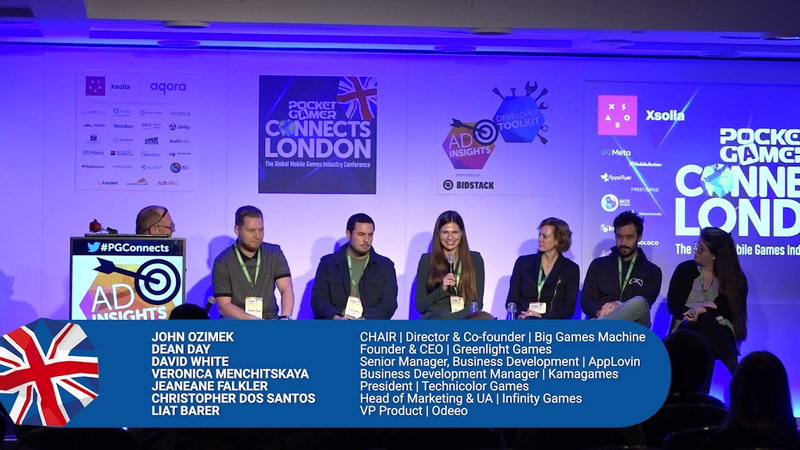
Panel: How Can We Create Authentic & Engaging Ads?
Mobile gaming advertising is undergoing a critical transition away from deceptive, high-frequency tactics toward strategies rooted in authenticity and user-centric design.
- Mobile gaming advertising is shifting away from deceptive clickbait toward authentic creative content that accurately reflects the actual gameplay experience to improve long-term retention.
- Developers are increasingly prioritizing opt-in engagement formats, such as interactive playables and rewarded videos, to replace forced, intrusive ad interruptions.
- Synthetic audio ads and sonic branding are emerging as effective, non-disruptive alternatives that maintain the game's atmosphere while ensuring high brand memorability.
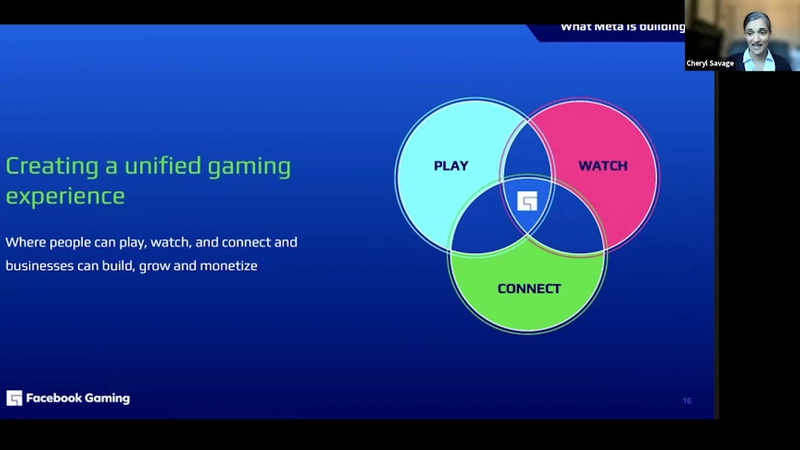
Reimagining Games Advertising
The gaming industry is currently navigating a significant inflection point driven by evolving privacy regulations, shifting consumer data expectations, and a changing advertising ecosystem.
- The gaming industry must pivot away from third-party data reliance due to stricter privacy regulations, such as Apple's tracking permissions and the phasing out of browser cookies.
- Meta is mitigating attribution and reporting challenges by deploying the Conversions API, which establishes a direct, secure link between first-party marketing data and its systems.
- To maintain performance optimization, Meta is investing in privacy-enhancing technologies including secure multi-party computation, on-device learning, and data de-identification.
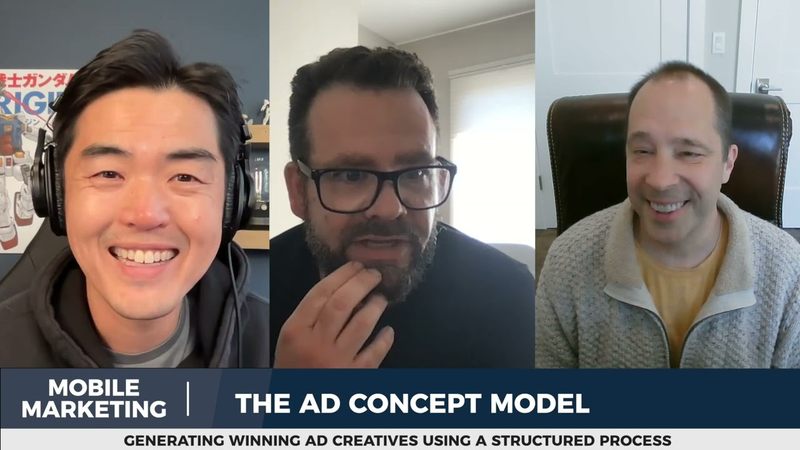
Structured Mobile Marketing | The Ad Concept Model (Zynga + Consumer Acquisition)
The mobile user acquisition landscape has undergone a fundamental transformation following the deprecation of IDFA and the subsequent decline of lookalike audience efficacy.
- The deprecation of IDFA and the decline of lookalike audiences have caused a 30 percent margin compression across the mobile gaming industry.
- Success now requires a high-volume testing model where 20 to 50 new creative concepts must be evaluated to identify a single winning asset.
- Studios should transition from generic advertising to a granular strategy that maps a game’s core value propositions to specific player archetypes.

two & a half gamers session #2 - UA & Creative trends 2022, Microsoft + ATVI, TOP10 gaming M&A
The gaming industry is currently undergoing a structural transformation defined by aggressive consolidation and a fundamental shift in user acquisition strategies.
- Microsoft’s $68.7 billion acquisition of Activision Blizzard marks a structural industry shift toward metaverse infrastructure and the consolidation of high-value intellectual property.
- Post-IDFA user acquisition strategies are shifting away from Facebook toward a diversified portfolio including TikTok, Google, and Unity to mitigate rising costs and declining performance.
- Developers are increasingly porting mobile titles to PC to reduce friction, expand revenue streams, and ensure sustainable growth beyond mobile-only ecosystems.

Fast Iteration on Epic Scenes with Boy Sichterman | Art Boost
Achieving high-fidelity hard-surface design in the modern game industry requires a strategic blend of technical precision and creative efficiency.
- Utilize parametric, NURBS-based modeling tools like Fusion 360 for hard-surface design to enable non-destructive, rapid iteration on complex geometry.
- Optimize production efficiency by prioritizing high-fidelity detail only within the camera’s immediate frame and using tessellation to simulate complexity.
- Avoid overscoping by focusing on dressing a single, compelling corner of an environment rather than attempting to build entire rooms.


User Motivations to Hit Your Target Audience
Effective mobile user acquisition requires a strategic shift from basic performance metrics toward a deep alignment between ad creative and core player psychology.
- Only 4% of casual game advertisements currently leverage the twelve primary psychological drivers necessary for effective user engagement.
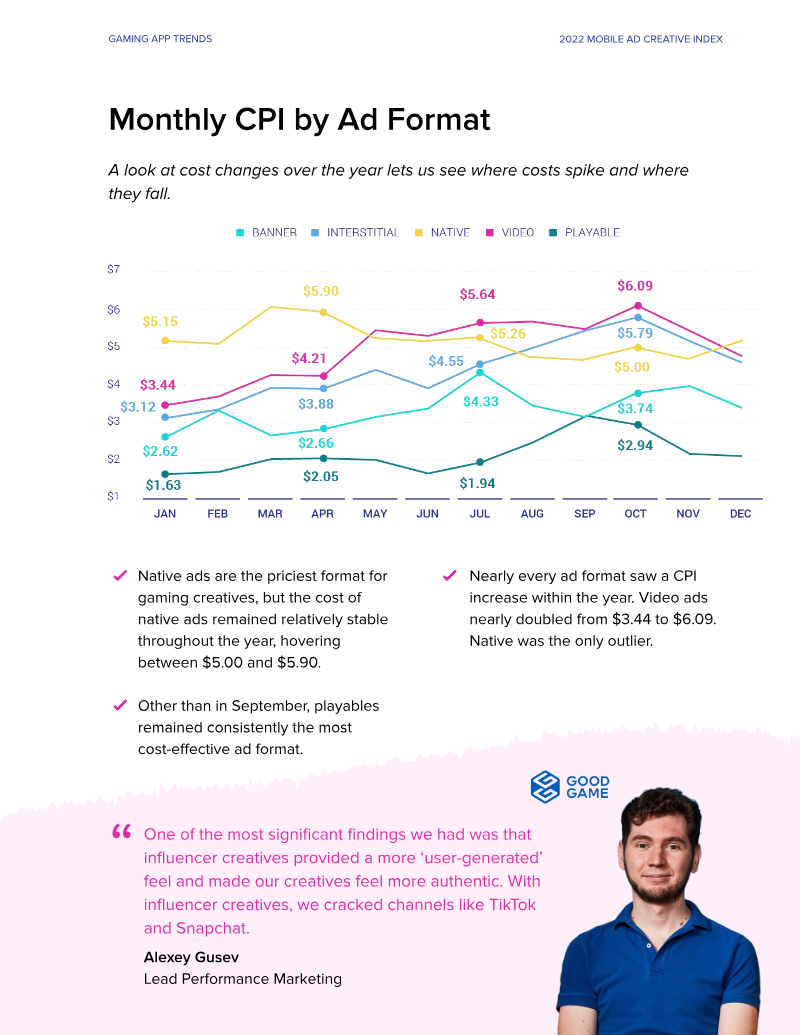
- While playable ads offer the lowest cost-per-install, banner ads consistently deliver the highest return on ad spend across the gaming, e-commerce, entertainment, and finance sectors.
- Casual gaming acquisition strategies should prioritize highlighting player milestones, whereas midcore titles require creative content focused on excitement and thrill.
Panel: How Have New Ad Formats Changed Mobile Gaming?
The mobile gaming industry is undergoing a fundamental transition toward non-intrusive advertising formats designed to monetize user bases without compromising the integrity of the gameplay experience.
- The mobile gaming industry is shifting toward non-intrusive ad formats like blended billboards, spatial 3D ads, and rewarded audio to replace disruptive full-screen interstitials.
- Rewarded audio ads have achieved a 90 percent user acceptance rate, demonstrating that seamless integration significantly improves player retention compared to traditional formats.
- Developers are increasingly adopting hybrid monetization models that combine native ad inventory with in-app purchases to balance profitability with long-term player engagement.

UA Creatives Testing | How Traplight Games Optimizes Mobile Ads for Battle Legion
Mobile user acquisition strategies for the title Battle Legion rely on a modular production pipeline that systematically tests creative variables to maximize install-per-mille.
- Creative assets must be tailored to specific placement types: shorter ads perform best in Facebook Feeds, while longer-form content yields higher conversion rates in the Audience Network.
- Performance optimization requires aligning video duration with algorithmic constraints, such as the 15-second unskippable limit for in-stream video placements.
- Traplight Games utilized a modular production pipeline to test 64 distinct ad variations over a three-month period to maximize install-per-mille (IPM).
Superstar Session: Widget as a Performance Tool
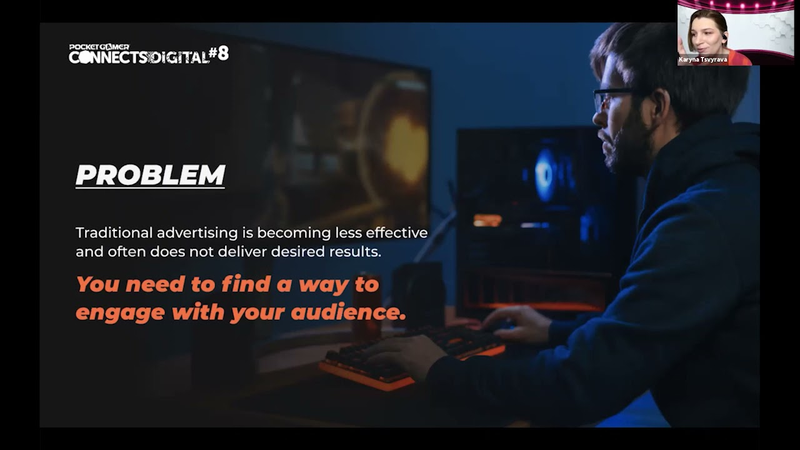
Twitch has emerged as a premier platform for performance-oriented influencer marketing, particularly for gaming brands seeking deep audience engagement.
- Widget-integrated Twitch campaigns achieve install rates of approximately 15 percent, significantly outperforming standard industry benchmarks.
- Dynamic, customizable widgets integrated via OBS transform passive viewers into active participants by displaying real-time data like game progress or download counts triggered by user actions.
- Twitch facilitates higher trust and conversion rates than static platforms like YouTube by allowing brands to integrate into native, unscripted streamer-community conversations.
The Key Role of Ad Creatives in Advertising Game & Tips on Creative Optimisation
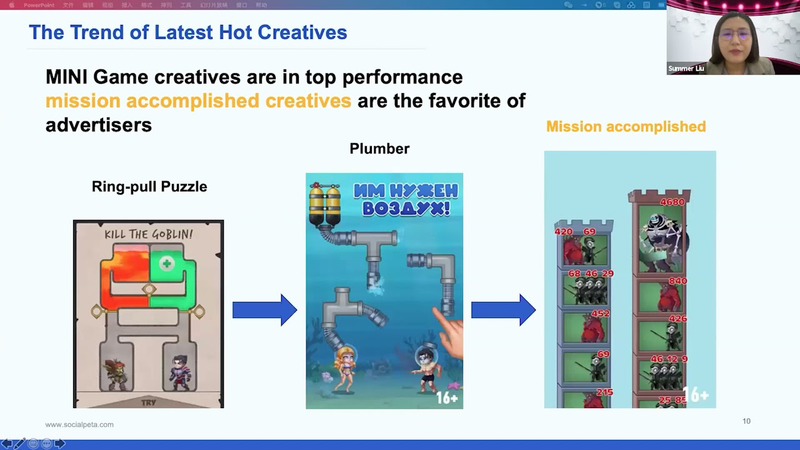
The mobile gaming industry has entered a phase of extreme saturation, necessitating a shift toward high-volume, data-driven advertising strategies.
- The mobile gaming industry has reached extreme saturation, with the average number of ad creatives per game increasing by 110% year-over-year to 543 as of the first half of 2021.
- Top-tier mobile titles now require over 1,000 unique ad assets throughout their lifecycles to maintain effective user acquisition and revenue growth.
- Developers should validate market demand by testing game concepts with low-budget trailers and creative assets before committing to full-scale production.
Speed Panel: How to Get Brands to Advertise in Your Apps
This panel discussion explores strategies for mobile game developers and publishers to attract brand advertising, emphasizing the shift in brand perception toward mobile gaming as a primary engagement channel.
- Brands now view mobile gaming as a primary engagement channel, a shift accelerated by the COVID-19 pandemic that has moved interest beyond blockbuster titles to include mid-core and smaller games.
- To attract brand budgets, developers must provide standardized data flows, robust attribution, and viewability reporting to satisfy demands for measurable outcomes.
- Developers should prioritize direct integrations with major omni-channel demand-side platforms (DSPs) such as The Trade Desk and Google’s DV360 to increase accessibility for brand advertisers.