1 free read left. Create a free account for unlimited reading + AI research.
Create free account
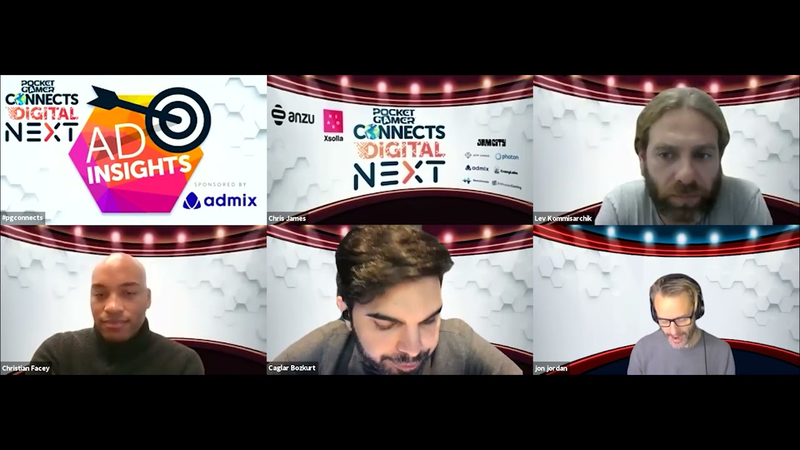
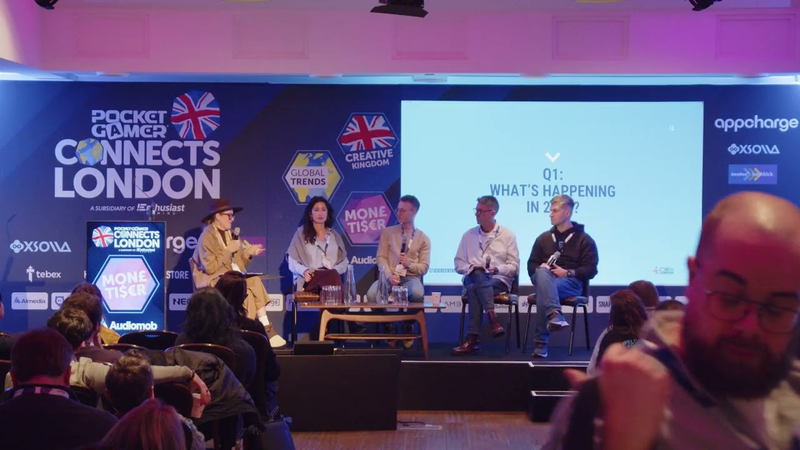
Panel: How Have New Ad Formats Changed Mobile Gaming?
Key insights
6 takeaways- 01The mobile gaming industry is shifting toward non-intrusive ad formats like blended billboards, spatial 3D ads, and rewarded audio to replace disruptive full-screen interstitials.
- 02Rewarded audio ads have achieved a 90 percent user acceptance rate, demonstrating that seamless integration significantly improves player retention compared to traditional formats.
- 03The next five years will focus on integrating advertising as a value-added experience, utilizing digital items and spatial placements that exist naturally within the game world.
- 04Advancements in measurement and attribution technology now enable more precise tracking of ad performance within complex digital gaming environments.
- 05Brands are prioritizing gaming platforms as essential, high-attention channels for reaching audiences at scale as traditional media consumption continues to decline.
- 06Developers are increasingly adopting hybrid monetization models that combine native ad inventory with in-app purchases to balance profitability with long-term player engagement.
Ask AI about this video
Transcript
and we're now moving on to our first panel of the day which is um looking at how a new ad formats have changed uh mobile gaming or how they haven't if they haven't and we talked about at the start we talked about destructive advertising and and the big opportunities and how advertising is is outpacing iaps in mobile and this is the very exciting kind of space we've obviously had um uh uh sam from uh from from admix talking about what they're doing is very exciting uh and now we have we have um uh we have representatives from anzu we have lev from anzu we have um uh christian uh from audio mob um
and i believe our very own john jordan is there john jordan how are you i'm all right how are you i'm not i'm good i'm good actually good place we've got a wrong background but we'll let you go he's john's got his last year's background is it last year's background oh is it it's next now you can't be going in that way i did i did go in and change this right talk while i fiddle around i don't know well well john while john feels around i'll i'll uh oh how are we doing everybody are we how's uh how's everybody good they're very silent i'm going to let you take your needed because they don't want to talk to me john i want to talk to you you've got more insight okay i'm going to leave you to take over i'm here in the background if you need me okay i'm uh be probably won't so good all right just chris thanks good morning everyone uh welcome uh we are yes chris said so we've got our first panel now um and um yeah my name's john jordan i'm editor at large at uh pocketcamera.base and a few other things um but for the sake of uh
uh uh for the sake of time well i'll just be interested in large pocket gaming for today um so we're going to talk about uh how new ad formats are changing mobile games um and i kind of think it is you know very interesting time for games in general lots of kind of sort of um disruptions happening um and the ad space kind of more than most i i i think so um we've got three panelists and i'm glad that sort of all of them have a slightly different sort of uh take on this so we have sort two coming from the from the ad side of it and uh on one from the game side of it um and i guess they all have a slightly different perspective um and uh the other thing i think uh we've got sort of 40 minutes so it's a good opportunity for you as an audience if you have questions um please put them in the q a box and also feed them in um so it's not just me asking questions i think you know these are people who are sort of building out these new sort of companies i'm sorry it's good it's a good opportunity for you to sort of ask you know exactly how they're thinking about these things and sort of deploying but anyway um let's get some introductions done so uh lev do you want to go first so left from
anzu do you want to explain a bit about what anzu does and andy's doing in this sort of new changing ad gaming ad sort of environment um hi everybody i'm happy to be here um well um anzu actually does magic um and this is quite obvious because my title is director of games and my kids think that i play games all day long and they're not entirely wrong um so sometimes i also steal their games to play with them um so basically what anza does uh anzu uh places uh blended in game ads within the content of the game if you take the simplest example for example let's take a racing a racing game and you have billboards in this racing games that would say let's say hiking or bibok
or kula or something like that so instead of faking those ads we can realize the game by uh placing real ads and also making money from this from this asset from this property that they have um which becomes quite magical when you think about it good cool thank you for that um and uh christian what's going on at admob quite a lot at the moment audio mob even well goodness uh audio mob uh what are you doing um and how are you sort of looking at this sort of new environment yeah it's certainly been a busy a couple of months and uh yeah great great to be here john um so i'm the ceo of audio mob uh we provide non-intrusive audio ads in games so rather than being blocked by a video you can listen to an audio ad so the game the gamer can be monetized without being blocked maybe for a reward or something like that and uh yeah recently uh we raised the 14 million
series a 110 million dollar valuation so i'm very thankful that it works and now we're scaling and going into uh going into growth mode cool good thanks um and sort of i i guess uh representing developers we have uh kalgar so do you want to talk a bit about what you do at sir studios yeah uh i run the marketing department here at first studios we are mid-sized uh mid-core genre mobile game developing studio based in istanbul and likely i've mentioned we are specifically you know uh experts on the racing simulators and you know that's why that gives us a lot of flexibility let's say compared to a genre like hyper casual actually like we are working with anzu on that front like in game ads so we have billboards around our cities around our maps and also actually this is such a cool event
because i i have been you know just considering reaching out to audio up to christian uh for some yeah integration partnership so yeah and yeah we can be a fly on the wall you two have your discussion that's fine maybe okay so um good introductions there um so so what's the one kind of thing um that i you know would start off is is you know i don't think this is this is the it's clearly not the depth of what's going on with ads at the moment but in some way of looking at it we sort of you know we started out with sort of banner ads on our mobile phones and that sort of had a lot of uh you know inventory back in the day um obviously it wasn't a particularly great experience um so kind of things quickly moved on and um the cynic in me might sort of say on the visual side at least not on the audio side on the visual side sort of what we're doing is is going back to sort of banner ads but we're just putting them in sort of billboards in in in the game environment so from that point of view you know what
you know clearly that's sort of really what's not happening but to some degree you could think of it as that so you know and the other thing is sort of it's interesting when when you're doing your introductions and you're talking things about blended advertising and um slightly out of context but christian sort of mentioned sort of not non-intrusive advertising which is sort of if i'm an advertiser sort of i want my adverts to sort of be intrusive because that's sort of what i mean that's what i'm paying for the intrusive nature i guess you know that's terminology but um but i do kind of wonder you know again on certain on the mobile side on the pc side we have sort of seen this like 10 years ago there were quite a lot of companies raising money to do this first generation of sort of billboard sort of advertising in in sort of racing games and having this sort of um sort of you know advertising that wasn't interrupting the game session um and that and at that point it never it never quite sort of worked out i don't think i don't quite know um what the reasons for that were but so so a long rambling question but i'll go with you live in the first place yeah why why do we think that this is different in terms of um you know
is it just there's more gamers so so you're going to have more rivals on these things do we have any research that these sort of ads that you might see when you're sort of zooming past them um 200 miles an hour doing a racing game do actually sort of trigger the brain in a different way to a sort of intrusive ad you know how does it play out from from that point of view um actually you know what uh john you said you said some right things about the past and how several years ago things were in a certain way and then you mentioned pc so in this environment we have actually the opportunity to take a look at the pc side of the things and it will give us a glimpse into the history because the pc and consoles what which by the way anzu supports we provide ads to those platforms as well and they're actually behind about five to six years in the adoption of advertisements so they actually behave now like uh mobile game developers in 2015
2016 and actually the gamers the audience is quite similar so who is playing pc games right now basically most of the games are paid so and the console games you you first have to have the equipment right you have to have the great mobile phone to support those games back in 15. now everyone has a phone everyone has the equipment so we now see that the gamers has have changed and the games have changed you you used to have several games what you had candy crush and baby angry birds and few other titles now you have so many so and they compete with each other not to mention not to mention the time spent um like each person would spend what i don't know an hour because this is what their battery will allow or the internet connection now
uh some articles say we spend 150 i think hours no i think that i'm mistaken but many hours maybe uh 150 hours a month sorry something like that on a gaming on average got them at my mother plays games she's 70. she's 72 she's bored and she's a good spender not only purchases by the way but if you get her attention on something she can book something and then come to visit me with an unnecessary present to my kids so um the the whole industry has changed and the advertisement evolves with it and now after uh there was a period of strong adoption of ads at the beginning and nobody wanted to use uh rewarded video for example so how rewarded video changed the games way back you could only play candy crush
and you could only move forward if if you either wait until you have more lives or you would pay so a majority of the population would just simply wait or leave now you can watch your reward and continue so with christian here now you can actually listen to a reward you don't even need to leave the game play which is tremendously different sometimes when you look at a pla at the session of a game play and you say that you have 30 minutes sorry three minutes for example but you watched three ads so one minute at least out of those three was actually not playing was watching ads but if you can consume the same advertising while playing it makes you way more satisfied from the game so either it comes by audio either it comes by blended in game which could be rewarded by the way as well um it different definitely changes the
the whole perspective so i can continue talking but i'll leave room for some others i'm here if you need me that was an interesting overview it's a good point there i think that um you know more generally we have seen um you know pretty much every game take ads now it's a good example with candy crush you know that for a long time king didn't have any ads in there now and now i think the last figures i saw they've done 300 million dollars of revenue um lifetime in you know in that in that product um i mean uh keller from from your point of view you know you're you're running these sort of um these open-world sort of simulation driving games you know what what sort of um you know engagement are you seeing when you have you know these sort of billboards at the side of the road or actually that's how you integrate them you know and how does that compare to if you're doing other sort of um in in-game sort of advertising you know is it is it is is it just better does it work for sort of a slightly different way so it's sort of um you can combine the two together yeah sure i mean uh we are combining the
two together by the way in our games and from our side you said you know you as the as brand and i am coming from the brand side as well you know i used to work for png so brands like you said want their ass to be intrusive of course that's the whole point of the thing but the studios or on the you know like the development side of things we don't want our ass to be interested because we care more you know about our users about the gamers and of course that's the mutual benefit of the things not like you know we of course we want a better looking game better you know ux uh but at the end of the day we check our kpis as well and the difference between the two like rewarded and interstitial and in-game ads is that in-game ads do not have any effect on on retention levels
so if you crank up your you know like frequency of showing okay you would yeah at first you would see an initial improvement regarding the revenue but due to the fact that you would you know have a big impact on your retention levels in total when you look at it your ltv would drop so uh in gay meds we haven't seen any negative effects and on top of that we think i mean we haven't done any uh like study on this we haven't checked our data because it is quite even right now it is not that easy to track the difference you know because in game as yeah there there is a standard and you know uh like like you said you are driving 200 miles an hour and yeah did you see the ad did you not it's it doesn't work like that quite because
there is certain standards that are set in place because yeah brands wouldn't like to pay you know dump their money for nothing in return but uh yeah it is not that easy to basically compare them uh like yeah whether okay they have seen this ad so are they you know spending more time in our game are they more engaged we haven't run a study like that but what we feel is that it gives since uh usually other than you know like programmatic ads that are you know live all the time you have these direct campaigns and so on custom integration options and you are doing all these type of things with premium brands and you are just imagining yourself being a developer from i don't know wherever you are based and you are doing business you know uh for coca-cola or like uh for calvin
klein we ran an ad campaign for calvin klein he ran an ad campaign for ford and probably you know they wouldn't have heard of us if we didn't have these tools basically so it gives the premium feeling to your game you know indirectly as well now this is an interesting point they it maybe is a different sort of um sort of advent that you have it's much much more sort of you know yeah that sort of brand led thing where you're not actually advertising anything in particular you're sort of you know it's something that sort of plays well in into the sort of realism of the game and and just this sort of empathy advertising that's all big brands do not because they've got you probably just because they they're big brands that's what they do yeah exactly and i mean it is due to you know do to the setup of our games as well because we have these simulators and we have real you know maps open world maps it's like yeah outside real world so we have you know real billboards so it's
basically mimicking the real world and on the brand front they don't really need to do any extra work regarding that either because yeah they can use the same creatives because they we can arrange the dimensions accordingly they can suit they can use the same creatives to basically run their campaigns in this type of way if if they are going to let's say you know uh do uh yeah like marketing campaign with rewarded videos with interstitial videos those are produced specifically for mobile and if they don't want to you know set aside a budget for that or anything like that it is more convenient for them as well good okay so let's move on to the mobile um side of ads so um christian do you want to sort of uh sort of explain how this works it is obviously a different sort of you know we've spent
however many 20 years doing you know gay ads around games and they've been very visual um so so uh so how does it work doing a mobile app there's many many different points of touch upon i'm going to give you the short version obviously um so think about every single kind of audio ad that you've ever heard of right it's been on the radio in the car on spotify maybe on pandora and the reason being is that those environments are contextually on like you wouldn't listen to a radio muted right but in a mobile game you're listening to or choosing not to listen to you know video ad display ads right and it's usual that the game developer wouldn't have the technology necessary to analyze the audio state of the phone to analyze if the music or the sound effects on or off from the game what we found is that 61 of players actually have audio stable the phone on and the reason that such a simple idea
hasn't come to fruition before is that the technology necessary to bridge the audio programmatic ecosystem into mobile gaming it didn't exist before we created it and audio mob is the only in-game audio provider that can ensure that the advertiser uh actually knows that their ads are being heard but also that the users aren't actually being disrupted if they're listening to spotify in the background or something from an incoming audio ad so the way it works is um audio mob is actually a research-led expert in analyzing the audio state of the device that's the key to making this whole medium work and what we started finding out um because again you know 2020 it was a hellish year to be honest in the pandemic and we invested heavily in r d raising more funds and we've come out the other side much stronger and what we found and we've released the white paper as well by the iab um is that most people 86 of users don't actually want to be blocked by a full
screen ad or an interstitial we know that 61 of users actually uh and have the uh the audio state of the device on uh we know that most people actually prefer to be monetized with a non-intrusive method even more than in-app purchases so we we put together all this technology just to make sure that from a data perspective and a research perspective that we can analyze the audio state and make sure the ads are being heard they're rewarded uh we target the users that actually want to listen to the ads rather than you know mute the ads etc and then as lev mentioned um you know the game design aspect is absolutely key as well in terms of where the ad is placed and it's the same reason why you remember grand theft auto 5 and the radio in that car that is the hottest spot for any kind of music oriented um ad or or music track to play why because the ad the users are engaged and even though they're not being blocked by the uh the actual ad they're highly engaged driving the car
around gta and then they end up remembering the music track and then you've got uplift in in brand perception brand consideration etc and this is the same whether it's for audio or non-intrusive um in display ads as well from what we've researched i mean it is it is interesting in the sense that you know um sort of by definition i i guess audio ads are you know they are more intrusive because i guess you know for it for an in-game mag you can also look away from the screen but if you've got the you know you're not going to be switching the volume down just because the adds on so in some ways i mean that's the advantage i suppose what you're doing is that they are they have that sort of um yeah the intrusive nature which is sort of what you want in advertising but um so does that mean you so you sort of think those ad works better if you know if people are choosing a rewarded setting where people are sort of choosing them rather than or i'm sure you can use them in any way but you know if you've got any research around that sort of impact of these things just sort of like turning up um at all people
going yes i'll i think you know i'll listen to that because i get some in-game reward absolutely so you know we've integrated into some of the top 10 gaming publishers in the world and from a rewarded standpoint uh we get up to a 90 percent uh acceptance rate um there's a game design element which is again like most users 86 of them they don't want to be intruded upon when they're being monetized right and if you've got uh i don't know if you're going to get coins or power up or something like that the main motive here and this is the true definition of non-intrusive which is not blocking the primary motive of the user which is to use the app or play the game as long as they can continue doing that then um and as long as you know future ad formats optimized towards that then you're going to have maximum income and incremental revenue for the user so we see up to 90 um response rates um it's actually capped at around 95 when it comes to rewarded and then when it comes to the uh non-rewarded ad formats again we can get up to 90 and
the reason being i really want to stress this is that we are the only provider that analyzes the audio state of a phone so think about it if you're playing a game and you hear an audio ad come in and you decide to listen to a certain quartile or not mute or close the uh the ad or decide to click through these are contextual um audio intent signals we call them and we optimize towards these kinds of users because we're highly engaged in the game we decide to click out it's a true sign of intent because you're already engaged with the game but you're engaged with the ad a bit more and this means that you know the cpm's increase incremental revenue for the user um the game developer rather but again the user actually cares about the app that they're listening to otherwise they would have muted it or exit yeah so so that's how we constantly try and think about you know the player as well as the advertiser to make sure it is non-intrusive and doesn't annoy the player doesn't damage your attention but overall revenues increase as well yeah okay cool good um we've got some questions coming in so have a look at those um but i i i guess
probably in a lot of conferences games conferences um at the moment um we can't i feel like it would be wrong a lot to start talking about um ads in the metaverse okay because that's just clearly where we're going and i guess it's sort of interesting because i mean i think it is so you know it's in context because you know in the in like the games you're doing um uh uh yeah there are these big open worlds where people are driving around and to some degree the you know a metaverse over you view it it's just a sort of a a more sort of permanent version of that sort of you know it's a big place where there's permanent and people going to come in and hang around and um and obviously you know in the real world we have more and more advertising and so we're clearly going to get that in the metaverse but um but i guess the interesting thing about it is you can start you know building out much more sort of complex uh sort of uh sort of tech around that i don't want to go too far down that rabbit hole because i'm way down that rabbit hole but um yeah you started when i think like nfts don't get down nothing but i do talk to wonder as like as we sort of move towards that world how do we think that is um going to be changing um sort of
how you know ad companies do their advertising is it going to be a radical change is it going to be just a sort of marginal change over time and also obviously and how how game developers are thinking about doing that i mean lev do you want to go first i mean do you do you have any you know andrew what sort of thoughts do you have about this sort of thing because we are starting to see ad tech companies talking about things like like metaverse um however um sort broadly um but you know where are you going on that honestly i uh it's hard for me to to get uh uh what you said can you repeat okay so just how do you think we're gonna do how are you to do advertising when everything's a metaphors or we just we're all in meta versus all the time so so we just have these sort of broad broad online um environments that we're sort of hanging out in you know are we just get is the adverts they're going to be so what we have now billboard and maybe we click on something and it comes up and we'll see if we have audio ads or is it you know is it going to be
is it going to be a new form of sort of in-game advertising that you we couldn't do before because we're using things like blockchain or something i mean i don't know you may not have any thoughts on that that's fine but um i wonder if you do well we can dream further and definitely our in-game ads uh are maybe one step further to this metaverse approach take a virtual reality but honestly i think that the ways uh so far and mark zuckerberg even though we owe him some of the advanced advancement in the last decade i think that there's still more time to wait and i think that things will evolve and will change before that actually the way we consume games now uh in my opinion will will change tremendously um christian mentioned that people don't want to be blocked by full
screen ads uh in my opinion uh it's not 65 percent i think i think it's 99.9 maybe and the rest were not paying attention to the question because who wants to be blocked by an ad at the best case maybe if this particular ad is at your highest interest okay you can bear with that but you don't want to be blocked so eventually when other revenue streams will be able to subsidize the the law the the interstitial ads for example i think that will be moving away from them and also the the banners that actually are ruining our experience even though they are not that interesting but they still are there so i believe that we will be moving more into um kind of incentivized or self chosen ads opt-in ads
or blended ads as we go imitating the the reality more and more and by that time our perspective will change so much honestly i don't know um my kids again how the hell they will use those devices i i heard somebody 20 years old describing about talking about generation z and he said guys you need to understand that we were born with those devices i don't remember a world without a smartphone so i don't think in terms of what if i don't have a smartphone what if i don't have the vr set what if i don't have ads actually and they don't know this so i don't know how they will shape this world you guys are already have another thing stuff that wrote in roblox which is you know probably the closest thing we have to a metaverse is that so i mean what sort of stuff are you doing there is that you can do different sort of things in roblox or is that just sort of a
continuation of what you're doing with things like um you know sur games so you are correct and and roblox is uh is exactly this generation actually maybe not z what what's after z i don't know how it's spelled za maybe kids who are playing roblox personally i don't get it what to do there yeah this the same my parents thought about me back then exactly yeah playing prince of persia um and yeah i see you not all right um so uh they probably know better we only know how to place ads there and to bring them back a little bit to reality so if you're already stuck in front of your screen for the whole day at least know something by the way somebody told me that also educational materials could be placed there for example you can motivate them to stop smoking or to start consuming any
healthy food or whatever you don't only need to promote them spending something again and again and buying something unnecessary you can also do good with that um by the way one of the campaigns we ran massively in the us was uh for the vaccination and construction in the us and uh it came back with more and more uh unfortunately from the pandemic perspective but from the effectiveness perspective they came back for more and more audience because actually this hits exactly those people and they see it where they want to see the the message i mean christian i suppose this kind of thing is it's set up for you guys isn't it is it just like a like a like an open goal got a couple of interesting comments here and um i i guess for the audience uh just to go a bit my background uh before starting audio mode i was a strategist at google and then the science partner at facebook
so i've had a unique insight into what is now here in terms of the metaverse um what i'll say is that in terms of i mean again it's not in the news now but you know facebook created a cryptocurrency which had massive investment a couple of years ago and now it should change the meta there is without question something here in terms of building out a metaverse um the heavy um investment into the r d behind oculus and vr headsets and whatnot and i have no doubt that um you know whether it's five or ten years away that's the question there is definitely something here um what we are looking at is uh the what the critical mass is in terms of the adoption of the metaverse now we know that we've got the likes of fortnite and roblox and a couple of other uh origin games and then when vr comes into uh into into the fray how many people are gonna need vr headsets before it becomes a commercially viable opportunity for uh advertisers to put you know some major brand dollars into i think we're probably around five years away from
that based on seeing uh what's going on in roblox and it's a slowing throw away in terms of uh adding you know vr to that experience and in terms of laundrymark like it whether it's audio mob or admix or anzu or whatnot i'm pretty sure every uh kind of leading startup right now has a game plan to enter the metaverse from a technology perspective but what we're waiting for is what's the core framework we're gonna follow because right now you know if an advertiser is going to go into mobile games you know all of the different buying points you roughly know what to expect even for the new formats right because again people have been educated with mobile games right they know what it is they know what to expect in that format when it comes to the meta first whether there's a mobile a roblox a fortnight is there some kind of metaverse aggregator that's going to be formed from a technological perspective audience was certainly ready uh in order to enter the metaverse and monetize it in terms of using 3d spatial audio and how bids based on where the user is like we're prepared for all of that it's just in terms of what
platform are we going to commit to so that that's the main thing that we're that we're looking for but again without question i definitely think there's something there and we're going to see many more users flock to the metaverse in the next five years answering a question very good off your own back talking about uh [Laughter] yeah i i was going to just you know uh like share my thoughts on this because i have been checking it out as well you know for a while right now and like you said jung it's like the map we have it's basically a really really tiny version of like whatever's and the difference is uh you know between currently what we have and this you know conceptual methods is that yeah people will be able to you know use real money but right now the crypto games you
know are trying to get in on that and they will basically you know just swap our like in-game currencies with real tokens right and the users will be able to earn money like yeah play to earn features there will be they will be they will be there and regarding the user side the gamer's side i think that's quite attractive because who wouldn't want to you know earn money while playing games right and that's the first side and regarding the brands i think uh what they would do i think it will be the you know same thing that happened regarding the transition between the threat from the traditional channels to digital and mobile so brands basically only care about the scale so they want to you know just reach out to as many people as possible especially their you know target
audiences and if everyone you know start to move from like playing traditional games and just choosing you know metaverse type of games over those of course brand would follow this shift as well and regarding you know the ad types so how yeah how different they can be i can tell you uh like in the past two months i had i had chats uh about like okay can can we like integrate vr into your game can we integrate ar into your game always gear stores methods you know and ideas the br the brands have it i mean you see these already in the in the real world let's say you see like uh like basketball centers for example like staples center and those type of things imagine us having a
tournament and a brand you know pays to you know name it after them so these type of things will yeah we will see these type of things more and more once the threads you know transition basically you know like uh it happens faster and faster and i like you know christian said i think it will change class it will change within five years for sure uh because the technology is there it's just the adoption left basically i think that's all about that question will you be able to buy real items for example a pair of sneakers while playing the game um yeah i i i i mean i i think that's sort of we put in the mess of us as you go beyond that so so i mean what you'll be doing though is you'll be buying you won't be buying physical things you'll be buying digital things for your in game experience i mean that'll be the sort that's where the thing goes where everything is just digital so so the actually the ad connection there is um you know it's gonna be super interesting how how how people are suddenly um you
know a lot of a lot of activity goes in goes into these sort of online communities um and and how add stuff kicks into that i don't know how much time we've got we're starting a bit late chris if you want to kind of materialize and tell us what we're going to do later please do um the very sort of one question oh there it is fine you've got plenty of time you guys are okay um cool okay one question two questions i want to start pulling together so um we've talked a bit about sort of brands and brands are always this sort of um thing you talk about until they add panels because they've got you know billions of dollars of spend um uh but there's other things we're seeing stuff like you know netflix getting involved in gaming sort of directly which isn't they're not doing that i mean that is an advertising play to some degree so when we're looking i mean this would be people's opinions i suppose i don't know how much hard data we have on this but you know when we're talking about things like brands you know do we think they're sort of changing in their attitude to you know spending in games what they want to do in games i mean i think going back to the sort of metaverse thing what's very interesting that i've seen is you know there's people like gucci and um dodging kabana and stuff they've been very active about sort of creating digital items in games and then
selling them selling them on as you know yeah they've moved very quickly into the digital side of things where they can make obviously you make a lot more money you don't have to make any handbags or or clothes you can just just the digital items i mean christian how do you how do you see that sort of brands you know did you think they're they are you know quickly changing their their approach to this sort of thing as the technology changes or you know maybe maybe i'm just sort of focusing on on a few who are really into it and the bulk of them are just all sitting there spending their money on on tv ads as they've always done so i'm not sure how popular this opinion is unpopular well i actually don't knock brands for just starting to get involved in in the gaming space like i always remember back years ago google and facebook and whatnot um brands have always been curious about gaming but what we've got to remember is like you mentioned um you know you can now get in-game items when an in-game item is bought a revenue share of that item obviously goes directly back to the brand from the
game so you can attribute it you can measure it um only with you know top tier startups like you know like audio mob and answer and whatnot like when it comes to how a ad format is positioned in the game and how that is measured we're at a much much more advanced place than we were like five six years ago so brands uh the main thing that we when we started doing r d a couple years ago uh we noticed is that you know they're not sure you know where is the audience placed uh where are you in the whole brand funnel uh you know how is it measured and when you answer these questions now brands are suddenly uh you know starting to invest their ad dollars and you've got the fact that you know startups are doing all the hard work to kind of build out this uh this measurement or whatnot and you are seeing billions of investment come in from all the big tech players as well so i just think it's it's a whole cycle in terms of you know you've got the r d then you've got the brand consolidation in terms of or sorry the ad tech consolidation in terms of you know big
platforms getting uh investment then you've got vcs investing uh then big tech companies and then you've got brands that are seeing all this activity that are now investing their brand dollars because they see from multiple angles um the value of a gaming audience so yeah i think we're going to see an absolute explosion over the next couple of years i think that's an unpopular at all i can get to christian that one thing that he didn't mention that actually advertisers will be where the users are and the users are no longer on regular tv this is for sure they're at some extent on the connected tv or a tv for a demand um but they spend their majority time in their phones and the majority of this phone time is in apps and the majority of the this time in apps is in games so and i think that actually when the big brands
are going to gaming by brands i mean the netflix says of the world actually it will attract more advertising brands to join because those huge companies and actually on thursday i have a session on that particular uh topic whoever wants to listen to that with more numbers also brands tend to follow what other brands do they tend to stick to other brands because this is the whole brand awareness you want to tie your brand to somebody else's brand if you are sport brands you want to take this champion would it be michael jordan back then or kobe bryant or somebody else nowadays and you want to stick to his glory so now if netflix go and netflix is a glorious brand now procter gamble wants to stick to their brand and they're not hesitant anymore as they're now yeah yeah yeah no i mean like i said the educational thing isn't it yeah i mean
the counter argument in the metaverse is maybe actually people don't want more advertising well i think sometimes when you have transitions um you know you get sort of less advertising then over time sort of advertising tends to build up as things sort of become mature and consolidated so um maybe this is a truly unpopular sort of comment on a panel for advertising you know actually the stuff comes along maybe the people just really not want advertising in that and and and you know because you sort of ownership and and how those sort of things work maybe is it is that actually a harder gonna be a harder situation for advertising networks to get in there um and does anyone have any views on on that or will advertising always go advertising always seems to you know say end up where where the scale is but i just wonder from the tech point of view to me there seems to be something that's yeah i think people generally if you ask people do you want more ads or less they will say less ads i mean the context yeah
the context is people do like ads at certain points but i kind of wonder what do you what would you like to have more ads less ads or pay your money at the end we know that at least 95 do not open their wallet yeah okay so basically they vote by saying we're not paying do whatever is necessary and we'll decide if we want to stick around or go and this is exactly by the way caglar's job he wants to monetize the app the game by not driving users away yeah this this is uh what you need to actually balance the violation of their privacy now we have in different places also some regulation about that while being while being interesting enough and valuable enough for them to stay um amazing point right in terms of uh not violating privacy and again you know all
your mob took that into account of a contextual ad network and that's where our tpms come from and um you know a user is a gamer is always going to want no ads at all and to be able to play the most advanced games and get all the content for free like that that's the utopia however you know the audience uh i've seen you laughing there it's true and um but but but you know gamers are very sophisticated now they know that there needs to be a value of exchange and if they can get the exchange without uh being being blocked or you know to pay to win uh then they will accept that even though they don't want the ads and and what we see and seeing more of this in market is kind of a movement towards a hybrid model where you know the the non-intrusive ads aren't actually you know directly conflicting or damaging uh in that purchase opportunities but there's a perfect hybrid and this also makes it more accessible to people that can't pay to win and just want to use you know premium elements as well in a more fair gaming environment so um i
kind of see it more of being a hybrid and these non-intrusive ad forms complementing uh the in-app purchase environments that will be in the metaverse uh rather than it being an obstacle yeah i mean we'll see i i guess from that the interesting thing will be is as we move we seem to like games like actually infinity war this sort of play to earn mechanic where actually what's interesting there is people are earning money for playing the game and that really flips around your monetization then and then and then maybe that that's why i'm thinking that probably makes it harder because people are just like well i i'm you know i'm i'm earning money from the game um so i definitely don't want advertising in that so you know i just think it sort of mix things up a lot i mean okay uh how do you see um you know in terms of your products as these all move more to roometer so do you think you'll be putting more ads in there or or less ads or does it not matter as long as you're making more if you're making more money would you put less of leads out or would you be like oh we can still get more money with that so we'll put more in i mean how did you balance that i think you know it comes down to
like the studios when you are looking at really you know big studios big you know like big companies uh it's all about you know increasing profit margin so i don't think you know they would just decrease the number of ads if they see any you know like negative effects uh and in overall i i agree with christian i think there's really you know like uh yeah move towards hybrid models even like you mentioned you know even after years like king chose to just show ads as well and uh currently what we have is a history model too uh we are you know we are already keeping our traditional ads you know at traditional types of interstitial and rewarded they're not showing banners and that's you know what we use instead of banners is the in-game
you know in gamers and because it's more eye-pleasing it it's not intrusive i think still you know even banners technically they are not interested it is interesting visually intrusive but you know uh the you know in-game ad format doesn't give that impression basically regarding the you know uh yeah transition into metaverse and how things would be uh when we get there i think it would be like what we are seeing the glimpses of right now it's like yeah yeah dolce gabbana just you know advertising in really big games or all those you know fashion brands i think we will see more and more of that i don't think it's just you know certain brands just doing their thing i think it will be a movement because yeah at the end of the day when you are marketing when you are
doing brand marketing what you are trying to do is just trying to differentiate yourself from your competitors and just you know the way to do that it seems will be just like that and the veteran works good well um i think we're out of time i don't know where chris is he's oh i said you were having such a nice chat i thought i could just leave you back i don't want to blow up blow up the conference schedule in the first place we play fast and loose with conference schedules we're we're we have the same approach account from schedules as to due to advertising technology so yeah no i i think you you are um yeah we are at the kind of we are at about time but did you have any uh are you you've got through quite a lot i thought was a really fascinating conversation there's quite a lot of different uh angles covered you've kind of veered in lots of different directions and entered the metaverse and you've come back again yes of course or something um but is it anybody any sort of final thoughts anybody would like to to leave
our audience before i i send you into into our metaverse into the into the the beyond no do you want to say anything like any final thoughts no he's fine christian he's very shy you should say when when um lev's talk on uh yeah when is your choice you said remind us back again what time is it tomorrow tomorrow afternoon is that yeah okay we'll we'll uh we'll play we'll paste the link in that because it sounds like a lot of data in that okay guys i'll let you go i won't i won't point you have a thank you so much for sharing um your thoughts and uh wish you all and all of us uh well i mean more more ad dollars into the uh into the gaming ecosystem from brands can only be good right that means more money for developers more shows it's all good so have a great day uh thanks john for your awesome uh sharing and i'll let you send you into the metaverse while i cue up the next uh speaker
you
Summary
The mobile gaming industry is undergoing a fundamental transition toward non-intrusive advertising formats designed to monetize user bases without compromising the integrity of the gameplay experience. By integrating blended in-game billboards, spatial 3D advertisements, and rewarded audio, developers are successfully moving away from disruptive full-screen interstitials that historically hindered player retention. These seamless integrations prioritize user experience, resulting in high acceptance rates—notably reaching 90 percent for rewarded audio—while simultaneously providing brands with high-attention, contextually relevant inventory.
This strategic shift reflects the broader diversification of the gaming audience and the necessity of balancing developer revenue goals with long-term player engagement. As traditional media consumption declines, brands are increasingly viewing gaming platforms as essential channels for reaching audiences at scale. The industry is currently moving toward hybrid monetization models that combine these native ad formats with traditional in-app purchases, ensuring that games remain both profitable and accessible. This evolution is supported by advancements in measurement and attribution technology, which allow for more precise tracking of ad performance within digital environments.
Looking ahead, the next five years will likely be defined by the rise of the metaverse and increasingly immersive gaming spaces. The industry is trending toward a model where advertising functions as a value-added experience rather than an interruption. As technology matures, brands are expected to differentiate themselves through integrated digital items and native, spatial experiences that exist naturally within the game world. While emerging trends like play-to-earn mechanics may introduce new variables, the consensus remains that diversifying revenue through non-intrusive, opt-in formats is the most sustainable path for maximizing profitability in the evolving mobile landscape.












Comments