Creative Ads reports and market data
Documents
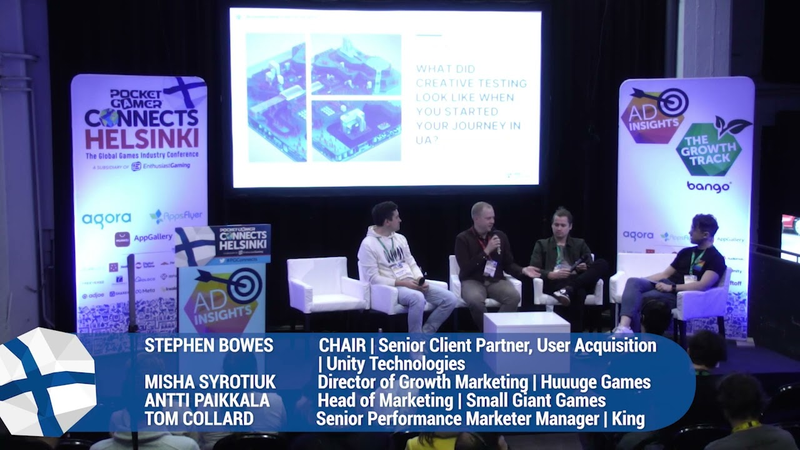
Panel: Ad Creative Testing for UA – A Look Into the Future
The evolution of user acquisition strategy centers on a transition from speculative creative production to a rigorous, data-driven methodology.
- Authentic content, such as genuine gameplay footage, failed-level scenarios, and voiceovers, consistently outperforms traditional tactics like exaggerated claims or human reaction shots.
- Privacy constraints on iOS have shifted the industry standard toward using Android-based campaigns as the primary foundation for cross-platform user acquisition strategies.
- Teams must move away from manual, fragmented tracking by adopting automated A/B testing tools and standardized data reporting across mobile measurement partners and ad networks.
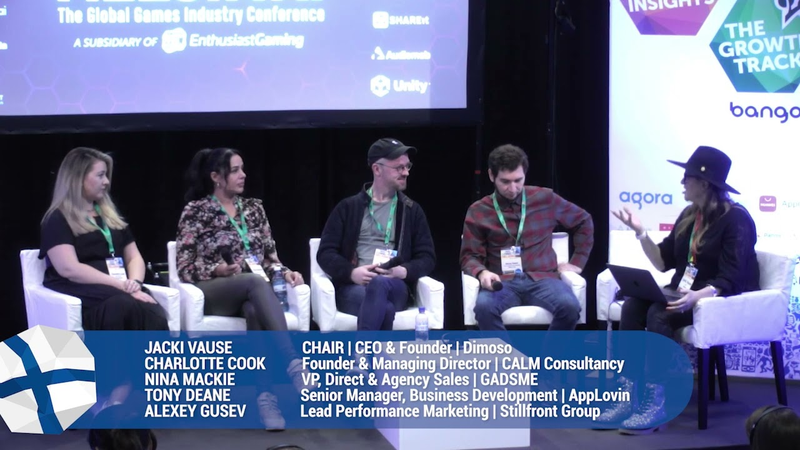
Panel: Turning Ads Into Success Stories
Successful in-game advertising requires a delicate equilibrium between maximizing revenue and preserving player retention.
- Developers are shifting from intrusive ad models to native, non-clickable brand placements and rewarded videos to protect player retention while maximizing lifetime value.
- Post-ATT user acquisition strategies now rely on continuous creative testing and the use of early proxy signals to forecast long-term player retention.
- Monetization management has transitioned from manual waterfall processes to product-centric, automated bidding systems that utilize granular analytics for better user segmentation.

Don't Be a Copycat: Personalized Marketing for Your Game
Successful game marketing hinges on abandoning generic, trend-driven tactics in favor of intentional, goal-oriented strategies tailored to a specific audience.
- Prioritize intentional, goal-oriented marketing strategies tailored to your specific audience rather than replicating generic, trend-driven tactics used by larger studios.
- Focus resources on high-impact, manageable assets including compelling trailers, optimized store pages, and accurate metadata to reduce friction for potential players and media.
- Select marketing channels based on their specific upkeep requirements and engagement potential rather than attempting to maintain a presence on every available platform.
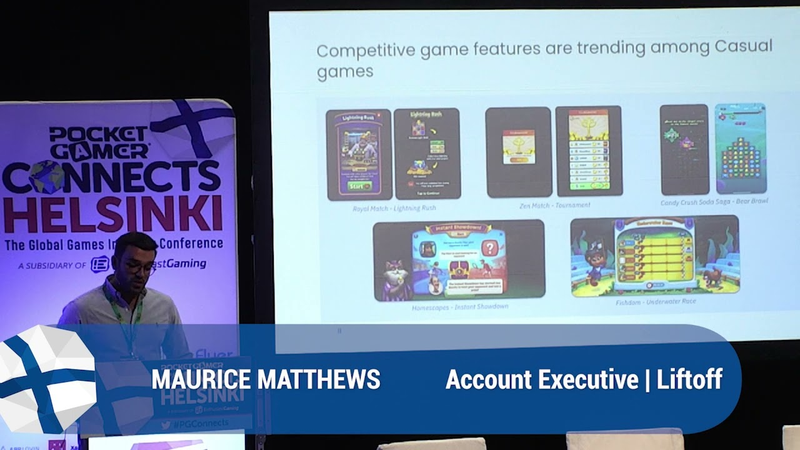
Winning Strategies to Maximise Your Revenue
The mobile gaming industry is currently navigating a period of significant contraction, marked by the first-ever year-over-year decline in consumer spending, which fell from $22.6 billion in Q1 2022 to $21.2 billion in Q1 2023.
- Mobile gaming consumer spending experienced its first year-over-year decline, falling from $22.6 billion in Q1 2022 to $21.2 billion in Q1 2023.
- Day-seven return on ad spend (ROAS) has dropped by 33% year-over-year, highlighting significant challenges in user retention and monetization efficiency.
- Aligning ad creative with actual in-game experiences, such as specific mini-games or customization features, can improve day-seven ROAS by nearly 50%.

Drawing the Ethical Line for Misleading UA Ads - The Metacast by Naavik
The gaming industry currently faces a critical juncture regarding the balance between aggressive commercial tactics and consumer protection.
- The gaming industry is prioritizing self-regulation regarding loot boxes and in-game spending—including transparent odds disclosure and parental controls—to preempt restrictive government legislation.
- Developers are facing a critical tension between using misleading user acquisition ads to lower acquisition costs and the resulting erosion of long-term player trust.
- Industry consensus favors platform-enforced standards for ad accuracy as a preferred alternative to broad, government-mandated advertising regulations.
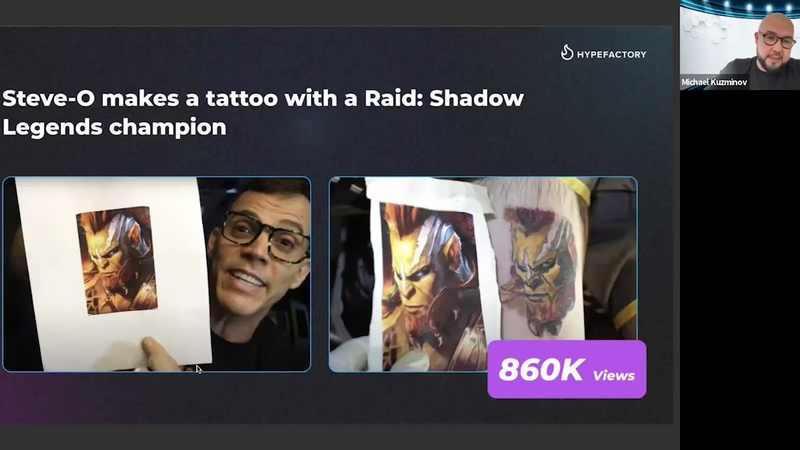
Beyond Myths: Influencer Marketing Is Not What You Think It Is
Influencer marketing serves as a rapidly expanding advertising channel within the gaming industry, yet its execution is often hindered by persistent industry myths.
- Evaluate influencer campaign performance over a six-month window rather than immediate post-campaign metrics to account for the delayed effect on organic installs and engagement.
- Prioritize audience-centric targeting over rigid niche relevance, as non-obvious categories like horror or mystery can yield higher conversion rates for casual mobile games.
- Balance influencer portfolios by mixing micro and medium-sized creators while maintaining long-term partnerships with top performers to ensure consistent results across multiple campaign waves.

True data insight on mobile trends with Taha Karsli from MobileAction
Mobile growth and user acquisition strategies have evolved significantly in response to increased consumer reliance on mobile applications and the growing complexity of digital advertising.
- Prioritize intent-based advertising platforms like Apple Search Ads and Google Universal App Campaigns, as they capture users actively searching for solutions and consistently deliver higher conversion rates than traditional ad networks.
- Maintain compliance with evolving privacy regulations by utilizing proprietary intelligence tools that aggregate public-facing ad data rather than relying on third-party data providers.
- Shift mobile growth strategy from tracking raw metrics to extracting actionable insights that facilitate rapid iteration and experimentation.

Marketing Analysis: Garena Free Fire Max and PUBG New State! Ft. Matej Lancaric & Nebo Radovic
The mobile shooter landscape is defined by a strategic divide between high-fidelity, brand-driven titles and performance-optimized games targeting emerging markets.
- Garena Free Fire Max significantly outperformed PUBG: New State in late 2021, generating $37.2 million in revenue over two months compared to $6 million for its competitor.
- Prioritizing device accessibility and performance on lower-end hardware serves as a viable blue ocean strategy for capturing market share in emerging regions.
- PUBG: New State struggled with internal cannibalization from its predecessor and a monetization model that failed to align with its Android-heavy user base, despite achieving higher total download volume than Free Fire Max.

Creating in-game ads that better suit players with Harriet Hughes from Playstack
Playstack, a mobile and console game publisher, has introduced Interact, an ad-tech solution designed to replace intrusive, full-screen mobile advertisements with organic, integrated brand experiences.
- Playstack has launched Interact, an ad-tech solution that replaces intrusive, full-screen mobile advertisements with native, organic product placements within the game environment.
- The platform functions like film and television product placement, allowing developers to embed brand assets such as logos on equipment or environmental structures to avoid disrupting the player experience.
- Interact prioritizes high-quality, genuine engagement over volume-based metrics, enabling players to opt-in to interactions like saving brand vouchers for later retrieval.

New AREA by Autodesk! Gives exposure to all artists everywhere
The redesigned AREA platform serves as a centralized digital hub for 3D professionals across the film, television, game development, and visualization industries.
- Autodesk has redesigned the AREA platform as a centralized digital hub to facilitate cross-industry collaboration between film, television, game development, and visualization professionals.
- The platform now features dedicated iOS and Android applications to support mobile accessibility and remote engagement for students, artists, and studio leadership.
- The ecosystem is built on three core pillars: an inspiration section for portfolios, a learning hub for technical skill development, and community groups for direct peer and expert interaction.
Superstar Panel: The Art of Making Data Driven Creative Decisions in Gaming
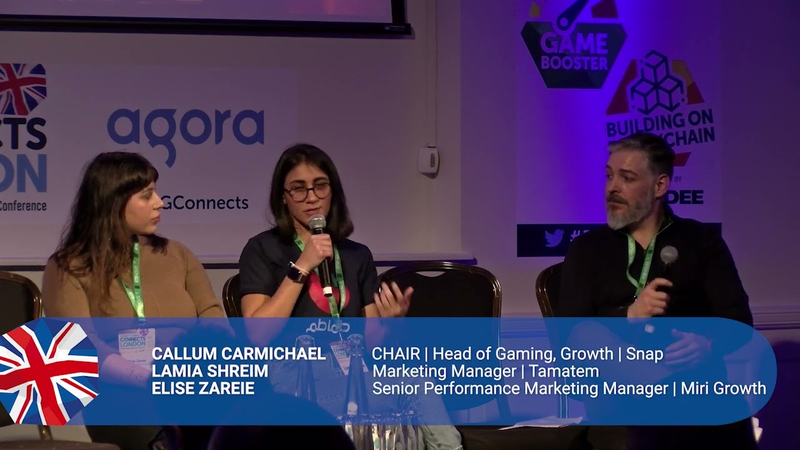
The current landscape of mobile game user acquisition has undergone a fundamental shift, moving away from granular, cohort-level tracking toward a creative-first strategy.
- The mobile gaming industry has shifted from granular, cohort-level tracking to a creative-first acquisition strategy following the implementation of App Tracking Transparency.
- Growth now relies on internal predictive modeling and structured testing cycles to compensate for the loss of traditional user targeting capabilities.
- Effective acquisition requires platform-specific content, such as human-centric aesthetics for TikTok, rather than one-size-fits-all messaging.
Building a Winning Creative Strategy for Games in 2022
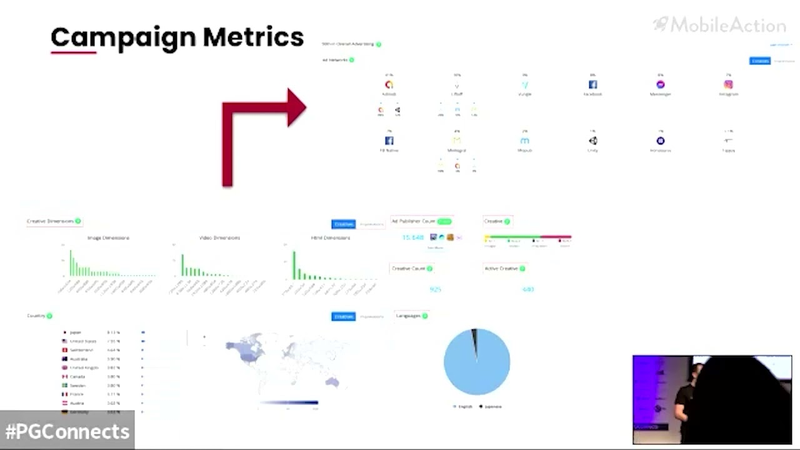
Building a winning creative strategy in the mobile gaming industry requires a data-driven approach to competitor analysis, specifically focusing on user acquisition (UA) and creative performance.
- Competitive intelligence platforms now track over 44 million mobile gaming creatives, with approximately 2 million new assets added to the database each month.
- Developers can optimize ad spend and reduce waste by benchmarking their creative performance and messaging strategies against top-performing industry competitors.
- Effective creative strategy requires tracking specific metrics including impression share, creative longevity, and the distribution of ad formats across various networks.