Creative Ads reports and market data
Documents
PR Success.gif: How to Get Your Game Across in 5 Seconds
Animated GIFs serve as a critical, low-cost marketing instrument for independent game developers, functioning as essential tools to capture the attention of players, press, and publishers in an era defined by fleeting digital engagement.
- Animated GIFs significantly outperform static images, with one developer reporting that GIFs were shared 10 times more often than screenshots.
- A 'main GIF' should act as a mini-trailer that highlights the game's core hook within the first one to two seconds to capture the attention of scrolling users.
- Recycle existing trailer footage by cutting it into smaller 10-second clips and teasers to generate multiple marketing assets without additional production work.

Simplifying Efficient Workflows with Daniel Bystedt | Game Dev Unchained Episode 271
The contemporary game development landscape is undergoing a fundamental shift toward streamlined, unified workflows that prioritize efficiency over the traditional, fragmented pipeline of specialized software.
- Game development is shifting away from fragmented pipelines toward unified workflows in tools like Blender and Houdini to prioritize proceduralism, instancing, and real-time rendering.
- Professional roles are increasingly prioritizing technical literacy and procedural automation over the manual creation of individual, high-fidelity assets.
- Technological advancements like photogrammetry and MetaHuman have reduced the need for manual sculpting, favoring efficient kit-bashing and asset reuse strategies.
Superstar Session: Best Practices & Pitfalls to Avoid When Creating Game Videos
Effective game video production requires a structured, multi-stage pipeline that balances creative vision with platform-specific requirements.
- The primary objective of a game video is to convert viewers into users, requiring a clear alignment between the video's purpose and the target audience's cultural and gaming background.
- Adhere to the 'one feature, one scene' principle to prevent narrative overload and maintain focus on the game's core value proposition.
- Use storyboarding as a diagnostic tool to identify resource gaps, such as the need for custom art or engine-based captures, before committing to expensive animation.
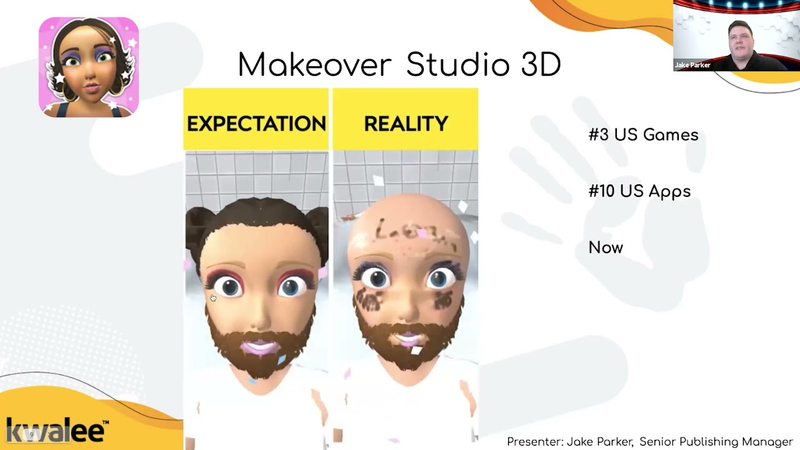
15 Minutes on 15 Seconds: Breaking Down a Hit Hypercasual Ad
Successful hypercasual advertising relies on a strategic, gameplay-first approach that captures user attention within the first few seconds.
- Successful hypercasual ads must establish the game's objective within one second and demonstrate the core gameplay loop by the two-second mark.
- Creative assets should prioritize authentic gameplay footage over non-gameplay or deceptive content to ensure marketing remains representative of the actual user experience.
- Ads should feature a mix of perfect, satisfying play alongside moments of intentional frustration to psychologically motivate viewers to install the game.
Fireside Chat: Exploring the Potential of InGamePlay Brand Ads
In-game native advertising represents a strategic shift toward non-intrusive monetization, prioritizing player immersion over the disruptive nature of traditional interstitial ads.
- Approximately 68% of players prefer seamless, non-clickable in-game ads over traditional interstitial formats because they maintain immersion.
- Native in-game advertising is a resilient alternative to tracking-based models, as it relies on contextual relevance rather than invasive user data like the deprecated Apple IDFA.
- Integrating branded content into 3D environments, such as digital billboards, enhances atmospheric realism and supports higher player retention rates.
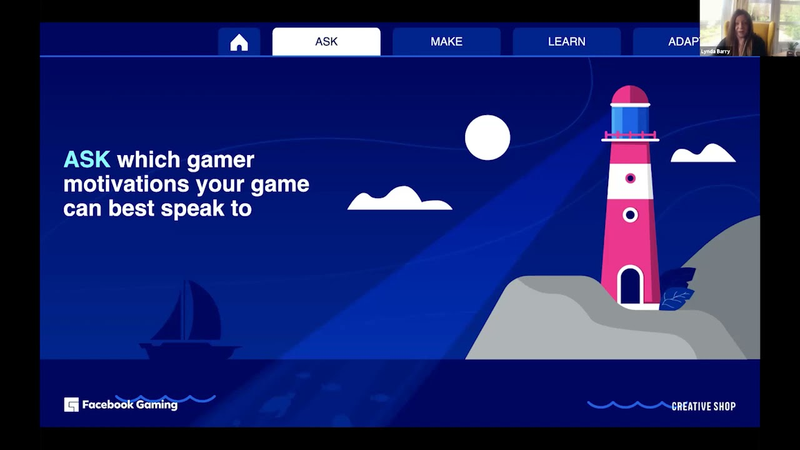
The Big Catch – Unlock New Audiences with Motivational-led Creative
The gaming industry often suffers from short-termism, where developers target narrow, saturated audiences with repetitive gameplay-focused advertisements.
- Developers should shift from gameplay-focused ads to a motivation-led strategy, targeting eight core psychological drivers: self-expression, social connection, progression, expertise, discovery, power, escapism, and relaxation.
- The gaming audience is broader than traditional stereotypes, with 86% of internet users playing mobile games and 50% of the mobile gaming demographic being women.
- Women demonstrate higher engagement levels than men, with mobile gaming sessions that are 25% longer on average.
Making Marketing Mistakes
Marketing in the game industry is an inherently experimental process where failure is not only inevitable but serves as a vital catalyst for professional growth.
- Marketing failure should be reframed as a vital resource for professional growth rather than a source of personal shame.
- Failures are categorized into three distinct types: preventable errors, system-related process issues, and intelligent failures resulting from new ventures.
- Effective post-mortem analysis requires focusing on the 'what' of a failure rather than the 'who' to identify root causes and specific skill gaps.
We’re Only as Good as Our Last Creative: Creative Automation Can Transform Your Growth Strategy
Creative production serves as a primary competitive advantage in the modern mobile gaming landscape, necessitating a transition from subjective decision-making to a structured, data-driven framework.
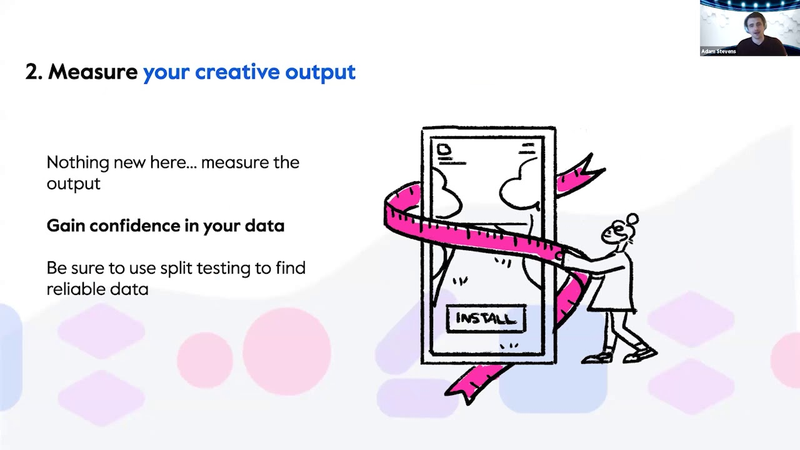
- Creative production must shift from subjective decision-making to a structured, data-driven framework that isolates specific variables like character design and layout to identify emotional drivers.
- Creative automation is essential for scaling operations, as it allows teams to iterate on high-performing concepts rapidly while offloading repetitive production tasks.
- To maintain effective user acquisition amidst increasing constraints on user-level tracking, studios must utilize granular performance metrics to replace traditional black-box testing.
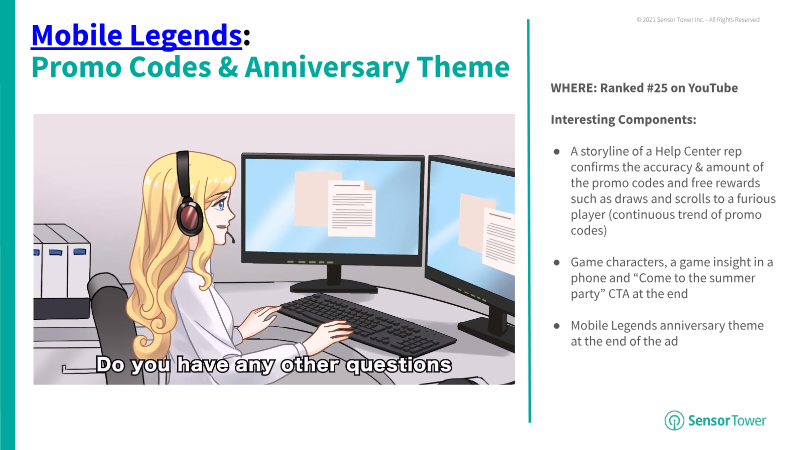

Mobile Ad Creative Report: August 2021
Mobile gaming creative trends in August 2021 centered on humanizing digital experiences and leveraging high-profile cultural partnerships.
- Mobile gaming ads in August 2021 shifted toward high-fidelity, narrative-driven content featuring real-world celebrity partnerships, such as Garena Free Fire’s collaboration with Dimitri Vegas & Like Mike and Call of Duty Mobile’s integration of Ozuna.
- Top-performing creatives are increasingly moving away from pure gameplay footage in favor of cinematic storytelling, anniversary-themed promotions, and interactive elements like Buzzfeed-style quizzes.
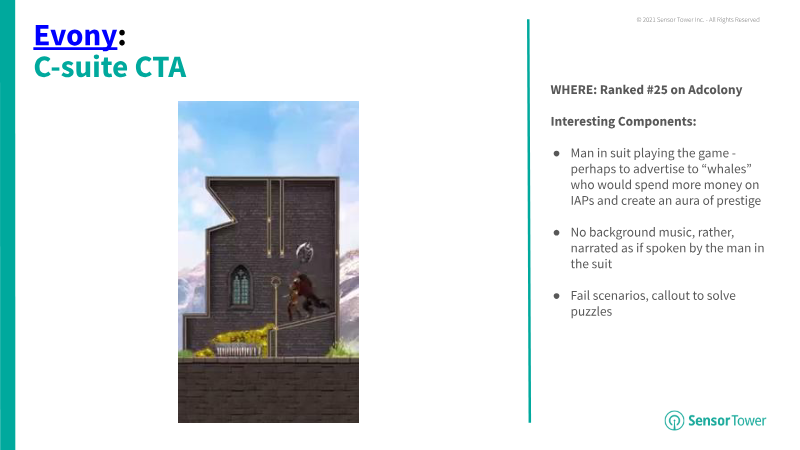
- Psychological triggers remain a core engagement strategy, with 'fail-state' ads—demonstrating a player losing a level—continuing to drive performance for titles like Royal Match and Evony.
Speed Panel: Using Preloads as the Ultimate Playable Ad
Mobile user acquisition faces significant hurdles as traditional advertising methods increasingly struggle with consumer ad fatigue, misleading creative, and the widespread adoption of ad blockers.
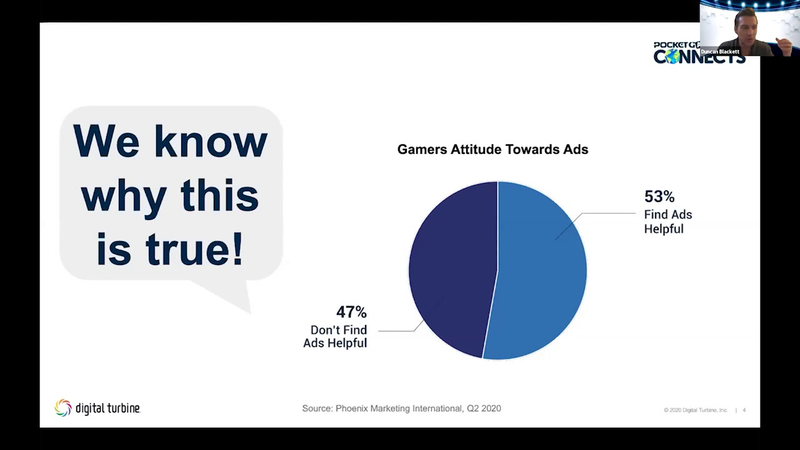
- Approximately 26% of gamers identify pre-loaded games as a more effective discovery method than traditional television or online advertising.
- Preloading bypasses traditional ad funnels and reduces friction by installing games directly onto devices, which results in superior user retention rates compared to standard digital marketing.
- Platforms like Digital Turbine’s Ignite enable fraud-free, high-intent installations by integrating directly into the device lifecycle rather than relying on conventional ad placements.
Reviewing YOUR GAME TRAILERS
Game trailers serve as the primary marketing vehicle for indie developers, functioning as both a narrative introduction and a functional tutorial that defines a title’s core appeal.
- Trailers must prioritize immediate communication of the gameplay loop, objectives, and cause-and-effect mechanics to hook viewers and reduce drop-off.
- High-impact gameplay footage should take precedence over slow, narrative-heavy introductions or excessive user interface elements.
- Technical execution requires tight pacing and rhythmic synchronization with authentic game audio rather than relying on generic music montages or redundant on-screen text.
Social Media Influencers and Non-Traditional Marketing: Legal Pitfalls and Loopholes
The Federal Trade Commission mandates that any material connection between marketers and influencers must be transparently disclosed to consumers to prevent deceptive advertising.
- The Federal Trade Commission requires transparent disclosure of all material connections between marketers and influencers, including cash, cryptocurrency, free games, and in-game assets.
- Companies bear ultimate legal responsibility for the conduct of their influencers, even when marketing campaigns are managed by third-party agencies.
- Disclosures must be immediately visible and cannot be buried within excessive hashtags; live streams require both audible and text-based notifications at the start and throughout the session.