Creative Ads reports and market data
Documents

Serving ads that users want | Hajar Noreddine from Adjoe
Adjoe specializes in innovative ad tech solutions, focusing on user acquisition and monetization through time-based rewarded advertising.
- Integrating rewarded ad units can generate over 50% in incremental revenue for mobile developers, reducing reliance on in-app purchases alone.
- Demand-side partners utilizing machine learning-driven targeting through the Playtime platform have achieved a 30% increase in return on ad spend (ROAS).
- User sentiment toward rewarded advertising is highly positive, with 76% of UK users and 56% of US users expressing satisfaction with relevant ads in mobile games.
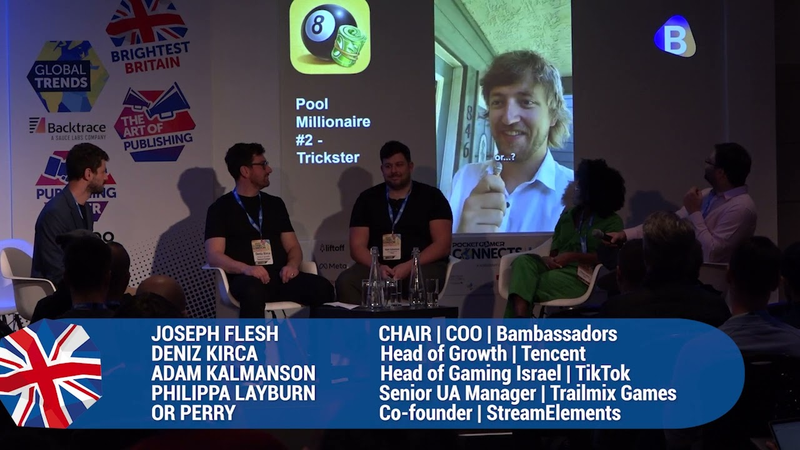
Curated Panel: Working With Creators at Scale: UGC for Paid User Acquisition
User-generated content has emerged as a critical strategy for mobile gaming studios seeking to optimize paid user acquisition.
- Scaling UGC for user acquisition requires a blended strategy that combines high-profile creators for brand equity with a broad network of long-tail creators to drive measurable return on ad spend.
- Studios should implement a hypothesis-driven framework that tests specific creative variables, such as pacing, visual style, and call-to-action placement, to isolate and optimize performance drivers.
- Authentic, native-feeling content outperforms highly polished traditional advertisements by bridging the gap between brand marketing and performance metrics, ultimately lowering customer acquisition costs.
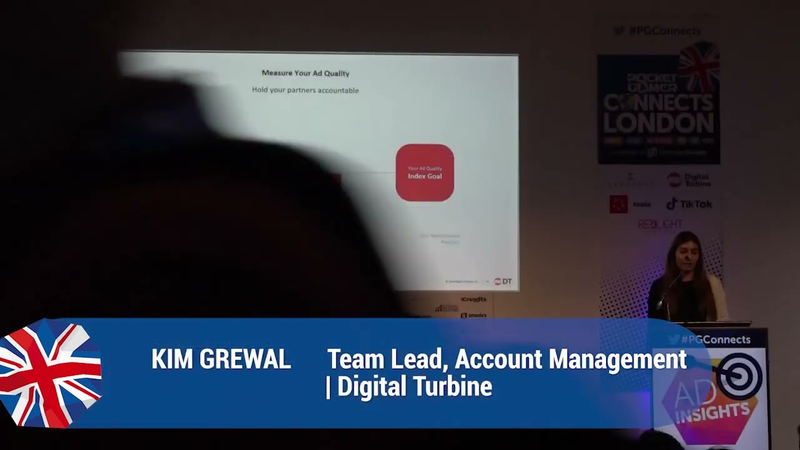
Keynote: WTF Is AQI Ad Quality Index - Kim Grewal, Digital Turbine.
The Ad Quality Index (AQI) serves as a critical metric for mobile game developers to evaluate how advertising experiences influence player retention and long-term revenue.
- The Ad Quality Index (AQI) is calculated by dividing the number of users who exit a game during or immediately after an ad by the total number of users exposed to that ad.
- Developers can isolate financial losses caused by poor ad quality by comparing the ARPDAU of user cohorts before and after exposure to specific ad networks.
- High fill rates and eCPMs often mask hidden revenue losses caused by user attrition, making AQI a necessary metric to balance short-term gains with long-term retention.
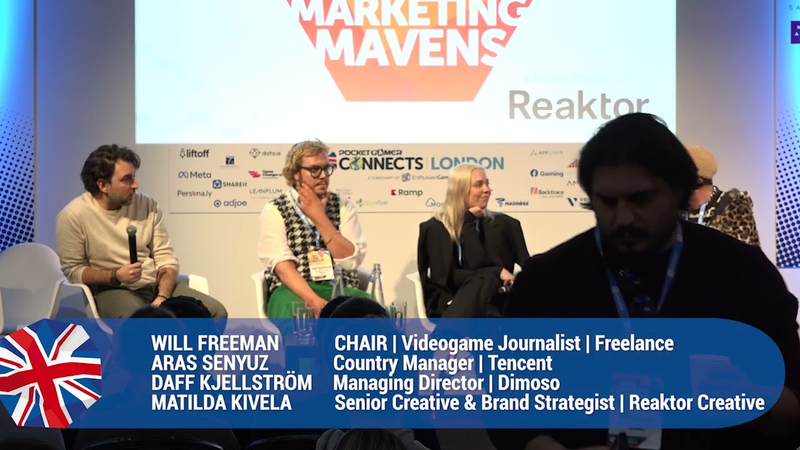
Panel: Accessible Marketing: How to Promote Growth With any Budget
This panel discussion explores strategies for effective game marketing within constrained budgets, emphasizing that financial limitations can be overcome through creativity, authenticity, and strategic planning.
- Integrate marketing into the game development process from the outset to establish a clear brand identity and prevent expensive strategic pivots later.
- Prioritize community engagement as a primary, low-cost growth driver by building platforms that allow players to contribute ideas and feel like stakeholders.
- Leverage the agility of smaller studios to rapidly test multiple creative concepts and use data to identify niche audiences that larger competitors often overlook.

Keynote: Gen Z Thinks Your Brand Is Cringe - Matilda Kivela of Reaktor Creative.
The gaming and marketing industries face a significant challenge in engaging Generation Z, a demographic that currently possesses $340 billion in purchasing power and exhibits high levels of mobile game consumption.
- Gen Z possesses $340 billion in purchasing power, yet only 8% of this demographic feels that current advertising resonates with them.
- A significant 78% of Gen Z consumers believe that brands fail to align their actual business practices with their stated corporate values.
- Brands must abandon top-down communication models in favor of a collaborative framework that treats Gen Z as equal partners in the creative process.

Trailmix’s Philippa Layburn on Identifying Winning Creatives
The modern landscape of mobile game user acquisition necessitates a departure from traditional performance metrics like cost-per-install and installs-per-mille in favor of granular attention-based data.
- Prioritize the 'hook rate'—the ratio of three-second video views to total impressions—as the primary metric to objectively evaluate the effectiveness of an advertisement’s opening moments.
- Move away from traditional performance metrics like cost-per-install (CPI) and installs-per-mille (IPM) in favor of granular, attention-based data to break through stagnant testing cycles.
- Integrate user acquisition as a fundamental pillar of the game development lifecycle rather than treating it as a siloed marketing function to ensure marketing efforts align with the core player experience.
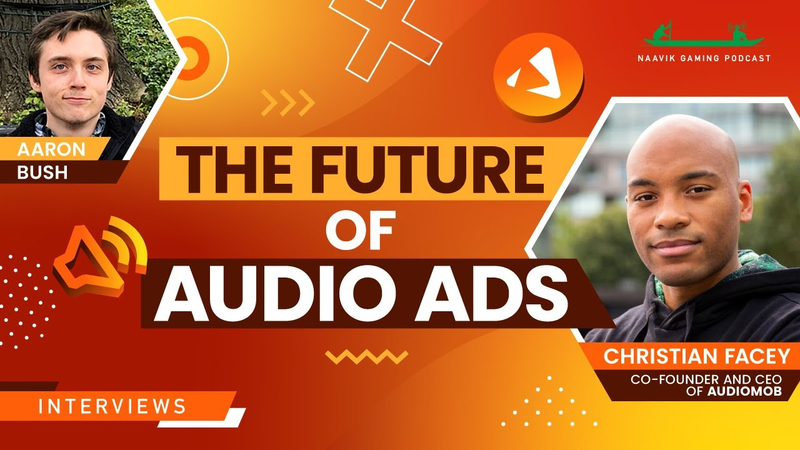
Christian Facey: The Future of In-Game Audio Ads - Naavik Gaming Podcast
In-game audio advertising represents a transformative shift in mobile monetization, offering a non-intrusive alternative to traditional video formats that frequently disrupt player immersion.
- In-game audio advertising serves as a non-intrusive monetization alternative that preserves player immersion by embedding ads into natural game environments like virtual car radios.
- The model utilizes proprietary verification systems to monitor device audio states, ensuring ads are only delivered when volume levels are sufficient for listener engagement.
- Audio advertising is resilient to privacy regulations like Apple’s App Tracking Transparency because it relies on contextual targeting rather than personal data collection.

AI Art Changing 2D Art and Concept Design Forever with Michael Shinde | 312
The rapid integration of generative artificial intelligence into the creative sector has fundamentally altered the landscape of 2D art and concept design, sparking a profound tension between technological efficiency and ethical responsibility.
- Generative AI is fundamentally shifting 2D art and concept design workflows by enabling rapid prototyping, pitch art, and marketing asset creation at unprecedented speeds.
- The current AI development model relies on non-consensual datasets containing copyrighted works, creating significant ethical and legal tension regarding intellectual property rights.
- AI remains a non-intentional tool that lacks human subjective intent, emotional depth, and the ability to perform complex tasks like precise anatomical rendering without human oversight.
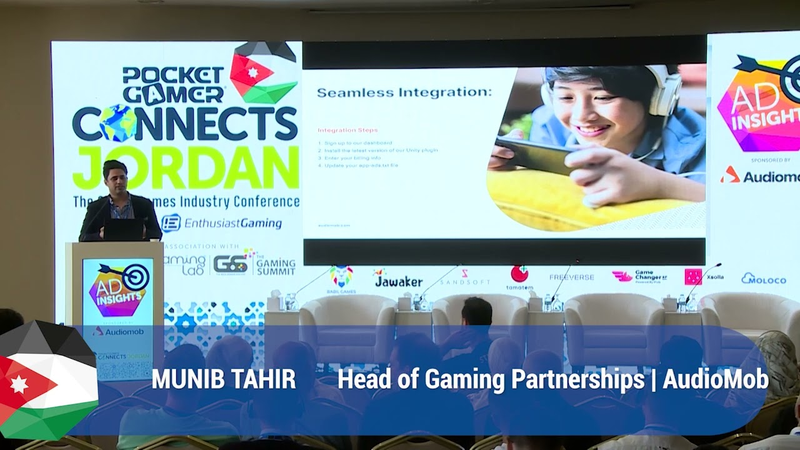
Reinvigorating In-game Monetisation With Audio Ads - Munib Tahir of AudioMob
In-game audio advertising serves as a non-intrusive, user-centric alternative to traditional video interstitial ads, which often negatively impact player retention.
- In-game audio ads provide an incremental revenue stream that avoids the negative impact on player retention often caused by traditional video interstitial ads.
- The AudioMob Unity plugin ensures non-intrusive delivery by only playing ads when device volume is at or above a 30 percent threshold.
- Integration of the audio ad technology into Unity-based games is efficient, requiring a development time of only four to ten hours.
Mobile Ad Creative Index
The mobile advertising landscape in 2023 is defined by a strategic shift toward high-performing creative formats as advertisers navigate macroeconomic pressures and evolving privacy regulations.
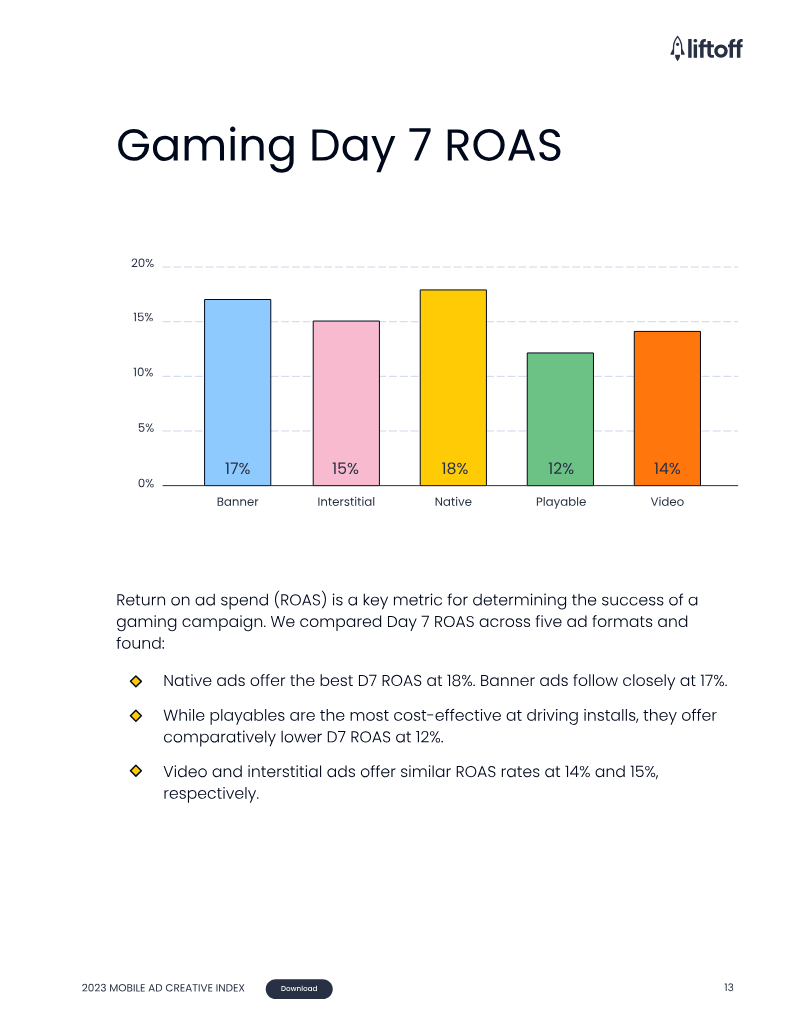
- Native ads are the most cost-effective format for gaming, achieving a $1.01 cost-per-install and an 18% Day 7 return on ad spend.
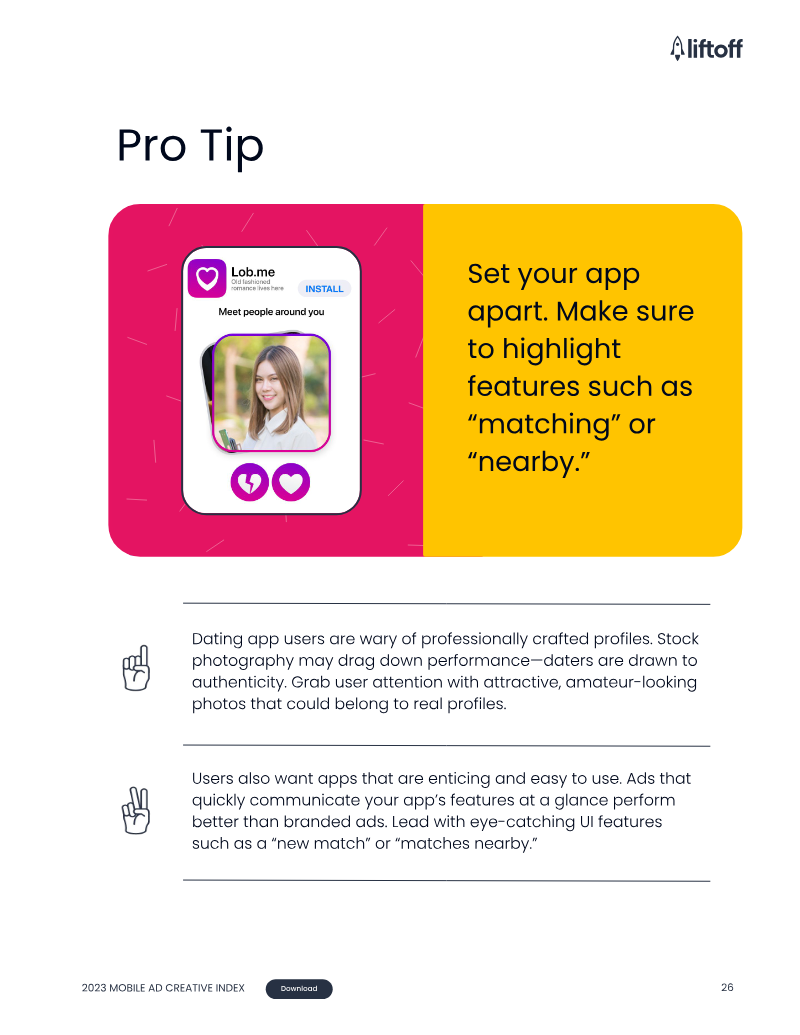
- Interstitial and video formats drive superior short-term performance for social and dating apps, yielding up to 44% Day 7 return on ad spend.
- Video ad segments ranging from 31 to 60 seconds drive 50% higher conversions compared to shorter formats by effectively showcasing complex mechanics.
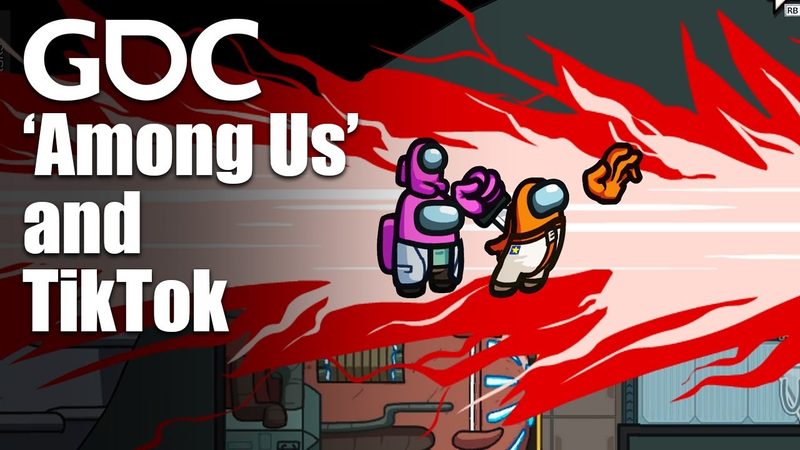
Social Media Deep Dive: 'Among Us' TikTok Strategy
A successful TikTok strategy for game developers hinges on balancing high-effort, personality-driven content with data-backed experimentation to foster long-term community loyalty.
- Prioritize sustainable community engagement and a consistent brand voice over chasing fleeting viral moments to foster long-term player loyalty.
- Maximize total views by keeping videos under 15 seconds and ensuring a strong hook within the first three seconds to trigger immediate curiosity.
- Use TikTok as a primary discovery tool for younger demographics by blending gameplay updates with culturally relevant memes and niche-interest sub-genres.
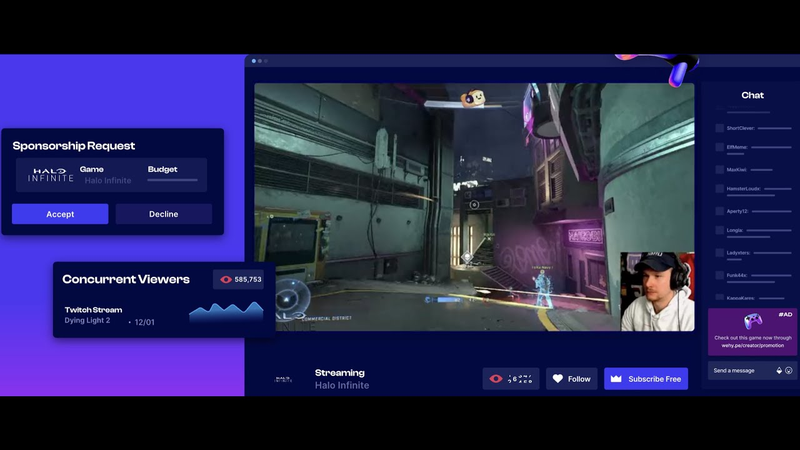
Kress’s Corner #1 Is influencer marketing hype or reality?
Influencer marketing has transitioned from a peripheral awareness tactic into a core pillar of game industry user acquisition.
- Influencer marketing has shifted from a brand awareness tactic to a core performance channel, necessitated by the decline of traditional performance marketing effectiveness following Apple’s IDFA privacy changes.
- Publishers can now treat creator partnerships as measurable performance channels by integrating mobile measurement partners to correlate social share of voice with active player counts, ROAS, and CPI.
- Niche clusters of smaller creators often outperform high-profile influencers in conversion rates and cost-efficiency due to their deeper audience intimacy and engagement.