VideoDeconstructor of Fun
Kress’s Corner #1 Is influencer marketing hype or reality?
7 Nov 202248 min video
Transcript
well welcome everyone uh this is my first interview podcast and I'm gonna call it Eric's one on one um you know I uh I'm supposed to be backfilling Mr Mishka because uh he was responsible for a lot of the interviews so I'm trying to figure out a way and a format that makes sense for me um and you know what I came down to after talking to uh a few people like Ethan except in particular was that the reason he likes doing pod uh interview podcast is he likes to talk to people or talk about two people or two companies that he doesn't understand or that he wants to understand more and so I think I'm I'm just going to leverage what he's doing and do that kind of thing these are not meant to be like you know PR fluff it's my goal basically to understand what these companies and these people do how they fit within the ecosystem itself and basically how they solve problems um and innovate in their fields um so that's going to be the focus of my one-on-one interviews now my
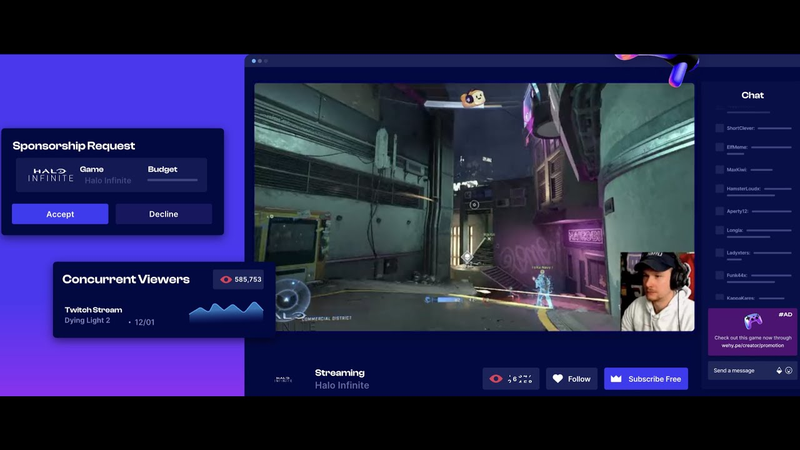
first interview slash victim is uh we hype um and you know why am I kind of interested in this well I think the current UA environment um with traditional marketing has been under attack and almost annihilated by Apple so Alternatives must be found to attract these audience um and part of that thesis is that you know Brands and IP will become more and more prevalent as going forward right whether it's existing IP or brands that we know but also new brands in gaming brands that need to be developed so my question here is how does we hype which is a a service that allows you to access the creator economy to help build Brands how does that create an alternative channel that will help build awareness and most hopefully most likely purchase some tent for those Brands nip so that's why I care that's why I'm interested so we have a robin
astrom is that how you pronounce it yes that's correct okay uh founder of we hype and they are an influencer marketing company focused on gaming and Robin has been doing this quite a long time I think most of his professional career so he is quote unquote an expert in kind of this new marketing vehicle um now of course when I was in marketing these things did not exist so I'm little bit out of my element so that's part of the reason I'm bringing here so tell us a bit about yourself and the back your background Robin yeah thank you for having me Eric and my name is is Robin from um 28 years old from Sweden running a company called we hype um and as you're mentioning we built a platform for influencer marketing in the in the gaming universe and we've been running the company now for six years and when we started this was like really in their early days of of content
creation and and quite early for influence marketing as well so so I mean um in essence what we do is that we we kind of tap into the different social media platforms um and focusing on YouTube and twitch within gaming and to kind of build an ad Network out of all of these creators so you know on on YouTube there are more than 60 million gaming channels Alone um so if you are a brand or a game publisher wanting to kind of uh work with these creators how do you know which or which groups of creators is a good fit for you and your brand that is what we're uh what we're building out so we're categorizing all of these channels based on the content they produce and based on the audiences they have and based on the performance they can drive for certain brands and games and and and then optimizing yeah for for advertisers
for that basically so what are like the primary metrics which you segment these audiences uh yeah these different things so yeah so so I mean you look at um at anything from the size of the audience to the engagement with the uncertain content categories uh down to really demographics of of those audiences and and I think that also what is um important to take note on is that in influencer marketing it's more of a contextual channel so people are interested both in following a specific Creator but also the context and the content for it so it's quite different from a lot of other advertising channels in that sense okay so like you know again part of the overall thesis here is that uh you know to build that likely going forward we're gonna have to build more mass Market games attracting like broader audiences right and and Performance Marketing is going
to have it's it's continued to have its place it's not going away anytime soon but it's gonna be far less effective like how do you think like we hype the platform itself can effectively replace or supplement like these traditional you know marketing Vehicles yeah so I mean we are seeing a few a few trenches happening one of them ask your as you're speaking about with Performance Marketing being quite heavy on on privacy hyper targeting and with the idfa and and these type of regulations coming into place they're not going to stop anytime soon it's going to to be more regulations um coming up and and and that you know the game Publishers and developers using Performance Marketing need to find other vehicles and other channels to reach out so so we come in as a supplementer um to be able um to help them Reach their audiences in a more contextual manner so I think
that's important and then other trends that we're seeing you know in general people are spending more and more time following their favorite creators on the new channels social media channels that are popping up so we are really providing a strong uh Performance Based channel to reach these audiences where they where you have their attention and where they actually spend their time um so so we see ourselves not only as a supplement but also really as the the future for how games reach Gamers I would say but now historically my experience though is that this has not been really translated all that well to mobile yet is it primarily a PC console or I mean like what games are you really focused on um or is it moving towards mobile like I know gentian impact I think was a pretty big um focus for this this type of marketing um like yeah what is your what has been
your focus and do you see mobile as a bigger part of the mix these days we also um we started 2016 that was definitely much more PC console heavy and these platforms as well if you look at twitch if you look at YouTube and the content there are on those platforms PC games are much more kind of native and organic it's really what the creators have been focusing on right um but us as this has been growing and mobile games has you know since 2016 and where we are today are much more engaging there are better graphics and and it's more entertaining to look at certain smallball games as well so that's a natural kind of shift that is happening um but it's also about um about integrating mobile games into the organic content so let's say you have a YouTube video that is 10 minutes long and there they can be speaking about anything you know it can be a vlog video
a lifestyle video but you're integrating a message for a mobile game within that content and that is something that is driving a lot of growth currently in the ecosystem so I mean it it's majorly because um twitch and YouTube it's more surf or it's been more circled around hardcore Gamers um where uh small Bargains more tapping into a casual audience and in order to reach this more casual audience you cannot work with gaming content you need to be working with like lifestyle content and other categories of content to tap into yeah this more casual audience and and and kind of now we're seeing technology enabling this type of you know um advertising formats that is needed for this to happen and and and it's also like this General shift of of mobile mobile game Publishers needing to find
alternative channels if they're going to keep up with their user acquisition needs um so yeah and I guess because people are moving more cross-platform you know with games like engine and you know others likely to follow um yeah particularly going forward then this will become part of the uh the top of the funnel on the PC to and mobile for that matter right so yeah it kind of like lends itself um so I guess the real question I have is um you know Performance Marketing on console and PC has been interesting but like can you actually measure the success of these uh campaigns like the same type of way row as you know and all those other metrics that we see like how is that kind of evolved I imagine initially it was more of just a huge top of the funnel early stage type um you know promotion but can you actually measure the success of campaigns that are on your platform
yeah so that's um that's also true that historically it's been very awareness driven top of funnel um but we're now seeing a more um sophisticated methods of measuring and you can also tap into and use the the regular mmps such as adjust and other measurement Partners just as you would be doing with your other Performance Marketing channels I think one of the big differences from regular Performance Marketing channels and influence marketing is that it's not always direct response so you're also building your brand for your IP or game as your uh you or trying to to get like a direct response or conversion or install to happen so you would need to find other ways of measuring or you cannot directly translate how you're doing this on your other channels and and be successful within influencer marketing you can attribute part of the campaigns but you
also need to look at the organic uplift then you need to look at other parameters in a combination and that's something that we're working uh quite intense to to kind of drive and to help this game developers and Publishers Define these right measurements but yes you can measure deeper down the funnel you can and we are doing campaigns that are optimizing for rawas for CPI and for lower than the funnel Matrix got it and I guess you know like traditional marketing for console PC has been somewhat um I mean the mix has changed from like TV print you know even retail to more online channels and so you've been part of that mix change for a lot of these traditional console PC space right that's kind of why why you know why it's valuable again I guess going back and I haven't really gave this enough a thought I suppose is that I think it's relatively clear that
console PC is is the these there have been successful campaigns like how do you measure that success like objectively um do you compare it to other campaigns do you I mean I guess you can't compare it to other types of spend necessarily um but like what are what are the key metrics for yours versus others platforms yeah so um one of the if you look at the PC console segment um it's again it's a lot about brand marketing and and top of the funnel awareness metrics so let's say um twitch you can measure your Shadow voice on the twitch platform in the specific genre or category so let's say it's an action game so you can look at what is the what what are your competitors share of voice and you're launching your game or doing a promotion how big piece of that pie are you kind of generating and exposing on the twitched platform and we have
seen quite strong correlations between your concurrent viewership numbers so the amount of concurrent people watching your game watching creators streaming your game and how that translates into steam active players so there's a quite close correlation often between your exposure on social media and how well the going that that is not for all games but that are for some parts of game so that is a a quite um regular way of measure measurement and the same goes on YouTube you can look at your Shadow voice on that platform in certain categories and also in certain territories so geographically and that can also be translated and into into actual active players so you're leveraging you're leveraging their analytic systems for YouTube and others to like help kind of quantify how successful you've been on your platform
on your on your campaigns basically yes yes so you look at it yeah sorry go ahead go ahead no I said that often often campaigns that run through we hype includes hundreds of of influencers content creators and one of the interesting factors is also to look at the network effect that you're generating so let's say you are full following five different YouTube channels we can identify and try to map out which audiences uh kind of overlaps on different channels and then we can specifically group a campaign to to Target channels that have an overlapping audience to generate a stronger effect um and that also can generate let's say on Twitch you you work with 100 hundreds of creators and then other creators see that they are kind of being promoting this game and they're following through and you're generating earned media that
is also being translated into actual value for the publishers you know speaking of the platforms I mean again and my ignorance is here but YouTube Facebook twitch uh I'm sure there are others that but those are the three big ones right like how do you kind of rank these platforms and and you know I mean honestly how easy are they to use or to work with frankly I mean like I can't imagine all this drama that's going on at twitch right now is can't be really good for your business but maybe not maybe maybe that helps you I don't know what what is the Dynamics I know it's not really open-ended questions but what are the Dynamics of these platforms and how are they to work with just generally yeah so first off I want to say that we're really where the creators are so as we have been building our business we we're very twitch heavy in the beginning we expanded into YouTube uh we're currently expanding into Tick Tock as well and this all these platforms have different Dynamics so twitch is more on
if you look on the audience Spectrum it's more on the hardcore segment still very PC oriented and it's also live content obviously it's really the dominating force in live content so that um what does that mean okay so switch is good for a particular type of game that is entertaining to watch for a longer period of time it also caters to a more hardcore audience you go into YouTube YouTube is really the dominating force in mvod video on demand and and like videos of of 5 10 up to 30 minutes and it's also tapping into a more casual type of audience and you can use different formats for influence marketing so you can do dedicated full videos 10 minute long sponsored video for a game but you can also as I were speaking about before tap into like a integrated segment so integrate the mobile kind of AD into a native content of like let's say 60 seconds so that
gives them a different type of opportunity for games that are not maybe super entertaining to watch but they're fun to play so so that is a good objective for that and then you have Tick Tock which is even tapping into a more hyper casual type of audience it's really the dominating force in short term um um videos obviously portrait mode so if you consider like what is my game and what type of audience do I want to reach it's quite easy to then try to map out which platforms is the best um for me and and at we have we try to kind of quantify and blend this together so that you don't have to even think about do I need to go on YouTube or on Twitch or on Tick Tock it's more about inputting this is my game and this is the audience I want to reach and these are my objectives or goals Roa CPI awareness and based out of that
information we can automatically suggest which platform and which creators would kind of Drive the best impact for your goal foreign I don't know if you can answer this question but this whole change with twitch um I mean in theory kind of moving away from these huge uh audience sorry these contributors with huge audiences to more of a smaller uh audience contributors uh because I was thinking that it's just basically the cost it just does not justify like the amount of people that are watching these streams cost them so much money that it doesn't make sense to pay them they should pay them less than not more is that you think that's a reasonable assumption or is that something you can't don't know comment on I mean I can comment on that I think it's good that they're in to try to democratize that is at least their ambition is good that
they say okay it should be fair for all creators when it comes to the revenue share and to the value share on their platform and they're trying to make great moves uh and take initiatives to help smaller streamers and creators grow on their platform whether this move of kind of reducing the revenue chart for bigger creators will actually benefit the smaller ones I don't know because a lot of audiences and people come into these platforms you due to this bigger creators and if you de-incentivize them right that might also have a negative impact for the smaller creators so again yeah you're basically reducing Their audience in theory for the entire platform could do uh yeah it's hard to say but I think that the ambition is right whether the execution is the best one or not I I don't know let me ask you more specific questions so if you take you know 100 creators that drive a million impressions or you take one
creator that drives a million impressions like from your perspective as an Advertiser or a which which group is more valuable right like very good question yeah so it's it depends on your goal so let's say if your goal is awareness you want everyone you want as many people as possible just to know about your game it might be more cost efficient to go with one big Creator uh because kind of the CPM could be lower but if you want to drive conversions installs robots and so on and we have seen much higher impact and effect going with a a bigger group of smaller creators reaching the same amount of people in the end and I think that's quite natural as well if you know if you have an audience of a thousand live viewers you cannot simply influence this thousand as well as you can if you have 10 people sitting in your live stream you can almost speak to each and
and every one of them and you can have a very high impact on we have seen with smaller creators I I remember a test we did this was in I think back in 2020 we did um we did a test with the Creator we had 50 50 live viewers for a mobile game and he managed to get 40 of them to install the game so you know what is that in terms of like conversion rates it's incredibly high so if you scale that let's say you take then 100 100 creators with 50 people each In Their audience and you apply the same conversion rates you can have a an amazing impact so I when I look into okay what is the future for for for this industry and and what are we building for it's really that it's really enabling smaller creators to be able to monetize but it's also enabling the advertisers to be much more cost efficient and effective with their
marketing so I I mean there's a lot of companies trying to do this but you really need the technology you need the kind of the Insight on these creators because there's also kind of a brand safety risk of working with as many individuals and how can you keep control and how can you verify they have done what they actually should do and so on but that is really where I think that the value lies especially for for mobile mobile games as well as they're very kind of heavy on on the performance uh of it yeah I mean yeah yeah you're right it's interesting if you were to Target 50 people get 40 Spenders right in one campaign that's like yeah super valuable and mobile even at that level but but also at scale so all right and that'd be that may be why twitch is starting I mean that was my kind of thought is that that's why twitch is kind of moving away is because they see what the value is of of smaller streamers maybe not only from
the management or the cost side but also from the potential marketing and advertising you know you know yields I suppose are they that sophisticated or is it um is that part of their calculus you think or is it more of just a cost issue yeah I I cannot really comment and I don't really know what the objective is for um for Twitch in in that sense but again I think that their ambition and they're speaking about like wanting to do good for the entirety of their community and not only the bigger creators um but what the end play is and and so on I I don't really know yeah I just yeah I don't I don't buy that I mean I just don't buy that at all with that I think it it's got to be a dollars and cents issue either on the top line or the bottom line one of the two maybe a combination of both but but you know me I'm more cynical about those sorts of things
um speaking of cynical um I I imagine that on the on the one side like working with these providers like uh YouTube and twitch and um and and Facebook Etc whatever they must be relatively sophisticated in terms of ease uh you know but I imagine that the creators are the worst right I mean the Creator's got to be half morons right how is it working with these guys in terms of getting them to do what you need them to do because I imagine a lot of your Brands and companies do not want idiots on YouTube or Tick Tock you know cursing or you know nudity or lewdness or whatever and so like how do you keep these creators under control so that they don't damage the brands that they're trying to support um and maybe I'm characterizing these influencers a little bit harshly but I I see them all the time I watch my daughter watch these morons talking about games all the time like how do you keep them in check like how do you work
with those creators uh to keep keep that stuff in line yeah so these are um we have to remember that it's on YouTube a lot of more than 60 million creators so it's a huge industry uh and um the vast majority of the creators we work with are great individuals creative individuals um they need support obviously that's why we're building tools and we have teams supporting on campaigns that we're running um but but in in general um first of all you have kind of the filter of the twitch policy the YouTube policies restricting what you can do and what you cannot do but I think that more importantly we need to remind ourselves what this really is so it's supposed to be authentic content influencer Marketing in its core is about authenticity and that's why we always
remind Our Brands that giving like an instruction sheet of saying x y and z that is not what's going to give you the best results these people know their audiences the best and they should be able to speak to their audiences in their own language that's not to say that they should do something that is unappropriate we're never advising on that but but I think that advertisers need to rethink um on the control level of control they can have on other channels and the level of control if they want to keep that level of control that will degrade the results and performance that you're getting out of influencer Marketing the best influencer marketing campaigns in companies they are bold but they're also of course clear on which creators they want to work with what type of filters and how they can kind of identify these creators um of course that is yeah so okay all right so how does the nuts and bolts of
this work so for instance so if I want to do a campaign with you and I want to access a certain demographic of Creator demographic of audience that they reach and you put together this mix of creators across different platforms do I have like veto controlled like I I don't want anything to do with Pewdiepie or whatever like you know that dude right that guy's an idiot and he doesn't represent my brand so I don't he's out right is that do they have that kind of control or is that something you obviously wouldn't recommend in theory for them to like individually uh cancel people but uh like how does that work yeah it's a great question so um it's it's really a mix and it depends on your preferences but it also depends on your goal so let's say if you say I want to optimize for OAS but I also want control on saying I don't want to work with PewDiePie and I don't want to work with this Creator and that Creator but what if those creators is the ones that will generate the best impact and the
best performance those do not really go hand in hand so so you can have certain brand safety filters and certain kind of parameters that you want to Target on but that also limits your ability to optimize for certain goals so most of the time let's say you're in for you want to have brand preference and awareness that's your goal okay you can have quite good control on which creators to work with but if you want to maximize on the lower deeper down the funnel metrics um it's more about our intelligence in the platform and data we have to be able to go out and find not only individual creators but clusters of creators that can generate the best impact for on on your goals so um so yeah okay all right I got you so what is the kind of a mix that you are
recommending from a I mean I know it depends on the product right but like um let's say I have I'm trying to think of a good example you know I have a new survival shooter coming out um and do you make some kind of assumption on what demographic you should be approaching and then you build a mix between the different platforms and the different creators like how the mechanics of that actually work yeah yeah so it's a very good question so if um let's say it's uh it's a survival game and we're inputting that into into our platform and then we can automatically generate and see which creators have let's say in the past 90 days been creating content with successful engagement and other metrics for that type of game so similar games to the one that you're launching so for a second stop for a second there so where are those metrics coming from are those coming from the platform holders themselves yeah or do you get do you get actually that data yeah sent to you like
proprietary data from yeah so so we get we get data from from apis from twitch from YouTube and other platforms I mean combining that data and then we also have proprietary technology to be able to find let's say we have a match on one Creator we can we can analyze that channel and we could go out and find siblings look-alike channels for that channel kind of scale that so so that's how in in in in in very short we're able to identify channels that it should be a good fit for your game because we see that they have produced successful successfully content for similar eyepiece or titles in the near past um so that's a kind of a good prediction then right and so the second question do you have actually direct relationships with these creators or are you just leveraging the apis from the platforms no we have so this is also a very I mean there are I think that when we looked at this there are more than a thousand
influencer marketing platforms and most are like consider intelligence platforms so you can identify creators but do they really have access to these creators if you click the bottom I want to work with Creator X Y or Z do you really get access to that creature in many cases unfortunately not so that's something that we've been working uh super hard on on actually building out a network Creator kind of AD Network where we have direct access to these creators so it's kind of a a community that we can actually activate a lot of campaigns we do have a turnaround time of only one week sometimes it's only 72 or 48 hours until get to get something going wait a minute I mean people are building campaigns in 48 hours yeah that doesn't seem very uh traditional publishing they're planning like 12
months in advance usually yeah right yeah interesting so you you would be surprised that I am in in a lot of cases even though you're planning for maybe 24 months in advance because you know the IP is being launched and and you're iterating on your different marketing plans a lot of things happen um just days before the launch and also once you launch you need to be very fast on identifying how it's being picked up by creators and how you can kind of Leverage that initial data that you get to be able to fast kind of maybe add in a new bunch of of creators so reaching a new audience quite early on in in the launch of your game to to be successful and also the Dynamics of the Creator economy I imagine is that there's they come and go right you know one minute they're like the top of the Heap and the next they say some something sexist or racist and they're canceled so therefore you know you got to move on to the next
one right um it happens um of course but I think this is also quite interesting way to look at the different platforms so uh we've been looking very closely at Tick Tock for a long period of time and Tick Tock is is a lot about following if you're a consumer or you're an actual Watcher on Tick Tock you're you're tapping into Trends and you're following content you're also following creators but not uh to the same extent that you're doing on Twitch so that is also quite interesting that on Tick Tock you can very fast become a famous Creator but it's quite hard to build fandom out of the audiences that you manage to build out whereas on Twitch we see much more smaller but highly engaged communities that might stay with that creators for you know five years each and every day they go in and they watch that live stream together maybe a hundred other people every day so you
have extremely high engagement towards the Creator on that place right so I guess the one the one thing that kind of concerns me about this type of marketing channel it feels like a kind of a hype train going into launch right so you you support launches by building up the hype week before launch maybe a week after launch but after that like what exactly does the influencer marketing channel provide for these games are now becoming software as a service they're no longer just about the launch anymore right not not all games obviously so you they still that you can still serve that function for some of these like AAA action games but for most games that are more software as a service how do they what's the long-term value of the the for the publisher um to continue to engage the consumer with these influencers yeah so this is something that we are seeing or if you compare it to other marketing channels actually influence
marketing has a unique edge here so so you can really use it and leverage it to build communities in the long term and that's so so you do something for launch but we are seeing that that Publishers now start to do activities even long long before launch you can do offline testing with creators you can try to get the intelligence around how entertaining is actually your game for creators to create content for you do things ramping up to the launch and then after launch you build out communities with this Creator so there are different incentive models now maybe you're not paying to do one video or one live stream rather you're maybe sharing part of the revenue of in-gay in-game items that the creators are driving Revenue together with their audiences or other ways of of of doing that so so it's really the best influence marketing is the best tool for post launch activities
to build communities and to reactivate and drive eligibility private attention so give me some examples of of that because what I've seen is things like gentian you know Apex valorant those are the ones that seem to be successful is yeah but then I I look at valheim and which is a disaster right and and you know they did great influencer marketing at launch but it fell off a cliff now obviously that's not influencer marketing problem that's more of a Content problem probably for valheim in particular but give me some great examples of of success stories and then some some some you know games that didn't do well with the with this channel that you might or may or may not have I think that you're mentioning a very important thing and that is that you cannot simply use only creators to build communities and to to drive retention you also need to add new content to the game and you have to do both if you do both successfully you add new citizens new DLCs updates content and you work
with creators um to activate that content um that's when you're really successful so you cannot do only one and lack the other if you have a very strong IP in game a lot of creators will just create content without you having to engage too much with them um and I mean I don't want to go into detail of of that game being very successful or adapt not spinning it happens all the time and some games it they're also like more premium games and they're not very entertaining to watch on a live stream or on a YouTube video so they're not a maybe really they shouldn't really tap into using creators in the long run whereas certain typists as you're mentioning Apex we've been working a lot with Electronic Arts around like launching New Seasons and working with creators and specifically reactivating creators that have churned
so certain creators they stop maybe they go over to a competitive title maybe they start playing fortnite or or you know battle around or something those you can specifically Target and fight through data and reactivate once you have new content coming up and so on um so so I mean again you need both you need new content constantly coming out so it's interesting for for the people playing playing wanting to play the game and stream the game and you also need to work actively with building a community of creatives and incentivizing these creators so that they have some reason to play your game rather than all of the other it's a very competitive space so all of the other games are constantly launching constantly doing things um what what are the kind of limitations then on cons on influencer marketing like what doesn't it do that other channels will do yeah so it's
it's harder if you don't have a great product or a great game it's harder to use influencer marketing because again it's authentic and you can totally bad wait hold on it's gonna totally backfire on you right because if your game is then they're gonna say so right and the creators won't pick up the game if it's not good so we see some games that have difficulties even though they want to put in big budgets and they want to you know really work with creators creators won't do it because they care about their audience more than they care about the short-term cash that they can get so if you don't have a game that is great it's much harder whereas other channels you can put in as much marketing spend as you want to because the channel won't say no they would take the money but the creators won't so I think that's a big difference that's actually really interesting because yeah the product fit is even more critical with influencers
than any other channel right because no one cares you can put anything on the Super Bowl no one cares like they may not pay attention they not care but they're not gonna bad mouth it they say I don't like it if it's not interested in them that's a good that's a really good point so you have to manage that pretty closely manage expectations as well right yeah do you have do you play the games yourself do you like do you have people that kind of okay all the time I'm speaking with go ahead go ahead sir yeah we played the game games we do again offline testing with creators to test out what type of creators will actually enjoy this what type of messaging should we have when inviting these creators into the campaign so you need to do a cell to get the creators on board unless you have a very you know anticipated title and that is coming out then all creators want to get on board you need to do a little bit of selling um towards different clusters of of creators in order to be successful in actually getting them on board
um how how is your company set up then if I mean are there like uh like like brand no I'm trying to think customer managers for each of these different customers or product managers for different products so that you're finding the right fit between the uh the publisher as well and the influencer yeah so that doesn't work and most of it is done through uh technology and intelligence when when looking at matching the right games with the right creators so that is again it's crucial to have that fit right to be successful but then we also have a creative success team and these are people that are excreters themselves they really understand on a deep level how you engage with creators and how you're being successful so that's also one of the interesting Parts is that to be successful you need the right technology insight and data but you also need the right people and expertise to speak to these creators on their language I
imagine you're not hiring any 51 year olds there right like you would never hire me to be a influencer engager or whatever the hell you call them right like young kids I mean Maybe not maybe not today but this has been I I've been in this industry for 12 years and it's now starting to mature much more um so we are seeing I mean there's a lot of creators that are in the 35s 40s and and this will you know in 10 years they will be in the 50s and in the 60s so it's it will yeah change yeah you think no I I what I think is that you're going to age out right and so no one's going to want to talk to you because you're going to be too old so you're gonna have to move on no or hire people below that can stay relevant with this group of kids you know I don't know what do I know um let's see oh you know like what is what is like the long-term Vision like what is the kind of where do you see the company moving to to three to five years
not like the results you know selling yourself or whatever but like what can we expect from the space in terms of evolution um over time yeah so I mean Creator gaming is is really the future of entertainment you you see everything blending together with you know movies and TV series becoming games and vice versa and and it's really driving the future of entertainment and then you have creators which is really the future of midday it's where people tend to spend more and more of their time so in that intersection you have something very interesting and and we are very focused on kind of building the infrastructure and incentive layer so that these two parties the game makers the game Publishers and developers and the content creators can exchange value in a way that is natural and and in a way that is beneficial for both both
parties and we're also seeing more and more um kind of collab dripping driven efforts in which creators their own IPS and their brands are getting integrated into games and creators are building experience answers within this game such as roadblocks it's huge there are a lot of creators that build their own worlds and experiences within Roblox create content for that and that is great value for Roblox but it's also great value for the creators being able to kind of Leverage The Mechanics and building blocks of roadblocks so so we are very excited to kind of facilitate that connection and building the incentive layer so that these two parties can can collaborate seamlessly very cool I uh I feel like I've learned actually quite a bit about this type of thing I am constantly amazed at how uh engaged you know my my you know anecdotally my kids are with this
economy particularly my daughter so um it seems like a very worthwhile channel uh to pursue um and it seems like everyone's kind of going that direction how it moves to mobile is going to be interesting um the games that are specifically mobile I can see Tick Tock as being a pretty big Channel potentially because yeah it's immediate uh push to the store but uh that's interesting so the final question I'm gonna try to ask this to all my interviewees if I keep doing this um is uh like in what way does you think your product service helps solve a problem or innovate within the interactive industry yeah so it's a good question and for us um we know that all the the macros difference are pointing the direction of peop people spending more time on social media following their favorite creators so it will be inevitable for advertisers and game makers that they need to work
with creators in order to reach their audiences but the the big problem is that there are millions and millions of creators and it's really currently a bit of a hit and miss if you're trying to do it yourselves how can you really ensure that creators you're working with will show up will do it in the right way we'll actually drive performance and value for your brand so we're solving that problem so that when you go to rehab you can actually trust that you can optimize for a certain kpis and measurements you can actually trust that there will be a level of brand safety and you can actually trust that you know you can actually be able to to kind of execute the campaign the way that you want to so I think that's that's the the big the big question is not whether this will be the future or not it's already
here and it's growing massively um the question is like which company will be able to provide and package this as an ad channel that is trustable that is scalable and they can actually drive good performance yeah very good so how can they reach out to you and uh get more information about we hype yeah so you can reach out on on LinkedIn at we hype or or you can PM me directly at Robin Ostrom or going to our website which is rehab.com all right thank you so much Robin for being my first guest and victim um uh hopefully we'll do some more of these but thanks a lot for uh coming and talking with me thank you for having me Eric [Music]
Auto-generated captions from YouTube — names and numbers may be misheard.



















Comments