Creative Ads reports and market data
Documents
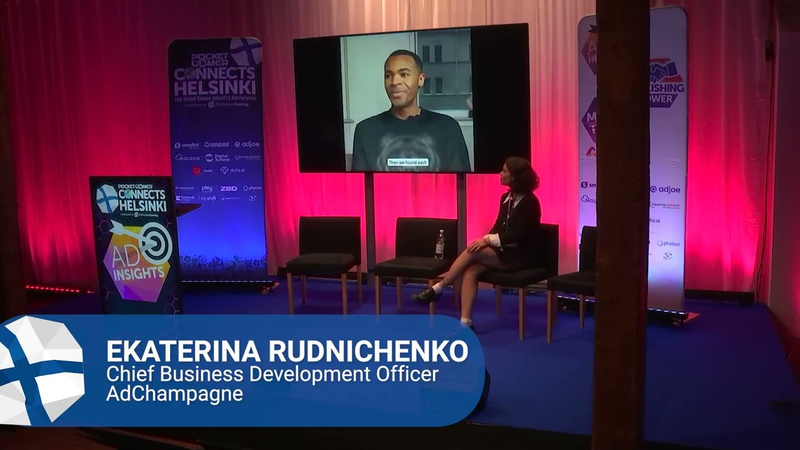
Bet on Psychology How to Leverage Player Behavior in Ads - Ekaterina Rudnichenko, AdChampagne.
Effective mobile game advertising requires shifting focus from traditional demographic targeting—such as age, gender, or geography—toward the psychological motivations and emotional drivers of the player base.
- Shift mobile advertising focus from traditional demographics to psychological motivations based on Richard Bartle’s player types: Killers, Achievers, Socializers, and Explorers.
- Tailor creative assets to specific psychotypes: use competitive showdowns for Killers, progression visuals for Achievers, community-focused content for Socializers, and narrative discovery for Explorers.
- Implement a disciplined testing methodology by launching approximately ten creative hypotheses simultaneously, as typically only three or four will yield successful performance results.
Deadly Sins of Trailer Making: how to avoid some of the most costly mistakes in videogames marketing
Video game trailers serve as critical drivers for store page traffic and conversion, yet their efficacy is frequently undermined by internal compromises and vanity-driven production choices.
- The primary purpose of a trailer is to drive a purchase decision, not to summarize the game; the goal is to get the viewer to stop watching and click the 'purchase' button as quickly as possible.
- The first 10 seconds of a trailer are critical, as viewer attention drops off rapidly; developers should test multiple versions of this opening segment, including versions without sound, to ensure it captures interest immediately.
- Effective creative briefs should include platform-specific requirements like square and vertical aspect ratios, and utilize text plates to explain game mechanics that cannot be clearly conveyed through visuals alone.
Alex Brodsky - Avoiding Common Mistakes in building a Gaming Brand
In a saturated global gaming market where over 11,000 titles launch annually on platforms like Steam, the transition from viewing a game as a mere product to cultivating it as a distinct brand is essential for survival.
- With over 11,000 titles launching annually on Steam, developers must transition from viewing games as simple products to cultivating them as distinct brands to survive in a saturated market.
- Building a brand identity creates emotional resonance that fosters long-term player retention, which performance marketing alone cannot achieve.
- Developers should establish a consistent brand personality, including a clear tone of voice and unique value proposition, as early as the pre-alpha stage.
The best influencer marketing practices and the most common mistakes you can make
Influencer marketing has evolved into a cornerstone of modern game promotion, with industry spending now reaching $16.4 billion and many developers allocating over 40 percent of their budgets to this channel.
- Influencer marketing has become a primary promotional channel, with industry spending reaching $16.4 billion and many developers dedicating over 40 percent of their total budgets to this area.
- Success relies on moving away from vanity metrics like follower counts in favor of data-driven analysis using tools such as TwitchTracker and SullyGnome to evaluate concurrent viewership and historical gameplay.
- Developers should prioritize authentic, long-term partnerships over transactional relationships by engaging directly with creator communities through channels like Discord.

How to write a good prompt to generate assets for a mobile game?
Effective asset generation for mobile games relies on a structured approach to prompting that prioritizes the subject, followed by context, environmental details, artistic style, and lighting.
- Effective asset generation requires a structured prompt hierarchy: prioritize the subject first, followed by context, environmental details, artistic style, and lighting.
- Developers can maintain stylistic consistency across game assets by utilizing image-to-image generation, which allows existing assets to serve as reference points.
- PicFinder has generated over 190 million images in its first six months, functioning as a high-speed search engine for rapid prototyping and brainstorming.
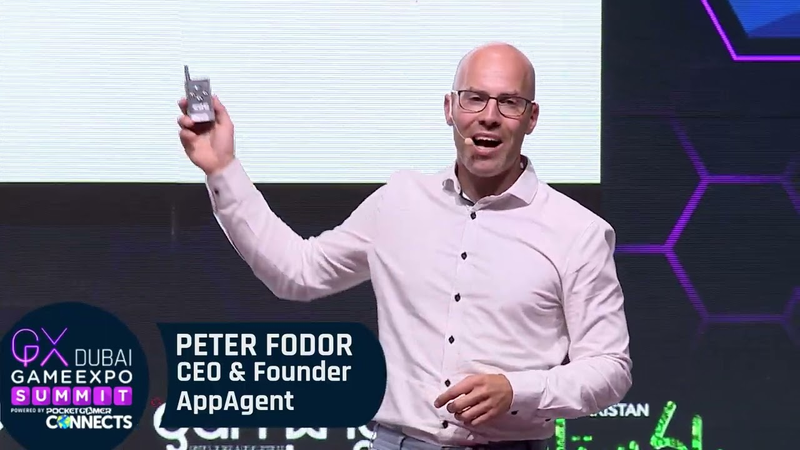
Practical Use Cases of AI in Marketing Communication - Peter Fodor, CEO & Founder, AppAgent
The integration of artificial intelligence into marketing communication serves as a powerful catalyst for operational efficiency and creative output within the mobile gaming industry.
- AI integration in mobile marketing enables teams to reduce production timelines from days to hours by automating the creation of high-volume creative assets.
- Midjourney and DALL-E are used to generate initial design concepts, icons, and backgrounds, which are then refined by human designers to ensure brand and technical standards.
- Stable Diffusion is applied to sharpen low-resolution gameplay footage and adjust character portrait realism, allowing for high-quality visuals even when source assets are limited.
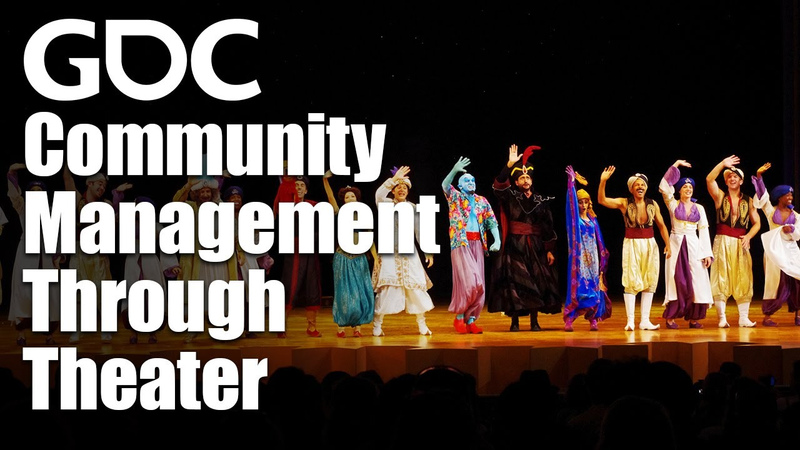
Play With Your Audience: Enhancing Your Social Strategy Through Theater
The primary objective of this strategy is to enhance game community engagement and brand awareness by utilizing theatrical performance techniques to develop a character-driven social media presence.
- Treating a brand voice as a character rather than a corporate entity fosters more authentic and playful community engagement, particularly for indie titles and narrative-driven games.
- Applying theatrical principles like the improvisational 'yes, and' technique and defined personality pillars allows community managers to build a consistent, approachable brand persona.
- Successful implementations, such as the Bear and Breakfast Twitter account and the Spamton Sweepstakes charity event, have demonstrated engagement rates and follower growth that significantly exceed standard industry benchmarks.
MAU live 2023 - Growths Gems, Creative testing processes, UA for apps vs games!
The digital landscape for user acquisition and monetization is defined by a convergence of strategies between gaming and subscription-based applications.
- Creative strategy is the primary driver of sustainable user acquisition, with visual elements consistently outperforming text-based copy in engagement.
- Subscription-based apps should integrate ad revenue only after reaching a daily active user base of 30,000 to 50,000 and ensuring core subscription funnels are fully optimized.
- To mitigate creative fatigue, teams should monitor performance over 14-day cycles and introduce new assets once a frequency threshold of five is reached.
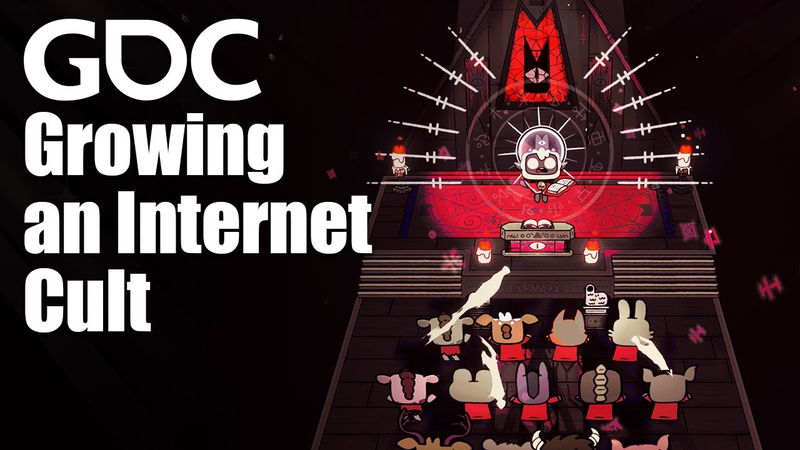
Growing an Internet Cult: 'Cult of the Lamb's' Social Strategy
The success of Cult of the Lamb demonstrates that effective game marketing is fundamentally rooted in the creation of a high-quality, distinct product rather than reliance on traditional advertising.
- Marketing success is driven by a distinct visual identity and core gameplay mechanics that foster organic engagement rather than reliance on traditional advertising or SEO.
- A three-step content strategy—grabbing attention, converting interest, and rewarding emotional responses—is required to maximize visibility and drive commercial metrics like Steam wishlists.
- Platform-native content on TikTok should prioritize likes and favorites, as these metrics are the primary drivers of algorithmic reach.
The Golden Rule of Game Promotion: No One Cares About Your Game
The fundamental challenge for independent game developers is overcoming the inherent lack of audience awareness that plagues new titles.
- Assume total public indifference toward your game and focus exclusively on capturing the attention of cold audiences who have no prior knowledge of your project.
- Prioritize front-loading promotional content by ensuring trailers and social posts deliver a compelling hook within the first few seconds to minimize viewer attrition.
- Treat every piece of communication as a standalone introduction, avoiding the assumption that the audience has seen previous updates or possesses existing context.

Creadit's Luis Leon On Generating Impressive Creatives Without Breaking The Bank
Creative production in the gaming industry has shifted from high-budget, traditional studio output to a performance-driven model that prioritizes strategic iteration and audience engagement.
- Creative production has shifted from high-budget studio output to a performance-driven model where partners act as strategic advisors to align assets with specific platform requirements.
- Efficiency is maximized through a modular strategy that repurposes a single master asset into multiple variations, allowing for high-volume A/B testing without increasing production costs.
- Raw, mobile-shot, ephemeral content often outperforms highly polished traditional advertisements because it appears more authentic to users on platforms like TikTok.
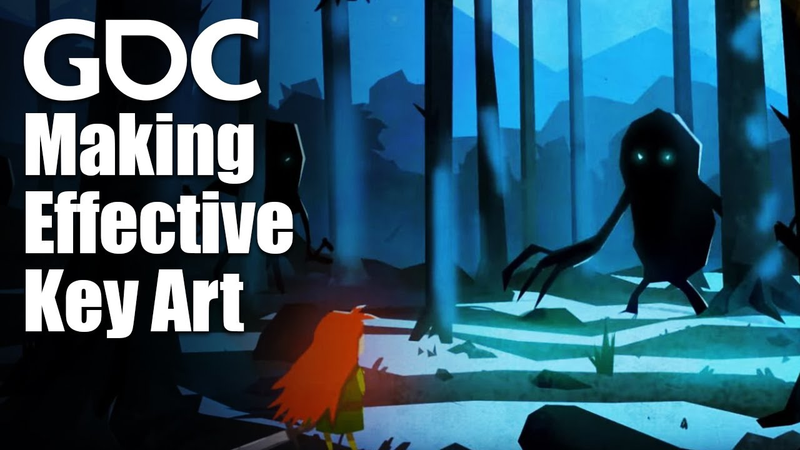
How Great Key Art Can Lead to Doubling Marketing Numbers
High-quality key art serves as the primary visual anchor for video games, functioning as a digital billboard that dictates store visibility, click-through rates, and overall conversion success.
- High-quality key art acts as a primary conversion catalyst, with case studies showing that updating store assets can lead to a doubling of visitor and wishlist numbers.
- Trailers using custom key art thumbnails can achieve significantly higher engagement, as evidenced by a specific trailer that garnered nearly 500,000 views—three times the volume of a version using a generic thumbnail.
- Effective key art should maintain a clear focal point, limit graphical elements to two or three, and ensure the logo is legible and not locked to a single position to allow for easier resizing across different store formats.