Market Analysis
Report
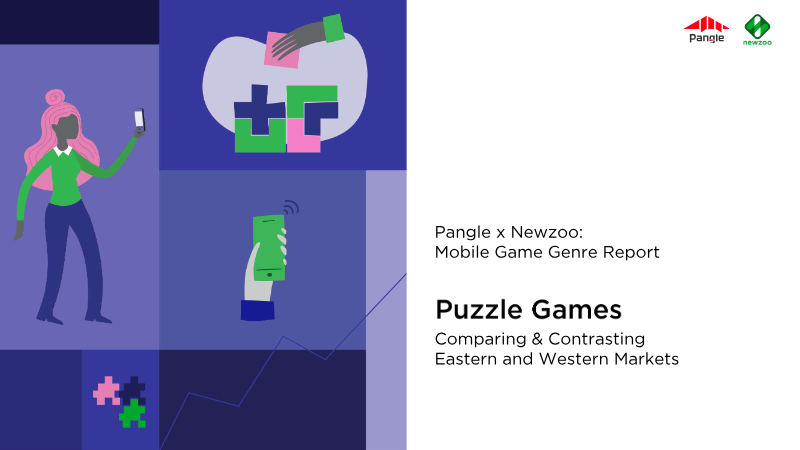
Mobile Game Genre Report: Puzzle Games
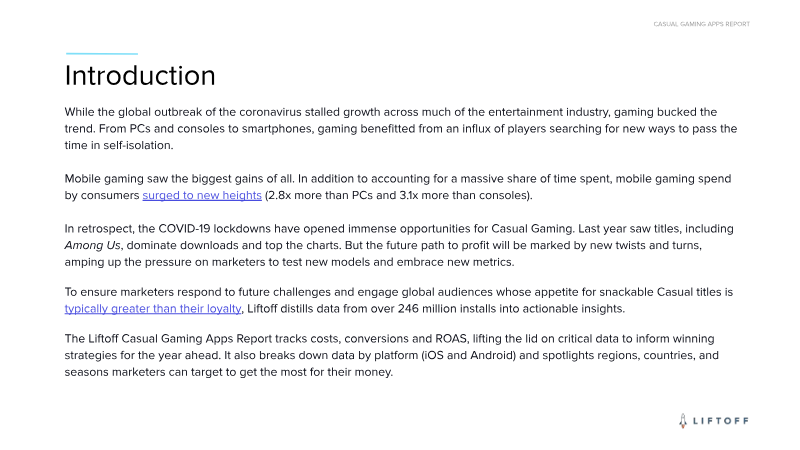
This analysis examines the mobile puzzle game market, contrasting dynamics between Western and Eastern regions with a focus on the United States, United Kingdom, Japan, and South Korea. In 2021, mobile emerged as the primary gaming platform globally, with puzzle games representing a significant 8% of total mobile game revenues, totaling $6.9 billion in 2020. The United States leads as the largest market for the genre ($2.0 billion), followed by Japan ($1.2 billion) and China ($0.9 billion). While puzzle games are the most popular genre across all surveyed markets, regional player behaviors and monetization preferences vary significantly. In the West, players favor casual experiences and show a higher tolerance for in-app advertising (IAA). Conversely, Eastern markets, particularly Japan, demonstrate a higher propensity for in-app purchases (IAP) and deeper engagement with character collection, progression mechanics, and "gacha" systems. Demographically, puzzle gamers worldwide skew female and hold mid-to-high incomes, though players in the East tend to be younger and more highly educated than their Western counterparts. The findings highlight a shift toward hybrid monetization models that combine IAP, IAA, and subscription-based "Battle Passes." While classic Match-3 remains the dominant subgenre, developers are increasingly integrating "meta" elements such as narrative, decoration, and RPG mechanics to drive retention. Successful global expansion requires localized user acquisition strategies; for instance, Japanese players respond better to longer intervals between ads and collaborative events with popular anime IPs, whereas U.S. marketing often benefits from performance-based ads and localized creative content. The data suggests that while the core appeal of puzzle solving is universal, long-term commercial success depends on tailoring the in-game economy and social engagement tools to specific regional expectations.
Newzoo & PangleAug 2021
Report
Casual Puzzle Category Review 2021
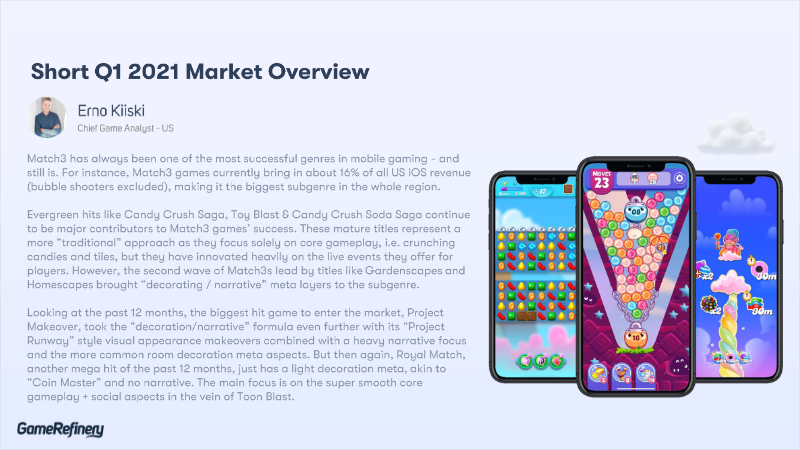
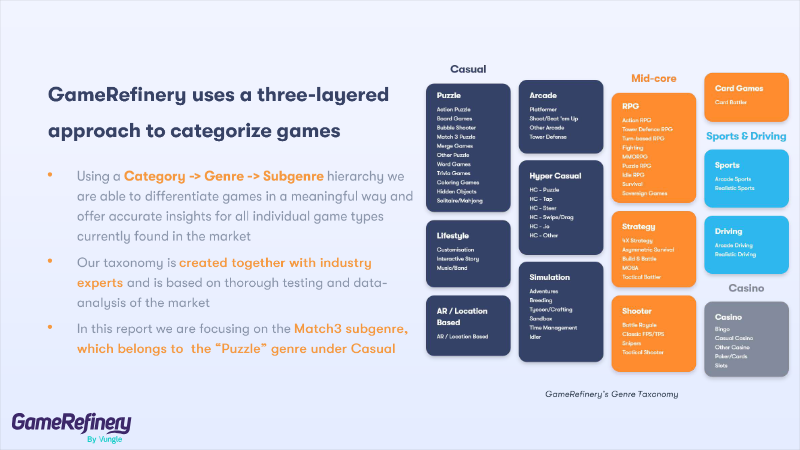
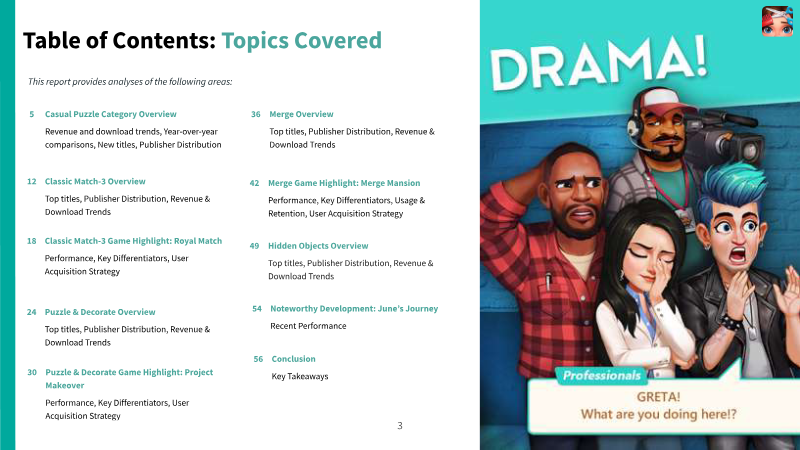
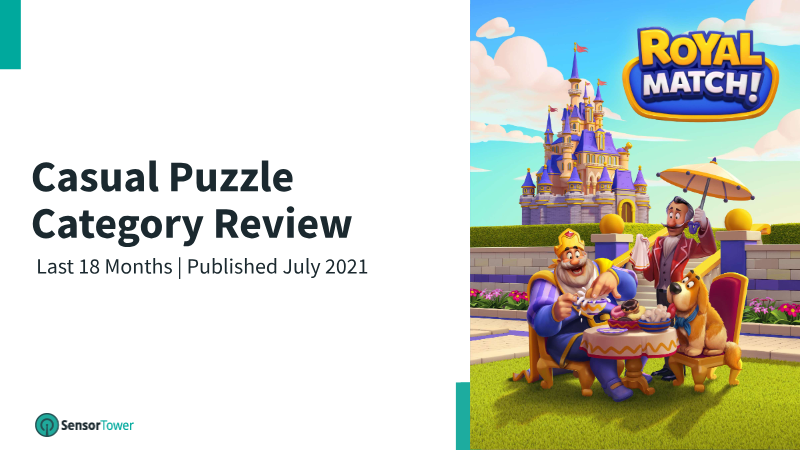
The casual puzzle market experienced a period of significant expansion and structural transformation between 2020 and mid-2021, characterized by a 17% increase in monthly revenue and a surge in successful new releases. While legacy giants like Activision Blizzard and Playrix maintain a combined 58% revenue share, the competitive landscape is shifting as the Puzzle & Decorate sub-genre surpasses Classic Match-3 as the industry’s primary revenue driver. This evolution is defined by the rise of titles like Project Makeover and Royal Match, which have successfully disrupted established hierarchies through superior Day-1 retention rates and the integration of narrative-driven 3D customization and fluid gameplay mechanics. The Merge sub-genre represents the most aggressive growth area, posting a 498% four-year compound annual growth rate. This segment’s 44% revenue increase over 18 months was largely propelled by Merge Mansion and EverMerge, which utilized innovative "merge-2" mechanics and substantial user acquisition investments to erode the market share of previous leaders like Zynga. Despite this volatility, the Puzzle & Decorate segment remains highly consolidated, with Playrix and AppLovin controlling 88% of total downloads and revenue, illustrating the high barrier to entry for sustained market dominance. In contrast to the rapid fluctuations of the Merge and Match-3 segments, the Hidden Objects category maintains a steady 13% four-year growth rate, dominated by June’s Journey. This title accounts for over half of the sub-genre's revenue despite a disproportionately low download share, highlighting the high monetization potential of its core audience. Across all casual puzzle segments, the most successful titles are increasingly those that integrate sophisticated decoration metas and narrative episodes, suggesting that future market leadership depends on blending traditional puzzle mechanics with deep, meta-driven player engagement.
Sensor TowerJul 2021