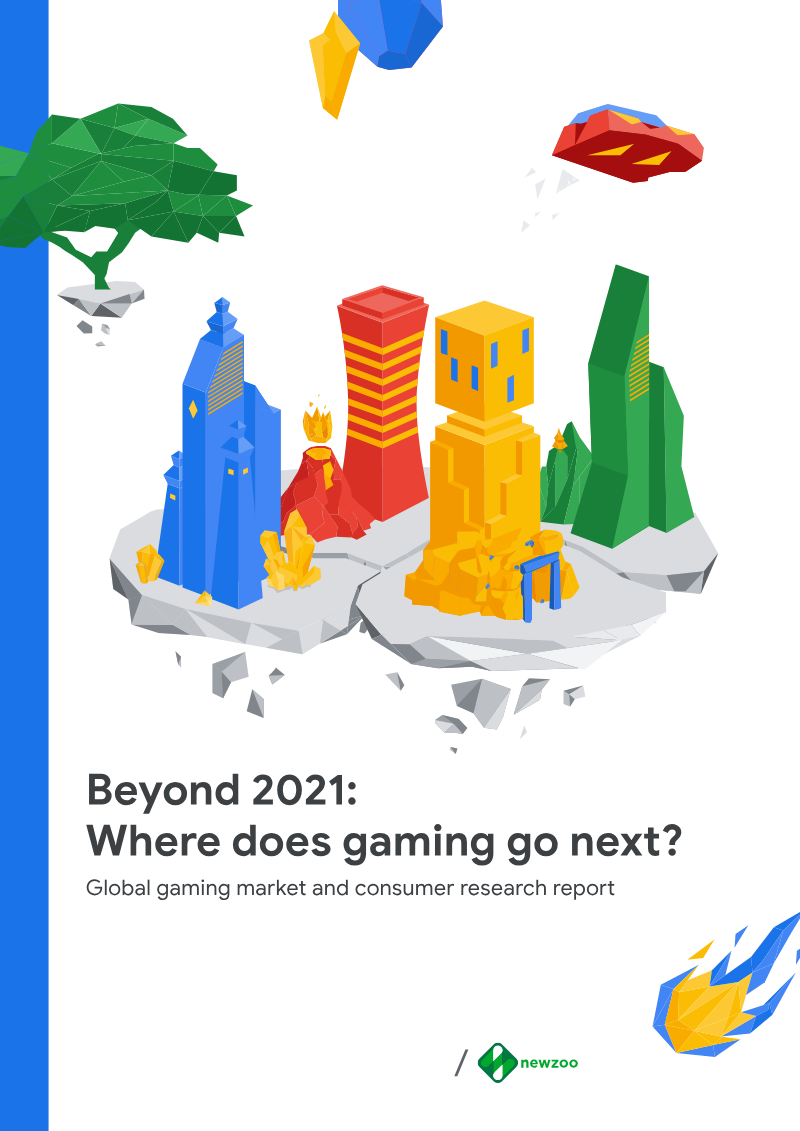
The global games market experienced unprecedented acceleration between February 2020 and May 2021, driven by the unique social and economic conditions of the COVID-19 pandemic. This period saw the addition of 173 million new or returning players, bringing the global total to nearly 3 billion. While veteran players—those active before the pandemic—accounted for the majority of market growth by increasing their playtime by 42%, new and returning players represent a significant demographic shift, with 53% of this group being female.
The industry reached $175.8$ billion in revenue in 2021, with mobile gaming accounting for 52% of the total. Projections indicate a compound annual growth rate of 8.7%, with the market expected to surpass $218 billion by 2024. Key drivers for this continued expansion include the rise of gaming subscription services, which provide low-barrier entry points for new players, and the evolution of games into social hubs or "metaverses." These persistent virtual worlds facilitate non-gaming experiences such as virtual concerts and identity expression through avatars, effectively competing with traditional social media.
Engagement is increasingly defined by content consumption beyond active play. Live-streaming audiences are expected to reach 920 million by 2024, and players report a higher intent to continue watching gaming content than to increase their spending or playtime. Furthermore, the industry is moving toward a platform-agnostic future. Cross-platform play and cloud gaming are dissolving traditional hardware barriers, a trend reinforced by global semiconductor shortages and game development delays that have hampered the console and PC segments more than mobile.
This analysis is based on a Newzoo study commissioned by Google, utilizing market sizing models and a survey of over 16,900 respondents across 16 countries in North America, Latin America, Europe, the Middle East, Africa, and Asia-Pacific. The findings suggest that while new players may be less "sticky" than veterans, long-term retention will depend on fostering a holistic gaming culture that integrates social interaction, viewership, and multi-platform accessibility.

Google · 2026
Newzoo · 2026

Newzoo · 2026
Newzoo · 2026

Deconstructor of Fun · 2026
Newzoo · 2026
Newzoo · 2026
Newzoo · 2026
Newzoo · 2026

Newzoo · 2026
Newzoo · 2026
Newzoo · 2025

Newzoo · 2020
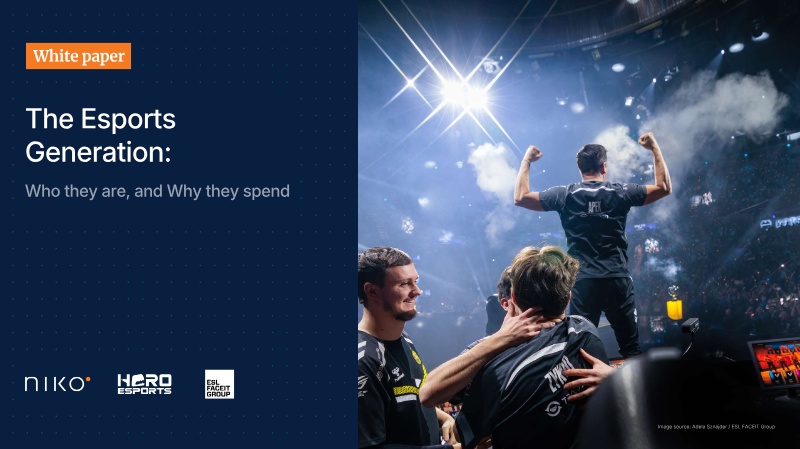
Niko Partners · 2026
Bryter · 2026

GameAnalytics · 2026
Poki · 2026

Sensor Tower · 2026
Anzu · 2026
Aream & Co · 2026

Take-Two Interactive · 2026
InvestGame · 2026
Epyllion · 2026
Poki · 2026