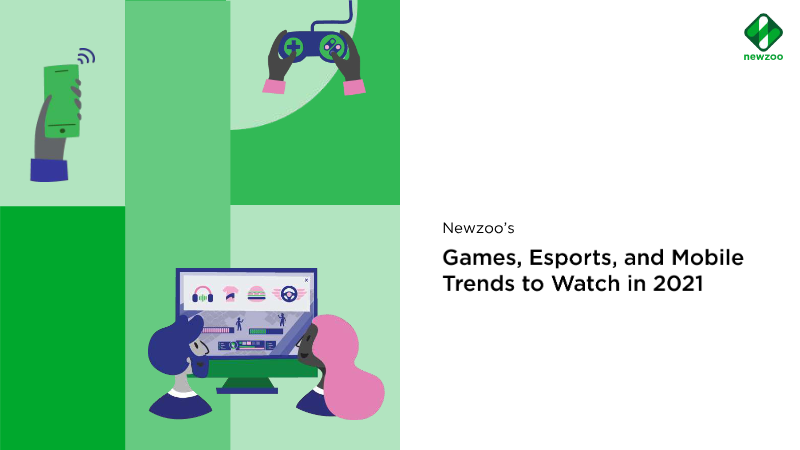
This analysis explores the trajectory of the global games, esports, and mobile markets for 2021, forecasting a year of sustained engagement despite the easing of pandemic-related lockdowns. The primary thesis suggests that while the explosive growth of 2020 will normalize, gaming habits have become deeply ingrained, positioning the global market to reach 2.8 billion players and $189.3 billion in revenue. Growth is expected to be particularly robust in emerging markets such as Southeast Asia and the Middle East.
Key findings highlight a significant shift toward platform agnosticism and the "metaverse." Cloud gaming is projected to surpass $1 billion in annual revenue for the first time, driven by high-fidelity experiences like Cyberpunk 2077 that bypass expensive hardware requirements. Simultaneously, games are evolving into social platforms for non-gaming events, exemplified by virtual concerts in Fortnite and Roblox. In the hardware sector, supply chain disruptions will continue to limit next-generation console availability, while AAA software delays are expected as the long-term impacts of remote development manifest.
The mobile segment faces a pivotal transition due to Apple’s removal of the Identifier for Advertisers (IDFA), which is expected to disrupt traditional user acquisition and push publishers toward IP-based games and creative marketing. Despite these hurdles, 5G penetration is set to triple, with 16% of active smartphones becoming 5G-ready by year-end. Additionally, Chinese developers are increasingly exporting high-budget, immersive mobile experiences like Genshin Impact to Western markets.
In the esports and streaming sectors, mobile titles are beginning to outperform traditional PC giants in viewership. Organizations are diversifying into lifestyle brands and content-creator collectives to mitigate risk. Furthermore, the industry is placing a heightened focus on social responsibility, with major stakeholders collaborating to reduce toxicity and improve diversity and inclusion in response to growing consumer demand for representative content.

Google · 2026
Newzoo · 2026

Newzoo · 2026
Newzoo · 2026

Deconstructor of Fun · 2026
Newzoo · 2026

Newzoo · 2026
Newzoo · 2026
Newzoo · 2026

Newzoo · 2026
Newzoo · 2026
Newzoo · 2025
Google & Newzoo · 2021

Newzoo · 2020

Niko Partners · 2026
Bryter · 2026
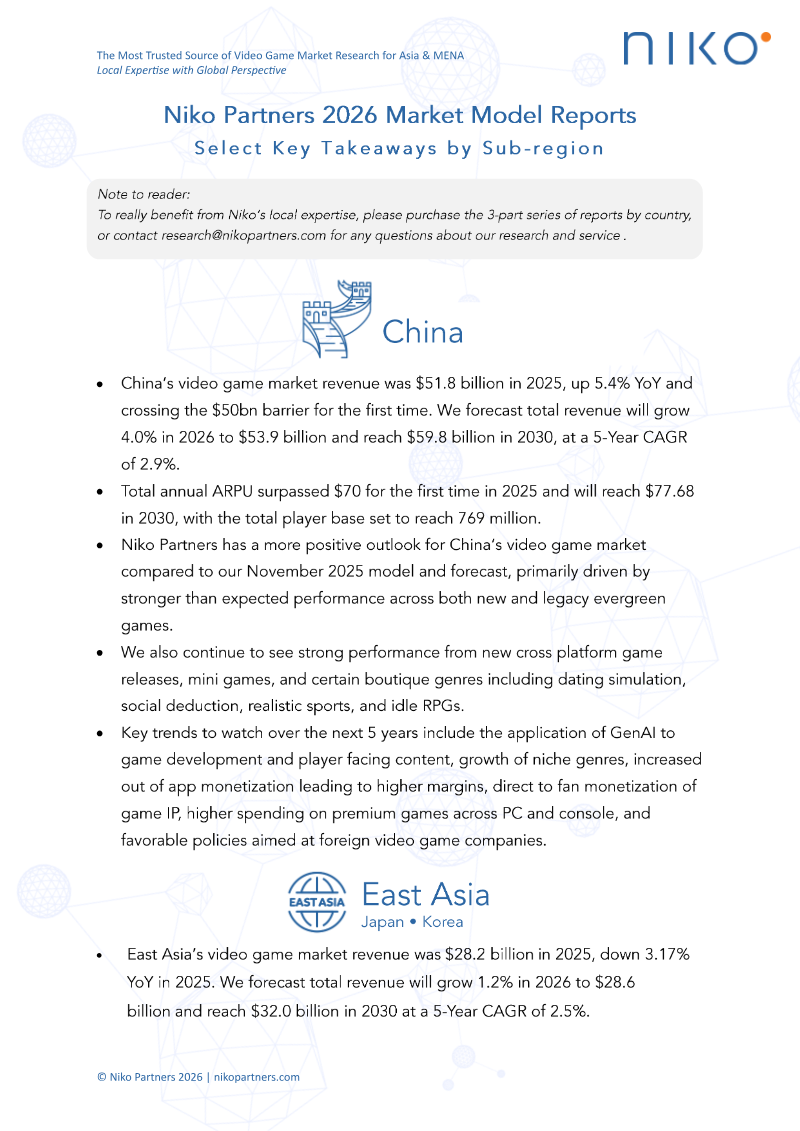
Niko Partners · 2026

GameAnalytics · 2026
Poki · 2026

Sensor Tower · 2026

GamesBeat · 2026
Anzu · 2026

game · 2026
InvestGame · 2026