ReportNewzoo
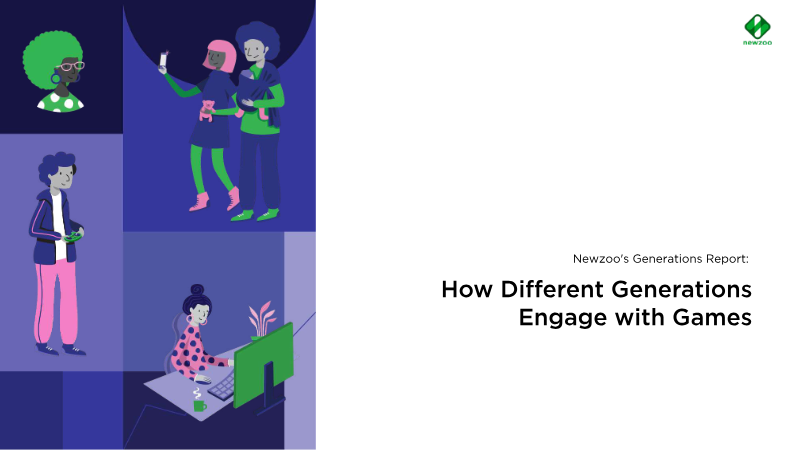
Gamer Generations Report: How Different Generations Engage with Games 2021
202121 pages~18 min full read
Gaming has evolved into a primary form of entertainment that transcends age groups, though engagement patterns vary significantly by generation. Younger cohorts, specifically Gen Z and Millennials, now prioritize gaming over traditional media like television or social media, spending approximately 25% of their leisure time on the medium. While 81% of Gen Z identifies as gamers, the hobby maintains a strong foothold among older populations, with 42% of Baby Boomers participating. This data suggests that gaming has become a focal point for global leisure, offering brands extensive opportunities to reach diverse audiences across 33 surveyed markets.
The depth of engagement is highly correlated with age. Younger generations exhibit multi-dimensional behaviors, including viewing game-related content, participating in online communities, and utilizing games as social hubs. For Gen Z and Millennials, streamers and content creators serve as major cultural influences, with over two-thirds of these groups both playing and watching gaming video content. In contrast, older generations like Gen X and Baby Boomers engage more casually, primarily using mobile platforms to fill time or unwind. Their motivations are largely practical, often seeking out reviews or "tips and tricks" rather than social or competitive experiences.
The industry is currently shifting toward the metaverse, characterized by virtual spaces that host non-gaming activities such as concerts and social gatherings. Approximately 70% of Gen Z gamers expect to spend time in game worlds without actively playing the main game, signaling a move toward digital persistence and self-expression. While younger players favor sandbox and battle royale genres that empower creativity, all generations express interest in metaverse features like free advertiser-sponsored content and avatar customization. This research, based on a sample of over 72,000 respondents, concludes that gaming is no longer just a pastime but a foundational component of modern social identity and digital interaction.
Google · 2026
Newzoo · 2026

Newzoo · 2026
Newzoo · 2026

Deconstructor of Fun · 2026
Newzoo · 2026
Newzoo · 2026
Newzoo · 2026
Newzoo · 2026

Newzoo · 2026
Newzoo · 2026
Newzoo · 2025
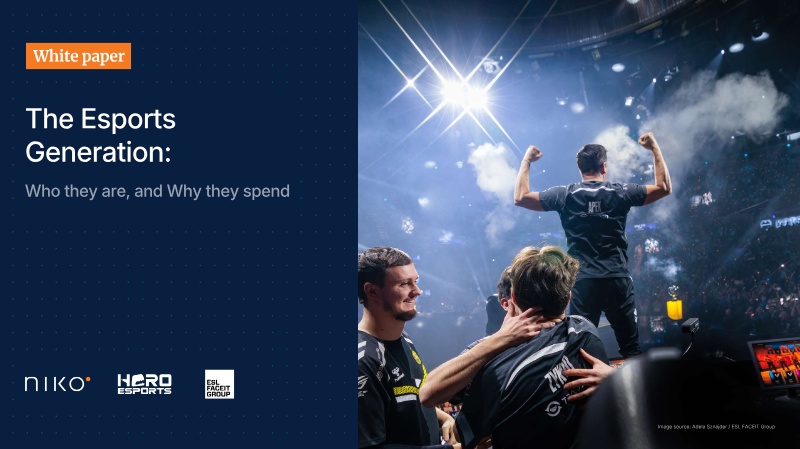
Niko Partners · 2026
Anzu · 2026
Stream Hatchet · 2025
Newzoo · 2025
Ampere Analysis · 2025
Newzoo · 2025
AEVI · 2025

Sensor Tower · 2025
Video Games Europe · 2025
Ampere Analysis · 2025
Newzoo · 2025
Newzoo · 2025