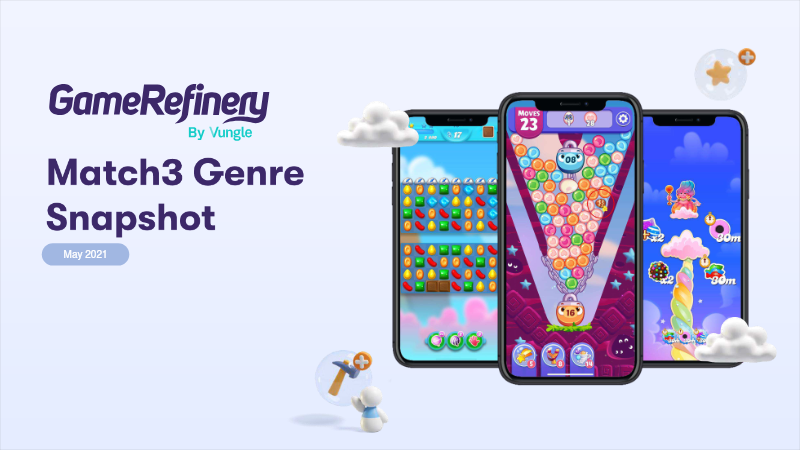
The Match3 subgenre represents the largest individual segment of the US iOS mobile gaming market, accounting for approximately 16% of total market revenue as of May 2021. While the category has long been dominated by established titles that have maintained chart positions for years, recent market shifts indicate a move away from traditional swapping mechanics. Notably, none of the new Match3 titles entering the top 500 grossing rankings over the last 18 months utilize standard swapping gameplay, signaling a diversification in core mechanics and the rising importance of meta-layers.
Meta-elements, particularly those focused on decoration and customization, have become essential components for modern success in the genre. Successful megahits like Royal Match and Project Makeover demonstrate the effectiveness of combining core puzzle gameplay with deep progression systems and sophisticated monetization strategies. Data indicates that recurring live events, special event rewards, and limited-time in-app purchase offers have the highest impact on revenue. Furthermore, social features such as guild mechanics and "send/ask help" systems are increasingly vital for driving engagement and retention.
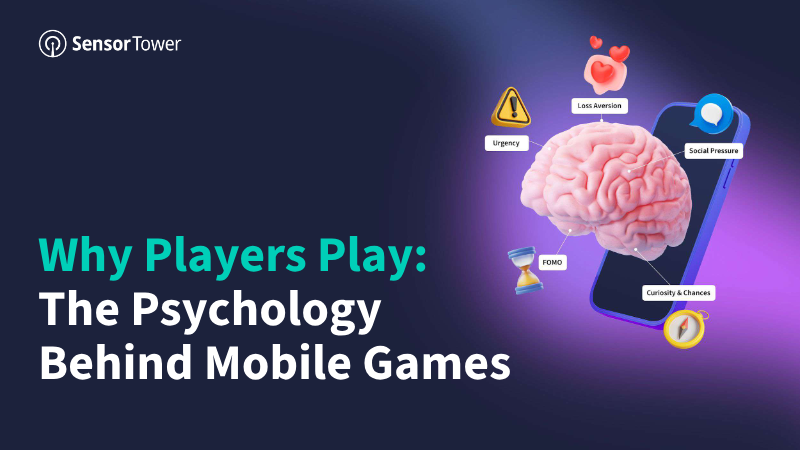
Player motivation analysis, based on a survey of over 7,000 mobile gamers across English-speaking Western markets, reveals distinct psychological drivers within the genre. While "Thinking and Solving" remains the primary driver for traditional titles like Candy Crush Saga, newer successful entries increasingly lean into "Customization and Decoration" and "Role-playing and Emotions." This shift reflects a broader industry trend where loss aversion mechanics and social competition are leveraged to enhance the player experience and maximize lifetime value in a highly competitive landscape.
GameRefinery · 2026
GameRefinery · 2026
GameRefinery · 2026
GameRefinery · 2026
GameRefinery · 2026

GameRefinery · 2025
GameRefinery · 2024
Liftoff · 2024
GameRefinery · 2023
GameRefinery · 2023
GameRefinery · 2023
GameRefinery · 2023
AppMagic · 2026
Liftoff · 2024
AppMagic · 2026
Sensor Tower · 2026
Sensor Tower · 2026
Sensor Tower · 2026
AppMagic · 2025
AppMagic · 2025
EA · 2025
Sensor Tower · 2025
Mistplay · 2024
Liftoff · 2023