World of Warcraft
Documents about World of Warcraft

Intrinsic vs Extrinsic - Designing Good Rewards in Games - Extra Credits
Effective game design requires a nuanced understanding of player motivation, specifically the distinction between intrinsic and extrinsic rewards at the granular level of moment-to-moment gameplay.
- Intrinsic rewards are derived from activities that are inherently engaging, such as the combat mechanics in Bayonetta or the puzzle-solving in Professor Layton.
- Extrinsic rewards involve performing unengaging or repetitive tasks, like grinding for gear in World of Warcraft, solely as a means to unlock future content.
- Game designers should prioritize making individual gameplay components intrinsically rewarding rather than using them as gating mechanisms to delay access to content.
Energy Systems - How Casual Games Suck You In - Extra Credits
Energy systems in modern gaming serve as psychological tools designed to regulate player behavior through three primary mechanisms: monetization, content restriction, and habituation.
- Energy systems function as psychological tools designed to regulate player behavior through monetization, content restriction, and habituation.
- Developers use artificial scarcity and limited play sessions to integrate games into a user's daily routine, prioritizing long-term retention over one-time engagement.
- Early implementations like World of Warcraft’s 'rested experience' system leveraged the psychological drive for efficiency to encourage regular play without causing user frustration.

Choice and Conflict - What Does Choice Mean in Games? - Extra Credits
The core thesis of this analysis is that meaningful choice in game design is defined by the presence of internal conflict, rather than simple decision-making or logical calculation.
- Meaningful choice in game design is defined by internal conflict between competing objectives, rather than simple logical decision-making.
- Decisions based on clear, optimal outcomes—such as choosing the cheapest price or avoiding damage—are categorized as problem-solving calculations rather than genuine choices.
- Effective design forces players to weigh incomparable options, such as balancing immediate survival against long-term progress, where no single path is objectively superior.
The Future of MMOs - Why Are There So Many WoW Clones? - Extra Credits
The modern massively multiplayer online (MMO) market suffers from a cycle of failure driven by high development costs and a misguided reliance on cloning the industry leader, World of Warcraft.
- The $60 million to $100 million development costs for modern MMOs force studios to prioritize risk-averse, proven formulas over innovation to satisfy investors.
- The market is saturated because MMOs are time-intensive, perpetual experiences that lock players into established social bonds, making it difficult for new titles to displace incumbents like World of Warcraft.
- Developers should decouple the 'MMO' label from the RPG genre to create lower-budget, genre-specific titles like racing or strategy games that utilize shared hub spaces instead of massive 3D worlds.
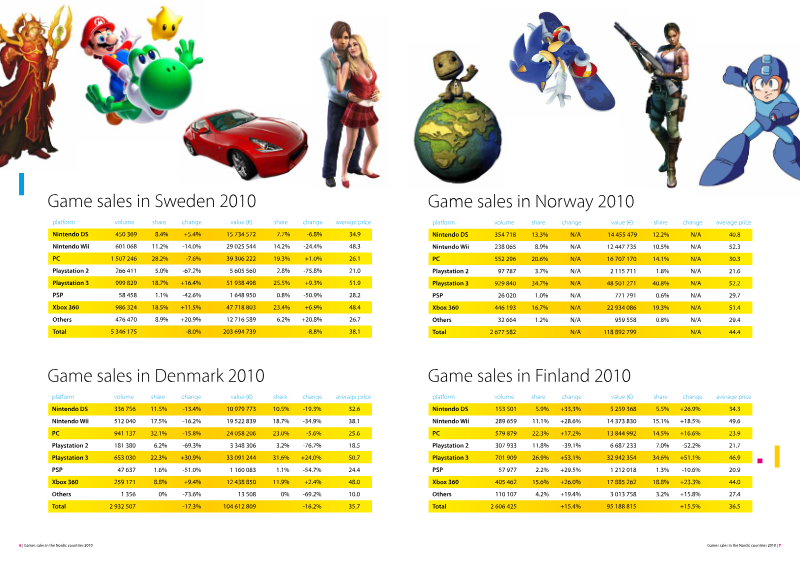
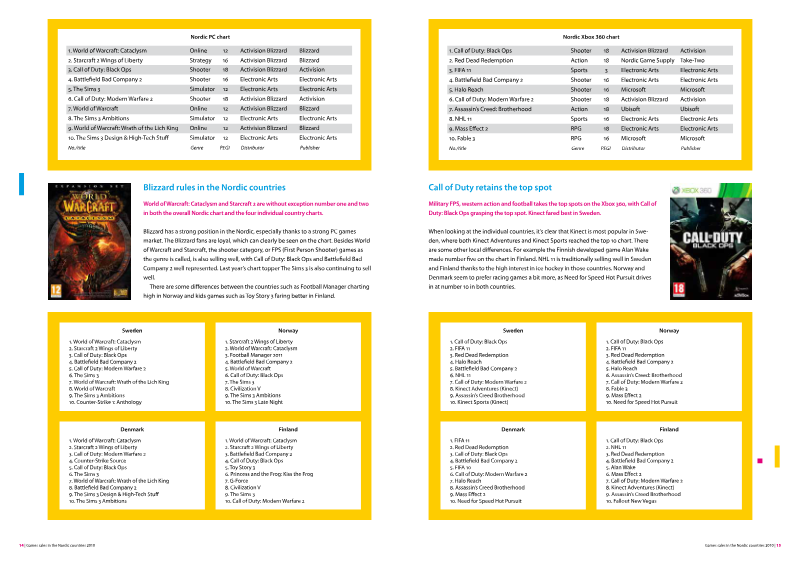
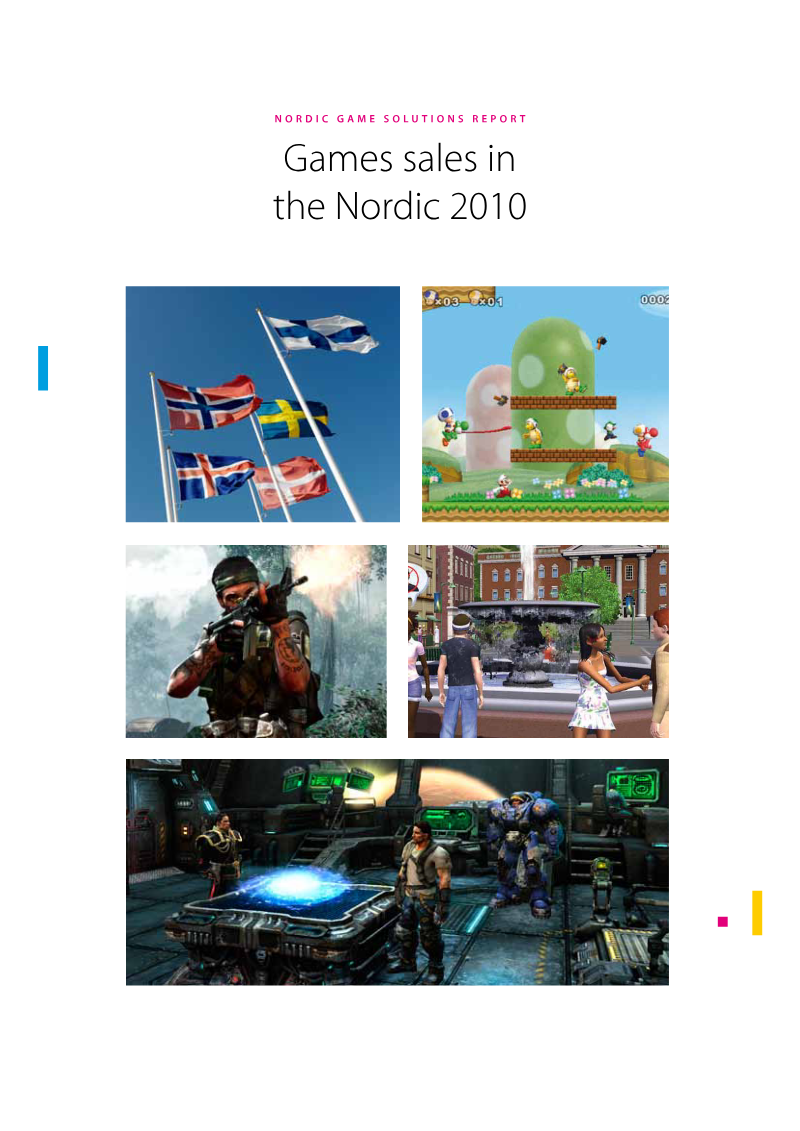
Nordic Game Solutions Report: 2010
The 2010 Nordic gaming market underwent a pivotal structural transformation characterized by a 6.3 percent decline in traditional physical retail sales alongside a robust 158 percent surge in digital distribution, particularly within the PC sector.
- The Nordic gaming market saw a major structural shift in 2010, marked by a 6.3 percent decline in physical retail sales and a 158 percent surge in digital distribution.
- Activision Blizzard dominated the 2010 regional market, with Call of Duty: Black Ops as the top-selling title and World of Warcraft and Starcraft anchoring the PC sector.
- Consumer preferences shifted away from legacy hardware like the PlayStation 2 toward contemporary platforms including the PlayStation 3, Xbox 360, and Wii.
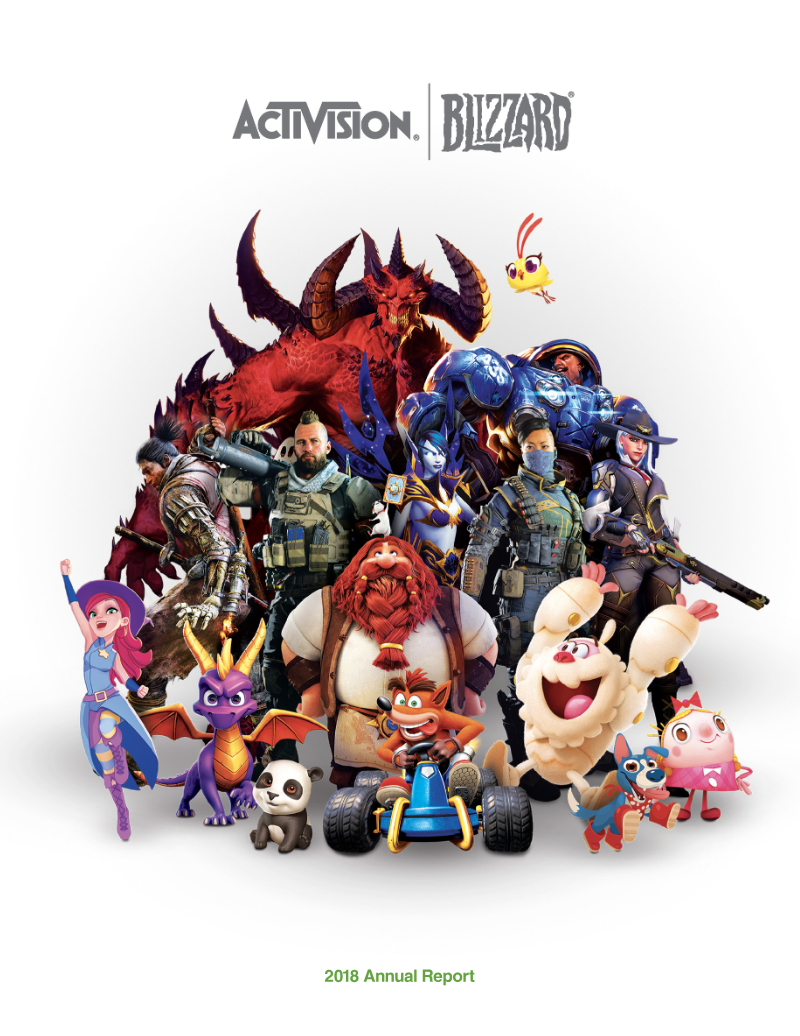
2018 Annual Report
Activision Blizzard’s 2018 annual performance reflects a period of significant financial growth tempered by operational challenges and a strategic pivot toward core intellectual property.
- Activision Blizzard reported $7.5 billion in 2018 net revenue, a 7% year-over-year increase, with $1.8 billion in net income.
- Digital channels accounted for 77% of total revenue, though the company remains highly concentrated with its top three franchises generating 58% of total earnings.
- Despite revenue growth, the company experienced a decline in monthly active users and missed internal engagement targets, triggering a 2019 restructuring plan to reduce organizational complexity.

Live-Streaming Trends Report: Q1 2026
Live-streaming has solidified its position as a primary pillar of global entertainment, reaching a total of 17 billion hours watched during the first quarter of 2026.
- Live-streaming reached 17 billion hours watched in Q1 2026, with TikTok Live accounting for nearly 50% of total volume.
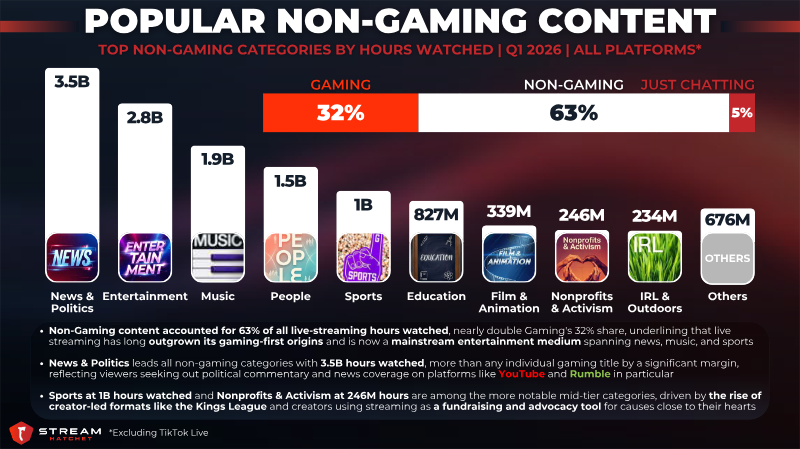
- Non-gaming content now dominates the ecosystem, representing 63% of total viewership with News and Politics as the leading category.
- Gaming engagement is shifting away from traditional esports structures toward mobile-friendly, community-centric, and creator-led events.