Street Fighter
Game
Documents about Street Fighter
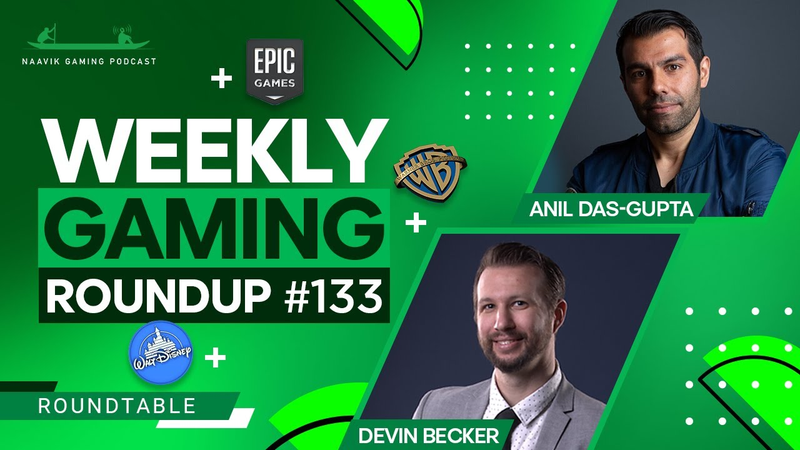
Disney x Fortnite / Heroes of Mavia Launch / WB Live Service Stumbles
The gaming industry is currently undergoing a structural transformation characterized by a move away from traditional standalone development toward interconnected digital ecosystems and community-driven engagement.
- Disney is investing $1.5 billion into Epic Games to integrate its intellectual property into Fortnite, shifting away from internal development to leverage an existing, persistent cross-platform ecosystem.
- The gaming industry is moving toward interconnected digital ecosystems, prioritizing organic player retention and high-quality gameplay over aggressive, top-down monetization strategies.
- Forced live-service mechanics are alienating core audiences, as evidenced by the poor reception of Warner Bros. titles like Suicide Squad: Kill the Justice League and Mortal Kombat 1.
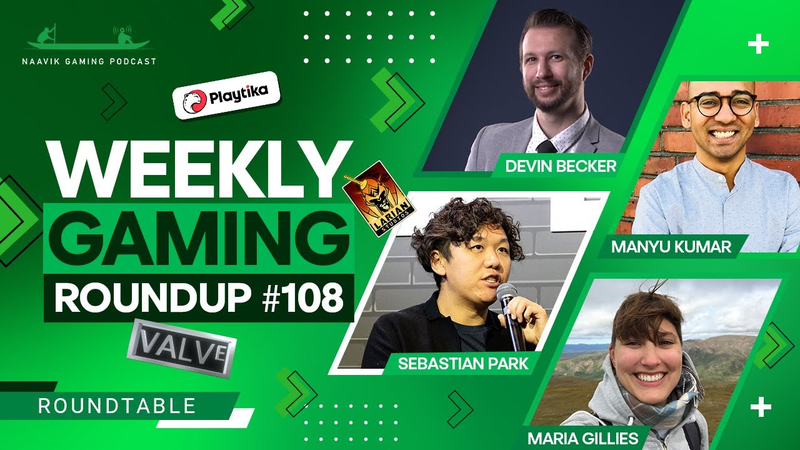
Baldur's Gate 3 Launch / Playtika Earnings / Dota 2 Arcade Shutdown
The gaming industry is currently defined by a stark contrast between the resurgence of high-fidelity, complex RPG experiences and the stagnation of established mobile sectors.
- Baldur’s Gate 3 has demonstrated significant commercial success for high-fidelity, complex RPGs, signaling a strong market appetite for deep, faithful adaptations of established mechanics like Dungeons & Dragons.
- The social casino sector, including firms like Playtika and PlayStudios, is experiencing structural decline characterized by stagnant user growth and rising customer acquisition costs in a privacy-focused market.
- Social casino companies are being forced to pivot toward consolidation and direct-to-consumer platforms as traditional monetization models reliant on high-spending users fail to sustain valuations.
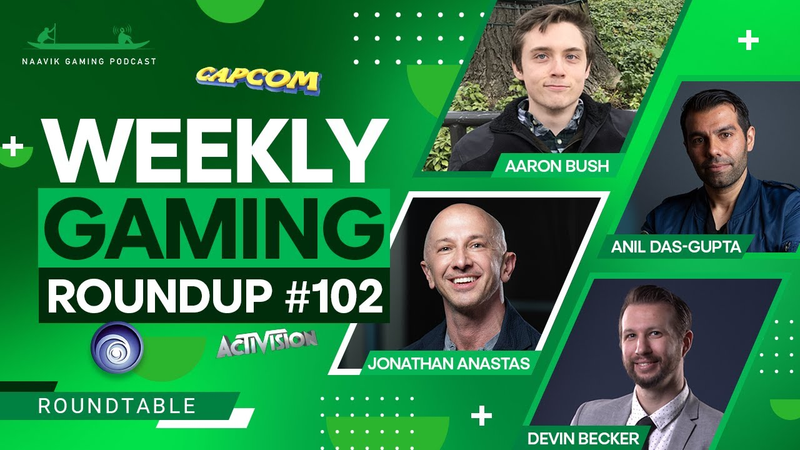
2023 Half-year Review
The gaming industry in the first half of 2023 is defined by a strategic pivot toward operational austerity and the dominance of established franchises.
- The gaming industry is shifting toward operational austerity and budget discipline, moving away from the rapid, unsustainable growth models of previous years.
- Market demand is currently dominated by established franchises, with players favoring high-quality iterations of known intellectual properties like Street Fighter 6, The Legend of Zelda: Tears of the Kingdom, and Call of Duty: Modern Warfare 2 over experimental titles.
- Artificial intelligence is currently utilized only for incremental production efficiency rather than transformative gameplay innovation, reflecting a broader industry skepticism toward AI hype.
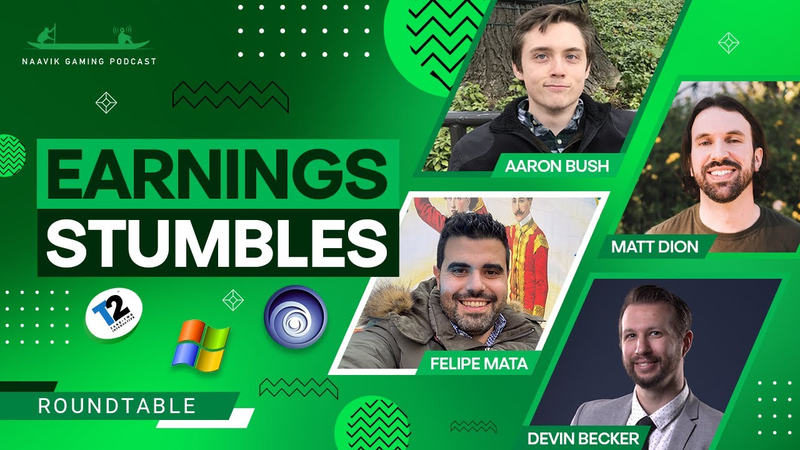
Embracer’s Deal Collapse / Take-Two & Ubisoft Earnings / Mortal Kombat 1
The global gaming industry is currently navigating a period of significant structural realignment, characterized by the failure of aggressive acquisition-led growth strategies and a pivot toward rigorous capital discipline.
- Embracer Group’s failed $2 billion partnership deal and debt-fueled strategy have triggered a 45% decline in its stock price and a 30% reduction in earnings guidance.
- Major publishers are pivoting from aggressive acquisition-led growth to capital discipline, with Take-Two Interactive pruning its development pipeline to prioritize high-impact releases like the next Grand Theft Auto title in fiscal 2025.
- The fighting game genre, led by Mortal Kombat 1, Street Fighter 6, and Tekken 8, is shifting toward live-service monetization models that utilize $70 price points, recurring DLC, and cross-IP collaborations.
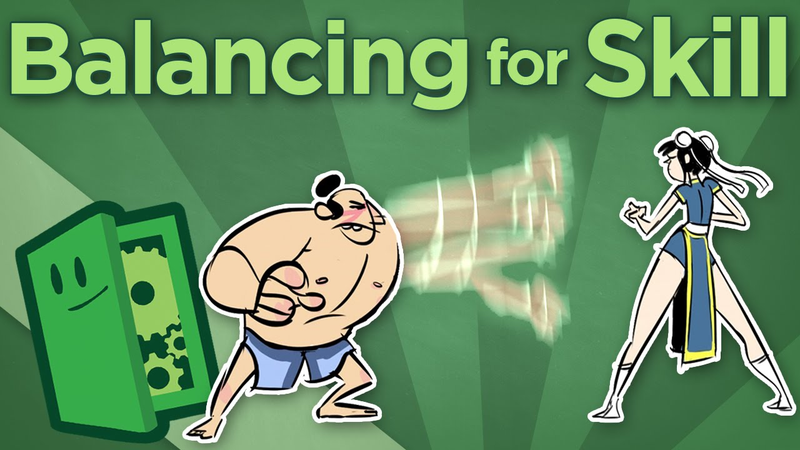
Balancing for Skill - The Link from Optimal Power to Strategy - Extra Credits
Effective game design requires balancing not just the raw power of mechanics, but the relationship between player skill and the power output of those mechanics.
- Game balance requires aligning player skill levels with the power output of specific mechanics to ensure long-term engagement.
- High-power, low-skill entry points are essential for retaining novice players and preventing the formation of exclusionary, stagnant communities.
- Designers must create clear progression paths that incentivize players to move beyond simple, repetitive tactics to avoid hitting difficulty 'brick walls'.
Companies behind it

As the documents state it.