
StarCraft II: Wings of Liberty
GameBy Blizzard Entertainment · Released Jul 27, 2010
- How much revenue has StarCraft II: Wings of Liberty made?
- How many players does StarCraft II: Wings of Liberty have, and how is that changing?
- What do industry reports say about StarCraft II: Wings of Liberty's performance?
- Which games compete with StarCraft II: Wings of Liberty, and how do they compare?
Documents about StarCraft II: Wings of Liberty
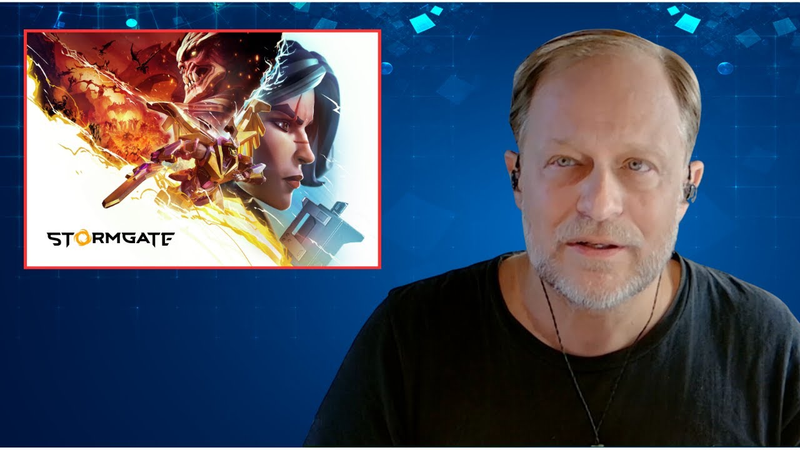
Is RTS Really Dead? How It Comes Back (Tim Morten StarCraft 2, StormGate)
The real-time strategy (RTS) genre maintains a dedicated and stable core audience, though it has been eclipsed in total market share by genres such as multiplayer online battle arenas (MOBAs) and battle royales.
- The core audience for the real-time strategy (RTS) genre remains passionate and has not diminished, but the genre has been eclipsed in total player count by massive genres like MOBA and Battle Royale.
- Achieving growth for the RTS genre beyond its current niche requires significant innovation, with social play identified as a primary, yet difficult-to-execute, growth strategy.
- Frost Giant’s development of Stormgate faced scope challenges that forced the team to prioritize core gameplay modes over the intended social and co-op experiences.
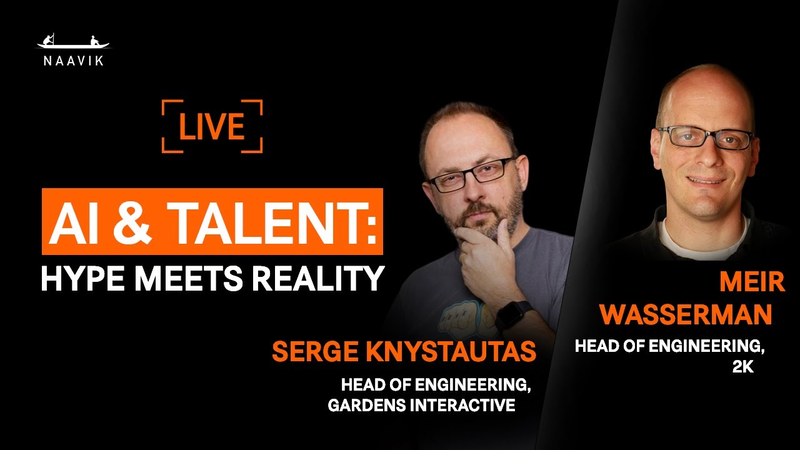
AI & Talent in Games Engineering: Hype Meets Reality – Live at Pragma OSS
Artificial intelligence is currently functioning as a transformative augmentation tool within game engineering, shifting the industry toward a model of increased productivity and cross-functional efficiency.
- AI is currently deployed as an augmentation tool to increase productivity by automating repetitive tasks like telemetry data querying and code navigation, allowing engineers to focus on high-value gameplay features.
- The industry is avoiding rigid standardization and vendor lock-in by maintaining an experimental approach to AI tool adoption.
- AI remains limited by a lack of intentionality in design and a tendency to hallucinate, requiring continuous human oversight for quality control.
The TikTok of Games
The instant gaming market is undergoing a fundamental transformation, shifting toward low-friction, snackable experiences that prioritize rapid iteration over the high-cost, formulaic models of traditional AAA studios.
- Remix.gg functions as a platform for instant, zero-install games that leverage AI to democratize game creation, allowing users to build and launch titles in 5 to 10 minutes.
- The platform targets Gen Z and Millennial audiences by focusing on snackable, culturally relevant content that mirrors viral trends, such as TikTok memes or real-world events.
- Creators on the platform have already earned tens of thousands of dollars through game jams, with plans to integrate tokenization to further scale monetization and reward systems.

Week in Mobile Games E66 - UGC platform revenue share and app store competition
The mobile gaming landscape is currently defined by shifting revenue models and the persistent resilience of developers operating under extreme geopolitical instability.
- Epic Games has launched a creator payout model for Fortnite UGC that offers a 74 percent revenue share, with a planned reduction to 37 percent by 2027.
- The 37 percent long-term revenue share for Fortnite creators raises questions about Epic Games' ongoing legal and public advocacy against the standard 30 percent platform fees charged by Apple and Google.
- Mobile platform holders are updating their storefronts to enhance game discovery and social integration in response to rising regulatory pressure and the growth of alternative distribution marketplaces.

Market Update: UEFN Monetization, Meta’s Vision, and the Future of Consoles
The gaming industry is currently navigating a period of structural transition, characterized by a shift toward platform-driven economies, hardware innovation, and evolving financial models.
- Epic Games is expanding UEFN monetization to empower creators, though the long-term impact remains uncertain regarding whether this revenue is truly additive or if it cannibalizes existing Fortnite store spending.
- Meta is prioritizing an entertainment-focused strategy for its hardware, exemplified by the $799 price point for its latest AR glasses, which aims to attract early adopters to build an app ecosystem despite current limitations in user comfort and content depth.
- The gaming investment landscape is shifting toward specialized financing models, such as UA (user acquisition) financing, which allows companies to raise capital specifically for scaling growth rather than relying solely on traditional equity rounds.
Companies behind it



As the documents state it.