UGC reports and market data
96 game industry reports, presentations and talks about ugc from writers such as Naavik, Deconstructor of Fun and Game Developers Conference, newest from 2026. Every document has a summary and key insights with the page they come from, and 4 charts and tables are extracted as data.
Key figures
Female participation in the Indian gaming market has reached near parity, rising to 49% of the total player base as of August 2026, up from 43% in 2023.
Niko Partners, 2026 · India Player Behavior & Market Insights: August 2026, p. 2
Games with official UGC support on Steam show a 31% revenue advantage five years post-launch compared to titles without such support.
GameDiscoverCo, 2025 · UGC Impact Report 2025, p. 4
Video formats now dominate the mobile advertising landscape, accounting for 80% of all ad creatives in Q3 2023, up from 69% in the previous quarter.
Apptica, 2023 · Creative Analytics: Mobile Market Analytics and Ad Intelligence, p. 5
Founded in 2019, the studio specializes in user-generated content and Games-as-a-Service models, exemplified by their sandbox game MisBits, which holds an 83% positive rating on Steam.
Embracer Group, 2020 · Embracer Group Acquires Pow Wow Entertainment, p. 3
The UGC gaming sector attracted $9 billion in total investment between 2020 and 2025, with $8.9 billion concentrated in late-stage and corporate deals.
InvestGame · Where the UGC Dollars Flow: Mapping $9B Investments in Creator Economy, p. 2
Documents

AI Makes Game Creation More Accessible
The integration of AI-native game engines and decentralized infrastructure is fundamentally reshaping the landscape of user-generated content by lowering technical barriers to entry.
- Sandbox Studio aims to move beyond 'vibe coding' by providing a structured, editable game codebase that allows creators to inspect, debug, and modify their projects rather than relying on unpredictable LLM-generated black boxes.
- The platform leverages institutional knowledge from seven years of Sandbox development, using existing voxel asset libraries and historical workflow data to guide creators through the development process.
- Sandbox Studio is shifting its strategy to function as a multi-platform engine, enabling creators to publish standalone games to external platforms like Steam while offering incentives for those who choose to integrate with the Sandbox ecosystem.
How long should a game wait to enter PlayStation Plus?
Sony’s strategic approach to the PlayStation Plus Game Catalog reflects a broader industry shift away from day-one subscription releases, favoring instead a delayed entry model that maximizes long-term revenue and churn reduction.
- Sony added Helldivers 2 to the PlayStation Plus Game Catalog approximately 2.5 years after its initial release, serving as a churn-reduction strategy for the subscription service.
- Large third-party games can receive payments of roughly $10 million for inclusion in PlayStation Plus, though compensation varies significantly based on the title's scale and developer status.
- The paid user-generated content (UGC) market is expanding, with platforms like Mod.io reporting an average revenue per paying user (ARPPU) of $10 for titles such as BMX Streets.
Epic Won the Fee War. So Why Is Everyone Losing? (Liam Wiltshire, Tebex)
The gaming industry is currently navigating a period of severe margin compression, driven by an infinite supply of content—increasingly accelerated by artificial intelligence—and a finite pool of player attention.
- The player relationship is the most critical asset in gaming, as evidenced by the shadow economy of UGC servers like FiveM and Hypixel, where community owners retain direct control and monetization power without publisher intervention.
- Creator codes significantly boost monetization, increasing average spend by 227% in titles like Rust by leveraging the trust and affinity players feel toward content creators.
- Alternative payment methods like Buy Now, Pay Later (BNPL) and cryptocurrency drive significantly higher spending, with transaction values 50–70% higher than traditional credit or debit card payments.

The Sensor Tower / AppMagic deal unwrapped and Xbox's random rebrand | Week in Mobile Games podcast
The mobile gaming landscape is undergoing significant structural shifts, characterized by strategic consolidation and evolving platform dynamics.
- Sensor Tower has acquired AppMagic, a strategic consolidation aimed at data integration while maintaining separate service tiers for different business sizes despite methodological differences in tracking.
- Melon Sandbox has achieved significant scale with 150 million total downloads and 19 million monthly active users, demonstrating the high monetization potential of user-generated content platforms.
- The Nex Playground outperformed Xbox in sales during the Black Friday period, signaling a strong consumer demand for accessible, motion-based gaming hardware that traditional consoles currently lack.

Inside Dorian's No-Code UGC Platform
Dorian functions as a no-code user-generated content platform designed to democratize interactive storytelling by bridging the gap between narrative-driven experiences and the micro-drama market.
- Dorian is a no-code UGC platform that prioritizes narrative-driven interactive storytelling over mechanic-centric design, specifically targeting female-first fandoms where 90% of its creators are women.
- The platform utilizes free-to-play monetization mechanics, specifically 'patronage,' which allows creators to generate sustainable income by letting fans vote with their dollars for specific storylines or character developments.
- Solo creators on Dorian often outperform venture-backed studios in profitability because they maintain total control over their vision, avoiding the diluted creative output and siloed information common in larger professional teams.

Building AI Tools for Roblox Creators
Lemonade functions as a specialized AI-powered coding agent designed to democratize game development within the Roblox ecosystem.
- The platform utilizes a complex layer of agents and routers to deconstruct user intent, addressing the challenge that young creators often struggle to articulate technical requirements through traditional prompting.
- Lemonade prioritizes a robust evaluation (evals) framework over post-training, allowing the company to rapidly swap underlying AI models as technology improves without sacrificing the quality of the user experience.
- Beyond basic coding, Lemonade is expanding into UI generation, noting that approximately 50% of Roblox game development is dedicated to 2D interface elements like inventories and leaderboards.

GDC 2026: AI, UGC, and the New Reality of Game Funding
The gaming industry is currently navigating a pivotal transition characterized by the integration of artificial intelligence and user-generated content as foundational pillars of development and business strategy.
- Investor expectations have shifted from funding based on team pedigree or prototypes to requiring proven traction and established community engagement.
- Gaming companies are adopting AI tools to accelerate development but are keeping these implementations quiet due to negative sentiment from a vocal segment of their player base.
- User-generated content (UGC) platforms like Roblox and Fortnite UEFN are becoming critical for traditional studios to extend game lifespans and maintain player retention as development cycles lengthen.

Female-First as a Moat: Dorian's Business of Fandom UGC with founder Julia Palatovska
Dorian functions as a no-code platform designed to democratize game development by empowering creators, particularly women and Gen Z artists, to build interactive fiction and dating simulations.
- Dorian utilizes a 50/50 revenue share model to incentivize creators to treat interactive fiction and dating simulation projects as professional businesses.
- Top titles on the platform generate six to seven figures in annual revenue by focusing on character-driven narratives rather than high-polish mechanics.
- The platform employs an iterative, data-driven development cycle where creators test concepts as pilots and refine them based on real-time fan feedback before scaling.
Why UGC Creators Need Webshops Too
The gaming industry is undergoing a fundamental transition toward direct-to-consumer monetization models, moving away from reliance on third-party storefronts toward integrated, studio-owned webshops.
- Webshops allow studios to bypass the limitations of in-game payment rails by enabling advanced e-commerce features like abandoned cart recovery, loyalty programs, and gifting.
- Using a merchant of record (MoR) service like Tebex offloads complex operational burdens such as global tax compliance, fraud management, and chargeback protection, which can save teams over 1,000 hours of administrative work.
- Webshops drive long-term player retention by training users to visit external sites for daily rewards, eventually converting them into habitual shoppers who explore additional content.

How User-Generated Games Are Becoming Hollywood Franchises
The historical narrative surrounding the supposed failure of video game adaptations is largely a byproduct of industry misalignment and a lack of deep integration between Hollywood and gaming culture.
- Successful game-to-screen adaptation requires moving away from 'smash and grab' IP licensing toward inclusive partnerships that prioritize the developer's vision and the community's trust.
- Story Kitchen operates on a producer-first business model, generating revenue only when projects enter active film or television production rather than through upfront consulting or retainer fees.
- Adaptation potential is determined by whether a game's core DNA evokes universal human emotions, such as the need for belonging, rather than relying solely on established lore or genre popularity.
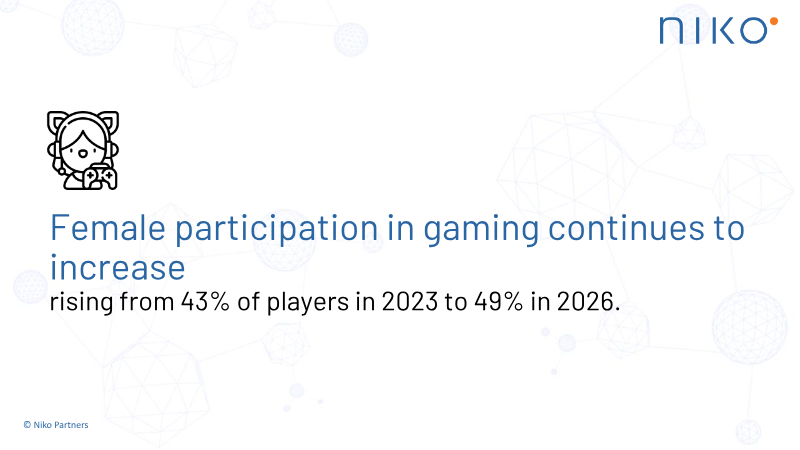

India Player Behavior & Market Insights: August 2026
The Indian gaming landscape is undergoing a significant demographic and structural transformation as of August 2026.
- Female participation in the Indian gaming market has reached near parity, rising to 49% of the total player base as of August 2026, up from 43% in 2023.
- Non-battle royale mobile titles have successfully expanded their market share from 53.2% to 62.8% over the past three years.
- The Unified Payments Interface (UPI) is the dominant transaction method, utilized by 84.6% of players, significantly outpacing credit card usage at 31.5%.
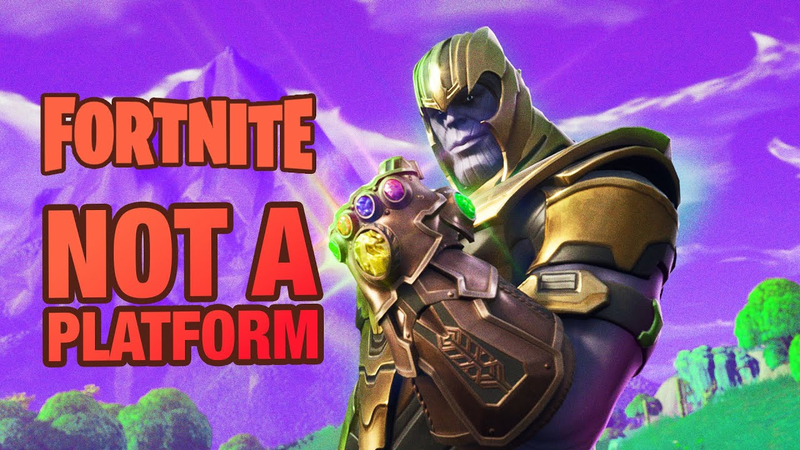
Fortnite’s Platform Problem (It’s Not What You Think)
Fortnite functions primarily as a centralized licensing powerhouse rather than a true open platform.
- Fortnite functions as a centralized licensing powerhouse that absorbs external IP, such as Ferrari and James Bond, rather than operating as a decentralized platform for third-party creators.
- Despite reaching 9 million concurrent users during the Chapter 7 launch, Fortnite struggles to translate these spikes into significant growth or engagement for the Unreal Editor for Fortnite (UEFN) ecosystem.
- Fortnite maintains a superior financial position compared to Roblox by prioritizing monetization efficiency and higher average revenue per user, despite Roblox’s significantly higher concurrent user count of 21 million versus Fortnite’s 3 million.